
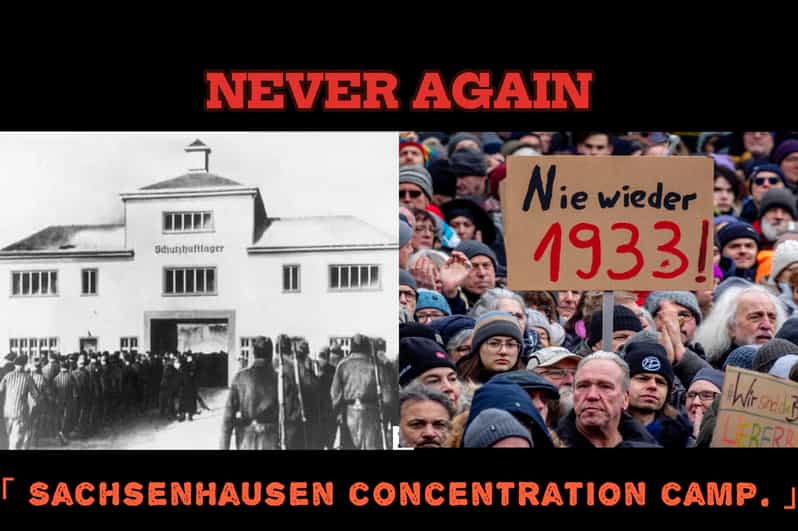
Reviewed · SACHSENHAUSEN MEMORIAL VISITS FROM BERLIN
Never Again Berlin – Sachsenhausen Concentration Camp
Sachsenhausen forces you to slow down. On this Never Again Berlin tour to the Sachsenhausen Memorial, I like how the guide ties Nazi decision-making to what you actually see on the ground, and I also like the clear focus on key areas like Tower A. It is one of those trips where you feel the weight of place, not just a pile of dates.
It is emotionally heavy, and the logistics are not built for a snack run. Bring comfortable shoes and your own water and snacks, because food inside can be limited.
In This Review
- Key highlights
- Getting to Oranienburg from Potsdamer Platz, the simple way
- First stop, the Visitors Center, and the layout you will not forget
- Walking the SS camp grounds: officers’ comfort beside prisoners’ suffering
- Tower A and the Perpetrators Room, where indoctrination becomes visible
- Daily roll calls, shoe testing, and the brutal math of forced labor
- Neo-Nazi attacks and the hard link to the present
- Station Z, Soviet prisoners, and the gas chambers and crematorium
- The infirmary: racism, eugenics, and Nazi doctors turning people into lab rats
- Price and logistics: is $38 good value?
- A note on guide style
- Who this tour is for, and who should consider alternatives
- Should you book the Never Again Berlin Sachsenhausen tour?
- FAQ
- Where does the tour meet?
- Is the train to Oranienburg included in the price?
- How long is the tour?
- Is the tour wheelchair accessible?
- What should I bring?
- Is this tour suitable for children?
- What is the cancellation policy?
Key highlights
- Sachsenhausen Memorial walkthrough focused on how control and terror were built into daily routine
- Visitors Center models that help you visualize the camp layout quickly
- Tower A Perpetrators Room with SS indoctrination themes and officer portraits
- Station Z covering mass murder of Soviet prisoners, including child soldiers
- Infirmary themes like racism, eugenics, and medical abuse tied to Nazi doctors
- Connection to today through far-right presence and Holocaust denial activity
Getting to Oranienburg from Potsdamer Platz, the simple way
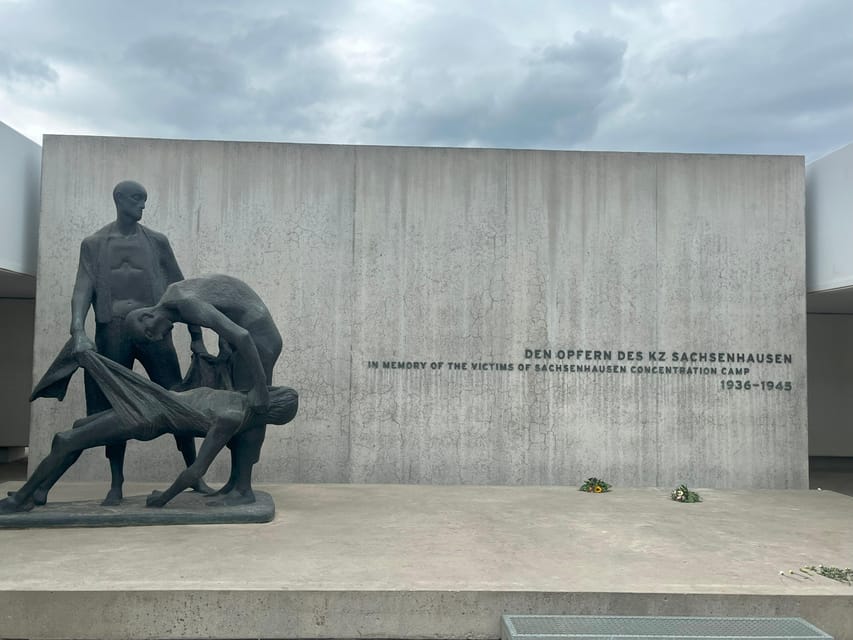
You start at Potsdamer Platz, and the guide meets you in front of the Espresso House with a mini yellow flag. That is helpful. In Germany, it is easy to miss a group when everyone looks like everyone else, so that flag is your friend.
The trip is built around public transport. You ride a train from Berlin for about 35 minutes, then hop on a bus or coach for about 10 minutes to reach Oranienburg and the memorial area. After the visit, you do the same route back in reverse. The whole experience runs about 270 minutes, with the longest block spent at the Sachsenhausen Memorial.
One practical catch: the tour price does not include the train ticket you need to get to Oranienburg. You are expected to buy that separately beforehand, and the tour info calls it an ABC ticket for Berlin. If you dislike last-minute errands, buy it early, before you head out.
First stop, the Visitors Center, and the layout you will not forget
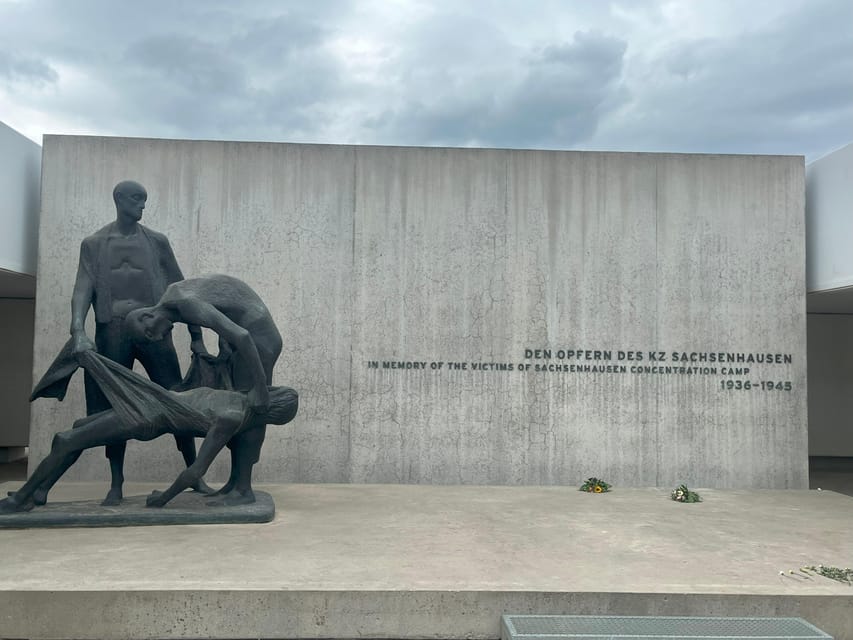
When you arrive, you start at the Visitors Center in the Oranienburg area and work your way toward the camp grounds. This part matters because the memorial gives you physical models of the camp. Those scaled structures help you understand the logic of the place fast, before you get overwhelmed by walking.
You also learn about why the Nazis selected this location, and you get context for Hitler’s rise. That background is not fluff. It helps you make sense of the later details, like why the camp functioned as a system for domination rather than just a prison.
Another detail I found useful: you see how the former SS training camp links to a present-day police academy in Brandenburg. Seeing that continuity makes the lesson sharper. You realize how easily institutions can reuse space, labels, and authority, even when the intentions are supposed to be different.
Walking the SS camp grounds: officers’ comfort beside prisoners’ suffering
Once you get deeper into the memorial, the tour guides you through the SS troop camp and key buildings that show the camp’s hierarchy. You go past the head of the camp’s house, where officers lived and took family time while prisoners suffered. It is hard to process because the space does not look like what your mind expects from an “execution camp” story. That is part of why this stop is so effective.
You also get attention to the darker, often overlooked reality of sexual exploitation tied to the camp system. The tour explains the reality of sex work by female prisoners and describes how outsiders such as reporters, ambassadors, and humanitarian organizations were connected through visits. The point is uncomfortable but important: the camp was not sealed off from the wider world. You end up asking Who knew? and the question hangs there.
The memorial experience here is not just about cruelty in general. You are shown how routine, documents, and privileged access created a structure where abuse could keep happening.
Tower A and the Perpetrators Room, where indoctrination becomes visible
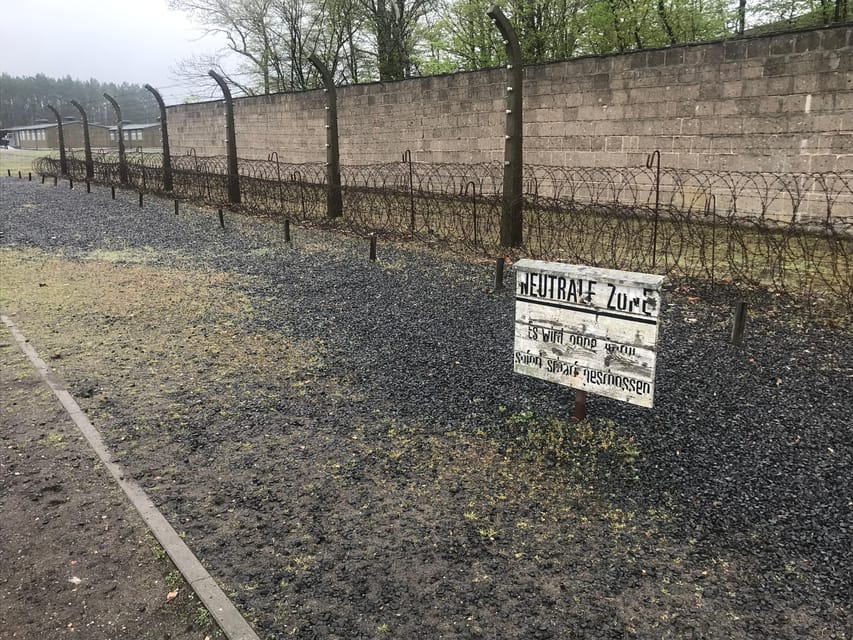
Tower A is one of the most memorable sections of the visit. The tour highlights the Perpetrators Room exhibition, and it focuses on SS indoctrination and the identities of officers. You will see portraits and information that show how brainwashing became ideology, then ideology became behavior.
This is where you start connecting the dots between propaganda and daily terror. It is not simply that people “knew what was happening.” It is that the Nazis trained a mindset and rewarded participation. That is why this tower stop feels like a turning point.
If you want to get the most out of it, keep your questions simple and pointed. Ask how indoctrination showed up in rules, in tone, in punishments, and in the way prisoners were treated as categories instead of individuals. The memorial materials and the guide’s narration are built for that kind of thinking.
Daily roll calls, shoe testing, and the brutal math of forced labor
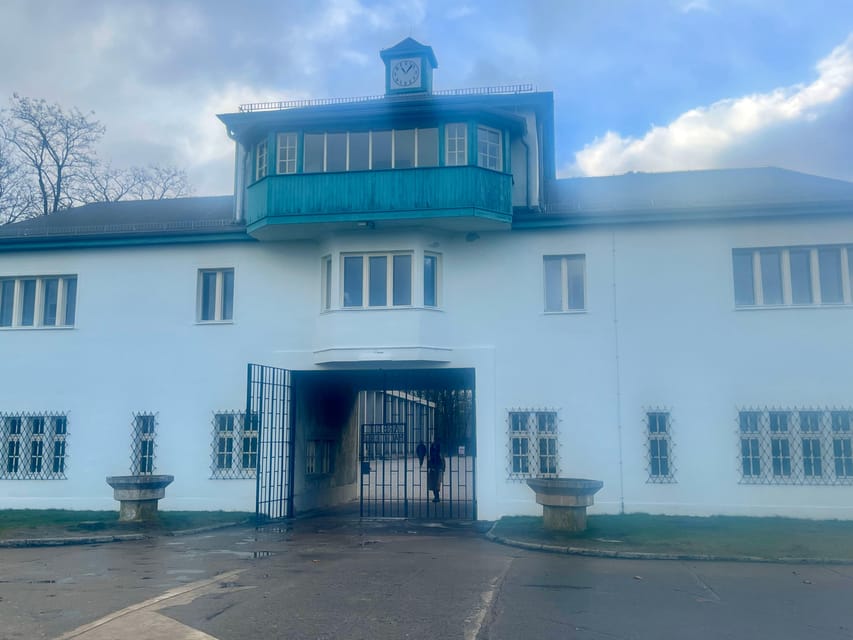
As you move through the SS camp areas, the tour explains how prisoners endured daily roll calls and a system of exploitation. One of the most startling specifics is the shoe testing track for the lowest categories of prisoners. The tour frames it as part of how the Nazis profited from prisoners’ agony and labor.
This is the kind of detail that makes the history feel “real” in the worst possible way. You start to understand that suffering was not incidental. It was used, measured, and turned into a resource.
The tour also includes time where you can explore certain areas on your own, like the prisoner barracks and the camp kitchen. You get to slow down and read, rather than always walking forward with your head up. When you do self-guided time, I suggest you pick one or two spots to focus on, then look up at the layout. That prevents the day from turning into museum sprinting.
Neo-Nazi attacks and the hard link to the present
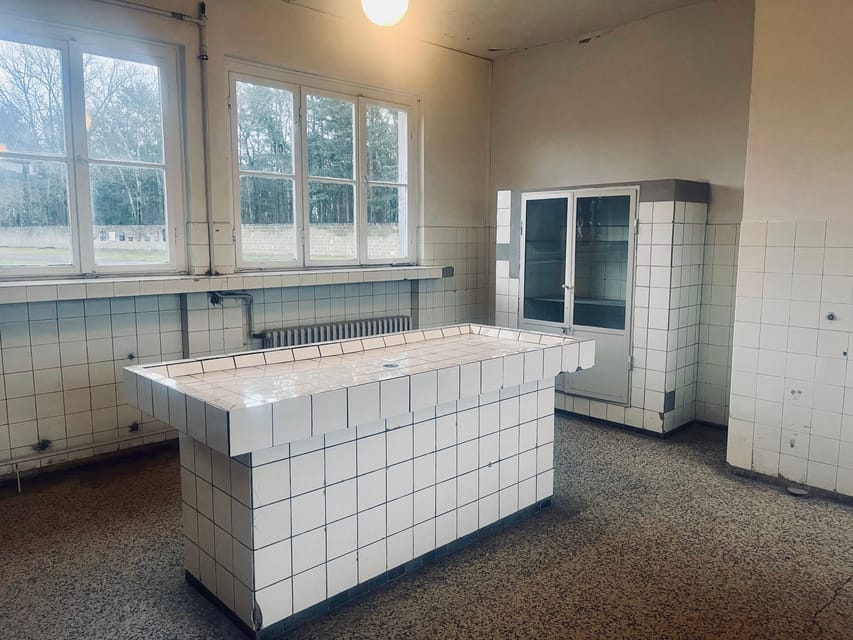
Not every part of Sachsenhausen stays safely in the past. The tour includes connections to the present, and it does so without pretending history is gone.
You learn that neo-Nazi Holocaust denial activity has targeted areas around the camp, including the prisoners’ barracks and the camp kitchen. That kind of detail can feel jarring while you are standing in the same place where violence once happened.
The tour also mentions far-right politics in Germany, including the rise of AfD, as part of the broader warning signs. The practical value here is that it changes how you leave the site. You do not walk out thinking history ended neatly in 1945. You walk out thinking societies can repeat patterns when misinformation and extremism keep finding a stage.
Station Z, Soviet prisoners, and the gas chambers and crematorium
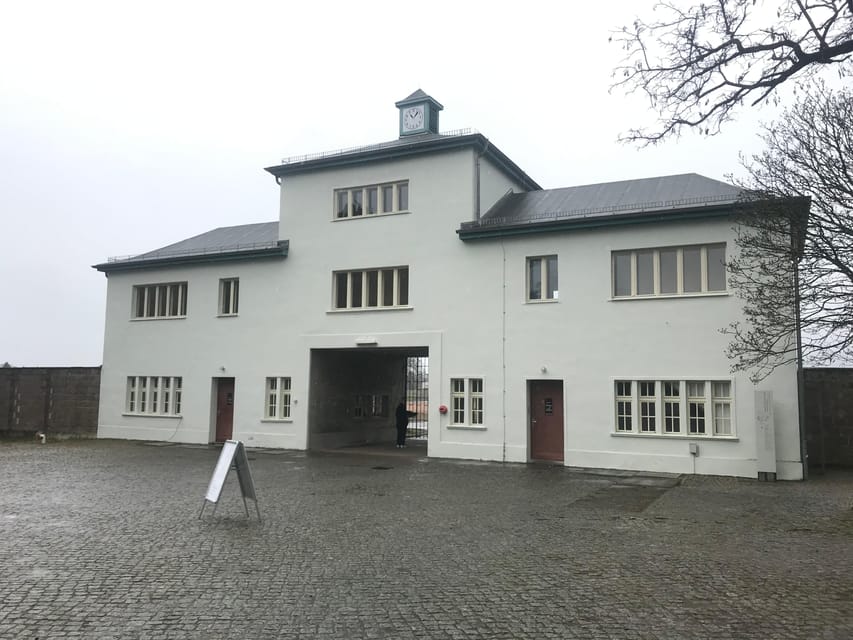
Station Z is another heavy section, and it is also one of the most educational. Here, the tour addresses the mass murder of Soviet prisoners. The tour specifically includes the presence of child soldiers among those victims.
You also learn about the operation of gas chambers and the crematorium. The way it is presented matters. It is not a shock tactic. It is a structured explanation of the machinery of mass killing, including how the camp’s system supported that process.
If you are trying to prepare mentally, this is the point to do it. You will want enough water, and you will want to pace yourself. Use the guided portion to get clarity, then take a moment during the walk to reset your focus. It is okay to feel overwhelmed. History like this does not ask for numbness, it asks for attention.
The infirmary: racism, eugenics, and Nazi doctors turning people into lab rats
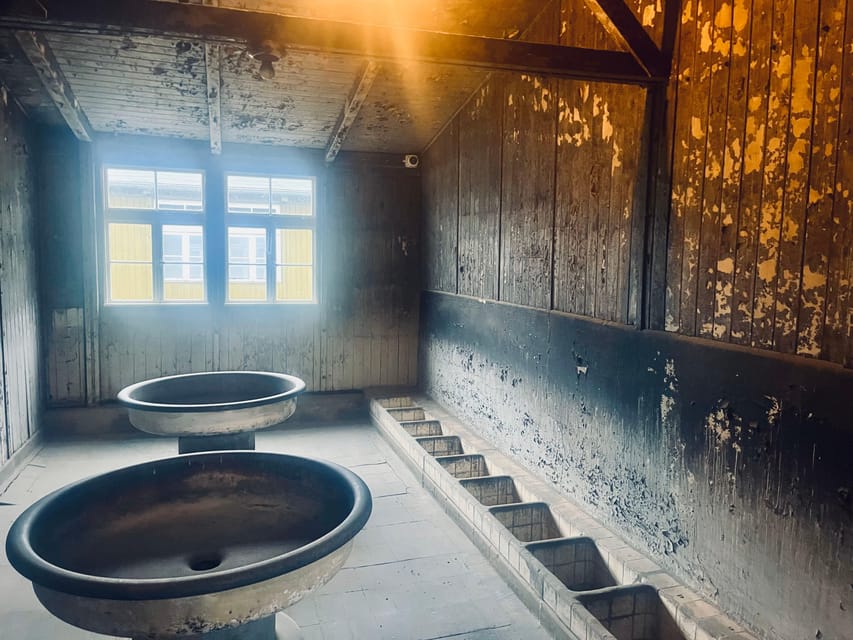
The infirmary segment pushes the history from brutality to scientific cruelty. The tour explains racism and how the camp controlled women’s bodies. It also covers eugenics and the way Nazi doctors advanced their careers by treating prisoners as lab rats.
This is one of the most important stops because it forces you to ask uncomfortable questions about authority and ethics. When medicine becomes a tool for harm, the result is not just death. It is a collapse of trust in systems that should protect human beings.
You are not left with vague condemnation either. You get the theme of control, classification, and exploitation again, tying it back to earlier sections like Tower A and the daily camp routine. The shape of the Nazi system becomes clearer: ideology plus bureaucracy plus violence.
Price and logistics: is $38 good value?
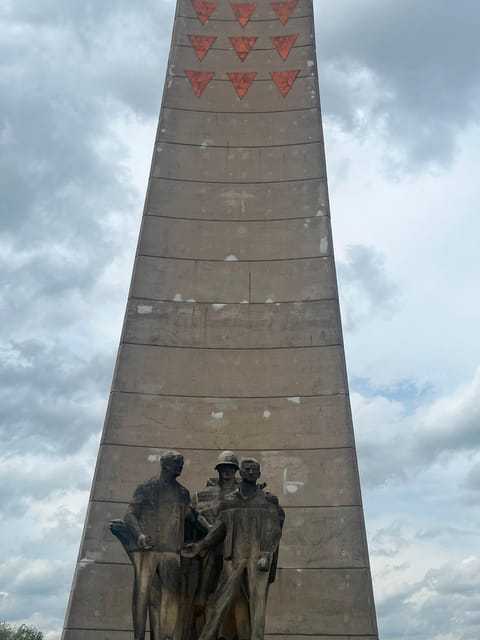
At $38 per person, this is priced like an affordable history tour, and the entrance to the memorial is included. That is meaningful value, because memorial sites often cost extra. What you still need to budget for is the train ticket to Oranienburg, described as a Berlin ABC ticket that you buy beforehand. So your total cost is really the tour fee plus your transit fare.
In return, you get a long day with a live English guide, about 4 hours on site at the memorial, plus structured time for guided narration and some self-guided exploring. For many people, that mix is the sweet spot. Going solo is possible, but you will miss the connective tissue, the explanations that make the layout and terminology click.
One more practical value point: the tour is wheelchair accessible. That helps you plan with confidence if you need mobility support. Just wear shoes you trust, because the site involves walking and standing.
A note on guide style
Many groups find the guide highly passionate and willing to answer questions. In at least some departures, the guide Siobhan is mentioned for being patient, detailed, and energetic with explanations. I also think it is smart to stay alert to how much time you get in fully guided areas versus self-guided sections, especially in large memorial spaces. If you want the most guidance during the self-guided time, ask your guide what to focus on before you split off.
Who this tour is for, and who should consider alternatives
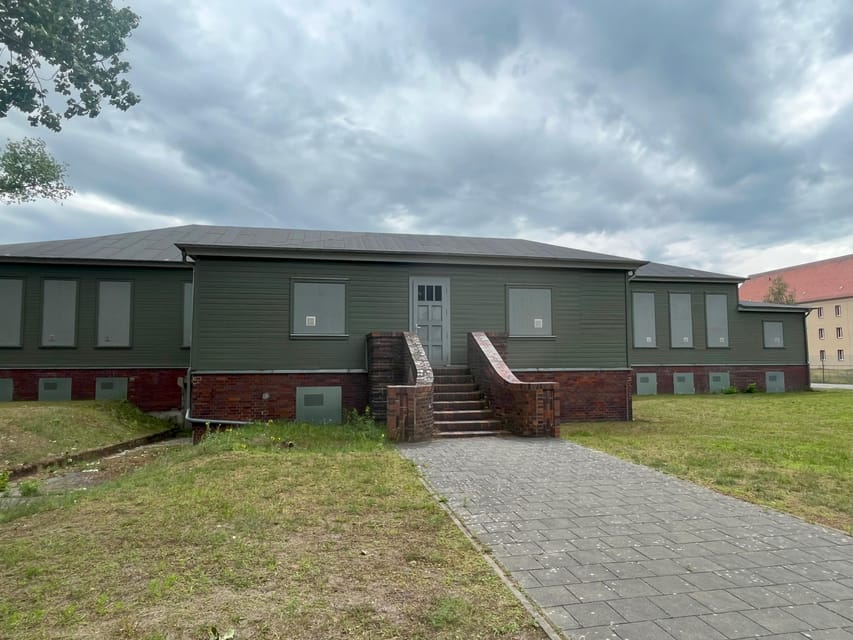
This is not a casual sightseeing trip. It is not suitable for children under 12, and I agree with that limit. The themes include mass murder, forced labor, sexual exploitation, and eugenics. Even with careful guidance, the subject matter is too intense for younger kids.
This works best for adults and teens who want an organized visit that explains the camp’s purpose and day-to-day mechanics, not just the broad timeline. If you like your history with structure, this is a strong fit because you move through the site in a logical order: layout, indoctrination, routine terror, mass killing, then medical abuse and the link to present extremism.
If you prefer a lighter, less intense tour, this may feel like too much. For that, you might choose a shorter memorial format or a history walk that focuses on fewer zones.
Should you book the Never Again Berlin Sachsenhausen tour?
If you want an English guided visit that helps you understand Sachsenhausen as a system, not just a tragic headline, I think you should book this. The entrance is included, the on-site time is substantial, and the route hits the key interpretive areas you are likely to remember later.
I would book it especially if you like practical help for your day: a clear meeting spot at Potsdamer Platz, a schedule that uses transit, and guidance on what to bring. If you do not want to deal with the separate train ticket to Oranienburg, you can still manage it, but you should handle that fare ahead of time.
Pick your day thoughtfully, and show up with snacks and water. You will need them. Then take the tour slowly, not emotionally fast. This is history that demands attention, and it gives you a clearer view of how evil works, step by step.
FAQ
Where does the tour meet?
The meeting point is in front of Espresso House at Potsdamer Platz. The guide carries a mini yellow flag so you can find the group.
Is the train to Oranienburg included in the price?
No. The tour price does not include the train ticket. You need to purchase a Berlin ABC train ticket beforehand to get to Oranienburg.
How long is the tour?
The duration is 270 minutes, with about 4 hours spent at the Sachsenhausen Memorial.
Is the tour wheelchair accessible?
Yes, the tour is listed as wheelchair accessible.
What should I bring?
Bring comfortable shoes, snacks, water, and comfortable clothes. Food and drink options in the camp are limited, and the limited options are not always open.
Is this tour suitable for children?
It is not suitable for children under 12.
What is the cancellation policy?
Free cancellation is available up to 24 hours in advance for a full refund.
Visits to the Sachsenhausen Memorial
- Berlin: Sachsenhausen Concentration Camp Tour in English
★ 5.0 · 5,711 reviews - Berlin: Sachsenhausen Concentration Camp Memorial Tour
★ 4.7 · 3,716 reviews - Sachsenhausen Concentration Camp Bus Tour in English from Berlin
★ 5.0 · 1,962 reviews - Berlin: Sachsenhausen Concentration Camp Tour in English
★ 4.8 · 1,889 reviews
Sachsenhausen Memorial Visits from Berlin, compared.
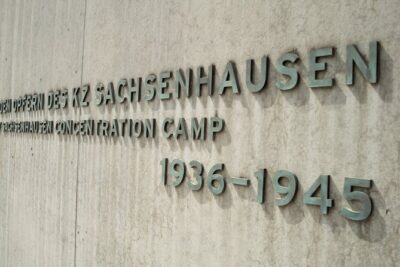
Sachsenhausen Concentration Camp Tour in English
Read our review →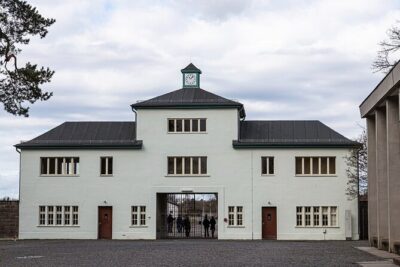
Sachsenhausen Concentration Camp Memorial Tour
Read our review →
Sachsenhausen Concentration Camp Bus Tour in English from Berlin
Read our review →Sachsenhausen Concentration Camp Tour in English
Read our review →
Sachsenhausen Concentration Camp Memorial Tour (Max. 15 Guests)
Read our review →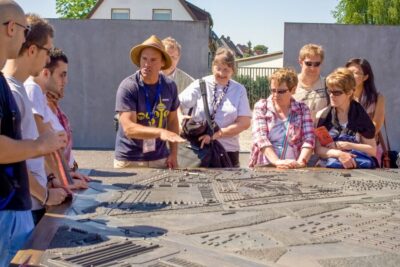
English Bus Tour to Sachsenhausen Concentration Camp
Read our review →
Sachsenhausen Concentration Camp and Potsdam Tour
Read our review →
Sachsenhausen Concentration Camp Memorial Tour
Read our review →Browse the lists this tour appears in