
Reviewed · GUIDED WALKS IN MUNICH
Munich: Private or Group Third Reich and WWII Walking Tour
Munich has a darker trail than you expect. This 2-hour walking tour tracks how the city helped power the Nazi rise, from the birth of the NSDAP to the Beer Hall Putsch and beyond. I like that it sticks to original buildings and real street locations, not just classroom talk.
What I also like is the way the guide builds context at each stop, using documents and period pictures to show what the buildings looked like back then. You cover key areas like Marienplatz and Königsplatz, so the story travels with the geography, square by square. The result feels serious, clear, and easy to follow.
One possible drawback: this is a heavy topic with strict rules, like no video recording, and it is not suitable for children under 10. If you’re sensitive to graphic or emotionally intense material, plan for that going in, and wear comfortable shoes.
In This Review
- Key things that make this tour worth your time
- Where Munich fits into the Nazi timeline, in plain language
- Finding your guide at Marienplatz, the MARIENSÄULE meeting point
- Walking from Marienplatz to Königsplatz: seeing ideology in city space
- Beer halls, speeches, and the failed coup that made Nazis louder
- From Brownshirts to war scars: what survives, what changes
- The former Nazi Headquarters area and how power looked on foot
- How the guide turns facts into a story you can follow
- Private versus group format, and whether $259 makes sense
- Practical tips: what to bring, what not to do, and comfort basics
- Who should book this Munich walking tour, and who should think twice
- Should you book this tour or skip it?
- FAQ
- How long is the Munich Third Reich and WWII walking tour?
- What is the price and how big is the group?
- Where do we meet in Munich?
- What languages are offered?
- Is transportation included?
- What should I bring?
- Can I record video during the tour?
- Is this tour suitable for children and wheelchair access?
Key things that make this tour worth your time
- Original Nazi-era locations in Munich’s center, where history is still built into the streets
- Marienplatz to Königsplatz route that helps you connect events to the city’s layout
- Documents and old photos used at stops, so you see the past, not just hear about it
- Certified English or German guide, with room for questions and a human pace
- Private or group format for 2 hours, useful if you want control over your schedule
Where Munich fits into the Nazi timeline, in plain language
Munich matters to the Third Reich story for a few big reasons. The Nazi Party (NSDAP) was founded here, Hitler’s Beer Hall Putsch initially failed here, and in 1935 the city was labeled the Capital of the Movement.
Your tour connects those milestones to specific places you can walk past. You’ll hear how a small extremist group gained influence in Munich’s beer halls and backstreets, and how that momentum fed anti-Semitic violence, synagogue destruction, and public book burnings.
This isn’t a “history facts only” outing. I like that you also get the context of how democracy was threatened over time, and how people resisted, not just how the Nazis advanced.
More Guided Walks in Munich
- Munich: Third Reich & WWII Walking Tour
★ 4.6 · 6,181 reviews - Third Reich Walking Tour Munich
★ 4.5 · 4,291 reviews - Munich: Old Town & Viktualienmarkt City Walk in German
★ 4.7 · 2,304 reviews
Finding your guide at Marienplatz, the MARIENSÄULE meeting point
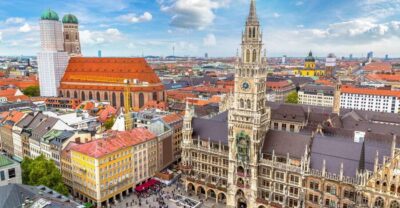
You start at MARIENSÄULE in the center of MARIENPLATZ, at a golden statue on a tall red marble column. Your guide will be easy to spot if you look for the blue bag that reads Weis(s)er Stadtvogel.
This matters because the tour begins in the busiest part of Munich, and you want a quick handoff from the public square to the story. Once you’re matched up, your guide keeps things moving so you can actually cover the key sites in two hours.
The tour runs in German and English, so if you’re choosing based on language, this is a straightforward pick. You just show up, find your guide, and get oriented fast.
Walking from Marienplatz to Königsplatz: seeing ideology in city space
The route is built around the move from Marienplatz to Königsplatz. That’s more than a stroll between two famous squares, because your guide uses the setting to explain why those areas carried political weight.
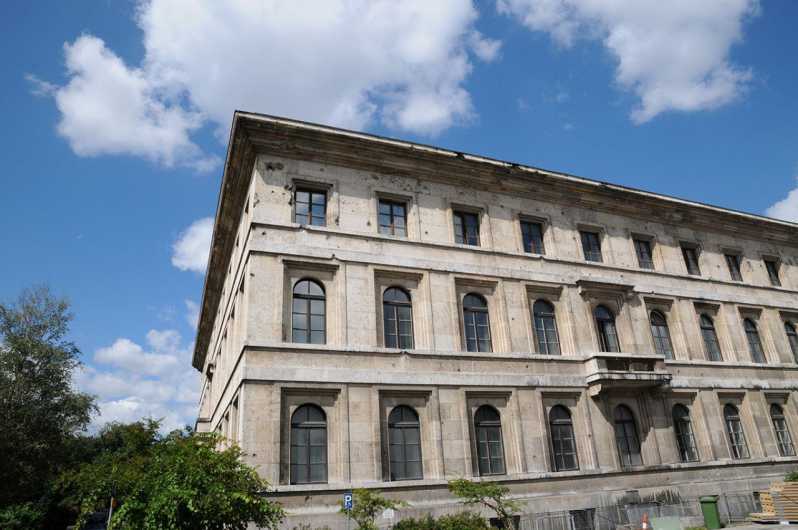
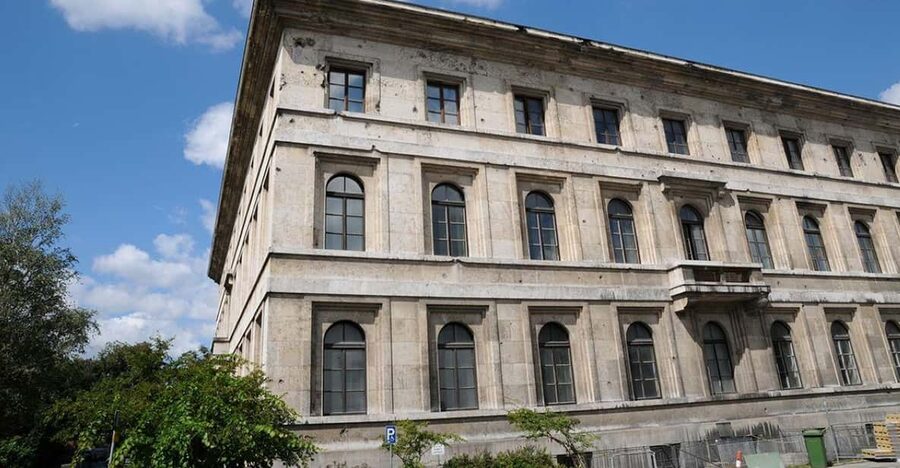
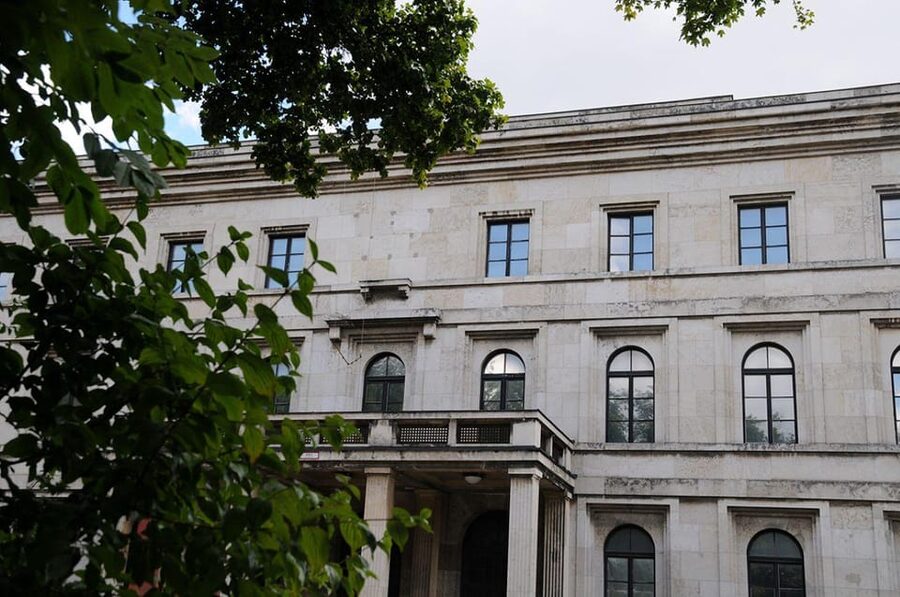
In central Munich, many ordinary streets were damaged by Allied bombing, but several grand buildings from the Nazi period still survived. That contrast is part of what you’ll notice as you walk, because ruined neighborhoods and propaganda-era architecture can sit surprisingly close.
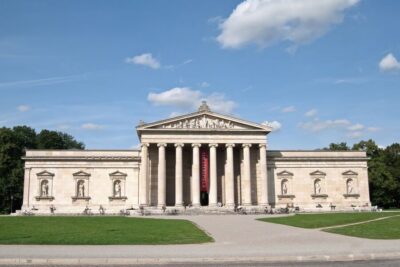
At Königsplatz in particular, the atmosphere can feel stern and official, which helps the story land. Even if you already know the headline events, seeing the physical space is a different kind of learning.
Beer halls, speeches, and the failed coup that made Nazis louder
A major thread of the tour is Hitler’s early public role in Munich. Before the movement became known across Germany, he was already a loud beer-hall orator here, supported by a small circle that called him the Führer.
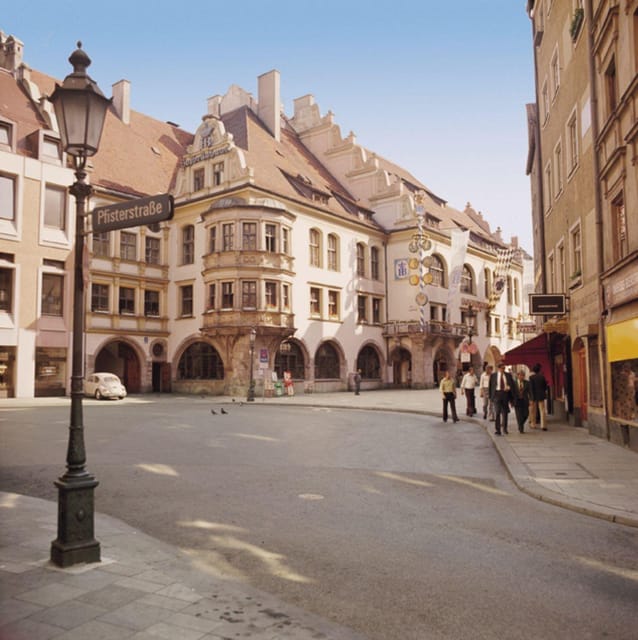
Your guide points you toward sites connected to early speeches and to the Beer Hall Putsch, the failed coup attempt. You also learn how Munich’s public spaces became stages for intimidation and propaganda, not just politics in theory.
This is where the documents and pictures really help. I like that the guide shows what buildings looked like during the Nazi regime, because it turns the street corner into a real scene, with scale and mood.
You should expect a straightforward, guided pace, with explanations tied to what you can actually see. It’s not designed as an art tour, even if the architecture is striking.
From Brownshirts to war scars: what survives, what changes
The tour doesn’t stop at the rise. It connects the spread of terror to what happened after, including the destruction of synagogues and other anti-Jewish persecution.
Your guide also highlights places where the Brownshirts spread intimidation. That matters because you’re not just tracing big decisions from far away, you’re seeing how violence operated in public life.
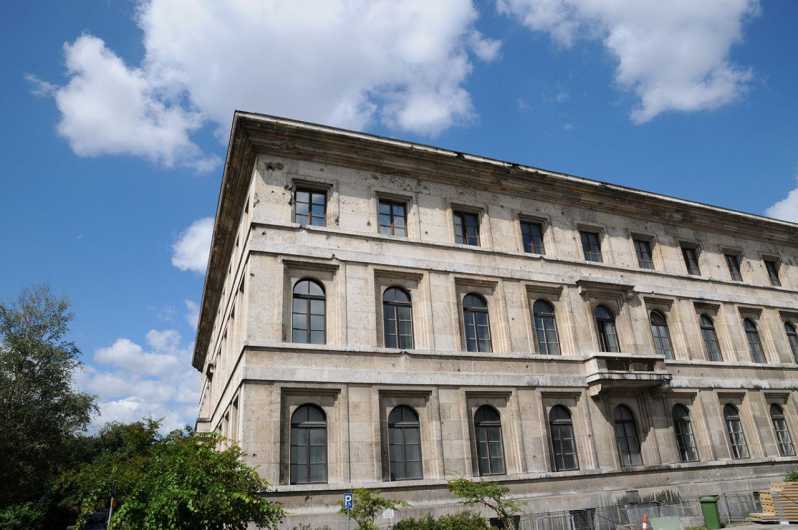
A key idea you’ll hear is the way Munich still holds physical reminders. Many of the “dark years” left marks, while some of the grand structures erected to celebrate the Third Reich still stand today.
That juxtaposition is emotionally difficult, but it’s also part of the educational value. You get to understand how a city can carry the past in stone and in gaps, not just in museum displays.
Further Third Reich and wartime history tours:


The former Nazi Headquarters area and how power looked on foot
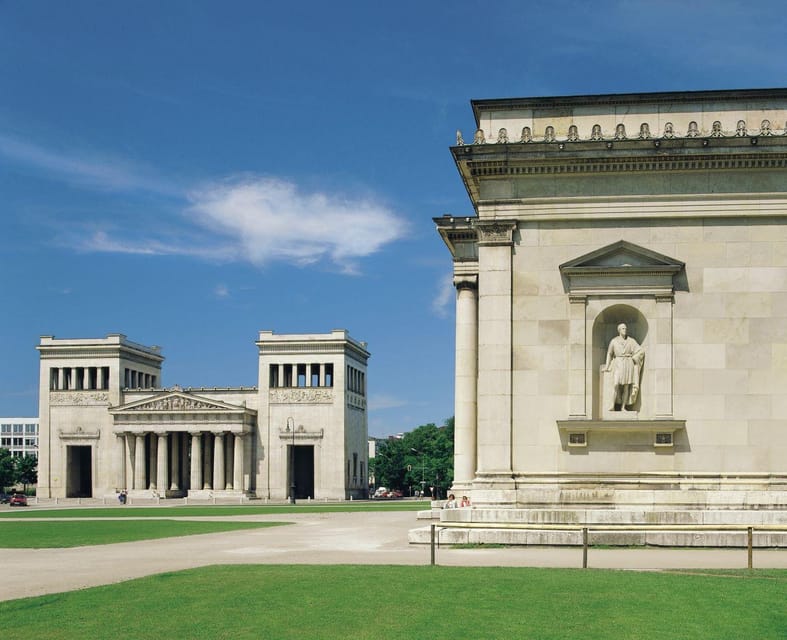
One of the core stops is the former Nazi Headquarters area, tied to where Hitler once exercised power. Walking there helps you picture how control was organized, and how authority became part of everyday movement through the city.
Your guide frames this area within the larger “Capital of the Movement” status. Munich was not simply a hometown story. It functioned as an official hub for Nazism and the national party headquarters.
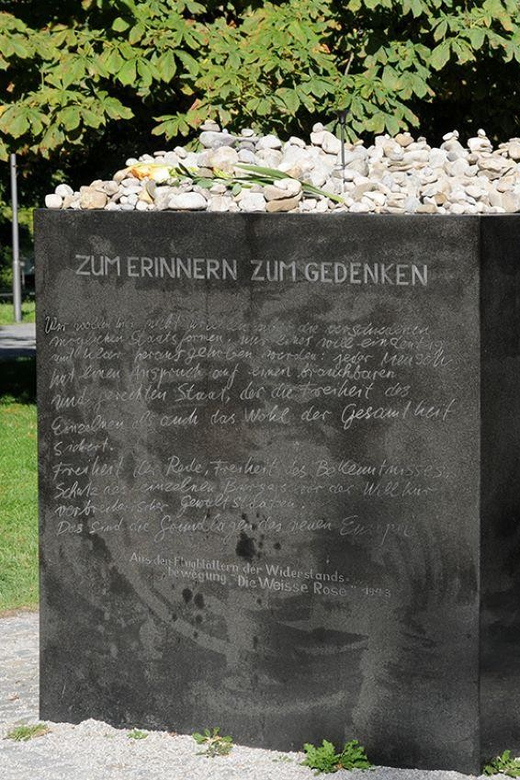
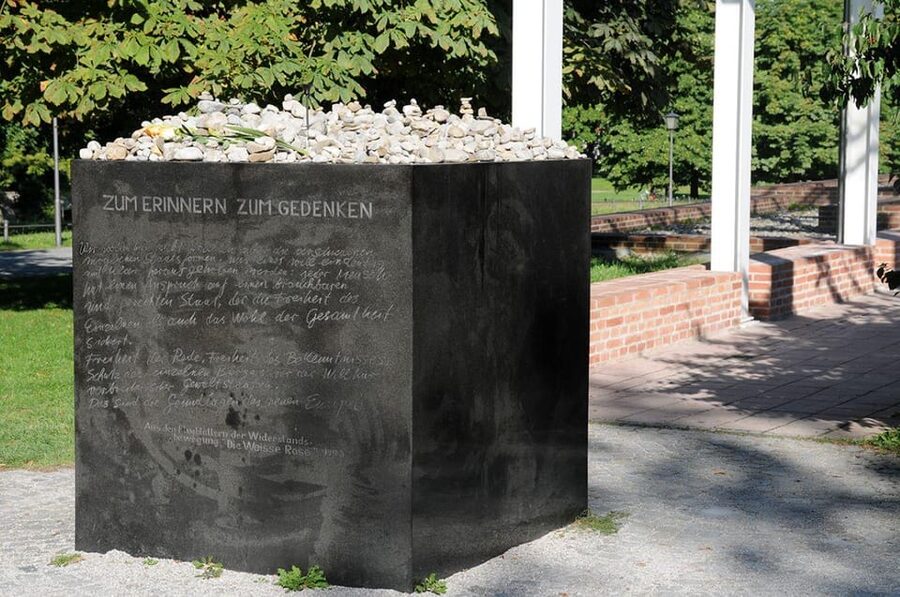
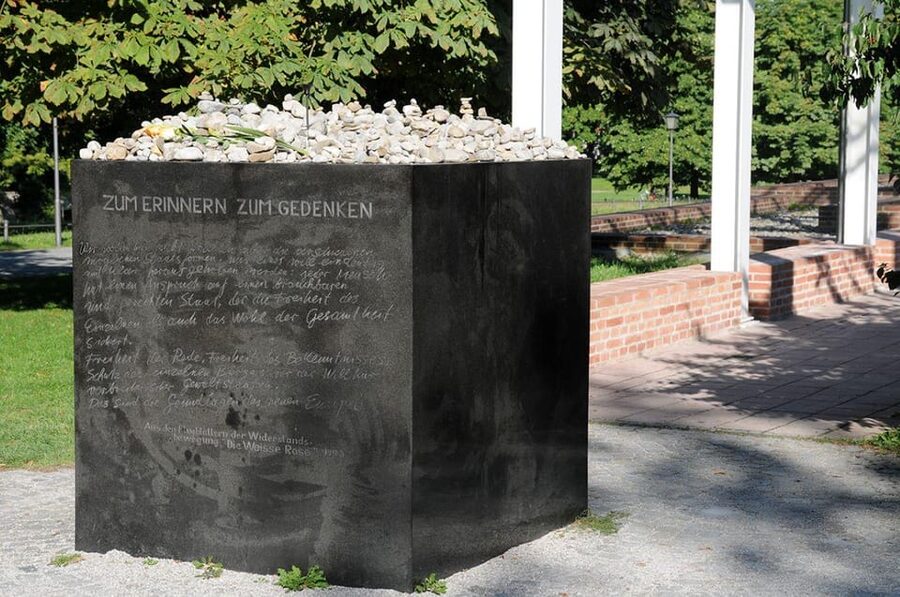
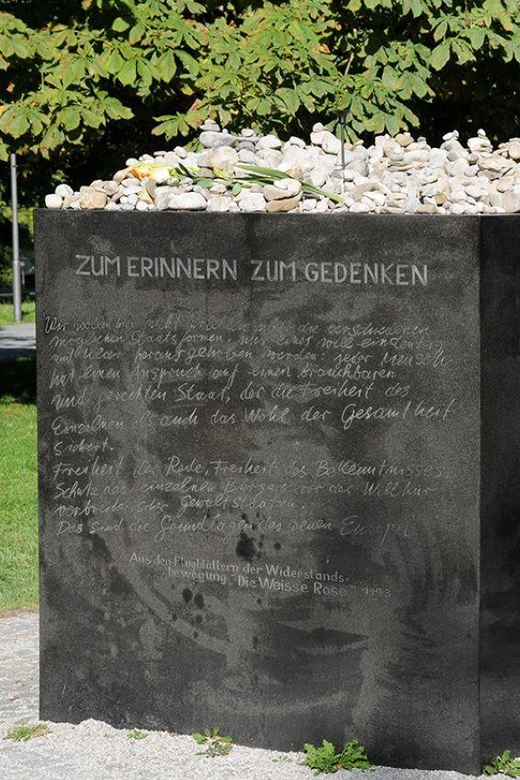
Then the tour adds balance with memorials for victims of Nazism, including those who opposed Hitler. In practice, this keeps you from getting stuck in propaganda imagery alone.
If you only know the story from textbooks, this step is where the city helps you feel the mechanism. Power is not just an abstract concept, it’s built into places and routines.
How the guide turns facts into a story you can follow
This tour lives or dies by the guide, and the setup is designed for an explanation-driven walk with a certified guide. You’re not left to wander and guess, and the guide’s job is to connect each site to what happened there.
The guide use of documents and pictures is a repeated highlight. I’d treat that as the main ingredient, because it prevents the tour from becoming a list of names and dates.
You’ll also get a more personal feel depending on the guide. For example, Karl has been described as incredibly knowledgeable and welcoming, including for solo travelers, with history explained in context. Ina has been praised for being authentic and heartfelt, answering questions and making the tour feel tailored rather than scripted.
If you like asking questions, this kind of format tends to work well. You’re walking, looking, and then hearing how the pieces connect, instead of sitting through a long lecture.
Private versus group format, and whether $259 makes sense
The price is $259 per group up to 25, and the tour lasts about 2 hours. That’s not “cheap,” but it’s also not crazy for Munich, especially if you’re comparing it to tours that feel generic.
Here’s how I’d judge the value: this is time on foot with a certified guide and interpretation tied to specific locations you can’t easily replicate by self-guided wandering. If you’re traveling with several people, splitting the group cost can make it feel like a very practical deal.
The private group option also matters if your schedule is tight or you want a quieter experience. Two hours is long enough to cover major terrain like Marienplatz and Königsplatz, but short enough that you’re unlikely to burn your whole morning or afternoon.
No transportation is included, so plan to arrive on foot or by your own local transit. That’s normal for central walking tours, but it does affect total planning.
Practical tips: what to bring, what not to do, and comfort basics
Wear comfortable shoes. This is a walking tour in central Munich, and you’ll want your feet to stay happy so you can focus on what the guide is pointing out.
Bring drinks. The tour is only 2 hours, but Munich weather and your pace can still make hydration worth it.
Video recording is not allowed. If you were planning to film everything, plan on taking notes instead. A phone camera can still be useful for personal reference of the places, but the tour rule itself is clear about recording video.
The tour is listed as wheelchair accessible. That’s helpful if mobility is a concern, and it’s also a sign the route is planned with access in mind.
One more guidance note: the tour is not suitable for children under 10. If you’re traveling with kids, treat that as a serious filter, even though one booking noted a guide being kind and patient with an 8-year-old.
Who should book this Munich walking tour, and who should think twice
I think this works best for people who want context, not just monuments. If you’re fascinated by how political movements grew, and you want to see it in real places like Marienplatz and Königsplatz, you’ll get a lot out of this.
It also suits solo travelers, since the guide style is described as welcoming, with time for questions and context. And if you’ve been to Munich before and thought you knew the basics, this tour is the reality check that adds meaning.
You might think twice if you prefer light city sightseeing or if emotional heaviness is a problem for you. This tour centers on Nazi propaganda, persecution, war, and resistance, so it’s not a casual stroll.
If you’re traveling with younger children, keep the under-10 rule in mind first. If you’re going with older teenagers, it can be educational, but you should still expect a serious tone.
Should you book this tour or skip it?
Book it if you want to understand why Munich is tied to the Nazi rise and how that story is still visible in the city. The combination of original sites, a certified guide, and documents and old photos gives you more than just a sightseeing checklist.
Skip it if you’re looking for a relaxing walking tour, or if you want only broad, non-emotional history. This one is intentionally focused on Munich’s darkest past, including violence and persecution, so the payoff is clarity and context, not comfort.
If your time in Munich is short, two hours is enough to gain a grounded sense of the timeline and the geography. You’ll leave with a clearer picture of how propaganda, power, and public space connected in one of Germany’s most recognizable cities.
FAQ
How long is the Munich Third Reich and WWII walking tour?
It lasts about 2 hours.
What is the price and how big is the group?
The price is $259 per group up to 25.
Where do we meet in Munich?
Meet at MARIENSÄULE in the center of MARIENPLATZ, at the golden statue on the tall red marble column. Look for a guide carrying a blue bag that says Weis(s)er Stadtvogel.
What languages are offered?
The live guide offers German and English.
Is transportation included?
No. Transportation is not included.
What should I bring?
Bring comfortable shoes and drinks.
Can I record video during the tour?
No. Video recording is not allowed.
Is this tour suitable for children and wheelchair access?
The tour is not suitable for children under 10. It is listed as wheelchair accessible.
Cities at Walking Speed
- Munich: Night Watchman Walking Tour
★ 4.7 · 2,092 reviews - Munich Ghosts and Spirits Evening Walking Tour
★ 5.0 · 1,900 reviews - Munich Old Town Walking Tour
★ 4.5 · 1,287 reviews - Munich: Walking Tour Old Town and Viktualienmarkt
★ 4.7 · 839 reviews
Fresh on the arrivals board for Munich


Guided Walks in Munich, compared.
Old Town & Viktualienmarkt City Walk in German
Read our review →
Munich Ghosts and Spirits Evening Walking Tour
Read our review →

Birthplace of the Third Reich Guided Walking Tour
Read our review →Browse the lists this tour appears in