
Reviewed · GUIDED WALKS IN MUNICH
Munich: Historical Walking Tour Maxvorstadt with GEO Epoche
Munich has layers you can feel fast. This 2-hour historical walking tour in Maxvorstadt pairs expert storytelling with a GEO Epoche concept, starting at the Theatinerkirche and moving you from Odeonsplatz into a neighborhood known today for its student life. I especially like the way the guide connects big-name ideas like Ludwig I’s Munich-as-Athens vision to street-level details on Brienner Street, and I love the balance of glamour and the hard edges of WWII. One consideration: it runs rain or shine, and it’s conducted in German, so plan for standing and listening.
You’ll spend your time walking the kind of “in-between” streets that are easy to miss on your own. Expect a mix of Italian flair, bohemian artists, and direct WWII history told with places attached to the story. With a price of $29 per person for a guided, expert-led two-hour walk, it feels like strong value if you want context, not just sightseeing.
In This Review
- Why Maxvorstadt Is a Smart Area for a Short History Walk
- Meeting at Theatinerkirche and Getting Your Bearings
- Odeonsplatz to Maxvorstadt: How the Route Tells the Story
- Brienner Street, Munich’s First Boulevard, and Ludwig I’s Athens Dream
- Italian Flair, Bohemian Artists, and the City’s Lighter Side
- WWII Truths in Plain Sight: Glamour Meets the Horror
- What the GEO Epoche Collaboration Adds to the Walk
- Price and Timing: Is $29 Worth It for Two Hours?
- The Guide Experience: Axel’s Style, and Why It Matters
- Who This Walking Tour Is Best For
- Should You Book This Munich Maxvorstadt Historical Walking Tour?
- FAQ
- How long is the Munich Maxvorstadt historical walking tour?
- Where does the tour meet?
- What language is the tour conducted in?
- Does the tour run in bad weather?
- What should I bring for the walk?
- How much does the tour cost?
- Is the tour suitable for people with mobility impairments?
Why Maxvorstadt Is a Smart Area for a Short History Walk

Maxvorstadt is one of those Munich districts where the present is visible, but the past still keeps interrupting. Today it’s student-oriented, so the streets can feel youthful and focused, yet the bones of the neighborhood are older and more dramatic than you might guess.
That contrast is exactly why a guided walk works here. A two-hour format means you can get oriented quickly and still hear the “why” behind what you’re seeing: who shaped these streets, what ambitions drove the city, and how the same city could swing from bright, Mediterranean-style grandeur to the brutal realities of war.
Also, because it’s a walking tour, you get a natural rhythm. You’re not stuck staring at one plaque. You move, look, and then the guide’s story makes a new connection at each turn.
Meeting at Theatinerkirche and Getting Your Bearings
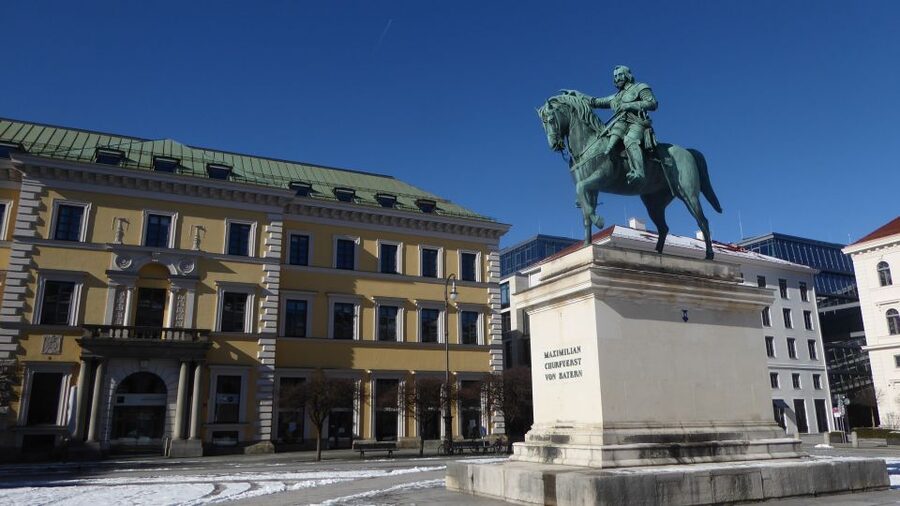
Your tour begins in front of the Theatinerkirche, which is a great starting point because it puts you in the center of Munich’s ceremonial, old-town energy right away. From there, the walk develops toward Maxvorstadt, so you can feel the shift in character as the route goes on.
This matters for first-timers. Munich can be visually beautiful but mentally confusing if you jump from landmark to landmark without a thread. Here, you get that thread early: the guide frames Maxvorstadt as a place where Munich’s identity was shaped, then reshaped, and where later generations had to live with the results.
You’ll have a tour brochure as well, which helps you keep track while you’re moving. And since the tour is live-guided, you can get clarifications on the fly instead of just reading afterward.
More Guided Walks in Munich
- Munich: Third Reich & WWII Walking Tour
★ 4.6 · 6,181 reviews - Third Reich Walking Tour Munich
★ 4.5 · 4,291 reviews - Munich: Old Town & Viktualienmarkt City Walk in German
★ 4.7 · 2,304 reviews
Odeonsplatz to Maxvorstadt: How the Route Tells the Story
A key part of what makes this tour satisfying is the way it moves you from Odeonsplatz to Maxvorstadt like you’re following a timeline across real streets. Odeonsplatz gives you that Munich “big picture” feeling, while Maxvorstadt brings the story into a more human scale, with everyday streets where history played out.
As you walk, the guide explains how the district evolved into what you see today. That includes the student-focused vibe, which helps you understand why Maxvorstadt feels lively now, even when the stories the guide tells get dark.
I also like that the tour doesn’t treat history like a separate chapter. It connects eras by showing how plans, art, architecture, and politics left traces you can still recognize while walking. If you’ve ever thought Munich history felt like it lived only in museums, this route is a useful correction.
Brienner Street, Munich’s First Boulevard, and Ludwig I’s Athens Dream
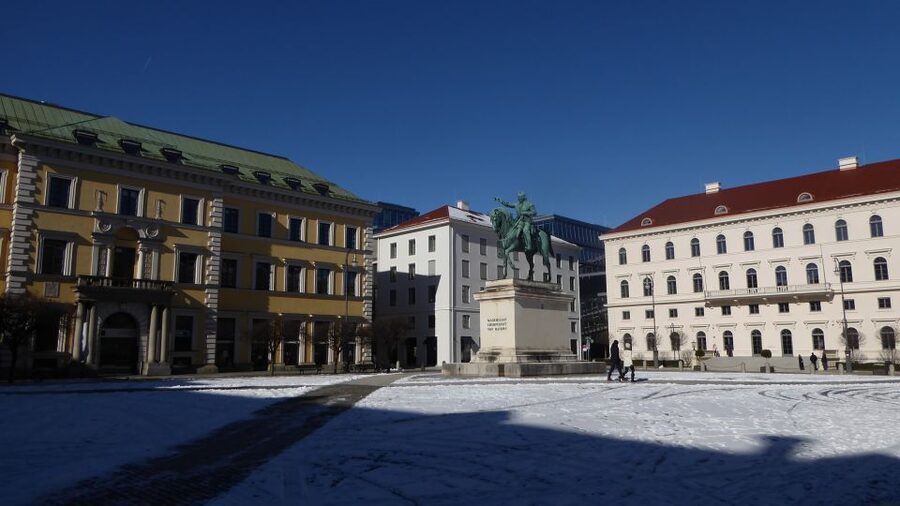
At some point, the walk centers on Brienner Street, described as Munich’s first boulevard. This is where the tour becomes especially rewarding for anyone who likes cities to have a visual “signature.”
The guide talks about Ludwig I and his idea of Munich as Athens on the Isar. That concept is more than a slogan. You get a sense of how Mediterranean aesthetics and grandeur influenced the way parts of Munich were designed and presented.
What you’ll watch for on this stretch is how the street reads like a stage. The tour highlights palaces, concert halls, and glamorous cafés from the Ludwig I period. Even if you don’t know the names of every building yet, the guide gives you the lens to see what matters: style, ambition, and what the city was trying to communicate to the world.
Practical note: this portion is a great time to slow down your phone-scrolling. Look at façades, alignments, and the “boulevard” feel of the street. The guide’s story helps you read the city like an argument, not just a view.
Italian Flair, Bohemian Artists, and the City’s Lighter Side
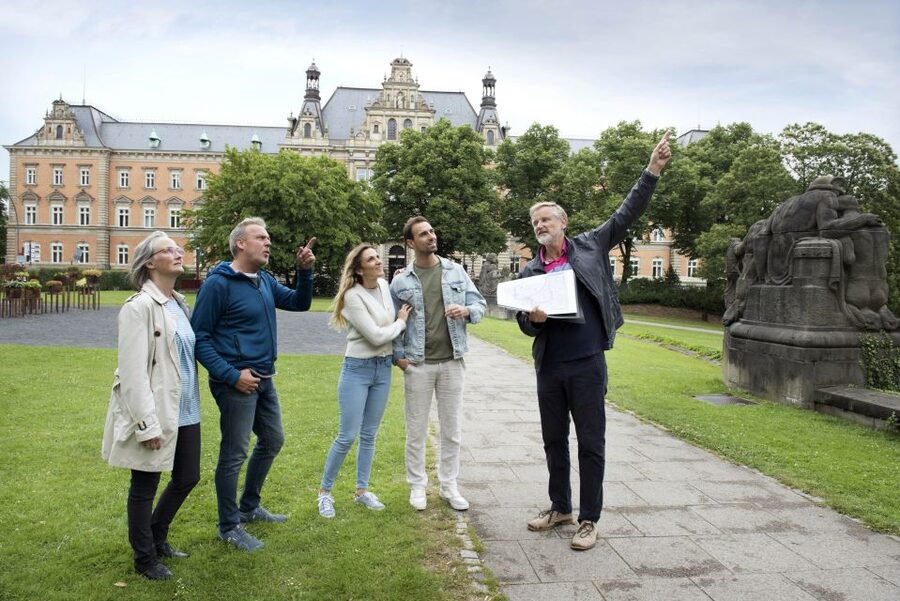
The tour isn’t only about famous rulers and wars. It also leans into the cultural atmosphere that made parts of Munich feel creative and almost worldly.
You’ll hear about Italian flair and bohemian artists in the context of how Munich developed. That matters because it explains why certain architectural choices and social spaces existed in the first place. When you understand the cultural energy behind a neighborhood, it’s easier to notice why cafés and public spaces show up in the story at all.
This is one of the most praised parts of the experience because it keeps the walk from turning into a lecture. The anecdotes are designed to make the streets feel inhabited by real people, not just periods and dates.
If you like walking tours that feel like they’re unfolding a narrative, this balance is a real win.
WWII Truths in Plain Sight: Glamour Meets the Horror
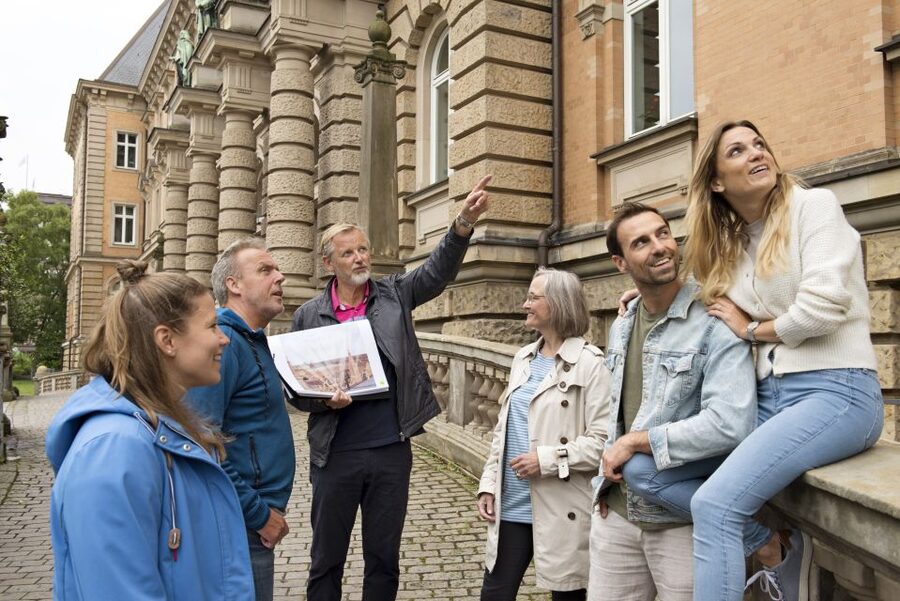
Then the tour shifts in tone, and it does it with purpose. Munich’s role in World War 2 is addressed as you move through parts of the neighborhood tied to that period.
This section is valuable for a simple reason: it stops history from becoming either sanitized or only abstract. Instead of treating WWII as a separate, distant event, you get stories tied to where they took place, which forces your brain to connect the past to the present streets.
You also get a more honest picture of how a vibrant district can carry consequences you still have to live with. That creates a more mature kind of understanding. It’s not “sad tourism.” It’s learning how the same city can contain multiple realities, sometimes very close together.
I’ll add a small mental prep: if you’re sensitive to heavy topics, decide before you go how you want to handle it. Bringing water and comfortable shoes helps you stay present without feeling drained.
More German cities at walking speed:




What the GEO Epoche Collaboration Adds to the Walk
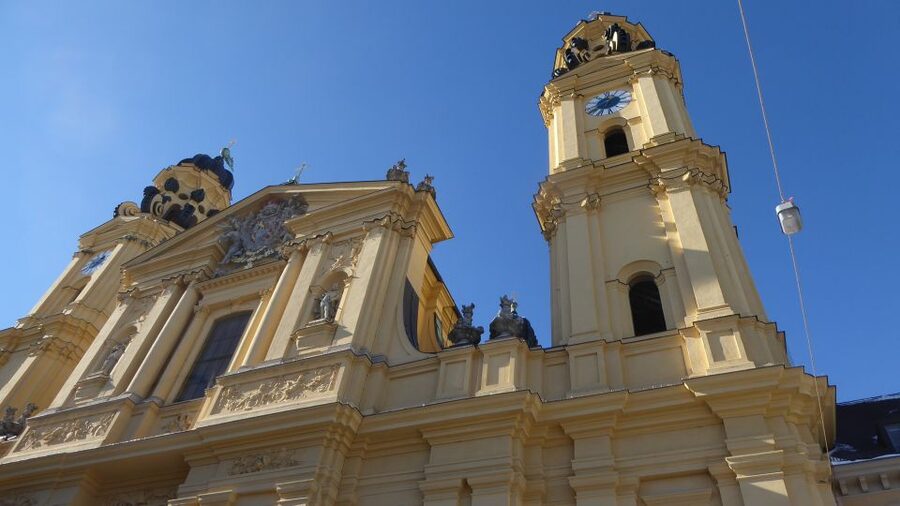
This tour was developed together with GEO Epoche, a prominent history magazine. That partnership shows up in the way the information is structured, with episodes that connect idea to place.
In practice, it means you’re not only hearing facts. You’re getting a guided narrative with context, so the streets aren’t random stops. The guide explains why things happened, what motivated the city, and what changed later.
For me, that’s the difference between “I saw buildings” and “I understand what I saw.” Even on a short two-hour route, GEO Epoche-style framing helps you avoid the classic problem where a walking tour becomes a list of names. Here, the guide’s job is to make the route coherent.
Price and Timing: Is $29 Worth It for Two Hours?
At $29 per person for a 2-hour guided walk, the value comes down to what you want out of Munich.
If you want a quick orientation plus expert interpretation, it’s a fair deal. Two hours is long enough to cover a meaningful chunk of Maxvorstadt and still absorb the stories without rushing every sentence. You also get a tour brochure and a live German guide, which typically means you’ll get more than a self-guided route can offer.
If you’re only looking for casual sightseeing and you don’t care about historical context, the price might feel like overkill. But the whole point here is learning how Munich’s ambitions and tragedies shaped the neighborhood you’re standing in.
So I’d think of it as paying for understanding, not just movement.
The Guide Experience: Axel’s Style, and Why It Matters
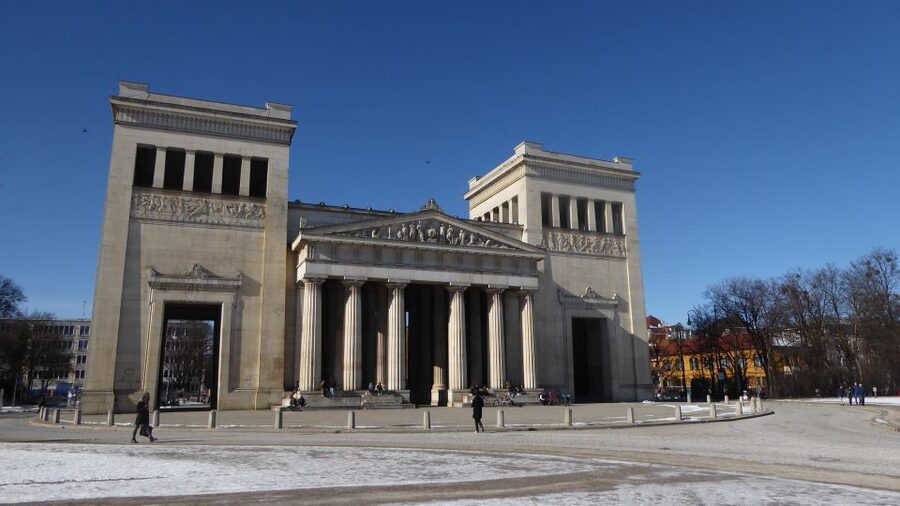
You’ll be led by a live guide in German. One verified booking specifically highlights a guide named Axel, describing him as very competent and very sympathic, and also praising how he made the tour feel short and engaging.
That’s the kind of feedback that matters. A walking tour lives or dies on pacing and clarity. If the guide can explain quickly, then you can keep your attention on the street view and not on translation work.
You’ll also appreciate the guide’s “where this happened” approach. Hearing stories in the exact places they’re tied to is part of what makes the walking format powerful.
If you don’t speak much German, you can still follow if you’re comfortable with listening-only tours, but I recommend using simple pre-reading like learning a few historical terms. The tour isn’t listed as multilingual.
Who This Walking Tour Is Best For
This tour suits you if you want history tied to streets, not just facts on a screen. It’s especially good for:
- First-time visitors to Munich who want Maxvorstadt context in a short session
- People interested in architecture and city planning ideas like Ludwig I’s Athens dream
- Anyone who wants both the glamorous side and the hard WWII side of Munich explained on foot
It may not suit you if you need mobility support, because it is not considered suitable for people with mobility impairments. And because it runs rain or shine, you should plan to dress for the weather and stay comfortable on your feet.
Also, pets aren’t allowed, so leave them at home if you’re traveling with animals.
Should You Book This Munich Maxvorstadt Historical Walking Tour?
If you’re trying to choose between a quick landmark lap and a story-driven walk, I’d nudge you toward this one. The Maxvorstadt focus gives you something specific, and the GEO Epoche framework helps the walk feel organized instead of random.
Book it if you’ll actually use the strengths: expert guidance, the Brienner Street Ludwig I angle, and the honest WWII context. It’s also a good match for you if you like walking tours that connect culture, politics, and daily life in the same route.
Skip it if you want a completely relaxed sightseeing stroll with no heavy historical material and you’re not comfortable with a German-only guide. But if you’re okay listening in German and you want meaning in your Munich photos, this is a solid $29 investment for a memorable two hours.
FAQ
How long is the Munich Maxvorstadt historical walking tour?
The tour lasts 2 hours.
Where does the tour meet?
Meet your guide in front of the Theatinerkirche.
What language is the tour conducted in?
The live tour guide speaks German.
Does the tour run in bad weather?
Yes, the tour takes place rain or shine.
What should I bring for the walk?
Bring comfortable shoes, weather-appropriate clothing, and water.
How much does the tour cost?
The price is $29 per person.
Is the tour suitable for people with mobility impairments?
No, it is not suitable for people with mobility impairments. Pets are also not allowed.
Centuries Per Block
- Munich: Guided Tour of the historic Town Hall on Marienplatz
★ 4.8 · 63 reviews - Munich Craft Beer & Cultural Tour With Snack
★ 5.0 · 46 reviews - Munich History Tour: Private & Personalized with a Local Guide
★ 4.5 · 33 reviews - Munich and Nazi History Combination Day Tour Small Group
★ 5.0 · 32 reviews
Fresh on the arrivals board for Munich






Guided Walks in Munich, compared.

Old Town & Viktualienmarkt City Walk in German
Read our review →

Munich Ghosts and Spirits Evening Walking Tour
Read our review →

Birthplace of the Third Reich Guided Walking Tour
Read our review →Browse the lists this tour appears in