
Reviewed · GUIDED WALKS IN BERLIN
Modern Berlin Private Walking Tour: Diverse, Vibrant and Exciting German Capital
Berlin is easier to read on foot. This private tour strings together key neighborhoods and themes of modern Berlin, from reunification-era change to the street-level culture you feel in each district. You get hotel pickup options and a local guide who connects the dots in a way no app does.
I especially like that you check multiple areas in just a few hours, without feeling rushed from one postcard to the next. I also like the way the guide adjusts the rhythm, with examples like Joerg balancing intellectual pauses with physical breaks, and Josh keeping commentary clear enough for a 15-year-old to stay engaged. One drawback: food and drinks are not included, so you’ll want a plan for water and a snack break.
In This Review
- Quick hits before you lace up
- How this 3 to 4 hour private format helps you understand modern Berlin
- Reichstagufer 17 to Mitte, where reunification still shows up in plain sight
- East Side Gallery, 20 minutes on the Wall that still talks back
- Prenzlauer Berg’s “before and after” in 40 minutes
- Kreuzberg walks you through street art, immigration, and the politics of food
- Friedrichshain, the last leg of East Berlin change
- Guides make the difference, and the best ones match your pace
- Price, what you’re really paying for, and how to judge value
- Practical travel advice so you enjoy every neighborhood stop
- Should you book this Modern Berlin private walking tour?
- FAQ
- How long is the modern Berlin private walking tour?
- What does the tour cost?
- Is the tour private?
- Is hotel pickup included?
- What language is the tour offered in?
- Are entrance tickets included for the stops?
- Are food and drinks included?
- Does it run in bad weather?
- Is there free cancellation?
Quick hits before you lace up
- Private means your group sets the pace, so you can ask questions as you walk
- Five districts in one outing, a practical way to cover modern Berlin fast
- East Side Gallery on foot, so you see the Wall art up close rather than through a bus window
- Stops with free entry, the schedule lists ticket-free time at each highlight
- Guides who tailor the focus, including examples of Stefano offering an alternative route after seeing the main sights
How this 3 to 4 hour private format helps you understand modern Berlin
This is a 3 to 4 hour private walking tour that aims to give you “modern Berlin” in real human scale. Instead of spending half a day stuck at one landmark, you move through districts that show different sides of the same story: division, reunification, and the messy, uneven way neighborhoods change.
If you like structure but hate feeling herded, the private setup is the sweet spot. You’ll get a professional local guide, and since it’s only your group, the conversation can stay on what you care about, whether that’s politics, culture, everyday life, or architecture that looks familiar but carries a harder past.
One practical note before you book: this is offered in English and runs in all weather conditions, so wear shoes you can trust. Berlin sidewalks do not care about your fashion choices.
More Guided Walks in Berlin
- Discover Berlin Half-Day Walking Tour
★ 5.0 · 9,624 reviews - Berlin City walk Government District and Places of Democracy
★ 4.7 · 8,467 reviews - Berlin: Third Reich & Cold War Guided Walking Tour
★ 4.9 · 8,378 reviews
Reichstagufer 17 to Mitte, where reunification still shows up in plain sight
You meet at Reichstagufer 17, 10117 Berlin, and the tour starts right in the city’s central core. From there you head into Mitte, a district that transformed in a major way since the Berlin Wall era. The big idea here is not just seeing famous sights, it’s noticing how the area became a “new Berlin” magnet while still carrying the older layers.
In Mitte time, you’ll be around key reference points like the Brandenburg Gate and the Museum Island area, plus the kind of details that don’t show up when you only chase big photos. One strong recurring moment from this tour type is being guided into small spaces and courtyard-like pockets, where you get a better feel for how Berlin buildings sit next to each other, and how that changes neighborhood character.
Also watch for the guide’s take on gentrification. In Mitte, the story often sounds like “revival,” but the conversations can get more nuanced, including what new businesses bring and what gets pushed out. If you want to understand modern Berlin as a living argument, Mitte is where that starts.
Why you’ll likely enjoy this stop: it mixes iconic Berlin with street-level reality. What to consider: if you already know the main headlines, ask the guide to focus on what’s practical and current, not just the timeline.
East Side Gallery, 20 minutes on the Wall that still talks back
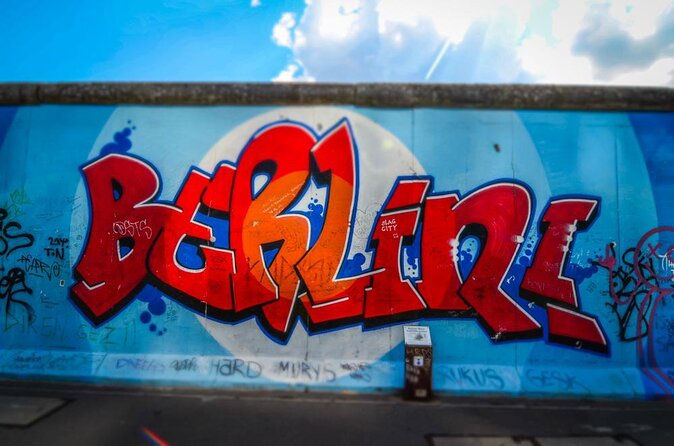
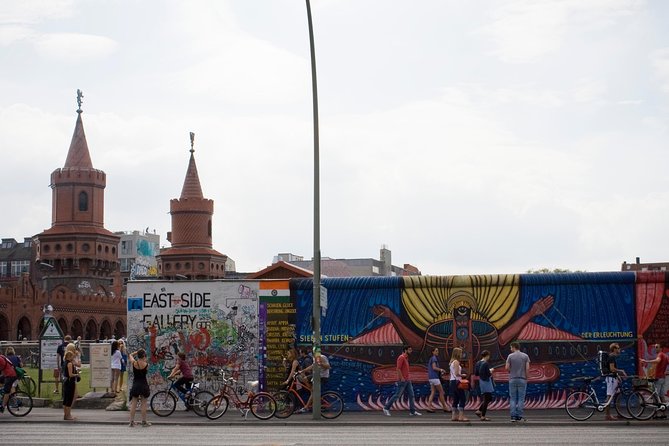
Next you move to the East Side Gallery, a major slice of the former Berlin Wall turned into an outdoor gallery. The schedule keeps this stop at about 20 minutes, and that’s actually a good pace for this kind of place. You can slow down and read messages without feeling trapped in a long photo queue.
This is a 1.3-kilometer stretch, and it matters because distance gives you context. Even if you only stop at a few murals, walking along the wall line helps you feel how the city used to function, and how art took over when the political system did not.
The murals were created in 1990 by artists from around the world, and the themes are clear when you look closely: hope, peace, and change. You’ll also notice how different artists used color, style, and wording to process the pain of division while projecting forward.
For maximum value, I’d treat your time here like a short museum visit. Pick two or three pieces and read them carefully. Then let the guide explain how the mural messages connect to Berlin’s bigger post-reunification identity.
Possible drawback: 20 minutes can feel short if you want to analyze every painting. If that’s your style, ask your guide to prioritize the murals that match your interests, like protest art, international solidarity, or specific artist themes.
Prenzlauer Berg’s “before and after” in 40 minutes
Prenzlauer Berg gets about 40 minutes, and the point of this stop is comparison. This neighborhood shifted dramatically since 1990, moving from a bohemian East Berlin base for artists and students to one of the city’s most sought-after areas.
The visible signs of change are what you’d expect from a neighborhood that underwent heavy restoration and investment. You’ll see the way historic buildings get renewed and how everyday life responds, with chic cafes, boutiques, and trend-forward restaurants. The trick is to notice what feels polished and what still hints at the older energy.
This stop is most satisfying when your guide keeps the conversation grounded in evidence you can see. In Prenzlauer Berg, that might mean pointing out how modern family-friendly spaces sit alongside remnants of the earlier artistic and countercultural scene, like local galleries and cultural hubs that keep the past from disappearing.
If you’re the type who likes to understand how money and culture reshape a place, you’ll get a lot out of the “continuity and change” angle. What to consider: if you dislike neighborhood comparisons and just want big monuments, this may feel more like a vibe check than a headline tour.
Kreuzberg walks you through street art, immigration, and the politics of food
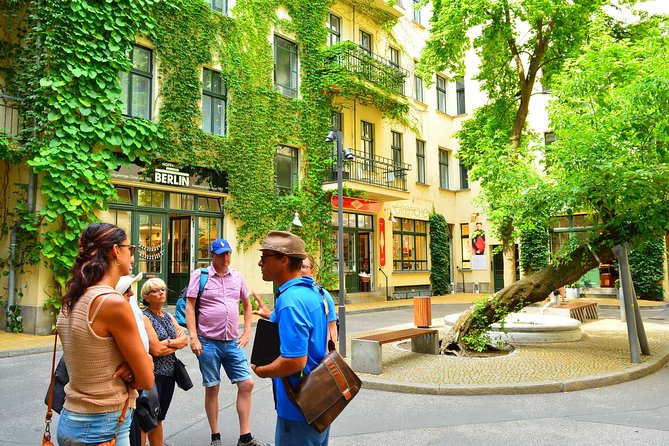
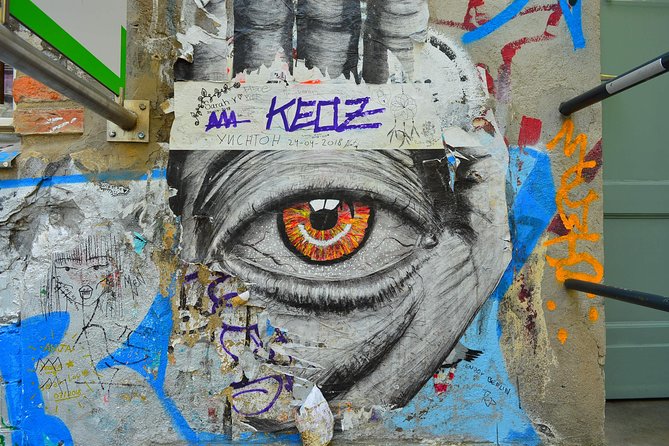
Then you shift into Kreuzberg for about 35 minutes, and this is where Berlin’s alternative energy tends to feel most immediate. Kreuzberg’s reputation comes from being a hub for immigrants, artists, and activists, especially in the period when West Berlin’s edge carried a rougher, more experimental identity.
Yes, there’s gentrification, and you can see it. Industrial buildings and older spaces get repurposed. Trendier cafes, art galleries, and international restaurants show up in the same streets that still hold deep cultural momentum.
One of the best practical ways to experience Kreuzberg is through the details around food. In at least one case, a guide included a stop related to where a popular kebab tradition started, with Hasir named as part of that story. Even if you don’t buy anything, that kind of context turns Kreuzberg from “a cool neighborhood” into a place with cause and effect.
Ask your guide what changed, and what didn’t. In Kreuzberg, you often get a clear answer in the form of street art, music, and multicultural festivals you can sense even if you’re not there for a specific event.
Possible drawback: if you’re sensitive to crowds or noise, Kreuzberg can feel more energetic than quieter parts of Berlin. Wear shoes you can stand in comfortably and expect the streets to keep moving.
More German cities at walking speed:


Friedrichshain, the last leg of East Berlin change
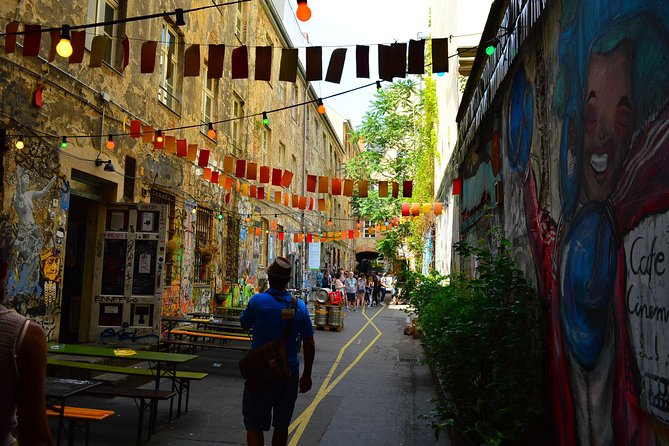
The tour finishes with Friedrichshain, scheduled for about 35 minutes. The core theme is similar to the rest of the East Berlin route: you’re seeing how a neighborhood evolves under new economic and cultural pressures, but keeps certain character traits.
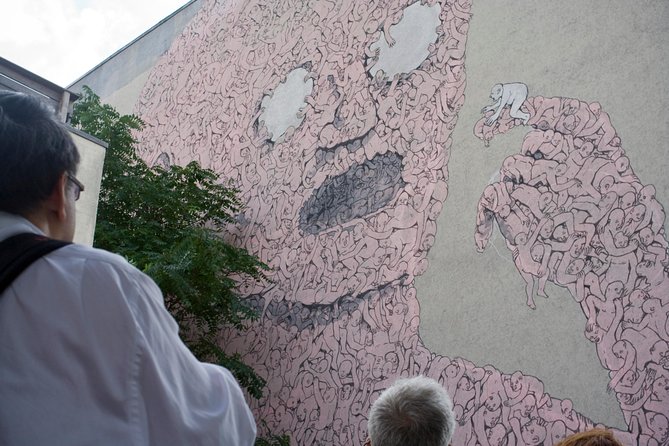
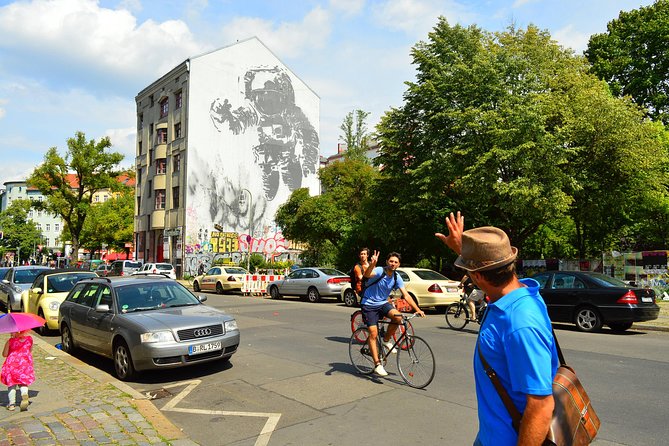
From the description, expect a focus on street art, multicultural influence, activism, and community energy, with the “since 1990” framing that runs throughout the walk. Even when guides keep this segment lighter on landmark-style stops, you can still pick up a lot by watching how streets feel different block to block.
This is a good closing chapter if you want a Berlin that’s more lived-in than staged. Also, it sets you up well for continuing on your own after the tour, because you’ll know which direction to head for food, coffee, or more walking.
What to consider: since Friedrichshain time is shorter, don’t treat it as your only chance to explore that district. Use it to get oriented, then pick a follow-up area based on what your guide emphasized most.
Guides make the difference, and the best ones match your pace
A private tour lives and dies by the guide. The standout praise here is consistent: people found the commentary smart, the approach kind, and the pacing tuned to the group.
I like this tour particularly because the guide style can flex. Joerg is cited for balancing intellectual and physical needs, meaning the walk does not turn into nonstop lecturing. Maria is described as delivering exactly what a modern Berlin-focused tour should deliver. Josh is praised for being personable and clear enough to hold the attention of younger visitors in the group.
Stefano is also mentioned as tailoring things when someone had already done the classic sights the day before. That’s a real-world lesson for you: if your Berlin schedule includes a “top attractions” day, this private walk can become your second lens, the one that explains what those big sights meant and what happened after.
Practical tip for your own booking: if you have specific interests like the Wall, immigration, street art, or neighborhood change, message or ask your guide at the start. You’ll get more out of the time that way.
Price, what you’re really paying for, and how to judge value
The price is $179.84 per person, for a 3 to 4 hour private experience with hotel pickup and a local professional guide. That sounds steep until you compare it to what you get: five districts covered by foot, a guide who brings context, and private time that can respond to your questions.
Where the value hits hardest is when you care about understanding. If your priority is just ticking off photos, you can do parts of this on your own. But if your priority is learning why neighborhoods changed, how reunification shaped daily life, and what the Wall art represents beyond the obvious, the guide pays for themselves.
Also, private walking time has a hidden benefit: you don’t waste energy translating by yourself. The guide handles the narrative thread. You focus on seeing.
One more note: there are group discounts mentioned, so if you’re traveling with friends or family, ask about how the pricing works for your group size. Booking demand can be steady, with an average booking window of about 61 days in advance, so earlier planning can make scheduling easier.
Practical travel advice so you enjoy every neighborhood stop
This is offered in English and uses a mobile ticket. It runs in all weather, so pack for conditions and bring a light layer, especially if you’re doing a morning or late afternoon start.
Since food and drinks are not included, I suggest you treat this as half-day sightseeing plus your own snack strategy. Plan water, and if you know you’ll get hungry, eat before you start or carry something small. Kreuzberg in particular can tempt you with good smells and longer detours.
Pickup is available from your accommodation, or you can meet somewhere central, depending on what you choose. If you’re staying in an easy-to-reach location, pickup saves time and reduces stress, especially if you arrive to Berlin a bit jet-lagged.
Finally, you end back at the meeting point, so you’ll want to factor that into your evening plans. If you want a full day in the city, this tour can serve as your “orientation plus modern context” block.
Should you book this Modern Berlin private walking tour?
Book it if you want Berlin explained through neighborhood change, not just through famous monuments. You’ll like it most if you enjoy conversation with a guide, care about reunification and its aftereffects, and want to cover Mitte, the East Side Gallery, Prenzlauer Berg, Kreuzberg, and Friedrichshain in one efficient outing.
Skip it or reconsider if you only want museum-style visits or you dislike walking. Also, if you hate spending time in areas that are actively changing (shopping streets, gentrified blocks, lively corners), you might find some of the contrasts uncomfortable rather than inspiring.
If your goal is simple, modern Berlin context with real street-level details, this private format is a strong bet.
FAQ
How long is the modern Berlin private walking tour?
It lasts about 3 to 4 hours.
What does the tour cost?
The price is $179.84 per person.
Is the tour private?
Yes. It’s a private tour/activity, meaning only your group participates.
Is hotel pickup included?
Yes. Hotel pickup is included, and pickup is also described as available from your accommodation or you can meet centrally.
What language is the tour offered in?
The tour is offered in English.
Are entrance tickets included for the stops?
The tour schedule lists Admission Ticket Free at each stop.
Are food and drinks included?
No. Food and drinks are not included.
Does it run in bad weather?
Yes, it operates in all weather conditions, so dress appropriately.
Is there free cancellation?
Yes. You can cancel up to 24 hours before the experience for a full refund.
Fresh on the arrivals board for Berlin
Guided Walks in Berlin, compared.

Berlin City walk Government District and Places of Democracy
Read our review →
Berlin’s Best: 2 Hour Walking Tour Third Reich and the Cold War
Read our review →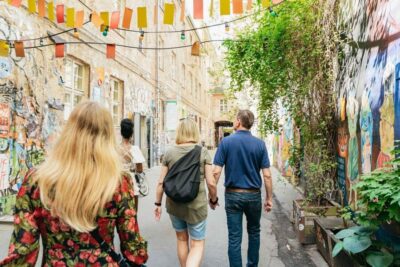
Third Reich Berlin: Hitler and WWII Walking Tour
Read our review →
Browse the lists this tour appears in