
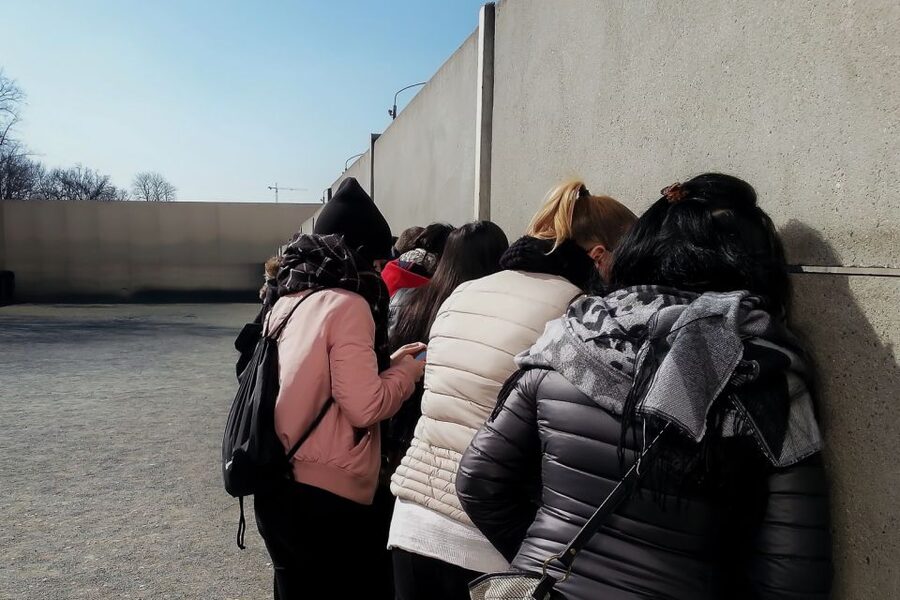
Reviewed · GUIDED WALKS IN BERLIN
East Berlin and the Wall: Walking Tour
Berlin’s wall story walks up to your feet. This small-group walk through East Berlin turns the Cold War into street-level reality, with the Bernauer Strasse Wall Memorial and the original Wall sections as a top highlight, plus practical context on how East Berliners lived under the GDR. One catch: you must have an AB day ticket for the public transport used during the tour.
You start at Potsdamer Platz, take a short S-Bahn ride to the Nordbahnhof ghost station, and then keep moving through Alexanderplatz before landing at the East Side Gallery.
In This Review
- Key highlights you will not want to miss
- Why this East Berlin walk feels different from a museum tour
- Potsdamer Platz to Nordbahnhof, riding through the past
- Bernauer Strasse Wall Memorial, where separation gets real
- Alexanderplatz, socialist architecture, and protests under pressure
- A short TV Tower stop that helps you read the city
- East Side Gallery murals and the Brezhnev-Honecker kiss
- The guide makes it: Paul, Paolo, Elisa, Claudia, Catherine
- Price and transport logistics, and how to judge value
- Who should book, and who might prefer a different pace
- Should you book East Berlin and the Wall walking tour?
- FAQ
- How long is the East Berlin and the Wall walking tour?
- What is the group size?
- How much does the tour cost?
- What language is the guide available in?
- Does the tour include public transportation?
- What transportation ticket do I need?
- Where does the tour start and where is the meeting point?
- Is hotel pickup available?
- What should I bring?
- Is there free cancellation?
- Does the tour include the East Side Gallery murals?
Key highlights you will not want to miss
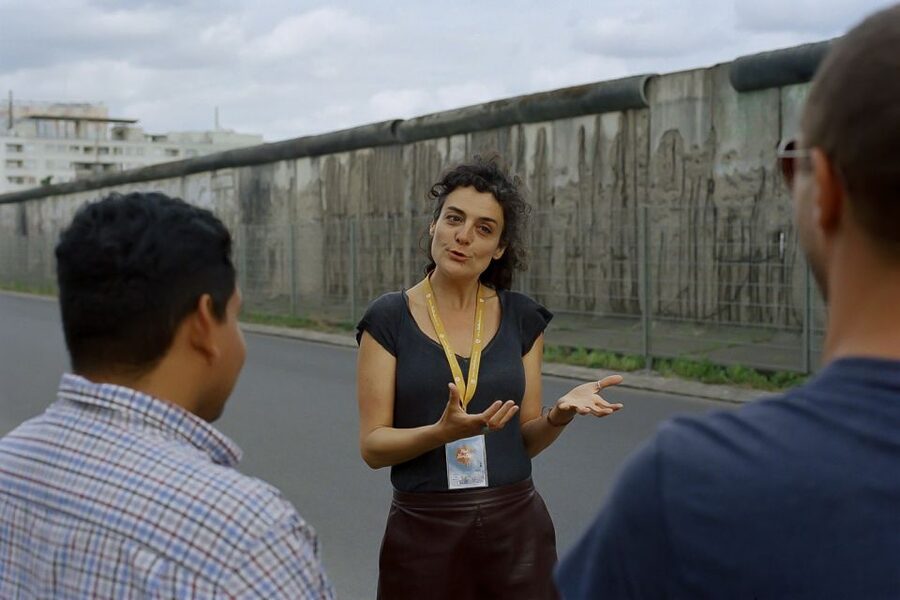
- Bernauer Strasse Wall Memorial with original Wall and separation-zone details
- Nordbahnhof ghost station, closed for nearly three decades after the Wall went up
- Alexanderplatz, socialist architecture, and protest momentum against STASI repression
- A quick TV Tower stop for a wider look at the city you are walking through
- East Side Gallery murals, 104 paintings including the Brezhnev-Honecker kiss
Why this East Berlin walk feels different from a museum tour
Berlin’s Wall is famous, but it can also feel like a set of photos. This tour keeps it human. You move along real places where life was paused, changed, or ended, then you connect the dots between daily routines, border controls, and the pressure of living under the GDR.
I like that it is not only about politics. You also get the sense of daily life in East Berlin, including what people feared, what they tried to do, and why the Wall was more than concrete. The guide makes it understandable, even when the subject matter is heavy.
The pacing matters, too. It is long enough to build a story, but short enough that you are not stuck in a lecture for hours. You are out on the street, on and near public transit stops, and you see how the East Berlin landscape was shaped.
One practical note: you are using public transport during the walk. That is part of the route, not an optional extra, so plan for your ticket (zones AB) before you meet the guide.
More Guided Walks in Berlin
- Discover Berlin Half-Day Walking Tour
★ 5.0 · 9,624 reviews - Berlin City walk Government District and Places of Democracy
★ 4.7 · 8,467 reviews - Berlin: Third Reich & Cold War Guided Walking Tour
★ 4.9 · 8,378 reviews
Potsdamer Platz to Nordbahnhof, riding through the past
You begin in the Potsdamer Platz area, then you take a short S-Bahn ride toward Nordbahnhof. That ride is not just efficient. It helps you feel how the city worked on a daily level, then shows how the Wall disrupted that flow.
Nordbahnhof is the first emotional gear shift. It is a former ghost station, shut down for nearly three decades after the Wall was built. Standing near or moving through that area, you get the sense of how infrastructure became part of control. It is one thing to see a Wall segment. It is another to learn how entire transit patterns were interrupted on purpose.
This is also where the “small group” format helps. With fewer people, you are more likely to get guide attention if you want to ask questions about what you are seeing or what a detail means. In a topic like this, small moments matter: why this station mattered, what changed, and how the city eventually reconnected.
If you are short on time in Berlin, I think this start is smart. You do not waste your half day crossing the city blindly. The route is built to introduce the East Berlin story in the right order: transportation, barriers, memorials, then political turning points.
Bernauer Strasse Wall Memorial, where separation gets real
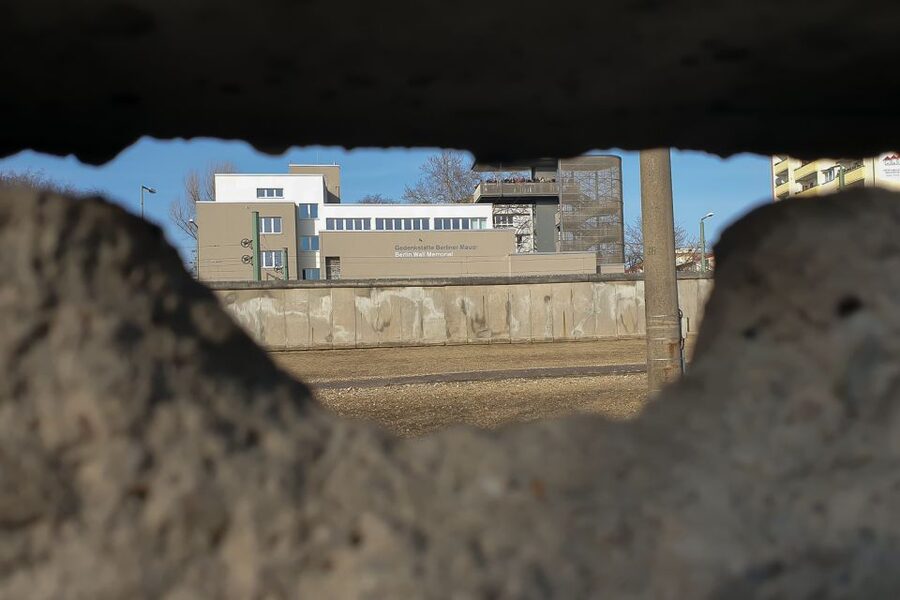
Bernauer Strasse is the heart of the tour’s emotional impact. This is where you visit the Wall Memorial and learn what separation looked like on the ground. The guide focuses on the trauma of division, including the original portions of the separation zone, and explains escape attempts and tragic outcomes.
I like this stop because it is not vague. You are shown the physical reality, the layout logic, and the human consequences. The memorial helps you connect street-level geography to Cold War facts. You start to understand why people risked everything, why some plans worked and others did not, and how the system was designed to prevent freedom of movement.
The tour style here is important. A good guide keeps you from turning this into a “photo spot.” You are encouraged to notice the details that explain why the place mattered, and to treat the stories with care.
Comfort helps. Wear shoes you can handle for several hours, because you will be doing real walking between stops. Also, take your time at the memorial. The subject is heavy, and rushing tends to make it feel less meaningful.
If you want one reason to book this tour, it is this segment at Bernauer Strasse. It gives the Wall context that makes the later murals and landmarks easier to interpret.
Alexanderplatz, socialist architecture, and protests under pressure
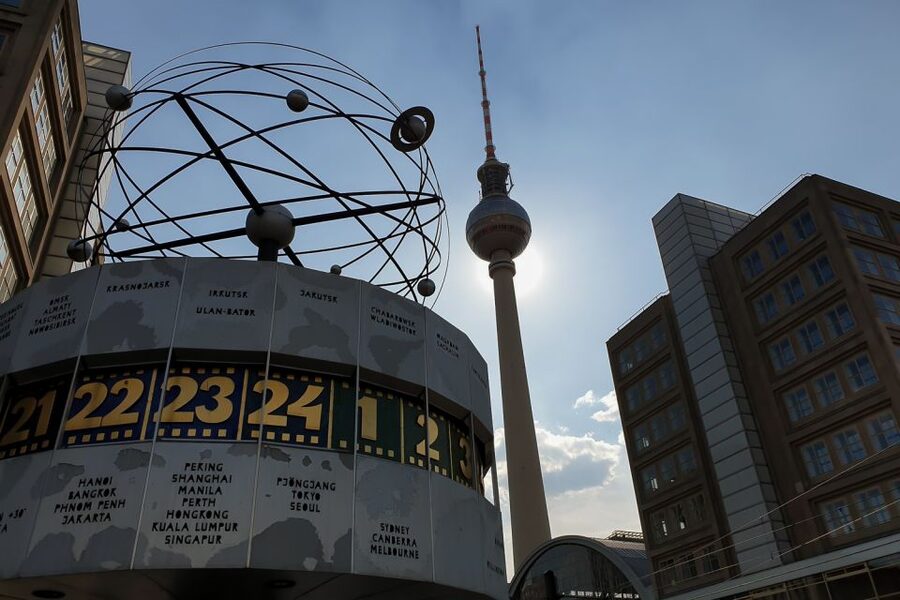
After the Wall Memorial, you move toward Alexanderplatz, where the tone changes from the border’s brutality to the city’s political weather. Alexanderplatz is framed here with socialist architecture, and you connect it to the demonstrations that challenged repression.
The guide explains how peaceful protests gained traction in an environment shaped by STASI fear and control. You are not just told what happened on paper. You hear how that pressure affected everyday life, and why public organizing became such a threat to the system.
I think Alexanderplatz works well on a walking tour because the architecture and the open space make the story feel visible. Even if you have read about demonstrations before, seeing the setting in person makes the stakes feel more immediate. You can picture people gathering, speaking up, and pushing against a regime that tried to control information and movement.
This is also a turning-point area in the broader narrative of the Wall. The guide links the momentum of protests to the collapse of the Wall and the dissolution of the Soviet bloc that followed. You end this section with a clearer timeline, not just an emotional impression.
One consideration: if you are easily overwhelmed by heavy history, this portion may hit hard, but it is also framed as part of a longer arc that ends with change and unification.
A short TV Tower stop that helps you read the city
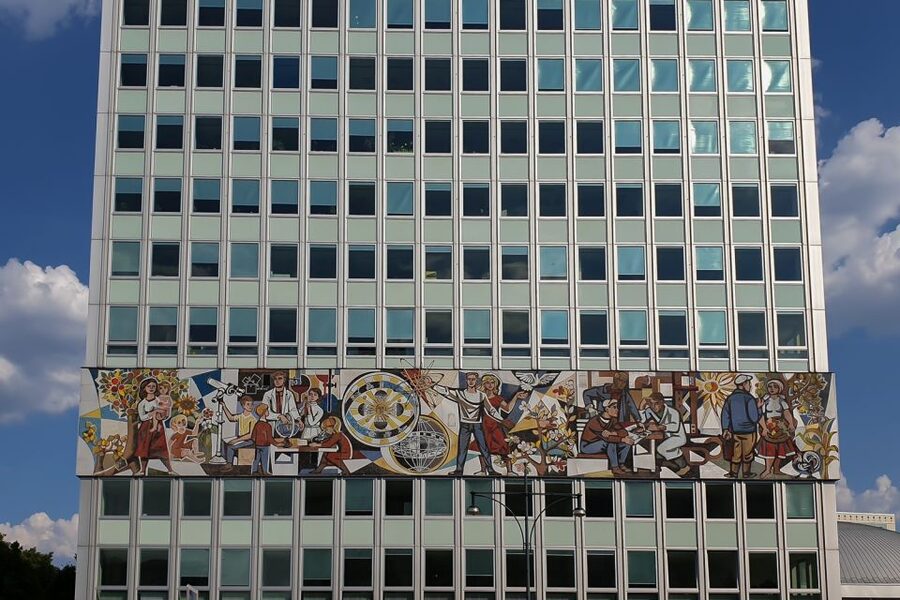
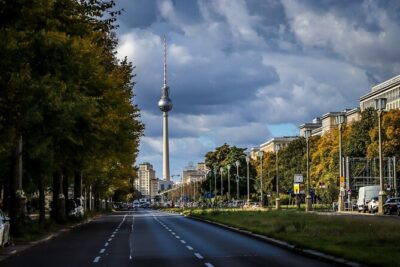
You also get a brief guided stop at the TV Tower in Berlin. It is only about 10 minutes, so this is not a full “go up and view everything” experience. Still, the stop helps you adjust perspective.
Walking through Berlin East history can make you feel like everything is at eye level. A quick reference point like the TV Tower helps you shift your mental map. You start thinking in terms of how the city was built, how it was used, and how it looks after reunification.
If you like photo breaks, this is one of the moments where you might want to take a few pictures. Just do it without slowing the group too much, since the tour is designed as a timed story.
More German cities at walking speed:


East Side Gallery murals and the Brezhnev-Honecker kiss
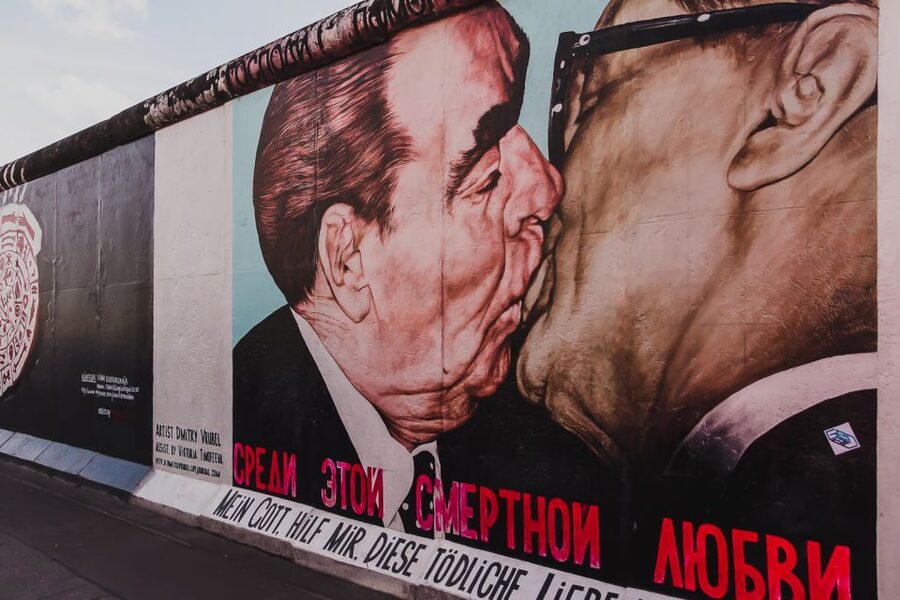
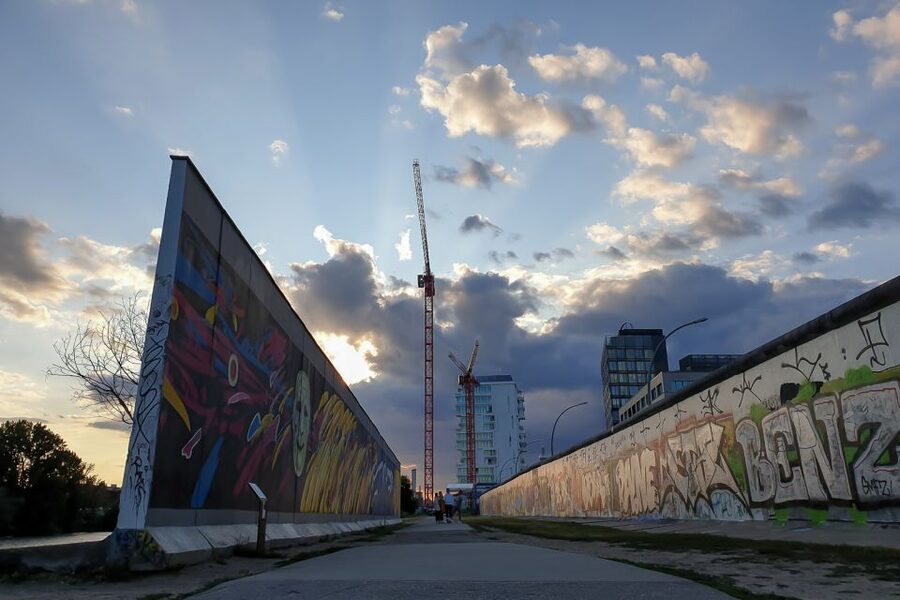
The final act is the East Side Gallery, with 104 murals on the Wall’s surface. It is one of the most famous Wall-related art stops in Berlin, and this tour treats it as more than a wall full of photos.
The guide points out key murals, including the iconic Brezhnev-Honecker kiss. That specific artwork is a good example of what makes the East Side Gallery so interesting. It mixes propaganda-era imagery, political messaging, and later reinterpretation of the Wall as art and memory.
I like ending here because it gives you closure through contrast. You start with separation, original Wall and escape stories, then you reach a stretch of murals where the Wall is no longer purely a tool of control. It has become a canvas, a reminder, and a public conversation piece.
Just keep the tone right. You do not want to treat the murals as the whole story. The earlier stops make the artwork more meaningful, because you understand what the Wall was before it became a backdrop for art.
This is also the easiest place to process the day. After all the historical detail, you can look at the murals longer and let the messages settle.
The guide makes it: Paul, Paolo, Elisa, Claudia, Catherine
A tour like this lives or dies by the guide. And the strongest versions of this experience have one thing in common: clear explanations with a human touch.
I’ve seen guides like Paul and Paolo praised for keeping people engaged. Elisa is noted for structuring the walk in a clear, compelling way, with enthusiasm that makes the history feel organized rather than overwhelming. Claudia is highlighted for preparedness and friendliness, with interesting anecdotes that keep the pace moving. Catherine is singled out for adding a testimony on top of the standard tour narrative, which can make the story feel more personal and grounded.
Even when people praise the history, what stands out most is communication. One reviewer emphasized that the story was presented in an easy-to-follow way, and that is exactly what you want here. This is not the kind of history you should struggle through alone.
To get the most from your guide, bring curiosity. Ask questions about what you are seeing, why a location mattered, or how everyday life in East Berlin differed from West Berlin. A good guide will adapt, and with a small group, you are more likely to get a real answer.
Price and transport logistics, and how to judge value
The price is $351 per group up to 6 people for 3 to 3.5 hours. That sounds high until you think in terms of group cost. If you get a full group of 6, you are looking at roughly $58.50 per person. If fewer people book, your per-person share goes up, but you still get a private-feeling small-group dynamic.
So what are you buying?
- A guided walk built around major East Berlin Wall sites
- Visits that are specifically tied to separation and commemoration
- A route that includes public transit elements and timed stops at major landmarks
- A guide available in multiple languages, including English, German, French, Italian, and Spanish
The one part you must handle yourself is transportation. You need a valid ticket for public transportation in zones AB during the tour, and that ticket is not included. If you show up without it, you can slow down right when the story begins, so buy or validate your ticket before you meet.
What to pack is simple: comfortable shoes. This is a walking tour, and the emotional stops also take time, so blisters are the last thing you want on a day like this.
If you want hotel pickup, it is optional. In that case, you wait in the hotel lobby about 10 minutes before your pickup time, and you should confirm pickup details in advance.
Who should book, and who might prefer a different pace
This tour is ideal if you want a focused half-day that connects the Wall Memorial story to the wider city. You will like it if you enjoy walking plus context, not just photos or a single monument. It is also a strong fit if you care about how political control shaped ordinary routines, because the guide’s focus includes the daily-life angle in East Berlin.
It is also a good option for first-time Berlin visitors who want East Berlin’s core story without piecing together multiple museums and locations on your own. The route is structured to move you through the right sequence.
You might consider something else if:
- You are looking for only a light, casual stroll with minimal heavy topics
- You hate using public transport during a tour window
- You prefer purely outdoor stops without memorial-style interpretation
Still, even with those caveats, the emotional pacing and the clear route make this a solid choice for most people who want the Wall story in a human, readable format.
Should you book East Berlin and the Wall walking tour?
Book it if you want the Wall explained in the places where the story actually happened, and you want to see how political fear, repression, and protest connect to what Berlin became after reunification. The stop at Bernauer Strasse Wall Memorial is the standout, and ending at the East Side Gallery gives you a meaningful contrast.
Skip it or switch plans only if you cannot handle guided history that includes escape attempts and tragic stories, or if you are unwilling to manage the required public transit ticket for zones AB.
If you do book, I recommend going in with comfortable shoes, a ready transit ticket, and one question you truly care about. With a small group and a strong guide, that question is often the moment the whole tour clicks.
FAQ
How long is the East Berlin and the Wall walking tour?
The tour lasts about 3 to 3.5 hours.
What is the group size?
It is a small group tour, priced for a group up to 6 people.
How much does the tour cost?
The price is $351 per group (up to 6 people).
What language is the guide available in?
Guides are available in Italian, French, English, Spanish, and German.
Does the tour include public transportation?
You will use public transportation during the tour, and you will need your own valid ticket for zones AB.
What transportation ticket do I need?
You need a valid public transportation ticket for the zones AB during the tour. The ticket is not included.
Where does the tour start and where is the meeting point?
The meeting point can vary depending on the option booked.
Is hotel pickup available?
Pickup is optional. If you select it, you wait in the hotel lobby 10 minutes before the scheduled pickup time.
What should I bring?
Bring comfortable shoes.
Is there free cancellation?
Yes, you can cancel up to 24 hours in advance for a full refund.
Does the tour include the East Side Gallery murals?
Yes. You visit the East Side Gallery, which has 104 murals, including the Brezhnev-Honecker kiss.
Fresh on the arrivals board for Berlin


Guided Walks in Berlin, compared.
Berlin City walk Government District and Places of Democracy
Read our review →
Berlin’s Best: 2 Hour Walking Tour Third Reich and the Cold War
Read our review →
Third Reich Berlin: Hitler and WWII Walking Tour
Read our review →
Browse the lists this tour appears in