
Reviewed · MUSEUMS
Dortmund: German Football Museum
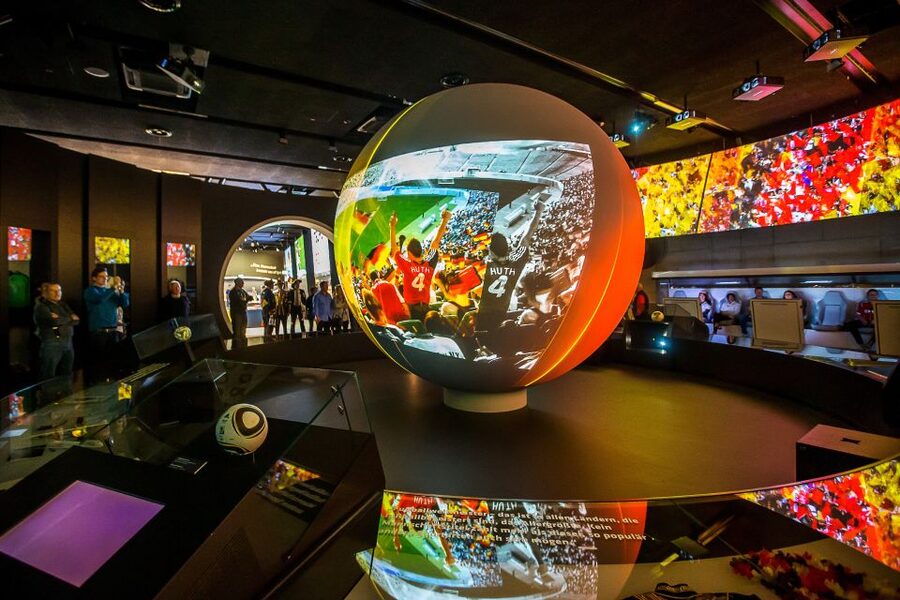
Dortmund turns football into hands-on time travel. At the German Football Museum, I like how the Miracle of Bern experience frames major moments, and how the Sky Reporter Room lets you try being part of the broadcast. A small caution though: if you hate interactive stuff and you want only quick show-and-go exhibits, you may feel a bit rushed with about 1,600 exhibits.
You also get a mix that works for both adults and kids, including a 3D cinema featuring the 2014 world champions and a small playing field in a multifunctional arena where you can grab a ball and try your skills. The overall setup is built to connect fans, referees, amateurs, professionals, and women’s and men’s football in one place, and the staff’s helpful, friendly tone is a big part of why the visit feels smooth.
In This Review
- Key highlights worth building your day around
- Getting oriented in Dortmund, then skipping straight in
- The museum’s big idea: football for every viewpoint
- Time travel moments, led by the Miracle of Bern
- The 3D cinema: a quick way to feel the world stage
- Becoming a commentator in the Sky Reporter Room
- The mini pitch: grab a ball and see if you’ve got it
- How the scenography connects fans, referees, men, and women
- A smooth half-time break for food and rest
- What makes this visit feel worth $23
- Who should book this German Football Museum visit
- Should you book the German Football Museum in Dortmund?
Key highlights worth building your day around
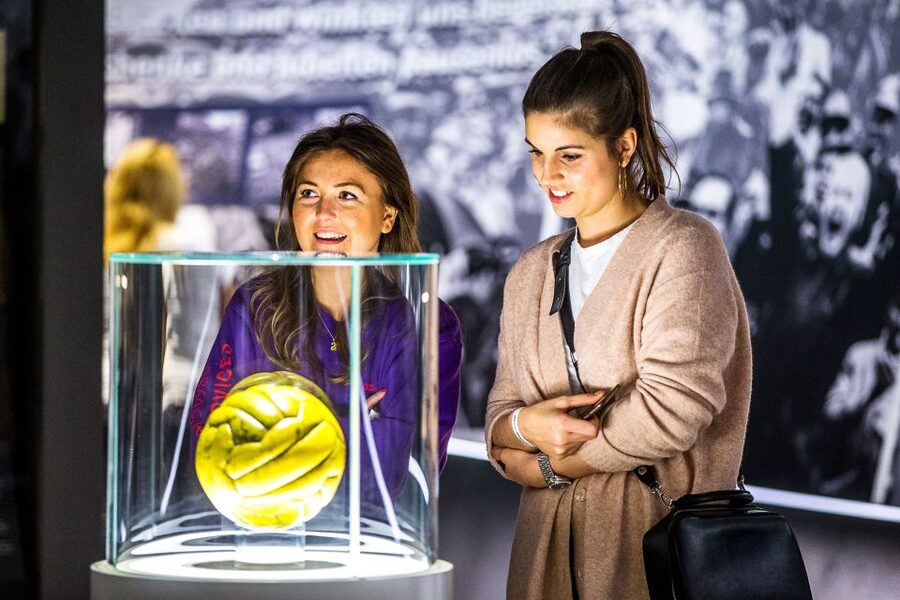
- Miracle of Bern storytelling, a standout way to understand why moments matter in German football
- Sky Reporter Room, where you can act like a commentator instead of just watching and reading
- 3D cinema with the 2014 champions, a memorable change of pace from exhibit galleries
- Play on the mini pitch, a rare museum feature that makes you actually do something
- Fan-to-referee perspective, designed so different sides of the game make sense together
Getting oriented in Dortmund, then skipping straight in

Your day starts at Platz der Deutschen Einheit 1, 44137 Dortmund. From there, the practical win is that your ticket includes skip the ticket line, so you can spend less time standing still and more time moving from one interactive moment to the next.
The museum runs as a modern, hands-on exhibition, so I recommend treating it like an activity, not a quiet gallery. With a visit that fits in about one day, you will get the best results if you pick a few must-dos first, then use the rest of the space to wander based on what grabs you.
More museum halls between train times:
- Dortmund: Borusseum Borussia Dortmund Museum Entry Ticket
★ 4.6 · 315 reviews - Dortmund German Football Museum Skip-the-Line Admission Ticket
★ 4.0 · 72 reviews - Berlin: Jewish Museum Berlin Entrance Ticket
★ 4.5 · 8,393 reviews
The museum’s big idea: football for every viewpoint
What impressed me about the German Football Museum is the way it tries to explain football as a system, not just a list of teams and trophies. In the same visit, you can see how the game looks from the fan’s side, the referee’s side, and the performer’s side, and it also folds in both women’s and men’s football as part of the same conversation.
This matters for you if your group includes mixed interests. Someone who loves the drama of big matches can focus on the big stories. Someone who prefers technique can spend more time in the interactive zones. And families can treat the day like a series of “try it” moments, not a test of how long you can sit still.
Time travel moments, led by the Miracle of Bern
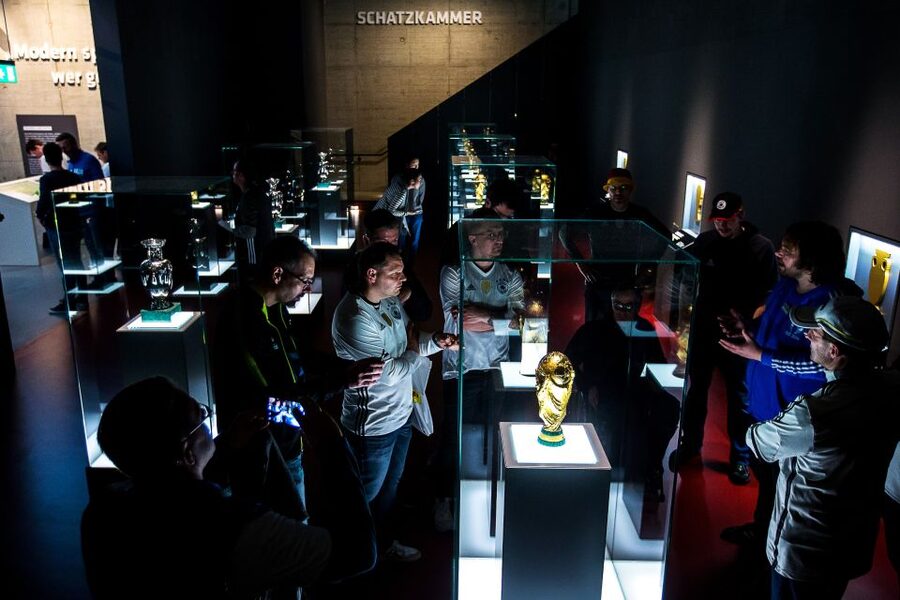
One of the most praised parts of the experience is the chance to travel back to the Miracle of Bern, which is used as a centerpiece to connect past events to what football felt like in that moment. You get the sense that the museum wants you to understand context, not just memorize outcomes.
If you are a football fan, this section works because it anchors everything else. You start to notice how stories, tactics, and the emotional side of the sport feed into each other. And if you are newer to German football, this kind of framing is a friendly shortcut. Instead of feeling lost, you have a narrative handle to keep the rest of the exhibits from turning into random facts.
The 3D cinema: a quick way to feel the world stage
Next, make room for the 3D cinema experience featuring the 2014 world champions. The beauty of adding a cinema stop in the middle of an exhibit day is that it changes your pace. You stop reading and scanning labels, then you get a more cinematic kind of storytelling.
For practical reasons, I like having something like this because it helps you reset before you move into hands-on areas. It also gives you a shared experience that works well with kids or anyone who prefers motion and visuals over text.
Becoming a commentator in the Sky Reporter Room
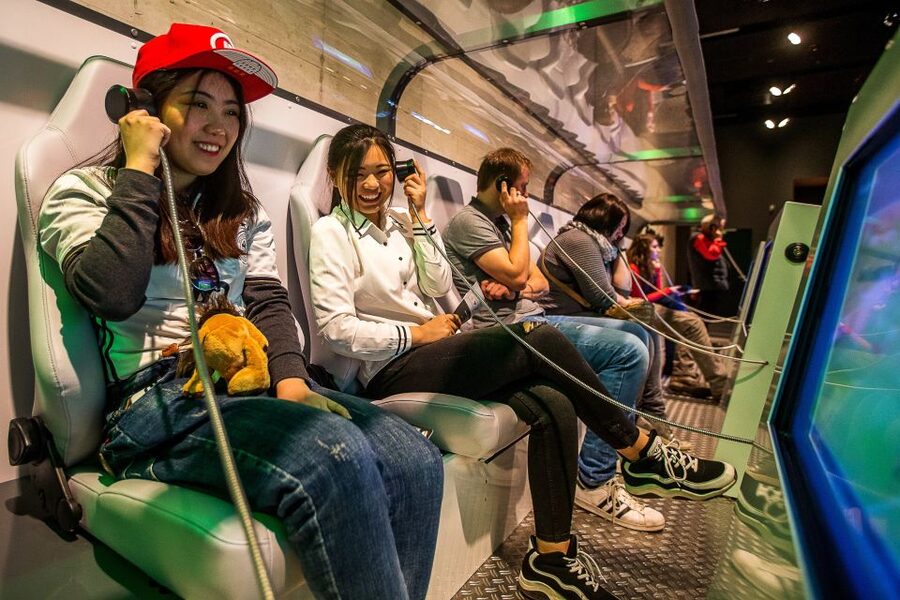
If you want one moment that feels genuinely different from a typical museum, go straight to the Sky Reporter Room idea. The museum lets you become a commentator yourself, which turns you into part of the show rather than a spectator.
For me, the value here is in the repetition. Commentating is a skill you learn through practice, and even if what you do is short, the interaction helps you see what commentators actually do, like narrating action and shaping the viewer’s understanding. It also makes it fun for groups. People can take turns, and the room naturally creates small laughs and friendly competition without needing a staff-led game.
Also holding a platform in Dortmund




The mini pitch: grab a ball and see if you’ve got it
One of the best “hands-on” features is the playing field inside the multifunctional arena. You can grab a ball and prove you have what it takes to be a football star, at least in the museum’s own way.
This is not about becoming a pro. It is about giving the game a physical component so the exhibits do not stay stuck in your head. If you have kids, this is the zone that can keep energy up when attention might dip. If you are an adult, it’s a fun reality check and a good way to break the day’s rhythm.
I’d also plan to use the playing field time strategically. If you schedule it too early, you might burn energy before you’ve done the deeper exhibits. If you schedule it too late, you might feel tired when it’s time to move. Aim for the middle portion of your visit so you get the energy boost right when you need it most.
How the scenography connects fans, referees, men, and women
The museum’s design is built to unite different parts of the football world in one experience. You do not only see players. You see referees. You see amateurs and professionals in the same space. You also see women’s and men’s football treated as part of the same broader story.
Why this matters: it makes the museum feel usable. Instead of forcing you to choose one narrow lane, it gives you options based on your mood. You can spend time on the narrative side if you want story. You can spend time where the interactions are most active if you want to do something.
This structure is also a practical win for mixed groups. When not everyone is equally excited about the same exhibits, having multiple entry points keeps the group together without constant negotiating.
A smooth half-time break for food and rest
The museum notes that for your half-time break, there will be a variety of dining options. That’s useful because a one-day museum visit can get long, especially if you keep stopping for interactive elements.
So plan your energy like you would for a match. After the big story moments and a cinema stop, take the break, eat something, and then return ready to play and interact again. Since food and drinks are not included with the ticket, you’ll want a realistic plan for what you’ll buy on-site.
What makes this visit feel worth $23
At $23 per person for a one-day visit, the value is in how much you can do in one place. You are not only looking at objects. You are getting a mix of film, interactive commentary practice, and a playing-area moment. For many museums, the experience is mostly passive. Here, the interaction reduces the risk of the day feeling like a long walk with little payoff.
Add in the skip the ticket line feature, and you get more usable time inside. And because the experience is designed for both kids and adults, it can work even if your travel group has different energy levels.
Who should book this German Football Museum visit
This is a great fit if:
- You love football history but also want an experience that does not require you to read everything
- You travel with kids who need hands-on moments
- Your group has mixed interests and you want one place that can satisfy more than one person
- You want a fun, media-flavored activity, like the commentary room and 3D cinema
It might be less ideal if you want a quiet, purely scholarly museum day. This place is built for doing. If that’s not your style, you might want to come with a tighter plan and less expectation of slow wandering.
Should you book the German Football Museum in Dortmund?
Yes, you should book if you want a one-day football-themed visit that mixes major moments, modern presentation, and actual participation. The strongest reason to go is the combination of story plus try-it energy, especially the Sky Reporter Room and the playing-field experience.
If your priority is only top-level match nostalgia and you plan to move quickly, you can still make it work because of the skip the line entry. But if you like taking your time and actually participating, this is the kind of museum day that can feel fun, not just educational.
Fresh on the arrivals board for Dortmund




Museums, compared.



Skip-the-Line: Berlin Wall Museum at Checkpoint Charlie
Read our review →Browse the lists this tour appears in