
Reviewed · WALKING TOURS
Braunschweig: Historischer Stadtrundgang mit zert. Guide
Braunschweig tells its story on a short walk. You get 90 minutes of focused wandering, starting at the Braunschweiger Löwe, with a certified guide who stitches together 1,000 years of what shaped this Northern German city.
I love how the route mixes postcard sights with the “why it mattered” behind them, especially the Burgplatz buildings and the half-timbered streets around the ducal and craft areas. You’ll also get a real feel for the Hanseatic trading world at places like Kohlmarkt and Altstadtmarkt. One possible drawback: if you do better with slower pacing, you may want to ask for clarification early, because at least one guide’s delivery can feel fast.
In This Review
- Key things that make this tour worth your time
- One city, a thousand years, and a route you can actually finish
- Starting at the Braunschweiger Löwe: your “map” in statue form
- Burgplatz and the centuries around it: where power shows in stone
- Cathedral area and the Chamber of Crafts: when local work built the city
- The ducal and palace area: Schloßplatz, Town Hall vibes, and city authority
- Magniviertel and the Happy Rizzi House: half-timbered blocks with a personality
- Kohlmarkt: hearing about trade routes where you’re standing
- Altstadtmarkt: Hanseatic League energy right in the square
- Finishing near Altstadtrathaus: a clear ending, not a wandering mystery
- What the guides do right, and why it shows in the reviews
- Value check: $141 per group up to 25, and how to decide
- Who this tour fits best
- Practical tips so the walk stays easy and rewarding
- Should you book this Braunschweig historic walking tour?
- FAQ
- How long is the Braunschweig historical walking tour?
- How much walking is involved?
- What language is the tour guided in?
- Where do you meet, and where does the tour end?
- Is the tour wheelchair accessible?
- Are video or audio recordings allowed during the tour?
Key things that make this tour worth your time
- Certified local guiding (BVGD e.V. guidelines), so the facts and flow feel intentional
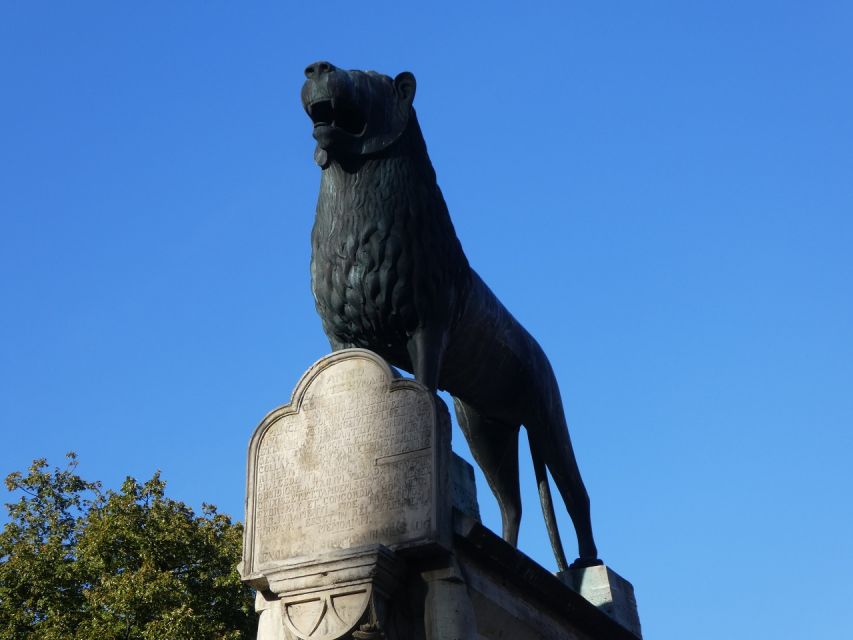
- Burgplatz with the Brunswick Lion as the emotional and historical anchor
- Cathedral plus half-timbered blocks and craft landmarks, not just a photo stop parade
- Happy Rizzi House in Magniviertel, where modern design sits inside the old-town fabric
- Hanseatic-era trading stops at Kohlmarkt and Altstadtmarkt, with context you can picture
- Only about 1.5 km on foot in 90 minutes, paced for sightseeing
One city, a thousand years, and a route you can actually finish
Braunschweig is one of those German cities where you can feel the centuries without needing a museum ticket every five minutes. This walking tour is built for people who want structure, not a loose wander. You get a straightforward arc through the center, starting with the city’s symbol and working outward into craft, ducal power, and Hanseatic trade.
The tour is 90 minutes and covers about 1.5 km, which is a sweet spot for a first look. You can keep your day moving, and you’ll still leave with names you can remember: Burgplatz, Kohlmarkt, Altstadtmarkt, Magniviertel, and the church and town hall surroundings.
More German cities at walking speed:
- Braunschweig: Scavenger Hunt Self-Guided Walking Tour
★ 4.6 · 35 reviews - Discover Berlin Half-Day Walking Tour
★ 5.0 · 9,624 reviews
Starting at the Braunschweiger Löwe: your “map” in statue form
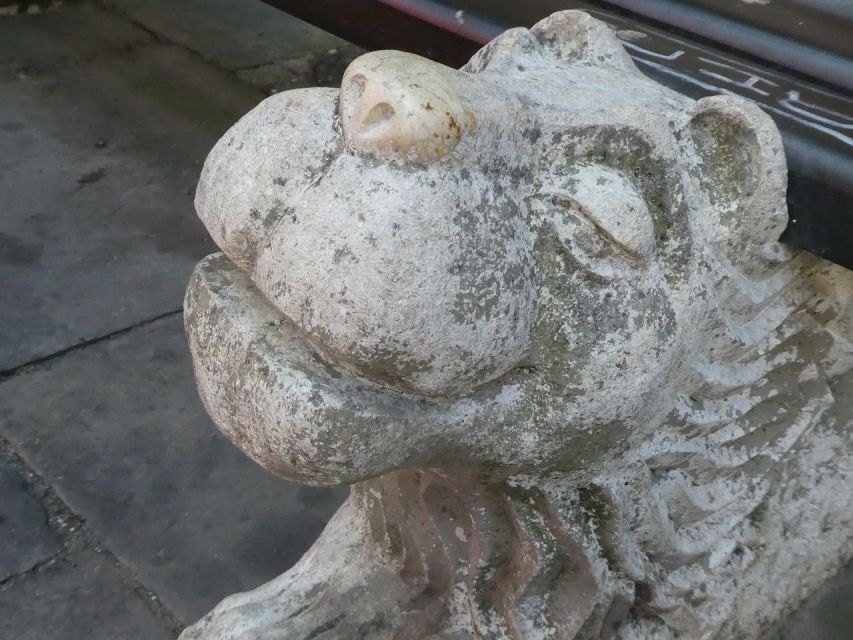
The tour begins where the city wants you to look first, at the Braunschweiger Löwe. That lion isn’t just a landmark, it’s a shortcut into understanding Braunschweig’s identity. From the first steps, your guide ties the symbol to the places you’re about to see, so you’re not just collecting buildings, you’re building a mental story.
You’ll meet your guide by the central starting point, and the guide wears an LED-display backpack with Get Your Guide and Braunschweig written on it. That sounds small, but it matters. It reduces the usual stress of “Where is the group?” You can also show up about five minutes early, and the guide waits up to 30 minutes.
Burgplatz and the centuries around it: where power shows in stone
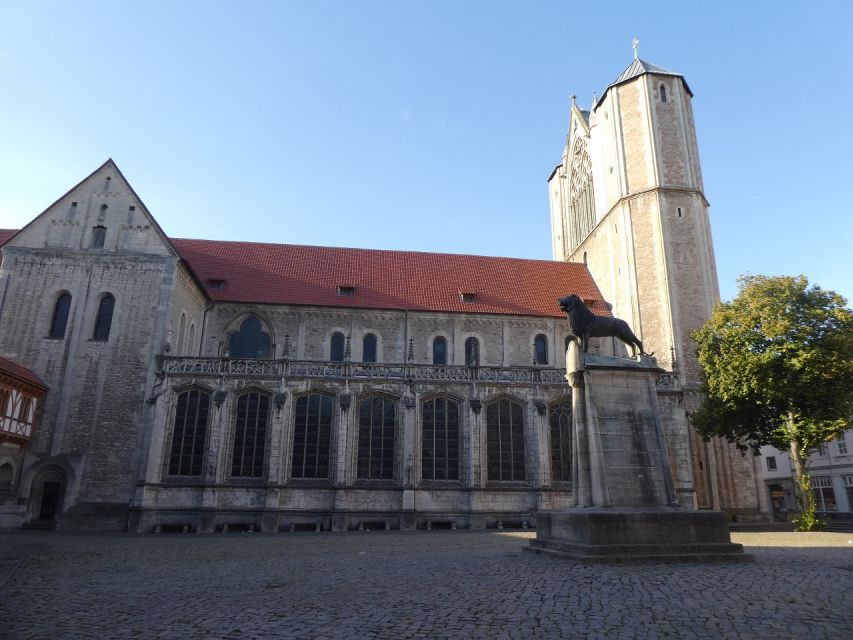
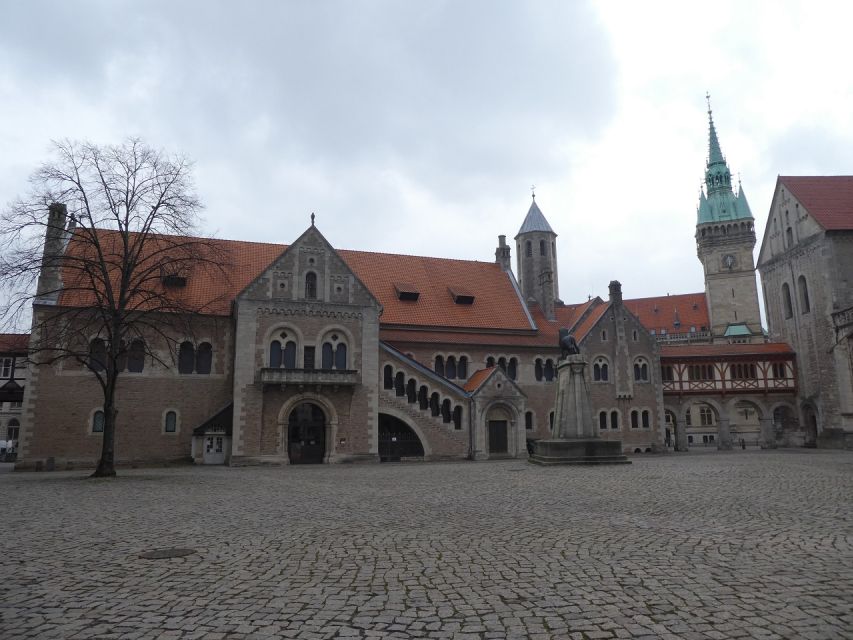
Burgplatz is the heart of the early story, and it’s a great place to start because it immediately looks “old Europe.” You’ll spend time here admiring the centuries-old buildings and the way the square frames important civic and religious landmarks.
A key part of what I like about this stop is that it’s not only about aesthetics. Your guide connects the architecture to the lived rhythm of the city, the kind where authority, faith, and everyday life shared the same streets. If you’ve ever walked into a German city and felt like everything was dating back to the Middle Ages, this is the moment where it starts to make sense.
Cathedral area and the Chamber of Crafts: when local work built the city
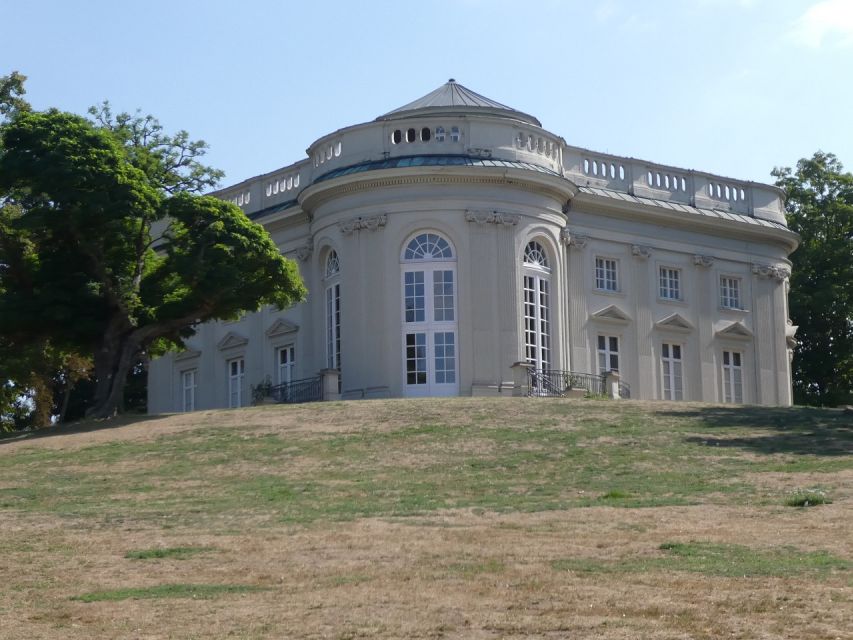
Next comes the cathedral and nearby features tied to craft and community. You’ll also look at the half-timbered houses of the Chamber of Crafts area. Even if half-timbering is familiar to you from other places, Braunschweig’s version reads differently when someone explains what these buildings represented.
This is one of those stops where a guided explanation turns a pretty facade into something more useful. You learn to spot the clues: how the city’s skilled labor shaped reputation, commerce, and civic pride. It’s also a good break in pace because you can slow down, look up, and take in details without feeling rushed.
The ducal and palace area: Schloßplatz, Town Hall vibes, and city authority
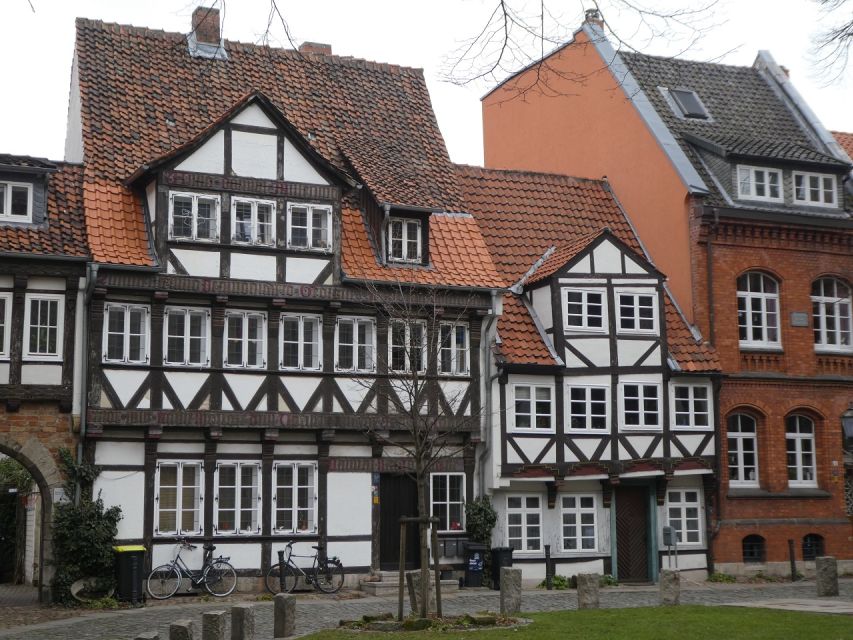
From the craft and cathedral surroundings, the route moves through the broader center, including Schloßplatz. This is where Braunschweig starts to feel like it had serious political weight, not just merchant energy.
You’ll see the town hall area and the former ducal palace. Even if you’re not a “politics history” person, I find these stops useful because they explain why the city center is shaped the way it is. Where authority lived, where decisions were made, and how that influence likely pulled the rest of urban life toward it.
Magniviertel and the Happy Rizzi House: half-timbered blocks with a personality
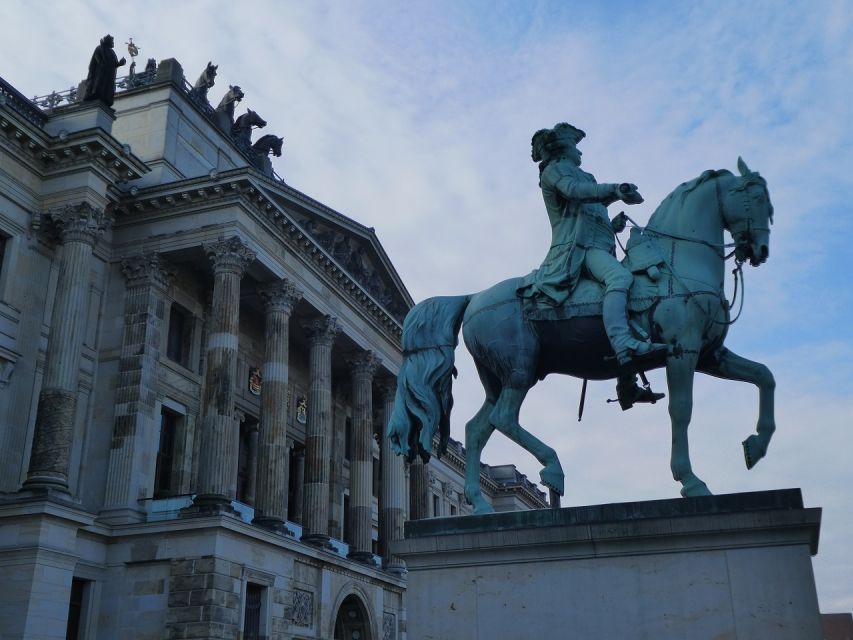
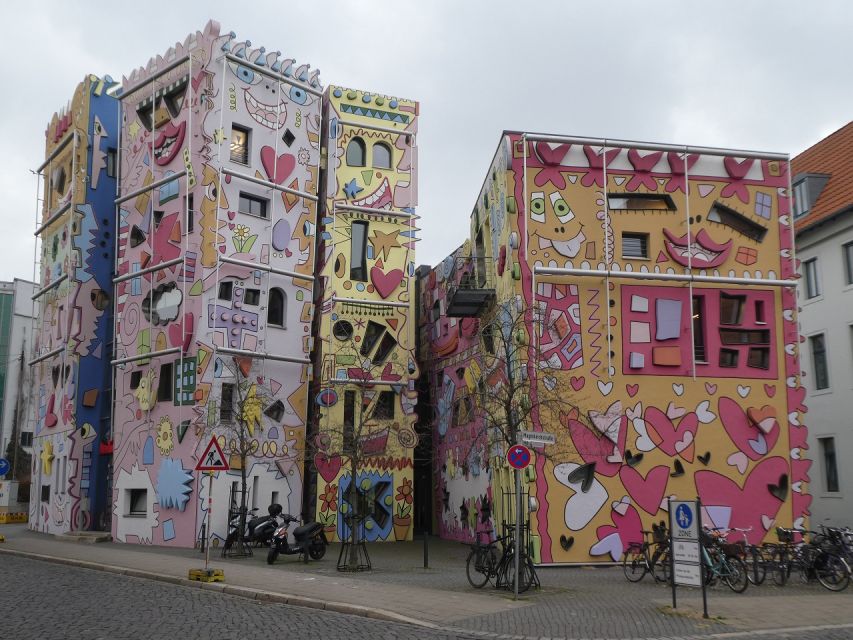
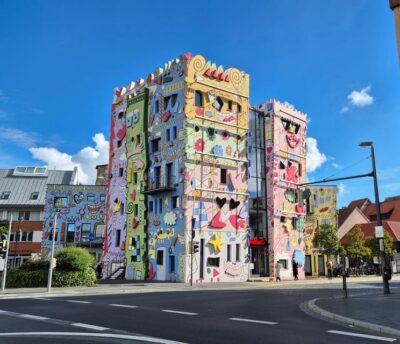
When the walk reaches Magniviertel, you get a noticeable shift in mood. Streets and corners tighten, and the half-timbered houses become the everyday background of the story. Then comes a highlight: the Happy Rizzi House.
I like including a stop like this because it prevents the tour from becoming only medieval postcards. It’s a reminder that Braunschweig did not freeze in time. The Happy Rizzi House gives you a point of contrast, and your guide can help you understand why modern design can still fit into a historic neighborhood without feeling out of place.
Kohlmarkt: hearing about trade routes where you’re standing
Kohlmarkt is a short stop, but it’s one of the most “useful” in terms of context. You’ll hear how this place functioned as a junction of important trade routes in the Middle Ages. That detail changes the way you look at the street.
Instead of seeing Kohlmarkt as only a shopping or photo area, you start picturing movement: goods, people, and money crossing through Braunschweig and leaving their mark. If you enjoy learning how cities worked back then, this is a good moment to ask yourself, “What kinds of travelers would have walked these same paths?”
Altstadtmarkt: Hanseatic League energy right in the square
The tour’s center of gravity becomes the Altstadtmarkt, where you can really feel the Hanseatic influence. You’ll see St. Martin’s Church and the Cloth Hall, including the guildhouse of the cloth merchant. This is where “Hanseatic League” stops being a term you’ve heard in a lecture and starts becoming something you can visualize.
Your guide helps you connect the dots between guild life and trade culture, and that connection makes the square more than a pretty open space. It becomes a working stage where commerce and community met.
I also appreciate that the tour doesn’t treat this as purely dramatic history. It’s practical, and it helps you understand what people likely did, bought, argued about, and celebrated here.
Finishing near Altstadtrathaus: a clear ending, not a wandering mystery
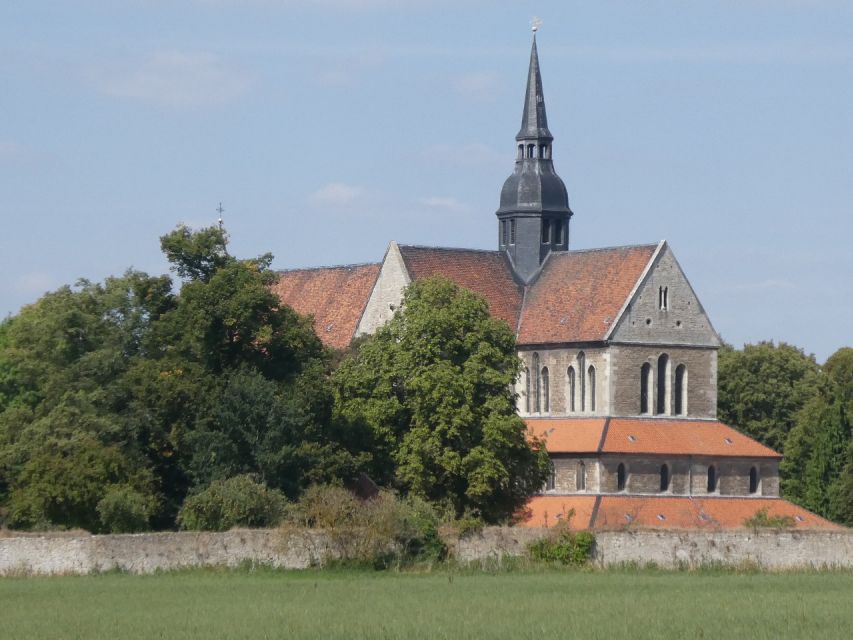
The walk ends around the Altstadtmarkt area, with Altstadtrathaus as the stated finish point. The good news is you’re not stuck in “where do we go now?” mode. You finish in the core, which makes it easy to keep exploring on your own afterward.
There’s also flexibility, where the guide can finish you at your desired point in the city center. If you’re timing another appointment or want to drop into a café nearby, that flexibility can be a real value.
What the guides do right, and why it shows in the reviews
This is the part that matters most when you’re paying for a walking tour. The tour is led by a certified local guide and is presented under BVGD e.V. guidelines, which you can feel in the way the route is explained.
A strong theme from guide performance comes through in the names you might hear, especially Andreas Schwarz. People highlight how well informed he is and how good the mood stays throughout the walk. I like that combination because it’s the easiest way to stay engaged for 90 minutes. You’re not just getting facts dumped at you; you’re getting a story delivered with energy.
That said, there’s one caution worth respecting. One participant had trouble keeping up because the guide spoke quickly. If you read lips or you get lost when explanations move too fast, it’s smart to arrive with comfortable expectations and be ready to ask a question early. A simple prompt like Can you say that one more time slowly helps.
Value check: $141 per group up to 25, and how to decide
The price is listed as $141 per group, up to 25 people, and the tour lasts 90 minutes. That structure is good news if you’re traveling with friends or family and can fill the group allocation, because you’re spreading the cost across more people.
If you’re going solo or in a very small group, it can feel like a pricier outing, since the cost is not per person in the way some tours are. In that case, I’d judge value based on your goal. If you want guided orientation plus context at major landmarks, it can still be worth it. If you mainly want photos and you already know the city’s basics, you might prefer self-guided time.
Either way, the route is compact, with only about 1.5 km of walking. That reduces the hidden cost of time and energy compared with longer “big city” tours.
Who this tour fits best
This works well if you’re visiting Braunschweig for a short time and want a map in story form. It’s also a good fit if you like architectural contrasts, because you’ll move from cathedral and craft areas to ducal palace spaces, then to old-town streets and Hanseatic trade sites.
Because it’s designed to be barrier-free, it can also be a realistic option for travelers who want an accessible walking experience through the center. Still, you should wear comfortable shoes, since you’ll be walking continuously for the full 90 minutes.
Practical tips so the walk stays easy and rewarding
- Bring comfortable shoes and clothes, since it runs rain or shine.
- Plan around a no-audio and no-video recording rule, so focus on listening and note-taking instead.
- Use the tour to learn names and relationships, not just to collect sights. Ask about how craft, guild life, and trade connected in the medieval city.
- If churches or public buildings are closed for official events, the guide will offer an alternative attraction. So keep your expectations flexible on the day.
Also, since the tour is in German, you’ll get the best experience if you’re comfortable with the language level or you enjoy a guided flow even when you miss a detail. If you’re unsure, you can still benefit from the visual explanations and the landmark-to-landmark structure.
Should you book this Braunschweig historic walking tour?
I’d book it if you want a reliable, compact way to understand Braunschweig’s center. The mix of Burgplatz, cathedral and craft landmarks, the Happy Rizzi House, and Hanseatic stops at Kohlmarkt and Altstadtmarkt makes this more than a basic loop.
Skip it only if you strongly prefer self-guided freedom and you already know the city’s key layers. With a guided approach, you’re paying for interpretation, not just walking between buildings, and that interpretation is exactly what makes the 90 minutes feel complete.
If you’re on the fence, aim to do it early in your Braunschweig day. You’ll come away with the right mental map, and the rest of your exploring gets much easier.
FAQ
How long is the Braunschweig historical walking tour?
The tour lasts about 90 minutes.
How much walking is involved?
You’ll cover about 1.5 kilometers during the tour.
What language is the tour guided in?
The live tour guide speaks German.
Where do you meet, and where does the tour end?
You meet near the Braunschweiger Löwe. The tour ends at Altstadtrathaus in the Altstadtmarkt area, or your guide can finish you at your desired point in the city center.
Is the tour wheelchair accessible?
Yes, the tour is wheelchair accessible and can be done barrier-free.
Are video or audio recordings allowed during the tour?
No, video recording and audio recording are not allowed.
Fresh on the arrivals board for Brunswick Germany
Walking Tours, compared.
Berlin City walk Government District and Places of Democracy
Read our review →
Berlin’s Best: 2 Hour Walking Tour Third Reich and the Cold War
Read our review →
Browse the lists this tour appears in