
Reviewed · CITY TOURS
City tour Braunschweig: diverse and full of surprises.
Braunschweig looks small, then history hits hard. In just 2 hours, guides Tom Ahlgrim or Tobi Volkmer walk you through a 1000-year story, with clear answers and plenty of time for questions. I love how the route ties big landmarks to everyday details, and I love the way the guides keep the pace friendly and relaxed.
One thing to consider: the experience is a walking city-center tour with stairs and uneven old-town surfaces, and the notes say it is not suitable for some mobility and sensory needs. If you have any limitations, it is worth checking first.
In This Review
- Key takeaways before you go
- 1000 years of Braunschweig, told in real street corners
- Starting at Magni Boutique Hotel, with an easy plan for timing
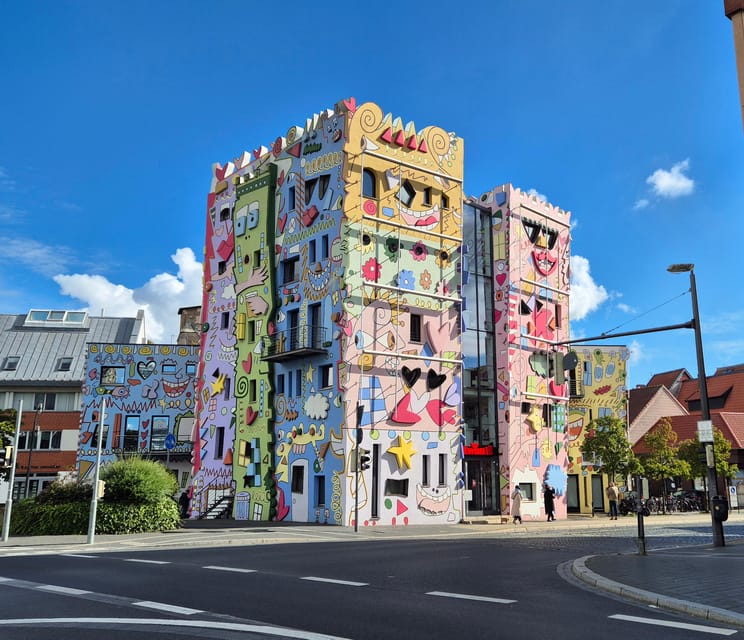
- Magniviertel and the Rizzi House: a modern wink near palace walls
- Braunschweig Residential Palace: why Henry the Lion matters
- Platz der Deutschen Einheit and Burgplatz: public space as a story engine
- St. Blasii Cathedral and Dankwarderode Castle: where stories survive rebuilding
- Ringerbrunnen, Kohlmarkt, and Martinikirche: the civic heartbeat
- The lion, the Guelphs, and the science city link
- Price and pacing: why $88 per group up to 2 is good value
- What you will notice while walking (and what could annoy you)
- Guides Tom Ahlgrim and Tobi Volkmer: the difference you feel
- Should you book this Braunschweig city tour?
- FAQ
- How long is the Braunschweig city tour?
- Where do I meet the guide?
- Is the tour private?
- Who guides the tour?
- What languages are available?
- How much does the tour cost?
- What stops are included during the walk?
- Is audio recording allowed?
- Is there a waiting time if I arrive late?
- Is the tour wheelchair accessible?
Key takeaways before you go
- Private, certified guidance with Tom Ahlgrim or Tobi Volkmer, BVGD-certified
- A tight 2-hour loop that hits palace power, church landmarks, and market squares
- Half-timbered town character shaped by war destruction and rebuilding
- Guelphs and Henry the Lion context so you can read the city instead of just pass it
- Time for questions, plus a light touch of humor that keeps older groups comfortable
1000 years of Braunschweig, told in real street corners
If you only know Braunschweig from a map or a stopover, this tour changes that fast. The city has the rhythm of Northern Germany: stone, brick, and then suddenly wood-framed half-timbering, all stacked next to monuments that explain who held power and what survived. The clever part is how the story stays connected to what you see in front of you, so you do not need a textbook to follow along.
I also like that this is not just a list of sights. You get a sense of why Braunschweig matters today as a science and research location, while still understanding the older threads that shaped it. That contrast, medieval center of power to modern research city, is the whole point.
Finally, because it is a private group up to 2 people, the guide can adjust. In the reviews, I saw repeated praise for how Tom keeps a calm flow, answers questions directly, and even works in small surprises that fit the group’s situation. That makes a big difference when you want history without feeling like you are being marched through it.
Also holding a platform in Brunswick Germany
- Berlin: 1-Hour City Tour by Boat with Guaranteed Seating
★ 4.3 · 16,993 reviews - Berlin City walk Government District and Places of Democracy
★ 4.7 · 8,467 reviews
Starting at Magni Boutique Hotel, with an easy plan for timing
You meet at Magnikirchenplatz, right on the corner by the Magni Boutique Hotel. This is a practical meeting spot because it is in the city center, and there is parking nearby in the Schlossarkaden car park at Ritterbrunnen 1, with only a short walk to the meeting point.
Timing-wise, plan to arrive on time. If you are late, the guide waits 15 minutes at the meeting point, and extending that waiting time only happens if you contact them by phone. That is a simple rule, but it matters because old-town streets can slow you down.
Once you start, you are essentially building a mental map. You begin in the Magniviertel area and move outward through a chain of squares. By the end, the city’s main public spaces will feel like they belong to one story, not separate photo stops.
Magniviertel and the Rizzi House: a modern wink near palace walls
The tour’s first major stop has a strong visual hook: the Rizzi House you see in front of the Braunschweig Residential Palace. Even if you have never studied Braunschweig design, the house is a quick way to spot how the city mixes eras. It is right where you would expect medieval and old power symbols, and yet it gives you a different kind of city identity.
From here, you continue toward key squares. The guide’s job is not just to point and name, but to give you the why. So as you move, you start noticing how squares in Germany often served as stages for politics, trade, and civic life. You can already predict what the next stop will explain.
If you like architectural contrasts, you will enjoy this part. It sets the tone for the whole walk: history is not frozen. It is layered.
Braunschweig Residential Palace: why Henry the Lion matters
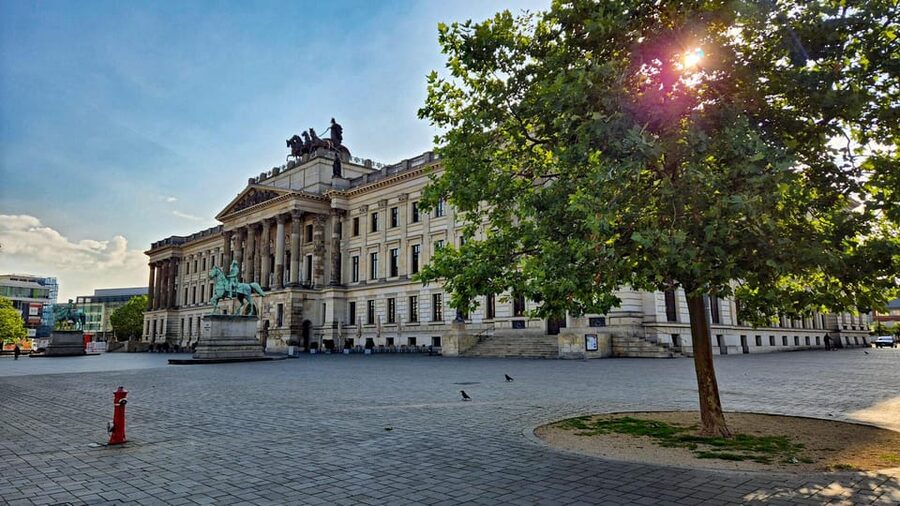
Next up is the Braunschweig Residential Palace area, and this is where the tour gives you the larger political frame. Braunschweig is first mentioned in documents nearly 1,000 years ago. Around 850 years ago, Henry the Lion, Duke of Saxony and Bavaria, and his wife Mathilde of England made the city their residence.
That detail is not just trivia. It is the reason you are walking past monuments that reflect a city trying to look like power. Henry the Lion and the Guelphs are a thread running through the tour, and once you know that, many landmarks stop feeling random.
A practical tip: pay attention to how the guide connects names to places. When someone like Tom or Tobi explains who shaped the city and when, you end up recognizing patterns across the walk. That makes your photos more meaningful too, because you know what each stone or facade is standing for.
Platz der Deutschen Einheit and Burgplatz: public space as a story engine
As you head toward the German Unity Square (Platz der Deutschen Einheit), the tour acknowledges that Braunschweig is not trapped in the past. Unity-era symbolism sits within a city that still carries older power structures, and the guide uses that contrast to keep the timeline moving.
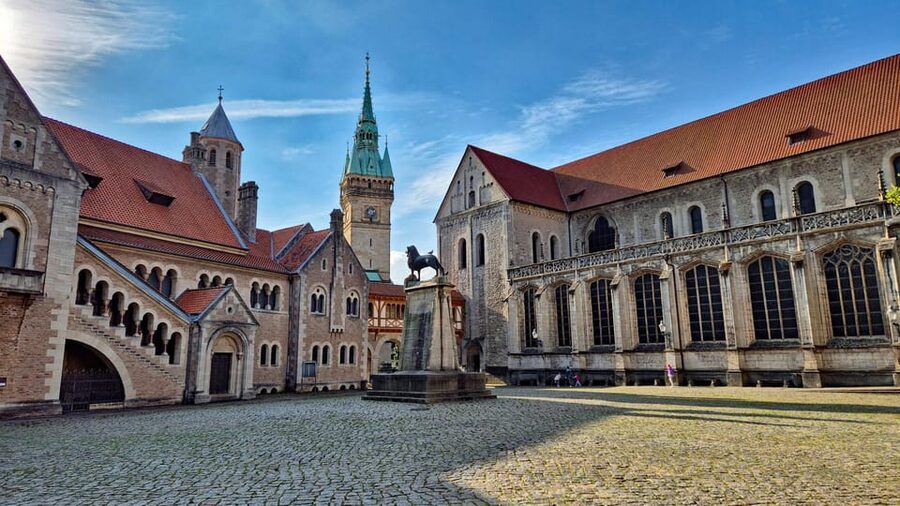
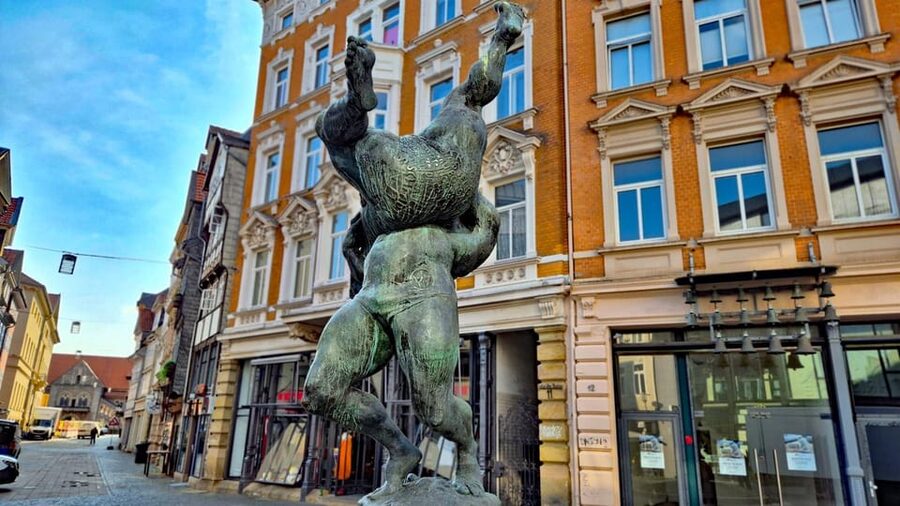
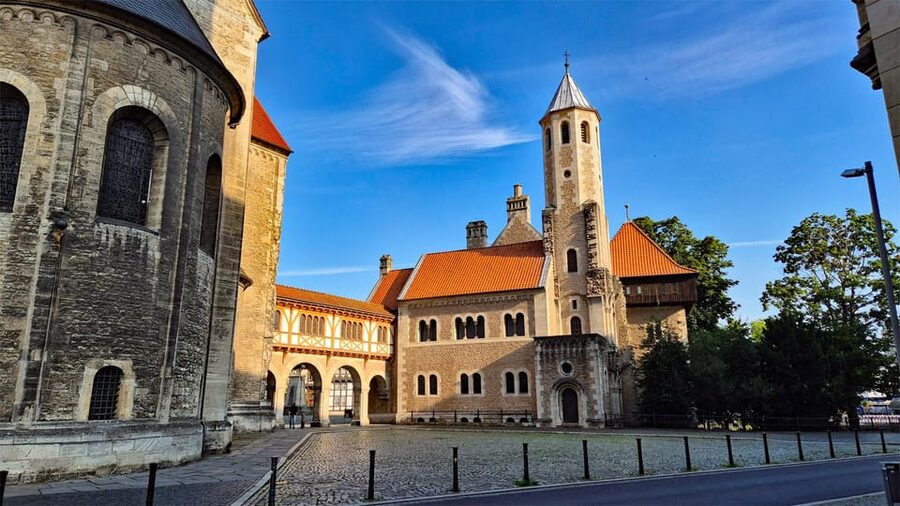
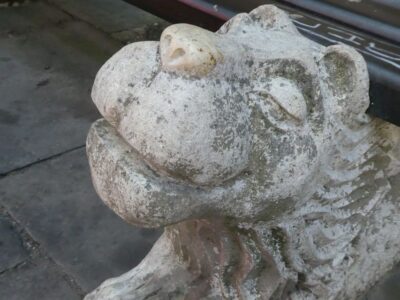
Then you reach Burgplatz, which is one of the most central “stage sets” on the route. Here you see Braunschweig’s landmark lion, the nearby Dankwarderode Castle, and St. Blasii Cathedral in the same wider area. For a first-time visitor, this cluster is a huge advantage. You get a lot of meaning in a short space.
This is also a good place to ask questions. The pace is designed so you can. In the reviews, I saw praise for how the guides make room for questions in a relaxed atmosphere, not as an afterthought.
St. Blasii Cathedral and Dankwarderode Castle: where stories survive rebuilding
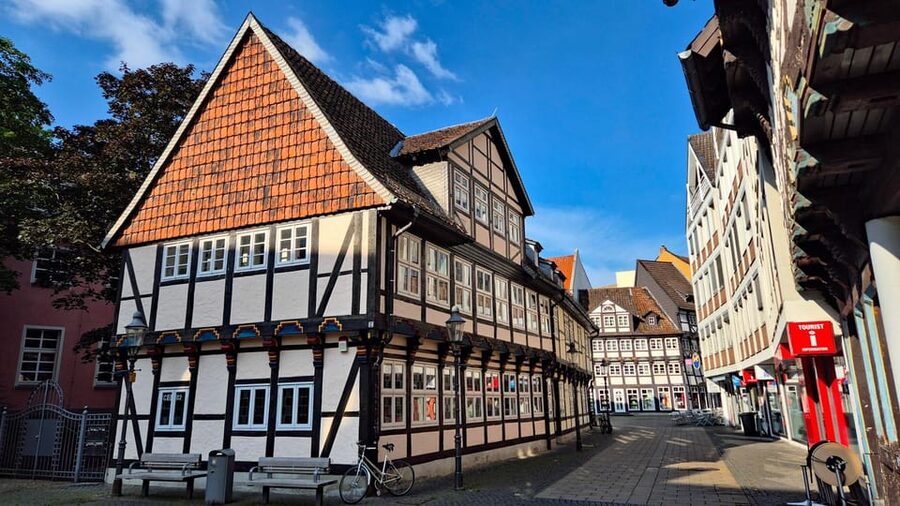
When the tour moves past the cathedrals and castle area, it shifts into a different kind of historical realism. Braunschweig faced war destruction, and the city has unique half-timbered buildings that reflect rebuilding and survival.
That matters because it changes how you look at old architecture. You stop treating it like pure nostalgia. Instead, you see it as a record of what people chose to restore and what they chose to rebuild differently.
If you like history told without heavy academic weight, this is where the storytelling shines. You are not being handed dates to memorize. You are being taught how to read the city’s shapes and materials.
Ringerbrunnen, Kohlmarkt, and Martinikirche: the civic heartbeat
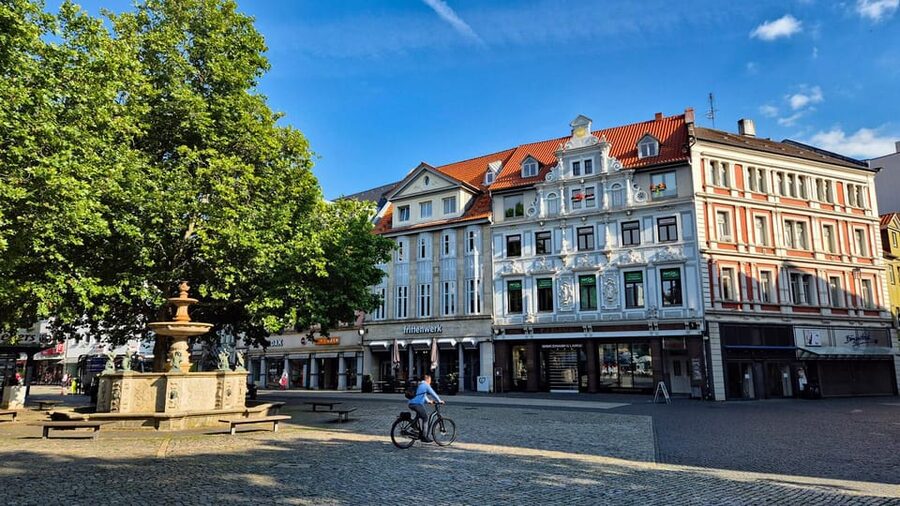
After the major monument zone, the walk becomes more human-scale. You pass Ringerbrunnen, continue toward the Kohlmarkt, and later reach the historic squares connected to Martinikirche and the old town market.
These are not only pretty stops. In many German cities, markets and church-adjacent squares were where everyday life met civic identity. When the guide ties these spaces to merchants, public life, and older trading patterns, you start understanding why certain areas stay important even when borders and governments change.
This part is also well suited for people who prefer a “walk and talk” style. It is easier to keep pace because the spaces are lively and readable. You get that sense of moving through a living city, not just a museum.
One detail I particularly appreciate from the tour style is how it keeps older participants comfortable. In reviews, I read that Tom regularly points out places to pause, even for rentner groups spanning older ages. That is the kind of practical care you cannot get from an audio guide.
The lion, the Guelphs, and the science city link
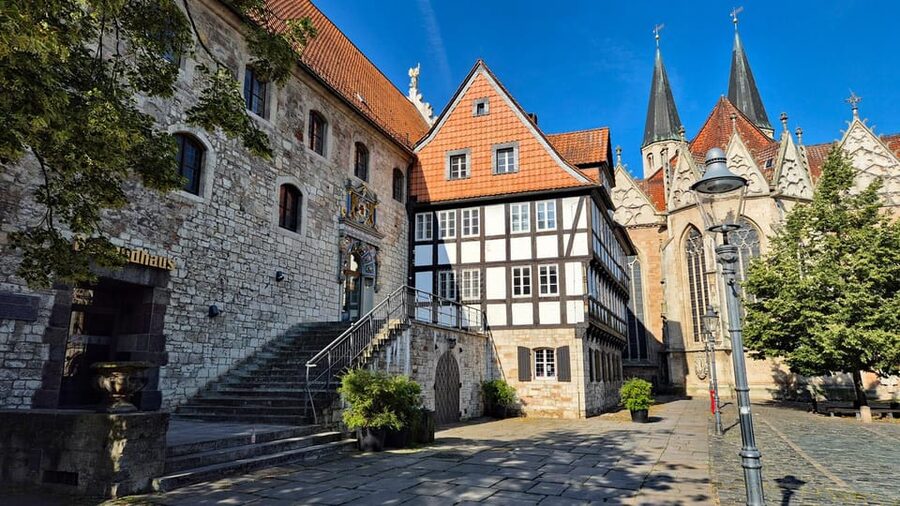
Here is what makes the tour special: it connects names you might hear elsewhere to actual places in Braunschweig. The Guelphs are a big focus, and once the guide links them to the city, you start seeing their influence in the monuments and the power logic behind the streets.
Then comes the modern connection. Braunschweig today is an important European location for science and research, and the guide frames the city as a long-running place of ideas, not a town stuck in medieval costume.
For you, that means the tour does more than fill gaps. It helps you build a consistent picture of Braunschweig: medieval authority laid groundwork for later civic development, and today the city channels that same drive into research.
If you plan to spend more time in Northern Germany, this kind of story clarity is useful. You will connect Braunschweig to the broader regional pattern of ducal rule, merchant networks, and later modernization.
Price and pacing: why $88 per group up to 2 is good value
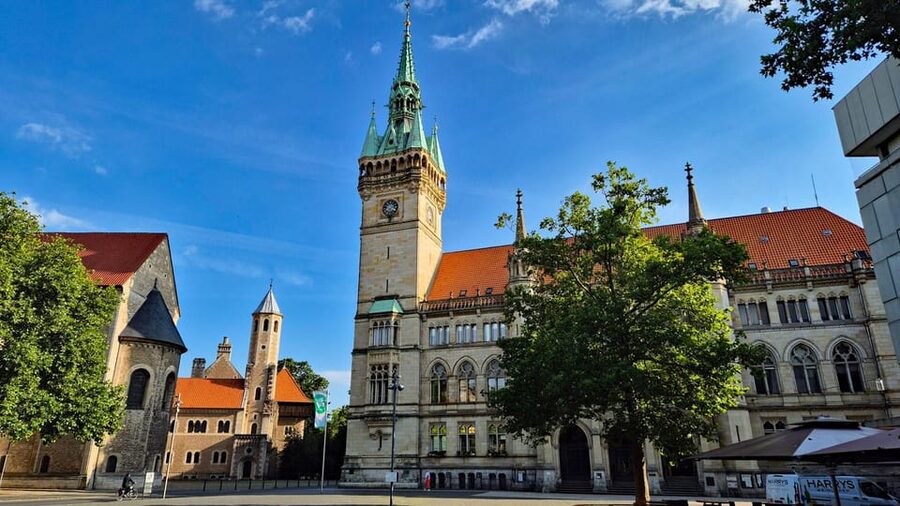
The tour is priced at $88 per group up to 2 and lasts about 2 hours. On paper, it is easy to compare it to larger group tours, but the better comparison is value per attention.
With a private group, you get:
- 1 guide for your group size (so questions do not feel risky)
- a guide who can slow down when you want more explanation
- a route that hits a lot in a short window without feeling rushed
That is especially worth it if you are visiting from abroad and want quick context. A two-hour orientation walk can save you time later. Instead of guessing what you are seeing, you already know the main storyline and can follow it on your own.
Also, the experience is 1.5 to 2 hours round, so you are not dragged into a long commitment. Two hours fits well into a first day in town, or as a pre-lunch reset where you can learn the city and still keep your afternoon open.
What you will notice while walking (and what could annoy you)
I like that the tour stays focused and human. The reviews repeatedly praised Tom for being friendly, relaxed, and careful about tone. He answers questions, keeps the group interested, and even adjusts timing and style based on who is walking with him. That balance is not easy, and it shows.
There is also a small but important rule: audio recording is not allowed. If you plan to record instead of taking notes, you will need to skip that idea.
Finally, it is not a fit for everyone based on the activity notes. The tour is marked wheelchair accessible, but it also states it is not suitable for people with mobility impairments, and it lists limits for visually impaired people and hearing-impaired people. If that applies to you, ask before booking so you can confirm the exact setup and whether it will work in practice for your needs.
Guides Tom Ahlgrim and Tobi Volkmer: the difference you feel
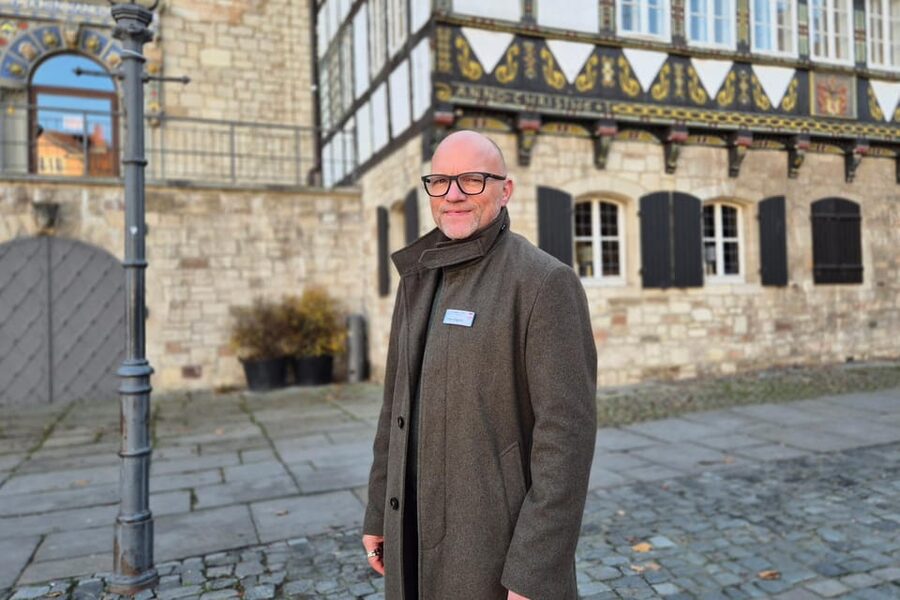
You will be guided by Tom Ahlgrim or Tobi Volkmer, both BVGD-certified. The guide choice can affect your experience, but what stays consistent is the delivery style: clear explanations, a calm pace, and a willingness to handle questions without turning the tour into chaos.
From the reviews, Tom in particular comes across as someone who:
- prepares well in advance
- adapts even in rain, making the best of conditions
- keeps the right amount of information, not too much, not too little
- uses light humor without overdoing it
- marks helpful rest points when the group needs a break
- communicates clearly before and after the tour
That kind of guide effort tends to show up in small moments. You might notice it when the story connects to what you ask, or when a stop includes an unexpected angle that fits your group’s context.
Should you book this Braunschweig city tour?
If you want a 2-hour orientation that connects medieval power to today’s research identity, book it. It is a smart choice for first-timers, for history lovers who also like architecture, and for anyone who prefers asking questions over reading plaques.
Skip it if:
- you need a tour designed specifically for visual or hearing limitations (the notes do not list that as suitable)
- you expect a recording-free environment for notes and audio replacement
- your mobility needs make uneven old-town walking hard
If you decide to go, I recommend doing one thing before you arrive: choose one theme you care about most, Henry the Lion and the Guelphs, the war rebuilding and half-timbered streets, or Braunschweig’s science identity. Then ask the guide one focused question early on. That single step turns a pleasant walk into a story you remember.
FAQ
How long is the Braunschweig city tour?
The tour runs for about 2 hours (listed as 1.5 to 2 hours round tour time).
Where do I meet the guide?
You meet at Magnikirchenplatz, on the corner of the Magni Boutique Hotel.
Is the tour private?
Yes. It is a private group tour.
Who guides the tour?
You will be guided by Tom Ahlgrim or Tobi Volkmer, both BVGD-certified tour guides.
What languages are available?
The tour is offered in English and German.
How much does the tour cost?
The price is listed as $88 per group up to 2.
What stops are included during the walk?
The route includes the Rizzi House, Braunschweig Residential Palace, German Unity Square, Burgplatz, Ringerbrunnen, Kohlmarkt, the area at Martinikirche, and Altstadtmarkt, finishing at Altstadtrathaus.
Is audio recording allowed?
No, audio recording is not allowed.
Is there a waiting time if I arrive late?
The guide will wait 15 minutes at the agreed meeting point. Longer waiting time is only possible after contacting them by phone.
Is the tour wheelchair accessible?
The activity states wheelchair accessible, but it also states it is not suitable for people with mobility impairments. If you have mobility needs, contact the provider to confirm whether it will work for you.
Fresh on the arrivals board for Brunswick Germany
City Tours, compared.
1-Hour City Tour by Boat with Guaranteed Seating
Read our review →
Berlin City walk Government District and Places of Democracy
Read our review →
City History Canal Sightseeing Tour on a Motorboat
Read our review →
Browse the lists this tour appears in