Reviewed · GERMANY
Braunschweig: Tatort Braunschweig
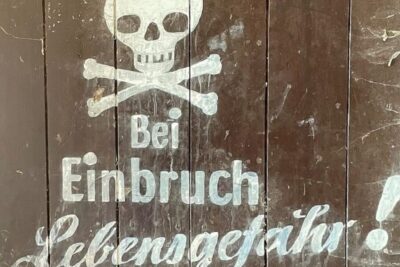
Crime scenes, right in the city center. This live walk turns Braunschweig into a real-world investigation, where you follow criminal cases at their original locations and hear about former executions tied to specific spots.
I particularly like two things. First, you get the story in place, not in a classroom, with a certified local guide working to BVGD e.V. standards. Second, the whole format is tight and efficient, with about 1.5 kilometers of walking spread across short guided stops.
One thing to consider: the tour is German-only, and it is listed as not suitable for children under 14. If you are traveling with kids or you need another language, you’ll want to plan accordingly.
In This Review
- Key takeaways before you go
- Braunschweig crime walk with a BVGD-certified local guide
- Why this tour works: investigations on original locations
- Price and time value: what $14 buys you
- Before you meet: what to wear and what to expect from the rules
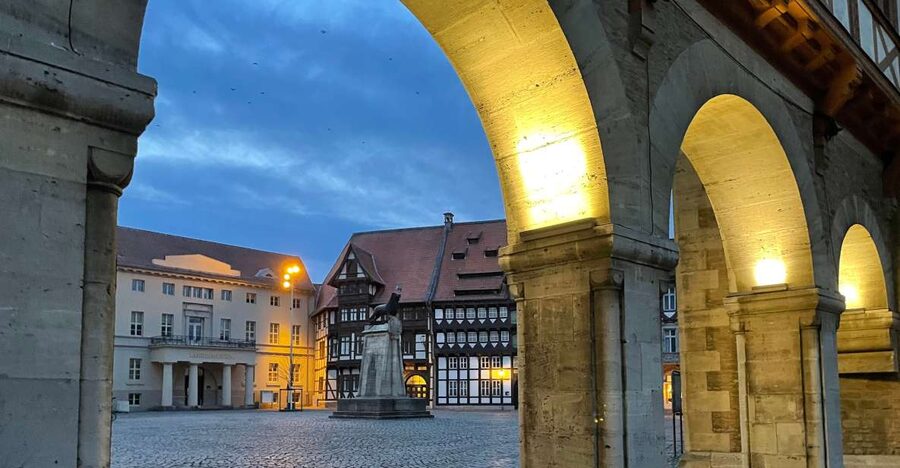
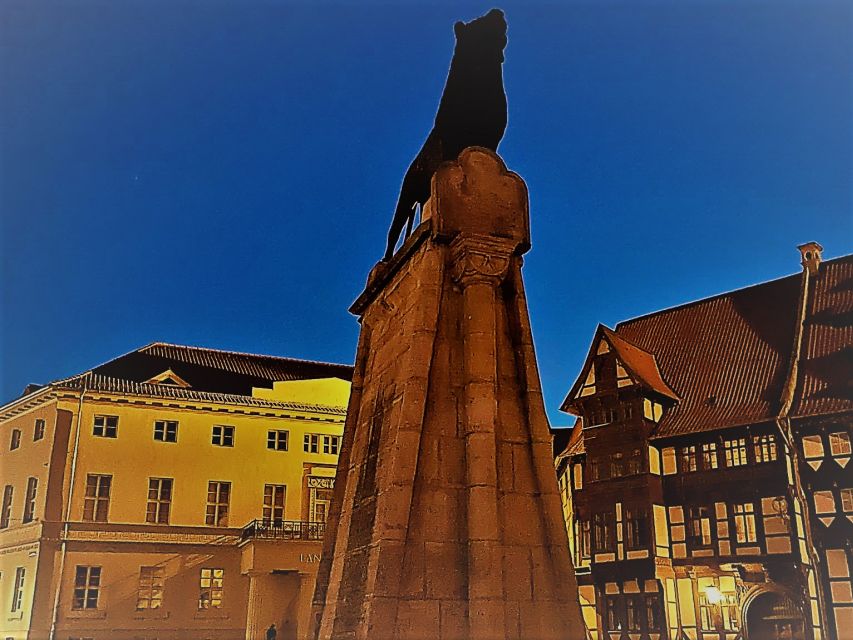
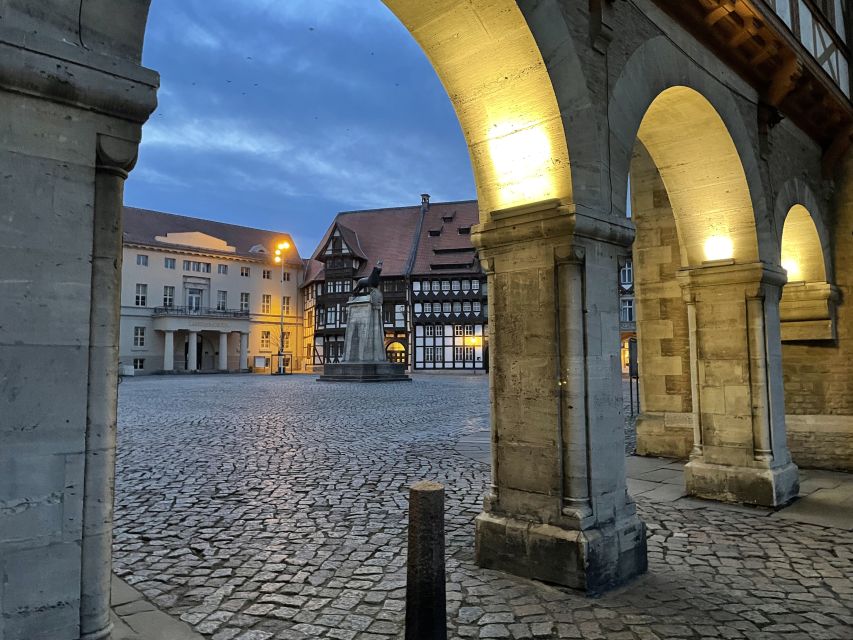
- Getting started at Braunschweiger Löwe or Vor der Burg
- Stop-by-stop: tracing the city from Vor der Burg to Altstadtmarkt
- Vor der Burg
- Platz der Deutschen Einheit
- Schloßplatz
- Schlosspassage
- Münzstraße
- Hinter Ägidien
- Friedrich-Wilhelm-Platz
- Bankplatz
- Altstadtmarkt, Brunswick
- What you’ll actually hear about: crimes across eras and outcomes
- Small but important details that shape the experience
- Who should book this, and who might want to skip it
- Value check: is $14 really fair for 1.5 hours?
- Should you book Tatort Braunschweig?
- FAQ
- How long is the tour?
- What does the tour cost?
- Where does the tour start?
- How far do we walk?
- What language is the guide?
- Is the tour wheelchair accessible?
- Is the tour suitable for children?
- Can I record video or audio during the tour?
- What is included in the price?
- Do I get hotel pickup or drop-off?
Key takeaways before you go
- Real cases, real streets: you hear about crimes where they happened, not in an abstract timeline.
- Former executions included: expect stops that connect the city with its darker past.
- Short stops, clear pacing: the route stays manageable for a 1.5-hour experience.
- German-language live guide: you’ll get the most out of it if you’re comfortable with German.
- No recordings allowed: video and audio are not permitted during the tour.
- A certified local guide: the tour is led by a guide aligned with BVGD e.V. guidelines.
Braunschweig crime walk with a BVGD-certified local guide
This is one of those city walks that feels focused, not random. For around $14 per person, you spend about 1.5 hours following a live guide through central Braunschweig, learning how wrongdoing and punishment played out across different eras. It is the kind of outing that fits neatly between a museum morning and an evening meal plan.
What I like is that this is not just “a scary tour.” It is an on-the-ground investigation style experience, with the guide guiding you from one point to the next. And because the guide is certified under BVGD e.V. standards, you can expect the storytelling to be organized and grounded, not just improvisational horror.
You should also know the practical shape of the tour: you’ll walk roughly 1.5 km total, in guided segments that keep the pace from dragging. There’s no hotel pickup, and no food is included, so you’ll want to think of it as a walking activity with your mind turned on.
Next departures posted for Brunswick Germany:
- Braunschweig: Historischer Stadtrundgang mit zert. Guide
★ 4.8 · 40 reviews - City tour Braunschweig: diverse and full of surprises.
★ 5.0 · 35 reviews - Braunschweig: Scavenger Hunt Self-Guided Walking Tour
★ 4.6 · 35 reviews
Why this tour works: investigations on original locations
There are plenty of ways to learn about crime. You can read about it, watch it, or dramatize it. This walk does something different: it connects criminal behavior, motive, and consequences to the exact places you’re standing.
That matters, because context changes how you understand a case. When the guide points out a specific spot and explains what happened there, you start to visualize how people moved through the city, where opportunities existed, and why certain actions would have stood out in that time and place. You are not just hearing facts, you are building a mental map of Braunschweig’s “where and why.”
The same goes for the darker elements. The tour includes visits to sites linked with former executions, and it frames that history in a way that connects justice systems to real locations. If you like history that feels immediate, this is a strong fit because the story is anchored to streets you can actually revisit later on your own.
Price and time value: what $14 buys you
$14 for a live guided walk is a fair deal, especially when the schedule is compact. You get a certified local guide, a structured route, and a full hour-and-a-half of commentary, not just a quick photo stop. In other words, you’re paying for time, interpretation, and local knowledge.
The tour also includes the booking fee in the price, which simplifies the math when you’re planning a day with multiple activities. What’s not included is equally important: there’s no hotel pickup and no food or drinks. So the “value” equation depends on how efficiently you can fit it into your existing plans.
In my view, this is worth it if you will actually walk and listen. If you’re someone who likes passive sightseeing only, you might feel like you’re spending money on spoken context you don’t care about. But if you enjoy guided stories, especially ones tied to a city’s physical layout, the format is a good match.
Before you meet: what to wear and what to expect from the rules
This tour is weather-proof in the practical sense. The walk runs in every weather, so plan for rain or cold depending on the season. Comfortable shoes are non-negotiable because you will be moving between multiple locations on foot.
You also need to respect the tour’s on-site rules. Video recording and audio recording are not allowed, so if you like to capture everything, you’ll have to do it without filming or recording. A normal note-taking approach is usually your best friend here, plus just paying attention.
Language is another key practical factor. The live guide speaks German, so if your German is limited, you might still appreciate the structure, but your understanding may be partial. If German is not your strength, you may want to look for alternatives in your preferred language.
Getting started at Braunschweiger Löwe or Vor der Burg
The tour offers two starting options, and the meeting point can vary depending on which option you book. One popular start is around Braunschweiger Löwe at the Touristinfo area. Another starts “Vor der Burg,” which sets you up close to the inner-city historic area.
Either way, you’re beginning in a part of Braunschweig where the guide can quickly establish the pattern: where the story begins, what kind of crimes were discussed, and why the next few stops matter. Starting at a recognizable landmark helps you get your bearings fast, especially if you’ve just arrived or you’re not fully oriented in the old center.
One last planning note: it is listed as wheelchair accessible. The tour also specifies that it is barrierefrei possible, which makes it friendlier than many purely “wander and hope” walking tours. Still, you’ll be walking, so it’s wise to think about your mobility needs in advance.
Onward connections from Brunswick Germany:

Stop-by-stop: tracing the city from Vor der Burg to Altstadtmarkt
This route is built from short guided segments, so you’re not stuck listening for long stretches without a change of scenery. Over the whole walk, you’ll cover multiple named squares and street areas that help the guide connect crime and consequences to real urban corners.
Here’s how the pacing and purpose usually feel as you move through the day.
Vor der Burg
The tour begins at Vor der Burg with about 15 minutes of guided time. This first segment matters because it sets the tone and gives you the “mental frame” for everything that follows. If you like your stories organized, the early stop is where you learn what kind of cases you’ll be hearing about and how the guide will connect them to the built environment.
Potential drawback: because it’s the start, you’ll want to arrive on time. You don’t want to miss the setup.
Platz der Deutschen Einheit
Next comes Platz der Deutschen Einheit, a shorter stop with around 5 minutes guided. These brief segments are good if you prefer tight storytelling. The guide typically uses these points like anchors, tying a small piece of the case to the surrounding area.
If you’re someone who loves long explanations, these short stops might feel quick. But the advantage is you keep seeing new places instead of repeating the same square over and over.
Schloßplatz
At Schloßplatz, you get about 10 minutes of guided time. This part of the route helps expand the story beyond just one single street or lane. It’s where the tour can broaden context, linking decisions, punishment, or escape narratives to a larger picture of city life.
Practical tip: keep an eye on where you stand. Even small changes in perspective can matter when the guide connects the story to sightlines and access routes.
Schlosspassage
Then it’s onto Schlosspassage for about 15 minutes. Passageways like this are perfect for crime storytelling because they naturally feel like corridors between “before” and “after.” You’ll often get explanations that make you think about movement, concealment, or where people would have crossed paths.
What to watch for: your attention can drift if you’re tired. This stop is a longer one, so it helps to slow down and really listen instead of rushing.
Münzstraße
Münzstraße comes with about 5 minutes guided time. This kind of stop is often about connecting a thematic clue to a physical place. Even without needing complicated backstory, a street name and location can give you an instant sense of how daily life and opportunism could intersect.
If you like details, this is the moment where the guide’s specificity tends to shine.
Hinter Ägidien
Now you’ll move to Hinter Ägidien for about 15 minutes. This longer segment is where the tour can afford nuance. “Back” areas and side streets frequently help stories feel grounded because they contrast with the main sightline of the city center.
You may find that the guide uses this part to explain not just what happened, but how people could have gotten away, or how authorities responded when crime pushed beyond “normal” expectations.
Friedrich-Wilhelm-Platz
At Friedrich-Wilhelm-Platz, you’ll spend around 15 minutes with the guide. This is another “meaningful listen” stop. By now, you already have the pattern, so the guide can add deeper connections: how punishment worked, why specific crimes mattered, and what changed between older and newer examples of wrongdoing.
From a visitor standpoint, this is often where the tour starts to feel most cohesive, like the pieces are clicking into a map.
Bankplatz
Bankplatz is a shorter segment, about 5 minutes guided. Think of it as a quick reset, another anchor point where you get a small slice of the story. Short stops can be great because they prevent fatigue, and they give you frequent chances to look around.
Altstadtmarkt, Brunswick
Finally, you’ll reach Altstadtmarkt in the old center, with a short guided segment and then the tour finishing there. This ending point is useful because it brings you back to an area where you can wrap your head around everything you heard. You’ll also have an easier time turning this into a longer self-guided stroll afterward.
I like tours that finish at a lively, walkable hub because it reduces the friction of “okay, now where do I go?” In this case, you end at Altstadtmarkt, which keeps your options open.
What you’ll actually hear about: crimes across eras and outcomes
The heart of the tour is a broad look at crime and punishment in the city, driven by different motives. The tour frames criminal behavior across time, including cases rooted in greed or desperation. You’ll hear about people who cheated, stole, poisoned, or killed, and you’ll also hear that not every case ended neatly.
That balance matters. Stories that only focus on the sensational can feel shallow. Here, the theme includes outcomes, punishment, and the fact that some people were caught while others escaped. It’s a more realistic way to understand how “justice” played out in real life.
And because the tour includes former execution sites, you get a direct connection between crime and the machinery of punishment. It’s not just moralizing. It’s about locations and systems, and how the city itself holds traces of enforcement.
If you’re into true-crime storytelling, this is also the kind of tour where questions can pop up naturally. In a verified booking from Holger in Germany, the tour was described as interesting, educational, and well-paced. Another verified booking highlighted how the guide answered questions thoroughly, which is exactly what you want when you’re learning how cases were understood at the time.
Small but important details that shape the experience
There are a few “small rules” and design choices that make a big difference in how the tour feels.
First, the tour is structured around multiple brief guided visits. That keeps it energetic, and it reduces the risk that the story becomes a long lecture.
Second, there’s a clear expectation that you wear comfortable clothing and shoes. With about 1.5 km total walking, comfort is not a luxury. It directly affects whether you enjoy the tour instead of counting minutes until it ends.
Third, the no-recording policy changes the vibe. You won’t be surrounded by screens. Instead, you’ll likely feel more present, and it becomes easier to listen closely when the guide is explaining something tied to a specific spot.
Finally, the guide is live and local, which is why the storytelling can stay responsive. One verified booking described how the guide had a super researched program and even adjusted spontaneously to make it a great experience for their 10-year-old. That’s a useful reminder: if you have questions on the content or pace, a good guide will often tailor their delivery on the spot.
Who should book this, and who might want to skip it
This is best for adults and older teens who enjoy guided storytelling with a crime-and-punishment focus. The tour is not suitable for children under 14, and German is the working language. If either of those points is a dealbreaker, the tour may not meet your needs.
If you prefer purely scenic walking, you might find the subject matter heavy. On the other hand, if you like learning that feels real because it is tied to places, you’ll probably enjoy it a lot.
I’d also recommend it if you already know a bit about Braunschweig and want a different lens. The route goes through recognizable central areas, but the framing is what changes. You’ll see the city with a new kind of curiosity, the kind that makes you look at corners and entrances differently after the tour ends.
Value check: is $14 really fair for 1.5 hours?
For $14, you’re buying a live certified guide, structured guided stops, and an experience with enough movement to feel like you spent your time well. You are not paying for a bus ride or a complicated transfer plan. The tour is essentially you, the guide, and Braunschweig on foot.
What makes it good value is that it saves your energy. About 1.5 km walking is manageable for many people, and the short guided segments keep the tour from feeling endless.
But remember what you are not getting: no hotel pickup and no food. If your day is tight, plan accordingly so you are not hungry or rushed when the tour starts. With that small planning adjustment, the price makes sense.
The rating is also a strong signal. The tour sits at 4.8 out of 5 from 15 reviews, and the feedback repeatedly points to the guide being interesting, research-driven, and engaging. That lines up with what you want from a paid walking story.
Should you book Tatort Braunschweig?
Book it if you want a compact, well-guided city walk that connects crime stories to actual places, including sites tied to historical executions. You’ll likely appreciate the pacing, the local guide, and the fact that the content is structured as an investigation rather than a random collection of spooky facts.
Skip or reconsider if you need the tour in English, you rely heavily on audio recording for note-taking, or you’re traveling with kids under 14. Also, if walking 1.5 km in shifting weather is a problem for you, you might want a different type of activity.
If those boxes work, this is a very efficient way to see Braunschweig with a new perspective. You’ll finish at Altstadtmarkt with questions you want to keep exploring, and a city map in your head that feels more vivid than before.
FAQ
How long is the tour?
The duration is about 1.5 hours.
What does the tour cost?
The price is listed at $14 per person.
Where does the tour start?
There are two starting options, including Braunschweiger Löwe at the Touristinfo area, and a start near Vor der Burg. The exact meeting point may vary depending on the option booked.
How far do we walk?
The tour includes around 1.5 kilometers of walking.
What language is the guide?
The live tour guide speaks German.
Is the tour wheelchair accessible?
Yes, the tour is described as wheelchair accessible and barrier-free possible.
Is the tour suitable for children?
It is listed as not suitable for children under 14. One guide adaptation was mentioned in a booking, but you should follow the age guidance.
Can I record video or audio during the tour?
No. Video recording and audio recording are not allowed.
What is included in the price?
Included items are the live guided tour, a certified local guide, and the booking fee.
Do I get hotel pickup or drop-off?
No, hotel pickup and drop-off are not included.