
Reviewed · GUIDED WALKS IN BERLIN
Berlin: Schillerkiez and Rollberg Walking Tour
Berlin has a way of changing its mind.
That is what makes this walk so interesting: Schillerkiez and Rollberg sit side by side, yet they tell very different stories, and you get a front-row view of the giant Tempelhofer Feld from the Neukölln side. In 90 minutes, I like how the tour turns street corners into context, from early-1900s housing to the airport era and the neighborhood reputations that followed.
What I love most is the combination of Tempelhofer Feld viewpoints and the guide’s real local storytelling. You’ll walk tree-lined streets with restaurants and cafes, then connect what you see with how the nearby airport’s opening and later closure reshaped daily life and the feel of the area. I also like that the tour ends with a written summary plus the guide’s tips, so you leave with something you can actually use later, not just memories.
One drawback to keep in mind: this is a walking tour and it is not suitable for people with mobility impairments. Also, the tour is in German, so if you want full details, plan for a bit of language comfort.
In This Review
- Schillerkiez and Rollberg: Two sides of Neukölln in 90 minutes
- The meeting point at Hermannstraße, and how to start with the right mindset
- Schillerkiez begins as housing, then gets reshaped by the airport era
- Schiller Promenade stories, and why famous residents matter
- The Tempelhofer Feld viewpoint from Neukölln: scale you can feel
- Rollberg’s changing reputation, and how stories shape a neighborhood
- The Captain of Köpenick connection: where a legend meets the district
- Why Reinhold Steinle’s style makes the information stick
- What the 90-minute pace feels like, and how to prepare
- Price and value: $70 per group for up to 6 people
- Who should book this Schillerkiez and Rollberg tour
- Should you book this tour?
- FAQ
- How long is the Berlin Schillerkiez and Rollberg walking tour?
- What is the price for this tour?
- Where is the meeting point?
- Is this tour private or shared?
- What language is the guide?
- Is food or drink included?
- Is the tour suitable for people with mobility impairments?
- Are there options for cancellation or flexible booking?
Schillerkiez and Rollberg: Two sides of Neukölln in 90 minutes
If you only know Berlin from big-ticket landmarks, this tour is a smart counterweight. It focuses on two neighborhoods that feel like different chapters of the same city, and it gives you the kind of context that makes a later self-guided wander much easier.
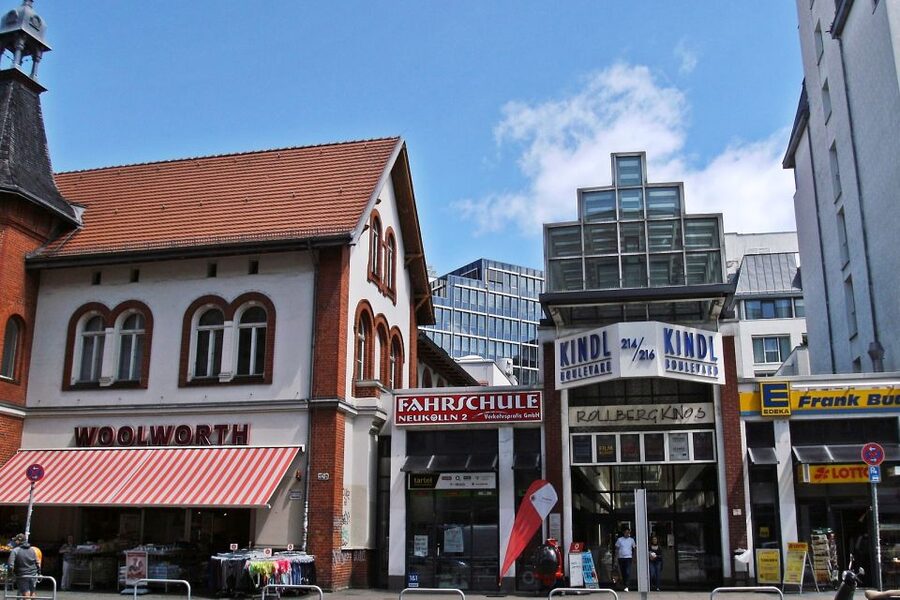
The format is simple. You meet at Hermannstraße 221 (12049 Berlin, Neukölln), walk with a live guide for about 90 minutes, and get the key points again at the end in writing. It is a private group setup, up to 6 people, so you should get questions answered instead of watching everything through the back of someone’s camera.
The meeting point at Hermannstraße, and how to start with the right mindset

The tour meets at Hermannstraße 221 in Neukölln. That matters because it places you in the middle of the day-to-day Berlin you’ll be learning to read: apartment blocks, local shops, and streets that never try to perform for tourists.
Before you start walking, I recommend you do two small things:
- Look around for street cues, like street names and public building styles, because the guide will connect them to the neighborhood’s origin and later changes.
- If you want to catch the story beats, keep your phone put away for the first few stops. Let the guide frame what you are seeing, then you can take photos with clearer meaning.
Private group or not, the best learning happens when you treat it like a conversation with a neighborhood, not like a checklist.
More Guided Walks in Berlin
- Discover Berlin Half-Day Walking Tour
★ 5.0 · 9,624 reviews - Berlin City walk Government District and Places of Democracy
★ 4.7 · 8,467 reviews - Berlin: Third Reich & Cold War Guided Walking Tour
★ 4.9 · 8,378 reviews
Schillerkiez begins as housing, then gets reshaped by the airport era
The walk starts in Schillerkiez, built in the early 20th century as a residential area. That alone is a useful lens. Berlin neighborhoods often look timeless, but in reality they were planned for specific needs at specific times.
Here is the key thread you will hear: Schillerkiez changed as the nearby Tempelhofer Feld airport opened, and then changed again when it closed. This is not just trivia. It helps you understand why certain parts of Berlin feel like they were designed for one kind of life, then lived through a different one.
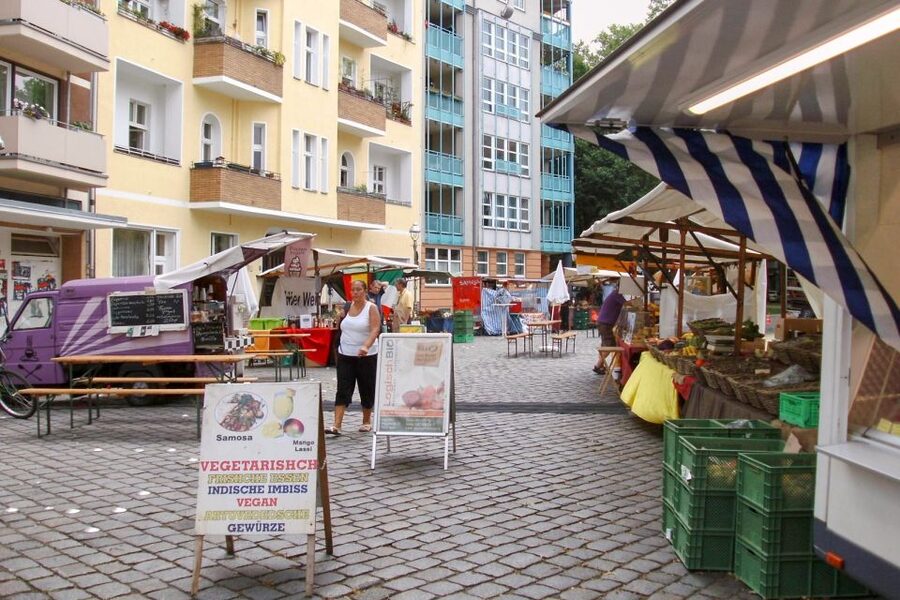
As you stroll tree-lined streets you’ll notice how everyday life fits into that larger timeline: cafes, restaurants, and the kind of streetscape that suggests people settled in and stayed. The guide’s job is to connect those visual impressions to the airport’s social and economic pull, and to the way the neighborhood adapted afterward.
The value for you is simple: later, when you see similar Berlin transitions elsewhere, you will recognize the pattern faster.
Schiller Promenade stories, and why famous residents matter
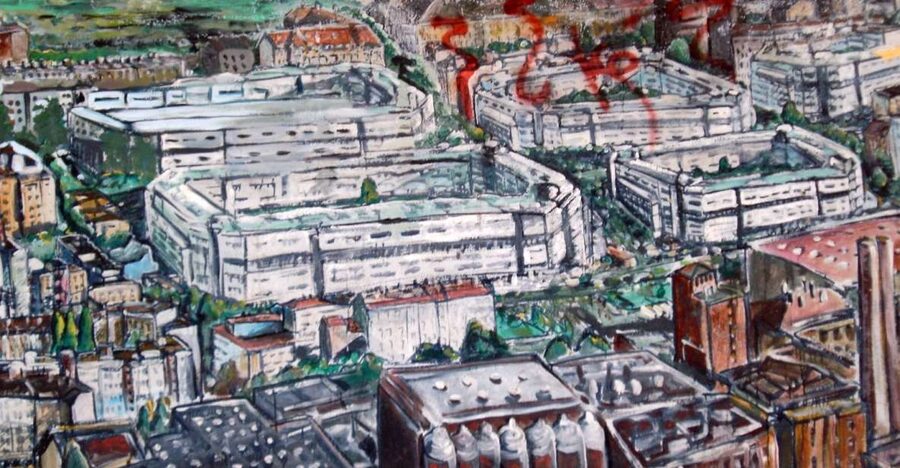
Part of the Schillerkiez experience is learning about famous residents connected with the area, including the Schiller Promenade. This is not about name-dropping for its own sake. It helps you see that neighborhoods are shaped not only by buildings, but by people who represent the public face of an era.
You will be guided through the logic of how a street or promenade becomes a recognizable reference point, and how it connects to broader Berlin identity. When the guide brings up specific residents, the streets stop feeling generic. You start noticing details you might otherwise skip, like the rhythm of facades and how the promenade area functions as a social space.
I also like that the tour keeps the focus on what you can see plus why it matters, rather than turning into a lecture that you have to survive.
The Tempelhofer Feld viewpoint from Neukölln: scale you can feel
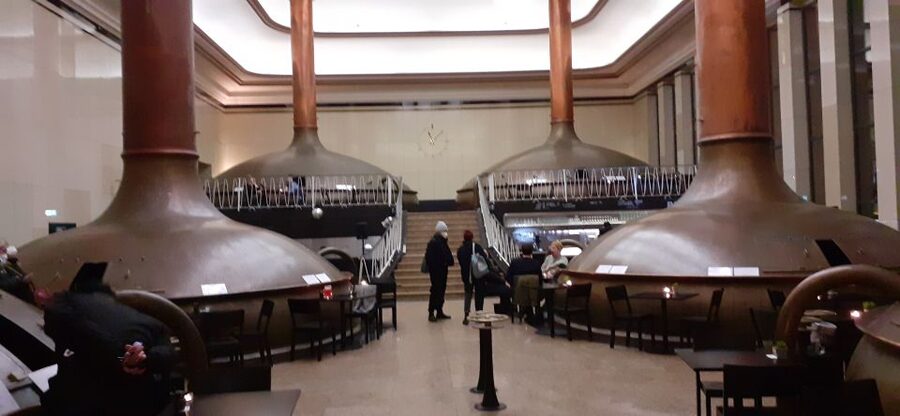
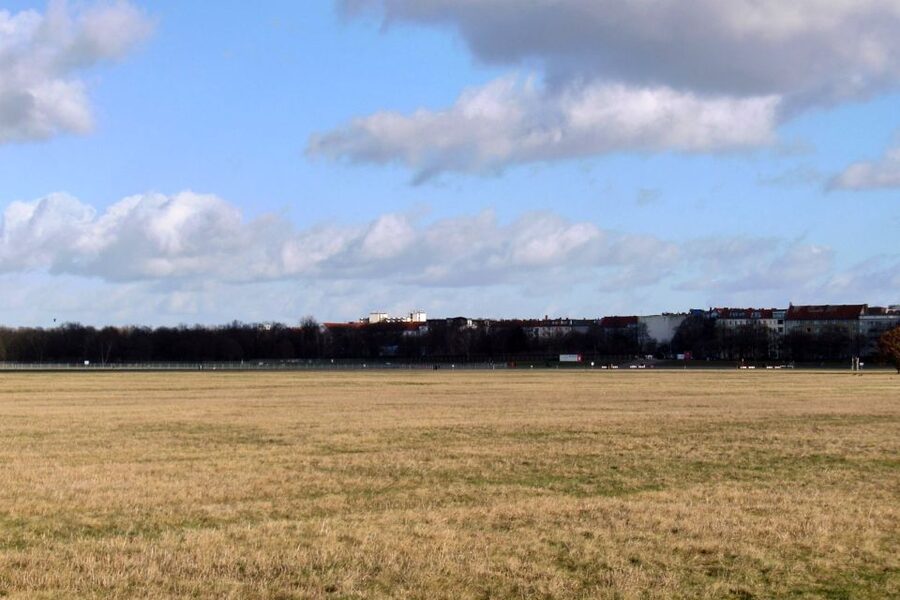
One of the tour highlights is seeing the Tempelhofer Feld from the Neukölln point of view. Even if you have seen photos before, the real value comes from the angle and the lived-in context. You get a sense of how big that open area is in relation to surrounding districts, and you feel how it would have changed the neighborhood experience when it served as an airport.
Tempelhofer Feld is one of those places where Berlin’s history and urban planning collide. The airport period is already built into the tour’s Schillerkiez framing, so this stop acts like a visual anchor. You are no longer just hearing that the neighborhood was affected. You can look out and make sense of why open space, infrastructure, and city life have always been linked there.
Practical tip: wear shoes that handle lots of city walking. This isn’t the kind of tour where you can comfortably pause every few minutes. You’ll want your legs ready for a smooth, continuous story.
Rollberg’s changing reputation, and how stories shape a neighborhood
After Schillerkiez, the tour shifts to Rollberg, a neighboring district with a reputation that has shifted over time. This part is valuable because reputation is not static. It changes with policy, economics, population changes, and the narratives people tell about a place.
The guide will walk you through how Rollberg’s image has evolved in recent years, and why that matters when you look at the neighborhood today. It is easy to arrive in Berlin with a headline in your head, then project it onto everything you see. The tour gives you a more grounded way to read what you’re encountering now, without pretending the past stopped existing.
If you like understanding cities at street level, this section will feel especially rewarding. You start connecting the dots between the way people talk about a neighborhood and the way the neighborhood actually functions.
More German cities at walking speed:



The Captain of Köpenick connection: where a legend meets the district
Rollberg also ties into one of Berlin’s most famous stories: the Captain of Köpenick. You will learn what he had to do with the Rollberg district, as part of the tour’s explanation of why this area sits inside Berlin’s cultural memory.
Now, you do not need to already know the story to get value from this stop. The tour frames the connection in a way that helps you understand the neighborhood context, not just the plot. For me, that is the sweet spot. A historical anecdote works best when it explains behavior, social tension, or the public image of a place, rather than just acting as a trivia bonus.
This is also where a strong guide matters. The better the storytelling, the more you walk away feeling like you understand both the legend and the neighborhood it is linked to.
Why Reinhold Steinle’s style makes the information stick
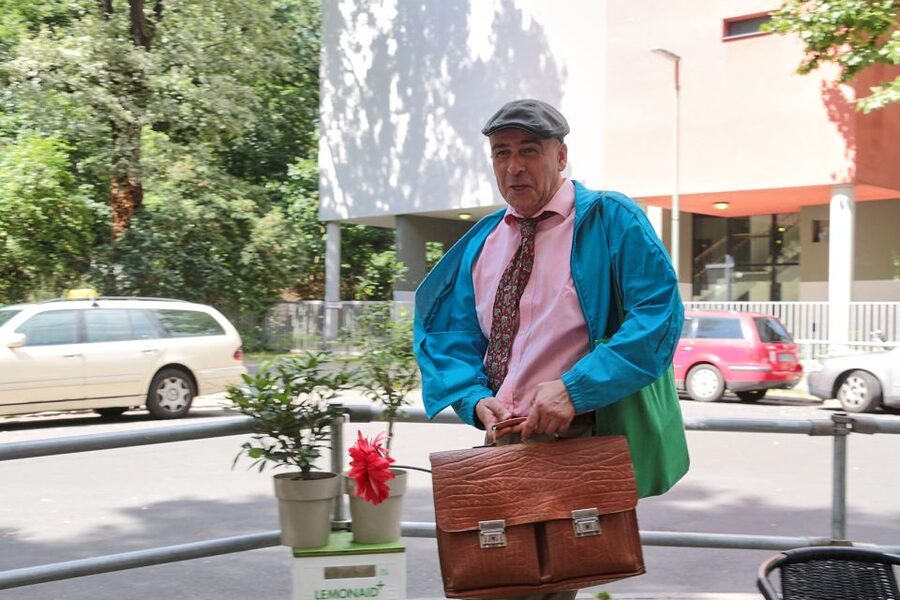
The guide is ReinholdSteinle (often referred to as Herr Steinle), and the reviews highlight his passion and detail. That shows up in how the tour feels: focused, lively, and heavy on practical context instead of generic facts.
One detail I especially like from the guide approach described in feedback is that he lived in the neighborhood for many years. That usually translates into the right kind of street accuracy. You do not just hear what happened. You hear what it was like and what the places are like now.
Then there’s the structure at the end. You get a written summary of the most important content plus tips for further ventures and places worth seeing. That combination is what turns a walking tour from a nice afternoon into an actual Berlin tool. When you can reread the key points, you remember more accurately, and you waste less time later trying to connect what you saw with what you heard.
What the 90-minute pace feels like, and how to prepare
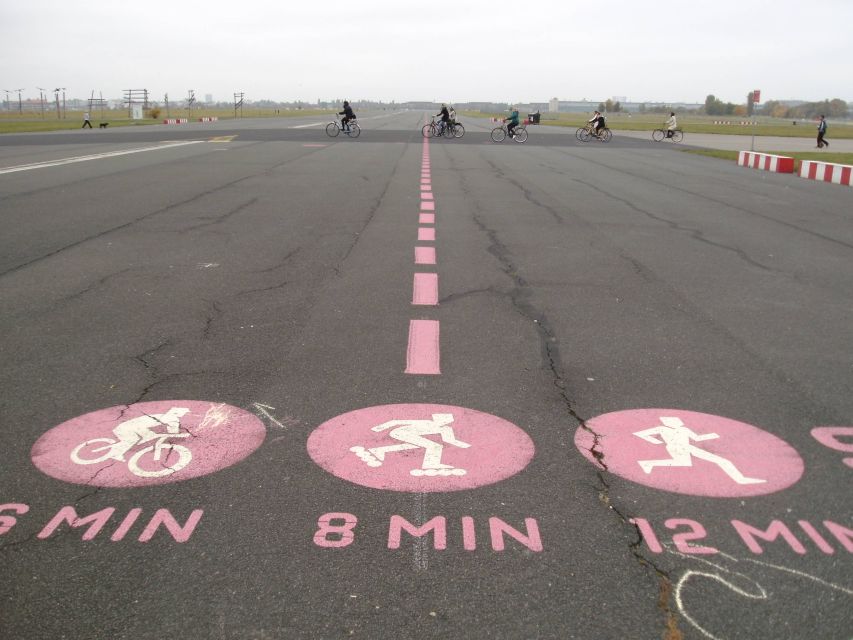
Ninety minutes is a sweet spot for a neighborhood tour. Long enough to connect multiple streets and ideas, short enough that you can still enjoy your day afterward.
To get the most out of it:
- Plan for a steady walk. This is not a slow stroll with long stops every few minutes.
- Bring water and use breaks only when the guide suggests them. Food and drink are not included.
- Expect the guide to teach in German. If you are not comfortable in German, you might still enjoy the walking scenes, but you could miss some nuance.
Also, because it is a private group with up to 6 people, the vibe tends to be more interactive. It is easier to ask questions without feeling like you are holding up a big group.
Price and value: $70 per group for up to 6 people
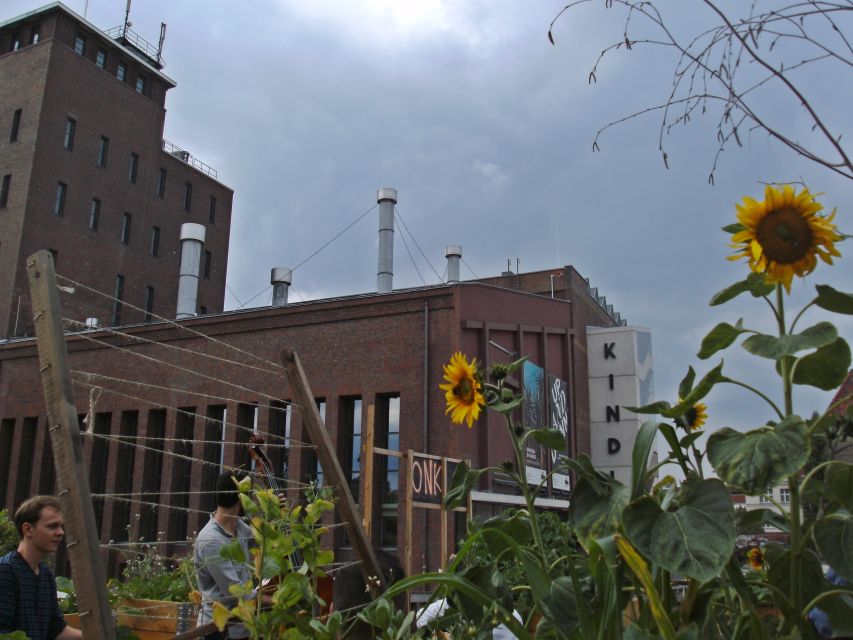
The price is $70 per group, for groups up to 6 people, for a 90-minute walking tour. That is the kind of pricing that can feel like a bargain if you compare it to per-person tours, especially in Berlin where tourist-focused guides can cost more.
Here’s why I think it works as value for you:
- You get a live guide plus a written recap, so you are not just paying for “being led.”
- The focus is on two neighborhoods you can easily walk yourself later, but the tour saves you the time of figuring out which details matter.
- You get the Tempelhofer Feld viewpoint as part of the story, not as a random photo stop.
If you are traveling with friends, this can be a smart group choice. If you are solo, it is still worth considering, but the value is strongest when shared.
Who should book this Schillerkiez and Rollberg tour
This is a great fit if you want neighborhood-level Berlin that goes past the usual postcard route. I would book it if you like:
- learning how infrastructure and major changes affect everyday life
- understanding how places earn their reputations over time
- hearing a guide connect local streets to famous Berlin stories, like the Captain of Köpenick
It may be less suitable if you need mobility support or if you want a tour in English. Since the guide speaks German, you should feel comfortable enough to follow along, at least broadly.
Should you book this tour?
Yes, I think you should book this if your goal is to understand Neukölln like a local does. The combination of Schillerkiez origins, the airport-era transformation around Tempelhofer Feld, the Rollberg reputation shift, and the Captain of Köpenick connection creates a coherent story, not a string of isolated facts.
It is also a solid choice because you leave with a written summary and guide tips. That means your next day in Berlin gets easier, not harder.
If you need a highly accessible tour or you want everything in English, choose another option. But for most travelers who can handle a 90-minute walk and want authentic neighborhood context, this one looks like a strong bet.
FAQ
How long is the Berlin Schillerkiez and Rollberg walking tour?
It lasts 90 minutes.
What is the price for this tour?
The price is $70 per group, with groups up to 6 people.
Where is the meeting point?
The meeting point is Hermannstraße 221, 12049 Berlin, Neukölln.
Is this tour private or shared?
It is a private group tour.
What language is the guide?
The live tour guide speaks German.
Is food or drink included?
No, food and drink are not included.
Is the tour suitable for people with mobility impairments?
No, it is listed as not suitable for people with mobility impairments.
Are there options for cancellation or flexible booking?
Yes. Free cancellation is available up to 24 hours in advance for a full refund, and you can reserve now and pay later.
Fresh on the arrivals board for Berlin
Guided Walks in Berlin, compared.
Berlin City walk Government District and Places of Democracy
Read our review →

Berlin’s Best: 2 Hour Walking Tour Third Reich and the Cold War
Read our review →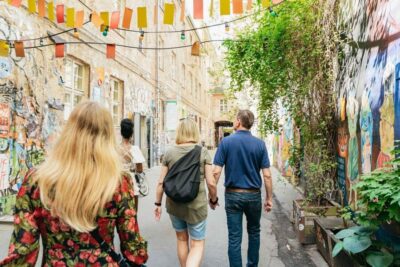
Third Reich Berlin: Hitler and WWII Walking Tour
Read our review →
Browse the lists this tour appears in