
Reviewed · GUIDED WALKS IN BERLIN
Berlin: Private walking tour through the city center
Berlin speaks loudest in the streets. This private two hour walk threads together wall traces and Cold War landmarks from Checkpoint Charlie to the Brandenburg Gate, and I like that it also includes the Holocaust Memorial and the modern showpieces at Potsdamer Platz in one smooth loop. The best part is how the tour links what you see on the ground to what it meant politically back then, so the city feels less like random sightseeing and more like a story you can walk.
One thing to keep in mind: the pace can run quicker than expected, and the English can be hit or miss depending on the guide. If you book for a cold season, dress for it, because some stops are exposed and you will be standing around as you look at what is left of the Wall.
In This Review
- Key things that make this tour worth it
- A tight route through Berlin’s turning points (2 hours, $22)
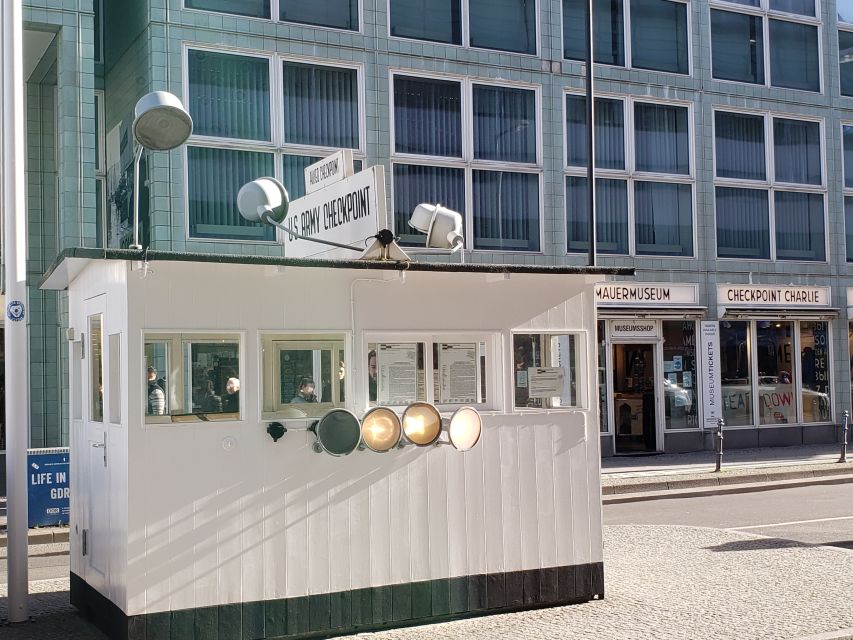
- Checkpoint Charlie: Cold War history in a single starting point
- Walking along Berlin Wall reminders and the fall story
- Topography of Terror: getting Nazi-era context without drowning
- Potsdamer Platz and the Sony Center: modern Berlin between old scars
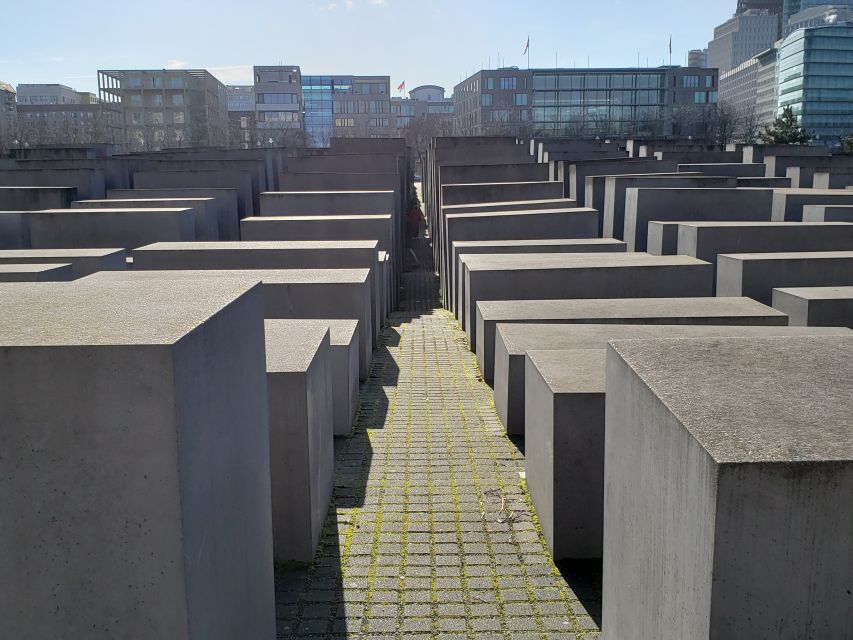
- The Holocaust Memorial: a reflective walk with explanations
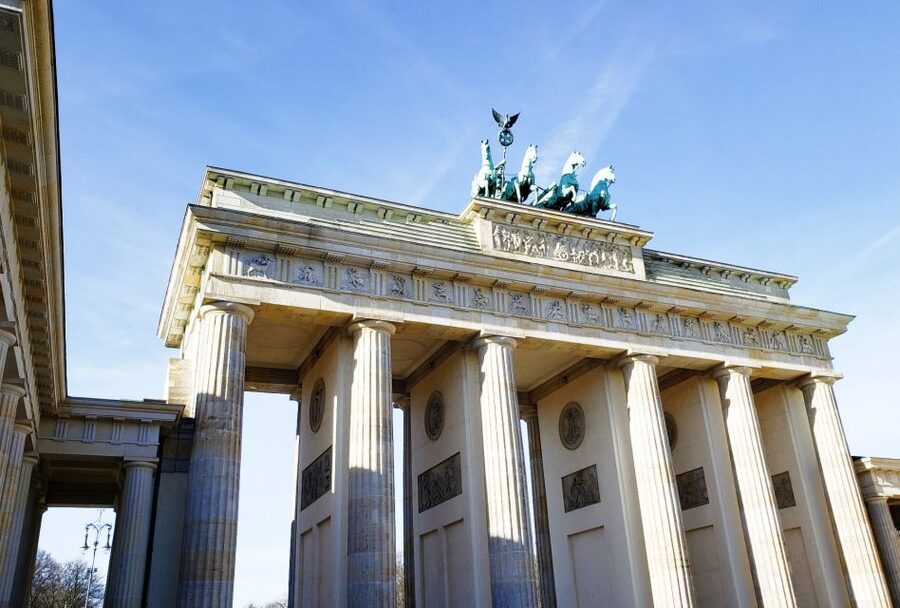
- Brandenburg Gate: the icon with a shifting political meaning
- Price and value: what $22 buys in the Berlin center
- What to expect on the ground: pace, language, and comfort
- Should you book this private Berlin history walk?
- FAQ
- Where does the tour start?
- Where should I meet the guide at Checkpoint Charlie?
- How long is the walking tour?
- Is this tour private?
- What languages are offered?
- How much does it cost?
- Are entrance tickets included?
- Is free cancellation available?
- Can I reserve without paying immediately?
- Where does the tour end?
Key things that make this tour worth it
- Checkpoint Charlie to Brandenburg Gate in 2 hours: you get a focused center-city “greatest hits” walk without wasting time.
- Wall remains you can actually see: not just photos, you’ll track fragments and what they represent.
- Cold War context at Topography of Terror: it helps the era click into place fast.
- Potsdamer Platz and the Sony Center: modern architecture shows up right between old scars.
- The Holocaust Memorial, treated with care: you walk through one of Berlin’s most serious spaces with explanation.
- Private format: better questions, less rushing, and more attention on your pace.
A tight route through Berlin’s turning points (2 hours, $22)
This is the kind of Berlin walk that works if you want real meaning without spending your whole day in lines. At $22 per person for a private guided walk, you are paying mostly for the guide’s ability to connect locations and explain why they matter.
You’ll cover big names in the city center, but the stop order is what makes it useful. Starting at Checkpoint Charlie grounds you in the Cold War, then you move through the Wall story and Nazi-era context, and finally you end at Brandenburg Gate where Berlin’s identity has been argued over and reclaimed many times.
Because it is only two hours, you should expect a brisk, efficient pace. That can be a plus if you hate slow sightseeing. If you want lots of quiet time for photos and lingering, plan on a second, slower walk on your own later.
More Guided Walks in Berlin
- Discover Berlin Half-Day Walking Tour
★ 5.0 · 9,624 reviews - Berlin City walk Government District and Places of Democracy
★ 4.7 · 8,467 reviews - Berlin: Third Reich & Cold War Guided Walking Tour
★ 4.9 · 8,378 reviews
Checkpoint Charlie: Cold War history in a single starting point
Checkpoint Charlie is one of those Berlin sites that can feel like a museum set if you do not have context. With a guide, it becomes a real place in your head, tied to the idea of controlled crossings and competing power.
From the meeting point, you start right at Asisi Mauerpanorama’s entrance. The guide will have a sign with your name, which makes it easy to find them even if Berlin’s streets are doing their usual maze impression.
What I like about beginning here is psychological. You begin with a very specific image of the Cold War, not a vague “Berlin was divided” summary. Then, as you walk, every later stop makes more sense because you already know what kind of world produced it.
Walking along Berlin Wall reminders and the fall story
Berlin’s Wall is not something you can see as one intact monument. It is fragments, traces, and locations where the city remembers. That is why a guided walk helps so much. You are not just collecting landmarks, you are learning what to look for.
As you move, you focus on remaining pieces of the Wall and the larger narrative around how it fell. This is where the tour earns its keep, because the Wall stops become evidence. You start to connect physical remnants with decisions, protests, and the political pressure that changed everything.
A practical note: pay attention to details, not just the headline sights. Guides usually point out things that are easy to miss if you are simply photographing from street level.
Topography of Terror: getting Nazi-era context without drowning
One stop you cannot afford to treat casually is Topography of Terror. The subject is heavy, and it is easy to feel overwhelmed if you show up with zero structure.
With a guided explanation, the area becomes easier to interpret. You learn how the regime shaped the city, why certain places were chosen, and how the machinery of terror worked in reality, not just in textbooks.
The payoff is simple. By the time you leave this area, Berlin’s darker layers stop feeling separate. They begin to connect to the later Cold War division you’ll see next.
Potsdamer Platz and the Sony Center: modern Berlin between old scars
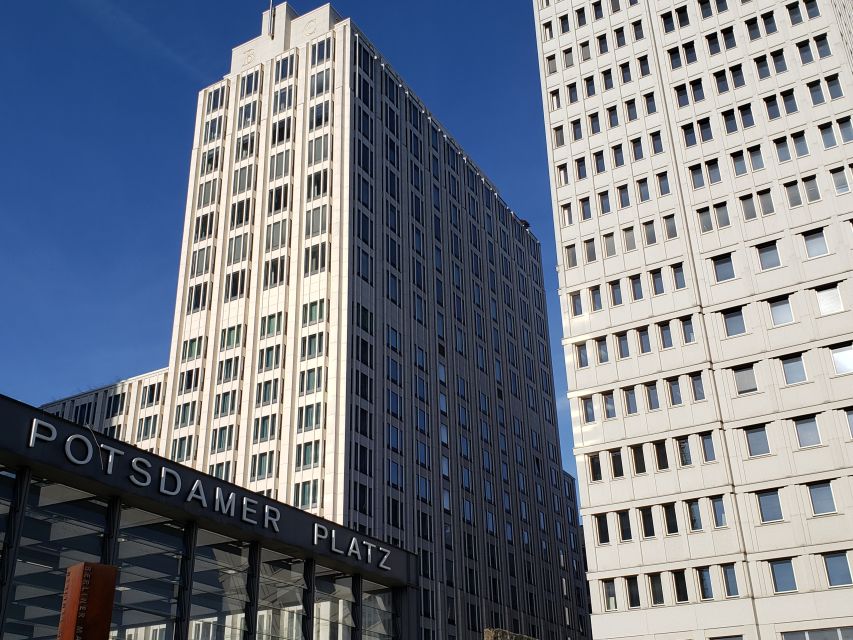
After so much political weight, the shift to Potsdamer Platz feels intentional. You get to see modern architecture and buildings that rose in the middle of the city’s most historic fault lines.
The Sony Center is a great example of that contrast. It is glossy, angled, and very 21st-century, which makes it a strong visual counterpoint to the nearby story of division. You start noticing how Berlin rebuilt itself, not just physically, but symbolically.
This is also one of the spots where the private format helps. You can ask for perspective in the moment, like what was where before and why a place like Potsdamer Platz became a redevelopment symbol.
If you love architecture, bring your curiosity. This stop is short, but it gives you the right lens to read the city’s “new” look.
More German cities at walking speed:


The Holocaust Memorial: a reflective walk with explanations
The Holocaust Memorial, the Memorial to the Murdered Jews of Europe, is not a casual photo stop. It has rules of tone, and you will feel that immediately once you enter the space.
A good guide matters here because the memorial is designed to provoke thought through scale, repetition, and silence. Explanations help you understand what you are seeing and why it is arranged the way it is.
I appreciate tours like this that do not rush past the seriousness. Even within a tight schedule, the guide’s framing can help you slow down mentally, even if your feet keep moving.
This is also a good place to set your own micro-goals. For example, focus on walking the paths slowly for a minute, then return to whatever photo you want. You will remember it more that way.
Brandenburg Gate: the icon with a shifting political meaning
You end at Brandenburg Gate, and that choice is smart. It is one of Berlin’s most famous images, but it is also one of the easiest places to misunderstand without context.
With the earlier stops in mind, Brandenburg Gate stops being only “a big landmark.” It becomes a symbol that has been used, reclaimed, and reinterpreted across eras, especially when the city was divided and later reunited.
The guide’s Cold War connections help you see why the Gate matters to Berlin’s narrative of power, resistance, and reunification. You are not just standing in front of stone and trying to make it meaningful. The tour builds the meaning before you arrive.
Price and value: what $22 buys in the Berlin center
At $22 per person for a private walking tour, the value is the guide, not the entry fees. Entrance tickets to attractions are not included, so if you expect to pay zero at every stop, check whether any entrance is required when you get there.
In Berlin, location-based sightseeing can get expensive fast if you add museums, tower tickets, and guided audio devices. This tour stays mostly in the public outdoor spaces, which is why the price stays relatively low.
You are also paying for efficiency. In two hours you get the center-city arc from Checkpoint Charlie to the Brandenburg Gate, plus key interpretive stops that explain both the Third Reich era influence and the Cold War division.
If you already plan to visit Berlin’s museums in depth, this tour works as the “map-maker.” It helps you orient your understanding before you go deeper on your own.
What to expect on the ground: pace, language, and comfort
This is a private group, which usually means fewer distractions and more direct guide attention. It also means the tour can flex slightly based on what the guide is emphasizing, and you might notice a faster-than-expected tempo compared to very relaxed city walks.
Language is another practical detail. The tour offers German and English. If English is your main language, choose it confidently, but do not be surprised if your guide’s English is only okay, because that has varied in real experiences.
Also, plan for weather. One reported experience specifically praised a guide’s enthusiasm despite cold conditions. Berlin can be windy and gray in winter, and your memories will depend on whether you dressed for the walk.
Bring comfortable shoes. You will be standing in memorial spaces and looking around as the guide explains, so you do not want sore feet cutting your attention.
Should you book this private Berlin history walk?
Book it if you want a high-value Berlin center overview that connects Cold War landmarks with the Wall story, plus you want the Holocaust Memorial and Brandenburg Gate included in one guided pass. It is also a good fit if you like asking questions and want a private format rather than weaving through a crowd.
Skip it or add extra planning if you prefer slow pacing, long quiet time, or ultra-smooth English delivery. The tour is built to cover a lot in two hours, so it is not designed for wandering without purpose.
If you have only a short window in Berlin and you want the city to make sense fast, this is a strong choice. Use it as your foundation, then build your own follow-up stops based on what the guide helps you notice.
FAQ
Where does the tour start?
The tour starts at Checkpoint Charlie.
Where should I meet the guide at Checkpoint Charlie?
Meet your guide at Checkpoint Charlie, in front of the entrance to the Asisi Mauerpanorama exhibition. The guide will have a sign with your name written on it.
How long is the walking tour?
The duration is 2 hours.
Is this tour private?
Yes, it is a private tour with a private group.
What languages are offered?
The live tour guide offers German and English.
How much does it cost?
The price is $22 per person.
Are entrance tickets included?
No. Entrance ticket costs for attractions are not included.
Is free cancellation available?
Yes, you can cancel up to 24 hours in advance for a full refund.
Can I reserve without paying immediately?
Yes, you can reserve now and pay later.
Where does the tour end?
The tour finishes at Brandenburg Gate.
Fresh on the arrivals board for Berlin
Guided Walks in Berlin, compared.
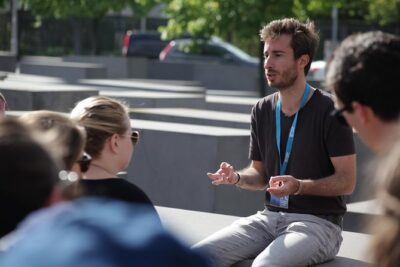
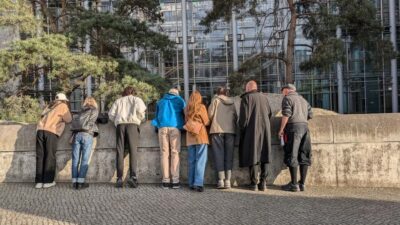
Berlin City walk Government District and Places of Democracy
Read our review →
Berlin’s Best: 2 Hour Walking Tour Third Reich and the Cold War
Read our review →
Third Reich Berlin: Hitler and WWII Walking Tour
Read our review →
Browse the lists this tour appears in