
Reviewed · GUIDED WALKS IN BERLIN
Berlin: Prenzlauer Berg District Guided Walking Tour
Prenzlauer Berg tells Berlin’s story on foot. This 2.5-hour guided walking tour threads together architecture, daily life, and the neighborhood’s big changes, from Schönhauser Allee to Mauerpark. I like the way the route mixes well known landmarks with quieter corners, so you finish with a clearer sense of what makes this part of Berlin tick. One drawback to keep in mind: it is a walking tour, so comfortable shoes matter.
I also really value the commentary style. The guide keeps things relaxed but informative, connecting history, buildings, and present-day circumstances into a single, easy story you can repeat later while you explore on your own. Price-wise, at about $23 per person for a 2.5-hour, live, language-supported tour, it’s a solid way to get local context without committing to a long day or a museum ticket.
A final note: the tour’s leadership quality seems to be a strong point. In the past, some groups have been led by Tobias, and that museum and history background tends to show in the way questions get handled, plus the humor that keeps the walk from feeling like a lecture.
In This Review
- Key Highlights You Will Actually Feel
- Why Prenzlauer Berg Works So Well on a Guided Walk
- Schönhauser Allee First, Jewish Cemetery and Wasserturm Next
- Kollwitzplatz and the Easy Feeling of Getting Oriented
- Mauerpark: Flea Market Sundays, Live Music Energy, and More Than One Mood
- Rykestraße Synagogue Exterior and Oderberger Straße’s Public Pool
- The Guide Makes It: History, Architecture, Humor, and Questions That Stick
- Price and Time: Is $23 a Good Deal for 2.5 Hours?
- Who This Tour Suits Best in Real Life
- Should You Book This Prenzlauer Berg Guided Walking Tour?
- FAQ
- How long is the Prenzlauer Berg guided walking tour?
- How much does the tour cost?
- What is included in the price?
- Are food and drinks included?
- Where is the meeting point?
- What languages is the tour offered in?
- Is free cancellation available?
- Can I reserve without paying right away?
- What starting times are available?
- What key sights will we see?
Key Highlights You Will Actually Feel
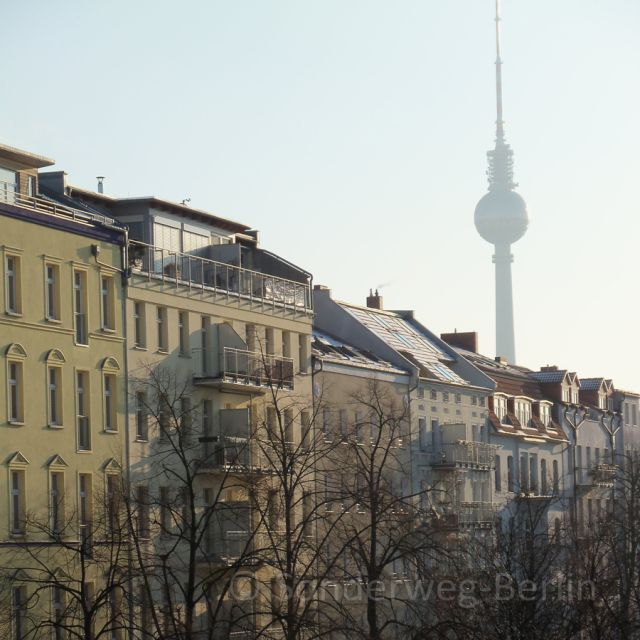
- Jewish Cemetery and Wasserturm along Schönhauser Allee, a striking start that sets the tone
- Mauerpark with Sunday flea market energy and live music as part of the atmosphere
- Kollwitzplatz and other central landmarks to orient you fast in the neighborhood
- Bernauer Straße and the Messel House for a distinct change of pace and perspective
- Rykestraße synagogue exterior views and Oderberger Straße public pool for everyday Berlin
- Q and A time with the guide, including deeper questions about urban life and politics
Why Prenzlauer Berg Works So Well on a Guided Walk
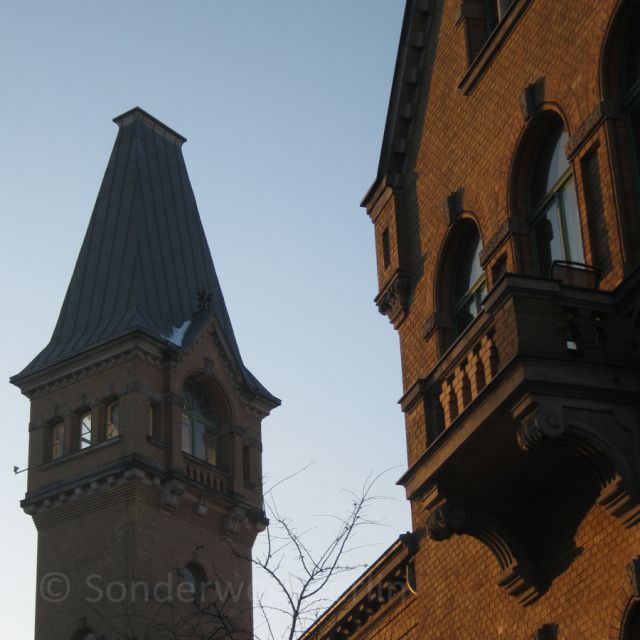
Prenzlauer Berg is one of Berlin’s best “walk and notice” districts. It is not just pretty streets and trendy cafés. The whole area feels like an ongoing conversation between what was there before and what people build and shape now. A guided route makes that contrast easier to catch, because someone points you toward the meaning of what you are seeing.
I especially like how the tour goes both sides of the neighborhood’s key spine, Schönhauser Allee. That matters because Prenzlauer Berg can feel like multiple places depending on where you stand. With a guide, you move through those shifts instead of getting stuck in one pocket of cool.
The group pace is described as relaxed, which is a good sign for a half-to-near half-day commitment. You also get enough time to stop, look, and ask questions. This is the kind of tour where you leave knowing where things are, not just what they are called.
More Guided Walks in Berlin
- Discover Berlin Half-Day Walking Tour
★ 5.0 · 9,624 reviews - Berlin City walk Government District and Places of Democracy
★ 4.7 · 8,467 reviews - Berlin: Third Reich & Cold War Guided Walking Tour
★ 4.9 · 8,378 reviews
Schönhauser Allee First, Jewish Cemetery and Wasserturm Next
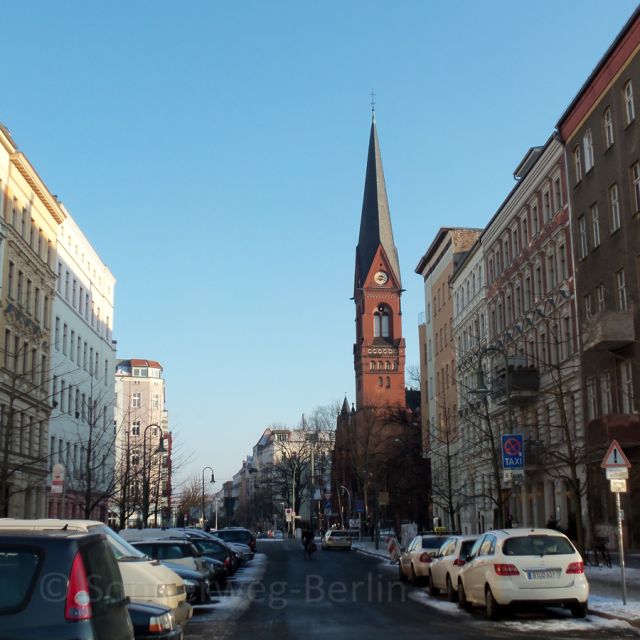
The walk starts in the heart of the neighborhood, then heads down Schönhauser Allee. This is a great choice for orientation. As soon as you are on that main corridor, you can start building a mental map for later self-guided wandering.
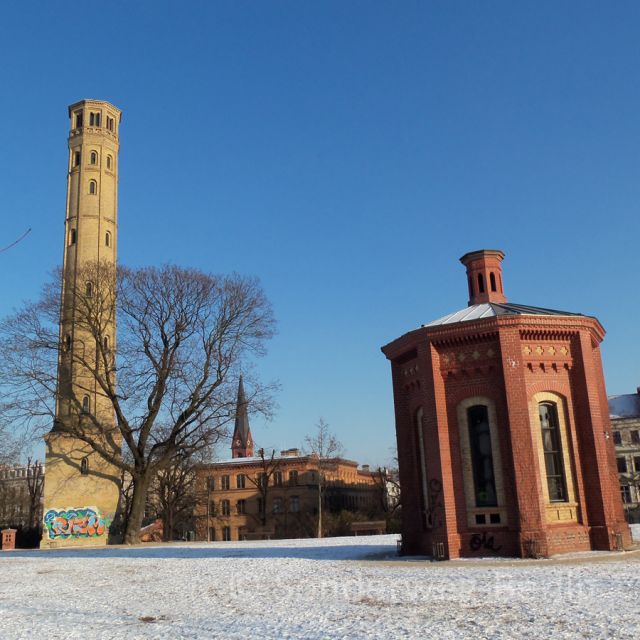
Two early stops anchor the tone. You will see the Jewish Cemetery on Schönhauser Allee, and then the Wasserturm, the water tower. Even if you do not know much about the area going in, these are visible, concrete landmarks that give you something solid to hang the tour’s story on. They also work well visually, because you can take in the surroundings rather than only focusing on a single building.
What I find helpful is how the guide ties long, complicated local history to the district’s newer character. Prenzlauer Berg’s current vibe did not fall from the sky. It is part of a longer arc, and a walking tour is a smart format for understanding that kind of change because you see it block by block.
What to watch for on this segment
- The neighborhood layout along Schönhauser Allee: it makes it easier to understand how the area connects
- The way landmarks sit within the street scene, not isolated like in a museum
- The guide’s transitions between past and present, because they help you read what you see
One practical consideration: this opening stretch sets up the rest of the day. If you tend to rush when you travel, slow yourself down early. You will get more value when you are paying attention from stop one.
Kollwitzplatz and the Easy Feeling of Getting Oriented

As the tour continues, you pass by and near central sights like Kollwitzplatz. That kind of stop sounds small on paper, but it is a big deal when you are trying to navigate Berlin streets. A square or plaza gives you a reference point you can find again later.
This is also where the tour’s “hidden gems” approach starts to make sense. The guide points out details that you might miss if you were walking alone. You will notice the difference between what looks straightforward on a map and what actually feels important once you are standing there.
I like this part because it turns the walk into something you can use. After a few stops, you should feel less like a visitor passing through and more like you are starting to understand how people move through the district.
If you are traveling with kids or with friends who want variety, this segment also breaks up the heavy historical stops. It keeps the tour from becoming only one mood.
Mauerpark: Flea Market Sundays, Live Music Energy, and More Than One Mood
Next up is Mauerpark, where you can connect a famous setting with the everyday flow of the neighborhood. The tour highlights Mauerpark for its Sunday fleamarket and live music shows. Even if your day is not Sunday, Mauerpark is still a place with its own rhythm, and the guide’s context helps you understand why it draws people.
This is one of the most fun segments because it is more atmosphere than “stand and read.” It is easier to imagine the district as a living place with events, crowds, and informal culture. That is exactly what you want from a walking tour focused on a neighborhood, not just major sights.
Then the route continues along Bernauer Straße to see the Messel House. That transition is useful. You go from the open public energy of Mauerpark into a more specific architectural stop, which helps the whole tour feel varied instead of repetitive.
Why this part is worth your time
- You get a feel for local leisure culture, not only memorials and monuments
- The guide’s commentary helps you connect the public space to neighborhood identity
- The Bernauer Straße stop gives you a second kind of takeaway beyond “what a place feels like”
Tip: if you are the kind of traveler who likes photos, this is where you will want to slow down and shoot from a few angles. The buildings and public space create natural frames for the story the guide is telling.
Rykestraße Synagogue Exterior and Oderberger Straße’s Public Pool
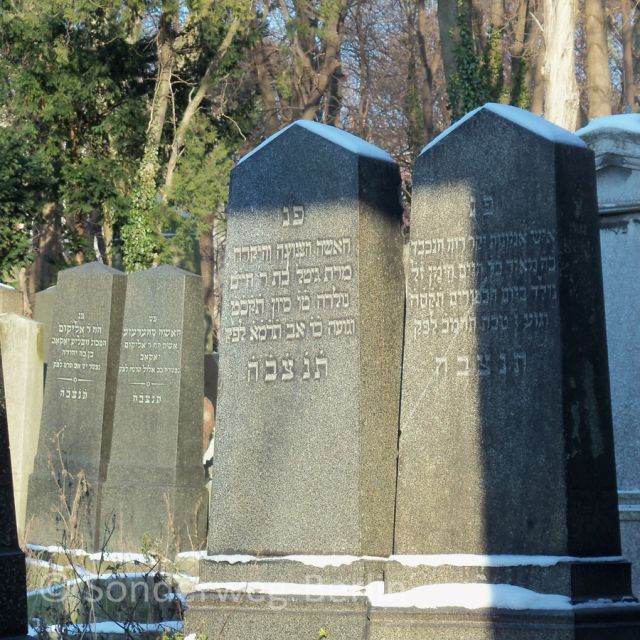
The tour brings you to standout landmarks that represent different sides of daily life in Prenzlauer Berg. One is the grand synagogue on Rykestraße. Seeing it during a guided walk matters because you are not just ticking off a stop. You are moving through the neighborhood around it, so it feels grounded in the street scene.
Another is the public pool on Oderberger Straße. That might not sound as dramatic as a major church or palace, but for me it is one of the best “Berlin reality checks.” A public pool tells you something about how local life functions, what people use regularly, and what the city invests in beyond tourist icons.
This pair of stops balances “cultural landmark” with “everyday infrastructure.” Together, they help you understand the neighborhood as more than a trendy backdrop. It is a place with routines, institutions, and community spaces.
If you are a person who loves city planning and how neighborhoods work, this is the section where the guide’s answers tend to hit hardest. People often ask practical questions, and a strong guide can connect the visible streetscape to the bigger picture.
More German cities at walking speed:


The Guide Makes It: History, Architecture, Humor, and Questions That Stick
The biggest difference between a decent walking tour and a great one is the guide’s ability to turn stops into understanding. Here, the guide’s style is a major strength. The commentary is described as touching history, architecture, and current circumstances, and it tends to flow in a way that keeps you engaged.
You may also notice how the guide handles questions. In some groups, conversations have ranged from urbanism and politics to plain curiosity about daily life. That is valuable because Berlin can feel confusing if you only rely on guidebooks. A guide gives you the missing links between what you see and what it means.
Humor is also part of the package. It helps when the subject matter gets heavy, because you are still walking, still listening, still moving forward. The walk stays social, not stiff.
One more detail worth celebrating: the tour can handle different group sizes smoothly, including larger groups. That matters because it signals good coordination. You are less likely to feel like a crowd number and more likely to get genuine interaction.
Price and Time: Is $23 a Good Deal for 2.5 Hours?
For about $23 per person and around 2.5 hours, this is priced like a value-focused neighborhood tour. You are paying for a live guide plus the structure of a route that links several meaningful stops. If you tried to recreate this on your own, you would either spend time researching the order or you would miss the context that makes the sights click.
Is it “cheap”? Compared to major attractions, yes. But it is also not a barebones walk. The route includes multiple named points, including the Jewish Cemetery, Wasserturm, Mauerpark, Messel House, a synagogue exterior, and the public pool. That is a lot of ground for a half-day commitment.
A good way to think about value is this: you are buying orientation plus storytelling. You can spend the same day wandering solo and still see the buildings, but you will likely not connect them as quickly. With this tour, you should feel more confident heading out afterward.
Just plan for one thing: food and drinks are not included. That is normal for walking tours, but it means you should bring water or budget time to pick up a drink nearby. Also, since it is a relaxed walk, you do not want to be hungry halfway through.
Who This Tour Suits Best in Real Life
This walking tour is a great match if you want:
- A neighborhood-level Berlin experience, not a museum day
- A route that gives you orientation fast
- A guide who can answer questions, including bigger-picture topics
- A balanced mix of landmarks and everyday city life
It may be less ideal if you:
- Hate walking and prefer public transport or taxis for every leg
- Want a tour with no pauses for discussion
- Are only interested in one specific type of sight, like purely famous monuments
If you like comparing old and new Berlin, this is one of the easiest ways to do it without feeling like you are sprinting.
Should You Book This Prenzlauer Berg Guided Walking Tour?
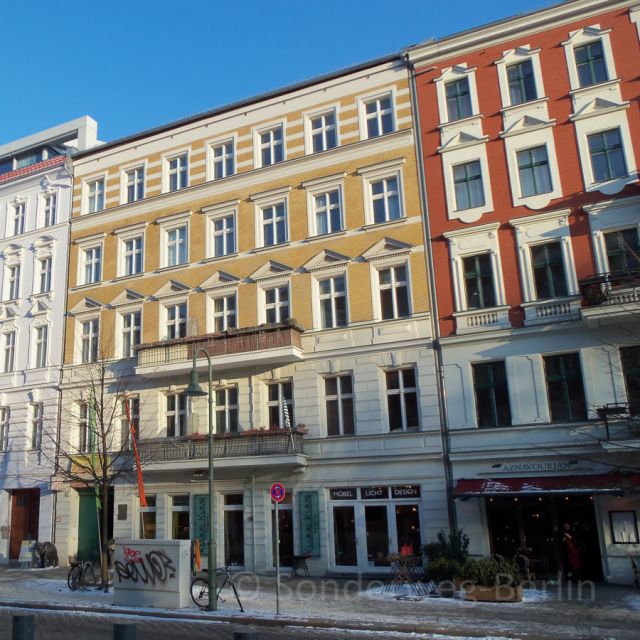
I think you should book if you want a practical, story-driven way to understand Prenzlauer Berg. The route covers major anchors like Schönhauser Allee, Mauerpark, and landmarks including the Jewish Cemetery and Wasserturm, then rounds it out with the synagogue on Rykestraße and the public pool on Oderberger Straße. That combination is what makes the tour feel grounded rather than generic.
Book it if you enjoy asking questions and you like your history connected to what you can see right now on the street. At $23 for 2.5 hours, it is a value play that can change how you experience the district for the rest of your trip.
Don’t book it if you want a “sit and watch” experience or if walking for a couple of hours is a dealbreaker. Otherwise, this is a strong way to get your bearings and leave with a clear sense of why Prenzlauer Berg feels so distinctly itself.
FAQ
How long is the Prenzlauer Berg guided walking tour?
The tour lasts 2.5 hours.
How much does the tour cost?
It costs $23 per person.
What is included in the price?
You get a walking tour and a live guide.
Are food and drinks included?
No. Food and drinks are not included.
Where is the meeting point?
The meeting point may vary depending on the option booked.
What languages is the tour offered in?
The live tour guide is available in German and English.
Is free cancellation available?
Yes. You can cancel up to 24 hours in advance for a full refund.
Can I reserve without paying right away?
Yes. The option is reserve now and pay later, where you pay nothing today.
What starting times are available?
Starting times depend on availability, and you can check availability to see the options.
What key sights will we see?
You will see the Jewish Cemetery on Schönhauser Allee, the Wasserturm (Water Tower), Mauerpark, Kollwitzplatz, the Messel House on Bernauer Straße, the grand synagogue on Rykestraße, and the public pool on Oderberger Straße.
Fresh on the arrivals board for Berlin



Guided Walks in Berlin, compared.
Berlin City walk Government District and Places of Democracy
Read our review →
Berlin’s Best: 2 Hour Walking Tour Third Reich and the Cold War
Read our review →
Third Reich Berlin: Hitler and WWII Walking Tour
Read our review →
Browse the lists this tour appears in