
Reviewed · GUIDED WALKS IN BERLIN
Berlin: Neukölln Walking Tour
Neukölln shows up fast when you walk it. This 90-minute Neukölln tour turns everyday streets into a timeline, with stops built around places like Körner Park and the apartment blocks around it. I like that you get the big picture without getting lectured, and the guide keeps the mood human, not museum-still.
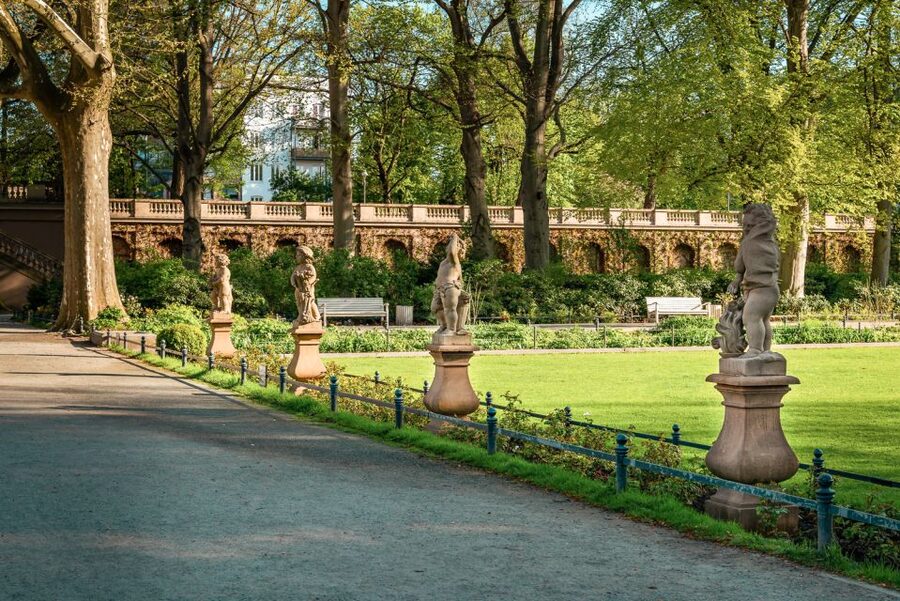
Two things I especially like: the way you see history in the actual street plan, not just in photos, and the standout pause at Körner Park, a neo-Baroque garden tucked among older Neukölln buildings. One possible drawback to note up front, this is not suited for people with mobility impairments.
In This Review
- Key highlights worth clocking before you go
- Walking Neukölln on purpose, and why that matters
- Meeting at Leuchtstoff Kaffeebar and getting your bearings
- Reinhold Steinle’s style, the reason people stay engaged
- Glory Halls of Neukölln, plus Will Meisel: what the stories teach you
- Ilsenhof from the 1920s, reading architecture like a local
- A 1912 archaeological discovery you can point at
- Körner Park, the neo-Baroque pause that actually feels like a win
- David Bowie in Neukölln, and why it connects old and new
- The last 10 years of change, so you understand what you are seeing now
- What you actually get at the end: notes you can keep
- Price and value for a group up to 6
- Who should book this, and who should skip it
- Book it or skip it: my practical recommendation
- FAQ
- How long is the Berlin Neukölln walking tour?
- How much does the tour cost?
- Is this tour private?
- What language is the live guide?
- Where is the meeting point?
- What is the main highlight on the tour?
- What is included with the tour?
- Is it suitable for people with mobility impairments?
- Can I cancel for a full refund?
Key highlights worth clocking before you go
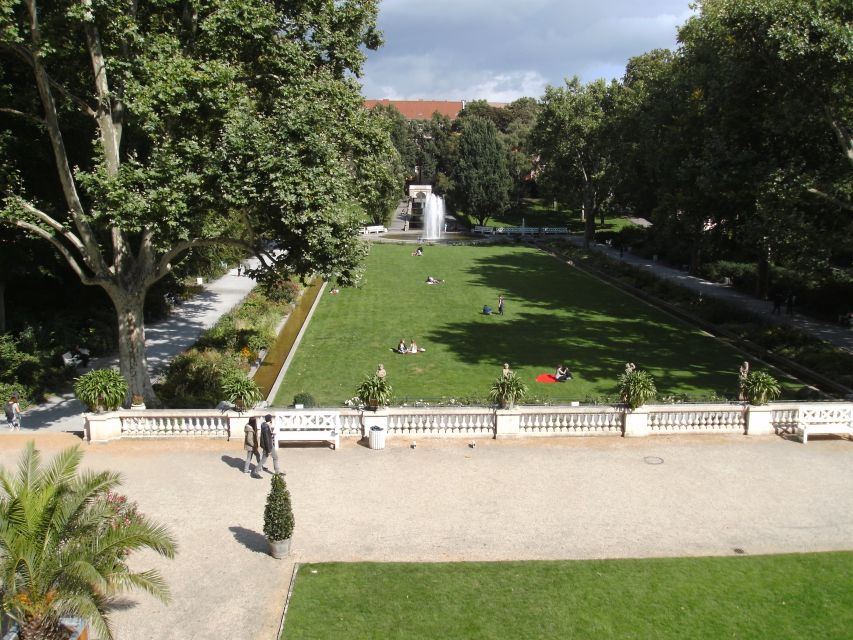
Körner Park in neo-Baroque style, a garden you can reach quickly and actually enjoy in real life
Reinhold Steinle as an ambassador for Neukölln, with energetic storytelling and lots of neighborhood context
Ilsenhof, a residential complex from the 1920s that helps explain how the area grew
An archaeological discovery from 1912, pointed out along the way so you have something concrete to watch for
David Bowie connection, explained as part of Neukölln’s modern cultural links
Last 10 years of change, so you understand what you are looking at right now
Walking Neukölln on purpose, and why that matters
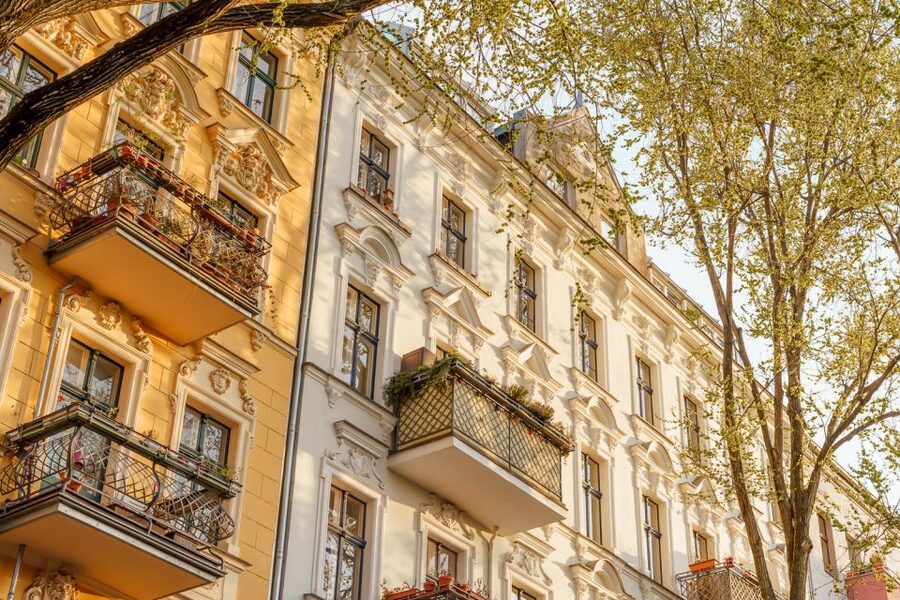
Neukölln is one of those Berlin districts where you can spend a day and still miss what is going on. A guided walk helps you look in the right places, at the right scale, and for the right reasons. You stop thinking of neighborhoods as a backdrop and start treating them like a living document.
What makes this tour work is the balance between place and story. You are not just hearing dates, you are learning why certain buildings and corners exist, and what kind of people shaped them. Then you get a real payoff in the form of Körner Park, where the district slows down for a moment.
This is also a tour aimed at the curious eye. Even if you think you know Berlin, you will likely pick up details you would have walked past on your own. That is a big part of the value of a focused 90-minute neighborhood walk.
More Guided Walks in Berlin
- Discover Berlin Half-Day Walking Tour
★ 5.0 · 9,624 reviews - Berlin City walk Government District and Places of Democracy
★ 4.7 · 8,467 reviews - Berlin: Third Reich & Cold War Guided Walking Tour
★ 4.9 · 8,378 reviews
Meeting at Leuchtstoff Kaffeebar and getting your bearings
You meet at Leuchtstoff Kaffeebar on Siegfriedstraße 19, 12051 Berlin. For many people, that is a smart start point because it anchors you in the real neighborhood, not a distant landmark. It is also the kind of meeting spot that makes it easy to arrive, check your footing, and mentally switch from travel mode to walking mode.
The tour is private for your group, and the guide talks in German. That matters, because you get a smoother back-and-forth and fewer awkward pauses when something sparks a question. It also helps you cover the district without the pressure of a large, fast-moving crowd.
With a duration of about 90 minutes, you should expect a pace that is active but not sprinting. This is enough time to learn how the area developed and still enjoy the highlight stop, rather than rushing from one photo spot to the next.
Reinhold Steinle’s style, the reason people stay engaged
The guide here is Reinhold Steinle, and the feedback around him is consistent. People describe him as highly engaged, full of neighborhood knowledge, and able to make stories land with real energy. You also get the sense that he does not just recite facts, he tries to get you to see Neukölln with a kinder lens.
A standout theme is his focus on positives, not only the complicated parts. He is described as an ambassador for Neukölln, which shows in how he points out what makes the district worth paying attention to. That helps you feel like you are learning something useful, not just hearing a list of sights.
You will also get plenty of anecdotes from earlier residents. The stories include characters like an erotic dancer surrounded by scandal and an eccentric gravel pit owner. Even when the subject matter is dramatic, the tone stays approachable, with a wink, and that keeps the walk from feeling heavy.
And yes, if history chatter is your thing, this guide keeps you switched on. One practical example from his approach is that he can help you notice what is happening around you on the day, including flyovers linked to the Rosinenbomber, based on the timing of the moment.
Glory Halls of Neukölln, plus Will Meisel: what the stories teach you
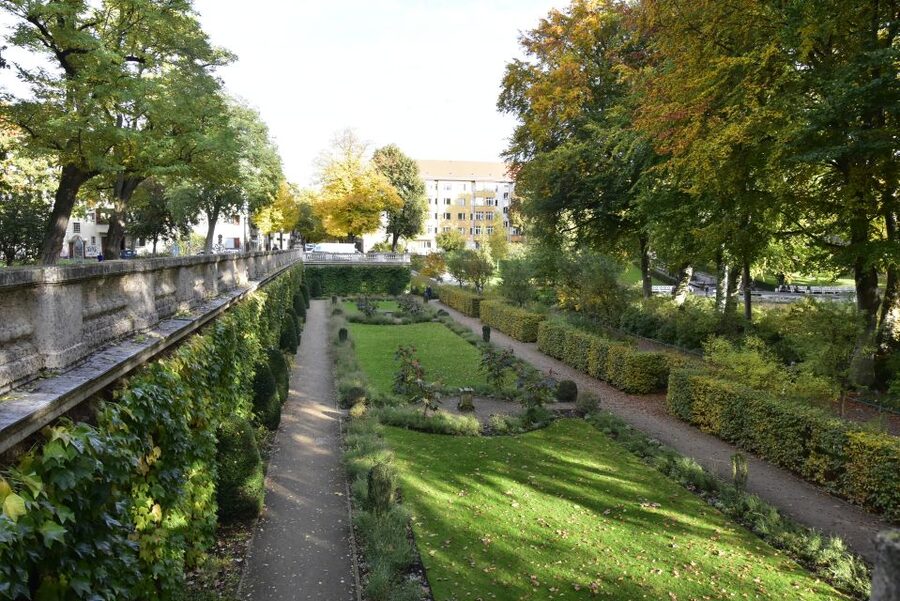
One of the tour’s early themes is the history tied to Glory Halls of Neukölln. You learn what that phrase refers to locally and why it mattered for the people who lived and worked here. Instead of treating it like a random name, the guide uses it to explain how the district functioned culturally and socially.
Then you hear about Will Meisel and why he is connected to this neighborhood. That sort of detail is exactly what helps the district stop feeling generic. When you learn who a person was and how they fit into the local story, you get a mental map that sticks.
These segments matter because they give you a framework for everything that follows. When you later see the architecture and the street arrangement, you understand it as the result of choices made over time, not just a set of buildings that happened to survive.
Ilsenhof from the 1920s, reading architecture like a local
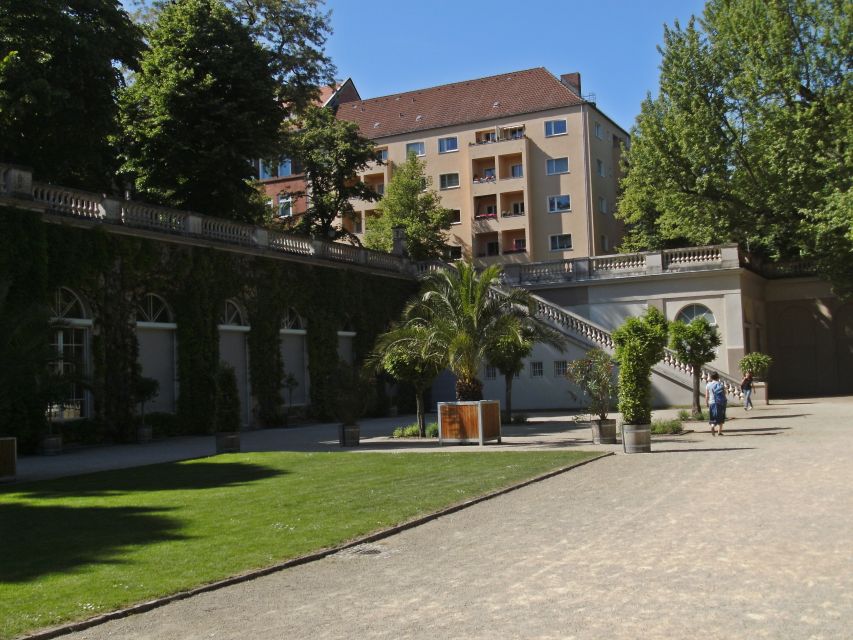
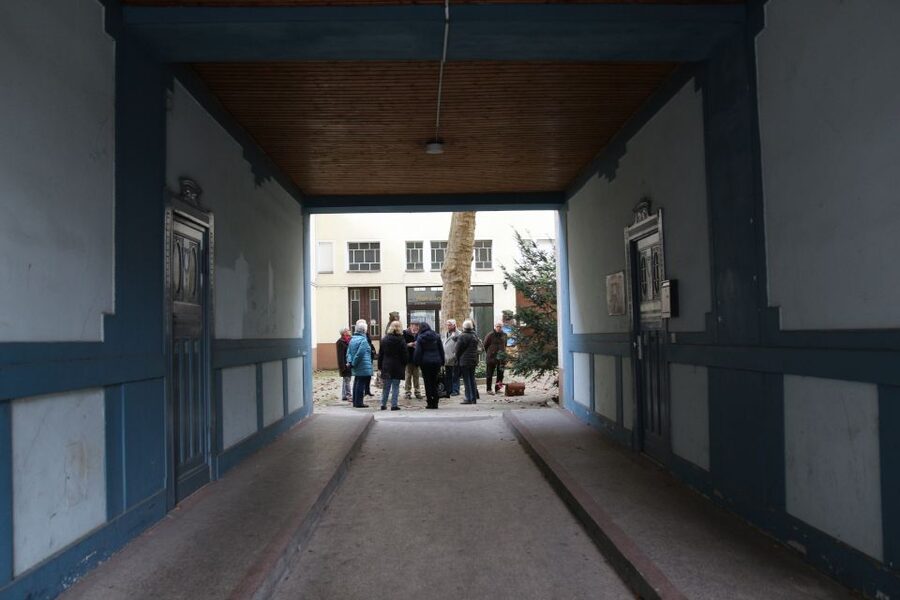
The tour includes a stop at the Ilsenhof, a residential complex from the 1920s. Even if you are not an architecture nerd, this kind of building is a shortcut to understanding how people lived and how neighborhoods shaped daily life.
The 1920s also sit in an important historical moment, and you can feel that the area is not just “old,” it is layered. By placing Ilsenhof on your walk, the guide connects the past to what you still see around you. You start to spot design cues and building logic that explain why Neukölln looks the way it does today.
A practical tip for this stop: slow down, look up, and take in how the complex relates to the surrounding older blocks. The whole point is that the guide helps you read the environment. You are not just looking at a building, you are learning how the district grew.
More German cities at walking speed:




A 1912 archaeological discovery you can point at
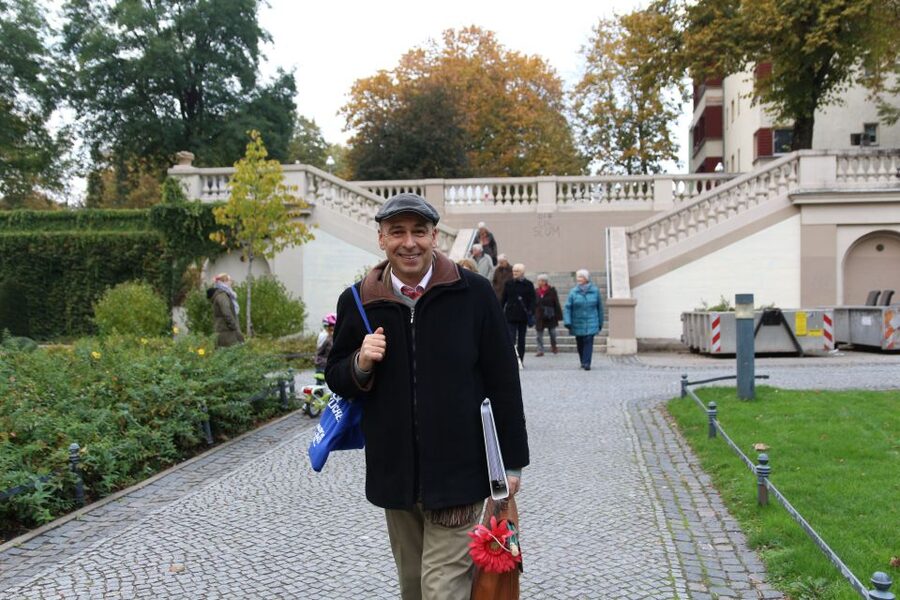
On the way to Körner Park, the guide shows an archaeological discovery from 1912. This is one of those moments that makes the walk feel grounded. Instead of only hearing about history, you get something you can point to as part of the physical story of the place.
It also helps you understand that the neighborhood has been shaped repeatedly, not in a single dramatic moment. Berlin has layers under layers, and Neukölln is no exception. A guided explanation keeps the discovery from becoming a vague curiosity.
If you like “how do we know this” questions, this is where you will appreciate the tour. You are learning the neighborhood’s logic through what was found and what it suggests about life in the area long ago.
Körner Park, the neo-Baroque pause that actually feels like a win
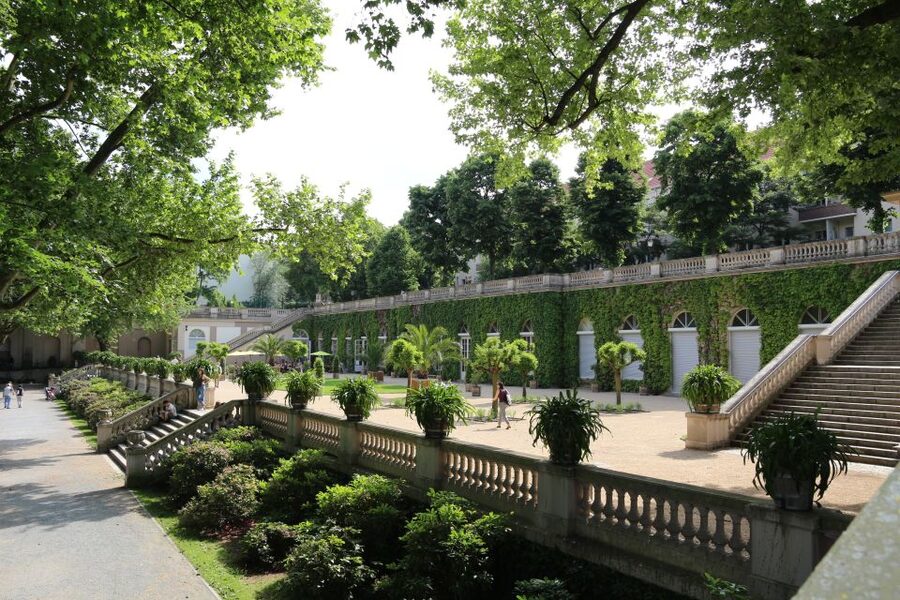
The highlight is Körner Park, known as an important neo-Baroque garden of Berlin. This is the kind of stop that delivers on the promise of a district walk: you get a place to breathe while still staying inside the neighborhood story.
What makes it special is the contrast. You have older buildings around you, and then you step into a garden that feels designed and intentional. The result is calm, but not disconnected, because the park is embedded in the urban fabric rather than floating away from real life.
As you wander in Körner Park, the guide’s historical context gives the space meaning. You are not only enjoying greenery, you are seeing how landscaping and design reflected the values of the period. The neo-Baroque style also gives you a reason to look more carefully, like symmetry, structure, and the overall feel of order.
Practical advice here is simple: take time to stand still for a minute. Many people rush gardens because they think the “main view” is obvious. The best experience is letting the guide’s framing change what you notice.
David Bowie in Neukölln, and why it connects old and new
A big part of the tour is the link to David Bowie. You learn how Neukölln ties into Bowie through stories and local context explained by the guide. For visitors, this can be a fun bridge between Berlin mythology and the everyday district you are actually walking.
What I like about this kind of connection is that it is not just celebrity name-dropping. It is used to show how cultural influence can live in the background of a place for years. You leave feeling that modern music and older neighborhood identity are not separate stories.
If you are a Bowie fan, this stop gives you more than a trivia hit. You understand why people keep returning to Neukölln as a creative reference point. And if you are not a fan, it still helps you see the district’s cultural continuity.
The last 10 years of change, so you understand what you are seeing now
The guide also talks about the changes happening in Neukölln over roughly the last decade. You get a sense of how the district is evolving and what that means for how it feels on the ground. This part helps you avoid the common trap of judging a neighborhood only by what you read, or only by what you see in one afternoon.
I find this especially useful because it gives you context while you are still standing in the streets. You can connect new businesses, shifting textures of daily life, and changing resident routines to the explanations you just heard.
And it aligns with the overall tone of the tour. Reinhold Steinle is not only hunting for problems. He frames the story around the positive aspects too, which makes your understanding practical, not cynical.
What you actually get at the end: notes you can keep
At the end of the walk, you receive a written summary of the most important contents of the tour. That is more valuable than it sounds, because it helps you retain names like Will Meisel, Ilsenhof, and key ideas tied to Glory Halls of Neukölln.
You also get tips from the guide for further ventures and places worth seeing. This is how you turn a 90-minute experience into more than a single outing. Instead of searching blindly, you get a direction that matches what you learned.
For practical travelers, that kind of take-home guidance is a real time saver.
Price and value for a group up to 6
The price is $70 per group up to 6 people for a 90-minute tour. That is a strong value if you are traveling with friends, especially since it is private. Think in terms of total cost, not per person, and it becomes much easier to justify than most Berlin “single-person” experiences.
Here is the practical way to judge it: you are paying for a guided walkthrough with a focused theme, plus a written summary and personalized context through a live German guide. If you can fill even a small group, the math gets even better.
For solo travelers, it is still reasonable if you want deep neighborhood context and not a generic overview. But if you are traveling alone, you might compare it against the cost of a larger-group tour, since private pricing is always the trade-off.
Who should book this, and who should skip it
This tour fits best if you want an authentic-feeling walk, not just a checklist. I would book it if you like neighborhood stories, architecture you can interpret on foot, and cultural connections like the David Bowie link. It is also a good pick if you enjoy guides who share anecdotes, not only facts.
It is not suitable for people with mobility impairments. That is an important limitation to consider before you plan your walking time.
If you are traveling with people who think Berlin is only museums or only iconic sites, this can change their minds fast. Neukölln has a different tempo, and the guide’s approach helps you understand why that matters.
Book it or skip it: my practical recommendation
I would book this tour if you want a focused, neighborhood-level introduction to Neukölln with real talking points. Körner Park is the obvious draw, but the deeper win is how the tour connects places like Ilsenhof, the 1912 archaeological discovery, and the Glory Halls story to what the district feels like today.
You should consider skipping it if you need mobility-friendly routing, or if you only want famous Berlin sights and nothing else. Also, if you do not speak German, this will be a harder fit since the live guide language is German.
If those points work for you, this is an easy “yes.” For $70 per group, you are buying time with a guide who clearly cares about Neukölln, and you are leaving with names, context, and a garden stop that makes the walk worth it.
FAQ
How long is the Berlin Neukölln walking tour?
The tour lasts about 90 minutes.
How much does the tour cost?
It costs $70 per group, up to 6 people.
Is this tour private?
Yes, it is a private group tour.
What language is the live guide?
The live guide speaks German.
Where is the meeting point?
The meeting point is Leuchtstoff Kaffeebar, Siegfriedstraße 19, 12051 Berlin.
What is the main highlight on the tour?
The highlight is Körner Park, described as a major neo-Baroque garden in Neukölln.
What is included with the tour?
You get a written summary of the tour’s important contents at the end, plus tips from the guide for further places to see.
Is it suitable for people with mobility impairments?
No, it is not suitable for people with mobility impairments.
Can I cancel for a full refund?
Yes, you can cancel up to 24 hours in advance for a full refund.
Fresh on the arrivals board for Berlin

Guided Walks in Berlin, compared.
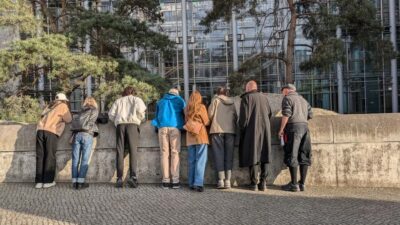
Berlin City walk Government District and Places of Democracy
Read our review →
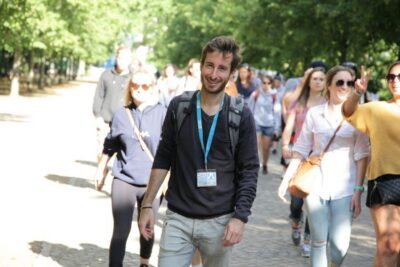

Berlin’s Best: 2 Hour Walking Tour Third Reich and the Cold War
Read our review →
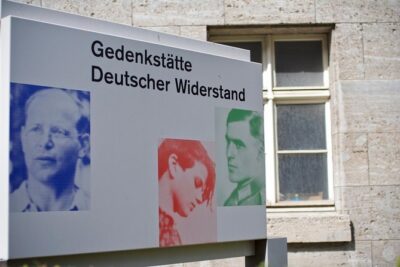
Third Reich Berlin: Hitler and WWII Walking Tour
Read our review →
Browse the lists this tour appears in