
Reviewed · GUIDED WALKS IN BERLIN
Berlin: Hitler’s Berlin The Rise & Fall Guided Walking Tour
Berlin hits different when you walk it. This 150-minute WWII walking tour follows Nazi Germany in a clear, chronological story. You move between the places where democracy was stripped away, terror was run like a system, and the war ended in ruins.
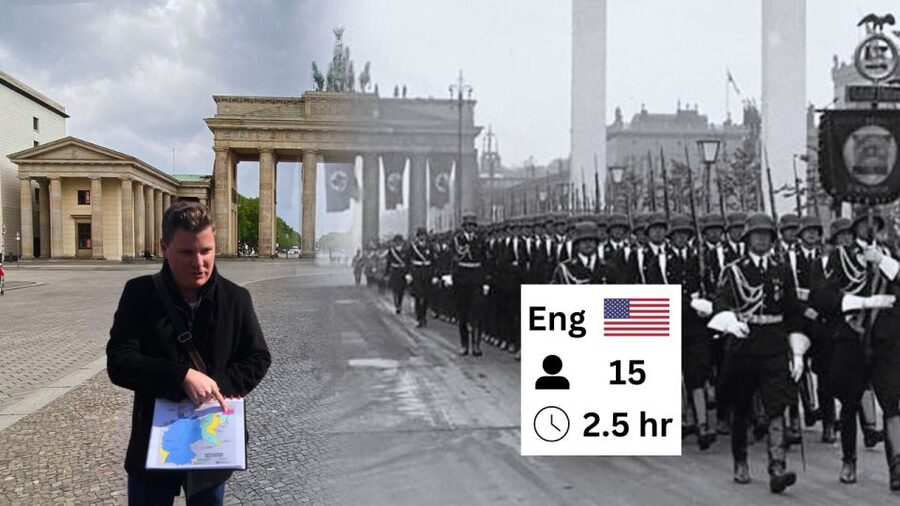
I especially like the expert historian guides who connect ideology, politics, and the war without turning it into a lecture. Another strong point is the use of Then & Now photographs and historic maps, which helps you see how the city changed while the meaning of each site stayed heavy. One drawback to plan for is that it’s outdoors with a considerable amount of walking, so bring good shoes and expect weather.
If you want Berlin’s 1933 to 1945 arc explained in a steady way, this is one of the more purposeful walks you can do.
In This Review
- Key highlights worth planning around
- What this Berlin walking tour gets right, from start to finish
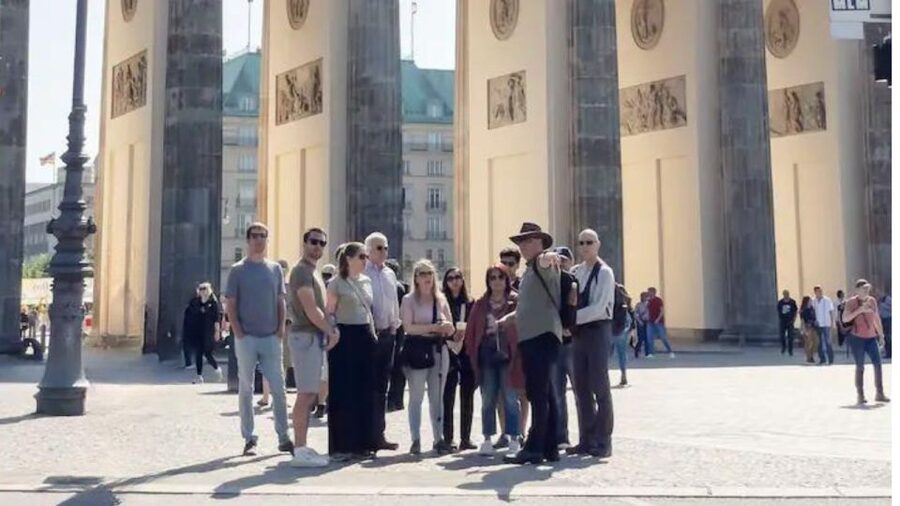
- Meeting at Brandenburg Gate, then walking into Berlin’s 1930s atmosphere
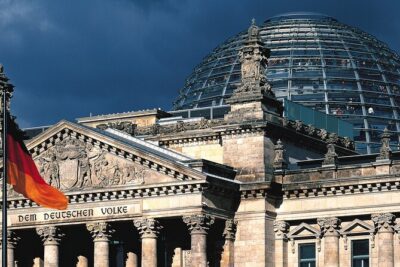
- Reichstag: seeing one building mean three different eras
- Memorial to the Sinti and Roma victims: a quieter, necessary checkpoint
- Soviet War Memorial Tiergarten: context for the city’s endgame
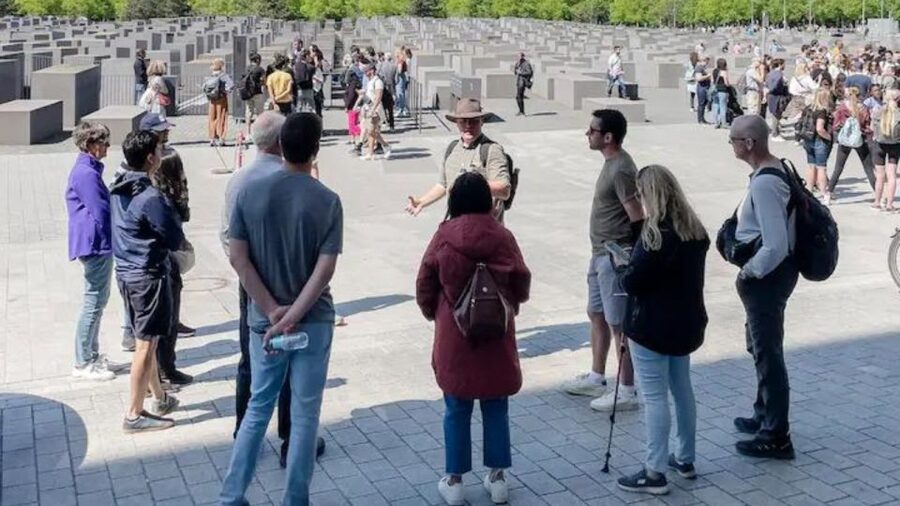
- The Holocaust Memorial: reflection built into the walk
- Hitler’s bunker site: where Berlin’s last days took shape
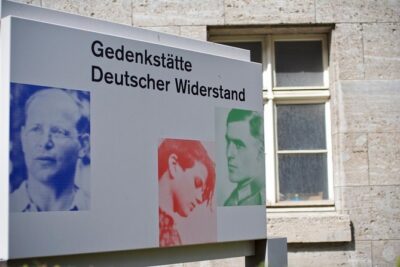
- Johann Georg Elser memorial and the wider story of resistance
- German Finance Ministry: how power traveled through institutions
- Topography of Terror: the Gestapo and SS headquarters, in context
- Then & Now photos and historic maps: why this tour feels clear
- Walking time and what to expect in the real world
- Small group touring with room for questions
- Price and timing that makes sense for Berlin
- Who should book this tour, and who might want to choose something else
- Should you book Berlin: Hitler’s Berlin The Rise and Fall?
- FAQ
- How long is the walking tour?
- Where do I meet the guide?
- Is the tour indoors or outdoors?
- Is the tour wheelchair accessible?
- What language is the tour in?
- What should I bring since it is outdoors?
- Is there free cancellation and a reserve-and-pay-later option?
Key highlights worth planning around
- Reichstag connections: You see a single building stand for democracy, dictatorship, and national unity, depending on who controlled it
- Memorial stops that slow you down: The Holocaust memorial and other remembrance sites are built for reflection, not quick photo ops
- Hitler’s bunker site: A guided look at where the European war’s last chapter played out
- Topography of Terror focus: You walk the ground tied to the Gestapo and SS as Berlin’s terror machine took shape
- Then & Now photos: Historic maps and comparisons help you orient the story in real space
What this Berlin walking tour gets right, from start to finish
This tour is built around one job: make the rise and fall of Nazi Germany understandable. You do not bounce randomly between famous landmarks. Instead, you follow a cause-and-effect line from Hitler’s election to dictatorship, then to the collapse in 1945.
That matters in Berlin. The city has layers, and it is easy to get lost in individual sights, even if you know the names. Here, you keep your bearings because the guide frames each location as part of a bigger system: how power was seized, how fear and propaganda were used, and how persecution became policy.
The format helps too. The description is clear about what it is, and what it is not: it is an outdoor walk with guided visits and Q&A, not a museum lecture or a scripted gimmick. That makes the experience easier to process, especially on a topic that is emotionally demanding.
More Guided Walks in Berlin
- Discover Berlin Half-Day Walking Tour
★ 5.0 · 9,624 reviews - Berlin City walk Government District and Places of Democracy
★ 4.7 · 8,467 reviews - Berlin: Third Reich & Cold War Guided Walking Tour
★ 4.9 · 8,378 reviews
Meeting at Brandenburg Gate, then walking into Berlin’s 1930s atmosphere
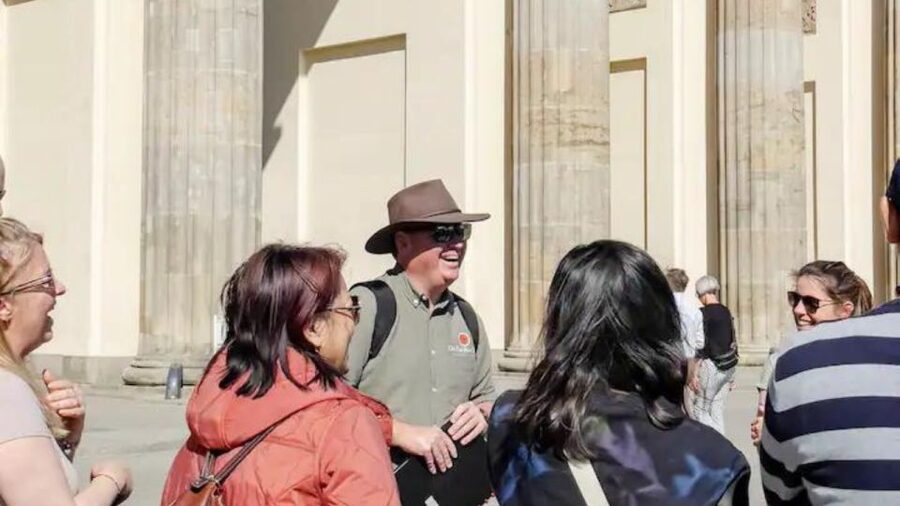
You meet at the Tourist Office at Brandenburg Gate, look for the Blue Umbrella, and the walk starts near Pferdedroschke. That is a smart way to begin, because Brandenburg Gate is not just scenic. It is a reminder that Berlin’s most public spaces can become stages for politics.
Early on you have a short photo stop at Brandenburg Gate with time to look around. You also get walking stretches that help the group stay together while the guide sets the scene for what comes next.
Practical tip: in the first minutes, take a second to get oriented. Berlin has lots of streets and side paths, and having your route in your head makes the later stops click faster.
Reichstag: seeing one building mean three different eras
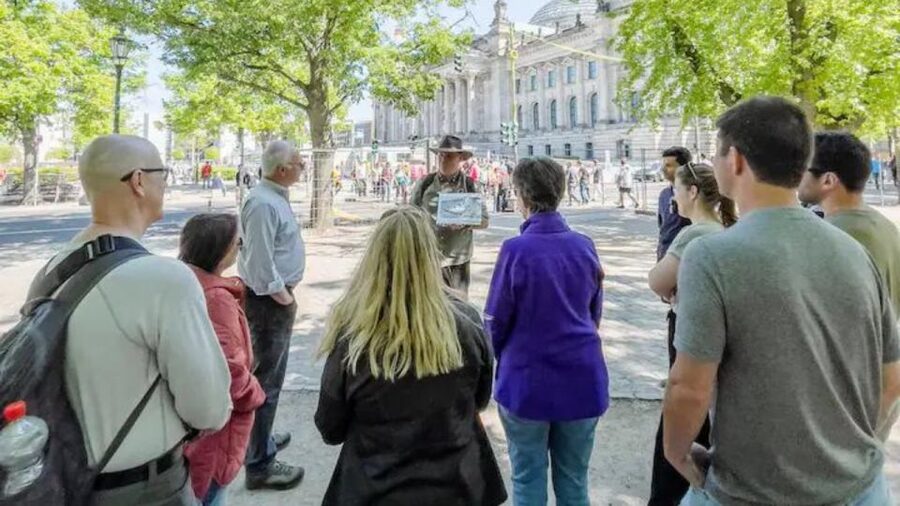
The Reichstag stop is one of the tour’s central anchors. The Reichstag is described as a symbol that can represent democracy, dictatorship, and unity, depending on the historical moment. Your guide uses that idea to explain how control of a government building can become control of a story.
Expect a guided visit and a longer stretch here compared with the earlier stops. That extra time is useful because the building is visually distinctive from many angles, and the guide needs room to connect the site to the broader narrative. Even if you already know the headline events of WWII, this part helps you understand why the Reichstag mattered beyond headlines.
Watch for this pattern throughout the walk: the guide does not just say what happened. You are encouraged to connect what you see with what it meant for the people living through it.
Memorial to the Sinti and Roma victims: a quieter, necessary checkpoint
You next stop at the Memorial to the Sinti and Roma Victims of National Socialism. Even in a structured walking tour, this is the kind of stop where the tone changes. The site is for remembrance, not debate.
This is valuable because Nazi persecution was not limited to one group, and Berlin’s memorial geography can teach you that in a concrete way. You get a guided moment here, with time to look around without rushing the emotion out of the scene.
If you are bringing someone who gets impatient at memorials, this is also where you will see whether they can slow down. For many people, that willingness to pause is what makes the whole tour feel meaningful rather than merely educational.
Soviet War Memorial Tiergarten: context for the city’s endgame
Moving through central Berlin, you come to the Soviet War Memorial in Tiergarten. This stop is framed as a reminder of the Battle of Berlin, and it shifts your understanding from Nazi decisions to the final military reality.
You have a photo stop plus guided time here, and it works as a bridge from the ideological terror sites toward the closing chapter. The guides tend to use this moment to reset the timeline: the regime that relied on fear and propaganda is now facing total collapse.
Practical note: this is still outdoors, so do not plan on staying comfortable. You are moving between open spaces, and Berlin weather can change quickly.
Further Third Reich and wartime history tours:



The Holocaust Memorial: reflection built into the walk
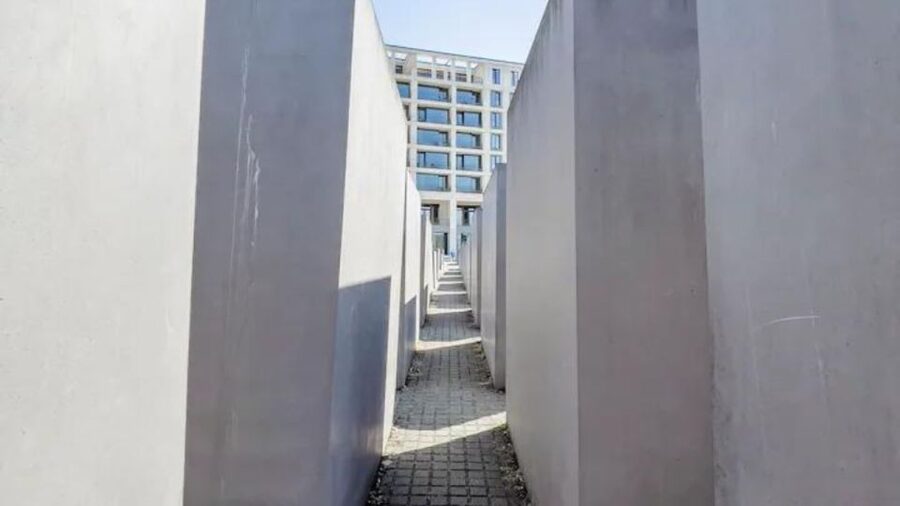
One of the strongest parts of this tour is the Holocaust Memorial stop. It is listed with a photo stop and guided visit, plus scenic views during walking sections around it. That combination matters because the memorial is not designed to be consumed like a viewpoint.
You do not need to be an expert to get something from this stop. The value is in how the guide links it to the earlier parts of the story: systematic targeting, fear as governance, and the way genocide became a core function of the regime.
If you tend to rush through sites to get more photos, slow down here. The guide gives you the structure to understand what you are looking at, but you still need your own time to absorb it.
Hitler’s bunker site: where Berlin’s last days took shape
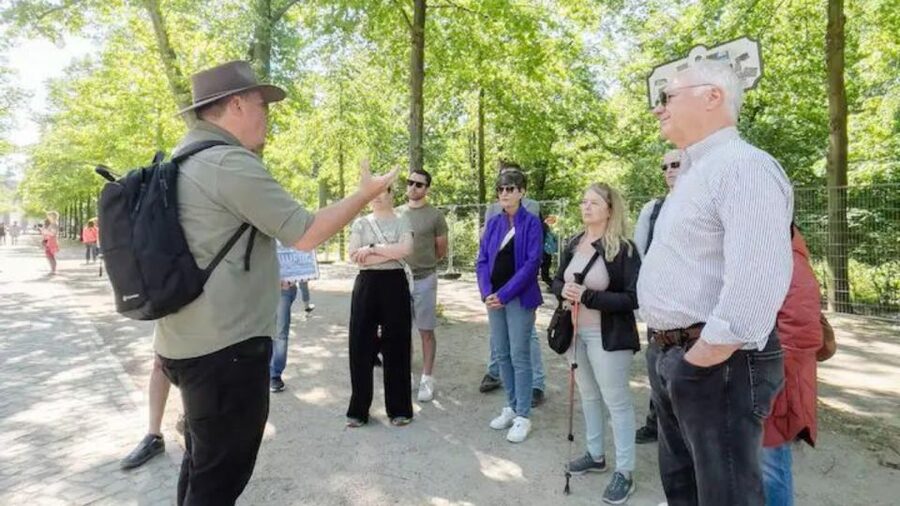
Then comes one of the most intense locations on the route: Hitler’s Bunker. You get a photo stop plus guided visit time.
This part is timed as a shorter stop than the Reichstag and memorial-heavy locations, but it is still treated as a key landmark because it represents the end of the European war. The tour sets it up as more than a location marker. It is part of the story arc that leads to 1945 defeat.
Consider this a reality check stop. You may come in with broad historical knowledge, but the guide’s job is to connect the abstract idea of collapse to a physical place in Berlin.
Johann Georg Elser memorial and the wider story of resistance
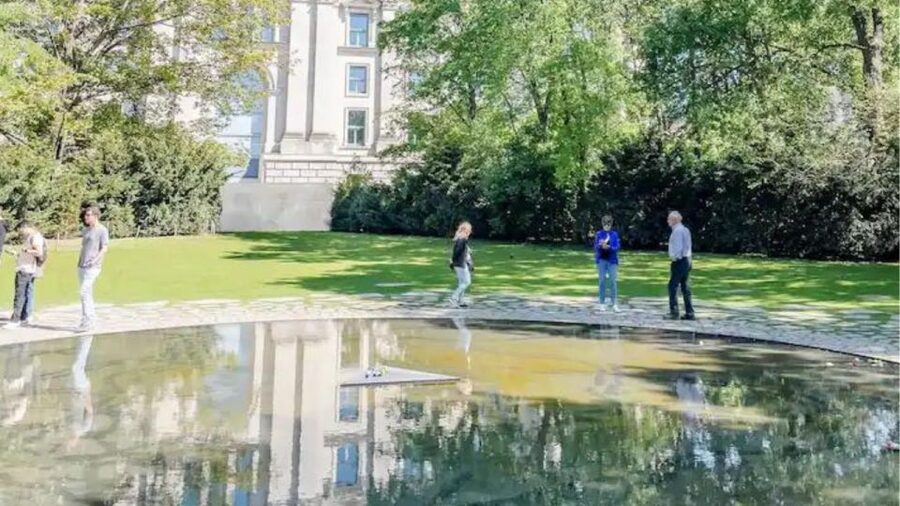
You also visit the Johann Georg Elser Memorial, Berlin. This is another reminder that not all history during that era is just about the rulers and the machinery. Memorial sites like this broaden your perspective, even though your stop here may be shorter than the major anchors.
What you should take away: a good guide uses each site to cover a different slice of the time period, so the tour does not become a single-note focus on propaganda and punishment.
I like this kind of balance because it prevents the walk from turning into a one-dimensional tour of oppression. You get a better picture of how the Nazi period affected everyone, and how people shaped events even in small or indirect ways.
German Finance Ministry: how power traveled through institutions
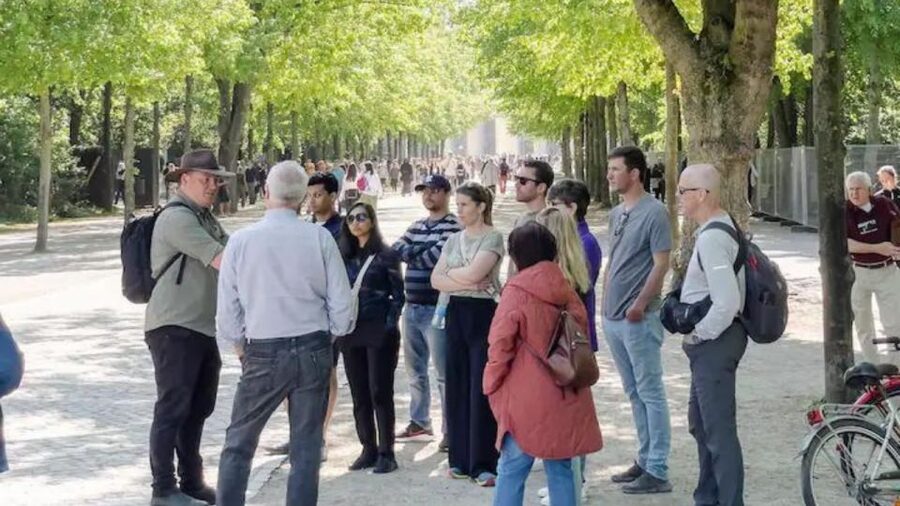
The route includes a German Finance Ministry photo stop and guided visit segment. This kind of stop matters because Nazi control was not only about policing or intimidation. It also ran through state institutions.
Even if you are not a history wonk, you will feel the connection when the guide talks about how policy and control were reinforced through everyday governance. It is also a good moment to look at how central government buildings can serve as engines for large-scale decisions.
Drawback to keep in mind: this stop is shorter. If you want more time for photos or quiet reading, you might feel slightly rushed compared with the memorial and Reichstag moments.
Topography of Terror: the Gestapo and SS headquarters, in context
The final part of the walk is anchored at Topography of Terror, and this is where the “nerve centre of terror and repression” idea becomes concrete. The tour explicitly frames this location as the former Gestapo and SS Headquarters.
You have a longer guided stop here, plus time for reflection and Q&A. It is the right closing point because it sums up what you have been learning all along: how fear was administered, how repression was organized, and how the regime maintained control until everything collapsed.
I also like the way the walk ends here, instead of ending at a cheerful viewpoint. The place has a built-in gravity, and the guided conversation helps you leave with clearer understanding instead of lingering questions that the day did not answer.
Then & Now photos and historic maps: why this tour feels clear
Many WWII tours give you facts. This one is designed to make connections, and the tools help.
You get Then & Now photographs and historic maps. That combination is especially useful in Berlin because the city has been rebuilt many times, and street-level changes can confuse the timeline. Seeing old layouts and then matching them to what you see today helps your brain lock in the sequence from 1933 to 1945.
It is one of those quiet advantages that you only notice when it is missing. If you have ever done a historical walk where everything feels like disconnected stops, you will appreciate the structure here.
Walking time and what to expect in the real world
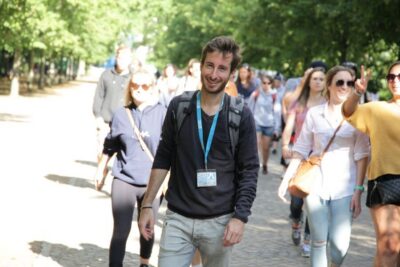
The tour runs about 150 minutes. That is long enough to cover multiple key points, but not so long that you lose your focus if you take short pauses when the guide gives you them.
The schedule also includes walking segments that function like transitions, with scenic views en route. Those transitions are not just filler. They give your mind time to absorb what you learned at the last location before you hit the next heavy site.
What to plan for:
- The tour is outdoors, so bring a water bottle and dress for weather
- Wear comfortable shoes because you will be on your feet for a significant stretch
- The tour advises you to bring your own umbrella or walking stick if needed, because conditions can change mid-walk
Also, the meeting setup is straightforward. You meet at Brandenburg Gate Tourist Office and look for the Blue Umbrella. That reduces the usual Berlin anxiety of matching your guide with the right group.
Small group touring with room for questions
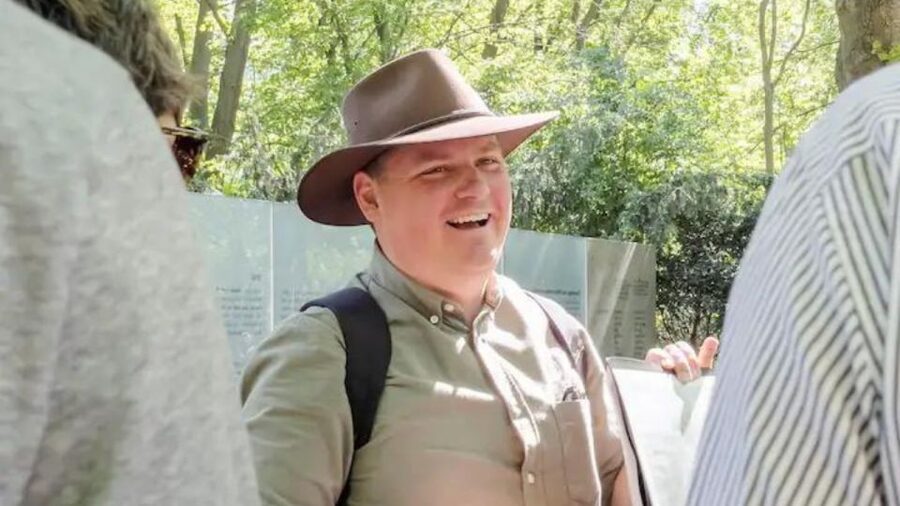
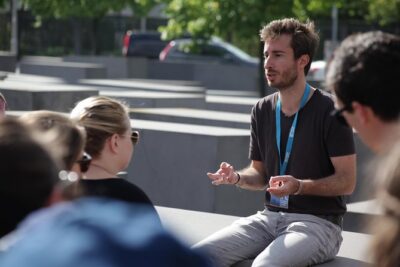
This is a small group experience, and that affects the quality. You are not just hearing the guide talk at you. You get chances for reflection and Q&A, which is a practical way to process difficult material.
In the feedback, multiple guides are mentioned by name, including Scott, Hannah, Matthew, Ben, Mark, and Jörg, and the consistent theme is that guides keep people engaged and answer questions. That matters because you might have a specific curiosity, like how one location fits into the timeline, and a good guide can steer you toward the right context without turning it into an off-topic debate.
One thing to consider: the tour is designed to be clear and structured with no lectures. If you are hoping for a super long personal discussion at each stop, you might find the pace brisk. Still, the Q&A format gives you outlets.
Price and timing that makes sense for Berlin
At $47 per person for about 150 minutes, the price is in the range you would expect for a specialist WWII guided walk in central Berlin. The value comes from what you actually get for that money: an expert guide with an academic background in WWII history, small group size, guided visits at key Nazi-era sites and memorials, plus Then & Now materials.
You are also paying for outdoor access and interpretation rather than paying for indoor museum time. If you are building a Berlin day where you want to see the city’s “where and why,” this tour fits well.
If you only have a short window for WWII context, this is a strong use of time because it compresses a long and complex arc into a walk you can remember.
Who should book this tour, and who might want to choose something else
I think this tour is best for you if:
- You want a structured narrative from Nazi rise to 1945 defeat, not just a list of buildings
- You appreciate guided context at memorials, including space for reflection
- You can handle a long outdoor walk and want your history lesson tied to real locations
You might want to skip it if you:
- Prefer indoor museum exhibitions over outdoor walking
- Want a lighter theme day, because the sites are emotionally intense and the story does not soften
- Have mobility limits that make 150 minutes outdoors difficult, even though the tour is described as wheelchair accessible
Should you book Berlin: Hitler’s Berlin The Rise and Fall?
Yes, if you want a Berlin walk that treats WWII history as more than a set of famous coordinates. This tour’s biggest strength is its clarity: it follows a timeline, connects ideology to institutions and terror, and ends where the final collapse was felt.
If your priority is understanding, not just sightseeing, this is one of the best places to spend a few hours in Berlin. Just go prepared for walking and weather, and give yourself permission to slow down at the memorials. That is where the tour’s meaning lands.
FAQ
How long is the walking tour?
The duration is listed as 150 minutes.
Where do I meet the guide?
Meet at the Tourist Office at Brandenburg Gate and look for the Blue Umbrella.
Is the tour indoors or outdoors?
It is an outdoor walking tour, and it does not include access to indoor museum exhibitions.
Is the tour wheelchair accessible?
Yes, the activity is listed as wheelchair accessible.
What language is the tour in?
The tour is offered in English.
What should I bring since it is outdoors?
Wear comfortable shoes, dress for the weather, and bring a water bottle. The tour notes you may want to bring your own umbrella or walking stick if needed.
Is there free cancellation and a reserve-and-pay-later option?
Cancellation is listed as free up to 24 hours in advance for a full refund. There is also a reserve now and pay later option.
Cities at Walking Speed
- Berlin: Discover Berlin Walking Tour
★ 4.9 · 5,998 reviews - Berlin: Hidden Backyards Guided Walking Tour
★ 4.8 · 5,360 reviews - Berlin: Alternative Berlin Walking Tour
★ 4.6 · 1,204 reviews - Berlin: City Street Art Guided Walking Tour
★ 4.8 · 1,051 reviews
Fresh on the arrivals board for Berlin


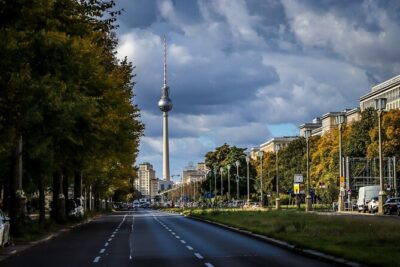


Guided Walks in Berlin, compared.
Berlin City walk Government District and Places of Democracy
Read our review →
Berlin’s Best: 2 Hour Walking Tour Third Reich and the Cold War
Read our review →
Third Reich Berlin: Hitler and WWII Walking Tour
Read our review →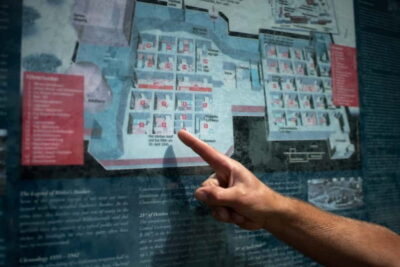
Browse the lists this tour appears in