
Reviewed · GUIDED WALKS IN BERLIN
Berlin: Hidden gems around the Gendarmenmarkt – Guided walking tour
Berlin-Mitte often looks perfect for photos. This walk gives you Gendarmenmarkt context and architecture you can actually feel. In just 2 hours, you move from showpiece facades to the people and turning points that shaped the square and the streets around it.
I like two things most. First, you get a focused look at the three anchor buildings, the German Cathedral, the French Cathedral, and the Konzerthaus, and how their design signals power and culture. Second, the tour stops at a key 1989 moment, tied to the proclaimed freedom of travel, then follows how Berlin reorganized itself afterward. One possible drawback to plan for: the live guide tour is in German only, so if you do not read or speak German well, this may not be the best fit.
In This Review
- Hidden Gems in Plain Sight: What This Gendarmenmarkt Tour Really Does
- Why Gendarmenmarkt Feels Like a Time Machine in Berlin-Mitte
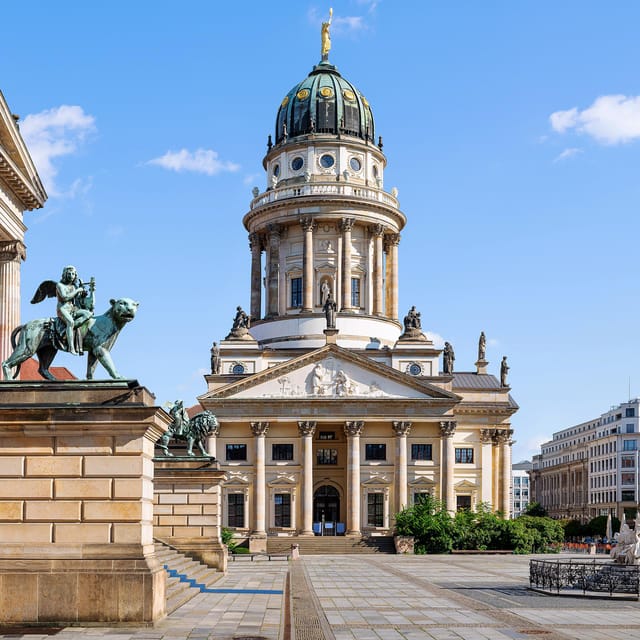
- The 3 Buildings That Anchor the Square: German Cathedral, French Cathedral, Konzerthaus
- The People Behind the Place: Hoffmann, Baker, Dietrich, Waldoff, and Mendelssohn
- The 1989 Freedom to Travel Moment, and Why It Changes How You See the Streets
- Hausvogteiplatz Fashion Past: How Berlin Became a Fashion Metropolis
- Jägerstraße: Between Money, Culture, and Enlightenment
- Construction Since 2023, and How Ongoing Change Fits the Story
- Price and Value for a 2-Hour Small Group
- What the Group Size and German-Language Guide Mean for You
- Where You Start, Where You End, and How to Use This Tour as a Plan
- Should You Book This Berlin Gendarmenmarkt Walking Tour?
- FAQ
- How much does the Gendarmenmarkt walking tour cost?
- How long is the tour?
- Where does the tour start?
- Where does the tour end?
- Is it a small group?
- What language is the tour guide speaking?
- Is the tour wheelchair accessible?
- Is it suitable for visually or hearing-impaired travelers?
- Can I pay later and cancel if my plans change?
Hidden Gems in Plain Sight: What This Gendarmenmarkt Tour Really Does
- Three landmark buildings, one story thread: you start with the German Cathedral, French Cathedral, and Konzerthaus, then connect what you see to why it mattered.
- Famous names with local ties: E.T.A. Hoffmann, Josephine Baker, Marlene Dietrich, Claire Waldoff, and the Mendelssohn family are woven into the square’s changing role.
- A clear history pivot in 1989: you visit the place connected to the freedom to travel proclamation, so the past feels like a before-and-after switch.
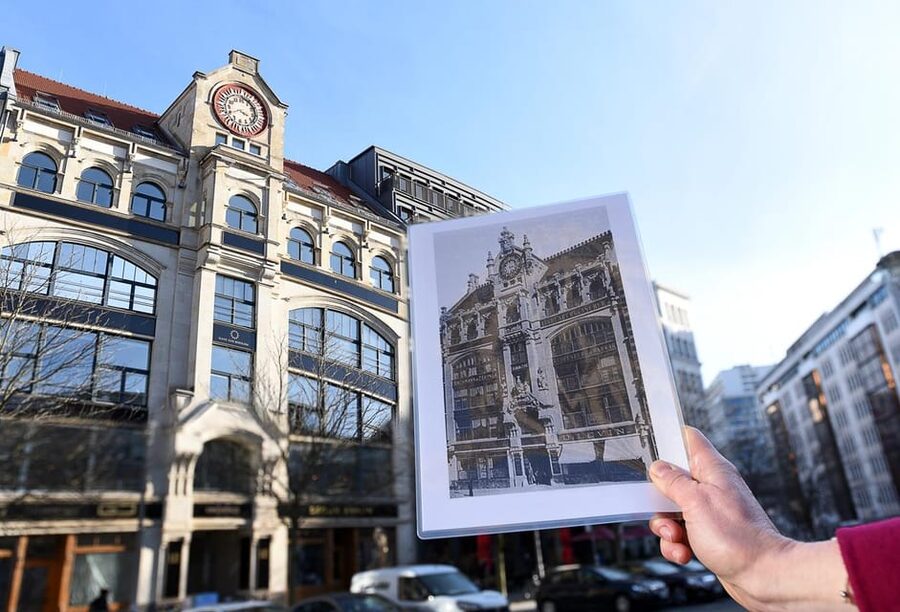
- Fashion history near Hausvogteiplatz: you learn how this area once worked as a fashion center and how creative influence helped shape Berlin into a fashion metropolis.
- Jägerstraße as both money and ideas: you focus on Berlin’s financial world and the intellectual meetings connected to names like Alexander von Humboldt and Rahel Varnhagen van Ense.
- A small group pace: with a max group size of 15, the tour stays walkable and easier to follow than big-city cattle drives.
Why Gendarmenmarkt Feels Like a Time Machine in Berlin-Mitte
Gendarmenmarkt is one of those places that looks designed for postcards. That is true, but the square is also a lesson in how Berlin rebuilt itself again and again. The tour is built around that idea: you do not just stare at facades. You learn what pushed change, who used the space, and how the surrounding streets became part of the same story.
You also benefit from the area choice. Berlin-Mitte is dense with history, but it can be overwhelming if you do it alone. Here, the walking route is short enough to stay clear, yet it covers different “eras” through architecture, culture, and street-level history. If you like your sightseeing to connect dots, you will enjoy this format.
And yes, you will spend time on the square itself, which makes the whole experience land fast. You arrive at an iconic point, then you watch the meaning of that point shift as the stories progress. That is the trick of this tour.
More Guided Walks in Berlin
- Discover Berlin Half-Day Walking Tour
★ 5.0 · 9,624 reviews - Berlin City walk Government District and Places of Democracy
★ 4.7 · 8,467 reviews - Berlin: Third Reich & Cold War Guided Walking Tour
★ 4.9 · 8,378 reviews
The 3 Buildings That Anchor the Square: German Cathedral, French Cathedral, Konzerthaus
The walk starts right where you can orient yourself immediately: Gendarmenmarkt, opposite the building listed at Französische Straße 44. That location makes sense because you are not wandering first. You are looking at the square’s core, then learning how its design works.
The tour’s first “wow” moment is the trio of buildings. You will focus on the German Cathedral and French Cathedral, plus the Konzerthaus. What you take away is not just that they are pretty. You learn the architectural features and the significance for Berlin’s public life. These buildings were never just decoration. They were signals, and they helped shape how the square functioned as a stage.
Here is why that matters to you as a traveler: when you understand the purpose behind the design, the square becomes easier to read in your own head. You stop thinking in captions like “cathedral” and start thinking in roles like “cultural landmark” and “public monument.”
Practical tip: keep an eye on perspective while you walk. With buildings this symmetrical, small shifts in where you stand can change what you notice first. If you like architecture, this is a good tour to take with a curious brain and a slow walk.
The People Behind the Place: Hoffmann, Baker, Dietrich, Waldoff, and Mendelssohn
Gendarmenmarkt has a talent for pulling famous names into one physical frame. The tour makes that payoff feel earned, not random. You do not just get a list of names. You get connections, so the square turns into a meeting point for culture, performance, writing, and music.
You will meet the stories tied to E.T.A. Hoffmann, a writer and composer. You will also hear how dance icon Josephine Baker fits into the cultural life around the area. And the tour brings in acting legend Marlene Dietrich and cabaret star Claire Waldoff, both of whom represent Berlin’s performance culture and nightlife energy. Then there is the Mendelssohn family, an influence that keeps showing up when you shift from art to institutions.
If you care about Berlin beyond museums, this is one of the strongest ways to experience it. Berlin is famous for big political history, but it is also a city of artists, composers, and public personalities. This tour uses the square like a thread to stitch together that side of the city.
Also, small-group format helps here. With a max size of 15, you are more likely to hear details clearly and keep up with the story transitions. That matters when you are juggling five or six centuries of references in two hours.
The 1989 Freedom to Travel Moment, and Why It Changes How You See the Streets
One stop is built around a key historical turning point. You visit the place where the freedom of travel was proclaimed in 1989. This is not presented as a vague date. The goal is to help you experience the atmosphere of that moment, and then understand why that declaration mattered for Germany.
Why this stop is powerful in a walking tour format: once you have a physical point in front of you, the story becomes less abstract. You can look at the surrounding streets and think about what might have felt urgent in real time. Then, after you move away from that point, you can compare what you learned to what you see now.
You are also given a broader “change story” around Berlin’s development. The square is described as a site shaped by eventful times, and the route helps you connect that history to later cultural and economic shifts. That connection is the reason the tour does not just stay in the past. It helps you see how Berlin’s identity kept evolving.
If you want to understand Berlin as a city of turning points, this is a good moment to anchor your visit.
Hausvogteiplatz Fashion Past: How Berlin Became a Fashion Metropolis
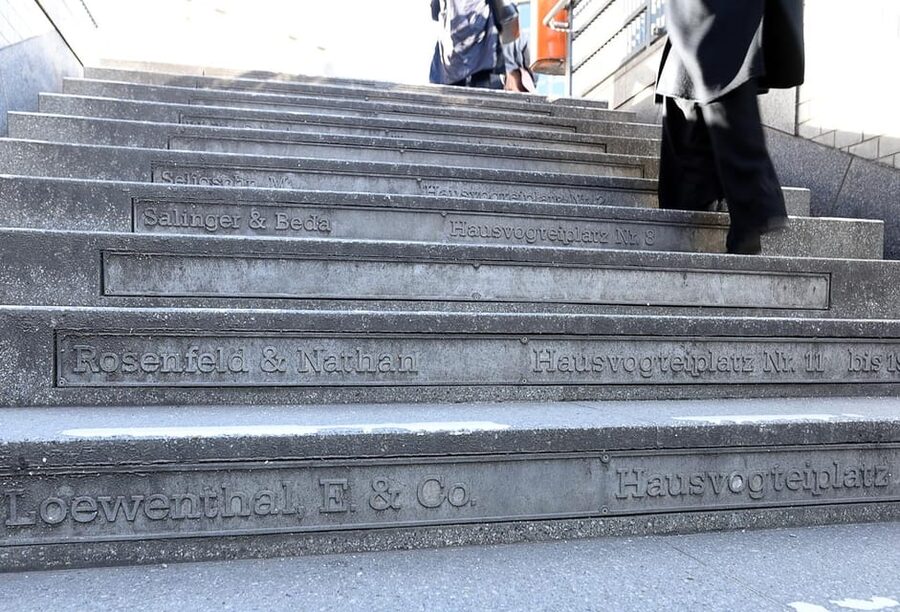
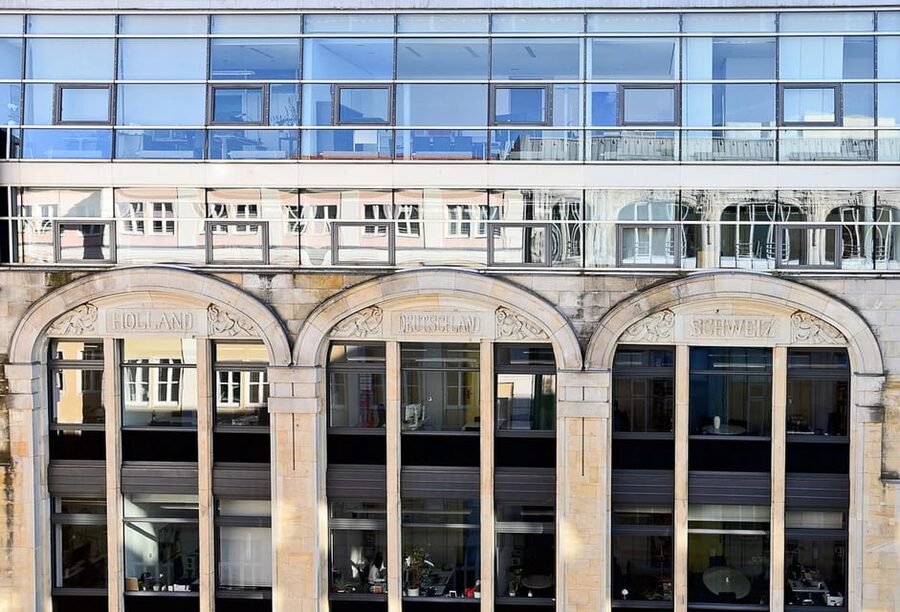
A short hop brings you into Hausvogteiplatz, described as a place with a forgotten world of fashion. The tour explains that this area was once close to the center of Berlin’s fashion industry, and it links that past to how Berlin grew into a fashion metropolis.
This is a smart inclusion for two reasons. First, it breaks the pattern of only hearing about politics and monuments in Berlin-Mitte. Second, it gives you a different lens for walking the streets. Even when a square looks static, the city’s economic and creative engines are what keep changing its meaning.
As you move through the area, you are also shown how Berlin’s creative minds influenced the fashion world. You do not need to be a fashion expert to enjoy this. If you care about how cities create trends, and how culture spreads through real neighborhoods, you will get something out of this segment.
Quick self-check before you go: if you like themes like design, style, performance, and how these shape daily life, this stop is a highlight. If your idea of history is only wars and governments, you might still appreciate it, but it could feel lighter.
More German cities at walking speed:


Jägerstraße: Between Money, Culture, and Enlightenment
The tour continues to Jägerstraße, explained as a street that once held Berlin’s financial world. You will learn about connections to the influential Mendelssohn Bank, but it is not only money talk. The tour also frames the street as a place of intellectual inspiration.
This is where the tour’s “people meet place” approach really shines. You get names such as Alexander von Humboldt, Rahel Varnhagen van Ense, and Moses Mendelssohn, tied to meetings that shaped the cultural life of the city. That combination, finance and ideas in the same geographic story, is a very Berlin way to understand how influence worked.
Here is the practical value for you: when you hear about a bank and then an intellectual circle, you start seeing neighborhoods as networks, not just blocks of buildings. It helps you interpret what you see after the tour ends. You will likely look at other Berlin streets and ask the right questions, like who met where and what kind of ideas traveled through those rooms.
Also, the fact that these stories live on walkable streets is a benefit. You are not hopping between far-flung districts. The tour keeps the focus tight enough that the narrative stays coherent.
Construction Since 2023, and How Ongoing Change Fits the Story
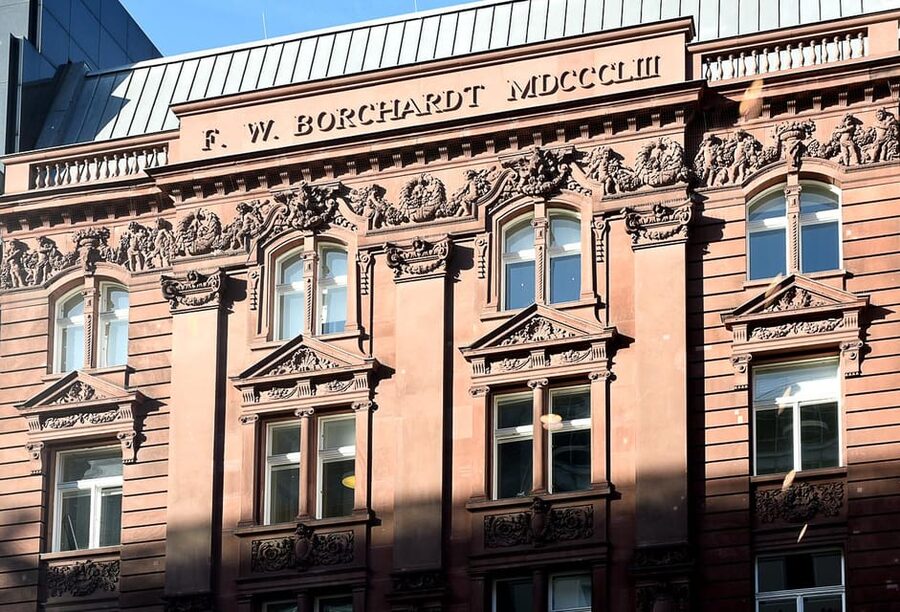
One interesting detail you will hear is that the square has been a major construction site since 2023. That matters because it reinforces a theme: Gendarmenmarkt is not frozen in time. It is a living city center, and it is still being cared for and reshaped.
This can be either a minor annoyance or a meaningful part of the experience, depending on your attitude. If you hate scaffolding in your photos, you might feel distracted. If you like the idea of Berlin as a constantly rebuilding city, this becomes an extra layer. The tour’s stories already focus on change over time, so the modern reality fits the message instead of contradicting it.
Either way, it is good to keep flexible expectations. You are going for context and story, not a perfectly static sightseeing postcard.
Price and Value for a 2-Hour Small Group
At $20 per person for about 2 hours, the value depends on what you want from Berlin. If you are the kind of traveler who reads plaques but still wants the connections explained, this is a solid deal. The tour includes a live guide and a small-group size up to 15, which is a big quality factor for walking tours.
The cost also lines up with the payoff you get. You cover several areas around Gendarmenmarkt, you learn architecture, you hear cultural personality stories, and you hit a key 1989 historical moment. That is a lot of narrative density for two hours.
Now the tradeoff: it is only two hours. You cannot expect a full deep dive on each building or person. The tour is designed to give you a guided through-line, so you leave with clarity and enough names and places to keep exploring on your own.
If you are trying to plan a “first taste” of Berlin-Mitte, this price and timing make sense. If you already know Berlin history well and want a very scholarly experience, you might prefer something longer.
What the Group Size and German-Language Guide Mean for You
This is a guided walk in German with a live guide, and it is not listed as suitable for visually impaired or hearing-impaired people. On top of that, German-only narration is the biggest practical consideration for most people, because it affects how much you can take in.
If you do speak German, great. You will be able to follow the thread from architecture to personalities to 1989 and then on to fashion and intellectual meetings without losing the plot. If you do not, you may still enjoy the architecture and the locations, but you might miss some of the details that give the tour its punch.
The good news is that the route includes major landmarks and clear points of reference, so even if you miss a sentence or two, you still understand where you are and what the story is trying to show.
Tip for your enjoyment: keep your questions ready in advance. If you can ask even one or two simple questions in German or through body language, you can often turn the tour from a lecture into a conversation.
Where You Start, Where You End, and How to Use This Tour as a Plan
The meeting point is at Gendarmenmarkt, opposite the house listed as Französische Straße 44. The tour ends back at the same meeting point.
That matters more than it sounds. Returning to the start means you can use the walk as the anchor for the rest of your day in Mitte. You can keep wandering nearby streets with better context, rather than feeling like you have to retrace your steps across a whole new grid of Berlin.
It also helps if you are pairing plans. You can schedule museum time afterward, grab food nearby, or keep walking toward another landmark you want to see. The tour’s structure keeps you in one geographic pocket.
If you want to get the most out of it, do not overpack your schedule. Two hours sounds short, but you are absorbing architecture, historical turning points, and a chain of cultural names. Give yourself time to process.
Should You Book This Berlin Gendarmenmarkt Walking Tour?
Book it if you want a guided walk that treats Gendarmenmarkt as a story hub, not just a pretty square. The mix of architecture, culture, a specific 1989 historical moment, and fashion and intellectual street history makes this a strong value option for your first or second Berlin visit.
Skip it or think twice if German-only narration would frustrate you. Also consider skipping if you only want heavy political history, since the tour also spends real time on artists, performers, fashion, and intellectuals.
If your goal is to walk out knowing what to look for on the next block, then this tour is a good match, and a pleasant way to see Berlin-Mitte with smarter eyes.
FAQ
How much does the Gendarmenmarkt walking tour cost?
It costs $20 per person.
How long is the tour?
The tour lasts 2 hours.
Where does the tour start?
It starts at Gendarmenmarkt, opposite the house at Französische Straße 44.
Where does the tour end?
The tour ends back at the meeting point.
Is it a small group?
Yes. The guided walking tour is in a small group with a maximum of 15 people.
What language is the tour guide speaking?
The live tour guide speaks German.
Is the tour wheelchair accessible?
Yes, the tour is wheelchair accessible.
Is it suitable for visually or hearing-impaired travelers?
It is not suitable for visually impaired people and it is not suitable for hearing-impaired people.
Can I pay later and cancel if my plans change?
You can reserve now and pay later, and you can cancel up to 24 hours in advance for a full refund.
Fresh on the arrivals board for Berlin
Guided Walks in Berlin, compared.

Berlin City walk Government District and Places of Democracy
Read our review →
Berlin’s Best: 2 Hour Walking Tour Third Reich and the Cold War
Read our review →
Third Reich Berlin: Hitler and WWII Walking Tour
Read our review →
Browse the lists this tour appears in