
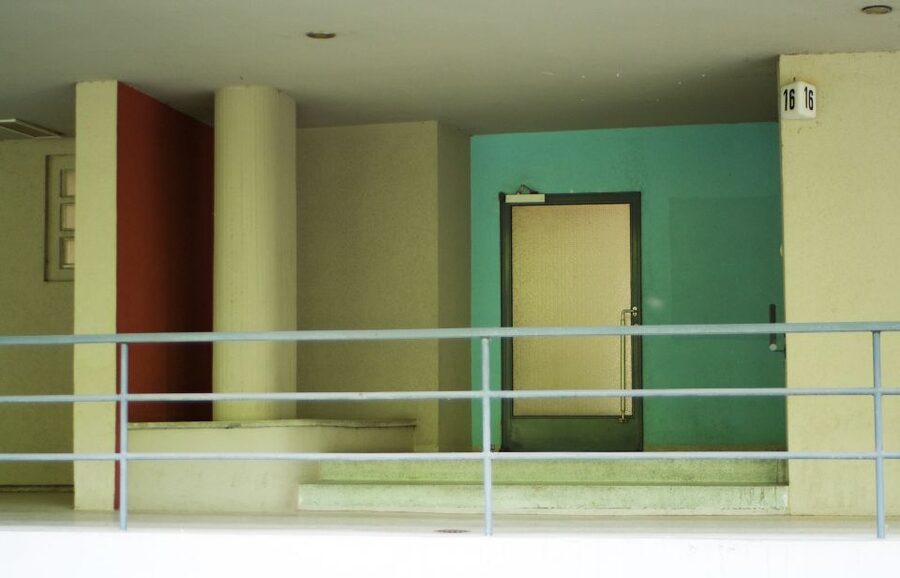
Reviewed · GUIDED WALKS IN BERLIN
Berlin: Guided Architectural Walking Tour of Hansaviertel
Berlin turns into a design history lesson. This guided architectural walk in Hansaviertel shows how Berlin rebuilt after the Second World War and why the neighborhood still feels special today.
I especially like the combo of city atmosphere and architecture talk. You’re out by the Tiergarten border, so you actually hear what Berlin sounds like while your guide puts buildings into context. I also appreciate the “extra” stops, like the Hansa Bücherei window details and the chance to enter the Kaiser Friedrich Gedächtniskirche.
The only real catch is simple: it’s a walking tour. Wear comfortable shoes and expect to keep moving for two and a half hours.
In This Review
- Key Things You’ll Notice on This Hansaviertel Walk
- Meeting at Grips-Theater, Then Getting Oriented Fast
- Tiergarten Border Sounds: Architecture, But With Real Atmosphere
- Hansaviertel After the Bombings: How Loss Shaped What Came Next
- Seeing Germany’s Famous Architects in One Neighborhood
- Hansa Bücherei Window Details and Kaiser Friedrich Gedächtniskirche Access
- How the 2.5 Hours Fit Into a Berlin Day
- Price and Value: Getting Expert Guidance for $24
- What to Bring, and What to Skip
- Who Should Book This Hansaviertel Tour
- Should You Book This Tour?
- FAQ
- How long is the Berlin Hansaviertel architectural walking tour?
- How much does the tour cost?
- Where do I meet the guide?
- Is the tour guided?
- What language is the tour in?
- Does the tour include any extra interior or special access?
- What should I bring?
- Is it suitable for wheelchair users?
- Is there free cancellation?
Key Things You’ll Notice on This Hansaviertel Walk
- Tiergarten border listening moments where Berlin noise becomes part of the story
- WWII destruction and rebuilding explained in a way that connects to what you see now
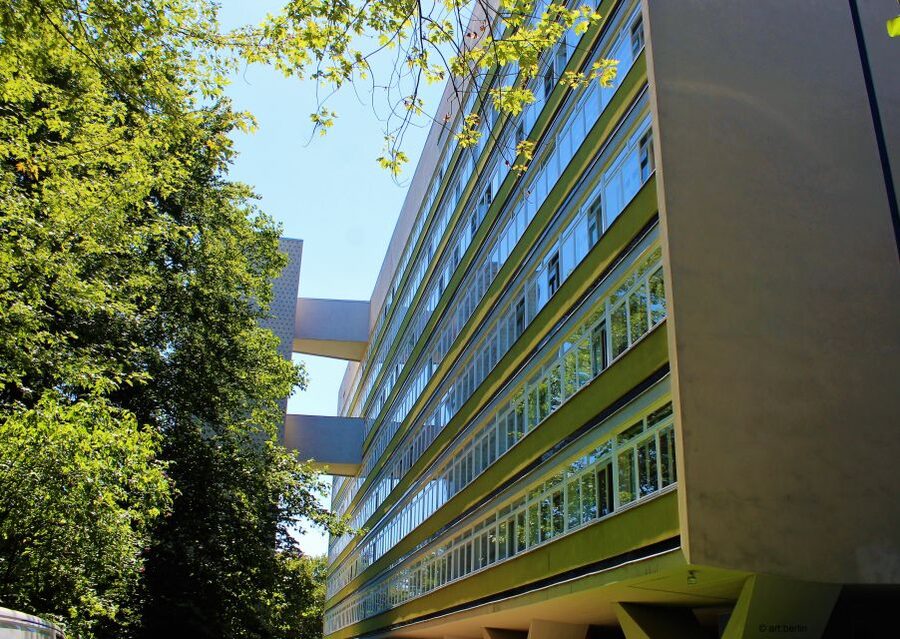
- Major architect names in real space including Le Corbusier, Oskar Niemeyer, Alvar Aalto, and Walter Gropius
- Hansa Bücherei window details that add texture beyond plain facades
- Interior access to Kaiser Friedrich Gedächtniskirche as a high value add
- A guide who keeps it moving and adds humor, pace, and practical explanations
Meeting at Grips-Theater, Then Getting Oriented Fast
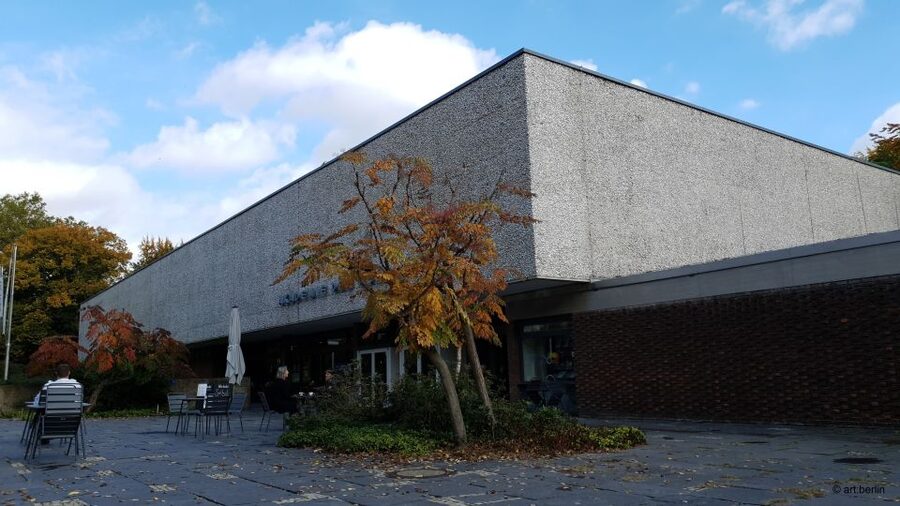
The tour starts outside the main entrance of Grips-Theater. That matters more than you might think. A good beginning helps you orient quickly in Berlin, because Hansaviertel is easy to walk through without realizing what you are looking at unless someone gives you the right frame.
From that starting point, you’re headed into a Western Berlin neighborhood that tells a very specific story. The big theme is rebuilding after the devastation of WWII bombings. This is not just “pretty buildings” sightseeing. It’s architecture as a way to understand decisions, recovery, and identity.
Also, plan your expectations for the guide. The tour is led by a live guide in German, and the tone from past guests points to a presenter who is punctual and good-humored. That’s a real plus on a 2.5 hour walk, because you want someone who can keep the group engaged without sounding like a textbook.
More Guided Walks in Berlin
- Discover Berlin Half-Day Walking Tour
★ 5.0 · 9,624 reviews - Berlin City walk Government District and Places of Democracy
★ 4.7 · 8,467 reviews - Berlin: Third Reich & Cold War Guided Walking Tour
★ 4.9 · 8,378 reviews
Tiergarten Border Sounds: Architecture, But With Real Atmosphere
One of the standout promises here is that you get to listen to Berlin city life while you are near the border of Tiergarten. This is a small detail that makes a big difference.
When people visit architectural sites, they often forget the simplest reality: buildings exist in a living city. By having you pause and listen near the Tiergarten edge, the tour helps you connect design choices to everyday experience. You start noticing scale, sightlines, and how public space feels when people are moving around.
And it does something else. Berlin noise becomes a contrast to the serious postwar themes your guide will cover. That push and pull makes the neighborhood easier to “read.” You walk through it like a map, not like a museum corridor.
If you’re the kind of traveler who likes to understand not only what something is, but how it functions in the moment, this “sound first” approach is a strong reason to book.
Hansaviertel After the Bombings: How Loss Shaped What Came Next
The tour’s historical spine is clear. Hansaviertel was nearly completely destroyed by bombings during the Second World War. Your guide connects that devastation to what you see today.
This is one of those areas where the architecture is inseparable from the trauma. That makes the walking tour worth your time because you’re not just seeing buildings, you’re learning the why behind their presence. Reconstruction is not a blank page. It’s a series of choices made under pressure, with different visions for what the future should look like.
What I like about how this is presented is that it feels grounded. You’re outdoors, looking at the street and the buildings in context, while the guide explains how the neighborhood got rebuilt. That physical perspective helps history “stick.” You can point at the space and understand the changes rather than just memorizing dates.
Practical tip: bring your camera, but also bring patience for the explanations. When you pause at each architectural moment, you’ll get more from it if you treat the tour like guided looking, not fast photo stops.
Seeing Germany’s Famous Architects in One Neighborhood
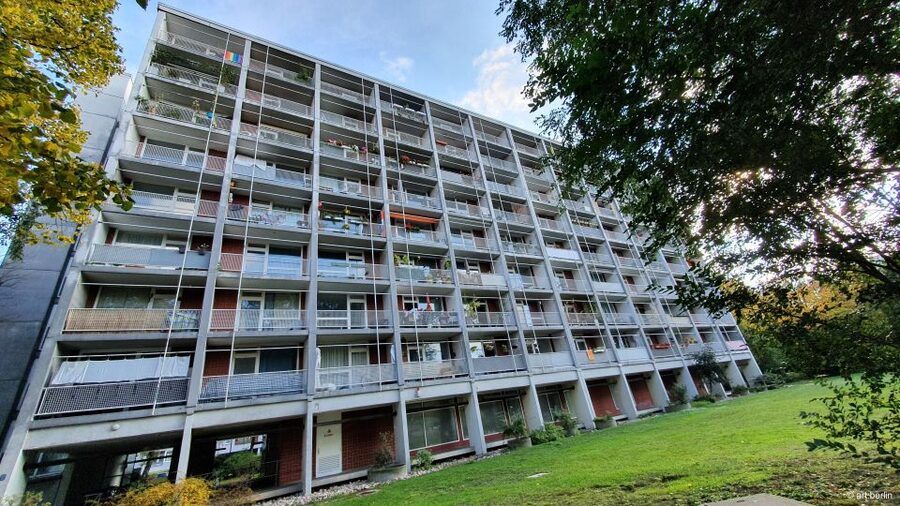
The Hansaviertel section of the tour is built around a lineup of heavyweight names. You’ll see work associated with Le Corbusier, Oskar Niemeyer, Alvar Aalto, and Walter Gropius.
This is valuable for two reasons.
First, it lets you compare styles in the real world. Same city, same neighborhood concept, different architectural thinking. On foot, you can sense how each approach handles light, form, and the relationship between buildings and the street.
Second, it gives you a guided way to interpret details. Even if you recognize the names, you might not know what to look for. A good guide helps you spot what differentiates one architect’s approach from another, without turning it into a lecture you forget five minutes later.
Based on the kind of feedback people have shared, the guide also adds humor and extra context rather than relying on pure technical talk. That matters because architecture can feel intimidating. When the explanation is clear and conversational, you end up enjoying it more.
If you are an architecture fan, you will get a lot out of the concentration of famous names. If you are not, you can still enjoy it, because the tour’s historical thread gives you something sensible to connect everything to.
Hansa Bücherei Window Details and Kaiser Friedrich Gedächtniskirche Access
This tour includes interior or special-access style extras, and they are among the most praised parts.
You get to see Fenster details in the Hansa Bücherei, described as an extra that goes beyond looking at exterior facades. Window elements are a smart focus point for an architecture walk. They show how designers think about light, privacy, and the boundary between public space and the functions inside.
You also get access to the Kaiser Friedrich Gedächtniskirche. For many visitors, entry is the difference between a quick glance and a real understanding. A church interior can change how you perceive the area because the building’s purpose becomes immediate. It’s not just architecture as form, it’s architecture as meaning.
And there’s a bonus layer. One of the added strengths is that the tour doesn’t only talk about the past. You can also hear extra information about residents in today’s Hansaviertel. That keeps the neighborhood from feeling like a set with disconnected props. You learn how people live with the design legacy now, not only how it was conceived decades ago.
More German cities at walking speed:




How the 2.5 Hours Fit Into a Berlin Day
The tour lasts 2.5 hours, which is a good length for a focused walking experience. It’s long enough to cover the main historical and architectural points, but short enough that you can still plan your evening without rushing.
The important thing is that the experience involves a lot of walking. So I’d plan it for a day when you are not already scheduled for a full marathon of sightseeing. If you have the choice, pair it with an unhurried plan after, maybe a café break near where you’re staying.
Also note the tour is in German. If you understand German only a little, you might still enjoy the visuals, but you will get more if you’re comfortable following the guide’s explanations.
Group rhythm is another real-world factor. On a 2.5 hour walk, you want the guide to keep the pace steady and the group moving. The feedback attached to this tour points to guides who start on time and keep things lively. That is exactly what you want if you’re balancing this with other Berlin plans.
Price and Value: Getting Expert Guidance for $24
At $24 per person for a 2.5 hour guided walking tour, this is priced like something meant to be accessible, not a luxury add-on. What makes it good value is that you are paying for more than directions. You’re paying for interpretation.
Here’s what you actually get for the money:
- A live guided experience tied to WWII rebuilding context
- Architectural focus featuring major German and international names
- Special extras, including Hansa Bücherei window details and access to Kaiser Friedrich Gedächtniskirche
- A tour length that’s substantial without being an all-day commitment
If you compare that to the cost of doing Berlin architecture on your own, the difference is the “what am I looking at” part. The guide helps you translate buildings into story. That translation is often what you wish you had on your first architecture walk in a new city.
One more value point: the tour has a very high rating, 4.9 out of 5 based on a small set of reviews. High averages like that often reflect a consistent experience quality, especially when many people comment on the guide’s skill and the added interior access.
What to Bring, and What to Skip
This is a walking tour, so pack like you’re going out for a steady stroll, not a quick sightseeing sprint.
Bring:
- Comfortable shoes
- Camera
- Water
- Weather-appropriate clothing
And don’t overpack. You don’t want a heavy bag turning the walk into a chore. If it’s cold, consider layering so you can adjust while you’re outside. If it’s warm, keep water handy and be smart about sun and shade while you’re waiting for the group to regroup.
Who Should Book This Hansaviertel Tour
This tour is a great fit if you want:
- Architecture explanations that connect to a real, specific historical moment
- A neighborhood walk where the buildings matter and the streets matter too
- A mix of outdoor viewing plus meaningful interior access
It’s also ideal if you already like Berlin and want a less obvious angle than the typical big monuments. Hansaviertel gives you a more reflective kind of sightseeing, with plenty of visual variety and a strong through-line.
If you struggle with walking distances, it may not be your best match. It is not suitable for wheelchair users, and the tour involves a lot of walking in general. If mobility is a concern, you’ll likely enjoy a different kind of Berlin tour that’s easier to manage physically.
Should You Book This Tour?
I’d book it if you like architecture, want to understand postwar Berlin beyond headlines, and you appreciate guided interpretation more than solo wandering.
I’d skip it if you want minimal walking, you cannot manage tours in German, or you’re hoping for a quick “see the highlights” version with no deeper context. This is built for people who enjoy stopping, looking closely, and learning what the buildings are saying.
If your day in Berlin is flexible and you want one well-organized walking experience that combines historical context with serious design, Hansaviertel guided architecture is an excellent choice.
FAQ
How long is the Berlin Hansaviertel architectural walking tour?
The tour lasts 2.5 hours.
How much does the tour cost?
It costs $24 per person.
Where do I meet the guide?
Meet your guide outside the main entrance of the Grips-Theater.
Is the tour guided?
Yes, it includes a live tour guide.
What language is the tour in?
The tour guide speaks German.
Does the tour include any extra interior or special access?
Yes. The experience includes Fenster in the Hansa Bücherei and access to the Kaiser Friedrich Gedächtniskirche.
What should I bring?
Bring comfortable shoes, a camera, water, and weather-appropriate clothing.
Is it suitable for wheelchair users?
No, it is not suitable for wheelchair users.
Is there free cancellation?
Yes. You can cancel up to 24 hours in advance for a full refund.
Fresh on the arrivals board for Berlin

Guided Walks in Berlin, compared.
Berlin City walk Government District and Places of Democracy
Read our review →
Berlin’s Best: 2 Hour Walking Tour Third Reich and the Cold War
Read our review →
Third Reich Berlin: Hitler and WWII Walking Tour
Read our review →
Browse the lists this tour appears in