
Reviewed · GUIDED WALKS IN BERLIN
Berlin: David Bowie & 1970s Berlin Guided Walking Tour
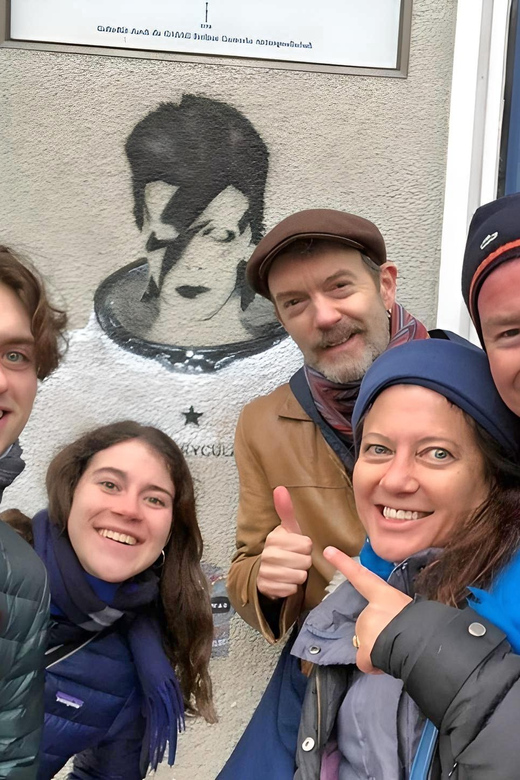
Bowie turned West Berlin into sound. This guided walk through the city of the Berlin Trilogy makes the places behind Low, Heroes, and Lodger feel real. I like that it ties music to location, not just facts, and you move through key Cold War spots where the mood shaped the art. It also gives you time at Hansa Studios, the recording site that sits at the center of Bowie’s most famous Berlin output.
Two things I’d bet you’ll love. First, the guides bring the era to life with strong storytelling and usually add music clips, photos, and video snippets so the sound and setting connect in your head. Second, the route goes beyond the obvious sights, mixing landmarks like Topography of Terror with Bowie-linked neighborhoods and hangouts.
One possible drawback: it is not just a simple all-walking stroll. You use public transport a few times, and since transport and food are not included, you’ll want a Berlin day metro pass and a plan for what to do right after the tour.
In This Review
- Quick highlights
- Bowie’s Berlin Trilogy comes into focus on foot
- Meeting point at Ständige Vertretung, then into the Bowie route
- Cold War landmarks: Brecht-Platz, Tränenpalast, and Anhalter Bahnhof
- Topography of Terror and the Wall: when the mood turns serious
- Hansa Studios: where the Berlin sound hit its peak
- KaDeWe and Potsdamer Platz: glamour, routines, and West Berlin life
- Bowie’s hangouts: clubs, cafes, and the Iggy Pop link
- Guides make or break this tour, and this one is built for it
- Price and logistics: $135 makes sense, with one catch
- Who should book this Bowie 1970s Berlin walking tour
- Should you book this David Bowie walking tour in Berlin?
- FAQ
- How long is the Berlin David Bowie guided walking tour?
- What is the meeting point address?
- Is the guide available in English?
- Is food included?
- Are public transport tickets included?
- Do I need a Berlin day metro pass?
- Is hotel pickup and drop-off included?
- Is there a small group or private option?
Quick highlights
- Zoo Station to Bowie’s orbit: the tour starts in West Berlin’s action and follows his trail into the city’s music scene
- Iggy Pop era connections: you visit the flat Bowie shared with Iggy Pop
- Hansa Studios stop: you see where Bowie’s Berlin recordings reached a creative high point
- Cold War context with real stopping points: Berlin Wall area views and Topography of Terror are built into the route
- Daily-life Berlin mixed with clubs: KaDeWe and the Neues Ufer Café show the city’s glamour and its comfort zones
Bowie’s Berlin Trilogy comes into focus on foot
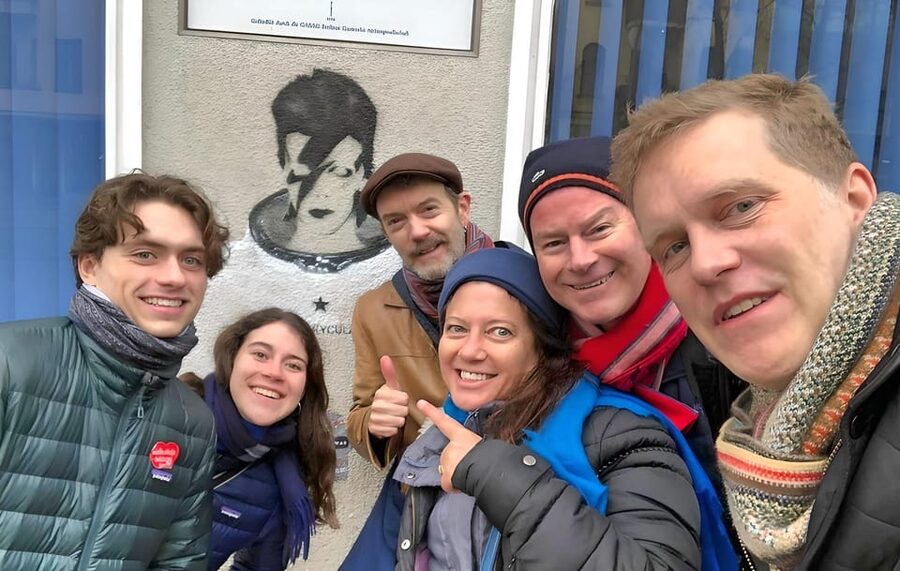
If you know the records, you already know the vibe: cool air, political tension, late-night energy, and a feeling that art is being squeezed out of the moment. What I like about this tour is that it treats 1970s West Berlin like a character. The walking route does not just name places, it connects them to why Bowie was drawn in, and how the city’s contradictions made their way into the music.
The tour is built around Bowie’s move to Berlin in 1976. From there, the story links his Low, Heroes, and Lodger era to the real-world texture of the city. You’re guided through club culture, recording studios, and major landmarks tied to the Cold War. That combination matters. Berlin’s division was not an abstract idea here. It shaped what people did, where they went, and how they talked, even when they were trying to have fun.
And if you are not a Bowie superfan, that is still fine. This type of tour works because it uses music as the entry point, then teaches you how West Berlin functioned day to day. In practice, that means you get both fandom value and real-city context.
More Guided Walks in Berlin
- Discover Berlin Half-Day Walking Tour
★ 5.0 · 9,624 reviews - Berlin City walk Government District and Places of Democracy
★ 4.7 · 8,467 reviews - Berlin: Third Reich & Cold War Guided Walking Tour
★ 4.9 · 8,378 reviews
Meeting point at Ständige Vertretung, then into the Bowie route
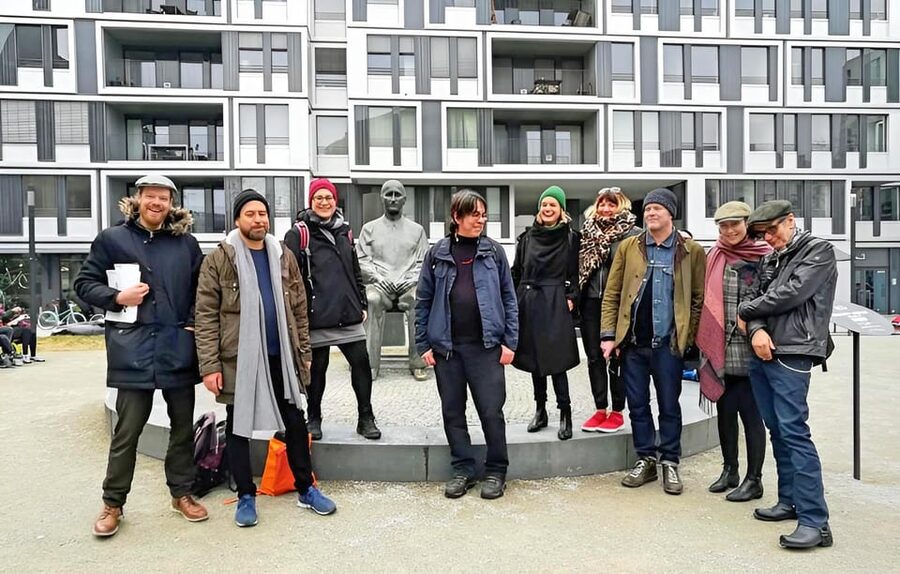
You meet at Ständige Vertretung, a memorabilia-filled café at Schiffbauerdamm 8, 10117 Berlin. It is a smart start point for a Bowie tour, because it sets the tone right away: you are not just wandering in a historical mood, you are in a place that expects you to care about pop culture and its leftovers.
From there, the tour follows the classic setup of Bowie’s Berlin. It begins near the decadent center of West Berlin around Zoo Station, and then the guide keeps shifting the perspective. Some stops feel like nightlife and art world gossip. Other stops feel heavy and political, like the city can change your mood without asking permission.
One practical note: the tour is 3 hours, and it includes a few chunks of public transport. That matters for timing. If you love walking tours, you will still get the walking, but you should not plan this like a pure foot-only marathon. Build in buffer time, and go in with the mindset that you’ll hop between neighborhoods.
Also, if you can, buy your metro/day ticket before you need it. The tour guidance specifically advises that it is a good idea to purchase a day metro pass if you do not already have Berlin transit sorted. If you cannot, the guide helps you get it at the first metro station on the tour.
Cold War landmarks: Brecht-Platz, Tränenpalast, and Anhalter Bahnhof
Early in the route, you pass through major West Berlin spaces that give the city its edge. The tour includes Bertolt-Brecht-Platz, Tränenpalast (the Palast of Tears), and Anhalter Bahnhof. Even if you only see them from the street, these places help explain something big about Bowie’s Berlin: the city was full of movement and interruption at the same time.
Here’s what those stops do for your understanding. Tränenpalast is tied to border-crossing history, a place where people moved under pressure and emotion. That kind of atmosphere is exactly what you hear in the darker edges of the Berlin recordings: the sense of distance, the feeling of wanting closeness while the world blocks it.
Then there is Anhalter Bahnhof, once a major station and now a reminder of a vanished flow. The tour uses it to show how infrastructure and politics shaped what the city felt like. You get a sense of why this Berlin was both connected to the world and closed off from it.
The value here is not that you memorize dates. It’s that you start to recognize the tone. The guide turns architecture and locations into story beats, so you can picture the city from the inside, not just from postcards.
Topography of Terror and the Wall: when the mood turns serious
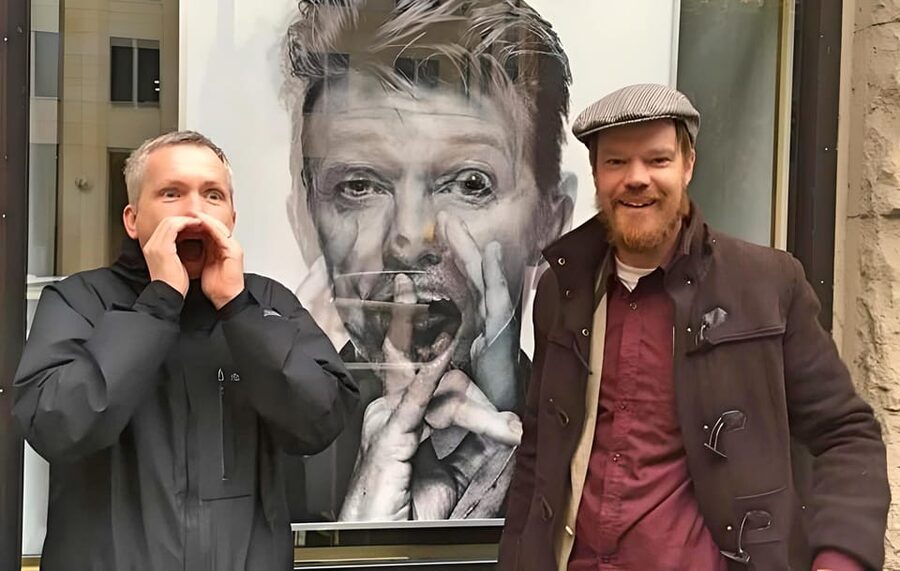
A Bowie tour still needs a reality check, and this one gives it. You visit Topography of Terror and also includes the Berlin Wall area in the route.
This is one of the most important parts of the experience, even for people who came for clubs and studios. The Cold War context is not a background detail here. It is the pressure cooker.
Topography of Terror brings the story of oppression and surveillance into focus. The Wall stop helps you feel the physical boundary, not just the concept. When you connect that to the music, something clicks. Bowie’s Berlin sound often feels controlled and tense, like it was built in a room that did not let you relax. You start to understand why that could be an artistic advantage, too. Constraint can sharpen a voice.
If you are short on time and debating whether to skip the heavier parts, don’t. This tour works because it balances the fun with the reality that made the fun complicated.
Hansa Studios: where the Berlin sound hit its peak
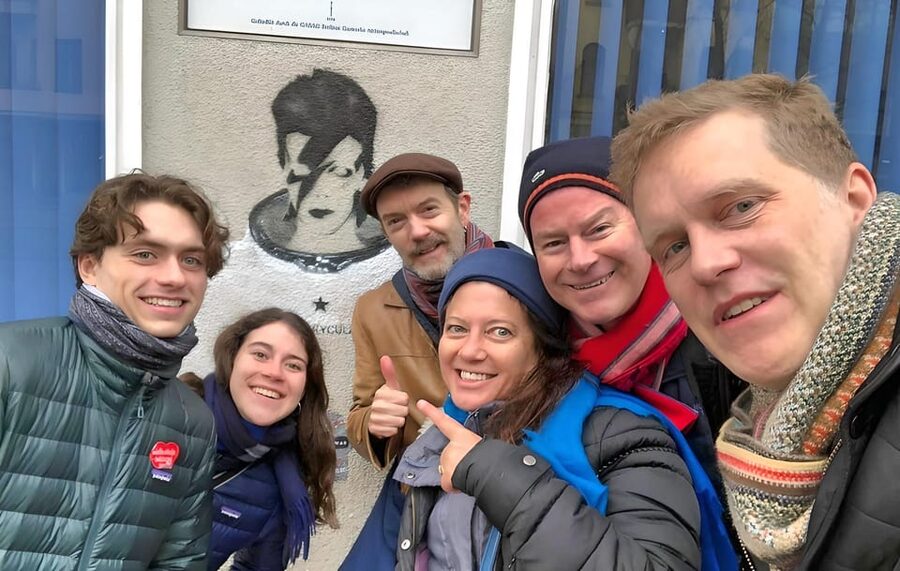
If the tour has a star stop, it is Hansa Studios. You get a guided visit there as part of the 3-hour arc, and it is positioned as the place where Bowie’s Berlin creativity reached a high point.
This is the kind of stop that changes how you listen. In your head, Hansa stops being just a name from liner notes. It becomes a location where something happened that you can actually point to on a map. Even without going deep into technical details, just seeing the studio context makes the music feel less like myth and more like craft.
The guide also frames Hansa in the broader Berlin Trilogy timeline. You’re shown how the city acted like a collaborator, and the studio acted like the workshop. That connection is the whole point of the tour design.
If you have ever wondered why Low sounds like it does, or why Heroes feels like a fight and a promise at the same time, this stop is where the tour turns into something more than a sightseeing list.
More German cities at walking speed:


KaDeWe and Potsdamer Platz: glamour, routines, and West Berlin life
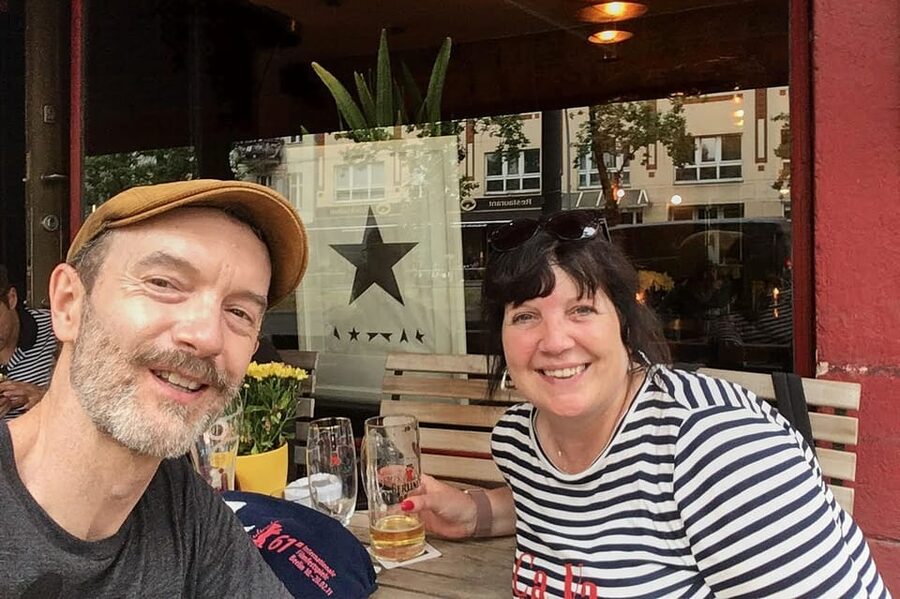
Not every stop in Bowie’s Berlin is about darkness and nightlife. The tour also includes KaDeWe and takes you through Potsdamer Platz area context.
KaDeWe is useful because it shows a different side of West Berlin. It reflects a kind of everyday glamour, consumption, and comfort that coexisted with Cold War stress. That contrast matters. Bowie’s Berlin albums are not only tense. They are also stylish, observational, and full of city-life texture.
Potsdamer Platz works as a transition space. It is where you can sense the scale and momentum of the city, even while the history behind the streets stays present. The tour uses stops like this to keep your understanding balanced: Berlin is not just divided, it is also busy with art people, commuters, and late-night detours.
In other words, you get the background for why Bowie could find a scene to plug into. He wasn’t creating in a vacuum. He was making music while surrounded by real routines and real temptations.
Bowie’s hangouts: clubs, cafes, and the Iggy Pop link
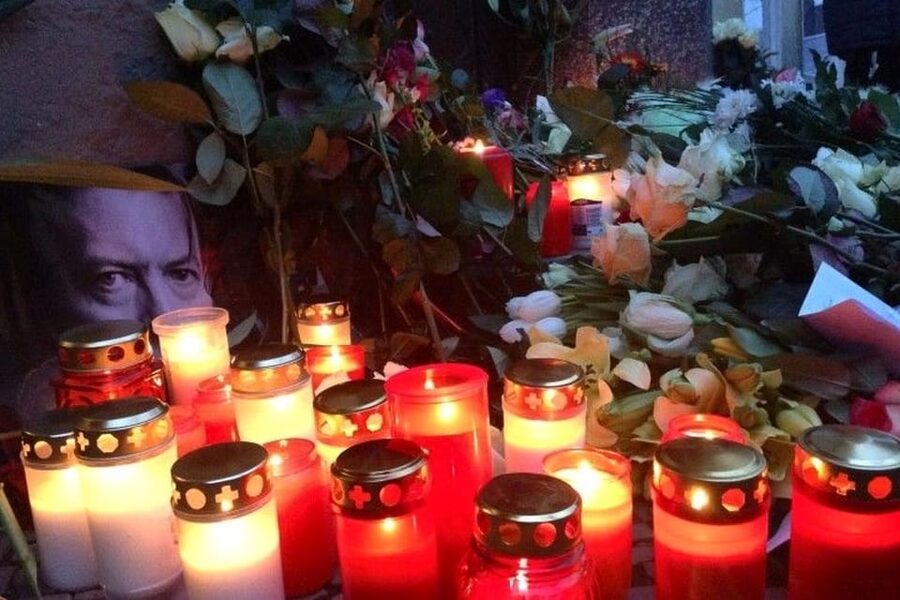
The most fun part is the part you came for: places tied to Bowie’s social life in Berlin. The tour includes Bowie’s shared flat with Iggy Pop, the former Dschungel Club, and Cafe Neues Ufer.
The flat stop is a big deal because it personalizes the story. You’re not only looking at public landmarks. You’re getting a connection to the private life that fed the music. And that connection matters because Berlin in the 1970s was a magnet for artists who wanted reinvention, not just exposure.
The former Dschungel Club stop brings nightlife culture into the route. It helps explain why Berlin felt decadent in the way Bowie needed it to feel: somewhere you could be bold, strange, and still belong to a crowd.
Then there’s Neues Ufer Café, which acts like the tour’s emotional reset. A café stop is where stories slow down. It helps you understand Berlin’s creative culture as something that happened in between moments, not only on stage. You can almost see how conversations and small observations would turn into lyrics and atmosphere later.
This is also where guides can add real value. Multiple guides on this tour style their storytelling with photos, video clips, and music excerpts tied to the places. That tends to work especially well at nightlife and hangout sites, because it matches the energy.
Guides make or break this tour, and this one is built for it
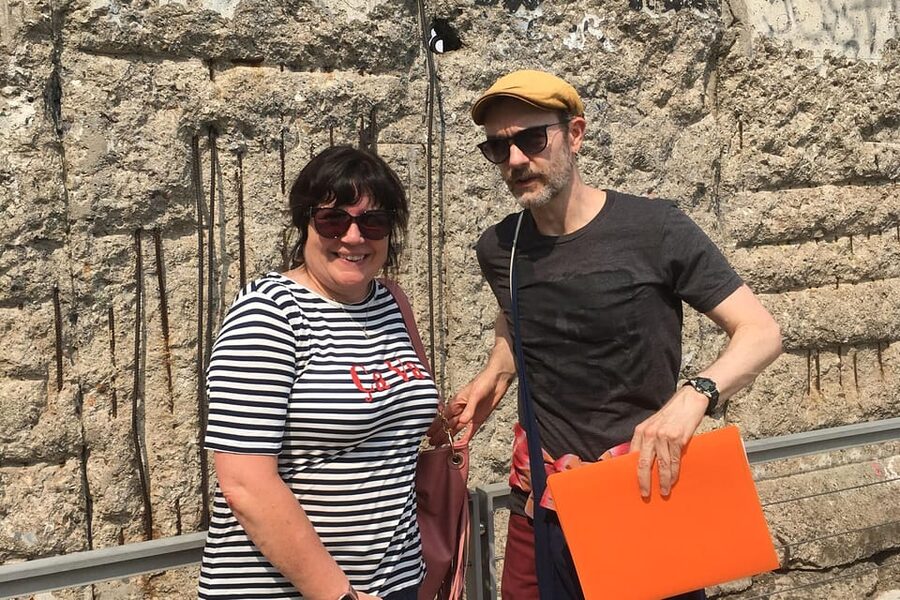
This tour is led by an English live guide who is described as an historian-type specialist. One of the strongest patterns from the experience is how different guides make the same route feel like a story with character.
I would pay attention to that factor when choosing a specific guide. Names that show up in past departures include Dan, Klaus, Lee, Ronen, Rachel, Martin, and Nadav, and the consistent theme is passion. People often highlight guides who connect lesser-known stories to the major sites and keep the pace entertaining over a full 3 hours.
Some guides also use multimedia elements, like video and photo support, and they may include music played during the walk. One theme that pops up is the way guides link the actual sound of Bowie’s tracks to specific streets and stops. That is not just for Bowie fans. It helps anyone understand why these places mattered beyond nostalgia.
One more practical detail: guides often encourage interaction. That can mean quick questions, some back-and-forth, and a feeling that you are part of the story rather than watching it from the curb.
Price and logistics: $135 makes sense, with one catch
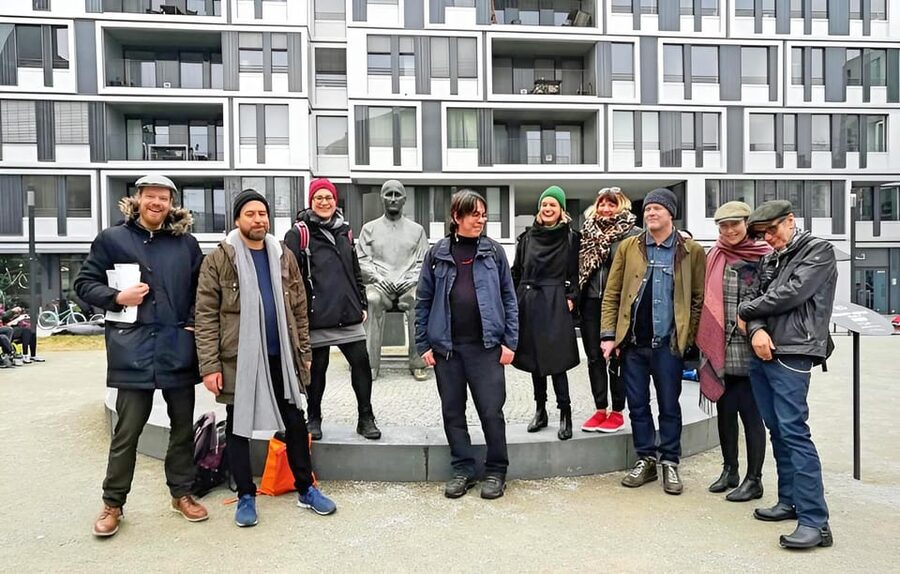
At $135 per person for a 3-hour tour, you are paying for a focused guide-led route plus access to the kinds of stops that take time to assemble yourself. The value case is strong if you want more than a map. You want context, and you want the route connected to Bowie’s Berlin Trilogy era.
But there is one catch you should plan for. The tour does not include food or public transport tickets. Since you ride transit a few times, you should budget for a day metro pass if you do not already have one. That extra cost is usually manageable, but it can change the feel of the price.
A second cost consideration: one past participant noted that the ticket setup made it more expensive for a single person because pricing required paying for two. I cannot promise that will apply to your booking, but it is worth checking your exact ticket options before you confirm, especially if you are traveling solo.
Finally, this is not a sit-down attraction. It is walking plus stops, so you want comfortable shoes. One repeat tip is to arrive early, wear sturdy footwear, and dress for Berlin weather, because it can change quickly.
Who should book this Bowie 1970s Berlin walking tour
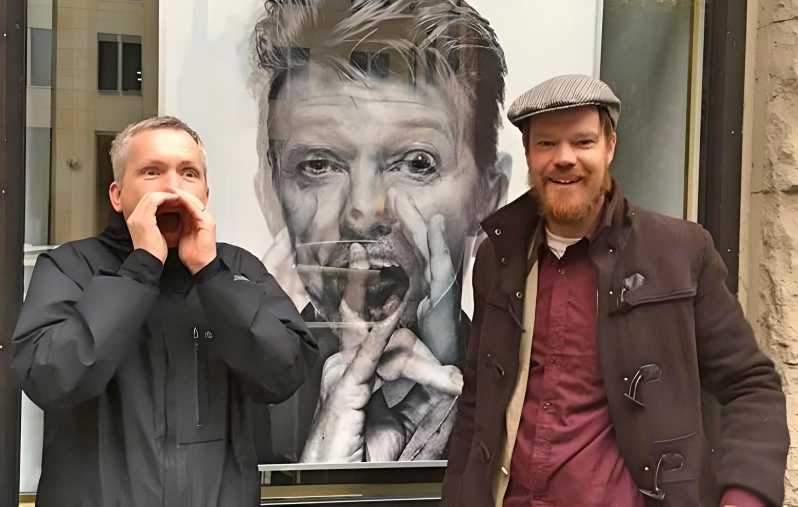
This tour fits best if you fall into one of these groups:
- Bowie fans who want the Berlin Trilogy story tied to real places, including studio land like Hansa Studios
- Music history lovers who like creative scenes and want Berlin’s cultural shifts explained through art
- Cold War and city-life curious people who want major Berlin context without doing it alone
- Small-group seekers since private or small group options are available
If you just want quick photos at the biggest sights, you might feel this is too story-driven. If you want a route that turns into a listening experience, it is much closer to what you’re after.
Should you book this David Bowie walking tour in Berlin?
Book it if you want a Bowie-focused Berlin walk with real context, not just signposts. The combination of studio stop power, Cold War landmark context, and guides who bring music and imagery into the storytelling makes this feel like a more meaningful use of a half-day than doing it solo.
Hold off if you dislike public transport segments, or if you are hoping for a tour that is fully free-flowing and self-paced. You will need to show up with transit sorted and comfortable walking plans.
If you are on the fence, use this simple test: if you can picture yourself listening to Low or Heroes and wanting to connect the sound to the street corners, this tour is a strong match.
FAQ
How long is the Berlin David Bowie guided walking tour?
The tour lasts 3 hours.
What is the meeting point address?
You meet at Ständige Vertretung, Schiffbauerdamm 8, 10117 Berlin.
Is the guide available in English?
Yes, the live guide speaks English.
Is food included?
No. Food and drink are not included.
Are public transport tickets included?
No. A public transport ticket is not included, and you will use public transport a few times during the tour.
Do I need a Berlin day metro pass?
If you do not already have a visitor transit pass for Berlin, it is advised to purchase a day metro pass. If you cannot purchase it in advance, the guide can help you buy it at the first metro station on the tour.
Is hotel pickup and drop-off included?
No. Hotel pickup and drop-off are not included.
Is there a small group or private option?
Yes. Private or small groups are available.
Fresh on the arrivals board for Berlin



Guided Walks in Berlin, compared.
Berlin City walk Government District and Places of Democracy
Read our review →

Berlin’s Best: 2 Hour Walking Tour Third Reich and the Cold War
Read our review →
Third Reich Berlin: Hitler and WWII Walking Tour
Read our review →
Browse the lists this tour appears in