
Reviewed · GUIDED WALKS IN BERLIN
Berlin City Center: The Most Famous Sites (private 3 hours Walking tour)
Three hours is the perfect first-day sprint. This private Berlin walking tour connects the city’s biggest sights into one easy route, so you get your bearings fast without hunting around. I love that it starts with hotel pickup, which turns logistics into a non-issue, and I also like the built-in flexibility of a private format, so the guide can shift the walk toward what you care about.
The main tradeoff is simple: it is a fast pace. You will spend about 10 minutes at each highlight, so if your ideal day is slow and museum-deep, treat this as orientation, then go back on your own.
In This Review
- Key Things to Know Before You Go
- Getting Oriented at Hackescher Markt, Then Walking Central Berlin
- Hotel Pickup and the Private Format That Actually Helps
- Stop One to Three: Brandenburg Gate, Reichstag, and the Holocaust Memorial
- Gendarmenmarkt, Bebelplatz, and the City’s Layered Streets
- Unter den Linden to Humboldt University: The “Main Street” Feeling
- Neue Wache, the Deutsches Historisches Museum Area, and Lustgarten
- Berliner Dom and Stadtschloss Berlin: Where Style Meets Story
- Museumsinsel and the UNESCO World Heritage Focus
- Timing, Walking Shoes, and How to Make the Most of Only 3 Hours
- Price and Value: What You Really Pay For
- How It Feels With the Right Guide, Based on Past Experiences
- Who This Tour Is Best For
- Should You Book This Private Berlin Walking Tour?
- FAQ
- How long is the Berlin City Center private walking tour?
- How many people are in a group?
- Is hotel pickup included?
- What language is the tour offered in?
- Are there admission tickets needed for the stops?
- Do I need a public transportation ticket?
Key Things to Know Before You Go

- Hotel lobby pickup is included so you can step straight into the walk
- You follow a tight route of famous landmarks instead of getting stuck in transit loops
- Each stop is short, about 10 minutes, ideal for seeing a lot quickly
- You’ll cover major memorials and central government sites with guide context
- The itinerary can be adjusted for your interests since it’s private
- You return to your hotel at the end, which saves time and decision fatigue
Getting Oriented at Hackescher Markt, Then Walking Central Berlin
Berlin can feel like a puzzle on day one. Streets repeat, neighborhoods blend, and the distance between landmarks can surprise you. This tour’s structure is meant to fix that, starting with an easy meet point in the center and offering pickup from your hotel lobby.
If you are staying near the core, you can meet at Hackescher Markt (listed as the start point). If not, take the pickup option. Either way, you are walking with a guide from the get-go, which matters more than it sounds. You do not just see buildings, you learn how they connect, why they matter, and what to look for as you keep exploring.
One detail I appreciate: you get a mobile ticket, and your guide handles the group logistics. In a city where figuring out meeting points can turn into a mini project, that small convenience buys you energy for the sightseeing.
More Guided Walks in Berlin
- Discover Berlin Half-Day Walking Tour
★ 5.0 · 9,624 reviews - Berlin City walk Government District and Places of Democracy
★ 4.7 · 8,467 reviews - Berlin: Third Reich & Cold War Guided Walking Tour
★ 4.9 · 8,378 reviews
Hotel Pickup and the Private Format That Actually Helps
This is priced per group, up to 10 people, which makes it feel more like a shared plan than a bus tour. At $349.39 per group for about three hours, the value depends on how many of you book. If you fill the group limit, the per-person cost drops a lot. If it’s just two or four, it can feel pricier, but you are paying for the flexibility and the fact that the route is paced around your group.
The private format also means the guide can tailor what you focus on. You might want more time on architecture and street-level details, or you might care more about what happened in specific places. With a shared tour, everyone has to compromise. Here, your guide can nudge the sequence and emphasis to match your day.
There is also a practical benefit: the tour ends back at your hotel. That is not just convenience, it is time you can spend doing something fun instead of planning your next move.
Stop One to Three: Brandenburg Gate, Reichstag, and the Holocaust Memorial
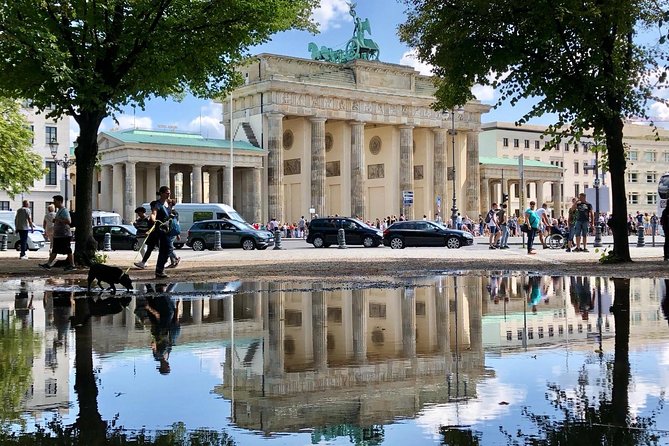
The walk begins at the Brandenburg Gate, one of Berlin’s most recognizable symbols. You get a short on-the-ground look and a guide discussion about its history and significance. With only about 10 minutes here, think of it as a photographic orientation stop. You will likely want to come back later for longer, but this first pass helps you know what you are actually seeing.
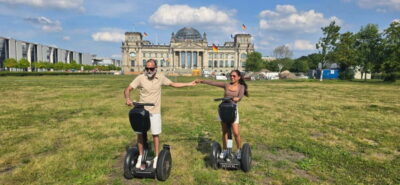
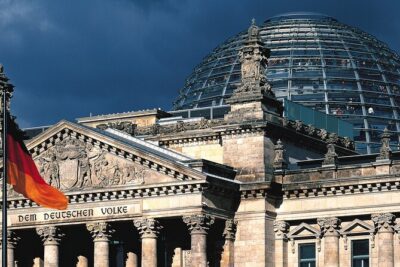
Next is the Reichstag Building. Again, the time is brief, but the guide explanation is the value. You are not just standing in front of a famous facade, you are learning what to connect it to as you move through Berlin. That context can change the way you read the city for the rest of your trip.
Then comes the Holocaust Memorial, officially the Memorial to the Murdered Jews of Europe. This is one of the stops where a guide really matters. You will spend about 10 minutes, and the guide will explain what the memorial represents and why it is part of Berlin’s central story. This is the kind of place where the details you learn affect your understanding more than any photo.
A consideration here: because the tour moves briskly, you may want to slow down your own pace for photos and reflection. If you prefer a longer, quieter visit, treat this tour as the introduction, then revisit on another day.
Gendarmenmarkt, Bebelplatz, and the City’s Layered Streets
After the serious start, the route shifts into some of Berlin’s most classic central squares.
At Gendarmenmarkt, you get another quick orientation pause with guide context about the site’s history and significance. The square is a natural place to reset your eyes after the memorial and government stops. You are still learning, but the atmosphere becomes more about the city’s look and feel.
Then you reach Bebelplatz. This stop is short, but it’s meaningful because your guide frames why it matters. Even without going inside anything, you can get a real sense of how Berlin’s past keeps showing up in modern city life.
These two stops are useful because they show Berlin is not one story. It’s multiple eras layered next to each other, and a guide helps you see the connections instead of treating landmarks like separate postcards.
Unter den Linden to Humboldt University: The “Main Street” Feeling
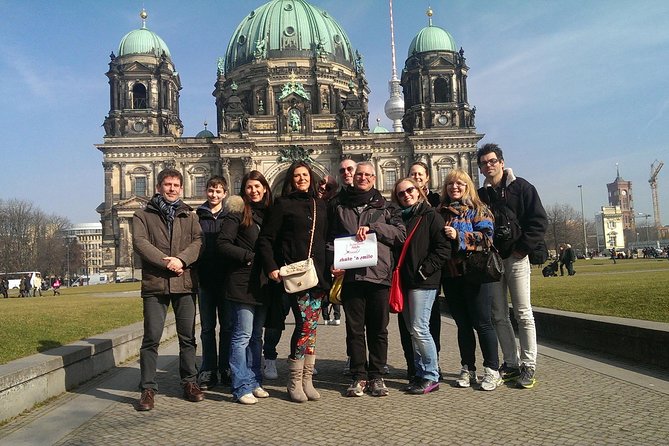
You then stroll along Unter den Linden, one of Berlin’s best-known boulevards. The guide discussion at this point helps you interpret the street as more than a walkway. In a few minutes, you can start to understand why this corridor is so central to how people talk about Berlin’s identity.
Next up is Humboldt University (Humboldt Universitat). Expect a quick stop where your guide explains the site’s history and significance. Even if you are not taking classes or touring buildings, placing it in context helps you understand why it belongs in the same conversation as the political and cultural landmarks you already saw.
If you like walking with an objective, this is where the tour works especially well. You are moving in a straight line through a high-impact area, so your brain builds a map.
More German cities at walking speed:




Neue Wache, the Deutsches Historisches Museum Area, and Lustgarten
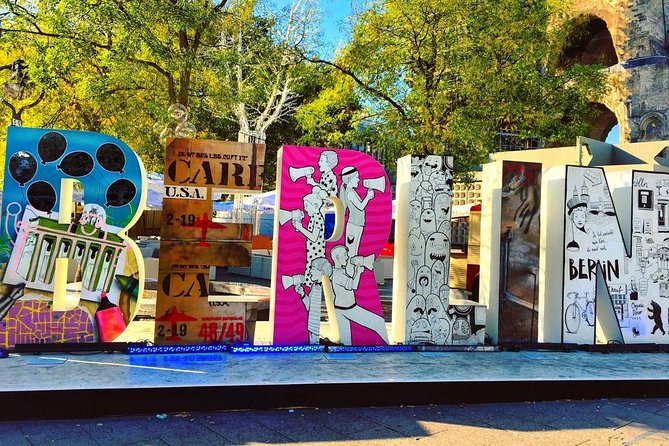
The route continues to Neue Wache. Like most stops on this tour, it is about 10 minutes with a guide-led explanation of its history and significance. This is one of those moments where you start to notice patterns, how Berlin uses specific locations to talk about memory and meaning.
Then you pass the area of the Deutsches Historisches Museum. You do not have to buy a ticket during this walk as part of the tour, since the included info lists admissions as free for the stops. Still, the value is in how your guide connects what you see around the museum to the bigger story of Berlin.
Next is Lustgarten, a central open space that gives you a breather. You will likely appreciate it because it breaks up the architecture stops. It’s also a good point for photos before you head into the most visually dramatic religious and royal buildings on the list.
Berliner Dom and Stadtschloss Berlin: Where Style Meets Story
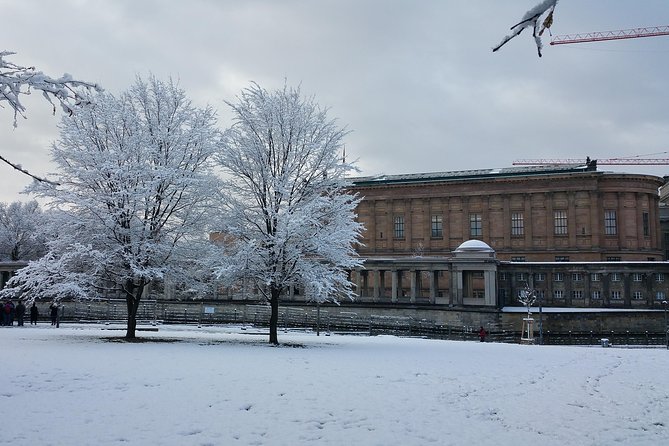
Now the tour reaches two of the most striking “wow” stops.
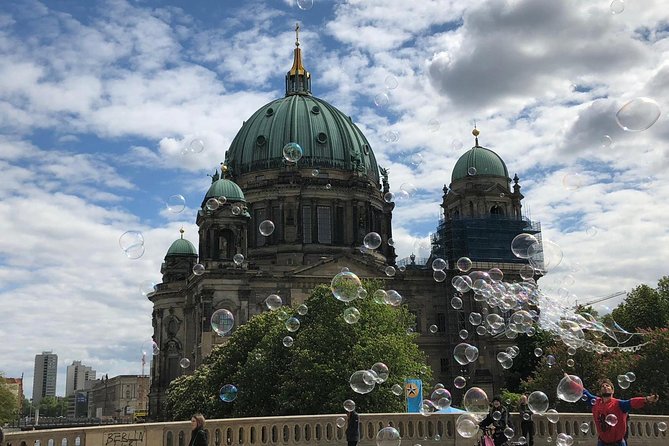
You pause at the Berliner Dom, Berlin Cathedral. Again, you spend about 10 minutes, and the guide explains its history and significance. Even without entering for a longer visit, this stop gives you the cathedral’s scale and presence, and your guide helps you connect why this site matters in Berlin’s public life.
From there you move toward Stadtschloss Berlin. This is another stop where the explanation is the key. You are seeing a major landmark, but the guide framing helps you understand how Berlin’s identity has shifted over time and why the building matters as a symbol.
These two stops work well back-to-back because they show different sides of Berlin’s story, spiritual and political, public grandeur and national narrative. If you have only one day in central Berlin, this pairing helps you avoid the common mistake of seeing the sights without learning what they represent.
Museumsinsel and the UNESCO World Heritage Focus
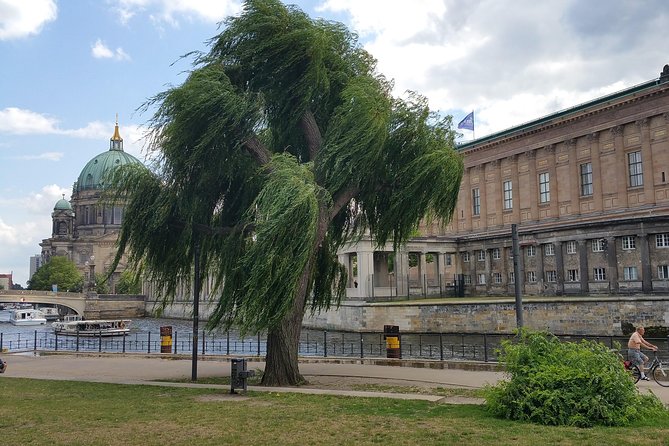
The final stop on your walk is the UNESCO Weltkulturerbe Museumsinsel, Museum Island. Your guide explains the history and significance of this area, and you get a last look that ties the whole tour together.
This ending is smart for two reasons. First, it caps the tour with a concept most people will recognize: Berlin as a place where culture and history are officially protected. Second, it gives you a clear direction for where to go next.
After the tour, you should have enough context to decide what to do with your remaining time. If Museum Island appeals to you, you will know what kind of story you are stepping into. If it does not, you can still enjoy the central streets with a stronger sense of what you are seeing.
Timing, Walking Shoes, and How to Make the Most of Only 3 Hours
This tour is about speed with guidance. The stops are structured for around 10 minutes each, which adds up fast. That does not mean you get rushed. It means the tour is designed for orientation and high-impact viewing, not for long sits at every monument.
So here is how I suggest you prepare your day:
- Wear good walking shoes. You will be on your feet, and cobblestone and uneven pavement can add up.
- Bring a water bottle, especially if you are booking a daytime slot.
- If you care about photos, decide what you want before you arrive. The time limits mean you should be intentional.
Physical fitness is listed as moderate, which usually means you should feel comfortable walking several blocks and standing for short periods. If you have mobility limits, you may want to ask your operator about the pace and whether adjustments can be made.
Also, the tour is offered in English, and you will receive confirmation at booking. If you are traveling as a small group, this is a strong way to make sure you get more than generic facts.
Price and Value: What You Really Pay For
At $349.39 per group (up to 10 people) for about 3 hours, this is not the cheapest way to see central Berlin. But it can be good value, because you are buying three things at once:
- hotel pickup and a guided route that saves planning time
- a private experience where the guide can adjust emphasis to your interests
- fast access to top sights without spending hours figuring out the order yourself
If your group has several people, the cost per person gets much more reasonable. If you are a solo traveler or a couple, it can still make sense if you value efficiency and want a guide to help you interpret what you are seeing on the fly.
One more thing: all the listed sights have free admission noted for the tour stops. That means you are not paying for entry fees during the walk as part of this experience. Public transportation ticket is not included, but the tour is built around walking, so you usually will not need one for this specific activity.
How It Feels With the Right Guide, Based on Past Experiences
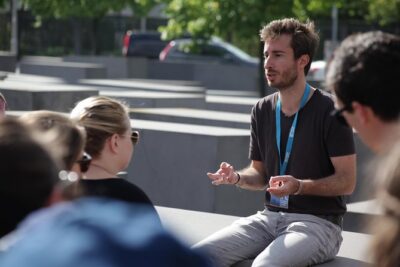
A private walking tour is only as good as the guide’s style. One standout detail from past feedback is how the guide engagement can feel warm and personal. For example, one review mentioned Aziz meeting the group at the meeting spot and making the tour feel like a conversation, with a passion for how Germany’s history shaped the Berlin people see today.
That kind of guide energy is exactly what you want on an orientation tour. It keeps the walk from becoming a checklist. It also helps you remember the bigger points later when you stand in front of the next monument on your own.
If you get a guide with that approach, you will likely leave with more than photos. You will leave with a mental map.
Who This Tour Is Best For
This is a good fit if you:
- Want a first-day Berlin orientation that hits major landmarks without stress
- Like walking and want a guide to explain what you are seeing in plain language
- Are traveling with family or friends who want a structured plan but still want some flexibility
- Care about balancing political history, memorial sites, and classic central architecture
It’s less ideal if you:
- Want to spend long periods inside museums or climb stairs for extended viewing
- Prefer slow, open-ended wandering with lots of detours
- Have very limited mobility and need minimal walking
Should You Book This Private Berlin Walking Tour?
I’d book it if your goal is to see Berlin’s headline sites quickly and come away with context you can use all week. The hotel pickup, English guide, and short stops make it a strong orientation tool, and the fact that it ends at your hotel keeps the rest of your day from getting tangled up.
I would skip it if you already have a tight plan that includes long museum sessions and you do not want a fast walk. In that case, you might get more value by doing fewer stops and spending longer on just one or two areas.
If you are choosing between a casual stroll and a guided route, this is the middle ground that usually works best. You get the highlights, you get guidance, and you still have time left to build your own Berlin day after the tour.
FAQ
How long is the Berlin City Center private walking tour?
It lasts about 3 hours.
How many people are in a group?
The private tour is for your group only, and the price is listed for up to 10 people per group (maximum 25 people per booking).
Is hotel pickup included?
Yes. The private guide picks you up at the lobby of your hotel.
What language is the tour offered in?
The tour is offered in English.
Are there admission tickets needed for the stops?
The listed stops show admission ticket free.
Do I need a public transportation ticket?
No public transportation ticket is included. The tour is primarily walking.
Fresh on the arrivals board for Berlin



Guided Walks in Berlin, compared.
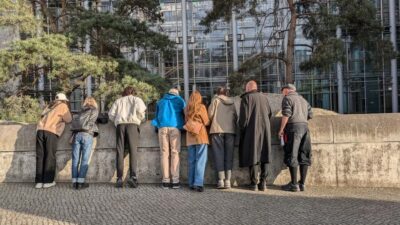
Berlin City walk Government District and Places of Democracy
Read our review →
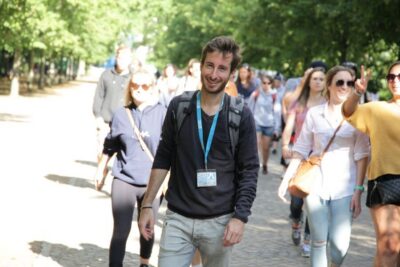
Berlin’s Best: 2 Hour Walking Tour Third Reich and the Cold War
Read our review →
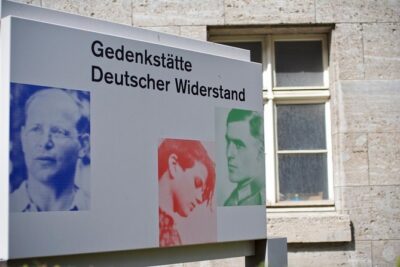
Third Reich Berlin: Hitler and WWII Walking Tour
Read our review →
Browse the lists this tour appears in