Reviewed · TOURS
Wiesbaden: Schnuppertour – public tour
Need a quick Wiesbaden intro? This public Schnuppertour is a tight, beginner-friendly walk that strings together key sights like the Kurhaus and the State Theatre in just 1 hour. I like that you get an actual guide you can ask things to, and I also like how the pace is short and manageable if you are in town only briefly. One thing to keep in mind is that there is no interior tour of the Kurhaus, so you will mostly be looking from the outside.
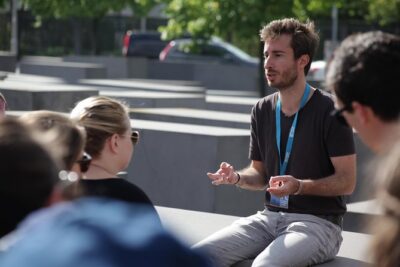
The route is designed as a first orientation on foot, with a guide wearing a name tag, so you are never left guessing. In the best moments, the talk feels personal and practical, and you come away with a clearer sense of where Wiesbaden’s center, old spa vibe, and historic landmarks connect.
It also ends on a tactile note, with a stop at a tactile model. The tour runs in German, so if you do not speak much, you might enjoy it more with translation help or a willingness to follow along visually.
In This Review
- Key things that make this Schnuppertour work
- Why this 1-hour Wiesbaden walk is such a smart first step
- Where you meet, and how the tour keeps things simple
- Kurhaus: the old-world spa centerpiece, explained in plain terms
- State Theatre: culture as part of the city center
- Wilhelmstraße and the center streets: learning how Wiesbaden flows
- Marktkirche and Schlossplatz: why the squares matter
- Marktbrunnen: the kind of stop you remember later
- Mauergasse, Neugasse, Kleine Kirchgasse: the lanes that make Wiesbaden feel human
- Mauritiusplatz and Kirchgasse: finishing the old-town loop
- The tactile model ending: a different kind of takeaway
- What you actually get in 1 hour, and what you do not
- Price and value: is $22 a fair trade for orientation?
- What the guides do well, based on real feedback
- Who should book this Schnuppertour
- Should you book? My practical take
- FAQ
- FAQ
- How long is the Schnuppertour in Wiesbaden?
- How much does the public tour cost?
- Where do I meet the guide?
- What is included in the ticket price?
- Is there an interior visit to the Kurhaus?
- What sights are included on the route?
- What language is the tour guide?
- Is the tour wheelchair accessible?
- Is free cancellation available?
- Can I reserve now and pay later?
Key things that make this Schnuppertour work
- Short and starter-friendly, perfect when you want quick bearings without committing to half a day
- Beginner guide focus, so explanations land instead of feeling like a test
- Classic Wiesbaden landmarks on the route, including Kurhaus and the State Theatre
- You walk through both big sights and small lanes, so you learn the city’s rhythm
- Ends at a tactile model, a different kind of finale than typical photo stops
Why this 1-hour Wiesbaden walk is such a smart first step

Wiesbaden can feel like two cities stitched together. You get the grand spa-city mood, plus a classic historic core with churches, market squares, and narrow streets that pull you deeper as you walk. This tour is built for that exact moment when you arrive and your phone map still looks like guesswork.
I like that it stays snappy. In one hour, you are not trying to remember twenty facts, you are getting a mental map. That makes the rest of your trip easier, because you will start to recognize places when you wander later on your own.
This is also a good match if you are not a “museum tour” person. You are outdoors, moving, and learning in a light way. And if the guide is in a good mood, it can feel like city storytelling you can actually use.
Next departures posted for Wiesbaden:
- Wiesbaden: Sparkling Winemaking Tour with 3-Glass Tasting
★ 4.8 · 155 reviews
Where you meet, and how the tour keeps things simple
You meet in front of the tourist information, and your guide wears a name tag. That matters more than it sounds. For your first time in a city, easy identification cuts down the stress, and you can focus on listening and looking.
The tour is wheelchair accessible, which is a big deal for planning. Even when a city is walkable, small streets and curb transitions can change the experience. With accessibility called out, you can go in knowing the route is designed for more than just able-bodied sightseeing.
The tour is also listed as a live guided walking tour in German. If you speak some German, you will likely enjoy the details more. If you do not, you will still benefit from seeing the stops and getting the overview, but plan to lean more on your visual cues.
Kurhaus: the old-world spa centerpiece, explained in plain terms

The Kurhaus is stop number one, and it sets the tone immediately. The tour frames it as part of Wiesbaden’s old-world spa splendor, which is basically the city’s calling card.
Here is what you should expect at this stage. You are not getting a long, inside look. There is no interior visit, so your time is spent on orientation: why the Kurhaus matters to the city, how it fits into the spa identity, and what to notice as you move on.
Why this is valuable: the Kurhaus is one of those landmarks that makes you understand everything else. Once you connect the city’s spa history to the streets around it, you will stop seeing Wiesbaden as a collection of buildings and start seeing it as a coordinated story.
The quick drawback is simple: if you wanted to step inside and linger, you will need a separate plan. But for a one-hour introduction, this “outside plus explanation” approach works.
State Theatre: culture as part of the city center
Next up is the State Theatre. The guide uses this stop to widen the picture beyond spa glamour and into Wiesbaden’s public life. Even if you have never seen a performance there, the theatre helps show how the city organizes culture in its center.
This stop also helps you understand how Wiesbaden moves. You start with a landmark tied to the spa world, then shift to an institution that speaks to everyday civic life. The contrast makes the tour feel balanced instead of focused on only one theme.
Practical tip: treat the theatre stop like a marker. If you later want to explore more of the city’s core, you will know where the cultural side sits relative to the spa side.
Wilhelmstraße and the center streets: learning how Wiesbaden flows
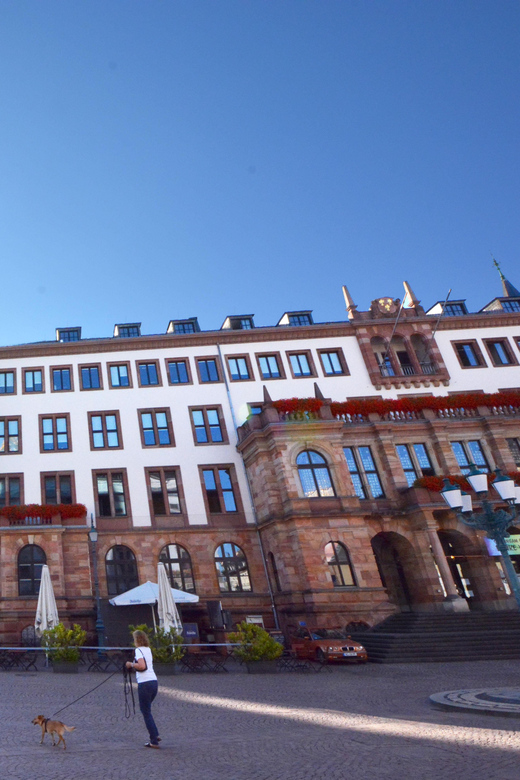
After the first big landmarks, you walk through Wilhelmstraße. A street stop sounds minor until you realize what you are actually doing: you are learning the layout. You are training your eye to recognize key corridors, so later you can move around without feeling lost.
This part of the route helps beginners because it turns the city into something navigable. You start to notice where streets change character, where the wider views happen, and where you will likely slow down for photos.
If you like practical travel, this is one of the best parts. It is not about chasing the most famous building. It is about understanding the city’s bones.
Marktkirche and Schlossplatz: why the squares matter

The tour then heads to Marktkirche/Schlossplatz. Squares and church landmarks are often where a city’s history becomes visible in a small space. This stop gives you that kind of grounding.
The goal here is orientation plus context. You are not just walking past a pretty view. You are learning why this area functions as a focal point and how it links to the surrounding streets you will see next.
In your own wanderings later, you will feel the payoff. When you return to a square you already learned, your trip gets smoother. You stop guessing, and you start planning.
Marktbrunnen: the kind of stop you remember later

After the church square area comes Marktbrunnen. Fountains and public features often act like navigation anchors. Even if you forget exact details, you tend to remember where a major landmark sits.
On a short intro tour, that matters. You are building mental waypoints. Marktbrunnen becomes one of those points, so when you cross paths with it later, it will feel familiar instead of random.
Mauergasse, Neugasse, Kleine Kirchgasse: the lanes that make Wiesbaden feel human
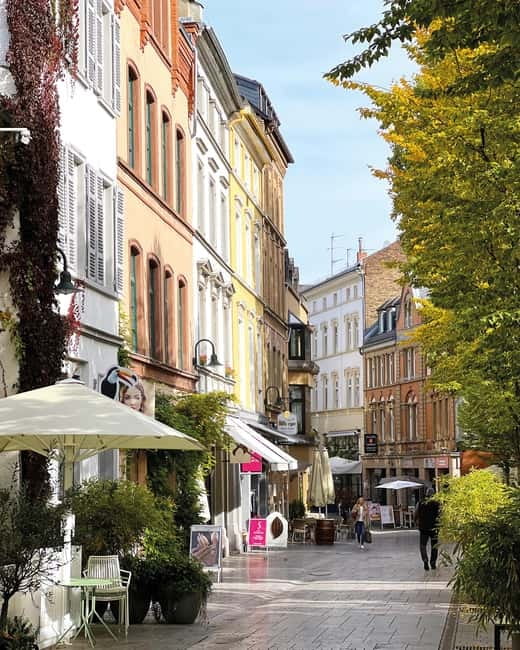
Then the route shifts into the smaller streets: Mauergasse, Neugasse, and Kleine Kirchgasse. This is where Wiesbaden stops feeling like a set of monuments and starts feeling like a walkable lived-in town.
Even without a long stop at each lane, the sequence teaches you something important. You experience how the pedestrian grid connects big highlights to quieter streets. That connection is what helps you plan an evening stroll.
A useful way to approach this segment: slow down just enough to notice transitions. When the tour shifts from squares to lanes, pay attention to sightlines and how streets open up again. That is the kind of micro-skill that makes self-guided exploring easier later.
Mauritiusplatz and Kirchgasse: finishing the old-town loop
Near the end you reach Mauritiusplatz and then Kirchgasse. These are the kinds of places where you feel the old-city pattern. The tour uses them to close the loop from broader center landmarks into the more intimate street level.
This is also where the timing matters. Since the entire tour is only one hour, you should treat these final stops as quick, meaningful orientation. If you try to cram in deep research on the spot, you will miss the flow.
If you prefer a visual approach, focus on how the streets funnel you toward squares. The guide’s explanations are meant to stick, but you will also keep it in your head by remembering the direction the walk takes.
The tactile model ending: a different kind of takeaway
The tour ends at a tactile model. That is a distinctive finale, because it turns the final minutes from listening to learning through touch or hands-on interaction (based on the name and concept of a tactile model).
Why this works for beginners: when you end a tour with a tactile experience, you reinforce memory. You leave with one last concrete image, not just a list of places you half-listened to.
If you are the type who likes to understand a city through multiple senses, this ending is a plus. Even if you just treat it as a final highlight, it breaks the usual pattern of ending at a photo spot.
What you actually get in 1 hour, and what you do not
This is a beginner-focused overview tour. The included part is simple: a guided walking experience with an experienced guide. The not-included part is equally clear: there is no interior tour of the Kurhaus.
So, what should you expect? You will get:
- a guided route connecting major highlights
- explanation at multiple stops
- a first overview that helps you navigate on your own
What you should not expect:
- a deep dive into any one landmark
- a long photo session at every building
- entry into the Kurhaus
One review note points to a mismatch in expectations for some people, especially if you want more to see than to hear. If you are the kind of traveler who wants constant visual stimulation, keep in mind this tour uses its time for guided interpretation.
In other words, it is a learning walk first, sightseeing walk second.
Price and value: is $22 a fair trade for orientation?
At $22 per person for a one-hour guided walk, this sits in the “small investment, big payoff” category. You are paying for a guide to compress the city’s highlights into something you can use immediately.
Value usually depends on what you want your travel time to do. If you are in Wiesbaden for a short visit, saving even an hour of confusion can be worth it. Also, guides can answer questions on the spot, and that reduces wasted time later.
It also helps that the tour is described as short and beginner friendly. That means you do not have to guess whether you will enjoy a long tour. You can try it, get oriented, and then spend your remaining time where your curiosity leads.
The best angle for value: use this as your first move after arrival. Then you can decide what deserves a second visit.
What the guides do well, based on real feedback
The strongest praise centers on the guide experience. People highlight guides as sympathetic and competent, with answers that actually land. There is also a clear theme that the tour stays engaging even though it is short.
One review specifically mentions Herr Martin for his knowledge and enthusiastic delivery, and another mentions the guide leaving no question unanswered. That lines up with what you should want from a beginner tour. You are not just collecting facts. You are learning how to look at the city.
There is also a note that the group size feels relatively small. You should expect a tour where it is easier to hear and easier to ask something without being drowned out.
So, if you care about friendly, patient guiding rather than just standing near landmarks, this kind of tour matches that preference.
Who should book this Schnuppertour
This one-hour tour is ideal for:
- first-time visitors who want quick orientation
- travelers who like guided context but do not want a long commitment
- people planning a short stay who need a city mental map fast
- anyone who prefers a manageable walking pace over big sightseeing marathons
It is less ideal if:
- you only want photo-heavy stops and minimal talking
- you are hoping for interior access to the Kurhaus
If you fall in the middle, go for it. The structure is built for beginners, and the stops include both spa identity and old-town connections.
Should you book? My practical take
If this is your first day in Wiesbaden, I think it is a smart booking. For $22, you get a structured introduction with a real guide, and you walk away with the key landmarks lined up in your memory: Kurhaus, the State Theatre, the square areas around Marktkirche and Schlossplatz, plus the street sequence that makes the city feel navigable.
Book it if you want to start strong and explore smarter later. Skip it only if your main goal is deep sightseeing inside buildings, because the Kurhaus interior is not part of this tour.
FAQ
FAQ
How long is the Schnuppertour in Wiesbaden?
The tour duration is 1 hour.
How much does the public tour cost?
The price is $22 per person.
Where do I meet the guide?
Meet in front of the tourist information.
What is included in the ticket price?
You get a guided tour with an experienced guide.
Is there an interior visit to the Kurhaus?
No. The tour does not include an interior tour of the Kurhaus.
What sights are included on the route?
Stops include the Kurhaus, the State Theatre, Wilhelmstraße, Marktkirche/Schlossplatz, Marktbrunnen, Mauergasse, Neugasse, Kleine Kirchgasse, Mauritiusplatz, Kirchgasse, and it ends at a tactile model.
What language is the tour guide?
The live tour guide speaks German.
Is the tour wheelchair accessible?
Yes, it is listed as wheelchair accessible.
Is free cancellation available?
Yes. You can cancel up to 24 hours in advance for a full refund.
Can I reserve now and pay later?
Yes. The option to reserve and pay later is available.
Fresh on the arrivals board for Wiesbaden
Tours, compared.

Reichstag, Dome and Government District Guided Tour
Read our review →
Sex and Crime in St. Pauli Tour for Ages 18 +
Read our review →
1-Hour City Tour by Boat with Guaranteed Seating
Read our review →