
Reviewed · CITY TOURS
Wiesbaden: Culinary city tour through the Bergkirchenviertel
One street, then suddenly you get the whole neighborhood. This culinary city tour in Wiesbaden’s Bergkirchenviertel mixes walking, food tastings, and human stories about how the quarter fought for survival. I like how the guide turns ordinary streets, backyards, and squares into a place with context, and I also like the practical format, you eat and drink as you go.
A possible drawback is that the experience can run a bit off the advertised rhythm. One booking noted the tour felt closer to 1.5 hours, with 3 tastings instead of 4, and church entry was not included on that day. If Bergkirche access matters to you, plan to be flexible.
In This Review
- Key things I’d circle before you go
- Wiesbaden’s Bergkirchenviertel: why this quarter feels like a storybook
- The walking rhythm: 2 hours that stay practical
- Taste stops that put the neighborhood on your tongue
- Café Dale: a friendlier stop (and why that matters)
- Kaufmanns Rösterei: another local flavor stop
- Wine in the hood: good wine, but pay attention to logistics
- Bergkirche expectations: the area name, not always the inside visit
- Price and value: what $44 buys in a 2-hour tasting walk
- Guides and flow: when timing and servings go smoothly
- Who this tour fits best, and who might not love it
- Should you book this culinary tour through Bergkirchenviertel?
- FAQ
- How long is the culinary city tour through the Bergkirchenviertel?
- What is the price per person?
- Where does the tour take place?
- What language is the tour guide speaking?
- What should I expect to eat and drink?
- How do I find the guide at the meeting point?
- Is the tour wheelchair accessible?
- Is there free cancellation?
- Can I reserve without paying right away?
- How many tasting stops are included?
Key things I’d circle before you go
- Bergkirchenviertel with a real neighborhood pulse: the Kiez feeling, cafes, bars, cabarets, galleries, and backyards.
- Food and wine as part of the walk: you taste at different stops, not just one quick snack.
- Stories tied to the Katzenloch era: small workers’ flats, plus 1960s protests against demolition.
- Bergkirche is central to the area’s identity: but entry may depend on the day.
- Guide quality seems to drive the whole tour: guides like Michael or J. Schönmeier have strong marks when things run smoothly.
Wiesbaden’s Bergkirchenviertel: why this quarter feels like a storybook
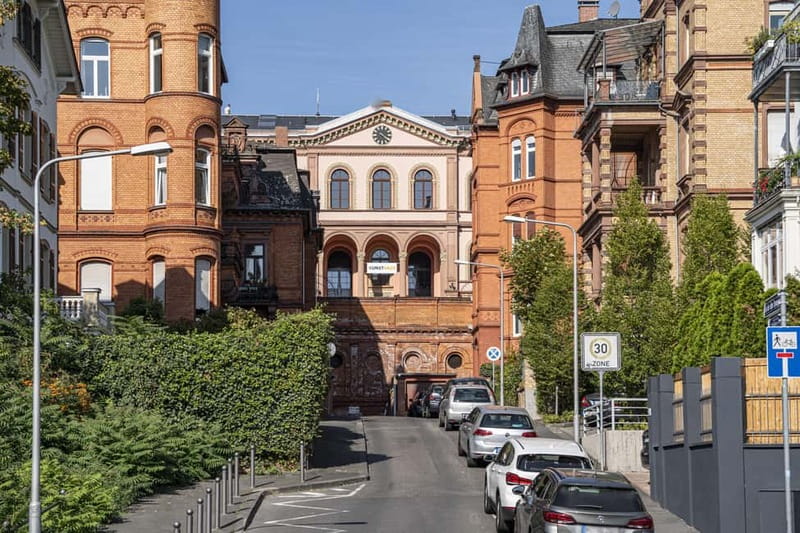
The Bergkirchenviertel is one of those places where architecture and politics sit right next to each other. Long ago, it was where workers lived, and locals even called it Katzenloch because of the tight little flats. Fast-forward to the 1960s and you get the drama: plans for large-scale demolition triggered big protests and political fights, followed by careful redevelopment.
That mix is what you’ll feel as you walk. You’re not just touring a pretty block. You’re moving through a neighborhood that residents fought hard to keep. And today it shows up as a kind of everyday charm, with shops and cafes plus a bar and gallery scene that gives it that Kiez energy.
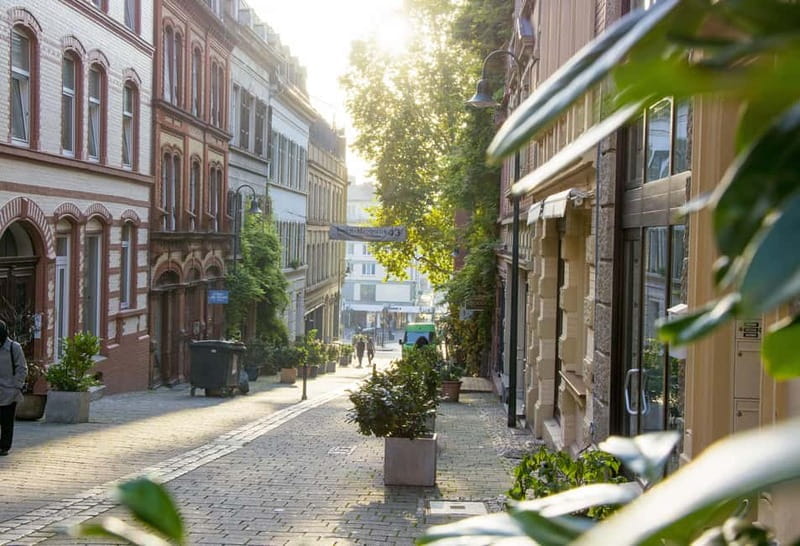
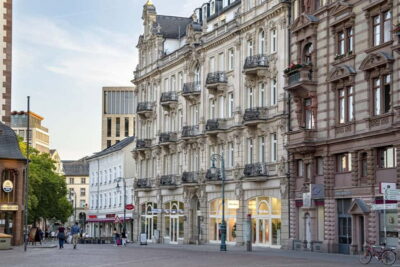
You also get the “French charm” vibe in the way the streets and squares feel, plus the quiet contrast of atmospheric backyards tucked behind storefronts. It’s the kind of place where you’ll look up, notice details, then remember the guide’s story right after. I like that the tour doesn’t treat history like a lecture. It treats it like something you can see.
Also holding a platform in Wiesbaden
- Wiesbaden: City whispers
★ 4.8 · 17 reviews - Berlin: 1-Hour City Tour by Boat with Guaranteed Seating
★ 4.3 · 16,993 reviews - Berlin City walk Government District and Places of Democracy
★ 4.7 · 8,467 reviews
The walking rhythm: 2 hours that stay practical
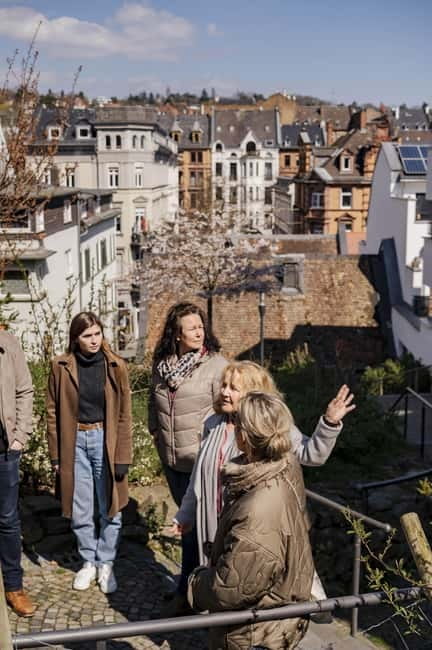
This is a 2-hour public guided tour. Expect to walk. Expect stops. Expect a steady pace where tasting moments break up the time so you’re not just marching from one sight to the next.
Because the tour is designed around tasting, your comfort matters. Wear shoes you can handle for a couple hours on city sidewalks. Also, if you have a strong preference for either wine or savory foods, you’ll want to show up hungry. The tour format includes wine and something savory as part of what you’ll sample, and at least one stop is explicitly wine-focused.
One more practical note, the tour is in German. If your German is rusty, bring a little patience. The people who rate the tour highly tend to highlight the guide’s storytelling and how it keeps things engaging, which usually matters more than perfect vocabulary.
And yes, the tour is wheelchair accessible, so you’re not choosing between food experiences and mobility. If you use a wheelchair, it’s worth thinking about timing too, because like any walking tour, you’ll be moving between stops rather than staying seated for long stretches.
Taste stops that put the neighborhood on your tongue
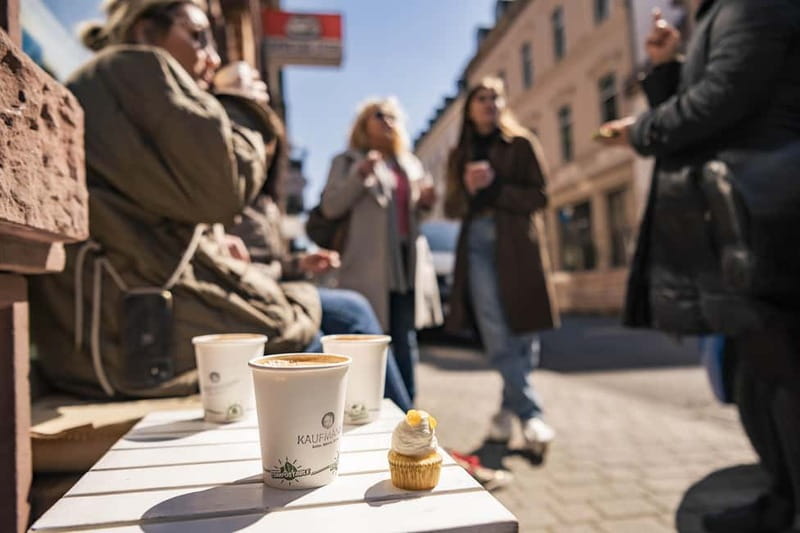
The tour includes different tasting stops, and the standout thing is that they’re not all the same. You’re walking through a neighborhood, then stopping for tastes that make the quarter feel local, not staged.
From the tastings named in bookings, you can expect places like:
- Café Dale, where one booking said people received them warmly and the food felt delicious.
- Kaufmanns Rösterei, another stop where a booking described friendly service and good tasting.
- Wine in the hood, a wine-focused stop.
Here’s why this matters: when tastings are spread out, the tour becomes “active.” You’re not waiting for the one big meal. Instead, you get little hits of the local food and drink culture while the guide is explaining what you’re seeing.
Café Dale: a friendlier stop (and why that matters)
One booking specifically mentioned that the group was greeted warmly at Café Dale. That sounds small, but it’s huge on a tour like this. A guided tasting works best when you feel comfortable ordering or receiving what’s offered. If you’re the kind of person who likes chatting with staff or asking questions, you’ll probably enjoy the vibe.
Also, Café Dale being named in multiple experiences suggests it’s a consistent part of the tour’s plan. If you’re worried about “random” stops, that consistency is reassuring.
Kaufmanns Rösterei: another local flavor stop
Kaufmanns Rösterei also showed up in a booking as a place where people were greeted nicely and enjoyed what they had. Again, the key is not what exactly you eat, it’s that it reads as a real neighborhood stop with service that doesn’t feel awkward.
If you’re someone who cares about savory food as much as sweet, you’ll likely be glad this stop exists. The overall tour includes something savory, and a roastery-style place often fits that bill in a tasting-tour world.
Onward connections from Wiesbaden:



Wine in the hood: good wine, but pay attention to logistics
Wine in the hood is the one stop where a booking raised a concern. That person felt the group was not fully welcome, mainly because they were assigned a spot that felt too tight for comfort. In other words, the wine part might be great, but the seating setup can affect your experience.
So here’s my practical advice: when you arrive at the wine stop, check the space right away. If you can, position yourself so you have room to enjoy the tasting without feeling wedged. It’s not dramatic, but it can turn “nice sip” into “wait, why is this uncomfortable?”
Also, since this tour is walking-based, group comfort often depends on timing. If you’re sensitive to crowded tables, consider arriving a few minutes early so your guide can help manage the flow.
Bergkirche expectations: the area name, not always the inside visit
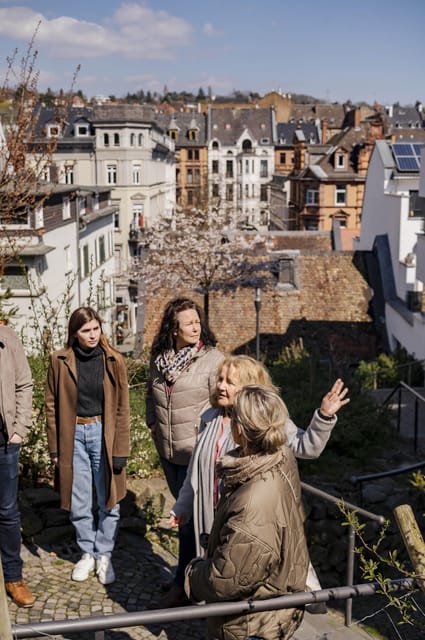
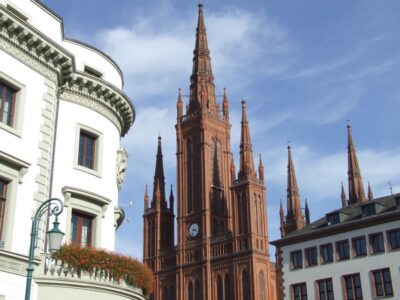
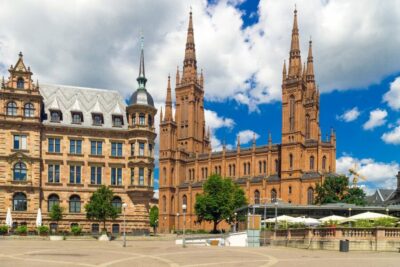
The Bergkirche gives the neighborhood its name, so you should expect it to be part of what you see and hear about. The tour explicitly frames the Bergkirche as a big feature of the area.
Here’s the key caution: at least one booking said church entry was not included. That person felt it was an important miss because they expected it to be part of the tour.
How to handle this as a visitor:
- If your priority is seeing the inside of the Bergkirche, don’t rely on this tour alone.
- Treat the church as guaranteed for views or context, but treat interior entry as day-dependent.
This approach will keep you from feeling cheated if plans change. Tours sometimes adjust stops due to opening hours, access rules, or just plain logistics. When the inside visit is the main goal, you’ll sleep better with a Plan B.
Price and value: what $44 buys in a 2-hour tasting walk
At $44 per person for 2 hours, this tour is priced like a food-and-story experience, not like a pure sightseeing walk. The value comes from two things the tour builds in:
- A guided explanation of the Bergkirchenviertel, including why the neighborhood is the way it is today.
- Multiple tasting stops, including wine and savory options.
You can think of it like this. If you were to pay for guided walking time plus food and drinks separately, the cost often climbs fast in a city center. Here, the price bundles the guide and at least several tastings into one experience.
That said, value can change if the day’s plan shifts. One booking noted fewer tastings than advertised and a shorter duration. If that happens, the tour can feel pricey.
So how do you judge value before you book?
- If you enjoy walking plus food plus stories, this price usually makes sense.
- If you’re primarily buying it for one very specific experience like church entry or a strict number of tastings, you should be ready for variation.
Guides and flow: when timing and servings go smoothly
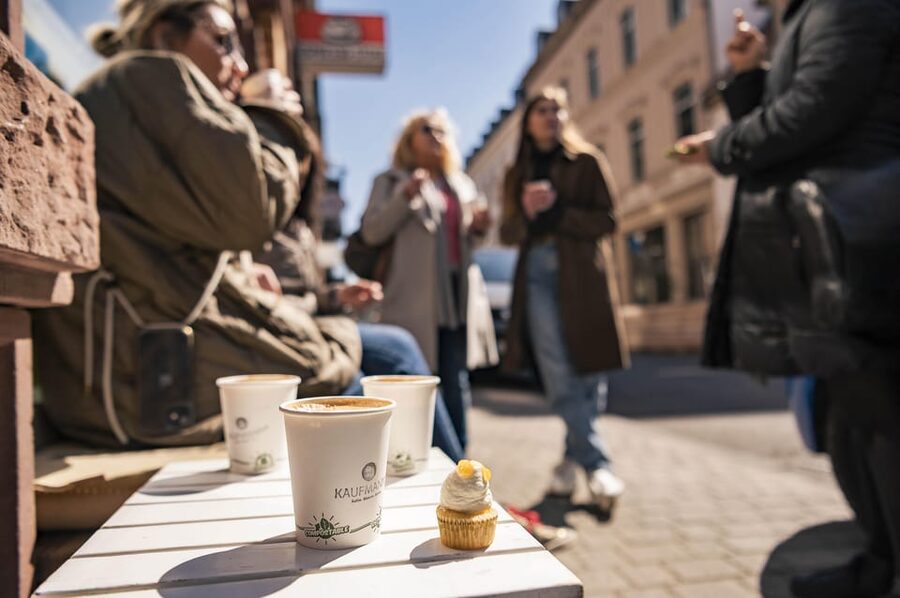
The overall feedback suggests the guide quality really shapes the experience. There are strong notes about guides such as Michael delivering interesting and fun insights that make the tour quick and enjoyable. Another guide, J. Schönmeier, also received appreciation for stepping in and still covering a lot of ground.
At the same time, one booking flagged timing and stop count. They described:
- Less time than expected
- Fewer tasting stops than advertised
- A missed church entry
This tells you something important as a traveler: tasting tours are sensitive to the real world. Even when the plan is solid, a late start, a queue at a shop, or a last-minute substitution can affect duration and servings.
What I’d do to protect your experience:
- Go into it expecting walking and tasting, but keep a flexible mindset about exact stop counts.
- Ask your guide during the tour how the tasting program is planned that day. A good guide will know what’s happening and can often explain changes quickly.
Who this tour fits best, and who might not love it
This is a great fit if you want:
- A German-led neighborhood introduction where food and wine are part of the storytelling.
- A walk that covers streets, squares, backyards, and the Bergkirche area identity.
- Local flavor stops that feel like small, real places rather than one big attraction.
It’s also a good pick for couples or solo travelers who like conversation and structure. People who enjoy having someone connect the dots between urban design, protest history, and everyday life will get more out of it.
You might want to think twice if:
- You need guaranteed church interior access.
- You’re extremely focused on hitting exactly four tastings with a tight schedule.
- You’re not comfortable with German explanations.
Should you book this culinary tour through Bergkirchenviertel?
I’d book it if you’re after a food and story walking experience in Wiesbaden, especially if the Bergkirche and the Bergkirchenviertel neighborhood identity are on your mental map. When it runs on plan, the tastings plus the explanations seem to deliver real satisfaction, and the guide-led energy shows up in the strongest feedback.
I would not book it as your only plan for an inside visit to the Bergkirche. If that’s a must, add an independent visit on another time window.
If you do book, arrive ready to taste, wear comfortable shoes, and treat wine stop comfort as part of the experience. If something feels off, politely flag it early so the guide can help adjust when possible. For $44 and two hours, this tour can be a very efficient way to understand a neighborhood while sampling it the way locals might, one stop at a time.
FAQ
How long is the culinary city tour through the Bergkirchenviertel?
The tour duration is 2 hours.
What is the price per person?
The price is $44 per person.
Where does the tour take place?
It takes place in Wiesbaden in the Bergkirchenviertel area, in Hessen, Germany.
What language is the tour guide speaking?
The live tour guide speaks German.
What should I expect to eat and drink?
You will walk and taste local delicacies, including wine and something savory, with different tasting stops during the tour.
How do I find the guide at the meeting point?
Your guide will wear a name tag.
Is the tour wheelchair accessible?
Yes, the tour is wheelchair accessible.
Is there free cancellation?
Yes, you can cancel up to 24 hours in advance for a full refund.
Can I reserve without paying right away?
Yes, you can reserve now and pay later.
How many tasting stops are included?
The tour includes different tasting stops. Some bookings mention that the tour advertised four tastings, but one day included three tasting stops.
Fresh on the arrivals board for Wiesbaden

City Tours, compared.

1-Hour City Tour by Boat with Guaranteed Seating
Read our review →
Berlin City walk Government District and Places of Democracy
Read our review →
City History Canal Sightseeing Tour on a Motorboat
Read our review →
Browse the lists this tour appears in