
Reviewed · FOOD & DRINK
Wiesbaden: Sparkling Winemaking Tour with 3-Glass Tasting
Sekt making is surprisingly hands-on. In Wiesbaden, this marble hall sparkling wine tour turns production into a clear, watchable process, then ends with a 3-glass tasting. You get the story behind bottle fermentation, and you also get to actually taste what that process creates.
What I like most is the practical way the tour shows you what happens inside the bottle, including a disgorging demonstration. The second big win is the tasting itself: you leave with three different sparkling wines to compare side by side. One thing to plan for, though, is that you will walk down and up 90 steps, and there is no elevator.
In This Review
- Key things to know before you go
- Stepping Into the Henkell Freixenet Headquarters in Wiesbaden
- What Happens on the Tour: From Grapes to Traditional Bottle Fermentation
- The Disgorging Demonstration You Actually Get to Watch
- Sekt, Cava, Champagne, and Crémant: How Styles Share the Same Logic
- The 3-Glass Tasting: How to Compare Without Overthinking
- Price and Logistics: Is $34 Good Value for This 2-Hour Tour?
- Who Should Book This Tour (and Who Might Skip It)
- Should You Book This Henkell Freixenet Sparkling Wine Tour?
- FAQ
- How long is the Wiesbaden sparkling winemaking tour?
- How much does the tour cost?
- What is included in the ticket price?
- Where does the tour start?
- Is the tour guide in English?
- Is the tour suitable for children?
- Is the tour accessible for wheelchair users or mobility impairments?
- Are there elevators available during the tour?
- What will you see during the tour?
- What cancellation options are available?
Key things to know before you go
- Marble hall first impression: the headquarters area is a show in itself, so arrive with a few minutes to look around.
- You’ll see the real production flow: the tour guides you through the stages, not just the marketing photos.
- Disgorging is demonstrated: you can see the idea of freezing yeast at the bottle neck and separating it from the wine.
- Sekt, cava, champagne, and Crémant are connected: you learn how sparkling styles fit into the broader traditional method world.
- Three glasses at the end: the tasting is built into the tour, not an optional add-on.
- German is the tour language: it’s a live guided experience, so basic German helps.
Stepping Into the Henkell Freixenet Headquarters in Wiesbaden
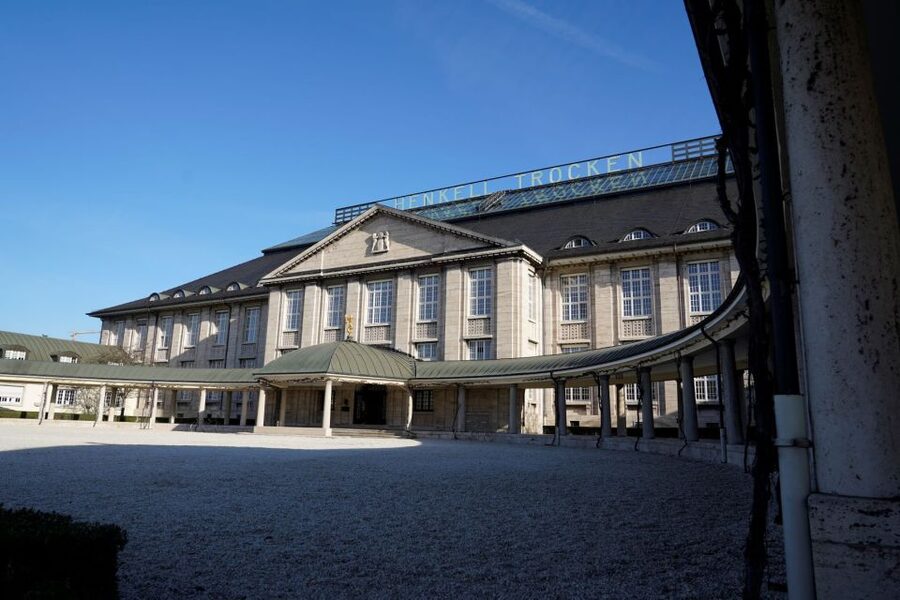
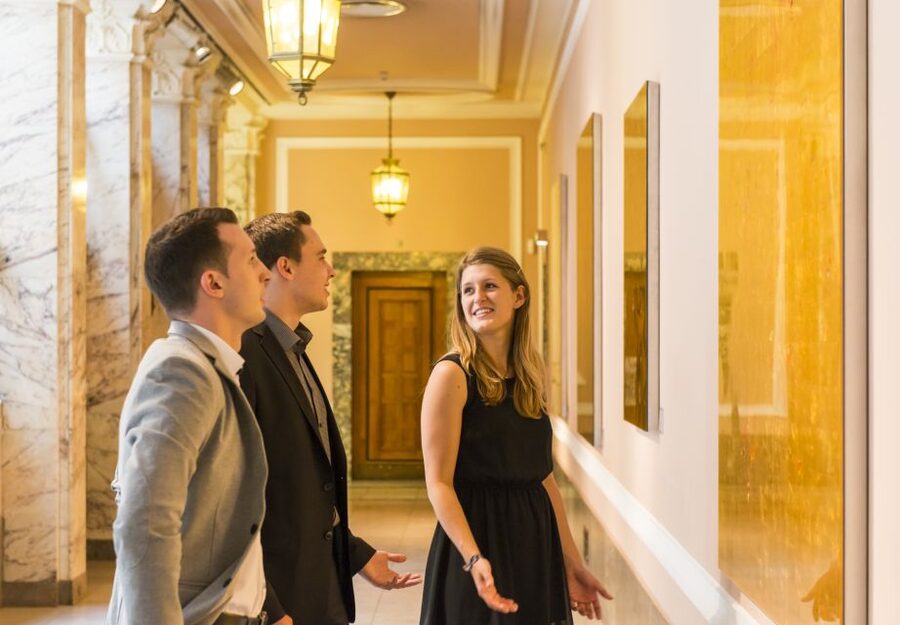
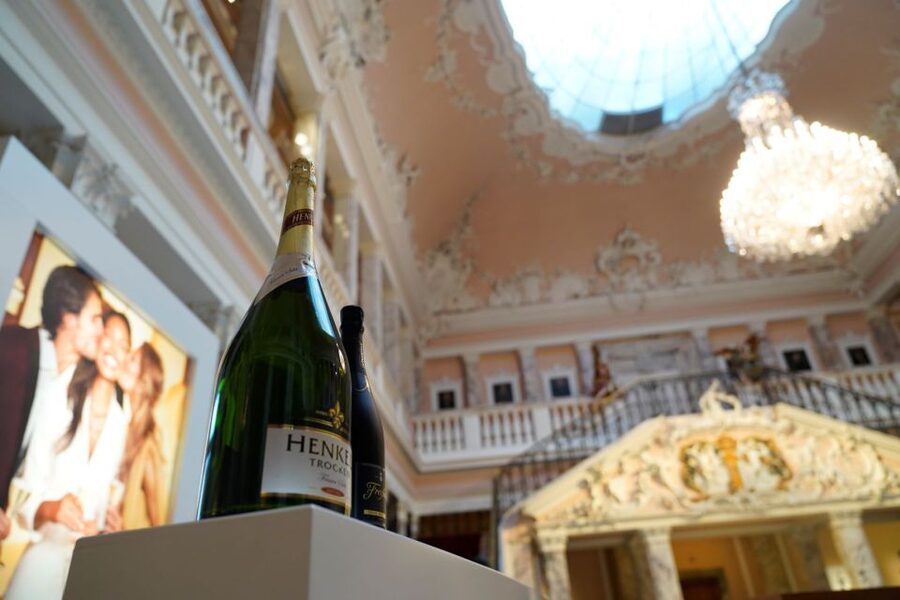
You start right at the activity provider’s premises, and the first reward is architectural. The marble hall and entrance area are the kind of place you notice even if you are not a wine nerd. You also get your bearings fast because the tour begins in a set, guided flow rather than a self-guided maze.
This is not a dark cellar experience with mystery lighting. It is bright, structured, and made for explaining how sparkling wine works in real life. That can be a plus for you if you like clarity, and it can feel a bit classroom-like if you prefer a looser conversation.
Also, set expectations early: this tour is for adults and teens 16 and up. It is not set up for wheelchair users or people with mobility impairments because of the stairs, so you should treat the steps as part of the “price” you pay for getting into the production area.
More German kitchens, doors open:
- Cologne: Brewery Tour with 3 Kölsch Beer Tastings
★ 4.7 · 3,108 reviews
What Happens on the Tour: From Grapes to Traditional Bottle Fermentation
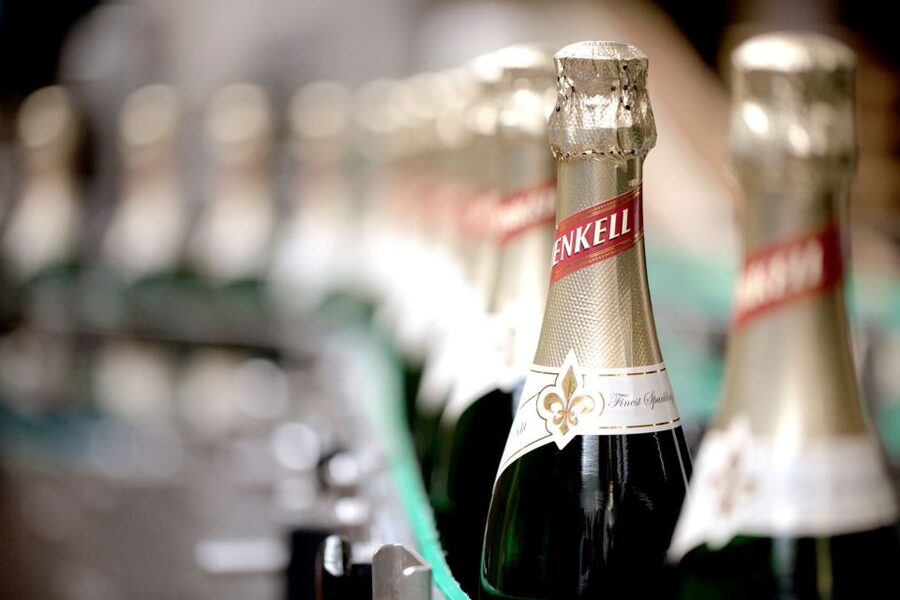
Once the guide gets you moving, the tour focuses on the traditional bottle fermentation approach. The message is simple: selected grapes get turned into a sparkling wine through a chain of stages, and the guide explains how each stage changes the bottle content.
You’ll learn the big idea behind sparkling wine production: secondary fermentation happens in the bottle, and that is what gives you the bubbles and the character you associate with German sekt and other sparkling styles. The tour then helps you connect those dots by showing the stages in order, rather than jumping around.
One practical advantage is pacing. It is long enough to feel like a real production walk-through, but short enough that you are not stuck for hours reading labels or standing around waiting for the group to catch up. At around two hours, it is a good fit for a half-day in Wiesbaden when you still want time for the city.
The guide is live and in German. If you do not speak German, you might still follow the visuals and the steps of the process, but you will get more out of it if you can understand the key terms and directions. Even a little German wine vocabulary helps a lot here.
The Disgorging Demonstration You Actually Get to Watch
This is the moment that makes the tour feel real. Disgorging is the process that separates yeast from the wine after it has done its job during bottle fermentation. You see the demonstration where yeast freezes into the neck of the bottle, and you learn how that frozen yeast plug is removed so the sparkling wine can be served clear.
What I like about this part is that it turns a technical word into something visual. It is easy to hear about “removing lees” and hard to picture what that means. Watching how the yeast ends up in the neck and how the separation works makes the whole method click, especially if you have ever wondered why sparkling wine can taste so refined even when it starts out with a lot of fermentation activity happening inside the bottle.
The tour also emphasizes what comes next: you get freshly disgorged premium sparkling wine in its natural form as part of your tasting. That matters, because it links the “how” to the “taste” immediately, instead of leaving you with an explanation and a later glass that feels unrelated.
If you are sensitive to strong aromas, note that production spaces can smell faintly of yeast and cellar materials. Nothing extreme is implied, but your brain will connect the science to what you smell, and that can make the demo feel even more memorable.
Sekt, Cava, Champagne, and Crémant: How Styles Share the Same Logic
One of the most satisfying parts of this tour is how it ties different sparkling wine styles together without making it feel like a random list. You learn how sekt, cava, champagne, and Crémant are manufactured within the broader world of traditional bottle methods.
Why this helps you as a traveler: you stop tasting sparkling wine as separate “products” and start tasting them as relatives. You begin to understand how the same core logic can lead to different flavor directions based on grape choices, aging practices, and style conventions.
The tour also connects the process to the idea of selected grapes becoming sparkling wine. Even if you are not going home to recreate the method, you get a framework for tasting. Next time you buy sparkling wine, you will be more alert to what might drive the differences in texture, dryness, and overall character.
If you like German wine specifically, you’ll appreciate that the tour is centered in Wiesbaden and focuses on German-speaking perspectives on production. One review favorite mentioned Mionetto as a personal top sparkler, which lines up with the way many people start with one brand and then use a tour like this to expand their taste map.
The 3-Glass Tasting: How to Compare Without Overthinking
The tasting is built into the tour and included in the price. You finish with three glasses of sparkling wine, so you get a mini comparison session rather than a single “cheers and done” pour.
You can make this tasting work for you by doing a quick, simple routine for each glass:
- First look and sniff: notice how the bubbles feel when you pour, and whether the aroma leans toward fruit, bread-like notes, or something more floral.
- Second sip: focus on dryness level and how the acidity frames the fruit.
- Third pause: think about texture, not just flavor. Sparkling wines can feel creamy, crisp, or very tight, and those differences often come from method and aging.
Because you also saw disgorging, the tasting has extra context. Freshly disgorged wine can taste different from what you might imagine for a basic sparkling. You are tasting the result of yeast removal and careful preparation, not just a random bottle on a shelf.
Also, keep it realistic. Three glasses in about the time it takes to wrap up a guided tour can be plenty. If you plan to go straight back into a day of walking around Wiesbaden, sip slowly and give yourself time to switch from wine-nerd mode back to sightseeing.
Price and Logistics: Is $34 Good Value for This 2-Hour Tour?
At $34 per person for roughly two hours, you are paying for more than a tasting flight. You are also paying for guided access to a production-focused facility and a hands-on look at stages like disgorging.
The best value here is the combination: production explanation plus three included glasses. If you were only buying a tasting at a bar, you would likely get wine without the “why.” If you were only taking a winery walk-through without tasting, you would get ideas without the final proof in a glass.
Logistics are straightforward, but one detail matters for your comfort. You will walk down and up 90 steps, and there is no elevator available. This affects value too, because if stairs slow you down, you will feel the tour length more.
Finally, this is a German-language tour with a live guide. That is fine if you speak German or enjoy visual learning. If you do not, still consider going, but plan to focus more on the process you can see than on every sentence the guide says.
Who Should Book This Tour (and Who Might Skip It)
This tour is a great fit if you want a focused introduction to how German sparkling wine and related styles are made. It is ideal for:
- Sekt and sparkling wine lovers who want a process-focused tasting
- Travelers who like structured explanations and clear step-by-step demonstrations
- People who want a two-hour activity that feels educational but still ends with wine in hand
It is not a good match if:
- You cannot manage stairs, since it involves walking down and up 90 steps with no elevator
- You need an English-only experience, since the live guide language is German
- You are under 16, since children are not included
Also, if you dislike tours with a more formal teaching tone, you should know the guide style may feel somewhat instructive. That does not mean it is unpleasant, just that it leans structured.
Should You Book This Henkell Freixenet Sparkling Wine Tour?
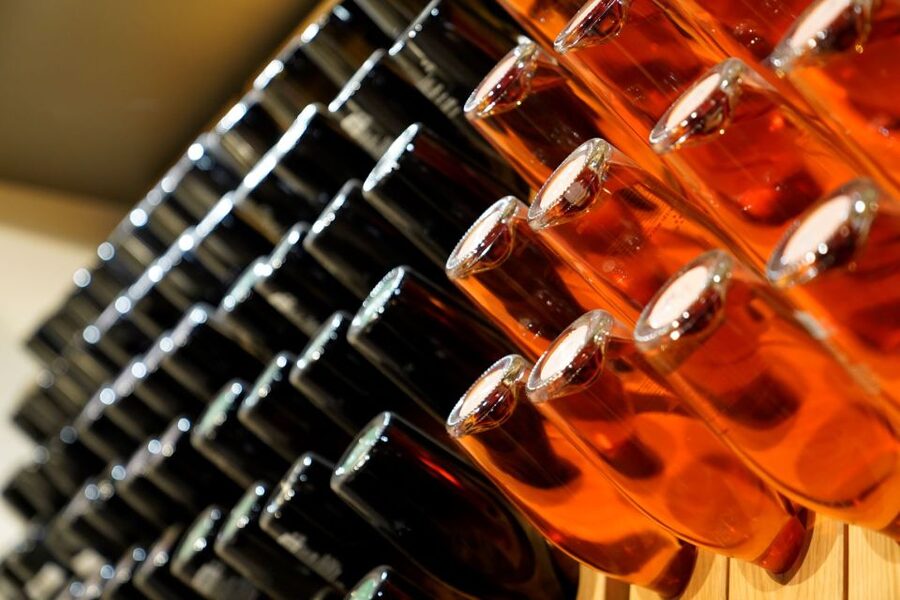
Book this tour if you want a simple, satisfying way to learn sparkling wine production and then taste the result immediately. The big reasons to go are the staged look at how sparkling wine is made, the disgorging demonstration, and the fact that you end with three glasses included in the ticket price.
Skip it if stairs are a problem for you or if you need a fully English guided experience. If you can handle the steps and you enjoy learning while you drink, this is a solid Wiesbaden choice for understanding sparkling wine beyond the label.
FAQ
How long is the Wiesbaden sparkling winemaking tour?
It lasts 2 hours.
How much does the tour cost?
The price is $34 per person.
What is included in the ticket price?
You get an entry ticket, a tour with a guide, and a tasting of 3 glasses of sparkling wine.
Where does the tour start?
Meet at the activity provider’s premises.
Is the tour guide in English?
The live tour guide language is German.
Is the tour suitable for children?
No. It is not suitable for children under 16.
Is the tour accessible for wheelchair users or mobility impairments?
No. It is not suitable for people with mobility impairments or wheelchair users.
Are there elevators available during the tour?
No elevator is available, and the tour involves walking down and up 90 steps.
What will you see during the tour?
You will learn about how sparkling wines are made and you will see stages of production, including disgorging.
What cancellation options are available?
You can cancel up to 24 hours in advance for a full refund.
Fresh on the arrivals board for Wiesbaden
Food & Drink, compared.
St. Pauli Highlights Guided Tour with Beer for 18+
Read our review →
Elbphilharmonie Plaza and HafenCity Food Tour
Read our review →
Bavarian Beer and Food Evening Tour in Munich
Read our review →
Classic Mike’s Bike Tour daily @ 11.30 incl Beer Garden & Surfers
Read our review →
Berlin Center Food Tour with 8+ Authentic Local Tastings
Read our review →
Browse the lists this tour appears in