Reviewed · BERLIN TOURS & ACTIVITIES
Understanding Kreuzberg: The roots of local (sub)culture
Why Kreuzberg feels different is a story. This walk turns the district’s legend into something you can actually read on the streets, from squatter-era roots to today’s everyday Rio-Reiser-Platz energy. I especially like the way the tour connects ideas from the 1970s to what you still see now, and I’m a big fan of the hot chocolate stop from Berlin Chocolatiérs.
A possible drawback: you’ll be on foot for a long stretch, up to about 210 minutes total, so plan for steady walking and comfy shoes. If you want a quick stop-and-shoot, this is probably not your format.
You’ll go with a live local guide in English, German, or Russian, and the experience often feels personal because the guide brings real context, plus practical tips for what to do next after the walk.
In This Review
- Key highlights
- Kreuzberg’s attitude did not appear by magic
- From YAAM to An d. Schillingbrücke: starting with the right vibe
- The squatter legacy, explained where it actually shows up
- A photo stop and a short reset for your feet
- Rio-Reiser-Platz: the chocolate stop that feels like local culture
- The second guided round: how Kreuzberg shapes itself now
- Timing, pace, and what to wear
- Price and value: why $35 can actually be fair
- Who this tour fits best
- Should you book Understanding Kreuzberg?
- FAQ
- How long is the Kreuzberg culture tour?
- What is the price per person?
- Where do we meet for the tour?
- What language options are available?
- What is included in the tour price?
- Where does the tour start and end?
- Is the tour wheelchair accessible?
- Can I cancel for a full refund, and is there a reserve and pay later option?
Key highlights
- Squatter scene explained through places you can point at
- How activism and experimental arts shaped daily life
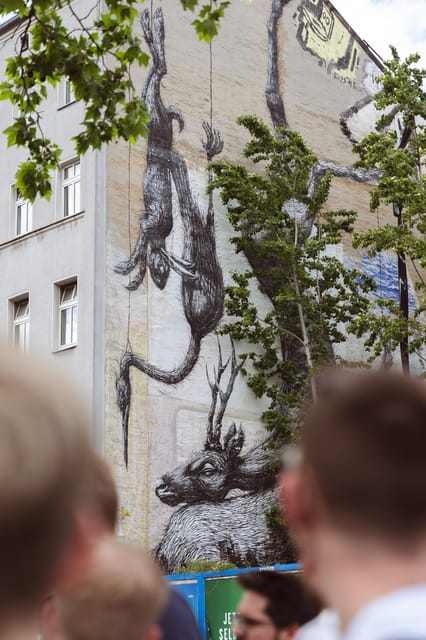
- Hidden backyards and street art stops, with time to look
- Photo break with scenic views along the way
- Rio-Reiser-Platz break for hot chocolate from Berlin Chocolatiérs
- A finish near U Kottbusser Tor so you can keep exploring
Kreuzberg’s attitude did not appear by magic

Kreuzberg’s reputation, creativity plus underground culture plus international energy, has a cause. The tour’s core idea is simple: people in the district created their own rules because the city gave them reasons to. You learn how squatting, activism, and experimental arts became more than labels, they became routines and values that still show up in the neighborhood.
What I like about this approach is that you’re not just hearing dates. You’re learning what those movements were trying to do, how they affected buildings and public space, and why subcultures can actually influence the way a place feels on a Tuesday afternoon. That makes the district less of a theme and more of a living system.
You also hear some straight-up Wall era stories and what changed after. Even without turning it into a history lecture, it helps you understand why certain attitudes in Kreuzberg feel stubborn, practical, and community minded.
Also holding a platform in Berlin
- Berlin: Reichstag, Dome and Government District Guided Tour
★ 4.7 · 18,288 reviews - Berlin: 1-Hour City Tour by Boat with Guaranteed Seating
★ 4.3 · 16,993 reviews - Berlin: TV Tower Standard Entrance Ticket
★ 4.4 · 15,883 reviews
From YAAM to An d. Schillingbrücke: starting with the right vibe
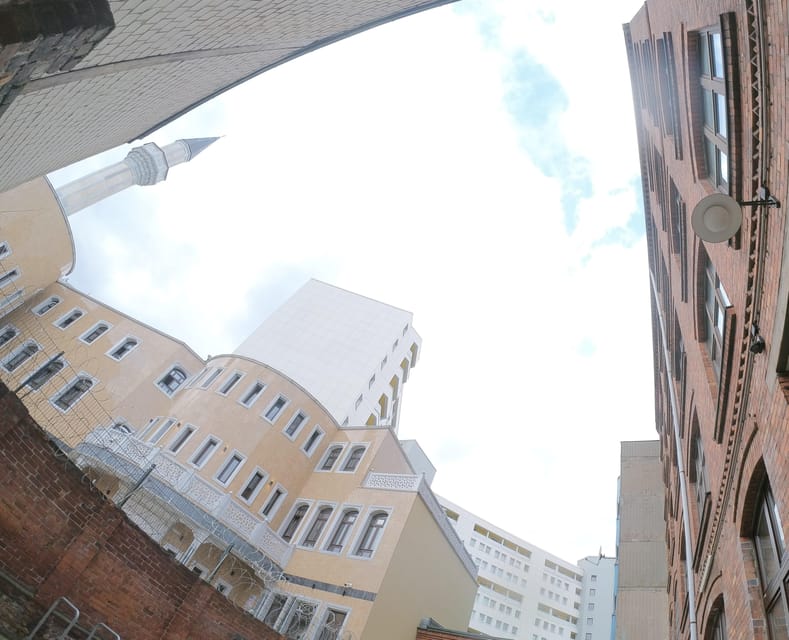
The meeting point is in front of the YAAM entrance, very close to Ostbahnhof. That’s a good setup because you’re already in the real Kreuzberg orbit, not trapped in a museum-like arrival point.
From there, the walk begins around An d. Schillingbrücke 4, and the first guided stretch is about 1.5 hours. Expect sightseeing, walking, and scenic views along the way, which matters because Kreuzberg’s story is partly visible in the shape of the neighborhood. If you get your bearings early, the rest of the tour makes more sense when you start seeing smaller, more specific details.
This first phase is also where the guide usually sets expectations for how to look. You’ll be prompted to notice how different communities coexist in the same streets, and how the district’s past still influences what locals protect, share, and build.
Possible consideration here: because the tour starts with active walking and views, it’s not the best choice if you want long seated breaks before you get moving.
The squatter legacy, explained where it actually shows up
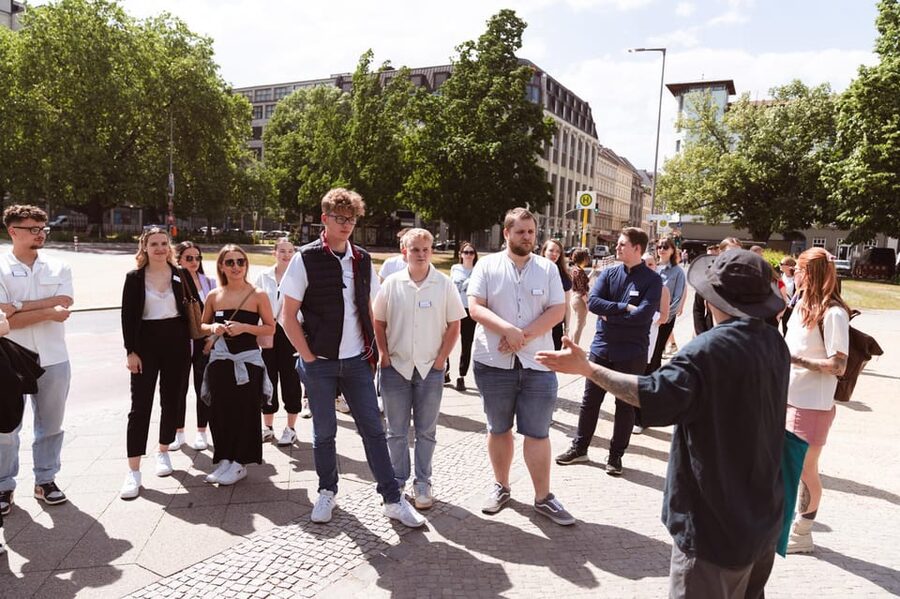
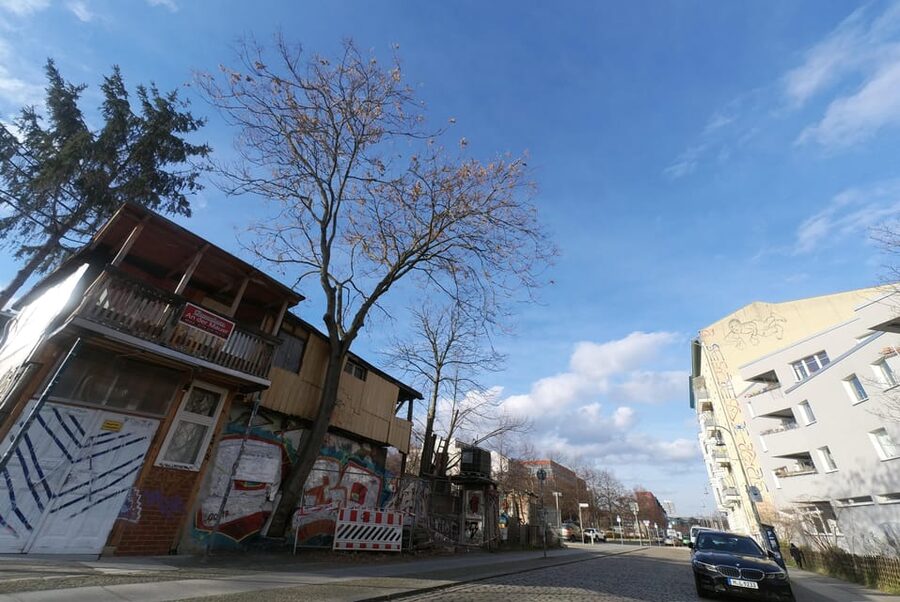
A big part of the experience is locating the legacy of the squatter movement. This is the kind of history that can sound abstract until you connect it to physical space, and that’s exactly what you do. The tour talks about how subcultures formed in Kreuzberg, then you see examples that help you visualize what those values looked like on the ground.
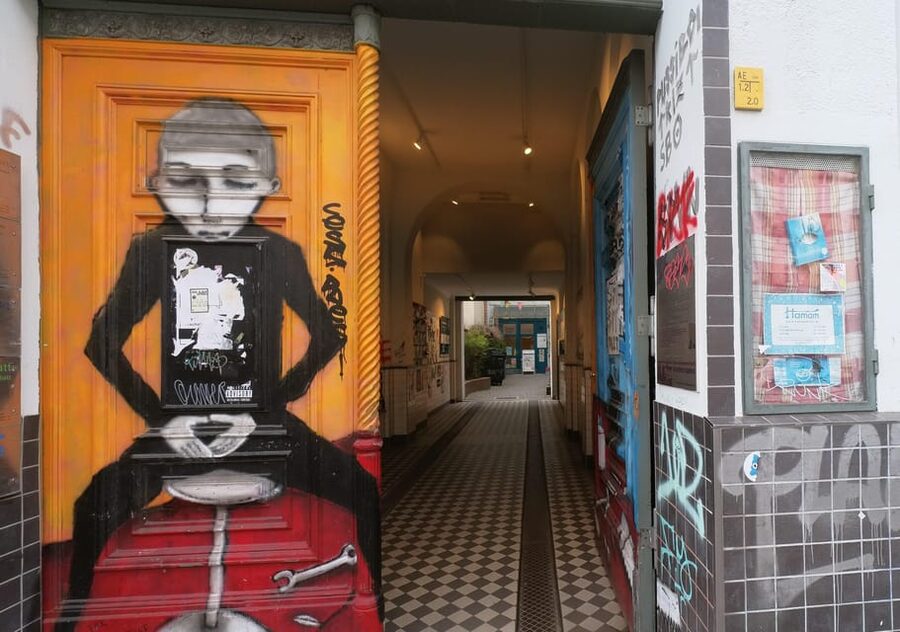
You can expect stops that include hidden backyards, places you might walk past on your own without realizing they matter. This is where the district’s story becomes more tactile. Courtyards, side entrances, and tucked-away spaces are often where you see the neighborhood’s attitude toward shared use and local ownership.
Street art also plays a role. You’ll get pointers about what you’re looking at, so it’s not just pictures for your camera. The guide helps connect street-level creativity to activism and experimental arts, which is why Kreuzberg’s reputation stuck in the first place.
One reason this works so well is the tour’s focus on everyday life. You’re not only asked to admire the past, you’re shown how values from then are still present in how people organize, collaborate, and argue about what a good neighborhood should be.
A photo stop and a short reset for your feet
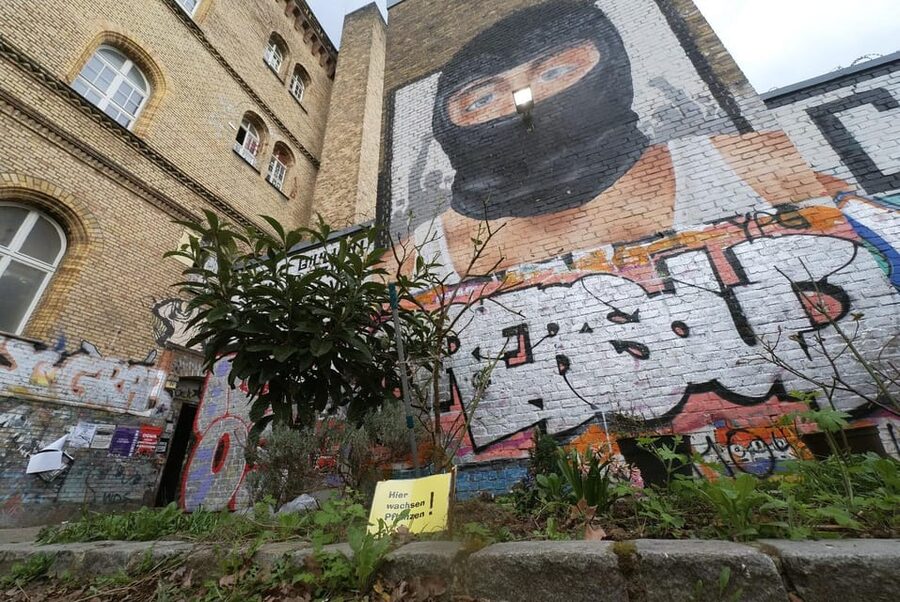
Midway through, there’s a photo stop with scenic views. It’s not a random photo break. It gives you a chance to step back, look at the bigger street picture, and remember what you learned earlier about how the district grew into itself.
After that, you get a 15 minute break with free time. That’s a welcome reset. Use it to grab water, check your phone for directions, or just stand there for a minute and watch how the street rhythm feels right then.
If you’re the type who gets hungry fast, this short pause is also your chance to prepare for the chocolate stop coming soon. The pace between the guided segments is intentionally spaced so you can stay mentally fresh, not just physically moving.
Rio-Reiser-Platz: the chocolate stop that feels like local culture
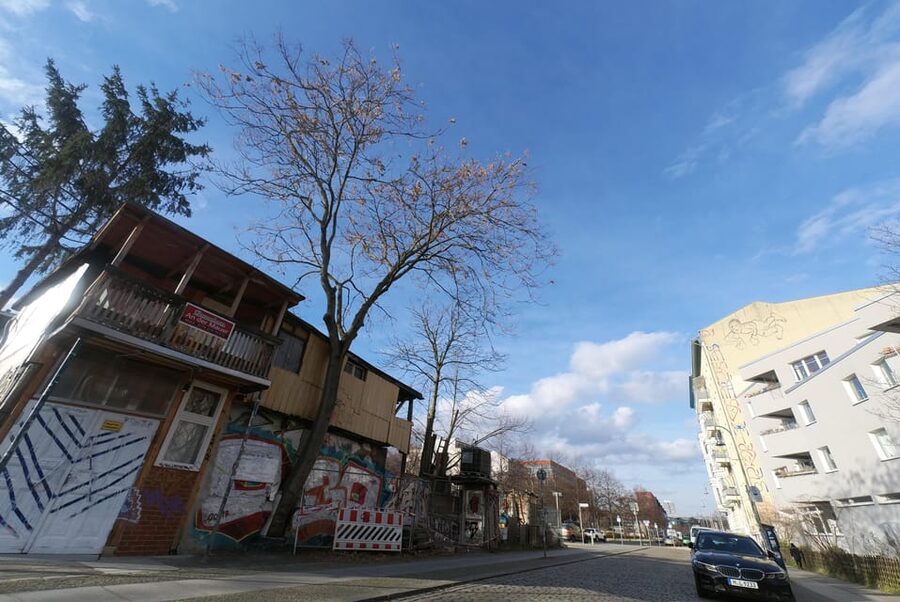
The tour’s break lands at Rio-Reiser-Platz, and this is the moment many people remember. You treat yourself to chocolate from Berlin Chocolatiérs, and it’s framed as more than a snack. The point is that food, especially a local small business product, becomes part of the neighborhood story you’re walking through.
Hot chocolate here is also a practical choice. It’s easy to slow down, warm up if the weather turns, and chat with your group while the guide keeps tying the big ideas to the smaller realities around you.
There’s also a social element built into the break. You mingle with the locals, even if only briefly. That matters because Kreuzberg is not a place where culture is locked behind ticket gates. You get the sense that community interaction is part of the district’s daily rhythm.
If you’re sensitive to sweetness, you might want to pace your drink and use the break to take in the area rather than trying to rush the chocolate.
Onward connections from Berlin:



The second guided round: how Kreuzberg shapes itself now
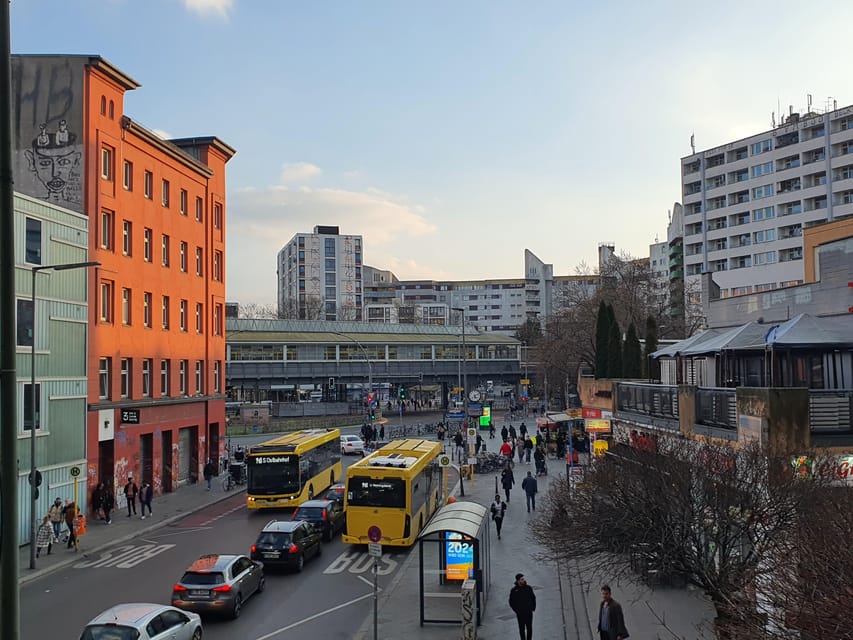
The second guided segment runs another 1.5 hours, and it’s where the tour shifts from origins to ongoing influence. You’ll hear about social and environmental projects that locals organize together. The tour’s message is that Kreuzberg is not frozen in the 1970s. Those ideas keep evolving because people keep meeting, negotiating, and rebuilding.
This phase is also where you learn how the district is shaped by residents with shared values. That can include activism, but it’s not only about protests or slogans. It’s also about urban visions, how neighborhoods improve, and how locals turn a difficult history into a reason to collaborate.
You may also continue to see more of the street art and smaller spaces that show the district’s creativity in action. The goal is to make you walk away with a new habit: you look at Kreuzberg as a system created by people, not as a set of attractions.
A helpful detail from guide feedback you can take into account: a great guide does more than deliver facts. They tend to share practical next steps, like where to eat and where to go after the tour finishes. That kind of follow-through is exactly what helps you turn a single walk into a better overall day in Berlin.
Timing, pace, and what to wear
This experience runs 2 hours up to 210 minutes depending on the time slot and flow. It is designed as a walking tour with guided time and short breaks. That means your comfort matters more than you might expect, especially if you’re traveling with sore feet or you prefer to minimize walking.
Wear shoes that handle city sidewalks and standing time. You’re getting scenic views and photo stops, so you’ll likely be pausing often. A small layer for weather helps too, because you’ll be out in the open for part of the walk.
If you’re traveling with mobility needs, the tour is wheelchair accessible. Still, it helps to think of this as an outdoors walk, so ask how the route handles curb cuts and pacing for your specific needs.
Price and value: why $35 can actually be fair
At about $35 per person, this is priced like a neighborhood experience, not a full-day excursion. The value comes from three things working together.
First, you get a live guide for two guided stretches, not just a quick orientation. Second, the tour includes one hot beverage, and the chocolate is from Berlin Chocolatiérs, which gives the break a real local anchor instead of a random café stop. Third, the tour is about interpretation. You’re paying for someone to connect squatter culture, activism, and street-level signs into a clear story you can keep thinking about after you leave.
Reviews also point to an intimate feel when group sizes are small, which is a big part of why a local-history walk can land emotionally. If the group ends up compact, you’ll likely get more direct conversation and questions answered.
So, if you’re the kind of traveler who wants context, not just sights, this is good value. If you only care about major landmarks or a fast photo run, you may feel it’s not targeting your priorities.
Who this tour fits best
This tour fits you if you want to understand Kreuzberg beyond stereotypes. It’s ideal for people who enjoy walking with a theme, reading the neighborhood like a map, and learning how subcultures change everyday life.
It’s also a smart choice if you have friends or family visiting and you want to show them a different Berlin. One helpful angle from past visitors: even locals who have lived in Kreuzberg a while can walk away noticing smaller details they overlooked before. That’s a sign the guide teaches you how to look, not just what to see.
If you’re sensitive to political topics, you may still enjoy it, since the tour treats activism and squatting as part of the neighborhood’s development rather than as a shouting match. But if you want a purely neutral, museum-style experience, you might find the subject matter a bit more opinionated in spirit.
Should you book Understanding Kreuzberg?
Book it if you want a story-driven Kreuzberg walk that explains why the district feels the way it does. The squatter scene legacy, the street art and backyards, and the thoughtfully chosen Rio-Reiser-Platz hot chocolate from Berlin Chocolatiérs make it feel like more than a standard guided route.
Skip it if you’re after classic sightseeing only, or if walking for up to 210 minutes sounds like misery. Also skip it if you don’t want any political or social context, since the tour’s whole point is how people built culture from real-world conditions.
If you’re aiming for authentic Berlin street-level understanding, this is one of the more practical ways to get it, while getting a great local chocolate break along the way.
FAQ
How long is the Kreuzberg culture tour?
The duration is listed as 2 hours up to 210 minutes, depending on the starting time and how the walk flows.
What is the price per person?
The price is $35 per person.
Where do we meet for the tour?
You meet in front of the YAAM entrance, very close to Ostbahnhof.
What language options are available?
The live guide offers English, German, and Russian.
What is included in the tour price?
The tour includes a guided tour with an experienced local guide and one hot beverage (chocolate, coffee, or tea) in collaboration with a local small business.
Where does the tour start and end?
The tour starts around An d. Schillingbrücke 4 and finishes at U Kottbusser Tor.
Is the tour wheelchair accessible?
Yes, the tour is listed as wheelchair accessible.
Can I cancel for a full refund, and is there a reserve and pay later option?
Free cancellation is available up to 24 hours in advance for a full refund. You can also reserve now and pay later.
Fresh on the arrivals board for Berlin
Berlin Tours & Activities, compared.
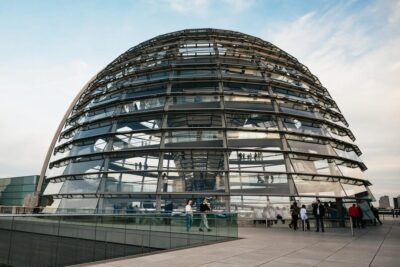
Reichstag, Dome and Government District Guided Tour
Read our review →
1-Hour City Tour by Boat with Guaranteed Seating
Read our review →
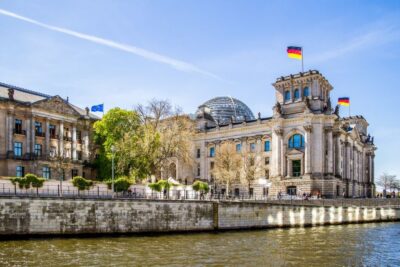
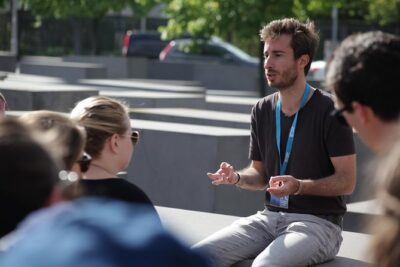
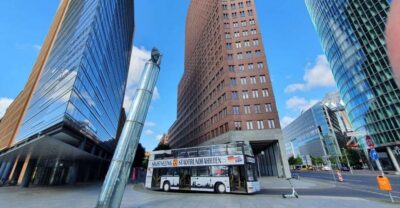
Berlin City walk Government District and Places of Democracy
Read our review →