Reviewed · BERLIN TOURS & ACTIVITIES
The Stachelschweine anniversary program: I’ve still got a Tesla in Berlin
Berlin cabaret hits harder than you expect. In the anniversary program of Die Stachelschweine, you get a sharp, fast-moving political satire set in 2028, served with lots of music and black humor. It is the kind of show that feels current even when the jokes are about imaginary futures.
I like two things a lot: the on-the-ground political bite and the way the writers keep it laugh-fast with smart structure. The 75th anniversary staging, I’ve got another Tesla in Berlin, is written by Frank Lüdecke and Sören Sieg and directed by Lüdecke, with music by Luca Fazioli. You will also get strong performance energy from Santina Maria Schrader, Mirja Henking, and Sebastian Stert.
One drawback to plan for: the performance is in German, and you will want enough language comfort to catch the fast jokes. If German is shaky for you, consider it a risk, even though the staging is lively and musical.
In This Review
- Key points to know before you go
- Die Stachelschweine and Berlin’s cabaret room vibe
- The 2028 plot: pensions, debt, and a very wrong Tesla future
- Pacing and music: why the show moves so fast
- Finding the theater in the Europacenter basement (and getting settled)
- Language reality check: German performance, live timing, and best strategies
- Price and value: is $53 fair for 2 hours of uncensored satire?
- Who this Berlin cabaret show suits best
- Should you book: my practical verdict
- FAQ
- Where is the meeting point for Die Stachelschweine?
- How long is the anniversary program?
- How much does the ticket cost?
- What language is the show performed in?
- Can I choose specific seats?
- Is the theater wheelchair accessible?
- How large is the group?
- What is the cancellation option?
Key points to know before you go
- A 2028 satire with real-world targets: debt pressure, election promises, and corporate reshuffling show up in jokes you will recognize.
- It is cabaret in Berlin’s first cabaret theater: Die Stachelschweine is the setting, and the tone stays bold and uncensored.
- Written, directed, and scored by named pros: Frank Lüdecke, Sören Sieg, Luca Fazioli, plus arrangements by Martin Rosengarten.
- Music is built into the pacing: the show moves quickly, so songs help keep the momentum.
- Small group size: limited to 6 participants, which makes the room feel tighter and more immediate.
- Plan for voucher and seating category: you choose a seating category but not specific seats, and you should swap your voucher at the box office before the show.
Die Stachelschweine and Berlin’s cabaret room vibe
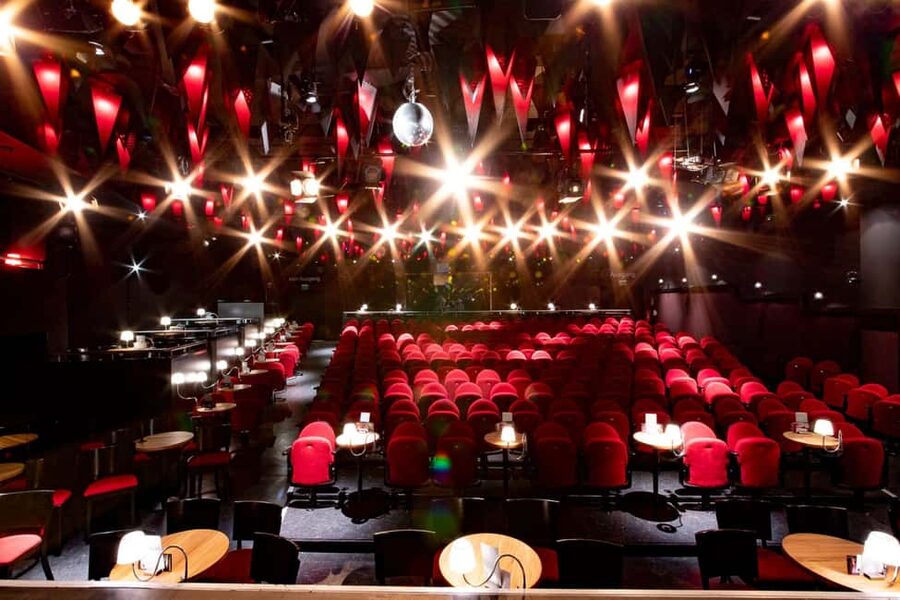
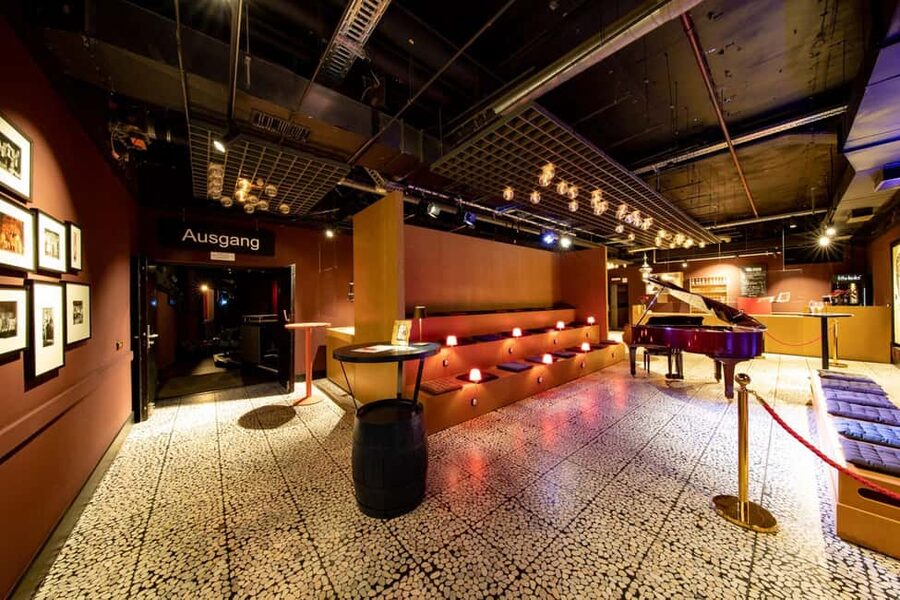
If you want Berlin culture that is not just pretty views and museums, this is a solid pick. Die Stachelschweine is Berlin’s first cabaret theater, and that matters because the room is designed for watching the performers, reading timing, and catching details in the dialogue. Instead of a big stage show where you are one of thousands, you sit in a space that feels made for close contact.
This anniversary program leans into Berlin cool, but the heart is sharp social commentary. You are not getting vague feel-good entertainment. You are getting a fast, live show with music and a point of view, the kind that expects you to think while you laugh.
Also, the show is described as current and clever, and you can feel that in the premise alone. The plot is built around real debates, just moved forward to 2028 so the satire can sharpen the edges.
Also holding a platform in Berlin
- Berlin: Reichstag, Dome and Government District Guided Tour
★ 4.7 · 18,288 reviews - Berlin: 1-Hour City Tour by Boat with Guaranteed Seating
★ 4.3 · 16,993 reviews - Berlin: TV Tower Standard Entrance Ticket
★ 4.4 · 15,883 reviews
The 2028 plot: pensions, debt, and a very wrong Tesla future
The show, I’ve got another Tesla in Berlin, paints a future that starts with financial pressure and ends with chaos. The headline idea is that national debt keeps growing, and that pressure lands on the national leadership in the story. Chancellor Wagenknecht and Vice-Chancellor Pistorius face increasing stress, and the jokes keep tightening around money, promises, and who pays.
Then the writers throw in absurd-but-specific details so the satire stays concrete. A cheese sandwich costs 14 euros. Creditworthiness of the Federal Republic gets downgraded to BB. Half of the taxes go to pay interest. And the corporate world is re-ordered too, with BASF and Bayer shifted to Asia, and VW and BMW folded into Tesla.
One of the funniest parts is also the most pointed: Pistorius has an idea to fund election promises with one move. In the story, pensions start from age 55, public transport becomes free, and rent caps drop back to 1989 levels. The show frames it as the secret plan for Berlin, and then twists the concept further.
In this imagined plan, Berlin is treated like something you could sell off as if it were silverware for the nation. That is the recurring fear behind the jokes, the idea that the city could be turned into a product. The show keeps pushing that question with black humor, using escalation so you feel the panic building, then turning it into laughter.
And just when you think the future plan might hold, everything goes wrong. That “it all unravels” structure is classic cabaret logic, but here it is tied to very modern anxieties: debt, credibility, and public spending that never quite adds up.
Pacing and music: why the show moves so fast
This is not a slow theatrical lecture. The format is fast-paced cabaret, and that speed is part of the joke. You will feel the rhythm in how scenes turn quickly, how performers switch energy, and how punchlines land before your brain can overthink them.
The show also leans hard on music. Music is by Luca Fazioli, with arrangements by Martin Rosengarten, and the songs help you follow the story arc without getting stuck in long speeches. In practical terms, that means you can ride the momentum even if you miss one line, because the staging keeps pulling you forward.
You get a mix of black humor and Berlin cool, so the comedy sometimes looks playful, then flips into something darker. That balance is what makes the satire feel sharp rather than random. It stays pointed at social commentary, but it still gives you enough humor beats to keep the mood light.
Staging-wise, you should expect to be engaged. This kind of cabaret usually asks you to track current references and character logic, and the performers give those moments plenty of presence. With the cast led by Santina Maria Schrader, Mirja Henking, and Sebastian Stert, the energy stays high throughout the running time.
Finding the theater in the Europacenter basement (and getting settled)
Logistics matter more here than you might think, because the show starts on its own rhythm and you want to be ready before the first line. The entrance to the theater is in the basement of the Europacenter, so plan to head there rather than wandering around street level.
Seating is also something to take seriously. You can pick a seating category, but you do not choose exact seats. When you arrive, swap your voucher at the box office before the show begins, so you do not end up trying to fix it mid-show.
I also recommend you arrive with a little extra buffer time. Even though the show is only 2 hours, cabaret rooms can be tight, and you want your mind on the jokes, not on your ticket.
One small note based on how people describe the experience: your ticket may not come with a seat number printed on it, so treat the box office swap as part of your arrival routine. Get that done, then relax and let the performers take over.
Language reality check: German performance, live timing, and best strategies
Here is the key fact: the play is performed in German. Some content is shown in its original language, so even if you speak some German, you should expect that you might still run into a quick reference or stylized phrasing.
If your German is strong enough for everyday conversation, you will likely enjoy the speed, because cabaret humor depends on timing and nuance. If your German is only basic, you may still follow the overall storyline, but the sharpest punchlines could slip by.
My practical strategy for German shows like this is simple. Watch for structure, not just vocabulary. When a scene starts escalating, expect the joke to land at the turning point, and the performers will usually guide you with tone and rhythm.
Also, because there is a lot of music, you can use the songs as anchor moments. They often reset the emotional and story context, so you are not completely lost if a spoken bit is too fast.
Onward connections from Berlin:




Price and value: is $53 fair for 2 hours of uncensored satire?
$53 for a 2-hour show works out to about $26.50 per hour, but the value comes from more than the math. You are paying for live political satire in an intimate cabaret theater, with a small group feel and a cast that is clearly built for performance timing.
You are also getting more than one kind of entertainment. The show mixes comedy, social commentary, and music, and it is framed as uncensored and current. If you like theater that takes a position and stays connected to real debates, this can feel like a good deal.
The small group size, limited to 6 participants, is another value driver. It is not a huge auditorium experience, so your attention and the performers’ energy have less “distance” to travel. That often makes a ticket feel more meaningful even if you do not know the actors.
If you come expecting a gentle evening, you might not love it. But if you come for sharp satire, this price is reasonable for a niche, live, locally rooted Berlin performance.
Who this Berlin cabaret show suits best
This anniversary program is best for you if you want Berlin culture that is honest and a little uncomfortable in a fun way. I would book it if you enjoy political humor, like social commentary, and you do not mind dark jokes as part of the comedy package.
It is also a good match for theater people who like shows with craft. The named team behind it, including Frank Lüdecke and Sören Sieg for writing and Luca Fazioli for music, signals a production made with intention, not a random comedy set.
Because the show is in German, it also suits you if you can handle live dialogue at normal speed. If you are actively studying German, this can be a strong practice night since cabaret pushes pronunciation, rhythm, and vocabulary in a memorable context.
If you are traveling with someone who loves museums but wants one evening that feels local and current, this can be a great trade. It is a way to experience Berlin as a living conversation, not just a photo opportunity.
Should you book: my practical verdict
Book it if you want fast, uncensored Berlin political cabaret and you can handle German live. I’ve got another Tesla in Berlin is built like a tight comedy machine, with a vivid 2028 premise, strong performances by Santina Maria Schrader, Mirja Henking, and Sebastian Stert, and music that keeps the pacing moving.
Skip it if German is too much of a stretch for you right now. The show’s humor is also clearly designed for people who catch references and tonal shifts quickly. With limited language comfort, you might end up enjoying only the broad shape while missing the best lines.
If you do book, plan your arrival to get your voucher handled and give yourself time to settle before the show starts. Then sit back and let the satire do its thing, because this is one of those evenings where you leave thinking about the jokes after the curtain call.
FAQ
Where is the meeting point for Die Stachelschweine?
The entrance to the theater is in the basement of the Europacenter.
How long is the anniversary program?
The program lasts 2 hours.
How much does the ticket cost?
The price is $53 per person.
What language is the show performed in?
The play is performed in German. Some content is shown in its original language.
Can I choose specific seats?
You can pick a seating category, but not specific seats. You’ll also need to swap your voucher at the box office before the show starts.
Is the theater wheelchair accessible?
Yes, it is wheelchair accessible.
How large is the group?
It is limited to 6 participants.
What is the cancellation option?
Free cancellation is available up to 24 hours in advance for a full refund. You can also reserve now and pay later.
Fresh on the arrivals board for Berlin


Berlin Tours & Activities, compared.
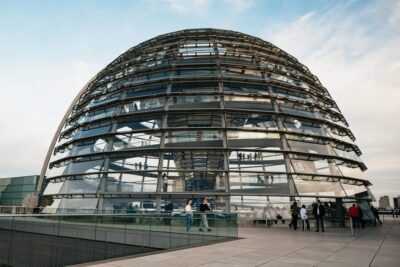
Reichstag, Dome and Government District Guided Tour
Read our review →
1-Hour City Tour by Boat with Guaranteed Seating
Read our review →
Berlin City walk Government District and Places of Democracy
Read our review →