Reviewed · BERLIN TOURS & ACTIVITIES
Red Berlin: Secrets of the Communist Capital
Follow Berlin’s Cold War scars on foot. This walk threads you through former Soviet East Berlin, where the Stasi kept eyes on everyday life and the Wall stayed ready for the next crisis.
Two things I like a lot are the embassies of Cold War powers and the wall drama around Palace of Tears, then finishing at Bernauer Straße. It’s the kind of history that turns street corners into story clues.
One consideration: it’s only 2 hours, so expect a fast hit of names, places, and themes rather than a slow, museum-style pace.
In This Review
- Quick hits: what you’ll actually get from Red Berlin
- East Berlin’s Cold War story, explained on the street
- Meeting at Starbucks near Brandenburg Gate, then moving like locals
- Cold War embassies: four powers, one city, constant tension
- Palace of Tears Wall crossings: where politics met people
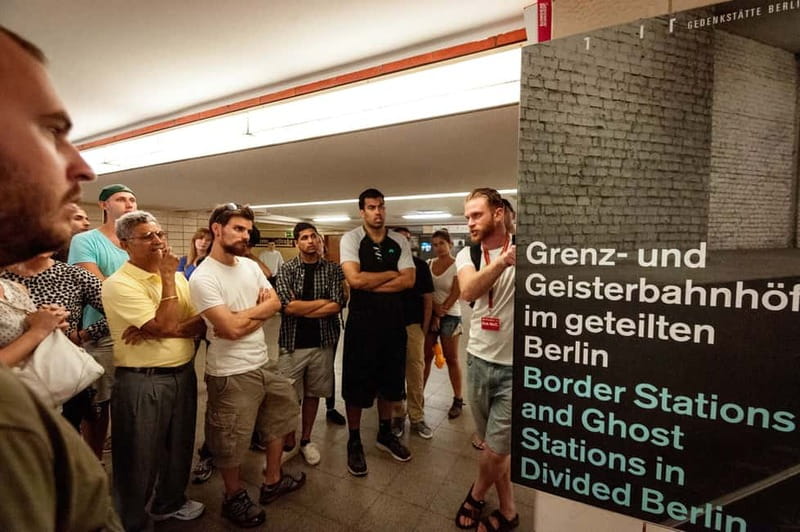
- Ghost Stations: when rail travel became a political problem
- Ostalgie: why some people look back differently
- The 2-hour pace, plus time for lunch
- Guides that can make or break a walking history tour
- Price and value: is $30 for a 2-hour walk a smart buy?
- Should you book Red Berlin?
- FAQ
- How long is the Red Berlin walking tour?
- How much does the tour cost?
- Where do I meet the guide?
- What does the guide look like?
- Where does the tour finish?
- Do I need a transit ticket to join?
- Is food included?
- What language is the tour in?
- Is the tour wheelchair accessible?
- What if I need to cancel?
Quick hits: what you’ll actually get from Red Berlin
- Embassies of four Cold War powers, shown in a way that helps you understand who watched whom
- Palace of Tears crossing points, where high politics met real human decisions
- Ghost Stations, the “missing” stops and the logic behind them in the Cold War rail system
- Ostalgie explained, so you can make sense of how some East Germans remember everyday life after the fall
- Stasi and surveillance, taught through place-based stories instead of dry timelines
East Berlin’s Cold War story, explained on the street
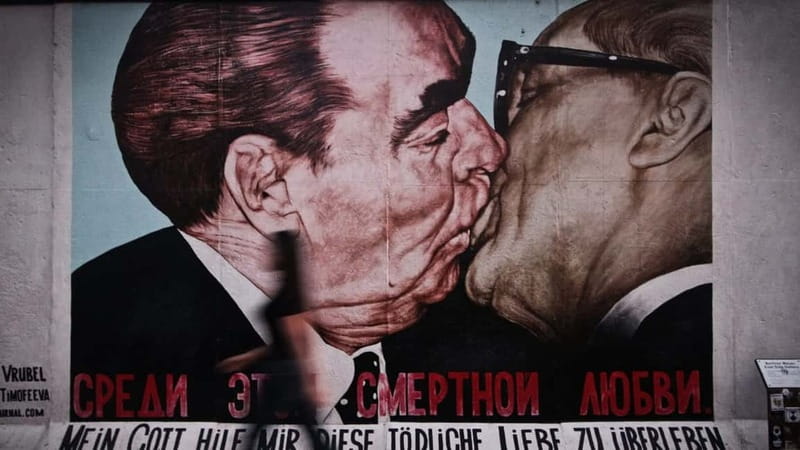
This tour focuses on Berlin when the city was a frontline, split into two worlds with very different rules for daily life. You’ll walk through former Communist East Berlin and hear how tension was built into the streets, institutions, and even travel.
The heart of the story is the Stasi, described as the largest spy network the world has ever seen. What makes the tour work is that the Stasi theme isn’t just a fact, it’s a lens. When you see the locations connected to power and control, the idea of observation becomes concrete, not abstract.
You’ll also get the bigger frame: Berlin as a place where the Cold War could tip into something much worse. That helps you understand why borders, crossings, and surveillance mattered so much. In Berlin, it’s easy to think the Wall is only a monument. This kind of walk shows you how it functioned as a system.
Also holding a platform in Berlin
- Berlin: Reichstag, Dome and Government District Guided Tour
★ 4.7 · 18,288 reviews - Berlin: 1-Hour City Tour by Boat with Guaranteed Seating
★ 4.3 · 16,993 reviews - Berlin: TV Tower Standard Entrance Ticket
★ 4.4 · 15,883 reviews
Meeting at Starbucks near Brandenburg Gate, then moving like locals
You start at Starbucks Café near Brandenburg Gate, and your guide will be easy to spot with a red umbrella and red t-shirt. That’s helpful in a city where the landmarks are everywhere, but the exact starting points still matter.
Bring comfortable shoes. The tour is a short walk, but it’s also history-heavy. You’ll spend time moving between key sites, and the guide will be talking the whole way, so you want your feet to feel fine.
You also need an AB transit ticket to join. The tour info recommends a day card, which is practical because you might want flexibility for lunch before or after the tour. If your plan depends on hopping around Berlin, having that transit coverage ready saves stress.
Cold War embassies: four powers, one city, constant tension
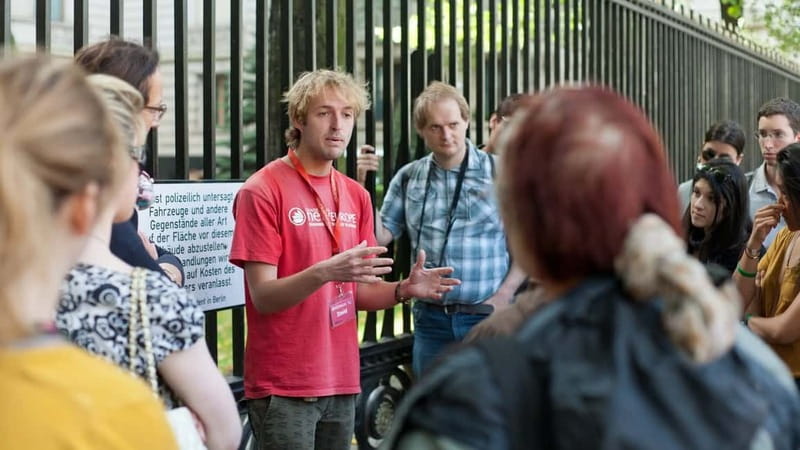
One of the headline experiences is visiting the embassies of four Cold War powers. This stop matters because embassies weren’t just offices. In a split Berlin, they were nerve endings, places where information moved and where diplomacy lived under pressure.
What I like about learning this this way is the cause and effect. When you stand near an embassy, you can connect the dots between messaging, espionage, and the larger rivalry of the era. You’re not just memorizing countries and dates. You’re seeing how geography served politics.
Also, embassies give you a built-in comparison. Even if you’re not a political-history fanatic, you can tell that different states had different priorities and postures. The guide’s job here is to help you read those clues without turning it into a lecture.
Palace of Tears Wall crossings: where politics met people
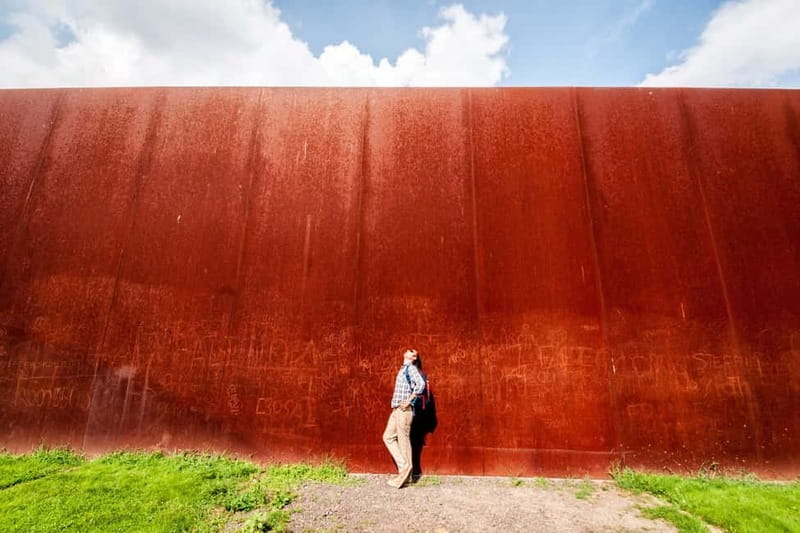
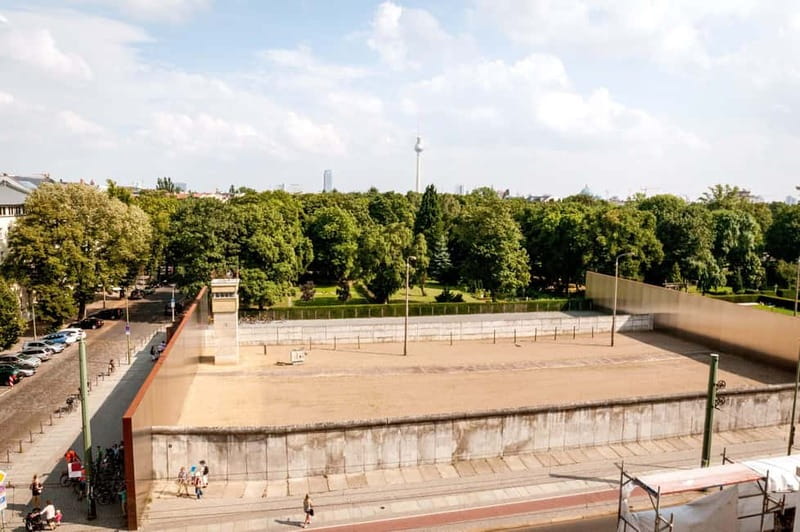
The tour includes crossing points of the Berlin Wall at Palace of Tears. This is one of those locations where the history hits harder because it’s tied to movement. The whole Cold War was, in part, about who could go where and who had to stay.
Palace of Tears is the kind of place where the guide’s storytelling really earns its keep. You’re likely to understand the emotional weight behind the term crossings, not just as a border detail, but as a turning point for families, plans, and futures.
Then you keep going and end at Bernauer Straße, another major wall area with a powerful presence. If you’re trying to grasp how separation worked day to day, stopping at Bernauer Straße helps you connect the dots to the physical reality of the boundary.
Ghost Stations: when rail travel became a political problem
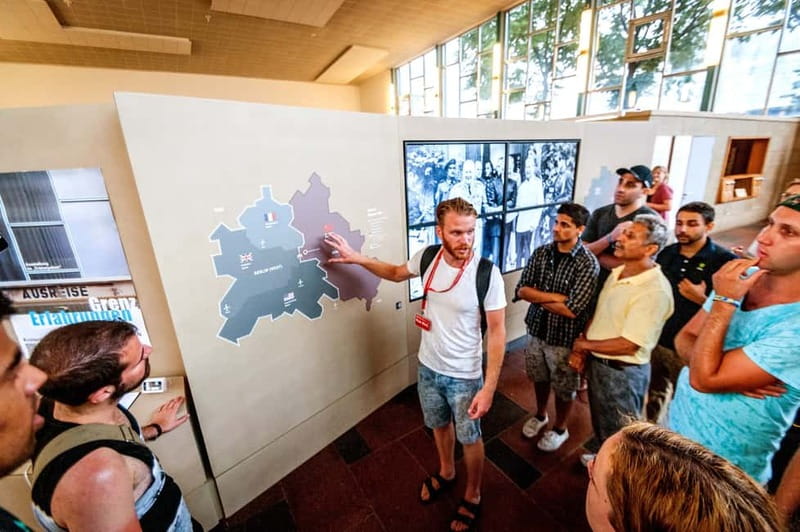
You’ll also learn about the infamous Ghost Stations. This is one of the most interesting topics on the tour because it shows how the Cold War shaped ordinary routines. Rail should be neutral, right? In Cold War Berlin, it wasn’t.
The tour explains how some stations became part of the control system, with routes and access designed around separation. You end up thinking differently about Berlin’s transit map. Stops are no longer just stops. They’re evidence of strategy.
This is also where I recommend you keep your curiosity switched on. If you ask your guide how the system worked, you’ll likely get a clearer sense of the logic behind the barriers. And once that clicks, you start noticing how the city still bears the marks of that era.
Onward connections from Berlin:



Ostalgie: why some people look back differently
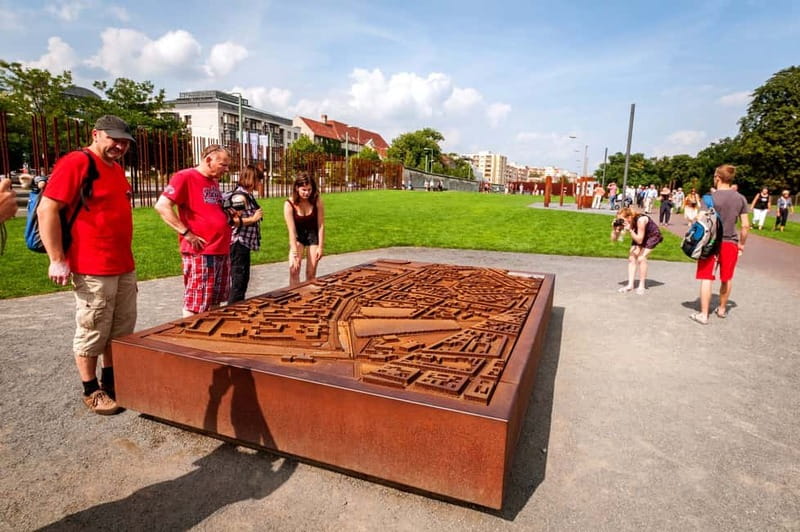
You’ll hear about Ostalgie, the phenomenon tied to East German nostalgia. This is valuable because it keeps the story from becoming one-note tragedy only. The Cold War experience included real hardships, but it also included ordinary routines, favorite products, familiar faces, and daily habits.
What you take away depends on how the guide frames it, but the goal is simple: help you understand that memory is complicated. People can be critical of the system and still miss aspects of everyday life.
I like this part because it gives you a more adult understanding of post-reunification Berlin. Without that context, you might either treat the East as nothing but gloom, or treat nostalgia as blind romanticism. With the tour’s framing, you can hold the nuance.
The 2-hour pace, plus time for lunch
The total duration is 2 hours, and that matters for expectations. This is not a full-day deep study. It’s a focused walking narrative that hits major themes and key locations so you can get oriented fast.
The tour includes time for lunch, which is a nice touch because it means the experience isn’t just a history sprint. You’ll have a chance to eat without feeling like you must do it before everything starts.
The tradeoff is that you should plan your day around movement. Comfortable shoes help, and having transit sorted helps too. If you’re the type who likes to linger for photos for long stretches, you may want to do one extra stop on your own after the tour so you don’t feel like you missed the best viewpoints.
Guides that can make or break a walking history tour
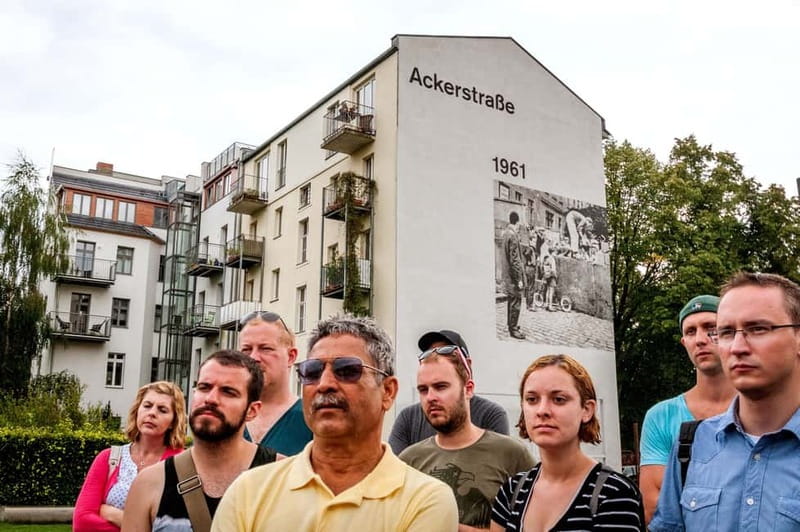
A big part of why this walk earns strong praise is the guide experience. The tour has a strong track record with guides like Marcel, Dominic (Dom), Ernestine, Sarah Enright, Sophie, Sam, and Lucy. People also highlight storytelling energy from guides including Liz, Leen, Mark, Louis, and Jeff.
You’ll notice a pattern in the good feedback: guides use humor, clear explanations, and on-the-spot teaching tools. One person specifically mentioned a chalk map on the floor, which is exactly the kind of practical visual that helps you remember what you’re seeing.
If you love asking questions, this type of tour usually rewards you. Several guides are described as making room for questions and answering even the tricky ones. That’s a good sign if you like your history with real-world detail, not just speeches.
Price and value: is $30 for a 2-hour walk a smart buy?
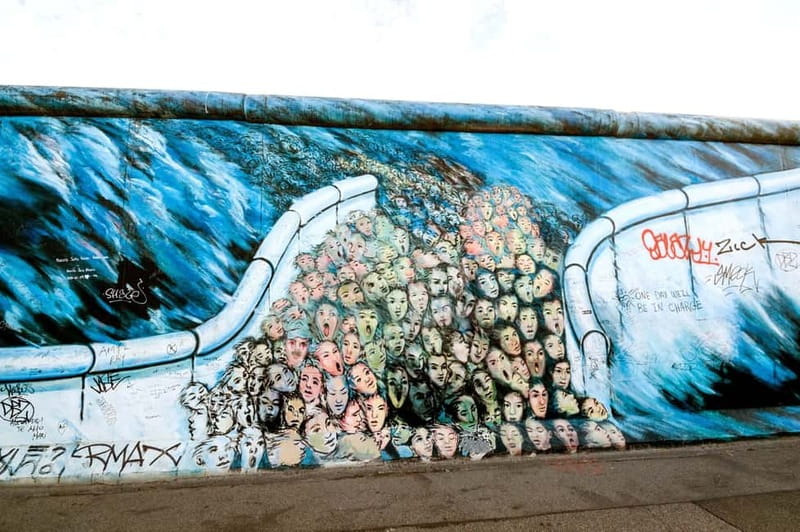
The price is $30 per person for a 2-hour guided walk that includes major Cold War themes and specific sites like palace crossing points and Ghost Stations discussion. For the money, you’re paying for interpretation, not just access.
Here’s the value logic I use: you can read a few books about the Wall, but you can’t easily recreate the “stand here, picture what happened, understand why it mattered” experience without a guide. This tour does that in a compact time window.
Also, it includes time for lunch, and the tour runs in English with a live guide. If you’re traveling with limited time in Berlin, that combination is a strong deal. You get a guided framework for the entire Cold War Berlin story, then you can add museums or self-guided walks afterward.
Should you book Red Berlin?
Book it if you want a smart, guided way to understand East Berlin under pressure, with specific stops that connect surveillance, borders, and everyday life. It’s ideal if you enjoy walking tours where the guide explains what you’re looking at, not just what happened.
Skip it, or at least adjust expectations, if you want a slow, scenic walk with lots of free time. Two hours is enough for the core story, but not for lingering at every site.
If you do book, here’s my practical advice: plan to eat after the walk, and set your expectations around the route ending at Bernauer Straße. Some people have run into confusion with other Berlin memorials tied to Cold War themes, so the safest move is to focus on the route you’ll actually do.
FAQ
How long is the Red Berlin walking tour?
The tour duration is 2 hours.
How much does the tour cost?
The price listed is $30 per person.
Where do I meet the guide?
Meet your guide in front of Starbucks Café, near Berlin’s historic Brandenburg Gate.
What does the guide look like?
Your guide will have a red umbrella and a red t-shirt.
Where does the tour finish?
The tour finishes at Bernauer Straße.
Do I need a transit ticket to join?
Yes. An AB transit ticket is required. A day card is recommended.
Is food included?
Time for lunch is included, but food and drinks at breaks are not included.
What language is the tour in?
The tour guide provides the tour in English.
Is the tour wheelchair accessible?
Yes, the tour is wheelchair accessible.
What if I need to cancel?
Free cancellation is available up to 24 hours in advance for a full refund.
Fresh on the arrivals board for Berlin
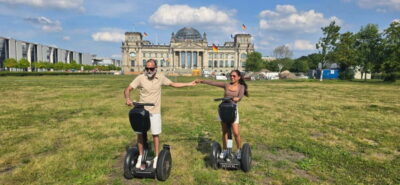
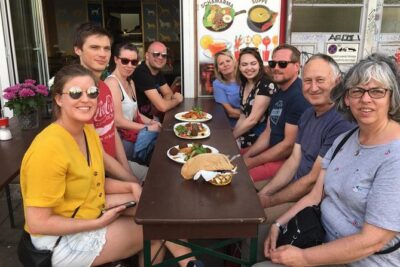
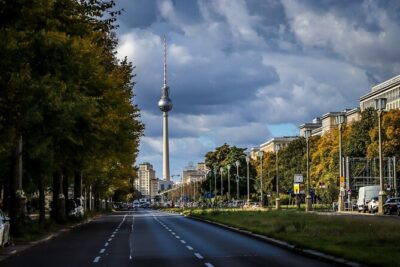


Berlin Tours & Activities, compared.
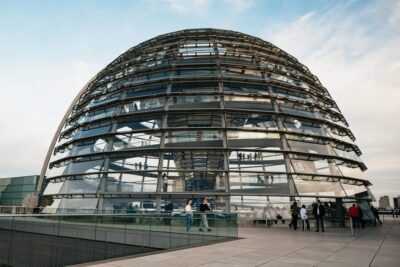
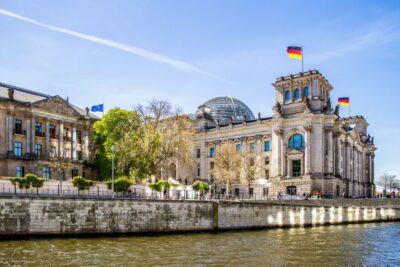
Reichstag, Dome and Government District Guided Tour
Read our review →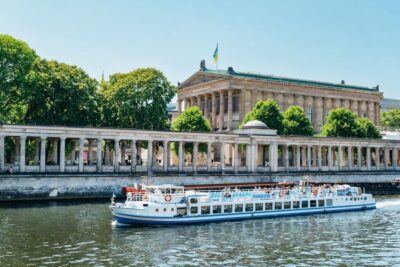
1-Hour City Tour by Boat with Guaranteed Seating
Read our review →
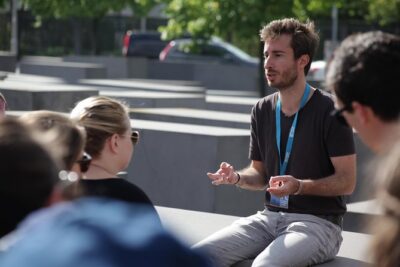
Berlin City walk Government District and Places of Democracy
Read our review →