Reviewed · BERLIN TOURS & ACTIVITIES
Produce Techno and House Music in Berlin
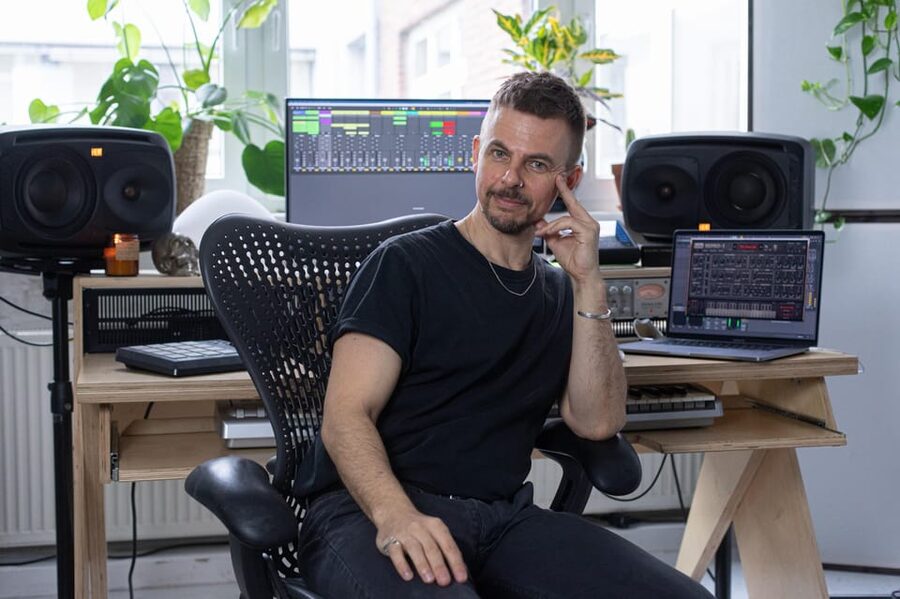
Berlin techno starts with a soundcheck mindset. This small-group studio masterclass is a hands-on way to build a house or techno track using real studio gear and professional software. I like that Andy Sexton explains not just what buttons to press, but the thinking behind grooves and structure, and you end with a finished track path you can keep improving. One drawback to consider: you are in a studio for just 2 hours, so you may not master everything from scratch in one go.
The best part is how practical it feels. You’ll program synthesizers and drum machines, record and arrange your track, then mix it down for playing in a club setting. You should be fine even if you have no production experience, but you do need to enjoy learning by doing, not just watching.
In This Review
- Key Things You’ll Notice Fast
- A Berlin Studio Session That Feels Like the Real Work
- Your 2-Hour Roadmap, From Pattern to Mix-Down
- Programming Synths and Drum Machines Without Guessing
- Recording and Arranging a House or Techno Track
- Mixing Down for Club Play, Not Just Background Sound
- The Studio Equipment and Instruments You Can Actually Use
- Berlin Context: Why the Lesson Feels Cultural, Not Just Technical
- Who This Masterclass Fits Best (And Who Might Expect More)
- Price and Value: $147 for Real Studio Work
- Practical Notes for a Smooth Session
- Should You Book This Production Masterclass?
Key Things You’ll Notice Fast
- Small group (up to 4) means you get real help instead of fighting for attention.
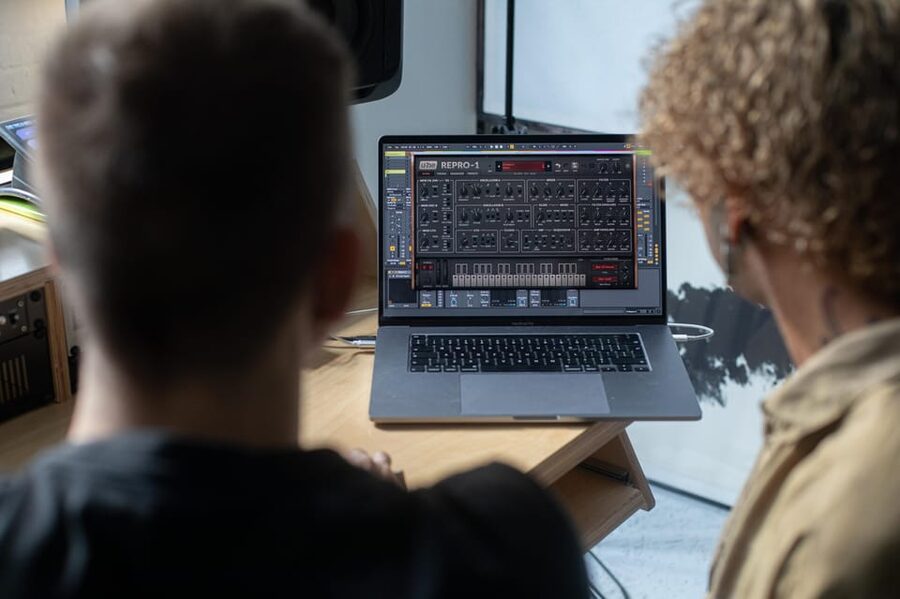
- Synths, drum machines, and pro software are part of the lesson, not just background props.
- English instruction keeps the workflow clear from minute one.
- A mix-down step for club play gives you an actual end goal, not a half-finished sketch.
- Modern and vintage gear helps you hear how different sounds shape the final vibe.
- No prior experience required, and the pace is designed for beginners too.
A Berlin Studio Session That Feels Like the Real Work
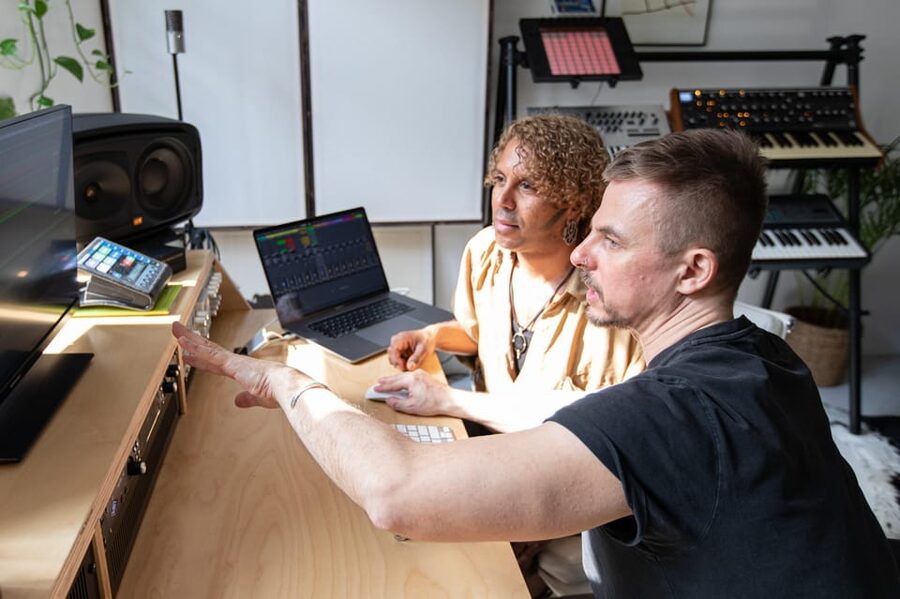
House and techno do not happen in theory. They happen when you sit down, set levels, program patterns, and make choices that either click or don’t. This production masterclass gives you that plain, honest process in the kind of studio space you’d expect in Berlin’s clubbing district.
The location matters more than people think. Berlin’s electronic culture is built on community, repetition, and refinement. In this class, that culture shows up as workflow and method. You are not just learning music production as a skill, you’re learning it as a way to communicate with a dancefloor.
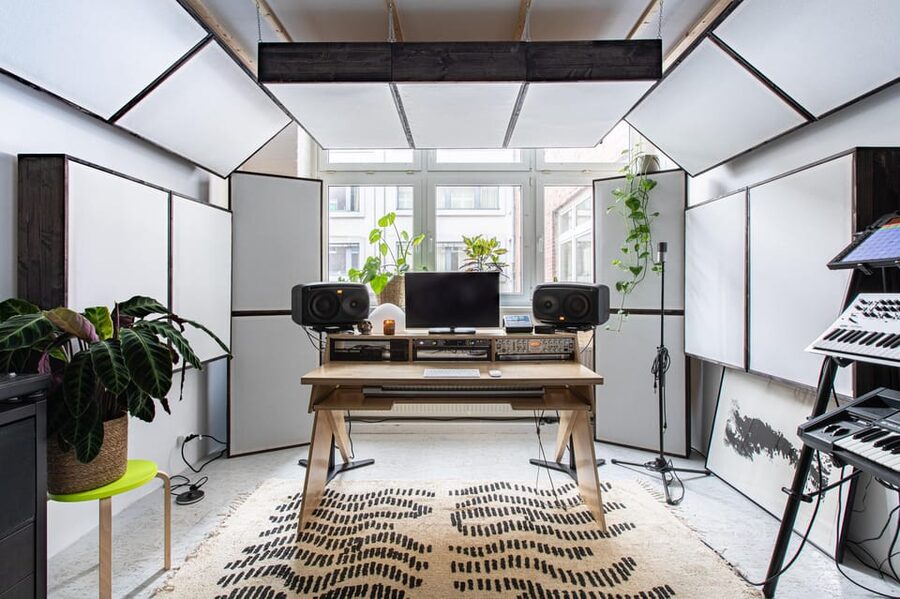
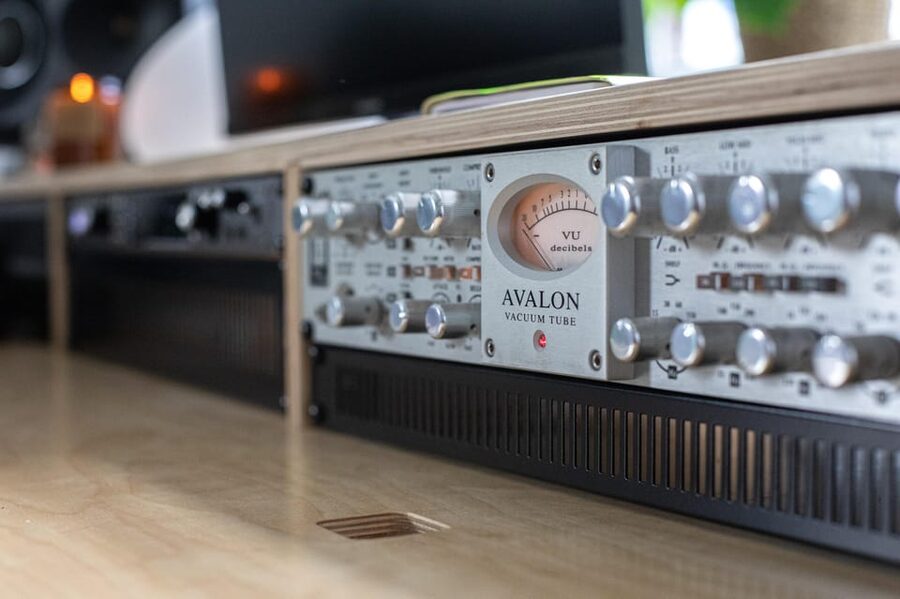
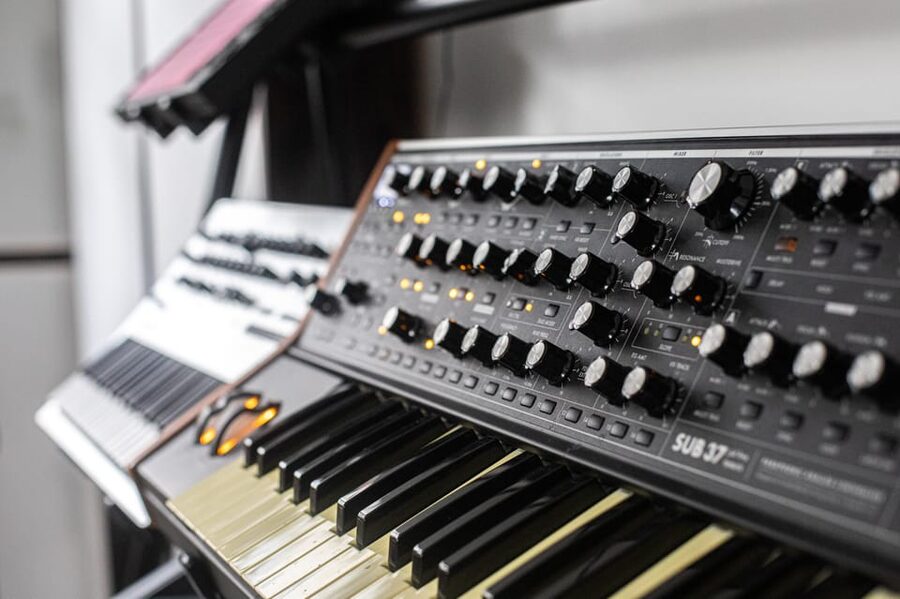
I also like that the studio includes both modern and vintage gear, plus a lot of instruments and microphones. That changes how you can experiment. Even if you focus on software, you’re still in an environment that treats sound as something physical and editable.
Also holding a platform in Berlin
- Berlin: Reichstag, Dome and Government District Guided Tour
★ 4.7 · 18,288 reviews - Berlin: 1-Hour City Tour by Boat with Guaranteed Seating
★ 4.3 · 16,993 reviews - Berlin: TV Tower Standard Entrance Ticket
★ 4.4 · 15,883 reviews
Your 2-Hour Roadmap, From Pattern to Mix-Down
This masterclass is designed to be doable in 2 hours, even if you’re starting at zero. You’ll follow a clear arc: program, record and arrange, then mix down so the track is ready to play in a club.
Here’s how the flow typically feels.
First, you get set up with professional music production software and an introduction to how the studio session will run. Because the group is limited to 4, you can ask questions without being rushed, and the instructor can adjust based on where you get stuck.
Second, you work on synthesizer and drum machine programming. This is where house and techno become more than genre names. You’re shaping rhythm, timing, and groove, not just adding sounds.
Third, you record and arrange your house or techno track. That means turning your patterns into an actual song structure, with parts that make sense for listening and for DJ-style playback.
Finally, you mix it down. Mixing is often the step beginners ignore, then regret later. Here, it’s part of the lesson goal: make something that can handle club conditions, not just laptop headphones.
Programming Synths and Drum Machines Without Guessing
The heart of techno and house is the loop. And the loop is built with specific decisions: what notes, what timing, what sound texture, and what kind of movement you create inside repetition.
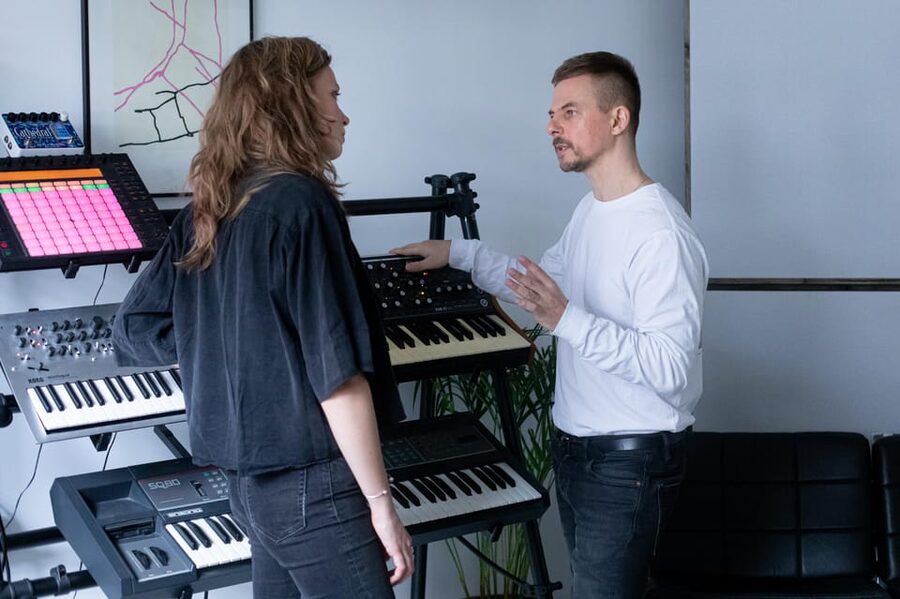
In this class, you learn how to program both synthesizers and drum machines to create a track. That can mean starting with a basic groove and then building it into something with personality, or shaping the sound so it sits correctly in the mix.
What I like is the emphasis on process. Instead of treating programming like magic, you get frameworks you can reuse later. One of the strongest themes from past participants is that Andy shares his teaching approach and production methodology in a way that keeps working after the session ends.
You’ll also get to work with studio tools that make electronic music feel concrete. The point is not to impress you with gear. The point is to help you understand how gear decisions affect sound, so you can make better choices when you’re on your own.
Recording and Arranging a House or Techno Track
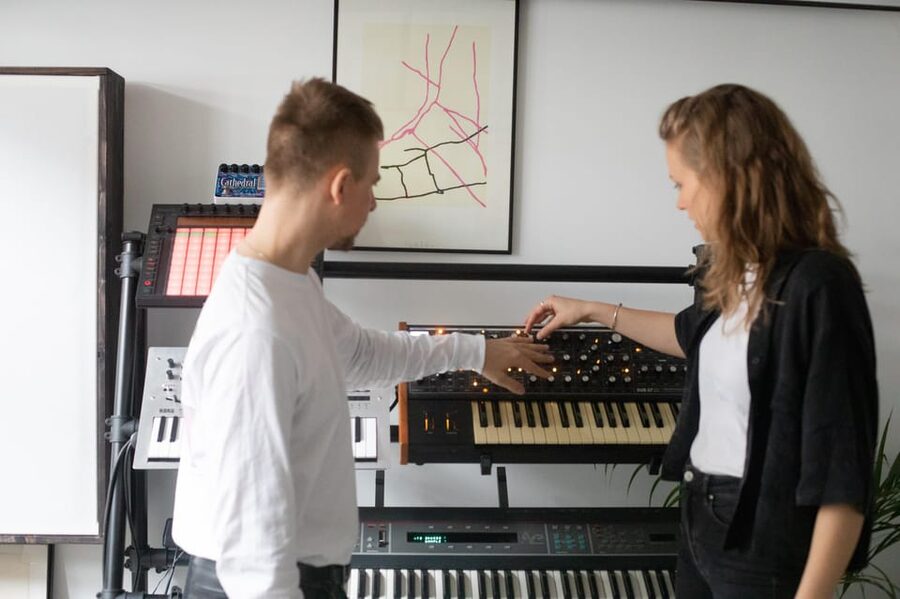
Programming gets you the skeleton. Recording and arranging turns it into a track.
In the session, you’ll record and arrange your house or techno track using professional software. This is where you move from creating sounds to shaping a listening experience. House and techno arrangements often feel simple on the surface, but the best versions are built from controlled variation: small changes that keep the groove alive.
If you’re new, this is the step that makes the whole class click. It’s one thing to make a beat. It’s another to organize it so it sounds intentional from start to finish. You’ll learn how to think in sections, how to structure progressions, and how to build tension and release without losing the dancefloor momentum.
And if you already have some experience, this step is valuable too. It’s easy to get stuck in loops and never turn them into a real track. A guided arrangement step can be the missing bridge to a more professional workflow.
Mixing Down for Club Play, Not Just Background Sound
Mixing is where “cool sounds” become a track that works in a room with real speakers.
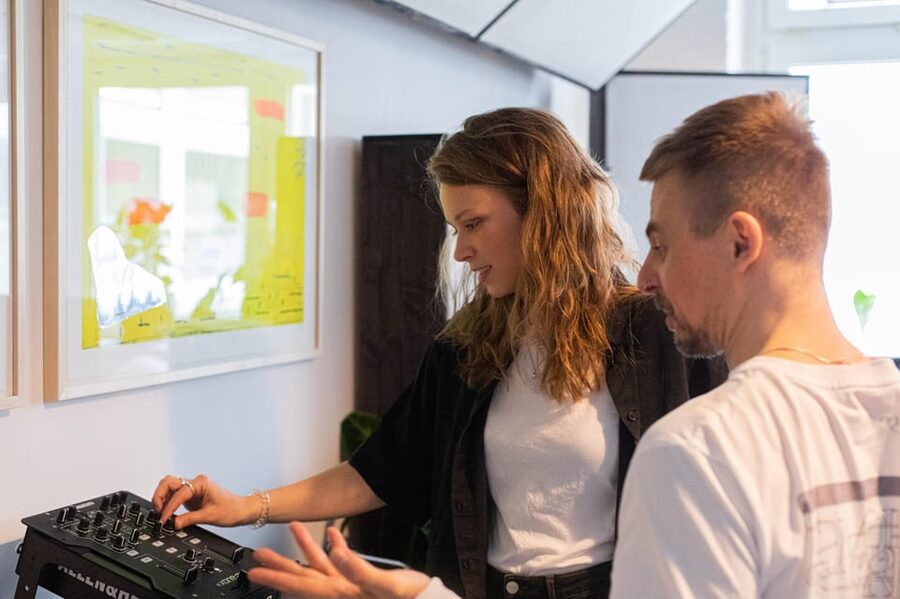
You will mix down and prepare your track for playing in the club. That instruction goal is important. Many beginner courses stop at the moment the beat is finished. Here, you’re taken to the point where sound balance, levels, and overall tone matter.
In practical terms, this means you’re learning to treat the track as one system. If the kick is too loud, the groove collapses. If the elements are fighting for the same space, the track feels messy. And if the mix is not balanced, it won’t translate well.
What’s also useful is that mixing is taught as part of the Berlin approach to production. Berlin techno culture values clarity and control, even when the sound is aggressive. Your mix down step is how you learn that discipline hands-on.
Onward connections from Berlin:



The Studio Equipment and Instruments You Can Actually Use
This is not a classroom with a couple of keyboards in the corner. The studio is fully equipped with both modern and vintage music gear, plus a vast array of microphones and acoustic instruments like piano, guitar, and percussion.
That variety matters for two reasons.
First, it gives you options. You can build a track using electronic programming, and you can also experiment with additional textures if the session’s workflow allows it. Even when you stick to software, exposure to real studio gear helps you make better sound choices.
Second, it trains your ears. Vintage gear and modern tools often have different sonic signatures. Hearing those differences while you’re actively creating can make your future sound design decisions easier, because you start to understand why certain tones work better for house and techno.
If you care about sound quality and not just the genre label, you’ll appreciate this setup.
Berlin Context: Why the Lesson Feels Cultural, Not Just Technical
Berlin is one of the major international hubs for underground electronic music. This class uses that context in a practical way: it gives you an inside view of the process that leads to the kind of music that has become part of Berlin culture.
You also get storytelling around the history of techno reaching Berlin. Even if you’re not a music history nerd, it helps you understand why the music sounds the way it does and why certain production habits became normal.
I’ve found that culture context changes how people practice. When you know what you’re trying to imitate or improve, you stop treating production as random tinkering. You start aiming for a sound that makes sense in a local tradition.
That’s also why the teaching style matters. Multiple strong comments point to Andy as friendly, humorous, and experienced, with an ability to explain ideas clearly without talking down.
Who This Masterclass Fits Best (And Who Might Expect More)
This class is a great match if you want a fast, guided start. You do not need prior music production experience. The session is designed for beginners who want to start making tracks, and it also helps people who want a more professional structure in their workflow.
It’s especially good if you learn well by doing. You’re expected to program, record, arrange, and mix within a short time, so curiosity plus a willingness to try is the right attitude.
A quick note on age. The activity is for participants at least 10 years old, and it is not suitable for children under 10. If you’re traveling with teens, this could be an excellent creative break from typical sightseeing.
If you want a deep, multi-day course that builds technical mastery over time, this 2-hour format may feel short. But if your goal is to create something real and leave with clear next steps, it’s a strong use of time.
Price and Value: $147 for Real Studio Work
At $147 per person for 2 hours, the price can look like a lot until you match it to what you actually get.
You’re paying for access to a professional studio workflow, professional music production software, and instruction from an experienced producer. You’re also paying for time in a space with modern and vintage gear, microphones, and acoustic instruments. Then you get a guided process that takes you from programming to recording, arrangement, and mix-down preparation for club play.
The small group size is the other big value piece. With a limit of 4 participants, you’re not just renting studio time, you’re getting feedback and direction.
What’s not included is also worth knowing. Meals and drinks are not included, and transportation to and from the studio is on you. For budgeting, plan for that and keep your schedule flexible so you’re not stressed about being late.
Practical Notes for a Smooth Session
Plan to meet at the front door of a large industrial building with reddish brown brick. Arrive a few minutes early so you can settle in before the lesson begins.
The class is English. If you don’t speak German, that’s a relief. The instructor adjusts to different learner needs, and the format is friendly enough that you don’t have to pretend you understand before you do.
There are also clear studio rules: no smoking, no alcohol and drugs, and no littering. It’s a normal respect-and-safety set of guidelines, and it keeps the space focused.
Wheelchair access is available, so it should work for guests who need that. Still, it’s smart to double-check the specific studio entrance and movement routes when you book, since building layouts can vary.
Should You Book This Production Masterclass?
Book it if you want a real outcome in a short time: program a groove, arrange it into a track, and mix it down with guidance. You’ll like it if you enjoy structure, you learn by doing, and you want the Berlin angle on techno and house production, not just generic music theory.
Skip it if you need long-term coaching, a full-day production retreat, or a syllabus that goes deep into music production fundamentals over time. This is a concentrated workshop, so your results depend on how engaged you are.
If you’re curious about Berlin electronic culture, or you’ve always wondered how producers actually build tracks, this is one of the most direct ways to find out. For many people, the biggest payoff is leaving with both a track direction and a clearer plan for what to work on next.
Fresh on the arrivals board for Berlin



Berlin Tours & Activities, compared.

Reichstag, Dome and Government District Guided Tour
Read our review →
1-Hour City Tour by Boat with Guaranteed Seating
Read our review →


Berlin City walk Government District and Places of Democracy
Read our review →