
Reviewed · MUSEUMS
Potsdam: Museum Barberini Entry Ticket
Art that makes you look twice.
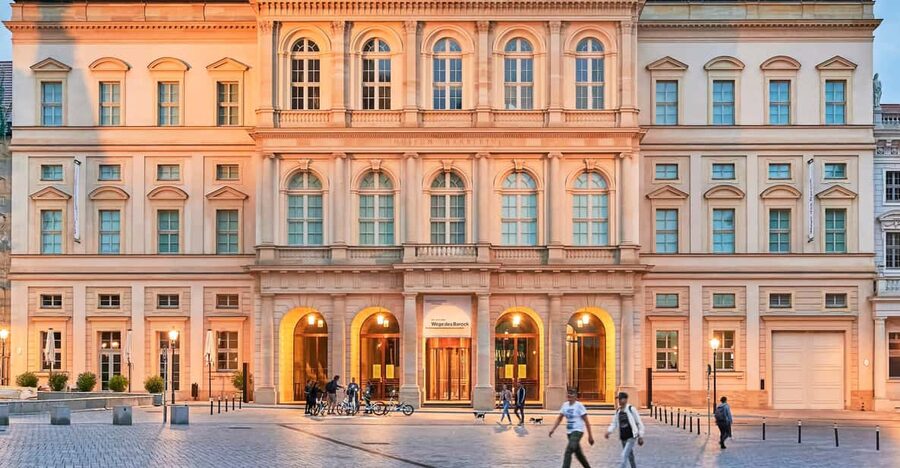
Museum Barberini is a calm, art-forward stop in Potsdam’s historic center, housed in a reconstructed palace that feels grand even before you reach the galleries. I especially like the Impressionist painting collection and the way the museum setup helps you slow down, not rush. One watch-out: you must go light, because bags and backpacks are not allowed inside.
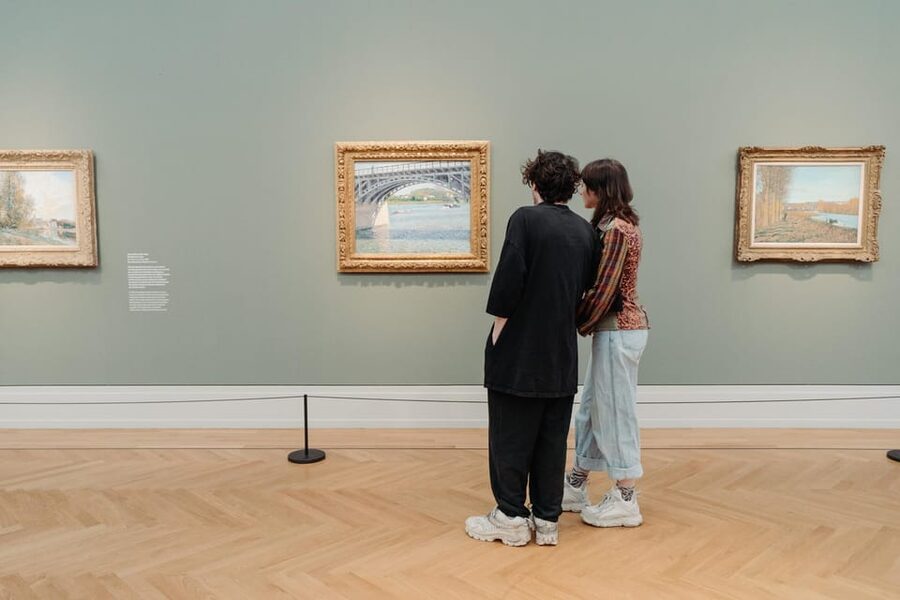
My favorite part is how strong the focus stays on the artists and the way they observed the world. You’ll see major names like Berthe Morisot, Claude Monet, Paul Cézanne, Gustave Caillebotte, and more, plus over 100 Impressionist works connected to founder Hasso Plattner. If you also want extra context, you can add a free digital listening experience through the museum app while you go.
The main drawback is time pressure. The visit is set for about 2 hours, so if you want to linger on every canvas or time it around special exhibitions, you may need to prioritize what matters most to you. Also, events and workshops can require extra tickets, so plan those only if you’re already in that mood.
In This Review
- Key things to know before you go
- Museum Barberini in Potsdam: why the palace setting matters
- Your 2-hour path through the Impressionist permanent collection
- Claude Monet’s major presence: what to focus on
- Special exhibitions and the museum’s rotating art program
- The Barberini app audio guide: how to use it well
- Museum store and Barberini Café: finishing your visit without breaking rules
- Price and value: what about $11 actually buys you
- Who should book Museum Barberini tickets?
- Should you book this ticket? My take
- FAQ
- How long is the Museum Barberini ticket visit?
- What does the ticket include?
- Is the museum wheelchair accessible?
- Are food and drinks allowed inside the museum?
- Can I bring pets or bikes?
- Are backpacks or bags allowed?
Key things to know before you go
- A reconstructed palace setting in Potsdam’s historic center makes the museum feel like part of the sightseeing.
- Over 100 Impressionist paintings from Hasso Plattner’s collection gives you a full, satisfying survey in a short visit.
- A standout Monet presence featuring the second-largest collection of Monet paintings in Europe is worth budgeting attention.
- Special exhibitions (3 per year) are included, so your ticket is not only about the permanent galleries.
- A free digital audio guide via the Barberini app helps you understand what you are seeing without needing a live guide.
- No bags, backpacks, or food/drinks means you should travel light and plan a cafe stop after.
Museum Barberini in Potsdam: why the palace setting matters
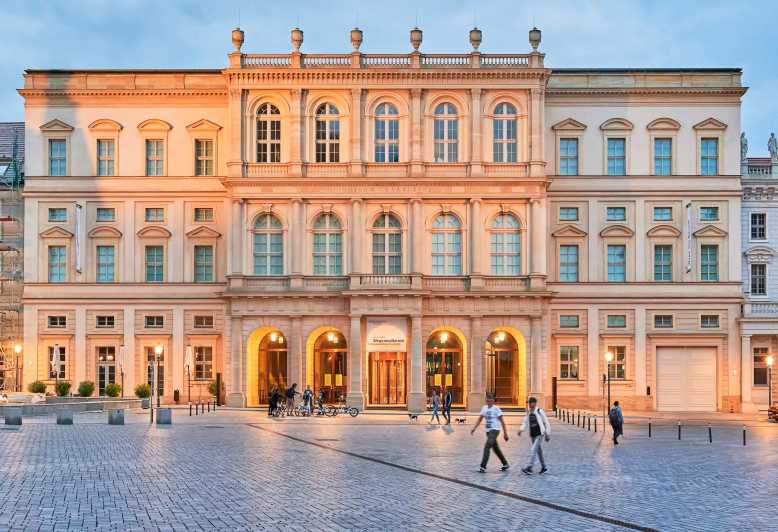
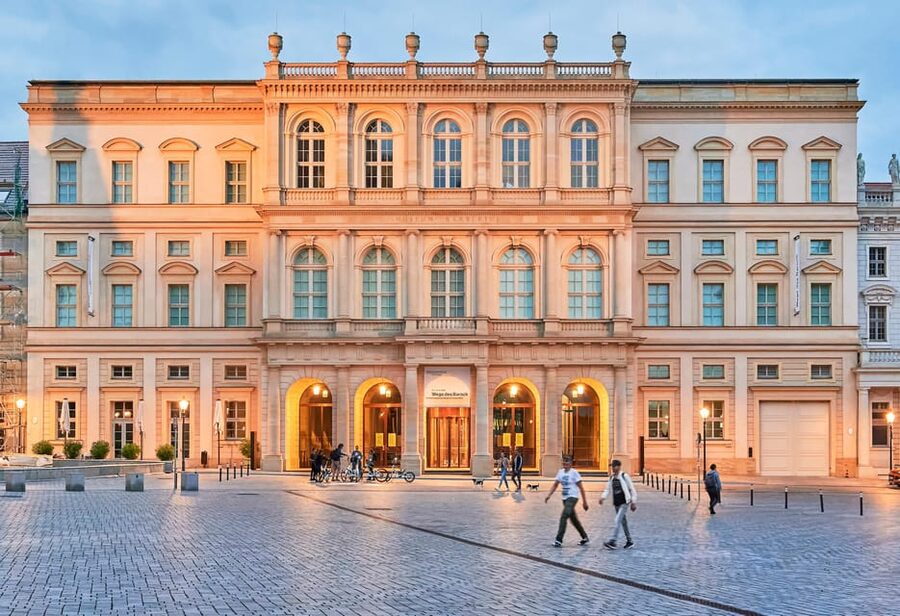
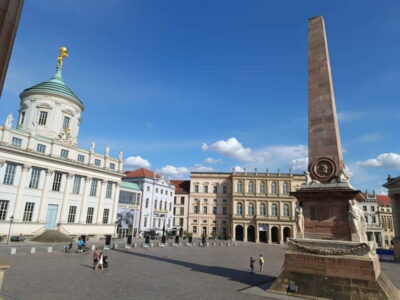
This museum lives in a reconstructed palace in Potsdam’s historic center, and that detail changes how the visit feels. Even if you are not a “palace person,” you’ll notice the difference once you step inside. The rooms and circulation are built for lingering, which fits the museum’s art mission.
I like that this is not a bare-bones art room experience. It feels like a destination where art sits in a real architectural context, and that makes your eye pay attention. You can also treat it like a flexible cultural break, because Potsdam’s center is close by and easy to pair with other wandering.
One practical note for your comfort: the museum rules say no climbing, touching exhibits, and no food or drinks. That means you will be looking at art the old-fashioned way, with your feet and eyes, not your fingers. And since bags and backpacks are not allowed, plan to store anything you can’t bring with you before you enter.
More museum halls between train times:
- Berlin: Jewish Museum Berlin Entrance Ticket
★ 4.5 · 8,393 reviews - Berlin: DDR Museum Tickets
★ 4.3 · 3,443 reviews - Berlin: Natural History Museum Entrance Ticket
★ 4.6 · 3,382 reviews
Your 2-hour path through the Impressionist permanent collection
The ticket gives you access to the permanent collection of Impressionist paintings, plus a special exhibition. With a total duration of about 2 hours, I recommend thinking of it like a guided sprint, not a marathon.
Expect an impressive core of Impressionist works, including pieces by Claude Monet, Pierre-Auguste Renoir, Berthe Morisot, Gustave Caillebotte, and Paul Signac. The collection includes over 100 Impressionist paintings, so you can find both famous names and the slightly less obvious “why this artist, why this moment” choices.
The museum also frames how observation creates new visual logic. In practical terms, that means you can watch how artists turn what they notice into something that feels both realistic and experimental. When you see how they handle light, edges, and brushwork, you start to understand why abstraction in this era is not just a theory. It starts with what they actually saw, then how they translated it to paint.
Time strategy: pick a few “anchors.” I like starting with Monet’s major areas, then moving to Morisot, Renoir, or Cézanne, depending on what you connect with. If you try to cover everything equally, your brain will blur the details. If you anchor, you’ll walk out with clear memories instead of a general impression.
Claude Monet’s major presence: what to focus on
Museum Barberini is especially strong if you love Claude Monet. The museum has the second-largest collection of Monet paintings in Europe, which is a rare concentration. With that many works available, you can compare not just titles, but patterns in style and subject choices.
What I find most valuable is how this concentration helps you see Monet as a working method, not only as a single iconic look. You’ll get a better sense of how repeated subjects and changing seasons can still feel fresh, because the painting is responding to specific light and atmosphere.
When you are in front of a Monet painting, don’t only scan for the famous effect. Ask yourself two simple questions:
1) What’s the focal point, and how does the painter pull you there?
2) Where do the forms stay clear, and where do they intentionally loosen?
This is where the Impressionist approach makes sense. You are not being shown a “blur.” You are watching controlled decisions that make the whole scene feel alive.
If you are a Monet superfan, you will love the depth. If you are just curious, the museum still works, because the rest of the Impressionist cast gives you context for what was going on around him.
Special exhibitions and the museum’s rotating art program
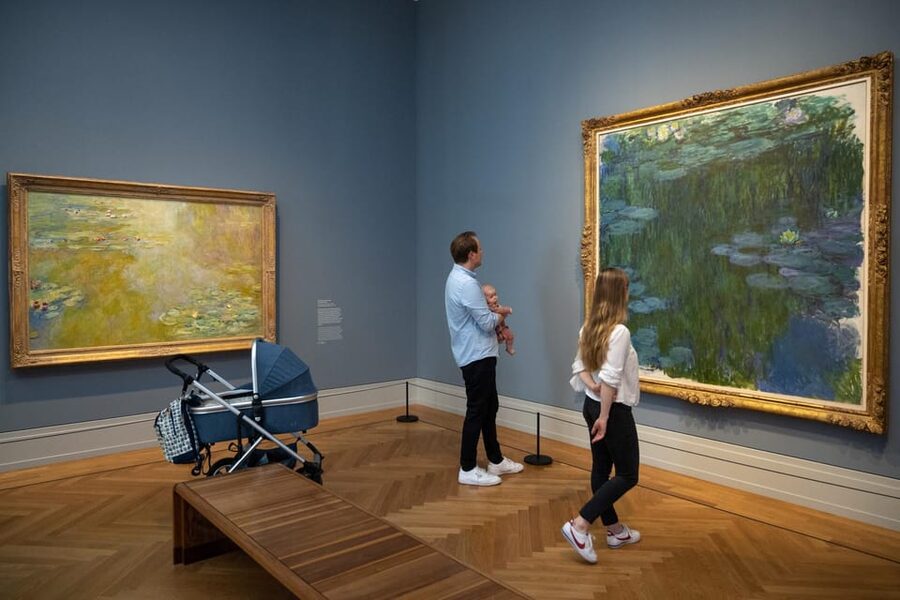
Your ticket includes access to a special exhibition in addition to the permanent collection. The museum offers three special exhibitions annually, with loans from international museums and collections. That means your visit can feel different depending on the season, and you are not stuck seeing only the core collection.
There is also a program of events like symposia, readings, guided tours, concerts, film evenings, and workshops. This is part of why the museum feels active, not static. That said, education programs, workshops, and events can require extra tickets, so don’t assume everything is included with admission.
In your planning, I treat the special exhibition as your “bonus chapter.” You can let it break up your focus after you’ve done the permanent galleries. If the special exhibit theme is not your thing, you can still enjoy it as a change of pace and interpret it through the lens of what you just saw in the permanent collection.
For the best match, I suggest you use your time like this: do the permanent Impressionists first while your visual reading is fresh, then spend your remaining time on the special exhibition so you still have energy for details.
The Barberini app audio guide: how to use it well
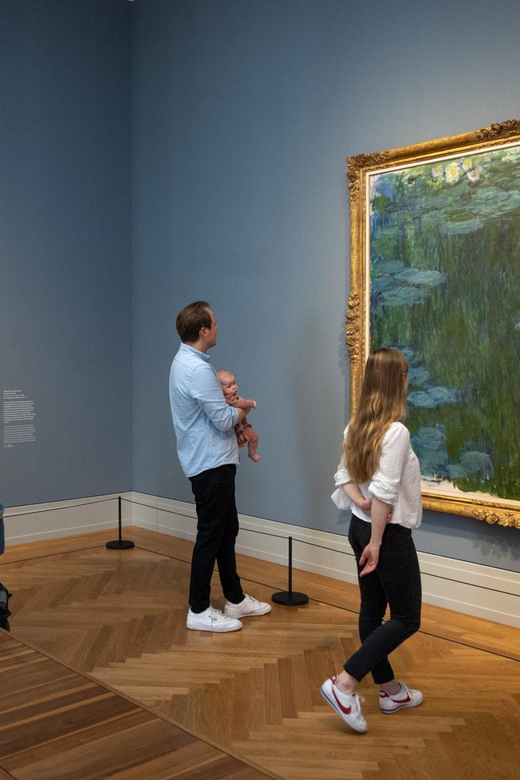
The entry ticket includes a digital audio guide you access through the Barberini app, which you download to your phone. This is one of the easiest add-ons to use correctly, because it does not ask you to join a scheduled group.
I like digital audio guides when they help you notice things you might otherwise skip. Here, the guide supports your visit by giving context that can make the paintings click faster. It’s also helpful for a time-limited visit, because the museum visit is set for about 2 hours.
Practical tip: download the app audio ahead of time and give your phone battery a little peace. Once you are inside, keep your use focused. Don’t listen to everything end-to-end while walking at top speed. Instead, pause for a few minutes in front of a painting, play the matching audio, then look again with the new info in mind.
This approach also keeps you from turning the museum into a screen experience. The guide is there to sharpen your viewing, not replace it.
Also holding a platform in Potsdam




Museum store and Barberini Café: finishing your visit without breaking rules
After the art, you can round off the experience with a visit to the museum store and the Barberini Café. Even though food and drinks are not allowed inside the exhibition spaces, the cafe is a good way to make the timing feel natural.
This matters because Impressionist galleries can take a lot out of you, even when everything is quiet. A cafe break helps you reset, and then you can revisit what you loved with a calmer head. I also like using the store strategically. If a painting or artist name stuck with you, you can buy a small reference or postcard set to keep the details from fading.
If you’re visiting as part of a longer day in Potsdam, this is a convenient landing spot. You can treat it as the end point before you head back out for streets and viewpoints around the historic center.
Price and value: what about $11 actually buys you
At about $11 per person, this ticket is strong value for what you get. You are paying for entrance to the museum plus access to the permanent Impressionist collection and a special exhibition. On top of that, you get the digital audio guide through the Barberini app.
That combination matters. Museums can be expensive when you only get a permanent collection with no added context, or when “extras” cost more. Here, the structure is built for a complete visit in roughly 2 hours, and the included audio guide helps you get more out of that time.
The main “cost” is not money, it is prioritization. You have to keep your visit focused because the included time window is limited. If you also want workshops or education programs, you should expect those to be extra.
For the best value, I suggest you go with a clear target: either a Monet-focused visit, an Impressionist survey, or a mix of permanent galleries plus the special exhibition. If you show up with that plan, the $11 feels like a fair ticket to a lot of art.
Who should book Museum Barberini tickets?
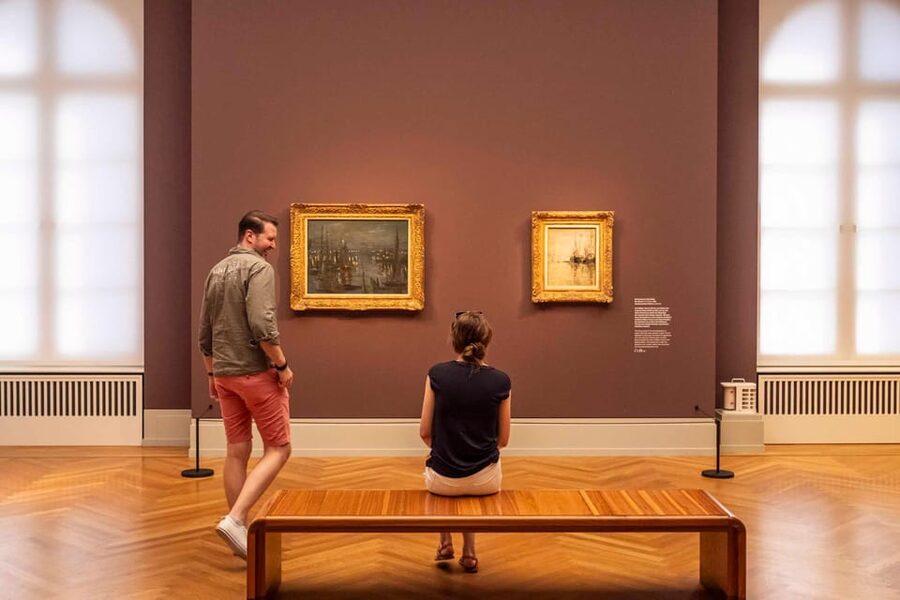
This is a great fit if you love Impressionism and want a concentrated visit rather than a slow day-long museum crawl. The Monet strength is the obvious draw, but the collection also includes Morisot, Renoir, Cézanne, and Caillebotte, which helps you see the broader movement instead of only one artist.
You’ll also like it if you want context without committing to a specific scheduled guide. The included app audio guide lets you control the pace, and the palace setting makes it feel special even for shorter visits.
Two more practical matches:
- If you need wheelchair accessibility, this museum is wheelchair accessible.
- If you hate traveling with restrictions, note that bags and backpacks are not allowed, and food and drinks are not allowed in the galleries. Plan a light carry so you are not stressed at the entrance.
Should you book this ticket? My take
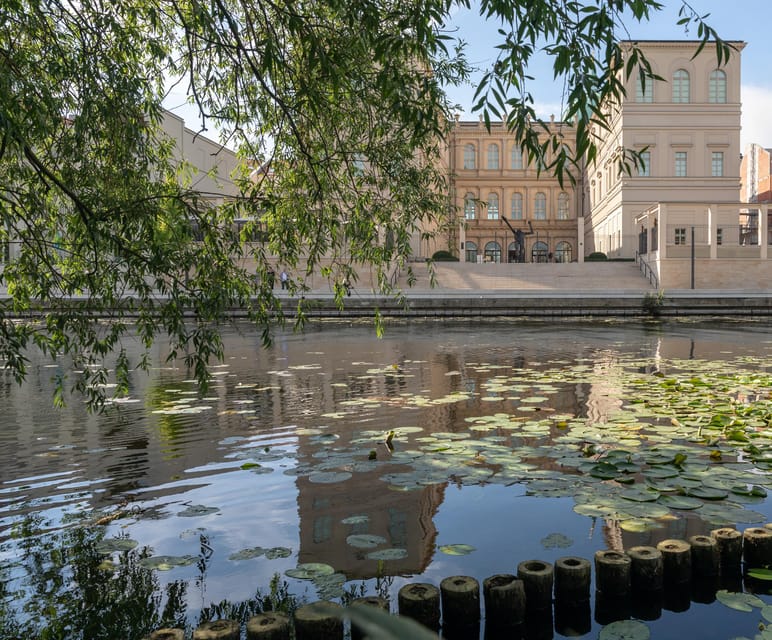
Book it if you want high-impact Impressionist art in a time-efficient visit. The permanent collection gives you over 100 paintings, and the included special exhibition makes your ticket feel like more than a single gallery circuit. At about $11, with the added app audio guide, it’s a solid deal for an art stop in Potsdam.
Skip or reconsider if you know you will need more than 2 hours to fully absorb artwork, or if you depend on bringing a bag or backpack into the museum. Also consider whether you actually want the event side, since workshops and education programs can cost extra.
If you can travel light and you like Monet or Impressionism in general, this is one of those tickets where you end up feeling satisfied, not rushed.
FAQ
How long is the Museum Barberini ticket visit?
The experience is set for about 2 hours. Check availability for the starting times.
What does the ticket include?
Your ticket includes entrance to Museum Barberini, access to the permanent Impressionist collection, access to the special exhibition, and a digital audio guide via the Barberini app (download to your phone).
Is the museum wheelchair accessible?
Yes, the museum is wheelchair accessible.
Are food and drinks allowed inside the museum?
No. Food and drinks are not allowed.
Can I bring pets or bikes?
Pets are not allowed, but assistance dogs are allowed. Bikes are also not allowed.
Are backpacks or bags allowed?
No. Backpacks and bags are not allowed.
Fresh on the arrivals board for Potsdam


Museums, compared.


Skip-the-Line: Berlin Wall Museum at Checkpoint Charlie
Read our review →Browse the lists this tour appears in