Reviewed · BERLIN TOURS & ACTIVITIES
One Up to 3 Rickshaws(6 GUESTS)-Taylor Made Rickshaw Berlin Tour
Berlin without the map stress.
This private rickshaw tour is built for speed and comfort, letting you see big-ticket landmarks in about 3 hours without wasting time figuring out routes. I love the easy flow of stops that stay near each other, and I especially like having a driver plus a licensed guide who can adjust on the fly. The only real catch is that not everything is timed-entry and not everything is free, so you may want to plan around the Berliner Fernsehturm ticket.
You can ride alone or in pairs, and you’ll start at Alexanderplatz, then move through Museum Island, Gendarmenmarkt, the Wall-era sites, and on to the Brandenburg Gate and government district. I also like the practical touches like WiFi on board and a cozy blanket if you choose rickshaw transport, plus the ability to stop for photos almost anywhere you want. One more consideration: many stops are short, so if you want long museum time, this is more orientation and photos than deep studying.
In This Review
- Key highlights that matter in real life
- Berlin rickshaws with a plan, not just a ride
- Price and what it really buys you
- From Alexanderplatz to the TV Tower: where the tour starts
- Museum Island and Unter den Linden: seeing the museum zone from the street
- Bebelplatz: the book burning square and a heavy shift
- Gendarmenmarkt to Checkpoint Charlie: beauty next to borders
- Topography of Terror and the Wall line: moving along the evidence
- Potsdamer Platz: from the Wall era to the future look
- The Holocaust Memorial, Brandenburg Gate, and the Reichstag zone
- Fuhrerbunker and Berliner Dom: finishing with contrast and craft
- What you should wear, pack, and plan for
- Who this tour fits best (and who might want something else)
- Should you book this Rickshaw Berlin Tour?
Key highlights that matter in real life
- A driver who prevents the getting-lost tax: your route stays tight, so you spend time looking, not navigating.
- Flexible pacing for your interests: the guide can shift where you spend more time.
- Short, efficient stops at top Berlin landmarks: built for a first visit or a tight schedule.
- Photo-friendly rickshaw time: you can get very close to monuments, even without stepping out.
- Licensed, sympathetic guides: guides such as Levent Aydin and Tille are known for friendly, fun explanations and strong guiding.
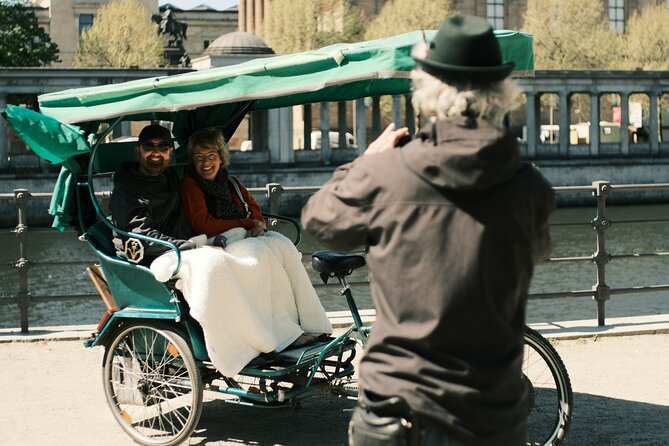
- Comfort extras that keep the day easy: WiFi on board, and a blanket option.
Berlin rickshaws with a plan, not just a ride
This is not a random sightseeing loop. The point is simple: you want to see a lot of Berlin without your day turning into a logistics problem. You’ll move between key areas with minimal backtracking, and the guide keeps you pointed at the right things at the right time.
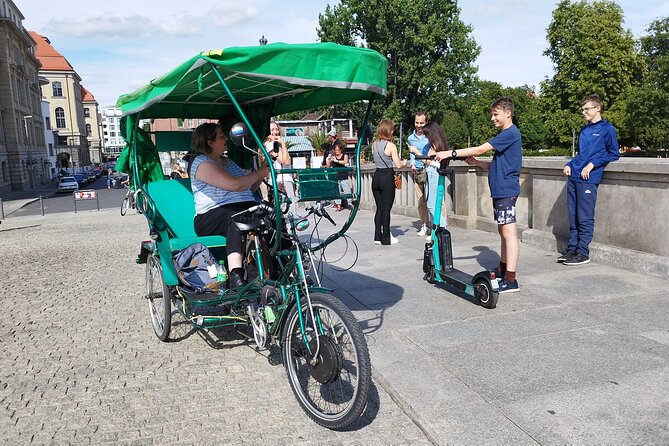
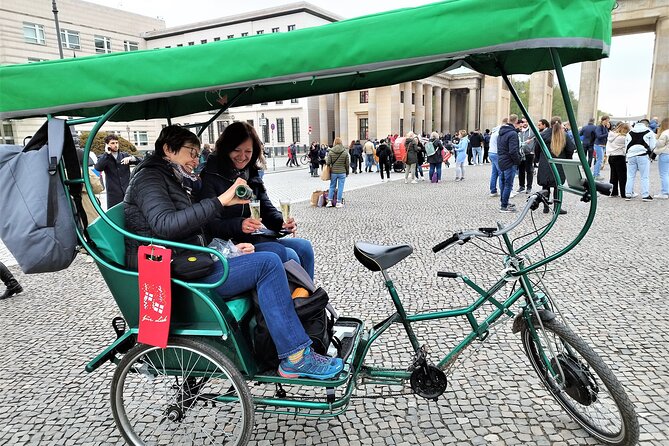
You also get choices that matter. You can ride alone or in pairs, and if your group is bigger, you can be assigned up to 3 rickshaws for a total of up to 6 guests. The tour is private, meaning it’s only your group. That makes it feel more like a tailored walk with wheels.
The rickshaw itself is part of the charm, but the real value is that the guide controls the flow. From experience, that is what separates a good “tour” from a stressful “tour of sights.” If you’re short on time or Berlin feels huge, this structure helps.
Also holding a platform in Berlin
- Berlin: Reichstag, Dome and Government District Guided Tour
★ 4.7 · 18,288 reviews - Berlin: 1-Hour City Tour by Boat with Guaranteed Seating
★ 4.3 · 16,993 reviews - Berlin: TV Tower Standard Entrance Ticket
★ 4.4 · 15,883 reviews
Price and what it really buys you
The listed price is $420.08 per group, with pricing shown for up to 2. That can sound steep until you think about what you’re buying: a licensed guide, a private route, and transport that keeps you close to stops while saving time.
Here’s the practical math I’d use: if you’re traveling solo, you’re effectively paying for convenience and a guided overview. If you’re traveling with one other person, it often becomes reasonable because you’re splitting the cost for the private guide and the driver time.
Also, many stops are outside and admission is often free, so you’re not getting stuck paying ticket after ticket. The one major exception is the starting landmark at the Berliner Fernsehturm, where admission is not included. Plan for that if you want to go up.
From Alexanderplatz to the TV Tower: where the tour starts
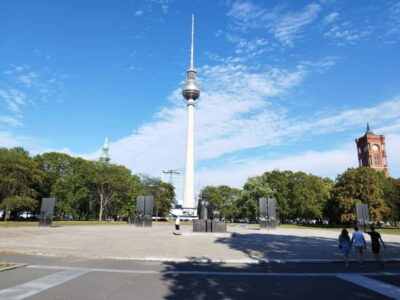
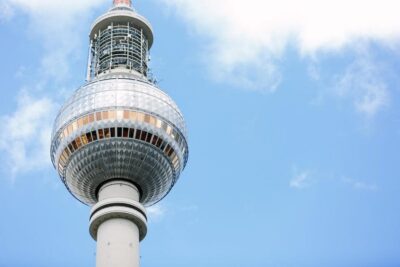
Your tour begins at Alexanderplatz, at the Berliner Fernsehturm, Germany’s tallest structure. Even if you do not go inside, it’s a strong starting anchor because it places you right in the center of the city’s modern grid.
The guide starts you here for a reason. It’s easy to orient around Alexanderplatz, and the rest of the day follows a logical thread from central Berlin into major landmark zones. The Fernsehturm stop is about 5 minutes, and admission is not included, so treat this moment as a “see it and understand the location” stop unless you add the tower ticket.
If you do want the tower experience, decide early. You’ll need to factor in your own timing for entering and getting to views.
Museum Island and Unter den Linden: seeing the museum zone from the street
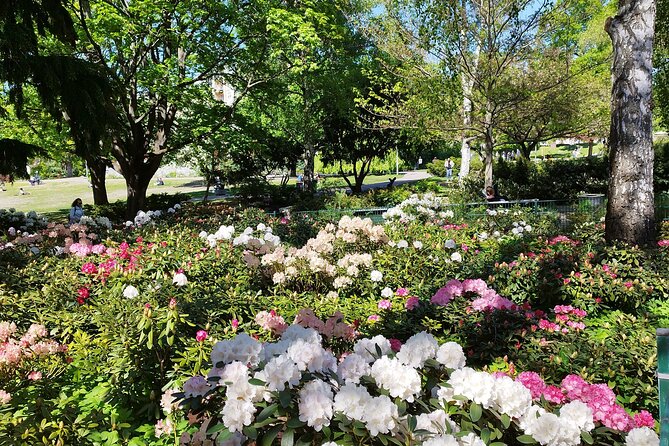
Next you head toward the museum district around Museum Island, a UNESCO World Heritage Site. This area can overwhelm people on a first visit because it’s packed with major institutions, and you can’t really “feel” the scale if you arrive late or wander without context.
What I like in this setup is that you get street-level orientation first. You’ll pass key sights around Museum Island and the historic boulevard of Unter den Linden. The tour includes sights you can visually connect in a short time: Berlin Cathedral in the wider view, the unfinished reconstruction of the City Palace, and major museum buildings such as the Pergamon Museum and the Bode Museum.
One practical advantage: admission is listed as free for this stretch. That matters because it means you’re not forced into ticket decisions during a day that is already tightly paced. Use this time to decide what you want to return to later, when you can spend hours rather than minutes.
Bebelplatz: the book burning square and a heavy shift
Then comes Bebelplatz, and the tone changes fast. This is the famous site linked to the Nazi book burning of 1933, with a memorial marking what happened.
This stop is short, about 5 minutes, but it’s important because it gives you a real historical waypoint. Berlin’s 20th-century story is everywhere, but it often shows up in fragments. Bebelplatz is a clear, specific marker that helps you place later stops in context.
If you’re someone who likes your sightseeing with meaning, this is a good mid-tour moment. If you prefer lighter, more architectural stops, keep in mind that this one is meant to be reflective, not just photogenic.
Onward connections from Berlin:
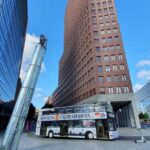

Gendarmenmarkt to Checkpoint Charlie: beauty next to borders
After the more serious stop, the tour moves to Gendarmenmarkt, and the contrast is dramatic in the best way. You’ll see the former Royal Concert Hall, flanked by the German Dom and the French Dom. This is one of Berlin’s most visually satisfying squares, and it helps break up the heavy theme of the day.
The stop is about 10 minutes. That’s enough time to take photos, understand why the square looks so balanced, and still keep energy for what comes next.
Then you roll toward Checkpoint Charlie, one of the best-known border crossings from the Berlin Wall era. The tour frames it in Cold War stakes, including how it nearly became a trigger for wider conflict. The stop is brief at about 5 minutes, so treat it as a quick hit, then plan to slow down another day if you want museum-level detail.
Topography of Terror and the Wall line: moving along the evidence
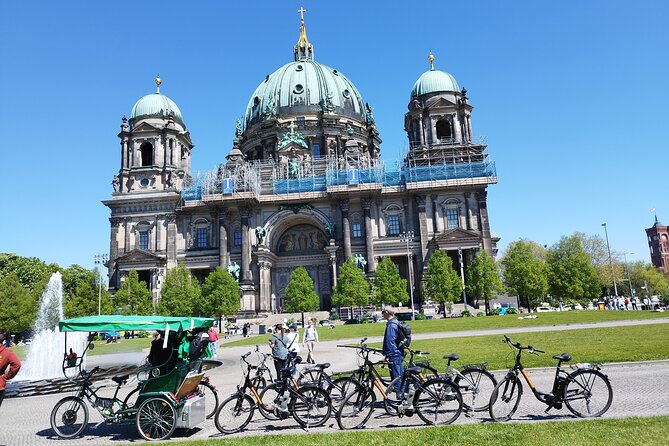
After Checkpoint Charlie, the route follows the former border strip, bringing you to Topography of Terror. You’ll see original parts of the Berlin Wall and the site of the former headquarters connected to the SS and Gestapo.
This is where the tour earns its “orientation value.” Even in short time, you can feel the physical reality of where power operated, where repression happened, and how Berlin reorganized itself around control and separation.
The timeline here is about 5 minutes at this stop, with additional sights nearby. The tour also points out Martin-Gropius-Bau, where exhibitions by Ai Weiwei and the international David Bowie exhibition took place, among others. You’ll also see the Prussian Parliament in front.
This is a great example of how a good guide can keep the day coherent. In a normal self-guided walk, you might just see buildings. Here, you see links.
Potsdamer Platz: from the Wall era to the future look
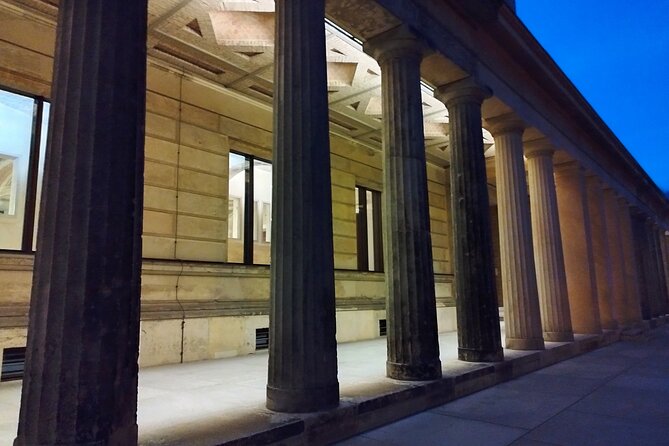
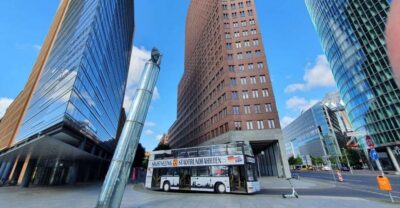
Then you move to Potsdamer Platz. This square carries a different kind of energy. It’s described as Europe’s largest construction site since, now an ensemble of skyscrapers and futuristic buildings, including the Sony Center.
The stop is about 10 minutes, and it works well after the Wall-era sites. You get a reminder that Berlin is not only memorial and museums. The city also reinvented itself spatially.
For many first-time visitors, this is a relief stop. You can take a breather, grab a photo, and shift your brain from history-as-pain to history-as-rebuilding.
The Holocaust Memorial, Brandenburg Gate, and the Reichstag zone
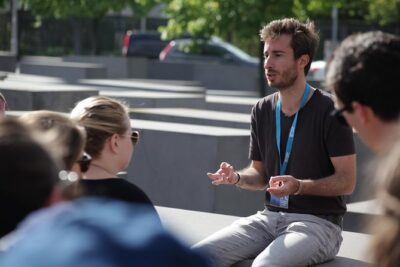
Next is the Holocaust Memorial, also known as the Memorial to the Murdered Jews of Europe, opened in 2005 to commemorate the murder of over 6 million Jews during National Socialism. The stop is about 10 minutes.
This is not a casual photo moment. It’s a place where you should slow down a bit, even if the tour times keep moving. The guide’s job here is likely to keep you grounded in what the memorial represents, not just what it looks like.
After that, you reach the Brandenburg Gate, one of Berlin’s most famous landmarks. The stop is about 10 minutes, and it’s one of the easiest places to understand why Berlin feels like a symbol to the world.
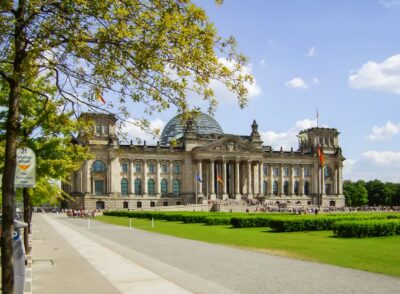
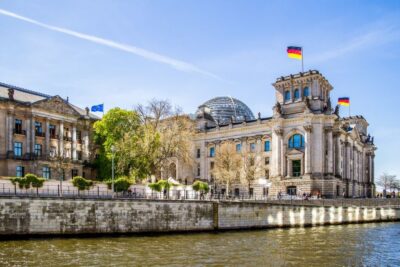
Then the tour goes into the government district around the Reichstag and Bundestag area and the chancellery. The route specifically includes the memorial to the murdered Sinti and Roma, and it passes the Reichstag building zone. There’s also a short stop, about 5 minutes.
This part of the day can feel like political Berlin with big stones. But that’s the point. The guide helps you connect how different eras of power map onto the same geography.
Fuhrerbunker and Berliner Dom: finishing with contrast and craft
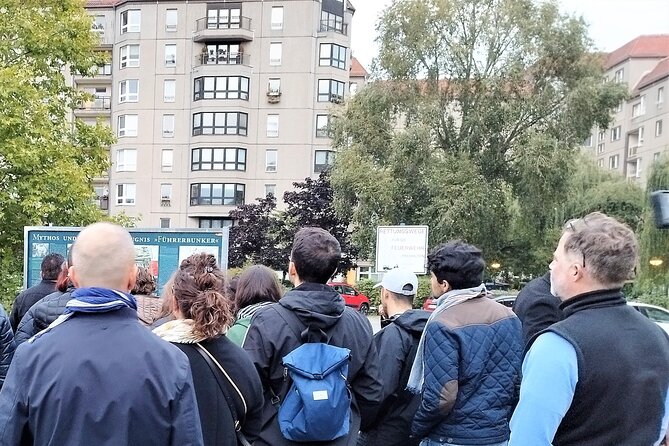
You’ll also pass the Fuhrerbunker area, noted as now a parking spot. The stop is about 10 minutes. This detail matters because it shows how Berlin layers the past over everyday use. You might expect grand monuments, but instead you get a small, hard reminder that history can sit under ordinary life.
Then the tour ends near the Berliner Dom, with about 10 minutes at the area. Berliner Dom is listed as included in the tour, and it’s an impressive visual endpoint, especially after the day’s earlier memorial and government-zone focus.
The finish location is flexible. You can end wherever you prefer, and it’s possible to end back at your hotel, by a monument, restaurant, cafe, market, or even near one of the boat tour areas.
That flexibility is more than convenience. It’s how you keep the day from collapsing after the tour. You can roll right into dinner, a night walk, or another activity without hauling yourself across town.
What you should wear, pack, and plan for
This day can include rickshaw transport, and depending on timing and distances, the plan may also involve walking or biking segments. So treat it like a light-active half-day even if you’ll be seated most of the time.
Bring a charged phone for photos, and consider a light layer. You may be offered a cozy blanket if you choose rickshaw transport, which helps a lot on cooler days.
If you care about the Berliner Fernsehturm tower, plan your ticket decision ahead. Admission for that stop is not included, while many other landmarks in the route are listed as admission-free.
Tips are not included, so have a plan for that when you enjoy the guide’s work. If you’re the type who likes to tip based on effort and personality, this tour format makes it easier to judge because you see the guide actively manage timing and comfort.
Who this tour fits best (and who might want something else)
I think this tour works best if:
- You have limited time in Berlin and want a clear “greatest hits” orientation.
- You prefer not to navigate and want a driver to handle movement.
- You want both beauty stops like Gendarmenmarkt and meaning stops like Bebelplatz and the Holocaust Memorial.
- You value photography stops where you can get close without constantly walking away from transport.
It may feel less ideal if:
- You want long museum time at any single institution, because many stops are short.
- You are looking for lots of indoor admissions beyond the tower, since most stops are built around sights you can see from the outside or nearby areas.
If you’re a first-timer, this tour is an excellent way to get oriented. If you’re returning, it can still be useful as a route to revisit zones you already know, but with a guided “why this matters” layer.
Should you book this Rickshaw Berlin Tour?
Book it if you want a time-efficient, private Berlin overview that mixes major landmarks with the right emotional context at the key memorial stops. The combination of licensed guiding, close-by stops, and comfort touches like WiFi on board makes it feel smooth and practical, not just scenic.
Consider booking something else if you are seeking a museum-heavy day or you want long, slow wandering at one or two sites. This is built to move, connect the dots, and get you oriented fast.
If your schedule is tight and you want Berlin to make sense quickly, this one is a strong choice.
Fresh on the arrivals board for Berlin
Berlin Tours & Activities, compared.
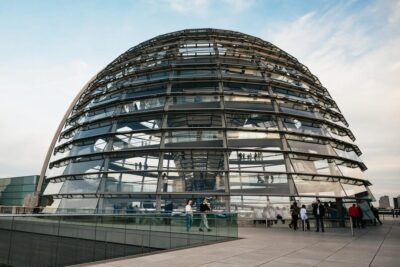
Reichstag, Dome and Government District Guided Tour
Read our review →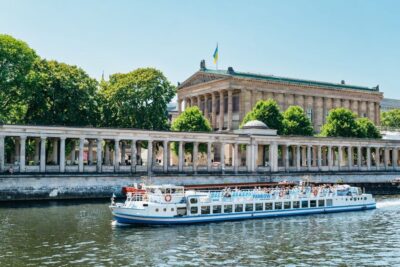
1-Hour City Tour by Boat with Guaranteed Seating
Read our review →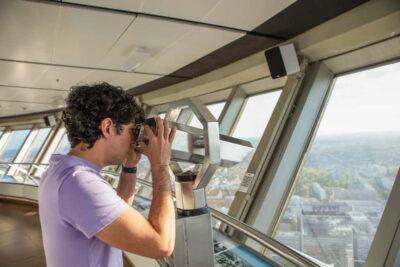

Berlin City walk Government District and Places of Democracy
Read our review →