
Reviewed · MUNSTER TOURS & ACTIVITIES
Münster-Highlights-Tour with Rickshaw-Guide
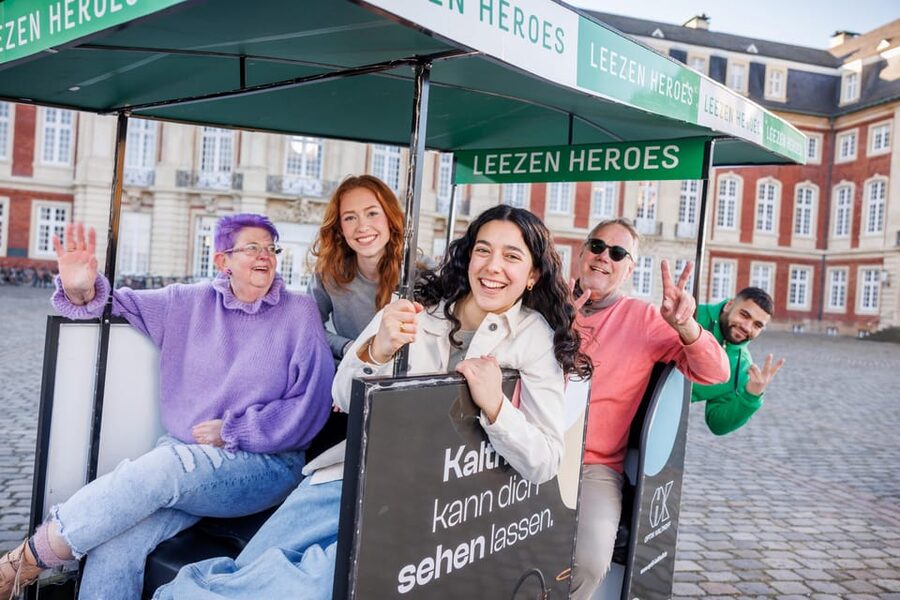
Münster looks different from a rickshaw seat. This Münster highlights rickshaw tour turns the city into a moving storybook, with local dönekes that make landmarks like Schloss Münster and the Münster Dom feel personal. I also really love the stop at the Aasee, where you can slow down and enjoy the shoreline sculptures up close.
What keeps it from feeling like a checklist is the way the guide shapes the ride. Guides such as Toby, Barbara, and Stefan were praised for humor, warmth, and safety, and that matters when you are doing a short sightseeing loop at street level. The one catch to plan for is that entry to attractions is not included, so you may only be viewing some sights from outside.
In This Review
- Key things I’d make time for
- Why a rickshaw works so well for Münster highlights
- Start at Old City Hall, then ride into Prinzipalmarkt energy
- Schloss Münster: what you see becomes a timeline
- Aasee sculptures: the scenic pause that feels like a proper destination
- Erbdrostenhof baroque architecture: details you can spot fast
- The Zwinger and old city walls: medieval context without a long walk
- Münster Cathedral finale: a strong ending point
- Price and timing: is $40 worth it?
- What you’ll learn from the guide, beyond facts
- Who this tour suits best (and who may want alternatives)
- When to go and what to bring
- Should you book the Münster Highlights rickshaw tour?
- FAQ
- How long is the Münster highlights rickshaw tour?
- What is included in the price?
- Are entry tickets to attractions included?
- What languages are available for the live guide?
- Where do I meet for the tour?
- Is the tour refundable if my plans change?
- What should I bring with me?
Key things I’d make time for
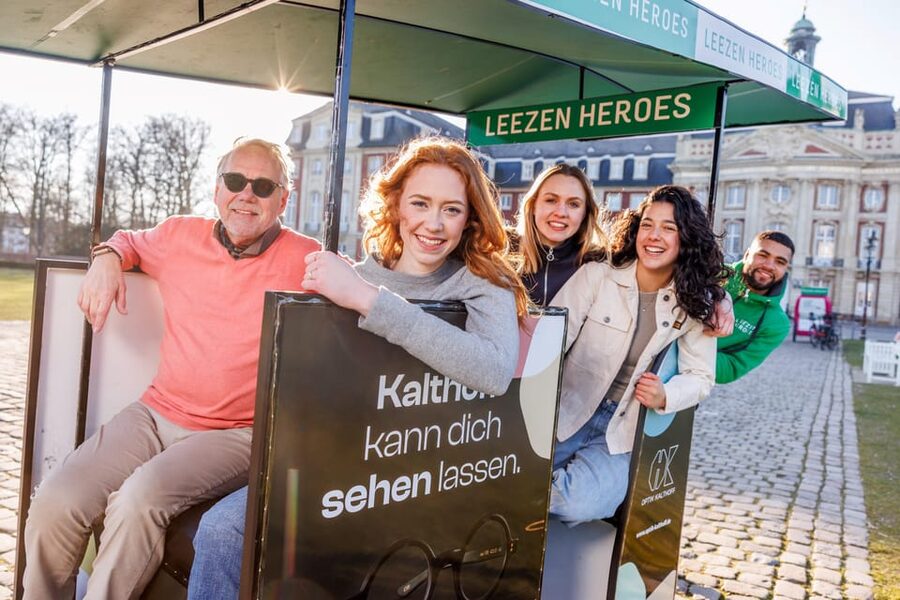
- Dönekes in motion, little stories timed to what you are passing
- Aasee sculpture shoreline, a scenic breather that is more interesting than it sounds
- Schloss Münster stop, where you get context instead of just a quick glance
- Baroque Erbdrostenhof architecture, easy to notice, fun to understand
- Zwinger city walls, visible history that connects the medieval dots
- Münster Dom finale outside, a strong ending with the biggest landmark in sight
Why a rickshaw works so well for Münster highlights
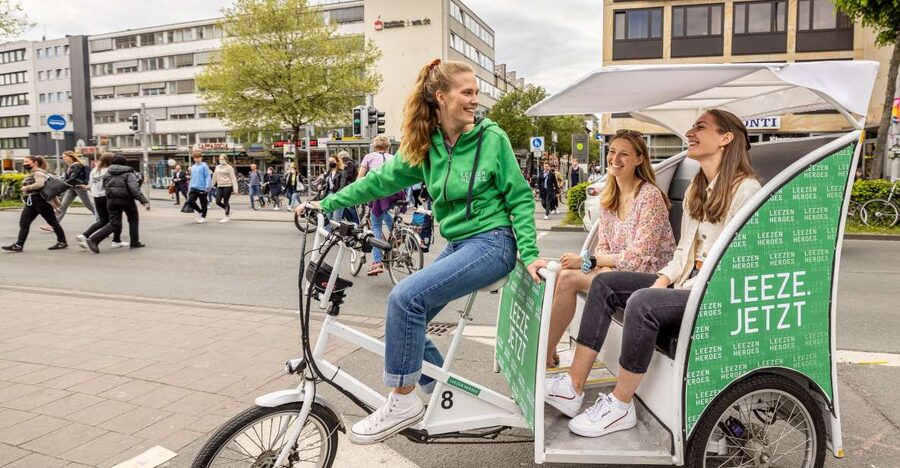
Münster is a compact city with big visual payoffs. From street level, you get instant atmosphere: brick and stone details, the feel of old routes, and the way landmarks cluster around courtyards, walls, and water. A rickshaw fits that style perfectly because it keeps you moving at a human pace, not “hurry up and pose” speed.
The big value here is the guide layer. You are not just riding past names on a map. You are hearing dönekes, those entertaining little local stories tied to the sights. That storytelling turns “I saw a building” into “I understand why it matters,” even when you only have 30 to 90 minutes.
It also helps that the ride is meant to be comfortable and safe. Multiple guide impressions mention attention to rider comfort, including practical touches like a blanket and a heat bottle, which can make a huge difference if you are touring in colder months.
Also holding a platform in Munster
- Münster: Old Town Highlights Guided Tour
★ 4.7 · 286 reviews - Münster: Nachtwächter-Führung (Erlebnistour)
★ 4.4 · 213 reviews - Crime show city tour by rickshaw including guide
★ 4.8 · 105 reviews
Start at Old City Hall, then ride into Prinzipalmarkt energy
You begin at a meeting point that can vary by option, but the tour starts at the Old City Hall area and heads toward the Prinzipalmarkt. This is a good way to orient yourself fast. You get an early “where am I in the city?” moment before the tour moves into bigger, more monumental stops.
Prinzipalmarkt is the kind of place where the architecture does half the explaining. Even without going inside, you can spot how the city’s public spaces were designed for movement, trade, and civic life. From a rickshaw, you can look both ways at once, and you will likely notice details you would miss if you were walking only one block at a time.
Time is also your friend here. Since you are not spending an hour just figuring out logistics, you get to spend your limited sightseeing window on what actually makes Münster feel like Münster.
Schloss Münster: what you see becomes a timeline
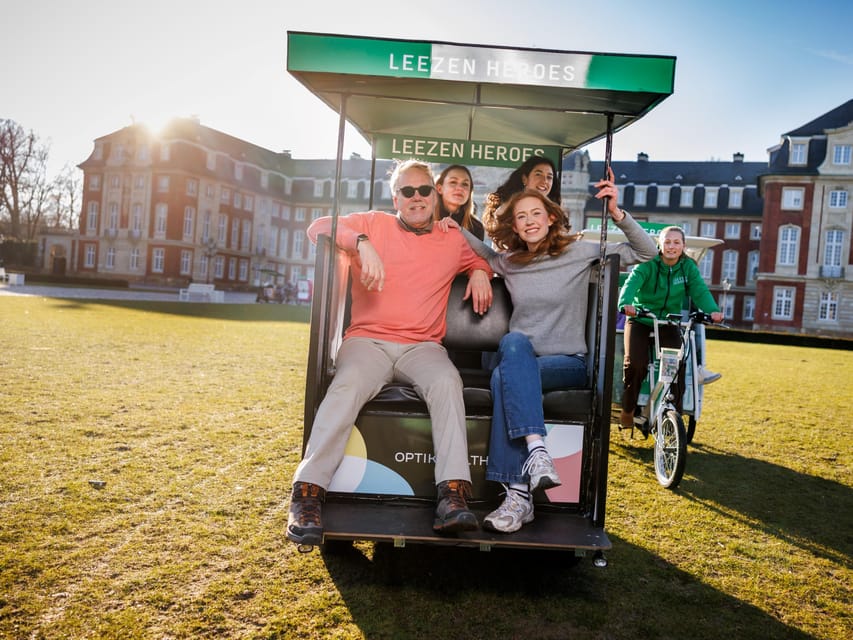
Next, you drive to Schloss Münster. This is one of those stops where the structure is impressive, but the real payoff is the explanation you get while you approach. When a guide gives you the background, the building reads like a timeline instead of a single photo.
I like how this stop fits the tour’s rhythm. It is early enough to set context, but not so early that you are still lost. By the time you reach Schloss Münster, you have already absorbed the “old city” vibe, so the storytelling lands better.
One practical consideration: because entries are not included, your experience will likely focus on exterior views and the guide’s commentary. That can still be worthwhile, especially if you enjoy architecture and want the bigger picture without adding ticket lines.
Aasee sculptures: the scenic pause that feels like a proper destination
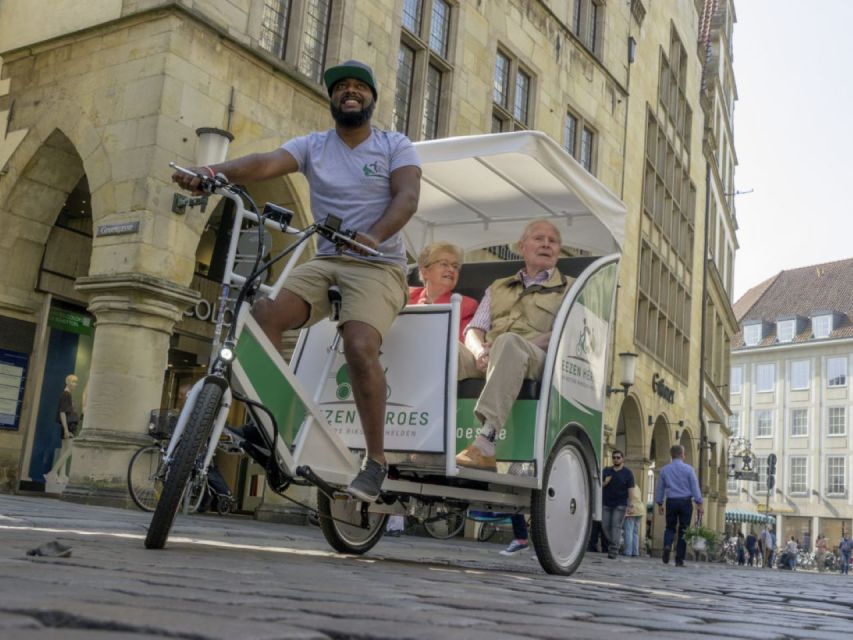
Then comes one of the tour’s most distinctive moments, the drive to the Aasee. The Aasee shoreline is where Münster slows down. It is not just a pretty backdrop, either. You are specifically stopping to admire the many sculptures dotted around the water.
This stop is valuable for two reasons. First, it breaks the “big building, big building, big building” pattern that short tours often fall into. Second, it gives you a chance to look carefully. Sculptures reward a little stillness, and being parked near the shore makes it easier to actually see the artwork rather than just ride by it.
If you care about public art or you like finding the human touches in a city, this is the moment that can surprise you. In a tour built around medieval walls and baroque facades, the Aasee sculptures add a modern, creative note that keeps the whole experience balanced.
Erbdrostenhof baroque architecture: details you can spot fast
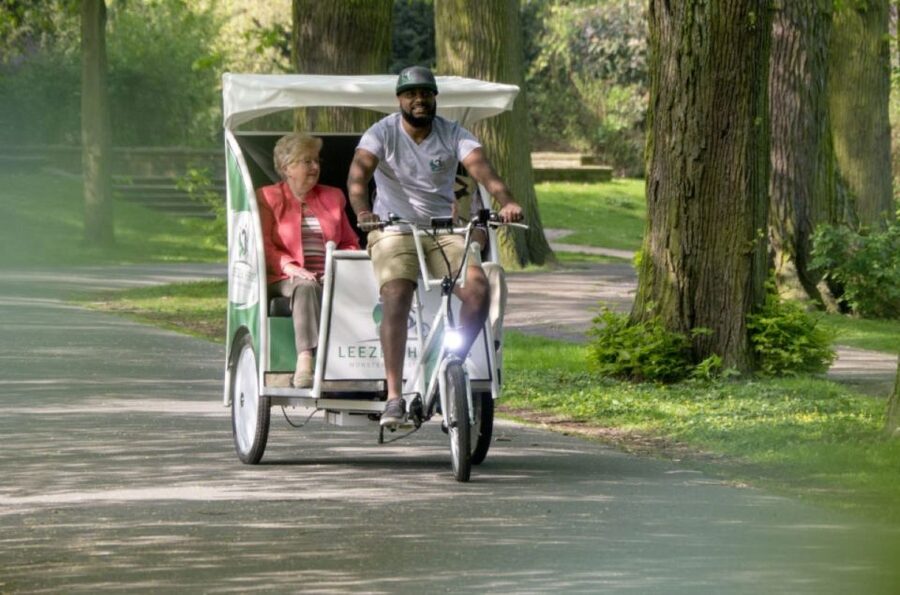
After the Aasee, you stop to admire the Erbdrostenhof. This is where the tour’s theme shifts from medieval to early modern elegance, with baroque architecture that stands out even when you are not studying it like an art student.
Baroque is often described as dramatic, but on a street-level rickshaw tour you get a practical version of that idea. You can observe ornamentation, rhythm in the facade, and how the building’s presence anchors the streetscape. The guide’s commentary helps you connect those details to the why, not just the what.
Because entry is not included, you will get the strongest experience by focusing on what you can see right from your stop. Take a minute, look up and across, and you will probably notice things like symmetry, window patterns, and facade styling that you might otherwise skip.
Onward connections from Munster:

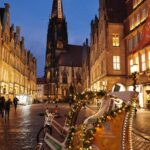
The Zwinger and old city walls: medieval context without a long walk
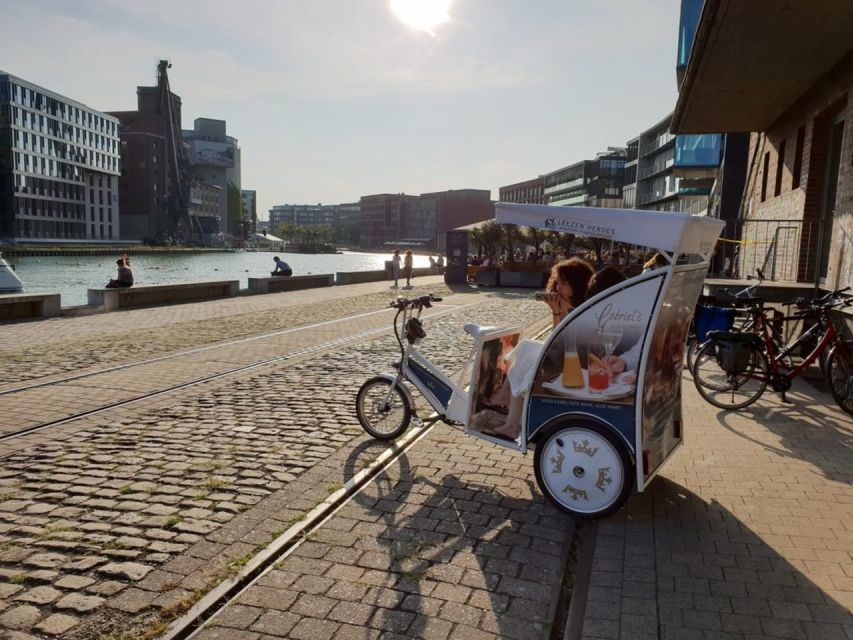
Next is a viewpoint toward the Zwinger, part of the ancient city walls. This is one of the tour elements that makes the rickshaw style pay off. Driving past the walls lets you feel how the city was shaped by defense and boundaries, while still keeping the pacing light.
The “old city walls” idea matters more than it sounds. When you see the walls as part of the urban plan, you stop treating historic landmarks as isolated attractions. Instead, you start to understand how Münster protected itself and how that protection shaped movement through the city.
This is also where dönekes can really shine. A good story turns stone and angles into human-scale meaning, like who lived where, how the city defended itself, or how certain areas evolved. If you enjoy humor paired with real context, this is typically the part that feels most lively.
Münster Cathedral finale: a strong ending point
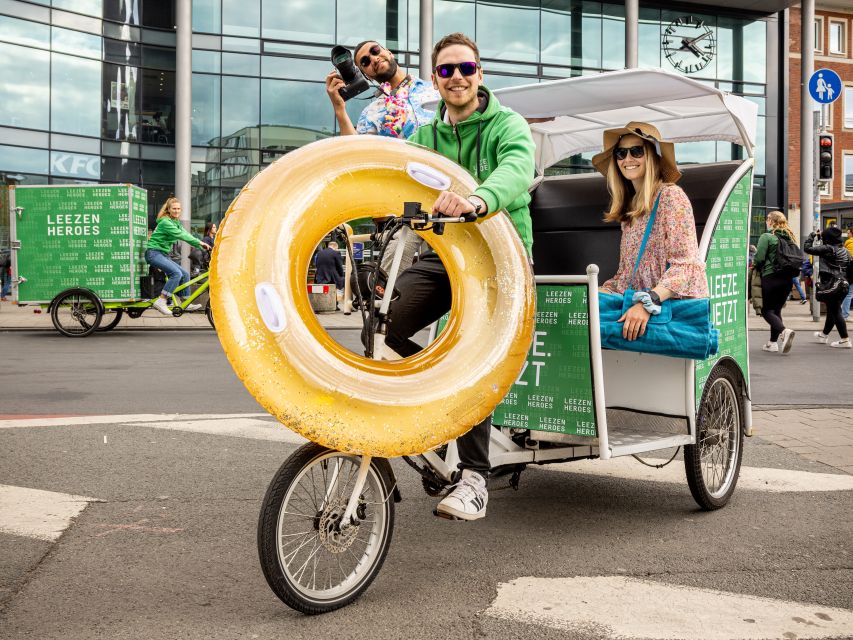
The tour finishes with a stop outside the Münster Cathedral (the Münster Dom). Ending here is smart. It is the kind of landmark you remember later, even if you never went inside during the tour window.
Since entry is not included, you will be experiencing the Dom from the outside, but that can still be powerful. From an exterior viewing point, you can appreciate scale, massing, and the way the cathedral dominates the surrounding view. It is also an easy way to plan your next move. If you want more, you will know where to aim your time.
I like that the final stop gives you a clean “wrap up” moment. You are not trying to squeeze in extra walking at the end. You get to see the biggest visual anchor, then you can continue exploring on your own, either nearby or along the route you already traveled by rickshaw.
Price and timing: is $40 worth it?
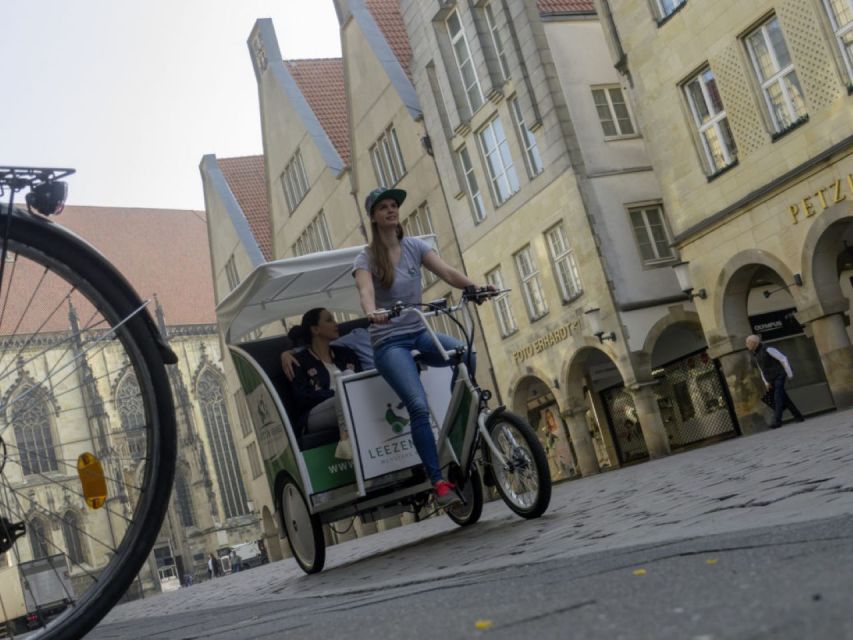
At about $40 per person with transportation and a live guide included, this tour sits in a value-friendly band for a short, guided overview. The key is what you get for the money. You are paying for movement plus interpretation, not for entry tickets.
The duration being 30 to 90 minutes is the other part of the value question. A shorter version is great if you want quick orientation and a few memorable highlights. A longer version works if you like hearing more story and you want those extra minutes to take in the Aasee sculptures and architectural stops calmly.
The drawback to keep in mind is that without attraction entry, you are not maximizing time inside museums or churches. If your main goal is interior viewing, you might treat this as a highlights sampler and pair it with one or two ticketed sites later.
What you’ll learn from the guide, beyond facts
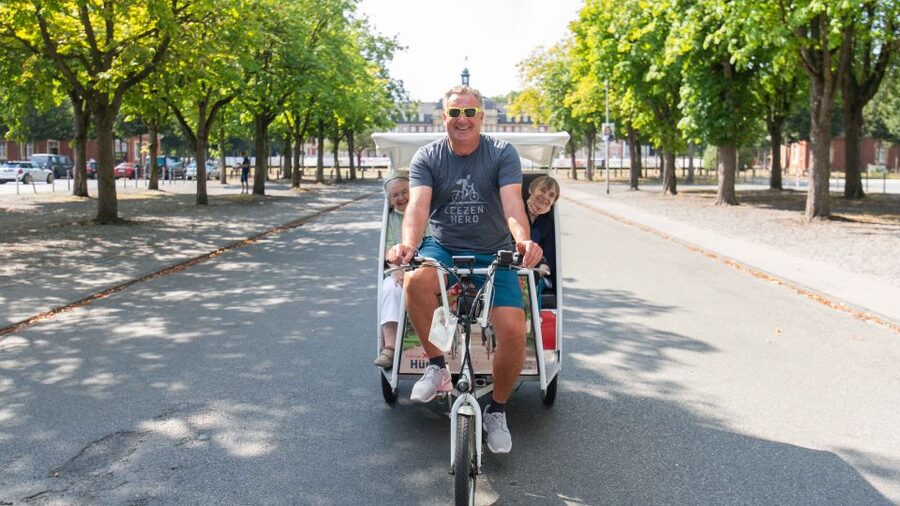
A tour like this wins or loses on personality and timing, not just on the stops. The standout impressions mention humor, warmth, and guides who make history feel approachable.
Guides such as Toby were noted for taking time to share historic stories and ensuring a safe, comfortable ride. Barbara was praised for an open, friendly style and for bringing humor into the experience, and some riders specifically appreciated comfort extras like a warmth-focused item. Stefan was also described as friendly and competent, with strong background knowledge.
That combination is what turns a simple rickshaw ride into something you will remember. You will likely walk away with a mental map of Münster’s layers: medieval walls and Zwinger logic, the shift to baroque style with Erbdrostenhof, and the final grandeur of the Dom.
Who this tour suits best (and who may want alternatives)
This tour is a good match if you want a low-effort, high-context highlights loop. It is ideal for people who like cities where the details matter, and who would rather ride, listen, and look than manage long routes on foot.
It is also a strong option if you are traveling with limited time. When you have a day that needs flexibility, 30 to 90 minutes can slot in nicely, especially since the tour includes transportation and a guide.
You might want a different approach if you specifically want to spend long periods inside major attractions. Since entry is not included, your sightseeing time inside buildings would need to come from elsewhere.
When to go and what to bring
You do need weather-appropriate clothing. A rickshaw tour can feel cooler than a bus ride because you are closer to the open air. That is why small comfort touches can make a difference, and why sensible layers matter.
If you can choose your timing, consider going when you want leisurely light for looking at stone details and water reflections at the Aasee. Even on a short tour, lighting changes how sculptures and facade ornamentation read.
Should you book the Münster Highlights rickshaw tour?
I think you should book it if you want an efficient way to get Münster’s storyline in one sitting. The route is smart, because it mixes medieval context (city walls and Zwinger), architecture (Schloss Münster and Erbdrostenhof), a scenic pause (Aasee sculptures), and a big finale (Münster Dom outside). For the price point, you are paying for transport plus a live guide, and the overall rating of 4.8 supports that most people leave feeling well looked after.
Skip it or pair it differently if your goal is mostly “enter and explore inside.” This tour is best as a highlights overview, not as a replacement for ticketed attractions. If you treat it like the warm-up act, it can set you up to explore the parts you care about most right after.
If you like humor, architecture, and a smooth paced route without planning stress, you will likely enjoy this one.
FAQ
How long is the Münster highlights rickshaw tour?
The duration is listed as 30 to 90 minutes, depending on the option you choose.
What is included in the price?
The included items are a guide and transportation by rickshaw.
Are entry tickets to attractions included?
No, entry to attractions is not included.
What languages are available for the live guide?
The tour offers live guiding in German and English.
Where do I meet for the tour?
The meeting point may vary depending on the option booked.
Is the tour refundable if my plans change?
Yes, it offers free cancellation, with cancellation up to 24 hours in advance for a full refund.
What should I bring with me?
Bring weather-appropriate clothing.
Fresh on the arrivals board for Munster


Munster Tours & Activities, compared.
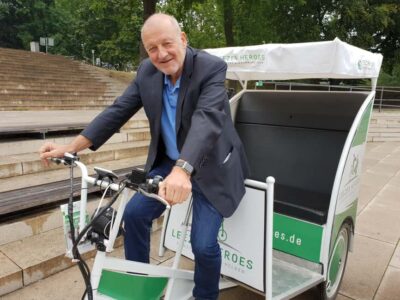
Crime show city tour by rickshaw including guide
Read our review →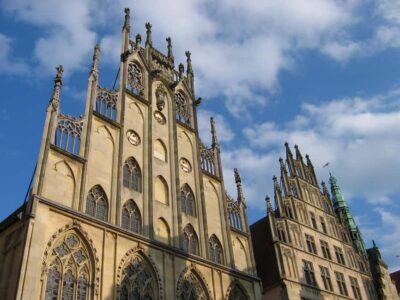
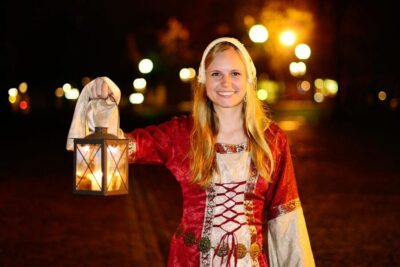
Night watchman tour through the picturesque old town by lantern light
Read our review →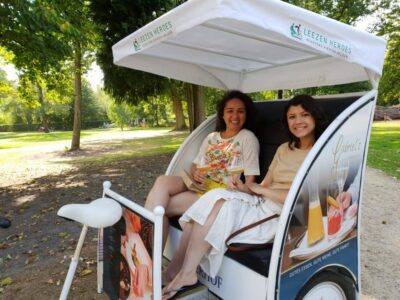
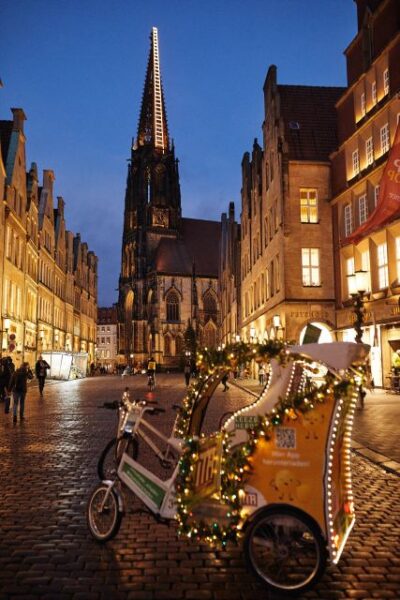
Private Christmas Tour in Münster including Glühwein
Read our review →
Old Town Historical Walking Tour by “Geo Epoche”
Read our review →Browse the lists this tour appears in