Reviewed · WALKING TOURS
Mannheim, guided walking tour: Industrial culture at the commercial port
Industrial Mannheim, on foot, makes sense fast. I love how this walk connects working port life with city landmarks like Teufelsbrücke, and I also like the shift into Jungbusch, where the neighborhood’s industrial past turns into a multicultural art and nightlife scene. One thing to consider up front: the live guide is German, so plan for more listening than reading.
Mannheim sits at the mouth of the Neckar into the Rhine, and shipping has shaped the city for centuries. You’ll move along the waterways, see modern port operations, and get the why behind it all, from early industrial work to today’s container era.
The tour lasts 2 hours and runs in all weather, so wear real walking shoes and dress for the conditions. It’s also not suitable for wheelchair users, and pets are not allowed.
In This Review
- Key highlights you will actually remember
- Why Mannheim’s inland port is worth your time
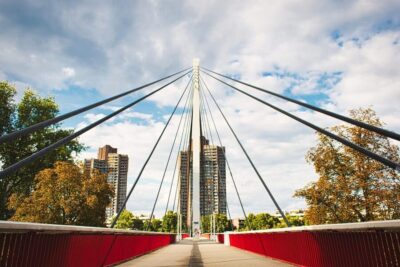
- Starting at Teufelsbrücke: the oldest preserved bridge in the city
- Walking from bridge to port: where trade becomes architecture
- The port story you can follow in 2 hours
- Jungbusch detour: from sack-carrier housing to a creative district
- What you’re really paying for: value at $17 for 2 hours
- Who should book, and who might skip it
- FAQ
- Where does the tour start?
- How long is the walking tour?
- What language is the live guide?
- Is the tour only in good weather?
- Is the tour wheelchair accessible?
- Are pets allowed on the tour?
- Should you book this Mannheim port walking tour?
Key highlights you will actually remember
- Teufelsbrücke as the starting point: the oldest preserved bridge in Mannheim sets the tone for the whole walk
- Europe-scale inland port context: Mannheim’s port is one of the most important inland ports in Europe
- Industrial architecture on the route: warehouses, loading areas, and trade infrastructure you can see and question
- Remnant of early industry: Teufelsbrücke is treated as a leftover from the first industrial age
- Jungbusch transformation: from working-class and port-adjacent life to a trendy, creative district
- Port-to-neighborhood geography: the Jungbusch area sits just across the connecting canal from the port zone
Why Mannheim’s inland port is worth your time
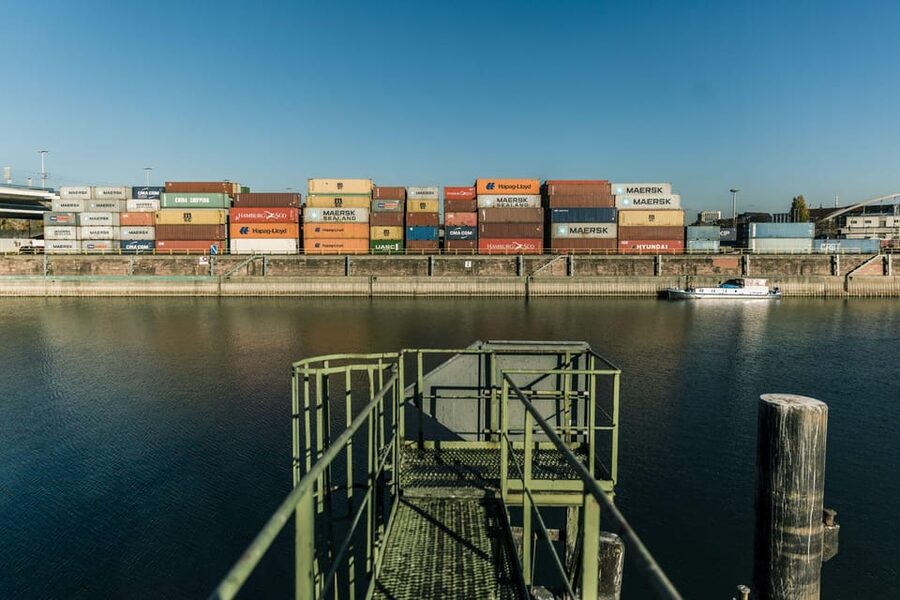
Most city walks focus on palaces, churches, or shopping streets. This one is different in a good way. Mannheim’s port is not a side show, it is the engine that shaped where people worked, where they lived, and what the city built around that work.
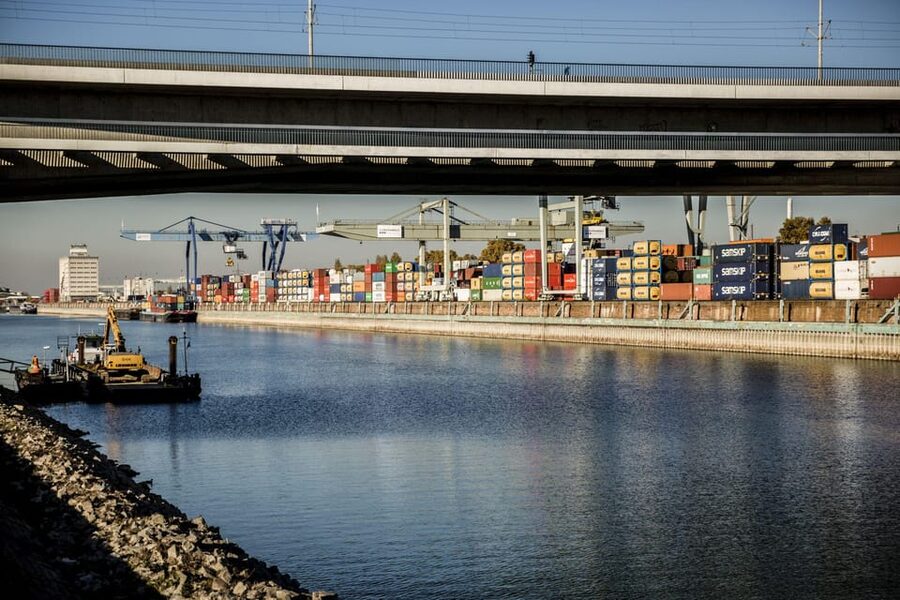
Because you are walking near water, the city reads like a system. You start with a bridge that tells you about early industry. Then you follow the port environment, where modern shipping shows up as containers, warehouses, and working infrastructure. The best part is that you are not just looking at factories from a distance. You are moving between landmarks and waterways, so the story stays connected to what you can see.
If you enjoy industrial design, architecture details, and city geography, you will get more out of this than a standard “top sights” stroll.
More German cities at walking speed:
- Mannheim, guided Walking Tour: Discover Mannheim
★ 4.5 · 62 reviews - Mannheim, guided walking tour: Pulsating Jungbusch
★ 3.9 · 21 reviews - Mannheim: Express Walk with a Local in 60 minutes
★ 4.7 · 5 reviews
Starting at Teufelsbrücke: the oldest preserved bridge in the city
You begin at Devil’s Bridge (Teufelsbrücke). Even if you know nothing about Mannheim, this is a smart place to start because it gives you a historical anchor before the port details start stacking up.
The tour treats Teufelsbrücke as a remnant from the early industrial age, so you can think of it as a time marker. From here, the guide can explain how industrial needs shaped bridges and movement across water. As you look at the bridge and the surrounding waterways, you also get a feel for how Mannheim worked when shipping was the city’s main job engine.
Practical tip: arrive a few minutes early so you can get oriented. Schedules can overlap, and you want to make sure you are in the right group before you head into the port area.
Walking from bridge to port: where trade becomes architecture
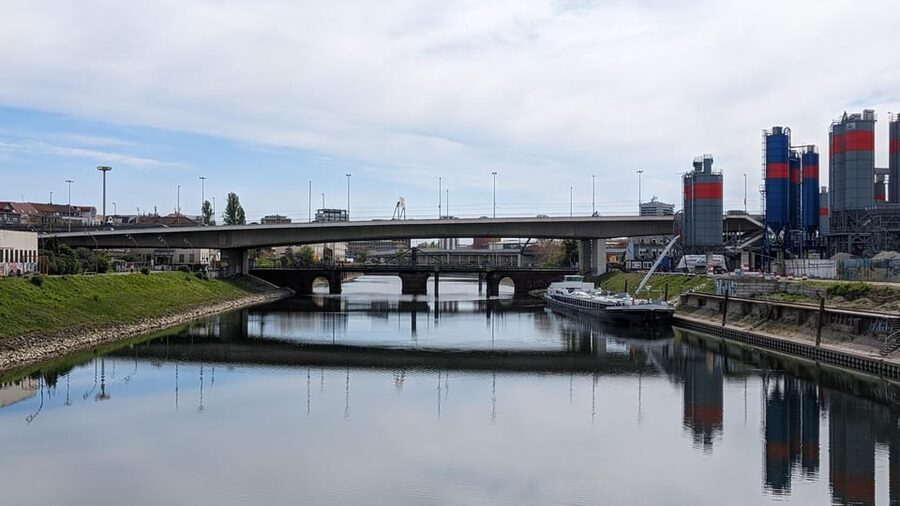
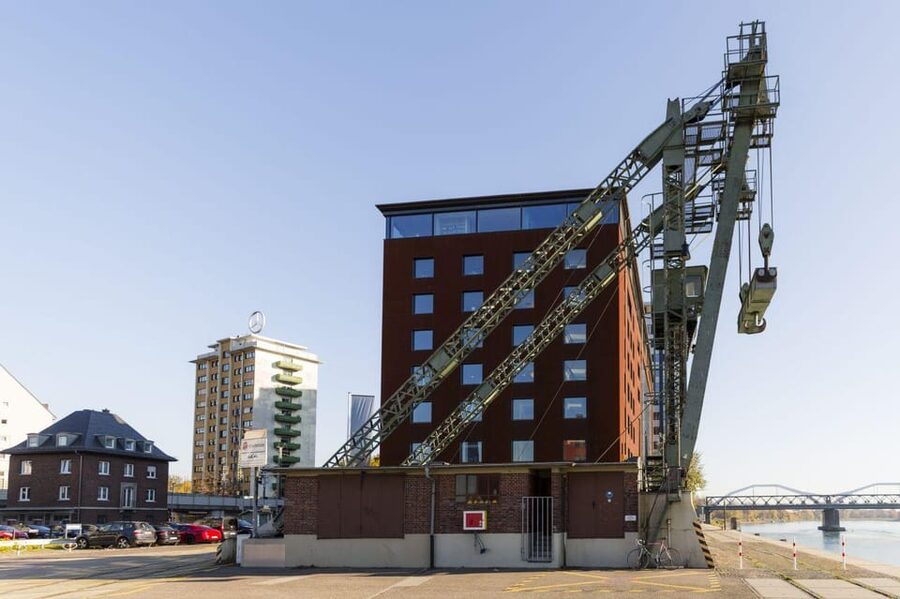
Once you leave Teufelsbrücke, the port area becomes the real “museum.” You will see huge inland-port operations with a cosmopolitan feel. Think container ships, loading stations, and warehouses. It is practical infrastructure, not postcard scenery, but that is exactly why it is interesting.
One of the most useful things this tour does is connect the visible modern port to the earlier life of port workers. As you cross and re-cross waterways, you get repeated reminders of how important the water network is, and how the city layout grew around that reality.
You also look at bridge and industrial architecture as actual objects, not vague concepts. The point is to understand why those structures exist where they do. A port is a machine, and the city builds the parts around it: access routes, crossings, and storage. When you watch that logic unfold on foot, Mannheim starts to feel clearer, even if industrial cities were never your thing.
What might slow you down: the walking is outdoors and there are water-adjacent views. If the weather turns windy or rainy, you will feel it, so bring clothing that handles real conditions.
The port story you can follow in 2 hours
This is a tight, two-hour format, so you should treat it like a guided “read” of Mannheim. The guide’s job is to point out the patterns: beginnings of industrial culture, the lived conditions of port workers, and how trade continues to shape the city today.
You will likely notice a shift in mood as the tour moves from the older industrial landmark into more current port operations. That change is not random. It helps you compare eras side by side: what used to be necessary for shipping and what modern shipping requires now. Even without technical details, you can understand the bigger idea. Logistics changed, but the city’s dependence on the river system did not.
Because the tour crosses waterways repeatedly, you keep getting different angles of the same theme. That’s valuable for your brain. Instead of one big viewpoint, you collect many smaller “clues” as you walk, and it sticks better.
Jungbusch detour: from sack-carrier housing to a creative district
The final leg takes you to Jungbusch, separated from the port area by a connecting canal. That separation is a key idea. It explains how work and life sat side by side in port cities, and how neighborhoods evolved because of their proximity to jobs.
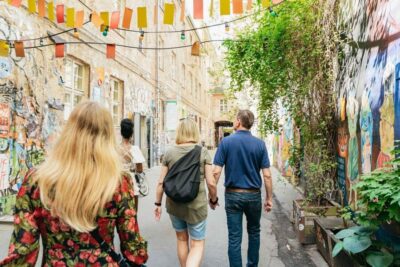
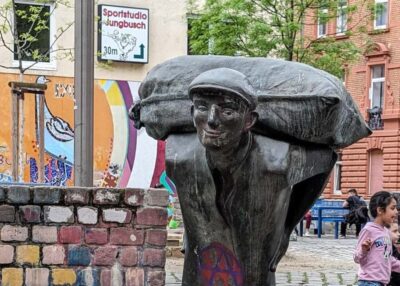
Here is where the tour’s tone changes. In the port zone you focus on trade infrastructure and industrial buildings. In Jungbusch, you focus on community and identity. The area’s background is working-class and tied to port labor, including workers and sack carriers. Then time shifts forward to today, where Jungbusch has a bohemian art feel and is known as a local nightlife hotspot.
You do not have to be into nightlife to enjoy this part. Even if you just want a cultural stop, Jungbusch gives you perspective. You see how a city turns industrial leftovers and worker neighborhoods into places for creativity, dining, and late evenings.
Small consideration: since this is a nightlife-style neighborhood, lighting and street surfaces can vary. Keep your eyes on your footing, especially in rain or low light.
Also holding a platform in Mannheim



What you’re really paying for: value at $17 for 2 hours
At $17 per person for a guided city walking tour, this is relatively good value because you are paying for interpretation, not just movement. Industrial port areas can feel intimidating if you do not know what you are looking at. A guide helps you translate container piles and warehouses into stories about labor, trade, and city design.
Also, the price fits the time commitment. You get a full thematic arc, from Teufelsbrücke to the port zone to Jungbusch, without turning it into a half-day endurance event. Two hours is long enough to make the geography feel real, short enough that you can still plan another activity afterward.
What is not included is also worth knowing: food and drinks are not part of the tour, and transportation to and from the meeting point is on you. So if you want a meal, plan for Jungbusch afterward, or eat before you go.
Who should book, and who might skip it
I think this tour is best for people who like one of these themes:
- industrial architecture and city planning
- port history told through real places, not only documents
- photographers who enjoy bridges, water, and modern infrastructure
- travelers who prefer a focused walk over a checklist of attractions
Skip it if you:
- need wheelchair accessibility, because the tour is not suitable for wheelchair users
- expect a fully English experience, since the live guide speaks German and some content is shown in its original language
- want a tour that includes food, because it does not
If you are on the fence, remember this: the port is the point. If you like industrial cities, Mannheim gives you a strong, practical story you can walk through.
FAQ
Where does the tour start?
It meets at Devil’s Bridge (Teufelsbrücke).
How long is the walking tour?
The duration is 2 hours.
What language is the live guide?
The tour has a live guide in German, and some content may be shown in its original language.
Is the tour only in good weather?
No. The tour takes place in all weathers.
Is the tour wheelchair accessible?
No. The tour is not suitable for wheelchair users.
Are pets allowed on the tour?
No. Pets are not allowed.
Should you book this Mannheim port walking tour?
Yes, if you want a city experience that is about how Mannheim actually works, not just how it looks. Teufelsbrücke plus the port zone plus Jungbusch creates a clear arc: early industrial clues, modern shipping reality, then a neighborhood that grew out of the same workforce story.
Book it with two expectations set: bring comfortable shoes for outdoor walking, and plan for German-language guiding. If those fit your travel style, you will leave with a better sense of Mannheim’s geography and a sharper eye for the bridges and industrial architecture that hold the city together.
Fresh on the arrivals board for Mannheim
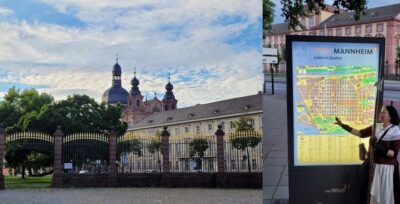
Walking Tours, compared.

Berlin City walk Government District and Places of Democracy
Read our review →
Berlin’s Best: 2 Hour Walking Tour Third Reich and the Cold War
Read our review →