Reviewed · GUIDED
Mannheim, guided costume tour: Hangmen, Witches, Huguenots
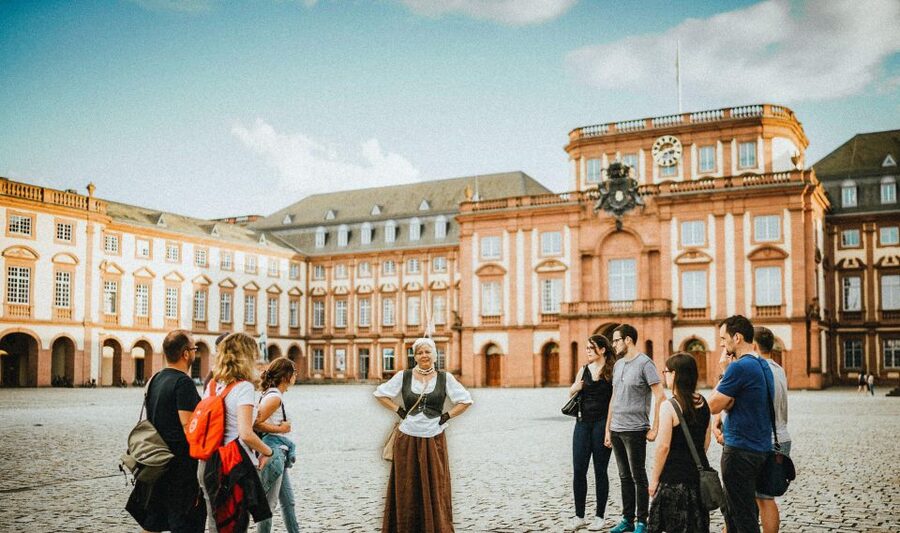
Mannheim had an executioner tale worth hearing. I love how this costumed guide frames the story through the executioner’s daughter, turning dark legal history into a walk you can follow step by step. You also get practical answers to the big questions, like where executions took place and what blood judgment meant, plus curious original Mannheim crime stories. One drawback: it’s not for the faint of heart, and the subject matter stays serious.
If you want a short, focused experience, this is a solid pick. The tour runs about 90 minutes, is in German, and goes in rain or shine, so wear shoes that won’t punish you on wet cobblestones. The meeting spot is the market square, at the market square fountain, and no food or drinks are included.
In This Review
- Quick takeaways for your Mannheim walk
- Hangmen, Witches, Huguenots in Mannheim, what you’re really signing up for
- Where the story starts, market square and the fountain meeting point
- The executioner’s question, blood judgment, and what justice looked like
- Lower town and former craftsmen’s quarter, how the route supports the story
- Witchcraft in the Electoral Palatinate, fear as a legal tool
- The Mannheim Experiment and why the city was under pressure
- Costume tour value, what the guide format adds to the facts
- Price and value in Mannheim, is $20 worth it?
- Who should book this Mannheim costume tour, and who should skip it
- Should you book this tour of hangmen, witches, and Huguenots?
- FAQ
- Where does the tour start?
- How long is the Mannheim guided costume tour?
- What language is the tour guide speaking?
- Is the tour suitable if it rains?
- What is included in the price?
- Are food and drinks included?
- Are pets allowed on the tour?
- Is the tour wheelchair accessible?
Quick takeaways for your Mannheim walk

- A legal-crime story told by the executioner’s daughter, while you move through the lower town and crafts area.
- Answers to the executioner question, including where executions may have occurred and what blood judgment meant.
- Electoral Palatinate witchcraft as part of the wider justice story, not as a random side topic.
- Original Mannheim crime stories mixed with real-world context about wars and epidemics.
- A 1.5-hour, costume-guided format that keeps you engaged, even when the topics turn grim.
- Rain or shine and no pets, including dogs, on public tours.
Hangmen, Witches, Huguenots in Mannheim, what you’re really signing up for
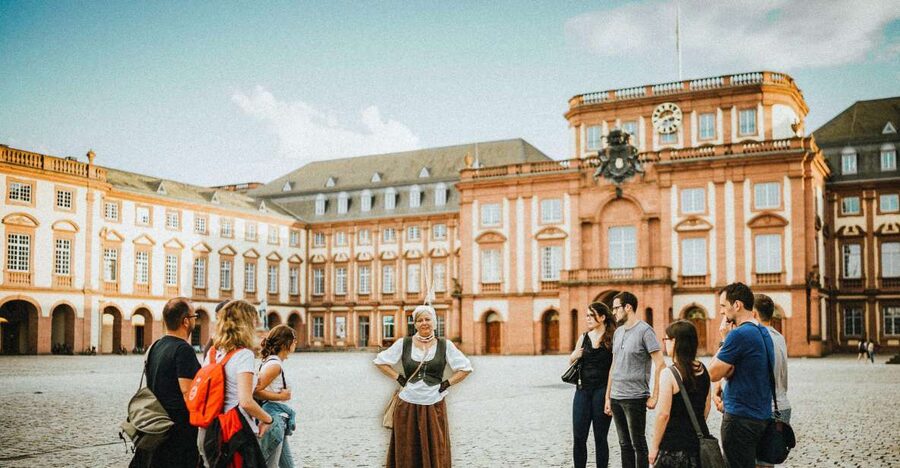
This is a niche kind of Mannheim tour. Instead of focusing on cheerful landmarks, you’ll follow the city’s darker side: punishment, procedure, rumor, superstition, and the fear that people lived with. The title already gives you the vibe, hangmen and witches, plus Huguenot threads, all tied back to how the legal system worked and what it did to real lives.
What I like is the guided framing. You don’t just hear scary details, you learn how people made decisions, who had power, and what could go wrong during an execution. That matters because it turns horror into something you can understand, even if you’d rather not picture it.
You should also know what you’re walking into emotionally. The tour is explicitly described as not for the faint of heart, so expect serious content. If you’re looking for light entertainment, this is probably the wrong fit. If you like history that has consequences, you’ll likely find it memorable.
Also holding a platform in Mannheim
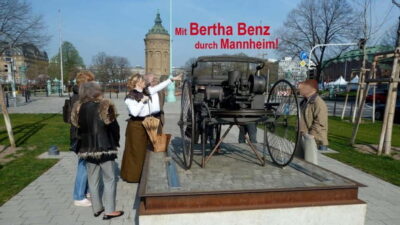
- Mannheim, guided Walking Tour: Discover Mannheim
★ 4.5 · 62 reviews - Mannheim, guided costume tour: Tour with Night Watchman
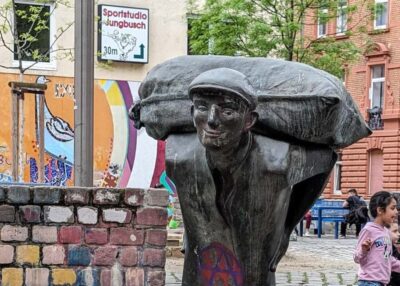
★ 4.9 · 26 reviews - Mannheim, guided walking tour: Pulsating Jungbusch
★ 3.9 · 21 reviews
Where the story starts, market square and the fountain meeting point
Your tour begins in Mannheim’s market square at the market square fountain. This is useful because it’s central, easy to reach on foot once you’re in the old-town core, and simple to orient yourself.
I find meeting at a major public spot helps the whole experience feel less chaotic. You’re not hunting for a back alley or guessing which side of a street the guide means. After that, you’ll move into the lower town and the former craftsmen’s quarter, so the story transitions from public life into the places where regular people likely saw the consequences of authority.
Tip for your comfort: arrive a little early so you can settle your footing. The tour runs in rain or shine, and you’ll want a quick moment to get ready before you start walking.
The executioner’s question, blood judgment, and what justice looked like

The big hook is direct: was there an executioner in Mannheim? The guide uses that question as a way to explain the practical reality behind punishment. You’ll talk about where the place of execution was, what blood judgment meant, and what could go wrong during an execution.
This is where the tour becomes more than spooky theatre. The details are meant to show you how justice worked, not just how it ended. You’ll learn to connect legal terms to real actions, so phrases like blood judgment stop being abstract.
And because you accompany the executioner’s daughter, the story lands through a personal lens. You’re not only watching power happen from a distance. You’re being guided through it with the perspective of someone close enough to the system to understand its human cost.
If you’re the type who likes history with mechanics, you’ll probably enjoy this section most. It answers questions you’ve likely heard only in fragments.
Lower town and former craftsmen’s quarter, how the route supports the story
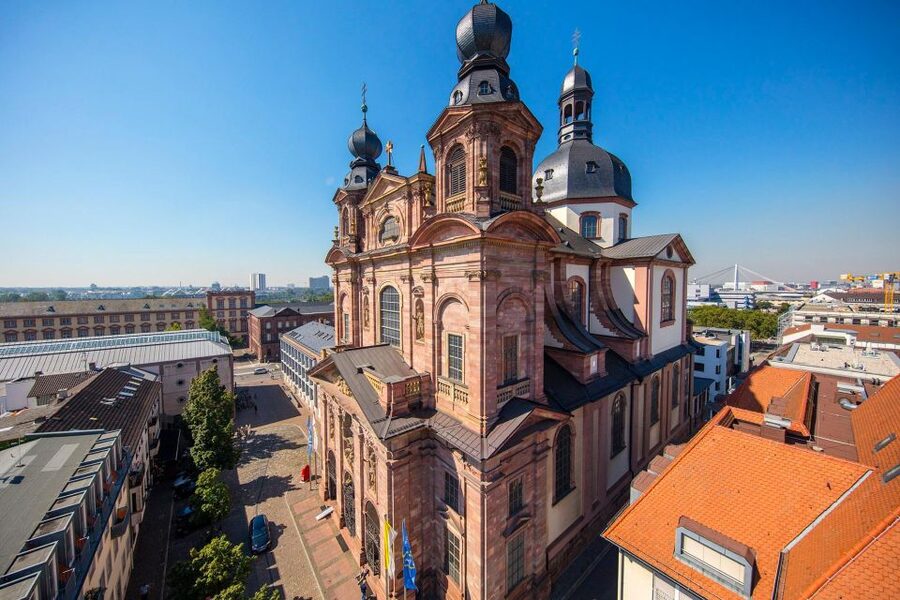
The itinerary is built around places tied to everyday life: the lower town and the former craftsmen’s quarter. That choice changes how you experience the content. It’s easier to feel the stakes when you’re walking through the kinds of neighborhoods where ordinary residents would notice rumors, trials, or executions.
In practice, you can think of the route as a moving context lesson. As you go, the guide connects the setting to the legal and social topics being discussed. When witchcraft, crime stories, or war-era suffering comes up, you’re not just hearing it, you’re seeing it as part of the city’s physical layout.
One caution: because the tour is about grim legal practices and city trauma, it’s not designed for casual strolling with your phone at high volume. Put away distractions and listen. You’ll get more out of it if you treat it like a guided story walk, not like a photo tour.
Also, bring comfortable shoes. This isn’t only about weather. The whole idea is that you follow the narrative through the streets.
Witchcraft in the Electoral Palatinate, fear as a legal tool
Electoral Palatinate witchcraft is one of the major themes, and it’s handled as part of the wider justice picture. That’s important. You’re not just collecting weird beliefs. You’re seeing how fear and superstition can attach to the legal system and become official enough to ruin lives.
The guide’s approach helps you understand witchcraft as something people acted on, not just something talked about. The tour’s focus is the legal system and what it did, so you’ll connect witchcraft stories to the same kinds of questions you ask about crime and punishment.
What I like here is how the tour links different eras and topics. Witchcraft isn’t floating in the air. It’s placed within the system that people used to judge, punish, and control.
Emotionally, this section can feel heavy because witchcraft accusations historically involved real consequences. If you’re sensitive to injustice themes, go in prepared.
Onward connections from Mannheim:


The Mannheim Experiment and why the city was under pressure
You’ll also hear about the Mannheim Experiment. The fact that it’s included at all tells you the tour isn’t only about trials and executions. It’s also about how Mannheim changed and how people tried to manage problems.
Alongside that, the tour covers the suffering of wars and epidemics that ravaged the city. That combination is practical for understanding why so many harsh stories cluster around certain periods. When a city is stressed, the social fabric strains. Blame travels faster. Rumors gain weight.
So even when the tour turns to crime stories, it’s giving you context for how chaos can turn into accusations. It’s a reminder that the legal system doesn’t operate in a vacuum, it responds to fear, uncertainty, and instability.
If you want history that explains cause and effect, this section is a good payoff. It helps you see the darker stories as part of a broader pattern of survival and control.
Costume tour value, what the guide format adds to the facts
This experience includes a guided tour and a professional tour guide in costume. That costume choice isn’t just decoration. It helps set the tone quickly and signals that you’re entering a story with role and perspective.
I like this kind of format because it speeds up attention. When topics are heavy, you need a guide who can hold the thread. A costumed guide plus a consistent narrator perspective, the executioner’s daughter, gives you that thread so you can keep track of who is telling what and why it matters.
You’re also paying for the structure. At about 1.5 hours, the tour is long enough to connect multiple themes, but short enough that you’re not committing to an all-day historical seminar.
One more practical point: the tour is in German. If you don’t speak German, you might find the details harder to follow. On the other hand, the story is designed around spoken explanations, so if you have basic German listening skills, you’ll get a lot from the framing even when vocabulary gets old-fashioned.
Price and value in Mannheim, is $20 worth it?
At $20 per person for about 1.5 hours, the price feels reasonable for what you get: a specialty topic, a professional guide in costume, and a route through specific Mannheim areas. You’re not just paying for walking, you’re paying for interpretation and narrative structure.
The value case is strongest if you want something different from the usual city sightseeing. If your goal is to see a checklist of landmarks, this will feel too dark and too focused. But if you want a story walk that answers uncomfortable questions, you’re paying for expertise and tone management, plus the effort it takes to bring historical themes into a coherent sequence.
Another value angle: small time investment. Ninety minutes is manageable even on a busy day, especially if you’re okay skipping food during the tour. Food and drinks are not included, so plan to eat before or after.
Who should book this Mannheim costume tour, and who should skip it
This tour is best for you if you like history that tackles real systems: law, punishment, community fear, and how crises shaped decisions. It’s also a good fit if you enjoy guided stories with a consistent perspective, like accompanying the executioner’s daughter as you move through the lower town and crafts quarter.
You’ll likely appreciate it if you’re the type who enjoys the smaller, practical questions. Was there an executioner in Mannheim? Where was the place of execution? What can go wrong? Those are the kinds of prompts that turn history into something you can reason about.
Skip it if you’re easily upset by grim topics. The tour is clearly described as not for the faint of heart. It also stays serious because the themes include witchcraft, executions, wars, and epidemics.
One more fit consideration: pets are not allowed, and dogs are not allowed on public tours. If you’re traveling with a dog, you’ll need another plan for that part of your day.
Should you book this tour of hangmen, witches, and Huguenots?
Yes, if you want a 90-minute Mannheim experience with a clear story thread and a guided, costumed format built around legal-crime history. It’s strong on specific questions, including the executioner angle and explanations like blood judgment, and it connects crime stories to broader forces like witchcraft accusations, wars, and epidemics.
No, if you’re hoping for something light or purely scenic. The content is intentionally dark, and you should treat it as a serious history walk, not an easy evening stroll.
I’d also book it if you love the idea of hearing Mannheim from a different angle. One German guest, Ursula, rated it 5 out of 5 and said it was interesting and entertaining, with plenty of new information even for someone who knows Mannheim well. That’s a good sign the tour offers real substance, not recycled talking points.
FAQ
Where does the tour start?
The tour meets in the market square, at the market square fountain.
How long is the Mannheim guided costume tour?
It lasts about 1.5 hours.
What language is the tour guide speaking?
The live tour guide speaks German.
Is the tour suitable if it rains?
Yes. The tour will take place in rain or shine.
What is included in the price?
The included items are the guided tour and a professional tour guide in costume.
Are food and drinks included?
No, food and drinks are not included.
Are pets allowed on the tour?
No. Pets are not allowed, and dogs are not allowed on public tours.
Is the tour wheelchair accessible?
Yes, it is wheelchair accessible.
Fresh on the arrivals board for Mannheim

Guided, compared.

Reichstag, Dome and Government District Guided Tour
Read our review →


1-hr Boat Tour with Bilingual Live Guide (DE/EN)
Read our review →