
Reviewed · WINE TOURS
Koblenz: The Living Vineyard, Nature & Wine Enjoyment
Moselle vineyards feel magical when you walk them slowly. This Koblenz-area tour pairs a nature-first hike with a smart wine tasting in and around the vines.
You start at Weingut Lunnebach in Rhineland-Palatinate, with a welcome secco in hand, then follow a guided path up through real working vineyard terrain and local habitats. One nice extra: the route is tied to the footsteps of Napoleon Bonaparte.
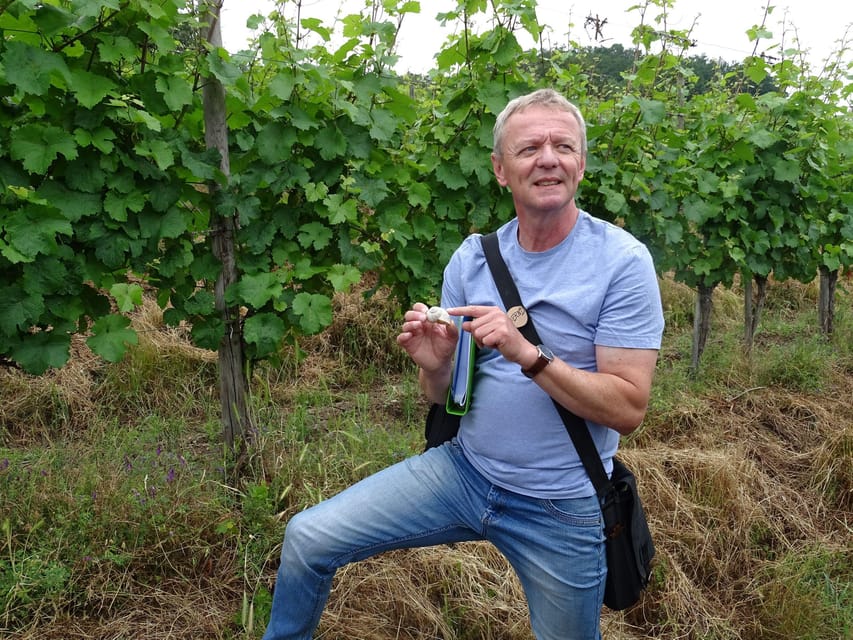
What I like most is how the guide brings the whole place to life. You get stories about the Moselle region’s history and geology, plus a close look at plants and wildlife you would normally miss. I also love the tasting format, one secco plus three selected wines, served in a way that feels timed to the walk rather than as a rushed add-on.
The one potential drawback is simple: this is a rain-or-shine uphill stroll. The trail is about three kilometers, and it is not suitable for wheelchair users or people with mobility impairments, so comfortable shoes really matter.
In This Review
- Key things that make this tour worth your time
- Koblenz’s living vineyard tour: nature and wine, not separate things
- Entering Weingut Lunnebach: welcome secco, glass in hand, German guide
- The historic vineyard path: Napoleon’s footsteps meet modern viticulture
- 3 kilometers of habitats: where biodiversity turns into a learning walk
- Moselle geology and near-natural viticulture: the why behind the taste
- Wine tasting in motion: one secco plus three selected wines
- The views that sell the tour, especially on the way back
- Price and time: is $30 per person good value?
- Who should book this Moselle vineyard hike?
- Quick practical tips before you go
- Should you book the Living Vineyard, Nature & Wine experience?
- FAQ
- Is this tour in Koblenz or nearby?
- How long is the tour?
- What do you taste during the tour?
- What is the walk like in terms of distance and effort?
- Does the tour run in rain?
- Is the tour accessible for wheelchair users or limited mobility?
Key things that make this tour worth your time
- Welcome secco at Weingut Lunnebach, then you walk with a wine glass and holder
- A leisurely 3-kilometer uphill through steep Moselle vineyard slopes
- Real biodiversity focus, with stops for flowers, herbs, insects, reptiles, mammals, and birds
- Napoleon Bonaparte’s historic path adds context while you climb
- Three selected wines plus one secco, with tastings built into the route
- Big Moselle valley views toward Koblenz, including a final look on the return
Koblenz’s living vineyard tour: nature and wine, not separate things
If you think of wine tours as a tasting room with a quick photo stop, this one nudges you in a different direction. The point is to treat the vineyard like an outdoor classroom. You are walking the same kind of steep ground that shapes how Moselle wines develop, and you are learning what grows there and why the place holds together.
The best part is the balance. You taste wine, yes, but the guide keeps steering you back to what is happening in the vines and the surrounding habitats. That makes the whole experience feel more grounded, especially if you are the type who likes your travel with practical details, not just generic facts.
And it is built around a real producer, Weingut Lunnebach, where Riesling is grown particularly well. If you care about why Riesling tastes the way it does, the tour’s emphasis on geology and viticulture practices is exactly what you want.
Also holding a platform in Koblenz
- Winetasting / Weinprobe Koblenz
★ 4.3 · 31 reviews - Discovery tour – cellar tour with wine tasting
★ 4.2 · 26 reviews - Trier: Guided City Walk with Wine Tasting
★ 4.8 · 979 reviews
Entering Weingut Lunnebach: welcome secco, glass in hand, German guide
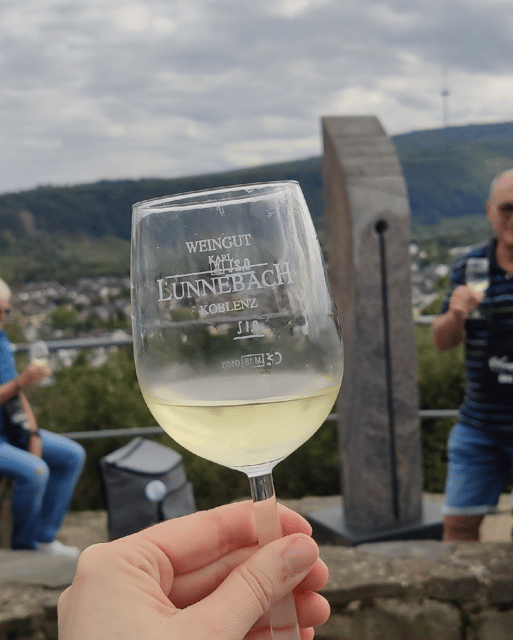
The experience begins at Weingut Lunnebach. You arrive as a group, get greeted, and start with a delicious welcome secco. It sets the tone quickly, a light start that feels made for this kind of walking day.
Next you get your tasting setup for the route: a wine glass and glass holder. That detail matters more than it sounds. It helps you actually enjoy the hike without constantly juggling cups, and it also signals that tastings are part of the movement, not a separate event.
The tour is conducted exclusively in German. That is worth planning for. If you speak at least some German, you will get the most out of the history, geology, and ecology explanations. If you do not, you can still enjoy the sights and the wines, but you will rely more on the general flow and less on the specifics.
Guides you might hear named include Bernd Doetsch. In some groups, you may also meet Bettina, who supports with hospitality at stations during the walk.
The historic vineyard path: Napoleon’s footsteps meet modern viticulture
Once you start walking up, the guide frames what you are seeing. You are not just passing rows of vines. You are on a path with a story, one that French Emperor Napoleon Bonaparte walked. That kind of reference turns a simple uphill climb into something with a sense of time.
Along the way, the tour leans into what makes the Moselle steep slopes so distinctive. Vineyards here are not flat fields. They climb. They catch sun differently across the day. The soils also shape the wine, and you will learn about how the slate-shaped soil supports that classic Moselle character.
There is usually a clear rhythm to the guiding: short explanations, a pause to look closely, then you move on. That pacing is especially helpful on an easy-to-moderate climb because you are never left staring at the ground wondering what you are supposed to notice.
3 kilometers of habitats: where biodiversity turns into a learning walk
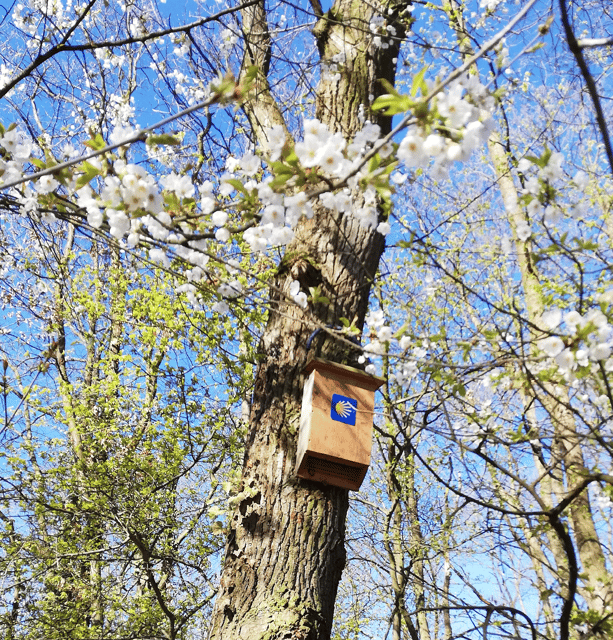
The walking route takes you through multiple habitat types within the wine-growing area. This is not just a single view and a single stop. You explore a patchwork of living environments that change as you move from one section to another.
Expect stops and cues connected to:
- Vineyards themselves
- Dry stone walls
- Fallow land
- Meadows with fruit trees
- The Brauewald area
- Flowers and herbs, plus insects and other wildlife
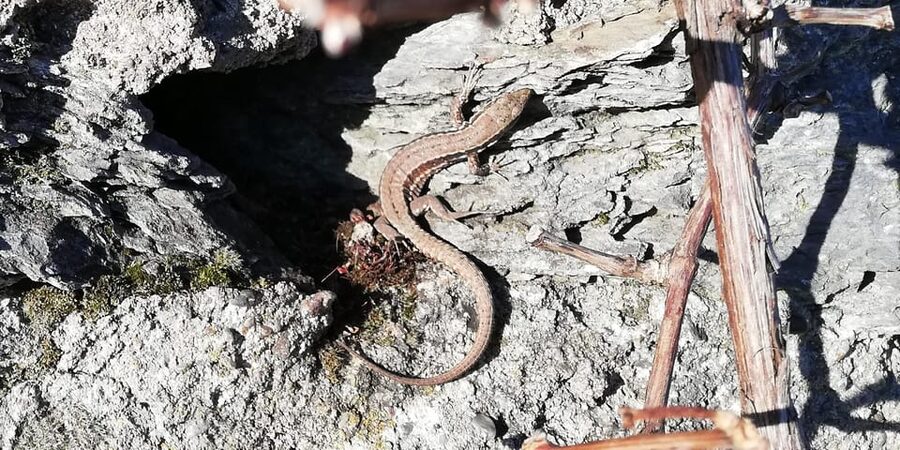
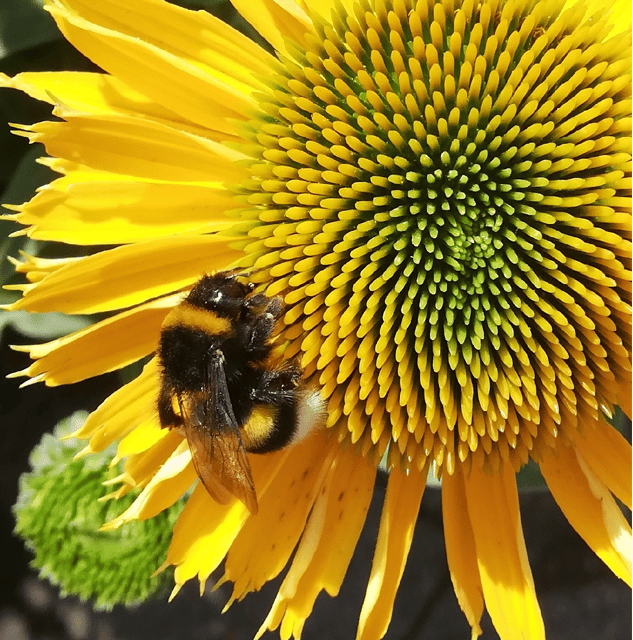
The tour is designed so you notice the small stuff. You are encouraged to look for signs of insects, reptiles, mammals, and birds. If you like bird sounds, bug movement, or just spotting plant differences, you will probably find yourself slowing down to inspect leaves and stems.
From a value standpoint, this is what separates a good wine hike from a generic one. Wine is the headline, but the biodiversity focus gives you something to do even when you are not drinking. It turns the tour into a “use your senses” kind of outing, and that makes it more memorable after the last sip.
Moselle geology and near-natural viticulture: the why behind the taste
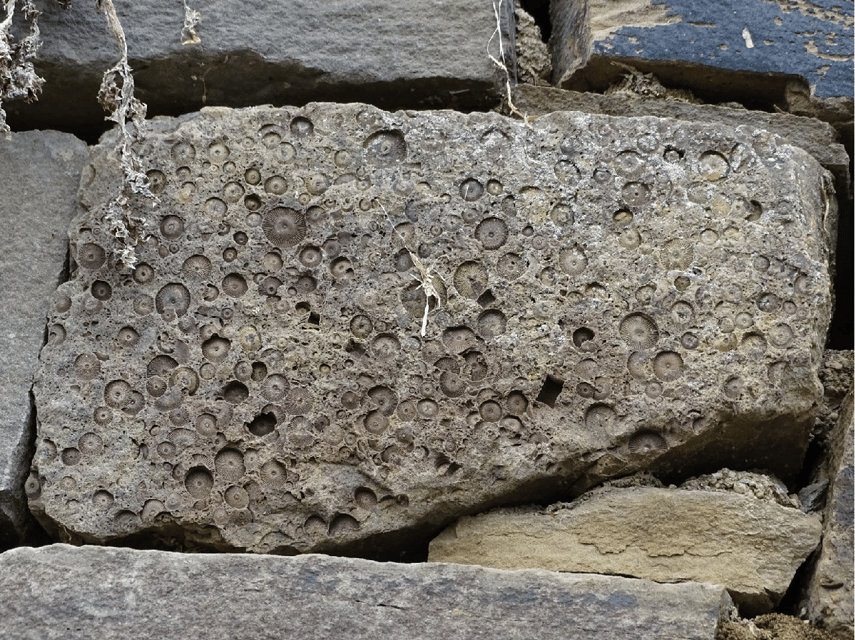
A big part of what you learn is how history and geology connect to how people grow grapes today. The Moselle region is famous for steep slopes and grape varieties that feel right at home there. Riesling is especially central, and you will likely hear that the vines in this area ripen on slate-shaped soils and an exposure that helps fruit develop.
You also get an insight into the winemaker’s work. Even if you are new to wine, you can understand the basics when the guide ties vineyard care practices directly to what you are seeing in front of you.
There is also an explicit note on nature protection through near-natural viticulture. That’s the kind of detail that matters if you care about sustainability and not only about taste. It gives you a reason to pay attention beyond the tasting table.
Onward connections from Koblenz:
Wine tasting in motion: one secco plus three selected wines
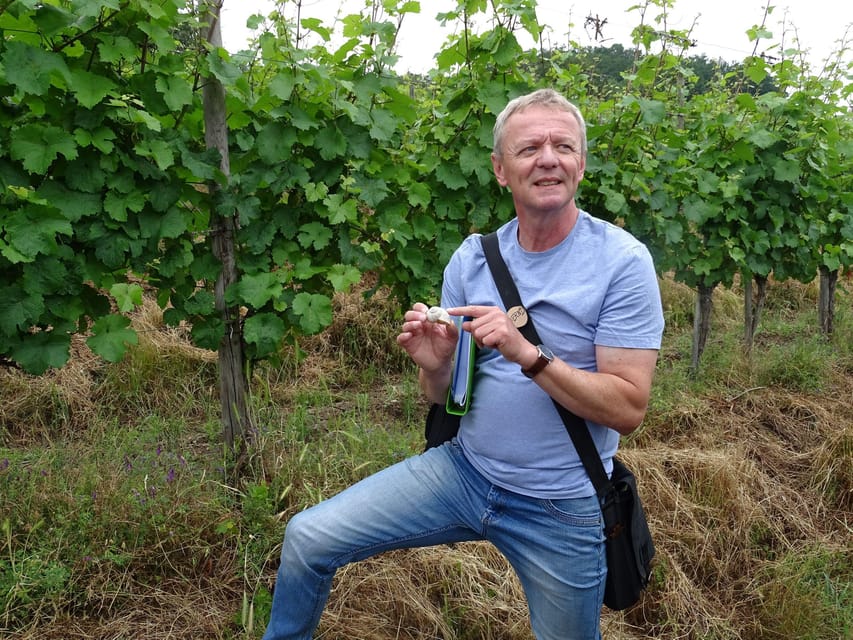
You start with a secco at the beginning, then you move toward tastings of three selected wines from the wine cellar. The timing is designed around the route, not around a strict classroom schedule.
In some groups, people get little wine surprises along the way. That makes the walk feel like a sequence of mini rewards. You also finish with the last wine, and it may come with small bites.
The most useful thing about tasting during an outdoor walk is that you can compare sensory impressions. Fresh air changes how you perceive aromas, and you can notice how the wine fits the environment you just walked through. You might not have a formal “lesson plan,” but you get the practical effect: you start tasting wine like it belongs to a specific place.
If you are a Riesling fan, this is an especially comfortable setting. The producer grows Riesling in particular, and the tour content points directly at what slate soils and slope exposure do to style, including the common theme of fruity character with mineral feel.
The views that sell the tour, especially on the way back
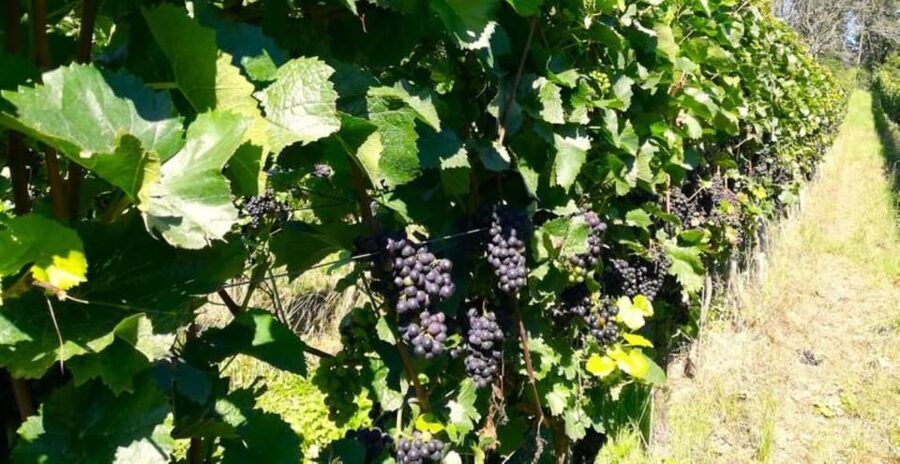
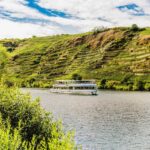
One reason this type of tour works is the view payoff. Between vineyard sections, you look out over the Moselle valley, and the guide keeps you pointed in the direction that matters.
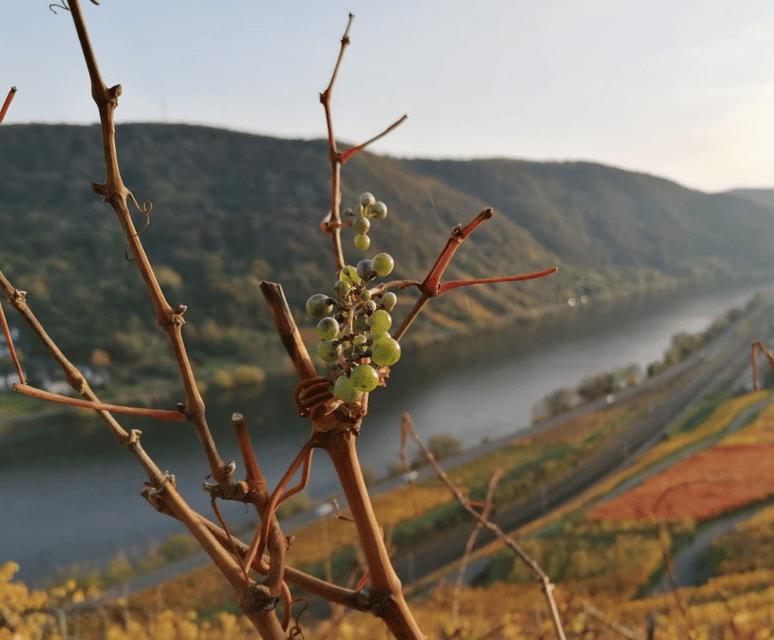
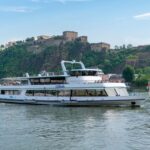
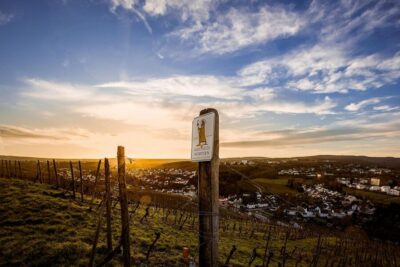
On the way back, you get a magnificent view over the Moselle valley toward the city of Koblenz. That final look is the moment where the hike clicks. You connect the steep vine rows above you with the broader valley geography below, and suddenly everything the guide said about the region feels less abstract.
Bring your phone for photos, but also leave room to just watch. The valley view is part of why this experience lasts in your memory.
Price and time: is $30 per person good value?
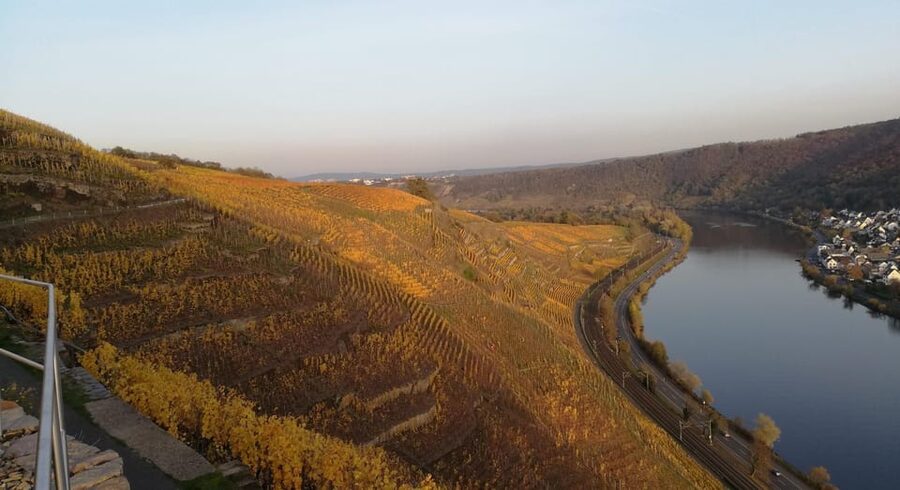
For about three hours and a total of four drinks (one secco and three selected wines), the price at roughly $30 per person is a fair value proposition. In wine country, tastings can run high quickly when you add guide time and structured service. Here, you get a guided walk plus tastings, with the nature experience built into the main event.
Time is also well used. You are not signing up for a half-day that eats your whole afternoon. Three hours is long enough to get a real sense of place, short enough to still enjoy Koblenz afterward.
That said, the tour is only as enjoyable as your comfort with a light uphill walk. If you hate walking outdoors, $30 for wine alone might feel less attractive. But if you like being outside and learning through sights, then you are paying for an experience that connects the wine to the ground it grows on.
Who should book this Moselle vineyard hike?
This is a strong fit if you:
- Like your wine experiences mixed with nature
- Want something more active than a tasting room tour
- Prefer German-guided interpretation (or you are happy to follow along without every word)
- Enjoy wildlife spotting, even if you are not an expert
It can be less ideal if you:
- Need step-free or wheelchair-friendly access
- Get uncomfortable with uneven, uphill walking
- Expect a tasting-only format with minimal walking
Group energy also seems positive in the real-world experience of this tour. People often come from different parts of Germany and sometimes neighboring countries, and the pacing makes it easy to follow, with explanations delivered frequently along the way.
Quick practical tips before you go
A few small things make a big difference:
- Wear comfortable shoes. The route goes leisurely uphill, and you will be on uneven vineyard ground.
- Dress for rain or shine. The tour runs in all weather, so bring a light rain layer if that is your style.
- Plan for three kilometers on foot. You do not need to be an athlete, but you do want to feel steady.
- If your German is limited, focus on the structure: view, explanation, look for the small plants and animals, then tasting.
Also, bring a curious mindset. The guide’s job is to direct your attention. Your job is to slow down and actually look.
Should you book the Living Vineyard, Nature & Wine experience?
I think you should book it if you want a wine tour that feels like part of the landscape, not a separate stop. The combination of biodiversity-focused walking, a historic route reference to Napoleon Bonaparte, and tastings of one secco plus three selected wines makes it a solid all-around choice.
Skip it if you want minimal walking or if you need accessibility beyond what a three-kilometer uphill trail offers. And if you cannot follow German at all, the tasting will still be enjoyable, but you will lose some of the tight connection between geology, viticulture, and why the wines taste the way they do.
If you are aiming to understand Moselle wine in a practical, sensory way, this is the kind of tour that teaches you how to see.
FAQ
Is this tour in Koblenz or nearby?
It takes place in Rhineland-Palatinate, Germany, with the starting point at Weingut Lunnebach. The walk includes views over the Moselle valley toward the city of Koblenz.
How long is the tour?
The duration is 3 hours.
What do you taste during the tour?
You get a welcome secco plus tastings of three selected wines.
What is the walk like in terms of distance and effort?
The trail is about three kilometers and goes leisurely uphill.
Does the tour run in rain?
Yes. The tour takes place rain or shine.
Is the tour accessible for wheelchair users or limited mobility?
No. It is not suitable for people with mobility impairments or for wheelchair users. Comfortable shoes are recommended because you will be walking on the trail.
Fresh on the arrivals board for Koblenz
Wine Tours, compared.
Advent Tour with Stollen Tasting and Mulled Wine
Read our review →
Browse the lists this tour appears in