
Reviewed · MUSEUMS
Heusenstamm:tour of the Depot of the museum of communication
Phones tell stories you can touch. This Heusenstamm depot tour lets you see communication tech up close, even though it’s packed with 375,000 objects. You get a guided walk through the working idea of messaging, broadcast, and connection, not just a quiet room of displays.
I especially like the chance to photograph yourself with historic vehicles, which makes the museum feel playful instead of stuffy. I also love the tour’s focus on the world’s largest collection of telephones, where you can trace how communication went from early hardware toward modern audio and networking.
One thing to consider: with so much to see, 1.5 hours can feel short, and you may leave already planning a return visit.
In This Review
- Key things to know before you go
- Heusenstamm Depot: where communication becomes physical
- Rare broadcast gear you’ll spot, including 1930s TV sets
- The telephone collection route: tube receivers to internet radio
- Big objects and photo-worthy stops (and how to use them well)
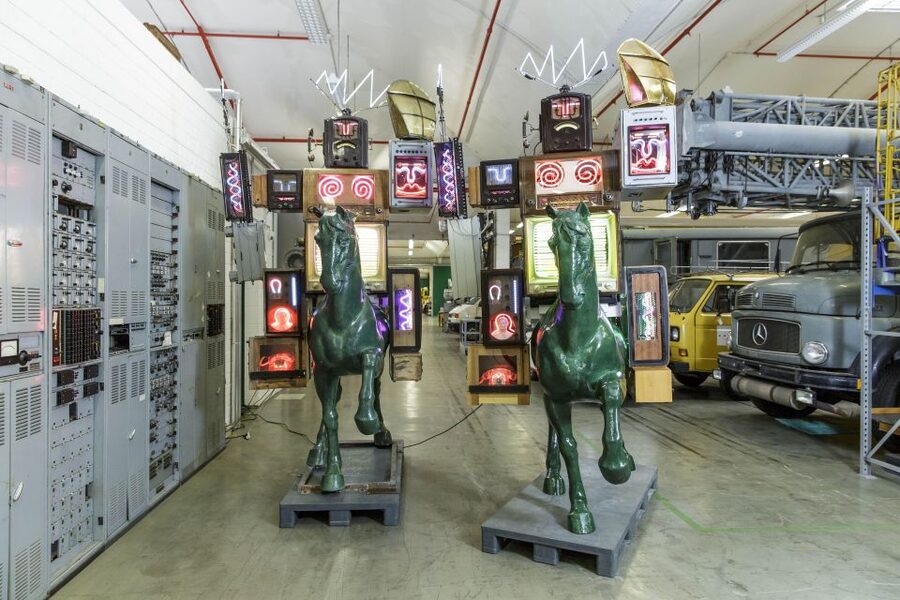
- Art alongside tech: more than 300 paintings, from the 1600s onward
- What the 1.5 hours actually feels like
- Price and time value for $16 in Hessen
- Who this tour suits best
- Should you book the Heusenstamm depot tour?
- FAQ
- How long is the guided tour in Heusenstamm?
- Where is this experience located?
- What is the price per person?
- What languages are available for the live guided tour?
- What is included in the ticket?
- Is food or drinks included?
- What kinds of items will I see during the tour?
- Is there free cancellation?
- Can I reserve and pay later?
- When should I consider booking?
Key things to know before you go
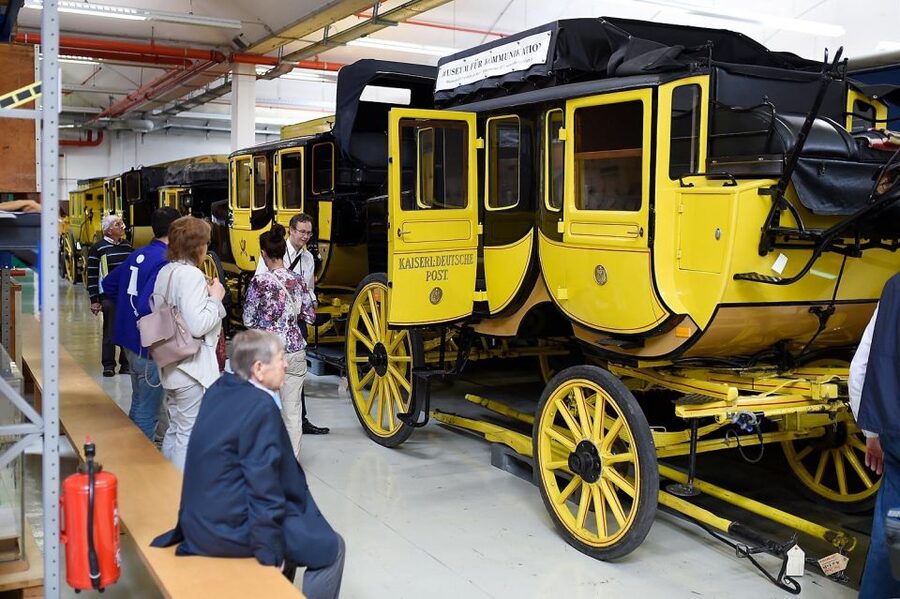
- Historic-vehicle photo moment: You can take pictures in the middle of a tech-focused collection.
- Telephone evolution is the backbone: Tube receivers, later radio forms, and the path toward internet radio show up clearly.
- Huge collection, smart pacing: The route highlights key objects, but you still won’t see everything in 90 minutes.
- Big physical objects, not just small gadgets: Expect oversized items like sleighs, buses, and telephone boxes.
- Art is part of the message: More than 300 paintings connect design and culture to communication tech.
Heusenstamm Depot: where communication becomes physical
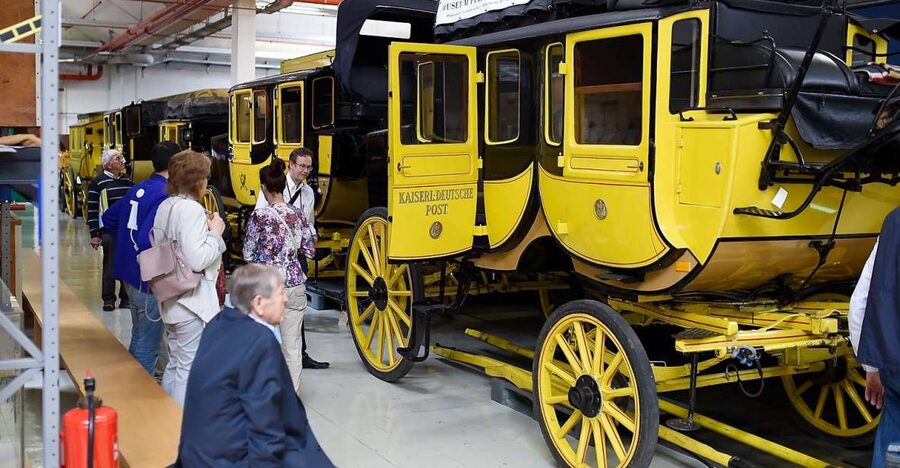
The Museum Depot in Heusenstamm is the kind of place where communication stops being an abstract concept. In a normal museum, you might “look at” technology. Here, you get enough time and structure to understand why these objects mattered to real people trying to talk, receive news, and coordinate daily life.
What makes it work is the scale. You’re stepping into a collection built from an enormous inventory, so the guide can group objects by how communication changed over time. That approach helps you make sense of the tech without needing a technical degree, and it keeps the tour from turning into random sightseeing.
And yes, it’s also visually fun. One of the nicest touches is that the depot doesn’t treat everything like a fragile relic behind glass, so you get a more grounded sense of what these items looked like in the real world.
Rare broadcast gear you’ll spot, including 1930s TV sets
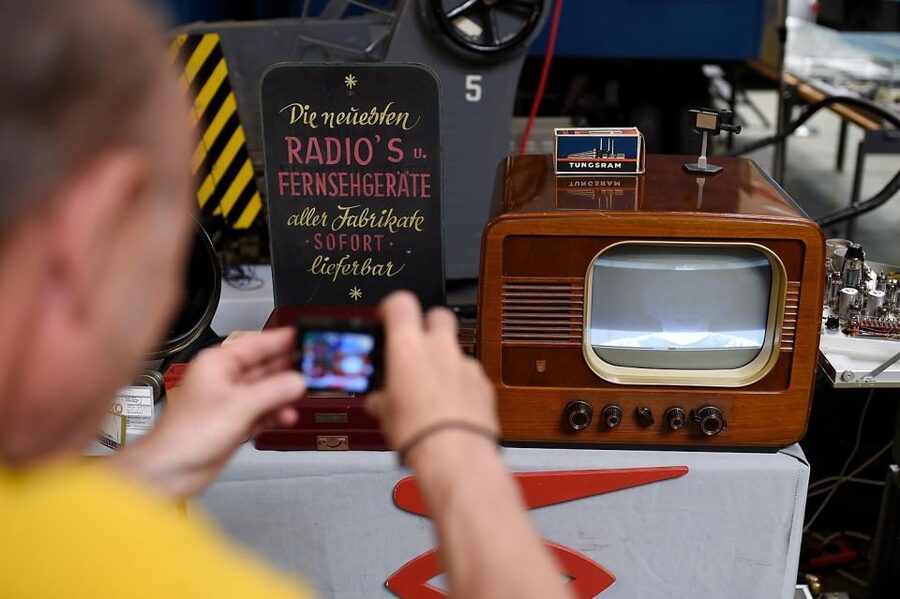
You’ll start running into recognizable “design epochs” pretty quickly. The tour includes rare television sets from the 1930s, which is a great anchor point for imagining early home entertainment and mass communication. Even if you’ve never studied media history, you can spot the design language and the sheer sense of novelty that early TV would have brought.
Radio history also gets its due, with design icons that help you connect the dots between objects people held, stations people listened to, and how brands made devices feel modern. It’s not just about what existed, but how the physical shape of a receiver helped communicate a promise: clearer sound, easier use, and a more connected home.
Then you’ll see larger-than-life pieces too. Expect big objects such as sleighs, buses, and telephone boxes. That variety matters because it shifts communication from “something in your living room” to something built into public spaces and everyday movement.
The telephone collection route: tube receivers to internet radio
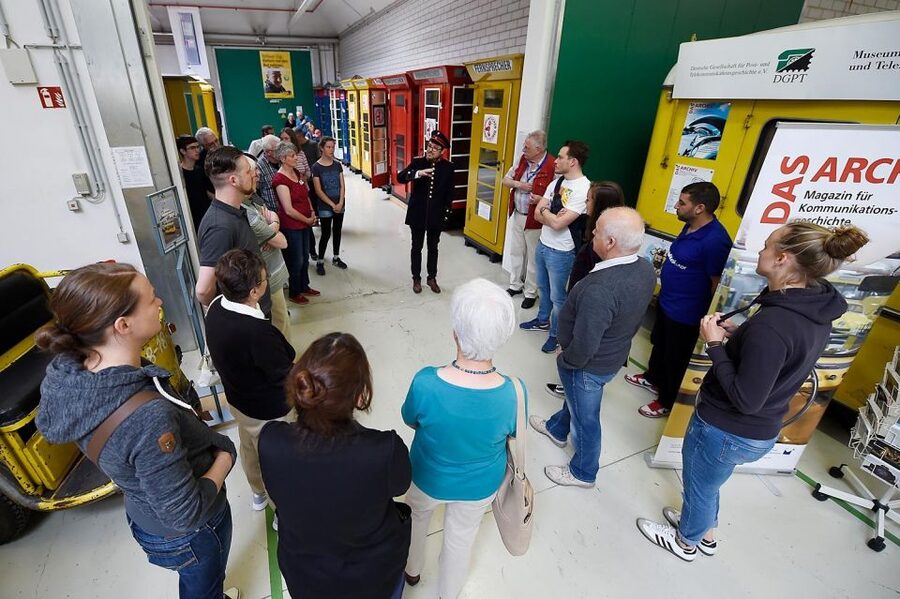
If you’re coming for one main theme, come for the phone side. The tour leads through the world’s largest collection of telephones, and that single fact changes how you’ll experience everything else. It’s like the depot uses phones as the spine, then builds the story outward into broadcasting and networking.
The guide’s pace is designed to help you see development instead of just seeing examples. You’ll get to compare earlier forms like tube receivers with later steps that point toward internet radio. You can also connect the dots between receiving a signal and understanding the bigger system behind it, including the inventiveness behind global networking.
This is the part where you’ll likely notice how fast the core idea of communication stayed the same while the supporting hardware kept changing. That’s a useful takeaway for your own modern life. Today, you assume a network works. In the depot, you get to see the work that made networks possible.
Big objects and photo-worthy stops (and how to use them well)
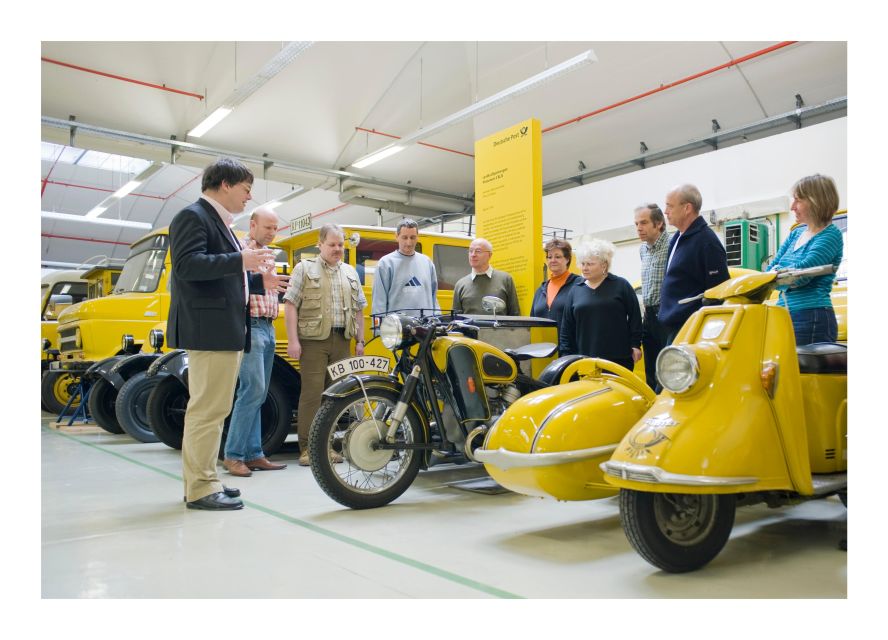
One of the most charming highlights is the chance to photograph yourself with rare historic vehicles. It’s the kind of moment that makes the tour feel more like a real visit and less like a checklist. If you care about photos, this is your payoff.
To get the best results, do two things:
- Bring a fully charged phone or camera, and keep your lens clean before you reach the photo sections.
- Don’t hang back. Step into the space the guide is moving through so you’re not fighting for a shot over someone’s shoulder.
Even outside the photo moments, the oversized objects change your perspective. Seeing telephone boxes at real scale helps you understand that communication used to be built into streets and neighborhoods. Buses and other large items also help explain why messaging and information flow mattered for travel, logistics, and public life.
It’s also a great reminder that communication history is not only about gadgets. It’s about systems, routes, and infrastructure, and those show up in the depot’s physical inventory.
Art alongside tech: more than 300 paintings, from the 1600s onward
Here’s a surprise that makes the tour feel richer than a pure technology visit: the art side. You’ll encounter an art collection with more than 300 paintings, spanning from the 17th century to contemporary works.
For you, that pairing can be more than decoration. Art and communication share a common question: how do you persuade people, shape taste, and spread ideas? By placing paintings in the same museum world as radios, phones, and television sets, the depot encourages you to notice design choices, symbolism, and cultural mood across centuries.
You don’t need to be an art scholar to get something out of it. Even without a deep background, you can compare the visual language of devices and the visual language of paintings. Both are products of their time, both express values, and both influence what people feel is modern.
If you like museums where you can follow a theme but still wander into something unexpected, this section is a strong reason to pick the depot tour.
What the 1.5 hours actually feels like
The total duration is 1.5 hours, and that is both a strength and a limitation. It’s long enough to understand the backbone of the story, but short enough that you’ll miss some details unless you’re very focused.
This is where the depot’s size can play tricks on your expectations. The collection is huge, and the tour route highlights key objects rather than trying to show you everything. That’s why many people end up wanting to return, not because it’s incomplete, but because the museum is too big to “finish” in one go.
So approach it with a simple goal: treat the tour like orientation. You’ll come out with a clear framework for what you saw, plus a shortlist of what you’d want to study longer next time.
Price and time value for $16 in Hessen
At $16 per person for an entry ticket to the Museum Depot in Heusenstamm plus a 1.5-hour guided walking tour, the value is strong if you enjoy structure. This isn’t just self-guided browsing. You’re paying for someone to connect the objects so you don’t spend the whole time asking, What am I looking at?
The package also includes entry to the Museum of Communication Frankfurt. That extra ticket matters because it lets you extend the theme after your depot walk, instead of treating Heusenstamm as a one-and-done stop.
You should compare this kind of value to what you’d pay for a short guided experience in a major city. In many places, 90 minutes of guidance costs close to the same price without the benefit of a second venue ticket. Here, you’re essentially buying two parts of one communication story.
Two practical tips help you get the most out of your time. First, plan extra travel buffer if you’re visiting on a busy day. One practical note that can matter on Fridays: roads can get full, and the entrance area may be partially affected by a nearby agricultural sales setup, so give yourself a little cushion to avoid stressful last-minute parking or walking.
Second, if German is not your comfort zone, prepare for the fact that the live guide speaks German. The objects carry plenty of visual meaning, but the spoken context will be the difference between seeing things and understanding them.
Who this tour suits best
This is a great fit if you like museums with a clear thread. If you enjoy comparing design changes over time, you’ll get a lot from the telephone evolution and the mix of broadcasting objects.
It also works well for travelers who like practical, photo-friendly stops. The historic-vehicle photo moment makes this less sterile than many technology collections.
If you’re traveling with kids, you’ll probably have the easiest time keeping attention on the bigger items like telephone boxes and buses, plus the photo sections. For teens and adults, the phone and broadcast timeline is where you’ll likely feel the strongest “aha.”
On the other hand, if you want a silent self-guided museum experience with lots of reading time, this guided format may feel a little brisk. You’ll likely need more hours to linger over the pieces that catch your eye.
Should you book the Heusenstamm depot tour?
I think it’s worth booking if you want a tight, guided overview of communication history tied to real objects and real design. The $16 price works well because it includes both the guided depot visit and entry to the Museum of Communication Frankfurt, giving you two layers of the story in a short window.
If your goal is to spend hours wandering without structure, consider a longer self-paced visit instead. But if you want to come away with a clear sense of how telephones, radio, and networking evolved, this 1.5-hour guided walk is an efficient start.
Go when you have some time in your schedule, especially on heavier traffic days, and plan to be a bit wowed by how much fits inside a single communication collection.
FAQ
How long is the guided tour in Heusenstamm?
The guided walking tour in the Museum Depot Heusenstamm lasts 1.5 hours.
Where is this experience located?
It takes place in Hessen, Germany, at the Museum Depot in Heusenstamm, with related entry to the Museum of Communication Frankfurt.
What is the price per person?
The price is $16 per person.
What languages are available for the live guided tour?
The live tour guide language is German.
What is included in the ticket?
Your ticket includes entry to the Museum Depot in Heusenstamm, the 1.5-hour guided walking tour in the depot, and entry to the Museum of Communication Frankfurt.
Is food or drinks included?
No, food and drinks are not included.
What kinds of items will I see during the tour?
You can expect rare television sets from the 1930s, design icons from radio history, large objects such as sleighs, buses, and telephone boxes, plus the world’s largest collection of telephones and an art collection with more than 300 paintings.
Is there free cancellation?
Yes, you can cancel up to 24 hours in advance for a full refund.
Can I reserve and pay later?
Yes, you can reserve now and pay later, with nothing due today.
When should I consider booking?
Check availability for starting times, since the tour duration is fixed at 1.5 hours.
Halls Between Trains
- Berlin: Jewish Museum Berlin Entrance Ticket
★ 4.5 · 8,393 reviews - Berlin: DDR Museum Tickets
★ 4.3 · 3,443 reviews - Berlin: Natural History Museum Entrance Ticket
★ 4.6 · 3,382 reviews - Berlin: Neues Museum Entry Ticket
★ 4.6 · 3,261 reviews
Museums, compared.




Skip-the-Line: Berlin Wall Museum at Checkpoint Charlie
Read our review →Browse the lists this tour appears in