
Reviewed · MUSEUMS
Hamburger Bahnhof Museum Entrance Ticket
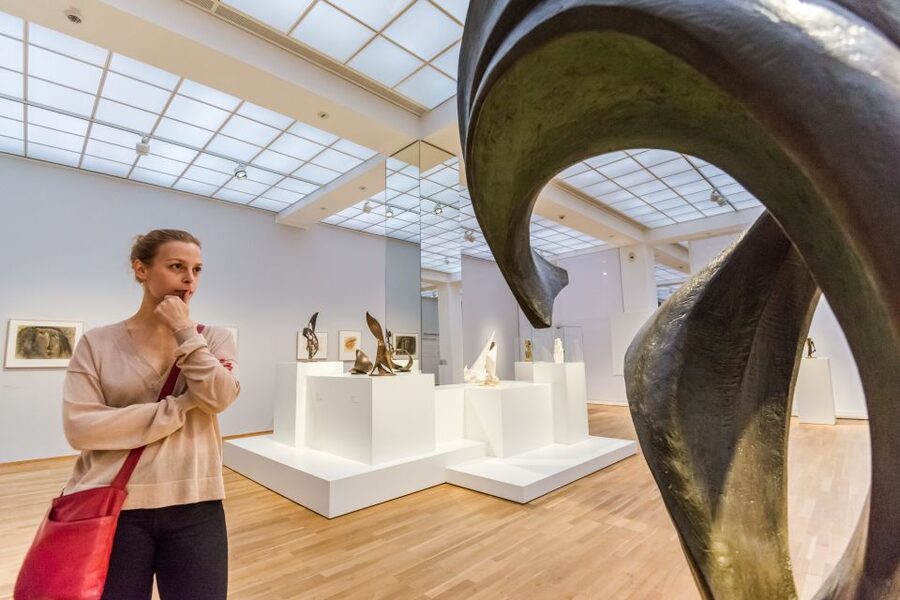
Berlin’s former station turns into contemporary art. Inside the Hamburger Bahnhof complex, you get the Nationalgalerie der Gegenwart in historic halls that cover more than 30,000 square meters. That mix of old rail architecture and modern art is exactly why this ticket feels more like an experience than a quick stop.
I love how the museum frames contemporary art as an ongoing story in Berlin, starting around reunification in 1989 and reaching today. And I especially like the idea that you can spend your day chasing artists like Joseph Beuys and Andy Warhol through a real collection, not just one blockbuster room.
One possible drawback: the building is huge, so you might feel like you are walking forever, and you may be asked to show your ticket again when you move between exhibition areas. If you want a tight, efficient visit with zero friction, this place may test your patience.
In This Review
- Key highlights worth planning for
- Getting your visit right: timing, entry, and a realistic day plan
- Entering the Hamburger Bahnhof: the former railway station atmosphere
- The big artists you can actually track down: Beuys, Warhol, and Rauschenberg
- How the museum tells Berlin’s story, from 1989 to today
- Special exhibitions up to 10 per year: why your exact visit matters
- Rieckhallen and the gardens: use the breaks to see better
- Daily tours, workshops, talks, and live performances
- Tickets, backpacks, and the small friction points to watch
- Price and value: is $16 a good deal for this museum?
- Who this museum ticket is best for
- Should you book the Hamburger Bahnhof museum entrance ticket?
Key highlights worth planning for
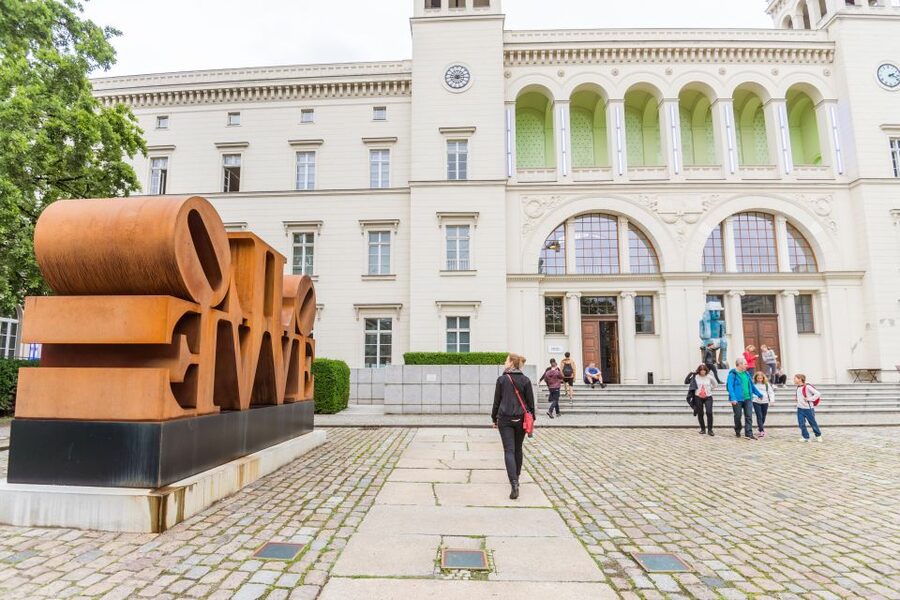
- A 30,000-square-meter museum spread across the Rieckhallen and landscaped gardens
- Beuys and Warhol depth, including 450-plus Beuys drawings and nearly 60 Warhol works
- Special exhibitions up to 10 per year, so your visit can feel different from last week
- Contemporary art from Berlin’s 1989 era to now, with big-name artists anchored in the collection
- Ticket checks may repeat as you switch between exhibition areas
- Backpacks are not allowed, so travel light
Getting your visit right: timing, entry, and a realistic day plan
This is a one-day entrance ticket, so you should treat it like a full museum outing, not a 45-minute detour. Check availability for starting times, then pick the earliest you can stomach. Contemporary art often rewards slow looking, and the museum’s size works against rushed visits.
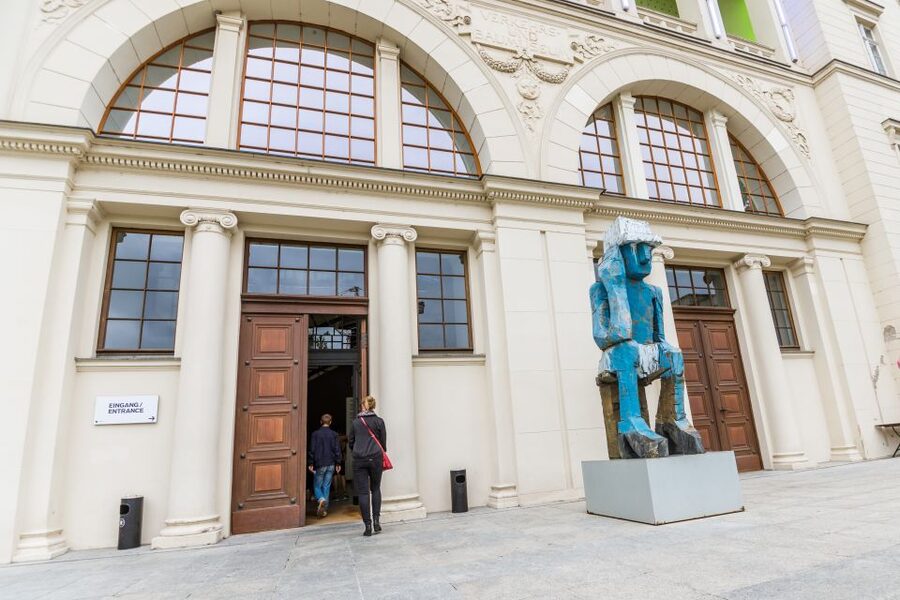
Your meeting point can vary depending on the booking option, so use whatever point is shown on your confirmation. Don’t assume every seller points you to the same door.
Also, plan your entrance with the understanding that you are walking through a complex of large spaces. If you show up with a heavy backpack, you may have trouble getting in smoothly. The museum’s rules specifically say backpacks are not allowed, so keep your load small and easy.
Entering the Hamburger Bahnhof: the former railway station atmosphere
Hamburger Bahnhof used to connect Hamburg and Berlin by rail. Now it is home to the Nationalgalerie der Gegenwart, a major Berlin museum for contemporary art, housed in historic buildings. In 2023, the site was declared a monument, which you can feel the moment you enter.
You are not just walking into white walls. You are moving through old-structure museum spaces that make the art feel like it is happening inside Berlin’s physical memory. The Rieckhallen are part of that, and the gardens add a different pace when your eyes need a reset.
One practical thing: with a museum this large, the path matters. If you start by bouncing randomly between rooms, you can easily waste time. Instead, I recommend choosing one anchor artist you want to understand, then building your route around that.
And yes, there’s a shop. On more than one occasion, people have singled it out as a good place to pick up books and small art-related items to take home.
The big artists you can actually track down: Beuys, Warhol, and Rauschenberg
The collection here is famous for depth, not just decoration. I love that you can follow major names through substantial bodies of work, especially on paper.
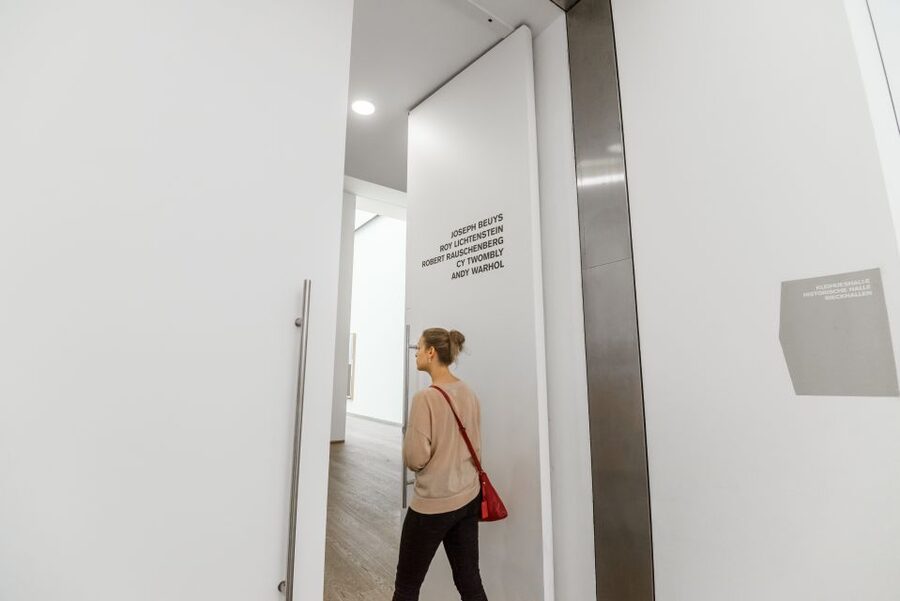
Joseph Beuys is a standout. The museum holds over 450 of his drawings, which is the kind of number that changes your understanding of him. A drawing collection lets you see process, not just finished impact, and you get more than one angle on his ideas and materials.
Andy Warhol is also heavily represented, with nearly 60 works. That means you are not limited to one iconic image. You can compare variations and trends, and you start noticing how repetition and mass media language shape the art.
Robert Rauschenberg is another key name you can expect to see. He pairs well with the museum’s broader story because his work bridges media, materials, and what art can include.
You’ll also find important work by other major figures such as Cy Twombly, Richard Long, Gerhard Merz, and Dan Flavin. The good news is that even if contemporary art is hit-or-miss for you, these artists are worth the effort because they offer clear entry points.
If your personal taste is narrower, use this collection like a map. Pick two or three artists and follow the threads. You will get more satisfaction than trying to “see everything,” especially in a space that spans tens of thousands of square meters.
How the museum tells Berlin’s story, from 1989 to today
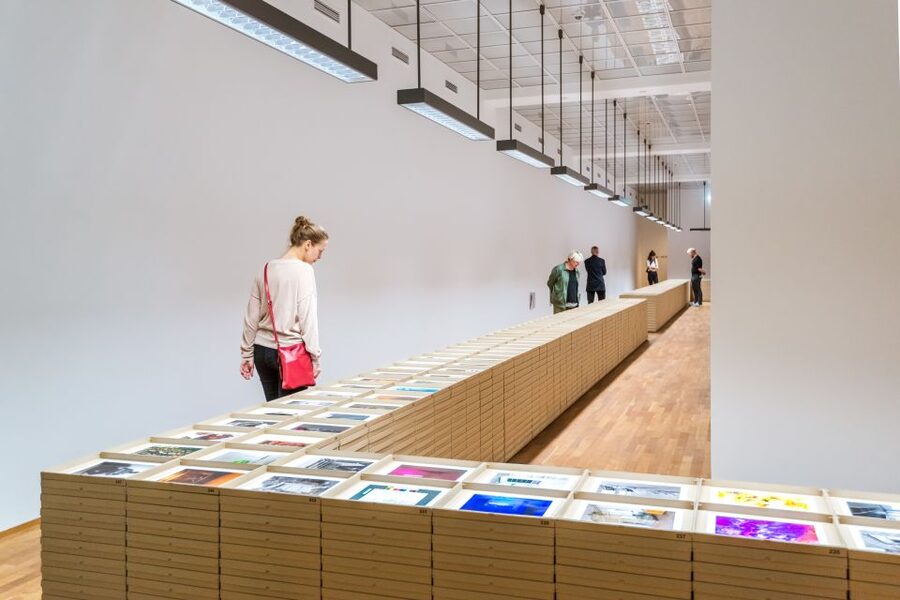
One reason Hamburger Bahnhof works so well is that it is not only about famous names. The museum is built to show contemporary art as a timeline, with a focus that spans from Berlin’s reunification in 1989 to present-day directions.
For you, that matters because it changes how you look. Instead of treating each room like a standalone statement, you can connect ideas across decades. Political shifts, culture changes, and new media approaches all show up in how artists communicate.
The museum’s setting helps this too. Berlin’s history is physically present around you, and the monument status of the site gives the architecture extra weight. When the art is placed inside an old rail building, the contrast sharpens the message. Modern work feels like it is responding to a living city, not floating in a vacuum.
If you are visiting for art education, this storyline gives your day structure. If you are visiting for pure enjoyment, the timeline keeps you from getting lost in a random maze of rooms.
Special exhibitions up to 10 per year: why your exact visit matters
Beyond the permanent collection, the museum hosts up to 10 special exhibitions annually. That’s big enough to mean your experience will depend on what’s on the walls during your dates.
I like this model because it avoids the problem of repeating the same “greatest hits” every time. Even if you are returning to Berlin or visiting more than once, you are not guaranteed the same mix of ideas.
However, this is also where art can go sideways for some people. Contemporary art has wide taste ranges, and the quality and fit of temporary shows can feel very personal. One thing you can do to protect your time is to scan what is currently on view before you commit fully. If a special show sounds like your kind of art, give it priority. If not, focus your energy on the anchor artists in the collection.
This is also where the museum’s programs help. Daily guided tours, interactive workshops, live performances, and talks can add context that you might not get from labels alone. Even if you do not attend one, the existence of those extras hints that the museum is trying to make contemporary art understandable.
Rieckhallen and the gardens: use the breaks to see better
A museum of this size can blur together fast, especially if you are walking hard and reading labels nonstop. That’s why I love having a built-in reset: the landscaped gardens.
I recommend using the gardens like a palate cleanser. Step outside, get air, and let your eyes rest. Then come back and re-enter the museum with fresh attention. It sounds simple, but it’s one of the easiest ways to enjoy contemporary art more, because you stop treating it like homework.
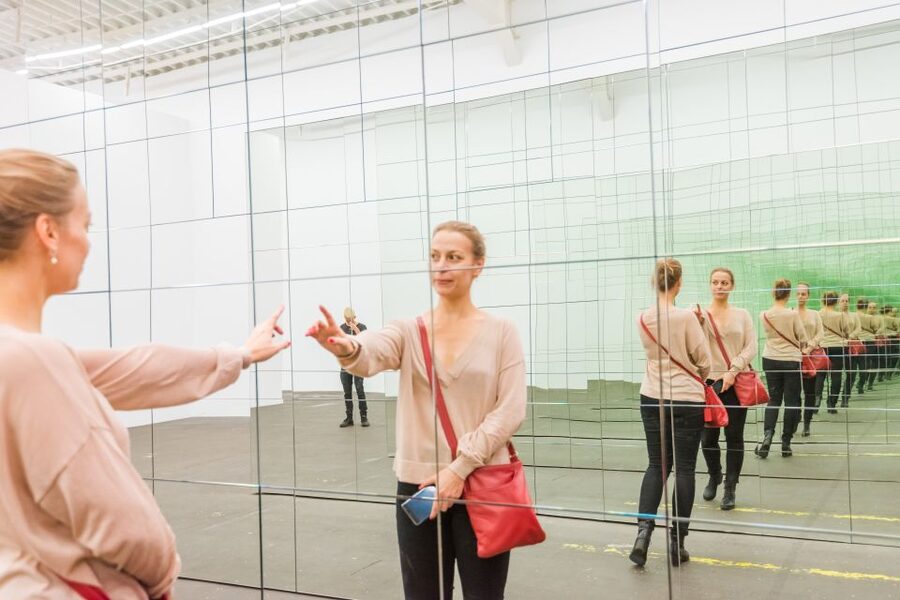
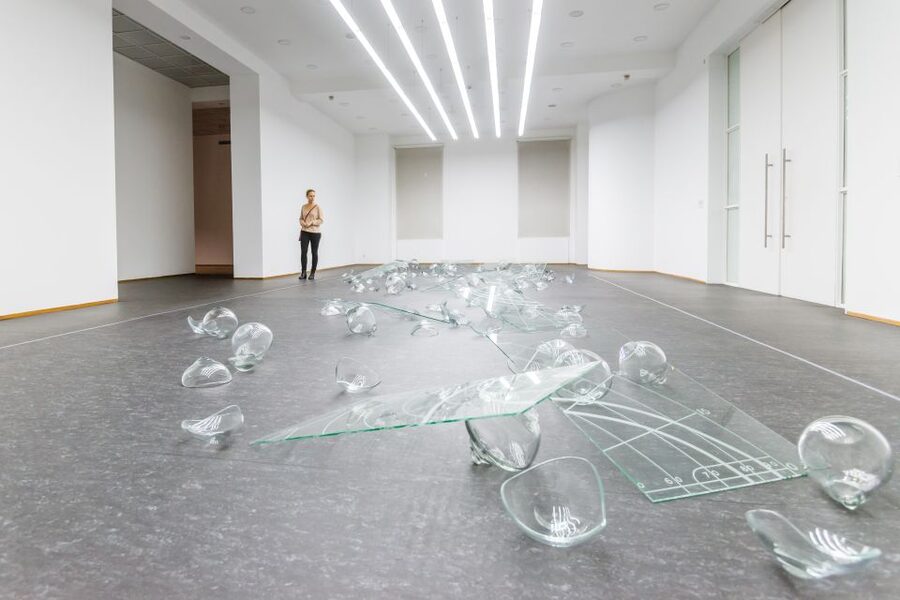
Inside, the Rieckhallen spaces are part of that rhythm. These are the kind of rooms where you can feel both the architecture and the scale. If you find a single gallery too intense, switch to a different space type. Big rooms with big work, smaller rooms with drawings, and then open-air time outside.
Also, don’t underestimate how tiring it can be just to move between areas. One negative experience people cite is hassle around re-showing tickets as they enter different exhibition zones. You can reduce that frustration by building fewer, more intentional loops through the building.
Daily tours, workshops, talks, and live performances
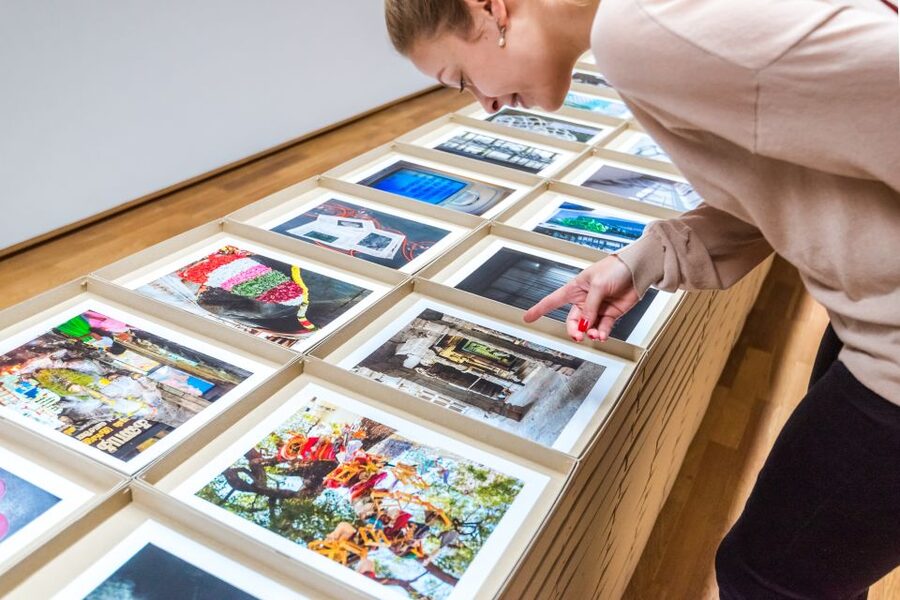
Your entrance ticket gets you access to the museum, not a specific add-on. Still, the museum offers a variety of daily guided tours and other programs like workshops, live performances, and talks.
If you want to understand contemporary art faster, look into what’s happening on the day you go. Guided tours can give you a route through complicated work, and they can explain connections between artists and themes that you might miss when you are reading quietly alone.
If you prefer to go at your own pace, you can treat the programs as optional context. Even catching a talk near the gallery can shift how you interpret what you see next.
One more practical note: there is no audio guide included with this ticket. That doesn’t mean you are stuck, but it does mean you’ll rely on written labels and whatever staff help is available on-site. So go in with a plan for how you want to learn, whether that’s reading, asking questions, or using your phone if the museum offers digital support.
Tickets, backpacks, and the small friction points to watch
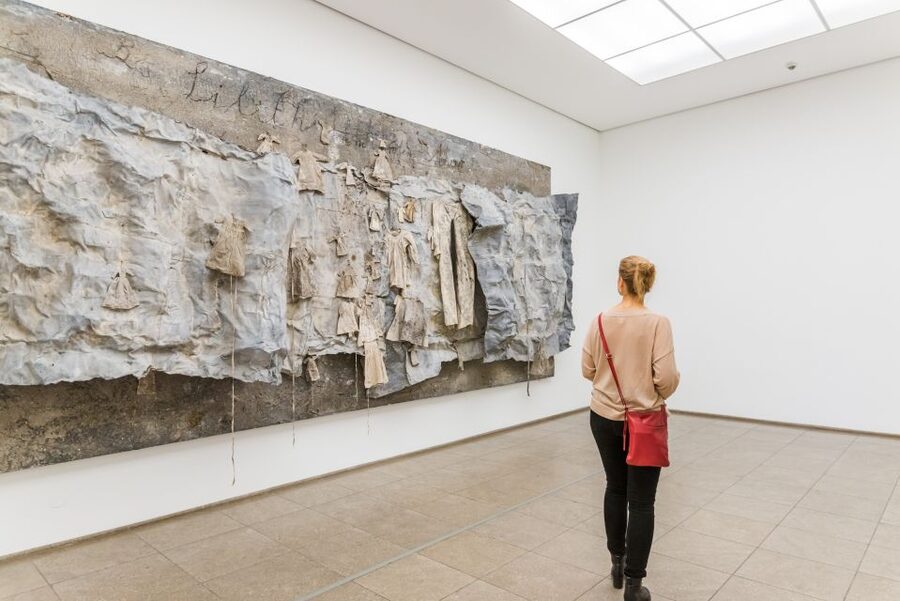
Here are the rules that matter most for a smooth entry. Backpacks are not allowed. Keep your bag light, and if you have a bulky pack, leave it behind before you arrive.
Also, this ticket is non-refundable. That means you should only book when you are confident about your Berlin dates. If you are going in a group and want more flexibility, the provided information directs you to contact Staatliche Museen zu Berlin for group booking needs.
A detail worth repeating because it affects your flow: some visitors have reported being asked to show tickets again when moving between different exhibition areas. You cannot control that process, so the best move is to keep your ticket easily accessible and avoid digging through a wallet in a crowded hall.
Staff helpfulness can vary, and at least one negative experience mentioned staff feeling unapproachable. I cannot generalize that to every visit, but I do think it is smart to assume you may need to navigate parts of the museum yourself. If you want help, ask early rather than waiting until you are already deep inside.
Finally, the museum is not completely wheelchair-accessible. If you rely on a wheelchair, plan carefully for routes and potential gaps.
Price and value: is $16 a good deal for this museum?
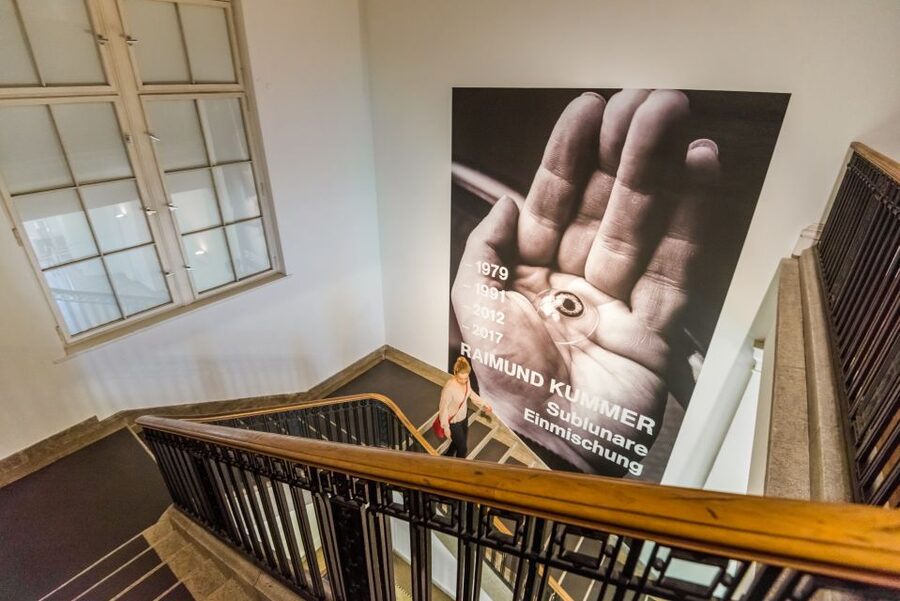
The entrance ticket is $16 per person for a valid one-day visit. For a museum this large, with a major contemporary art collection and the possibility of special exhibitions, that price can be a strong value if you actually care about modern art.
Here’s the value logic I use. You are paying for:
- a major museum space spanning over 30,000 square meters
- heavyweight artists represented in real depth, especially Beuys drawings and Warhol works
- rotating exhibitions up to 10 per year
- access to daily guided tours and talks if you choose to plug in
So the key question is not just cost. It is whether you will spend time looking. If you love contemporary art, or if you want to be challenged by it, you’ll likely feel the value quickly. If you are hoping for a quick highlights tour, you might find the experience too spread out and the art selection too personal.
One practical value check: with a rating around 4.3 based on 279 reviews, there is broad satisfaction. Still, contemporary art is subjective, and some people do not connect with certain exhibitions or presentation choices. Your own taste is the biggest variable.
Who this museum ticket is best for
This is best for you if:
- you like modern art and want to see major names in depth
- you enjoy choosing an art trail, like Beuys first, Warhol next
- you like museums where the architecture matters, not just the frames
- you can handle a large space with lots of walking and decision-making
It might be a tougher fit if:
- you want a very guided, low-walking experience
- you dislike temporary exhibitions and prefer fixed collections only
- you need strong wheelchair accessibility throughout, since the site is not completely accessible
If you are traveling with a group, the non-refundable nature of the ticket means you should align schedules first. For people who want flexible planning, group options may be handled differently through Staatliche Museen zu Berlin.
Should you book the Hamburger Bahnhof museum entrance ticket?
Yes, book it if you want a serious Berlin contemporary art day in a historic setting. The $16 price makes sense when you use the time well, follow one or two artist threads, and let the special exhibitions and programs add variety.
Skip the extra expectations if you are thinking of a quick checklist visit. The museum is big, and ticket checks and wandering can add friction. Also, contemporary art is personal, so if your taste is very narrow, go in ready to prioritize what excites you most.
If you want a meaningful day that mixes architecture, major artists, and rotating exhibitions, this ticket is a solid buy.
Halls Between Trains
- Berlin: Jewish Museum Berlin Entrance Ticket
★ 4.5 · 8,393 reviews - Berlin: DDR Museum Tickets
★ 4.3 · 3,443 reviews - Berlin: Natural History Museum Entrance Ticket
★ 4.6 · 3,382 reviews - Berlin: Neues Museum Entry Ticket
★ 4.6 · 3,261 reviews
Museums, compared.


Skip-the-Line: Berlin Wall Museum at Checkpoint Charlie
Read our review →Browse the lists this tour appears in