
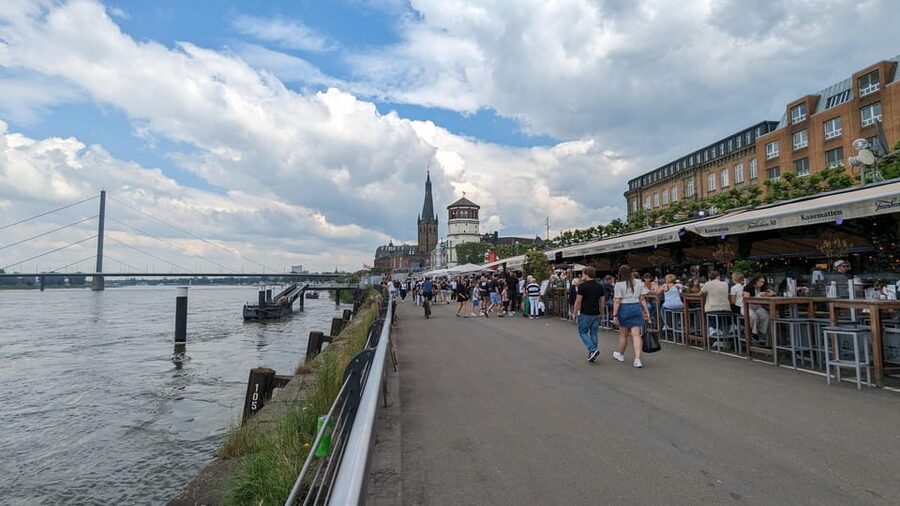
Reviewed · WALKING TOURS
Düsseldorf: Tipping based – Old Town Walking Tour
Altbier history, told on foot. This Old Town walking tour is a relaxed, 1.5-hour way to understand Düsseldorf at street level, starting along Königsallee and easing into the alley network that feels like a different city. You get history, but in everyday language, with anecdotes that help the sights make sense fast.
I especially like the guide’s mix of city origins and practical pointers for your next stop. The tour also explains why Altbier matters to locals, then steers you toward the best places to eat and drink around the Old Town. One thing to consider: the guide works in German, and if you’re sensitive to delays, arrive at the meeting point early, because one booking noted a 15-minute wait with no clear update.
In This Review
- Key things I’d plan around
- Königsallee to Old Town: why this opening sets the tone
- A small logistics note that can save time
- The Düsseldorf origins lesson that doesn’t feel like a lecture
- If you prefer museums only, you might still enjoy this
- Altbier: the local obsession explained in context
- What if you don’t care about beer?
- Narrow alleys, old streets, and the places you’ll actually want later
- The cobblestone reality check
- End in the heart of Old Town, so your afternoon has a plan
- Price and tipping: how to budget without overthinking it
- Value math that actually helps
- My practical tipping suggestion
- Guide style: enthusiastic, clear, and easy to follow (when you speak German)
- When things go wrong: the one issue I’d plan for
- Who this tour suits best
- Should you book the Düsseldorf Old Town tipping tour?
- FAQ
- How long is the Düsseldorf Old Town Walking Tour?
- What language is the tour guide speaking?
- Is this tour based on tipping?
- How much should I tip?
- Do I need cash for the tip?
- Where exactly is the meeting point?
- Is food or drinks included?
- What should I bring and wear?
- Is there free cancellation?
- Can I reserve and pay later?
Key things I’d plan around
- Königsallee start near Cartier, then a quick shift into Old Town streets
- Altbier culture explained in a way that connects to daily life, not just dates
- Food and drink recommendations focused on where to go after the walk
- Tipping based pay, so your total cost depends on what you feel the tour was worth
- Cobblestone-friendly walking, so comfortable shoes matter
- Leisurely pace, ideal if you want stories, not a sprint between landmarks
Königsallee to Old Town: why this opening sets the tone
The start location is Königsallee 56, with the shortcut cue of spotting Cartier. From there, you head to the bridge on the other side of the road and meet where the bridge over the ditch begins. A helpful landmark for your orientation: there’s a hop on hop off bus stop on the other side of that bridge, so you’re not hunting in blind alleys.
I like this setup because it does two smart things right away. First, it gets you oriented in a part of Düsseldorf most first-timers will recognize instantly. Königsallee has a polished, shopping-street feel, with luxurious boutiques, so you see the city’s public face before anyone starts talking about older roots.
Second, it helps you adjust your expectations. This isn’t a “marker-by-marker” sightseeing race. It’s more like a friendly guided walk that gradually shifts gears: modern Düsseldorf energy, then the market and Old Town stories.
More Walking Tours in Dusseldorf
- Düsseldorf: Altbier-Safari Beer Walking Tour
★ 4.4 · 1,150 reviews - Düsseldorf: Sweet Treats Guided Walking Tour of Old Town
★ 4.7 · 66 reviews - Düsseldorf: Guided City Architecture Walking Tour
★ 4.6 · 61 reviews
A small logistics note that can save time
If you show up exactly at the stated time, you’re taking a risk. Even a well-run tour can have a moment where groups get checked in or someone is late finding the correct bridge. Build in a few minutes. Stand near the bridge over the ditch where you’ll expect to see the guide.
The Düsseldorf origins lesson that doesn’t feel like a lecture
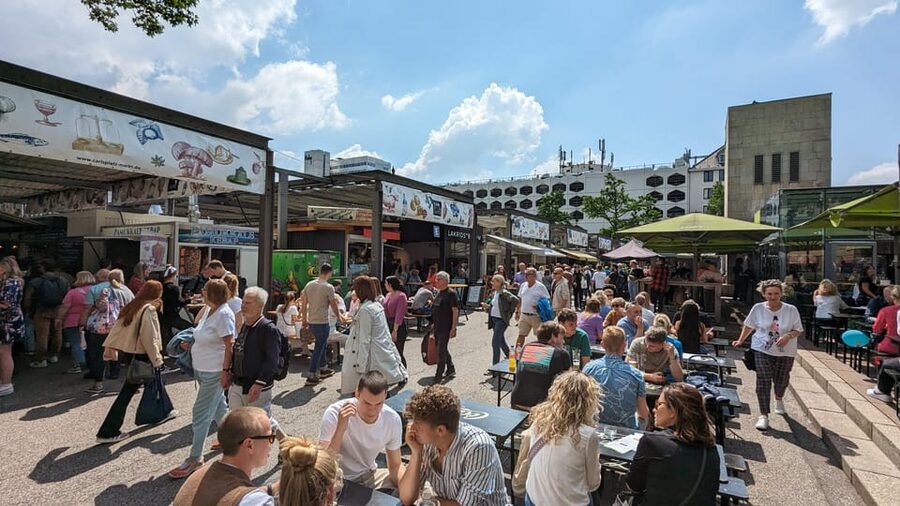
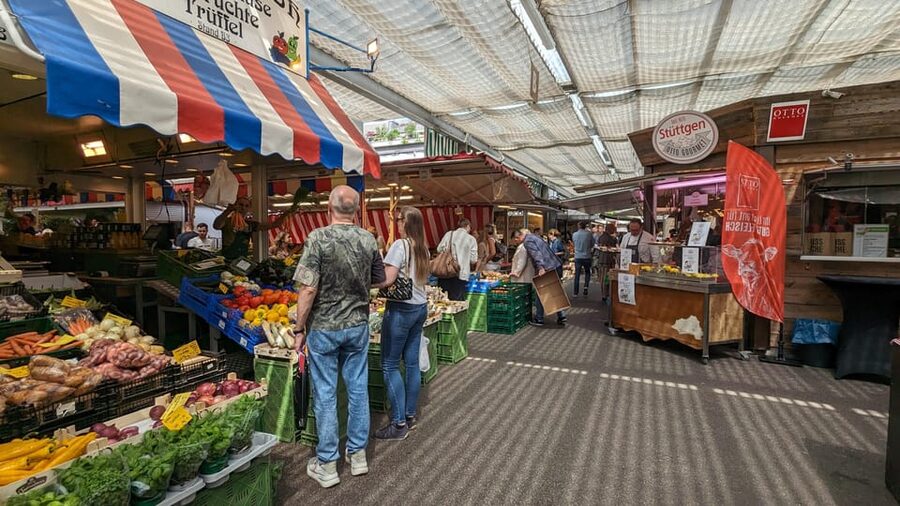
After the Königsallee start, you head into the Old Town direction and spend time in and around the market area. That matters more than it sounds. Markets are where daily city life shows up fast, so the tour’s history feels grounded. You’re not only seeing buildings, you’re watching how the city breathes.
The guide explains the origins of Düsseldorf, but the goal is clarity. I like that the tour keeps the story moving at a human pace, and you’re getting context for why this city grew the way it did, not just a chain of dates.
A practical bonus is how this history connects to where you’ll walk next. As you move through narrow streets, the “why” you learned earlier makes the alleys feel intentional instead of random. You start to notice the shape of the neighborhood and how major points of interest sit alongside smaller local streets.
If you prefer museums only, you might still enjoy this
If you usually prefer a museum to a walking tour, consider this: the content here is short and talk-heavy in a good way. It’s designed to be understood on foot, not memorized for an exam. You get a useful foundation for the rest of your day, even if you won’t return to the same streets.
Altbier: the local obsession explained in context
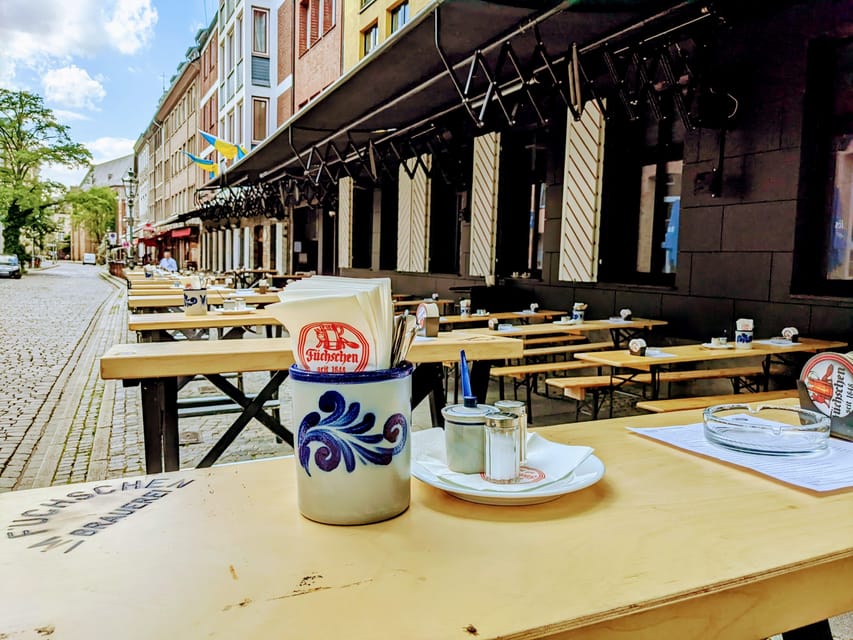
One of the tour’s biggest story threads is the role of Altbier in local life. That word might be a prompt for many travelers, because you see it in Düsseldorf branding and beer talk, but you might not know the deeper connection to the city.
On this walk, you get that connection. You learn why it shows up again and again around Old Town, and how it fits into the way locals socialize and spend time. The key is that the guide ties it to the streets you’re actually walking, including the areas associated with breweries and drinking spots.
I like this approach because it turns a cultural detail into a navigation tool. After the tour, you’re not just guessing where to go for a drink or a bite. You know what kind of places the story points toward, which makes your evening planning easier.
More German cities at walking speed:




What if you don’t care about beer?
Even if Altbier isn’t your top priority, the tour uses it as a doorway into the city’s identity. The walking route, the anecdotes, and the restaurant and bar guidance still land. Think of it as local culture you can use, not a single-note lecture.
Narrow alleys, old streets, and the places you’ll actually want later
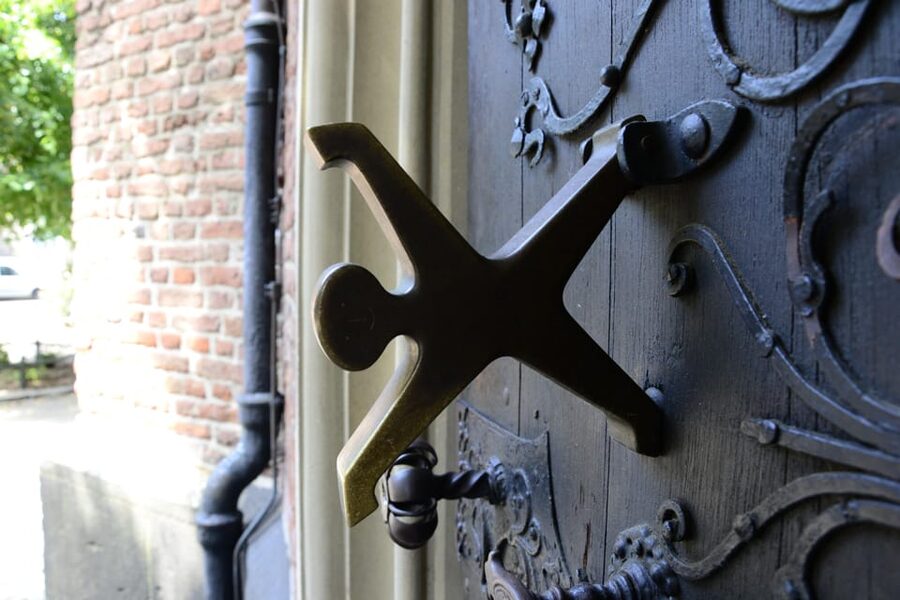
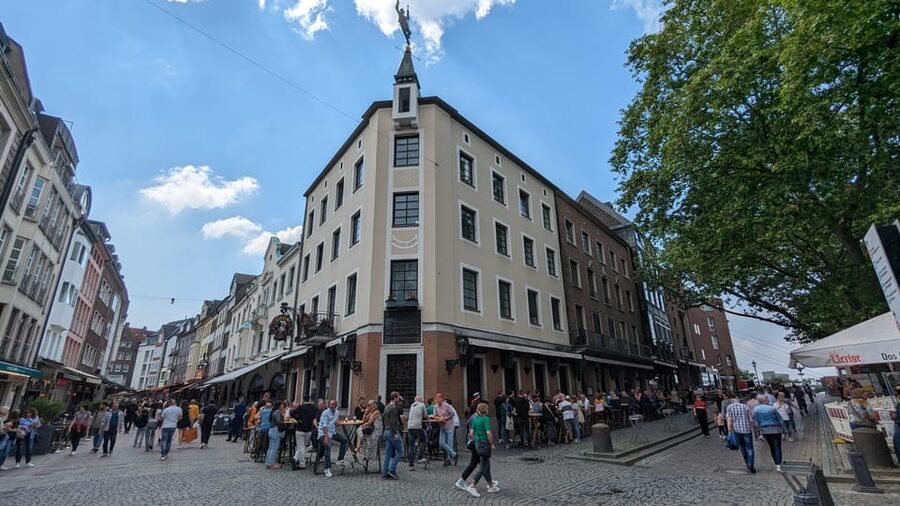
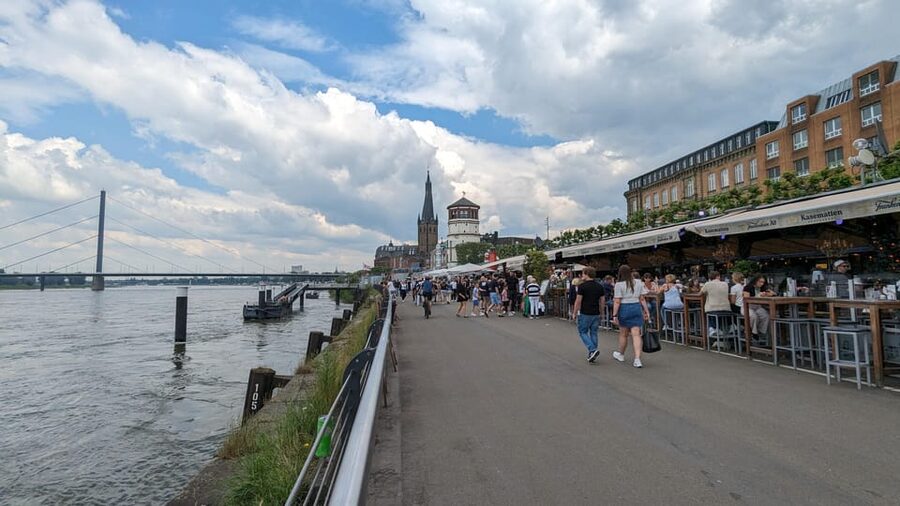
This is where the tour earns its keep. You wander through narrow alleys and pass both major landmarks and smaller stops that are easy to miss on your own. The tour includes discussion of breweries, restaurants, and bars along the way, plus a steady flow of stories and anecdotes.
Here’s what that means for you as a traveler: you get a map in your head. By the time you reach the heart of the Old Town at the end, you’re able to choose based on mood.
Want something more relaxed for dinner? You’ll have options. Want a good drink somewhere central? You’ll have direction. Want to keep walking with purpose rather than wandering? The guide’s route helps.
And because the pacing is leisure-first, this doesn’t feel like you’re being herded through. The alley streets can be charming, but they can also be exhausting if your guide pushes speed. This one is designed to stay comfortable.
The cobblestone reality check
You’ll be on Old Town streets, which means cobblestones are likely part of the experience. Bring comfortable shoes. High heels are explicitly discouraged because they are not made for cobblestones. I’d rather you read that here than learn it the hard way later.
End in the heart of Old Town, so your afternoon has a plan
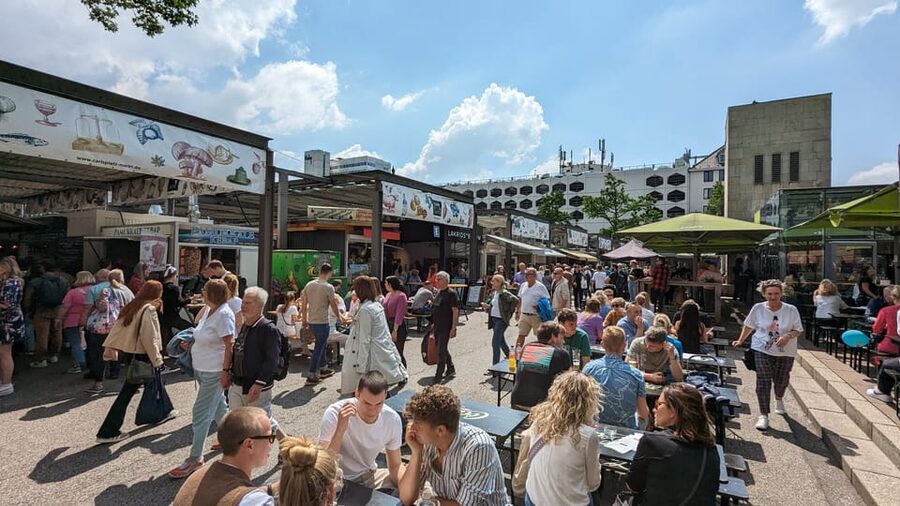
The tour concludes in the heart of Old Town. That might sound obvious, but it’s a big practical detail. Ending centrally means you don’t have to fight transport or backtracking right after a walking tour. You can head straight to whatever sounds right: a sit-down meal, a drink, or even a longer wander with confidence.
The tour’s promise is that you’ll leave with enough context to make smart choices for the remainder of your day. That is exactly what I look for in a good walking tour. If the guide only shows you sights and you still need to research dinner from scratch, the tour didn’t do enough.
Here, you get story context plus food and drink recommendations while you’re still in the neighborhood. That combination is what turns a tour from “nice experience” into “useful experience.”
Price and tipping: how to budget without overthinking it
The listed price is extremely low at $2.36 per person, and the model is tipping based. What’s included is registration for the tour. What’s not included is tipping for your guide and food and drinks.
So the real cost is your tip at the end, given in cash. The guidance for typical tipping is between 10 and 20 euro per person, and you choose what feels appropriate. If you want a receipt for the amount, you can request one.
Value math that actually helps
If you tip in that typical range, you’re generally budgeting something like 10 to 20 euro plus the registration fee. That’s still a modest total for a guided 1.5-hour walk with local advice and cultural context.
The best way to think about this is simple: treat the registration fee as the entry. Then use the tip to reward how much you got from the guide. If you want a very structured, tightly timed tour, a tipping model can feel less certain. If you like conversational pacing and a guide who adapts to questions, it often feels fair.
My practical tipping suggestion
If the tour keeps you engaged, explains the city clearly in German, and gives you useful directions for food and drinks, tipping toward the upper end of the typical range usually feels right. If you felt the content was limited for your interests, tip lower. This is personal, not a scoreboard.
Guide style: enthusiastic, clear, and easy to follow (when you speak German)
The tour is led by a live guide in German. That’s great if you’re comfortable with German, and it can still be okay if you rely on understanding most of the story through tone and gestures.
From the positive experiences you can learn something important: the guide is described as enthusiastic and competent, and the explanations are clear enough to give people a solid impression of the city’s history.
At the same time, one drawback to consider is language comfort. If German isn’t your strong suit, you might catch the route and the key themes, but you may miss finer details. There’s no written material mentioned in the info you have, so plan to enjoy it as a guided walk rather than a full translation lesson.
When things go wrong: the one issue I’d plan for
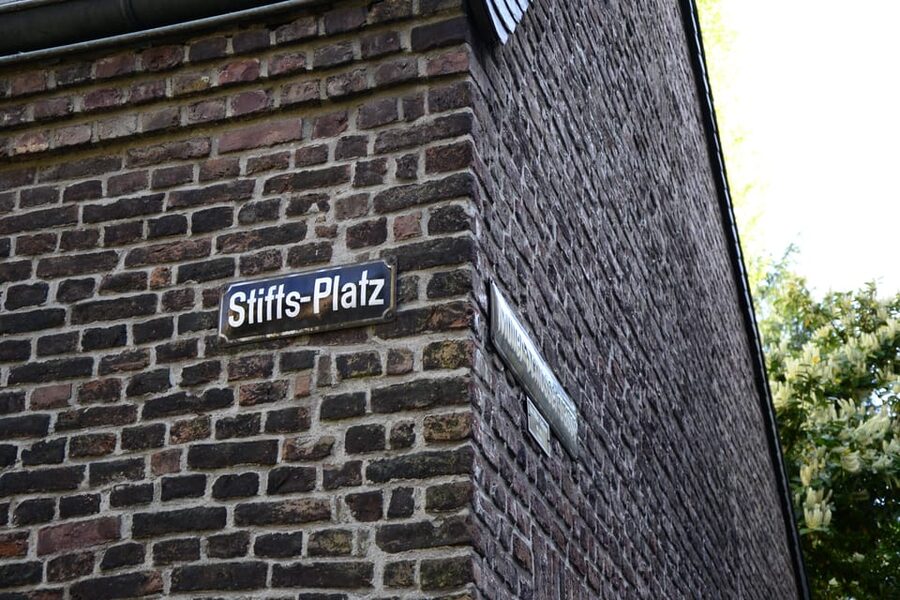
Most tours start smoothly. Still, one booking noted a real problem: a group waited 15 minutes for the person, and the guide did not arrive, with no information sent by email. That’s not common from what you have, but it’s enough to suggest one simple move for you: show up a few minutes early and confirm you are at the right spot, near the bridge over the ditch on the side with the hop on hop off bus stop.
If you arrive and nothing clicks, don’t just wander. Stay near the meeting area so you can adjust quickly if the guide is late.
Who this tour suits best
This is a good match if you:
- want a casual, engaging walk instead of a rushed checklist
- like learning how local culture connects to neighborhoods
- enjoy practical sightseeing, especially ideas for where to eat and drink
- are traveling with flexible time and want to use the rest of the day confidently
It may not be ideal if you:
- need a tour delivered in English only
- hate tipping models or prefer fully fixed pricing
- want very specific landmark-by-landmark details with heavy stop times
Should you book the Düsseldorf Old Town tipping tour?
Yes, if you want a friendly introduction to Düsseldorf that helps you plan your next meal and drink without spending the evening researching. The value is strong because the core ticket is just registration, and the guide’s cultural explanation plus local food pointers are what you’re paying for through your tip.
Book it if you’re comfortable walking on cobblestones and you’re okay with a German-speaking guide. Skip it if German comprehension is a deal breaker or if you prefer English-only, heavily structured tours.
If you do book, arrive at the Königsallee 56 bridge meeting point a bit early, wear comfortable shoes, and bring cash for the tip. That small prep turns it from “maybe okay” into a smooth, memorable start to your Old Town day.
FAQ
How long is the Düsseldorf Old Town Walking Tour?
The tour duration is 1.5 hours.
What language is the tour guide speaking?
The live tour guide speaks German.
Is this tour based on tipping?
Yes. Tipping is based, and you decide how much to pay your guide at the end of the tour.
How much should I tip?
The guidance says participants usually give between 10 and 20 Euro per person. It is completely up to you.
Do I need cash for the tip?
Yes. The tip is given in cash at the end of the tour.
Where exactly is the meeting point?
Go to Königsallee 56, look out for Cartier, then go to the bridge on the other side of the road. Meet where the bridge over the ditch begins, near the hop on hop off bus stop on that side.
Is food or drinks included?
No. Food and drinks are not included.
What should I bring and wear?
Bring comfortable shoes. High heels are not made for cobblestones.
Is there free cancellation?
Yes, you can cancel up to 24 hours in advance for a full refund.
Can I reserve and pay later?
Yes. You can reserve your spot and pay later.
Fresh on the arrivals board for Dusseldorf


Walking Tours, compared.

Berlin City walk Government District and Places of Democracy
Read our review →


Berlin’s Best: 2 Hour Walking Tour Third Reich and the Cold War
Read our review →
Browse the lists this tour appears in