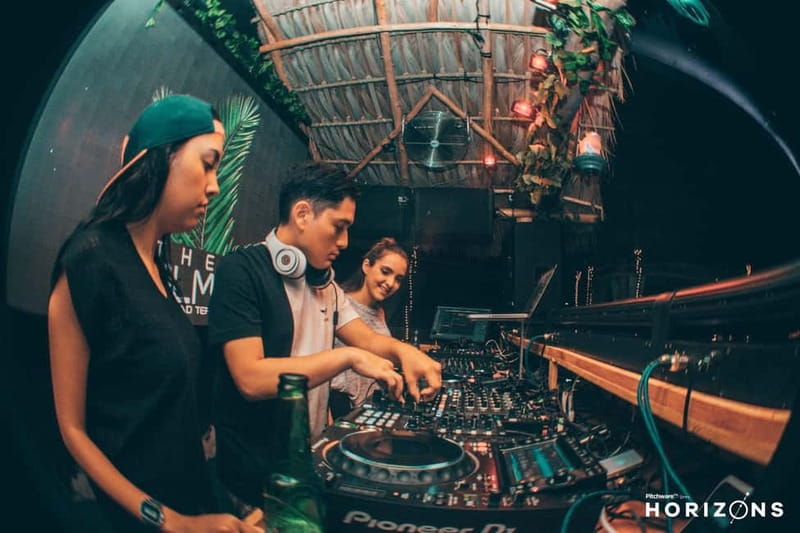
Reviewed · BERLIN TOURS & ACTIVITIES
DJ for a Day: Learn to Mix Like a Pro in Berlin.
Berlin beats go tactile in two hours. I love the chance to vinyl scratch and the fact that you get hands-on time on real DJ gear, not just watch. The small group keeps the lesson practical, and you can play the style you’re into.
One consideration, though: the studio does not allow carry-on bags or large suitcases, so plan to travel light.
In This Review
- Key highlights worth your time
- DJ for a Day in Berlin: what this workshop really delivers
- Your 2-hour flow: from basics to a playable mini-set
- Vinyl vs CDJ in Berlin: why the difference is more than gear
- Choosing your music: the genres are part of the lesson, not decoration
- Mixing with EQ and effects: the practical skills you can use again
- Berlin electronic music context: how history connects to what you play
- Price and value: what you get for $104 in 2 hours
- Who should book this DJ workshop
- Studio rules and practical tips so nothing slows you down
- Quick reality check: what you can expect to learn
- Should you book DJ for a Day: Learn to Mix Like a Pro in Berlin?
- FAQ
- How long is DJ for a Day in Berlin?
- Is the price per person?
- Can I play with vinyl during the workshop?
- What can I use during the session besides vinyl?
- What music genres can I work with?
- What languages does the instructor speak?
- Is there a luggage limit at the studio?
Key highlights worth your time
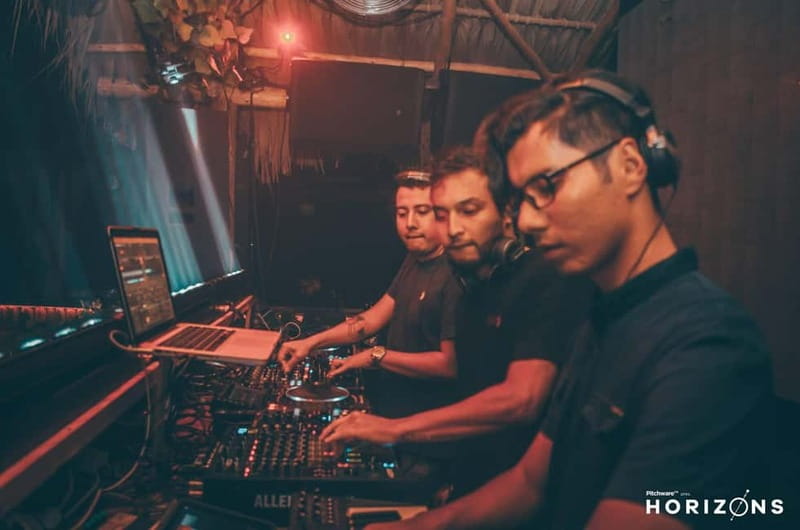
- Vinyl and CDJ mixing together: you’ll compare how each setup feels and sounds.
- Scratching practice, with styles: hip hop, techno, and pop scratching are part of the lesson.
- Pick your genre, then play it: techno, trance, psytrance, house, and more.
- Effects and mixing-table control: you’ll learn how to use the gear instead of just naming it.
- Berlin electronic music context from Jesús: you’ll connect the techniques to how Berlin’s sound evolved.
DJ for a Day in Berlin: what this workshop really delivers
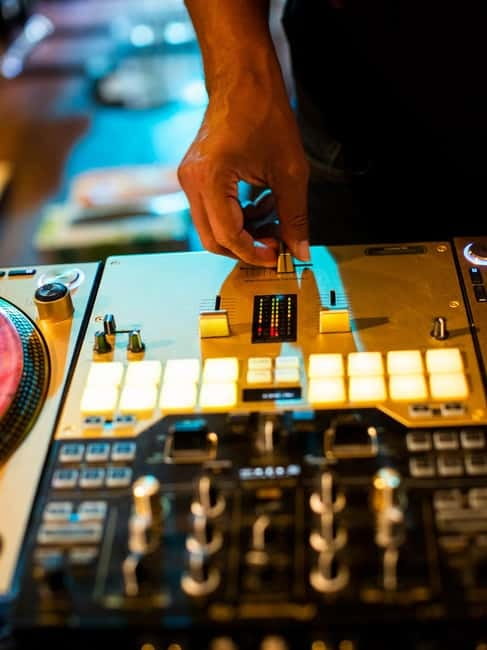
This 2-hour DJ lesson in Berlin is built for one outcome: you leave knowing what to do with the decks, not just hearing about it. The format matters. With a small group capped at 2 participants, you spend time operating the equipment, not waiting your turn to ask questions.
The instructor, Jesús Otero Valeta (he teaches in both English and German), keeps things structured but not stiff. You learn fundamentals like beat timing and track alignment, then you apply them right away. In the process, you also get a Berlin angle, because he talks through the evolution of electronic music in the city and how that direction connects to what comes next.
And yes, there’s a big reason people book this: you can play with vinyl like you’d have in the 80s and 90s, not only with modern players. That tactile element changes how you learn timing and transitions.
Also holding a platform in Berlin
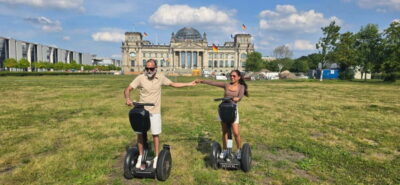
- Berlin: Reichstag, Dome and Government District Guided Tour
★ 4.7 · 18,288 reviews - Berlin: 1-Hour City Tour by Boat with Guaranteed Seating
★ 4.3 · 16,993 reviews - Berlin: TV Tower Standard Entrance Ticket
★ 4.4 · 15,883 reviews
Your 2-hour flow: from basics to a playable mini-set
The workshop is tight, so you should expect a “learn, try, adjust” rhythm. You start with the core mechanics of DJing and then you work through mixing step by step on the equipment in front of you.
Here’s what the lesson is designed to cover, in plain terms:
First, you get the basics of DJ technique, including how to handle vinyl, turntables, and the mixing table with effects. This matters because scratching and mixing are physical skills. If you never touch the hardware, you’re guessing. This workshop avoids that.
Next, you learn how to structure music by beats, in a way that makes sense even if you’ve never DJed. The workshop frames it like musical structure with rhythm, the way you might think about classical composers, but translated to club timing. The point is simple: you stop feeling like tracks are random chunks and start hearing the beat grid.
Finally, you play. Depending on the moment and gear available, you may work with the CDJ, jump into vinyl scratching, and you can even have a chance to sing one song. The goal is to give you a taste of performance, not a lecture.
From the reviews, beginners especially like that the teaching is patient and clear, and that the time feels productive. People describe learning enough to create a short set within the 2 hours, which is a good sign that the instruction isn’t too theoretical.
Vinyl vs CDJ in Berlin: why the difference is more than gear
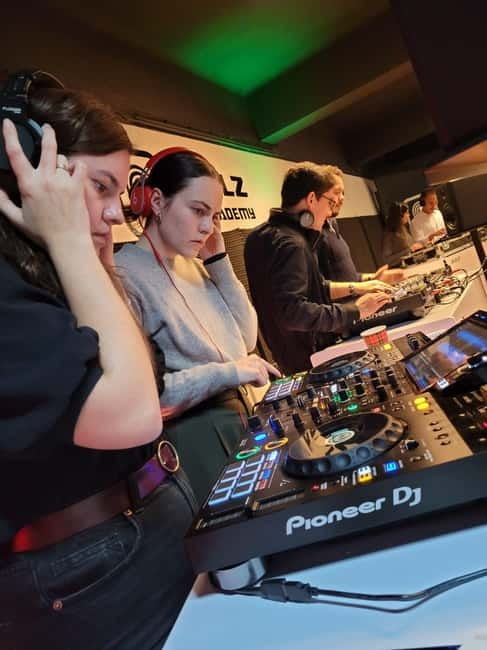
A lot of DJ lessons claim you’ll learn “mixing.” This one makes the learning concrete by letting you experience the difference between playing vinyl and CDJ.
With vinyl, timing lives in the body. You feel the movement, and scratching becomes a technique you can repeat. You’re also learning the handling part, how to manipulate the record and respond to what you hear. That’s why the workshop includes scratching practice across different styles like hip hop, techno, and pop. It trains you to vary your motion instead of doing one default move.
With CDJ, the interaction is more about precise control and transitions using the mixer. You still learn beat alignment and EQ work, but the physical challenge shifts. The track behaviors and your response to them can feel different, even if the goal is the same.
I like that the workshop doesn’t treat vinyl as a novelty. It’s part of the curriculum, and it’s framed as a real technique you’ll compare directly with a more modern approach. If you care about authentic club skills, this comparison is where a lot of the value lives.
Choosing your music: the genres are part of the lesson, not decoration
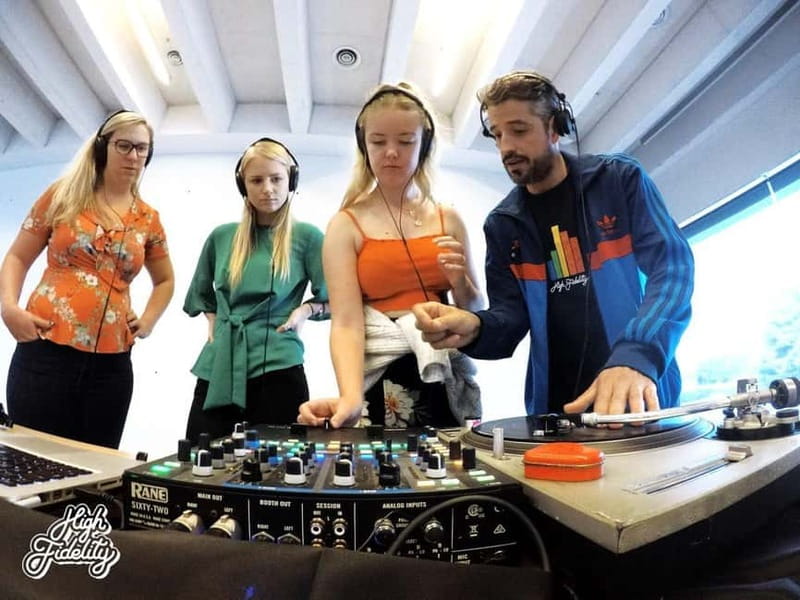
Berlin has a reputation for electronic music, but this workshop keeps it personal. You’re encouraged to select the style you want, and you’re guided to work with it using the mixing basics.
The workshop specifically mentions genres like techno, trance, psytrance, and house, and it also lists styles you can play such as progressive, hard techno, hardcore, hip hop, and hard style. That breadth is useful because it teaches you that DJing is adaptable. Beat alignment and transitions carry across genres, even when the energy changes.
In at least one review, the learning focus landed on hardcore basics. The person learned how to align track frequencies, use the EQ, and make transitions smooth in a short session. That’s the kind of detail that tells you the workshop isn’t just “press play.” It’s teaching a workflow.
Mixing with EQ and effects: the practical skills you can use again
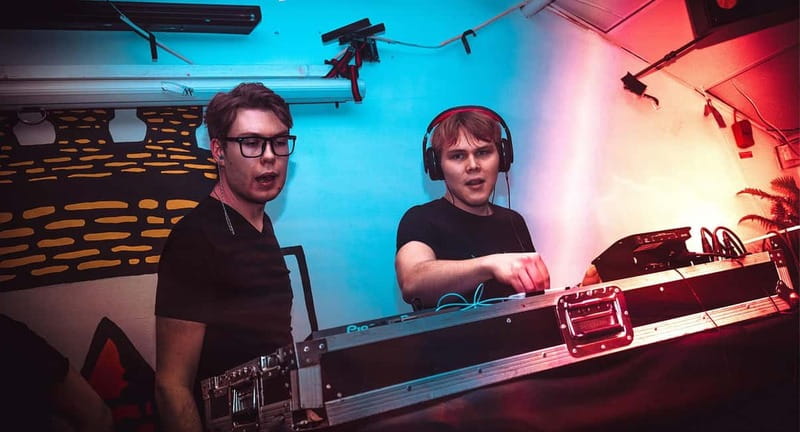
One of the easiest ways to tell if a DJ workshop is serious is whether it teaches tools you can apply immediately. Here, you learn about the mixing table, including effects and how the controls affect what the audience hears.
EQ learning is especially important. When tracks don’t match cleanly, the EQ is usually the first lever you pull. If you want transitions that don’t feel like a sudden jump, you need to understand what frequency bands you’re working with and how that impacts the sound. Reviews highlight learning to adjust EQ and make transitions smooth, which aligns with what a proper DJ workflow should include.
The effects piece is also key. Effects can be a shortcut to energy, but only if you understand timing. This workshop includes effects in the hands-on gear instruction, so you can see how the sound changes when you apply them mid-transition.
And because the group is small, you can get direct feedback while you’re trying.
Onward connections from Berlin:



Berlin electronic music context: how history connects to what you play
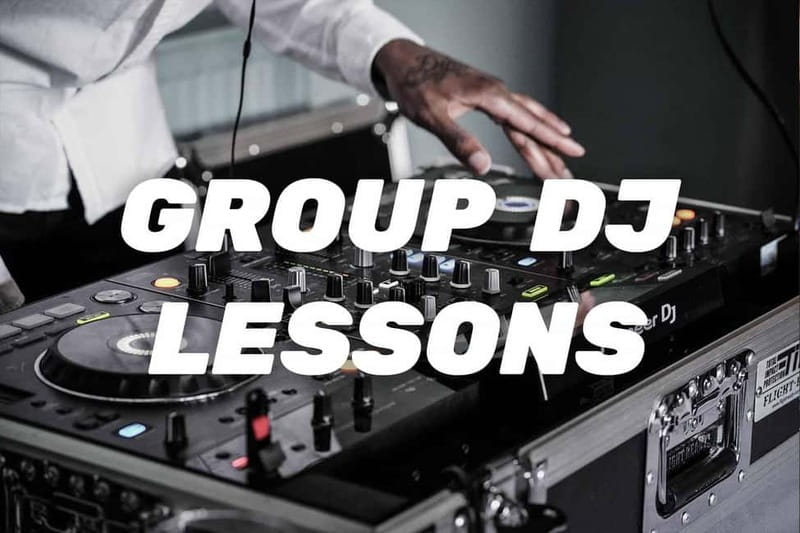
This workshop doesn’t stop at technique. Jesús also explains Berlin’s history in electronic music, including the evolution from one era to another. The wording is forward-looking too, with a focus on how the sound changes and where it might go next.
I wouldn’t treat this as a museum tour. It’s more like context you can use while you’re learning to mix. When you understand why certain sounds developed and how they shifted over time, you tend to make more intentional choices. You stop copying random moves and start thinking like a selector.
You’ll also get club guidance. The workshop includes an explanation of the right music for each club in Berlin, including discussion of an older, legacy spot. Even if you never plan to chase every club in the city, that kind of guidance helps you understand how DJing fits into a real scene with different vibes and expectations.
Price and value: what you get for $104 in 2 hours
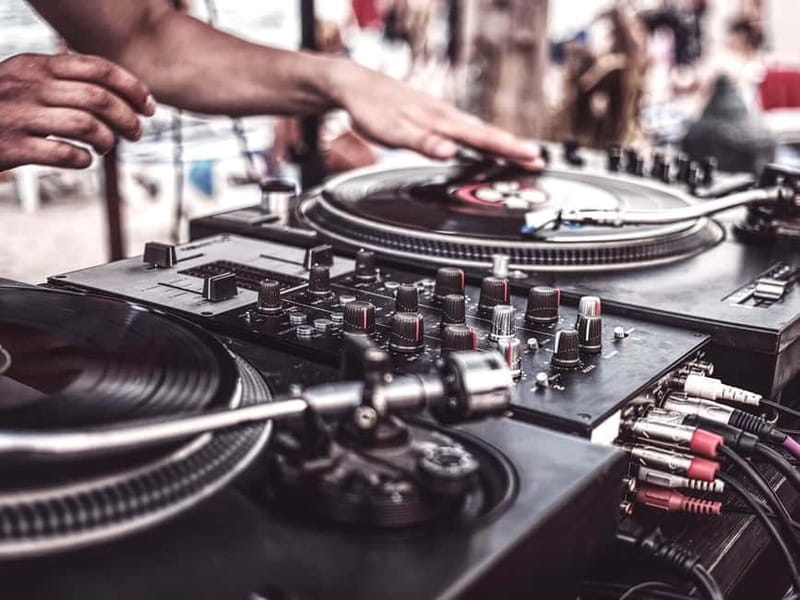
At $104 per person for a 2-hour session, the value depends on one thing: whether you want real practice time.
This is not a massive group class. It’s limited to 2 participants, which is huge for value. DJ skills are hands-on, and hands-on learning requires instructor attention. In a bigger class, you’d often spend most of the time watching. Here, you’re set up to operate the gear.
Drinks are included too, like coffee, water, and soft drinks, which is a small but welcome touch during a focused session. Also, the ability to play with both CDJ and vinyl, plus scratching practice, and even a chance to sing one song, means you’re not paying just for theory.
If you’re a total beginner, the reviews suggest you’ll leave with real skills you can start building on immediately. And if you already know a little, you still benefit because you’re comparing vinyl and CDJ behavior and getting feedback on mixing fundamentals.
If you’re the kind of traveler who hates structured classes, this might feel a bit school-like. But if you like learning by doing, this feels like a strong deal for Berlin.
Who should book this DJ workshop
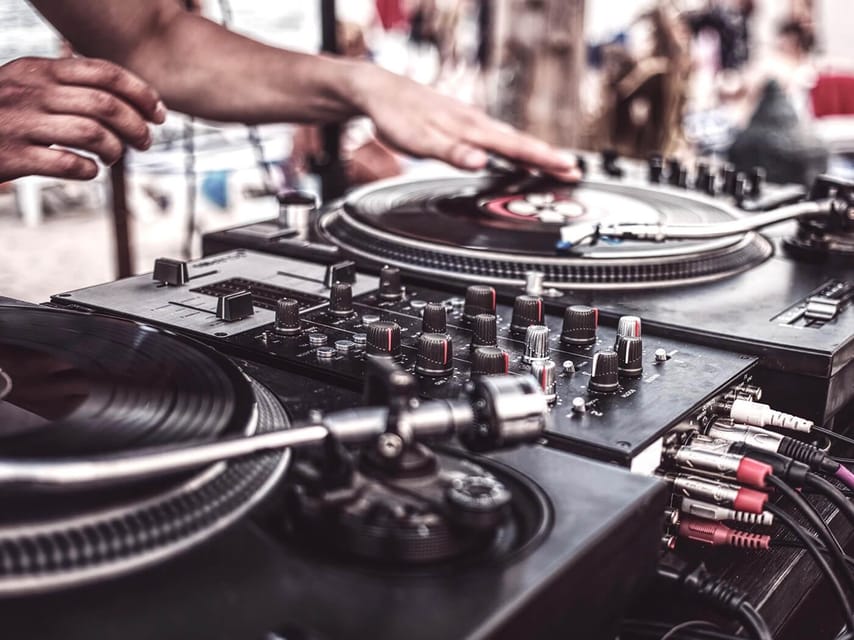
This workshop is best for people who want hands-on music learning while in Berlin, without turning the trip into a long course.
You’ll likely love it if:
- you’re a beginner who wants to try DJing for real
- you want vinyl scratching experience, not just a modern-playback lesson
- you enjoy techno culture and want practical skills plus Berlin electronic music context
- you like small-group experiences where the instructor can correct your technique
You might hesitate if you hate the idea of working with club-style music. This is DJing for electronic genres, and the gear and practice are aimed at that world.
Studio rules and practical tips so nothing slows you down
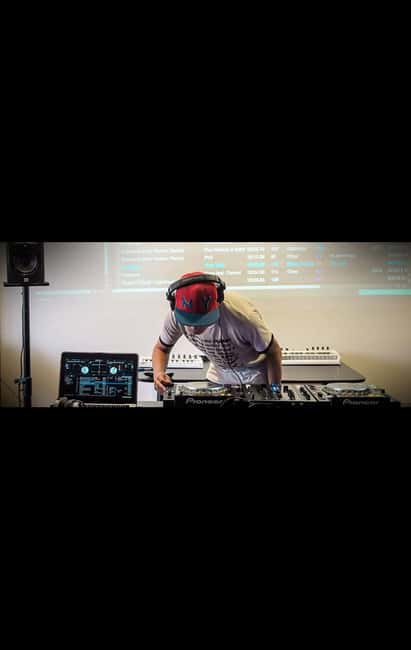
The studio has a clear rule: carry-on bags or large suitcases are not allowed. That’s the kind of detail that can wreck your morning if you show up with a big travel setup. I’d plan to bring only what you truly need for a short workshop.
Other practical notes from the activity info:
- No pets are allowed.
- It’s not suitable for children under 13.
- The meeting point is near a REWE supermarket, close to the door.
On the day, show up with enough energy to focus. This isn’t a long event, but it is active. You’ll be learning gear operation, mixing steps, and scratching technique, plus listening closely enough to adjust what you’re doing.
Quick reality check: what you can expect to learn
Based on the workshop description and the learning goals people talk about, you should expect:
- basic DJ workflow for mixing tracks
- beat timing and structure by rhythm
- scratching practice across styles like hip hop, techno, and pop
- handling vinyl and turntable setup
- using the mixing table and effects
- transitions built using EQ control
- a chance to play your chosen genre, like techno or trance
That combination is exactly what makes this feel different from a general music lecture. You don’t just hear about skills. You practice them.
Should you book DJ for a Day: Learn to Mix Like a Pro in Berlin?
If your goal is to leave Berlin with actual DJ capability, this is an easy yes. The strongest reasons to book are the hands-on practice, the chance to work with vinyl and CDJ, and the small group setup that keeps feedback immediate.
I’d only reconsider if the studio’s luggage rule is a deal-breaker for your travel style, or if you’re looking for a casual sightseeing activity instead of a skill-building session.
Otherwise, for $104 in 2 hours, with drinks included and a focused instructor in English or German, you’re paying for time on the decks. That’s the part that matters.
FAQ
How long is DJ for a Day in Berlin?
It lasts 2 hours.
Is the price per person?
Yes. The listed price is per person. If you bring a companion, you need to let the instructor know in advance so a reduced rate can be applied.
Can I play with vinyl during the workshop?
Yes. You can play with vinyl, and you’ll also learn scratching techniques in different styles.
What can I use during the session besides vinyl?
You can play with the CDJ (the workshop also mentions you can sing one song as part of the experience).
What music genres can I work with?
You can choose from styles like techno, trance, psytrance, house, and other options listed such as progressive, hard techno, hardcore, hip hop, and hard style.
What languages does the instructor speak?
The instructor teaches in English and German.
Is there a luggage limit at the studio?
Yes. Carry-on bags or large suitcases are not allowed in the studio.
Fresh on the arrivals board for Berlin
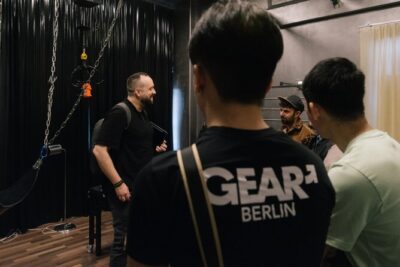



Berlin Tours & Activities, compared.

Reichstag, Dome and Government District Guided Tour
Read our review →
1-Hour City Tour by Boat with Guaranteed Seating
Read our review →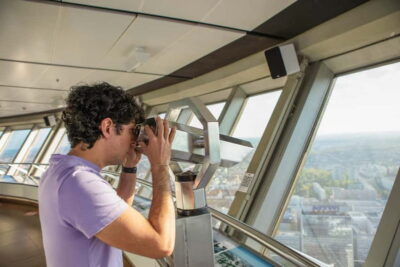

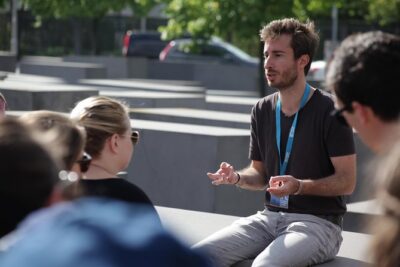

Berlin City walk Government District and Places of Democracy
Read our review →