
Reviewed · MUSEUMS
Berlin: Tickets for the BODY WORLDS Museum in Berlin
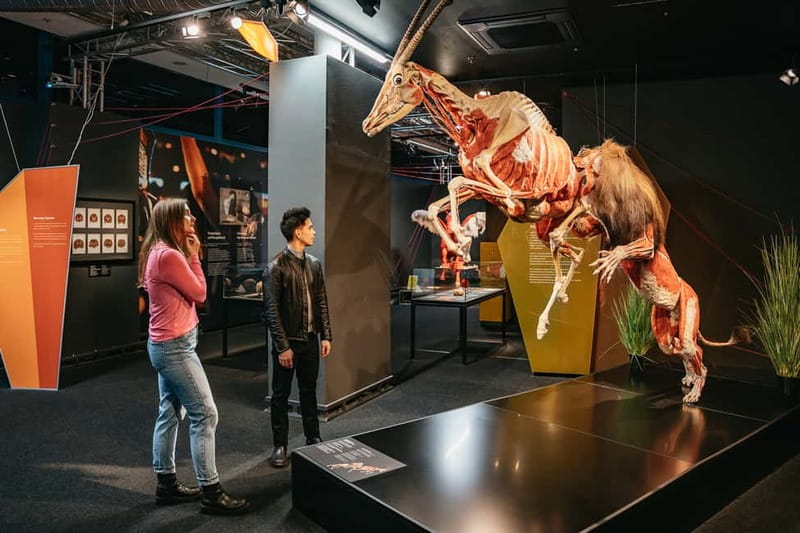
Real human bodies, explained in plain language. At BODY WORLDS Museum in Berlin, the plastinated displays by Dr. Gunther von Hagens turn anatomy into something you can actually follow on foot, system by system. I like how the information is broken into small, readable chunks, so you learn without feeling bombarded.
The main catch is that you might run into trouble with audio elements, since a few exhibits can be hard to locate or occasionally not working properly.
In This Review
- Key things to know before you go
- BODY WORLDS Museum Berlin, what you are really buying
- Where it is, and how to plan your arrival at Panoramastraße 1a
- How the experience unfolds from skeleton to full body understanding
- Plastinates and disease displays: the museum’s superpower
- Muscles, organs, and the “wait, that connects?” moments
- Inside the major systems: digestive, heart, lungs, and nerves
- Digestive system
- Cardiovascular system
- Respiratory organs
- Nervous system
- Development and the human life cycle angle
- Happiness, stress, and long-term health lessons
- Audio, phone support, and the friction points to expect
- Time needed, crowds, and how to move at a good pace
- Tickets and value: $24 and what you will pay extra for
- Who should book BODY WORLDS, and who should think twice
- Book it or skip it: my honest decision rule
- FAQ
- How long should I plan to spend at BODY WORLDS in Berlin?
- Where is the meeting point for tickets?
- What are the opening hours?
- What time is the last admission?
- What is included with the ticket price?
- Is an audio guide included?
- Are cloakroom and lockers available?
- Is the museum wheelchair accessible?
- Is the museum suitable for children?
- Can I cancel for a refund?
Key things to know before you go
- Plastinates that show real anatomy, from whole-body preparations to single-organ functions
- Clear learning flow through skeleton, muscles, digestion, heart, lungs, and the nervous system
- Plain-language takeaways about health, stress, and why the body behaves the way it does
- Embryo and development displays that add context beyond everyday organs
- English translation support shown on displays and through on-site audio options
- Plan for about 2 hours, especially if you read most labels
BODY WORLDS Museum Berlin, what you are really buying
This is not a hands-on science lab, and it is not a vague art show about the human form. BODY WORLDS is a focused museum experience that uses real human preparations created through plastination. In Berlin, you come for one big reason: to see how the inside of the body works, and what can go wrong, in a way that sticks.
The ticket is straightforward: entrance to BODY WORLDS for a 1 day visit. At $24 per person, the value is usually about whether you want this type of visual learning. If you like biology, you enjoy clear explanations, and you do not mind serious visuals, this price feels fair. If you need a soft-focus museum vibe, look elsewhere.
The museum aims to connect anatomy with everyday life. You do not just learn names of organs. You learn how muscles connect to movement, how organs interact, and how the body responds to stress and habits that affect long-term health.
Where it is, and how to plan your arrival at Panoramastraße 1a
You will find the museum at Panoramastraße 1a, 10178 Berlin. That matters because it helps you build the rest of your day around it. BODY WORLDS works well as a half-day anchor, especially because it is an indoor stop that stays useful when Berlin weather turns.
The standard hours are 10AM to 7PM, with last admission at 6PM. It is also closed on December 24. If you want the best shot at staying relaxed, arrive well before late afternoon. You also avoid the last-admission squeeze where you feel rushed.
Even though this is a museum ticket, not a guided tour, you should still give yourself time to slow down. A lot of the value is in reading the labels and letting your eyes move from system to system.
How the experience unfolds from skeleton to full body understanding
The museum is built like a walk-through anatomy lesson. You start with foundational structures, then you move into how systems work, and finally you hit health topics that feel more personal.
A typical flow includes:
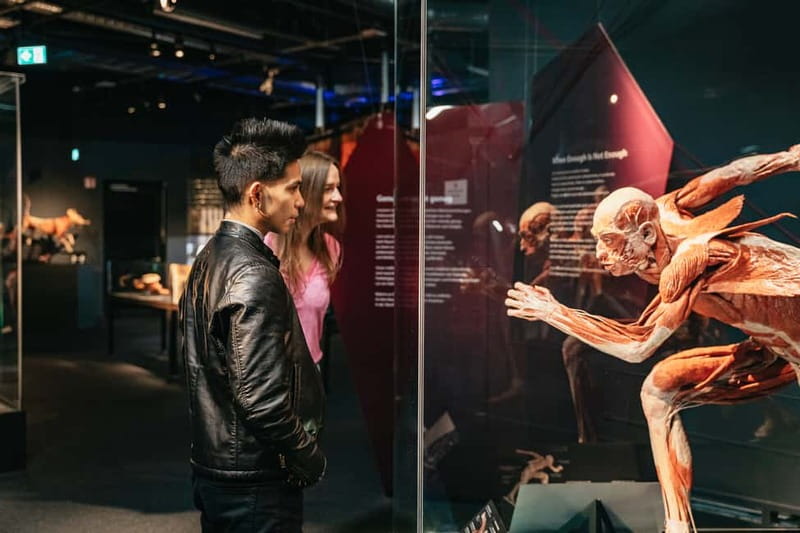
- Skeleton and muscular interplay, so you understand movement as a built system, not random parts
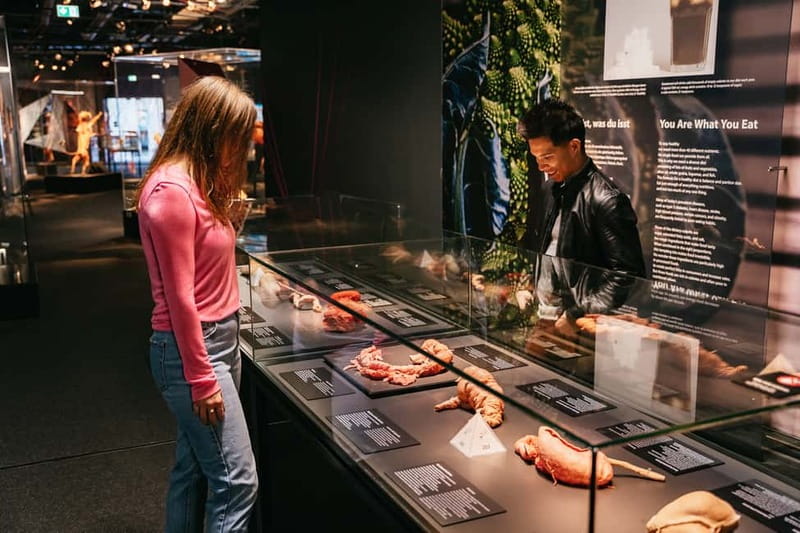
- Digestive system displays that show both structure and function
- Cardiovascular system content that explains how circulation supports survival
- Respiratory organs that connect breathing to overall body needs
- Nervous system views that frame the body as a control network
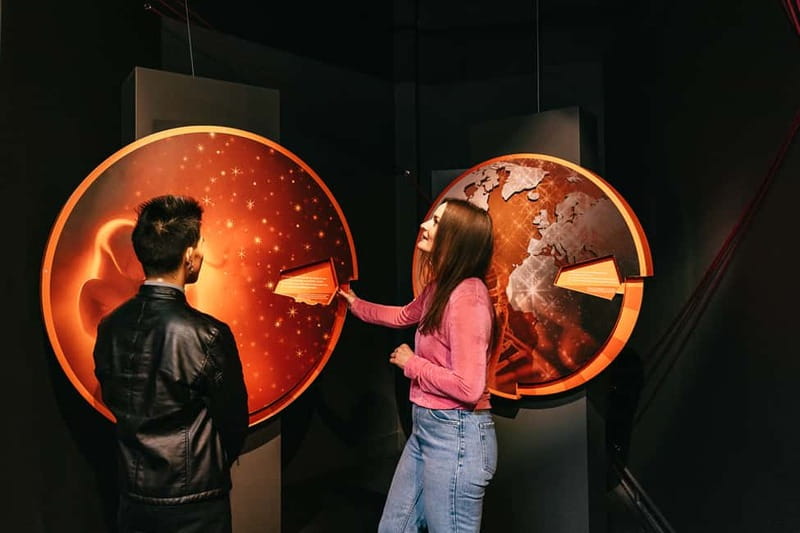
Then there is the extra layer that many anatomy museums skip. You also see development of an embryo in the womb, which gives you a timeline mindset. It helps you see the body not only as an adult machine, but as something that forms, grows, and depends on timing.
Everything is connected back to a central idea: your body is both fragile and amazing, and the details matter.
Plastinates and disease displays: the museum’s superpower
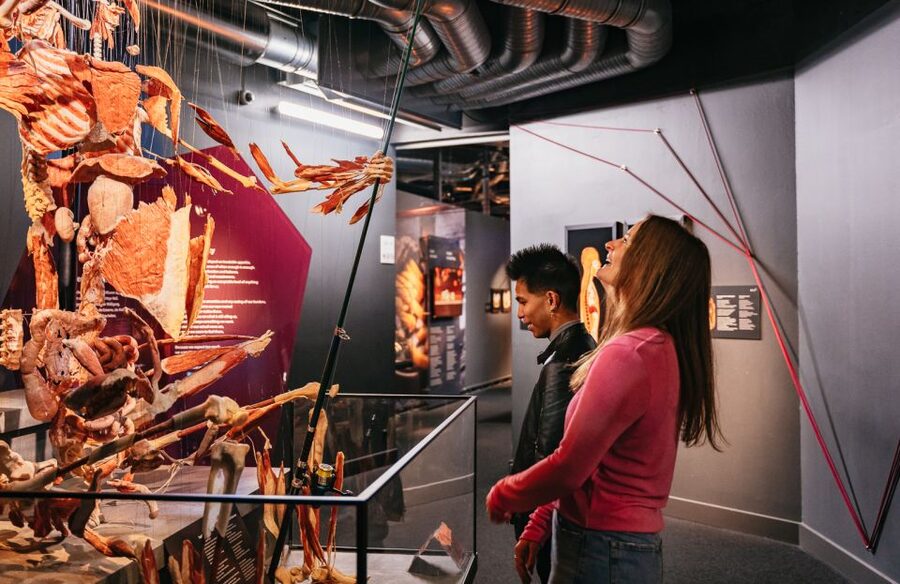
The biggest reason BODY WORLDS gets such strong ratings is simple: the plastinated preparations are visually powerful. Whole-body displays and single-organ preparations help you see relationships you would normally never notice. A quick example of why that matters: when you understand where an organ sits and what it interfaces with, symptoms make more sense.
The museum also uses common diseases as teaching moments. That is where the experience can feel intense. The goal is not shock. The goal is clarity. You learn what certain changes mean, and how the body’s structure ties to function.
This is also why this museum is a strong fit for rainy days. You are indoors, you can take your time, and the visuals do the heavy lifting. You do not need background knowledge to follow along, but if you have any curiosity about biology, it becomes even more rewarding.
Muscles, organs, and the “wait, that connects?” moments
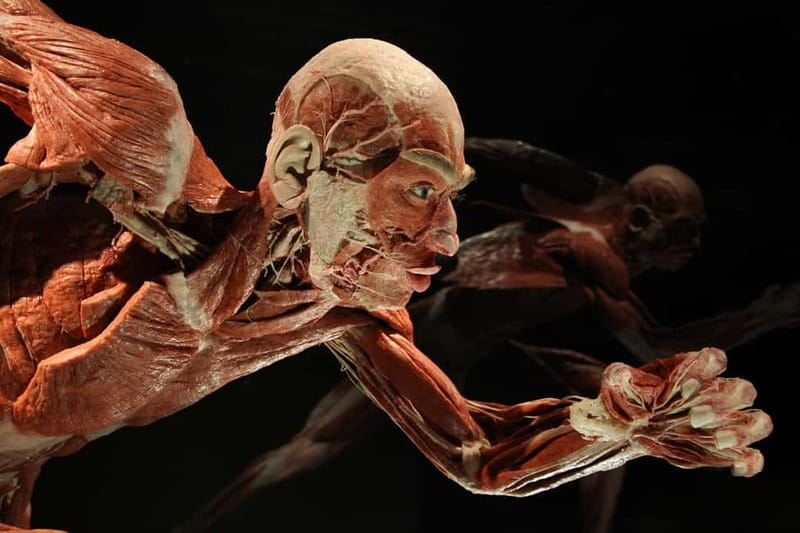
I especially like the way the exhibition links muscles, organs, and everyday function. You might think of muscles as one topic and organs as another topic. Here, they start behaving like one story.
As you move through the muscular system, you see how structure supports action. Then you meet organs that depend on that structure. It becomes harder to keep the body in mental compartments. Instead, you think in systems and connections.
This is one reason the museum works better than a typical photo exhibit. Photos can show a part. Plastinates show the spatial reality. Even if you only grasp it at a basic level, that spatial understanding makes the information more believable.
It also helps that the labels tend to be written in smaller sections. That design choice matters. Big blocks of text can kill your momentum. Smaller chunks make it easier to read, pause, and keep moving.
Inside the major systems: digestive, heart, lungs, and nerves
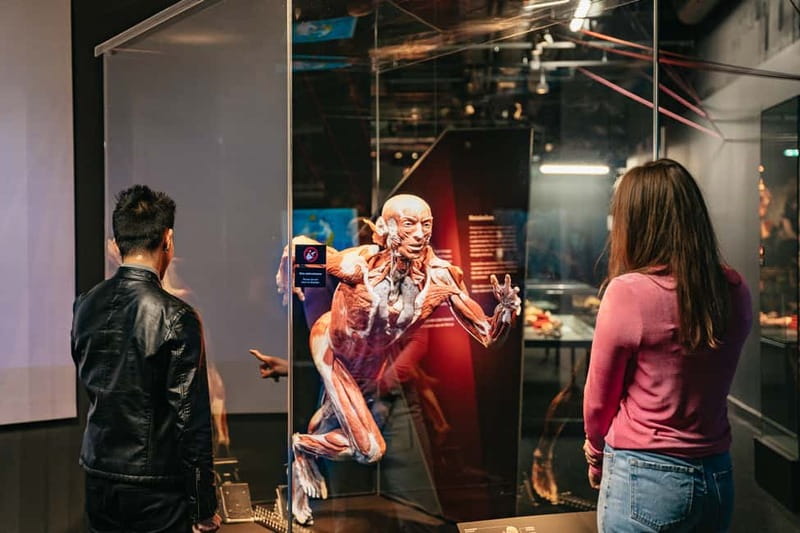
The museum’s system-by-system approach is one of its best features. It keeps you from feeling lost, and it helps your brain categorize what you see.
Digestive system
You walk through how digestion is set up and how the parts connect. It is the kind of explanation that makes anatomy feel practical. You start thinking about how food transforms and how organs depend on each other to keep things running.
Cardiovascular system
The cardiovascular section helps you understand circulation as more than a concept. It frames the system as the body’s delivery and survival network, which makes the rest of the exhibit feel connected rather than isolated.
Respiratory organs
Breathing becomes a process with structure and purpose. You can see why the body needs oxygen and how respiration interacts with the rest of the systems you are learning.
Nervous system
The nervous system area gives you a different kind of clarity. Instead of focusing only on organs, it pushes you to see regulation and control. That shift makes the museum feel less like a diagram and more like a living system.
Across all of these, the museum’s visual style keeps you oriented. Even when the content is heavy, you usually know where you are in the lesson.
Development and the human life cycle angle
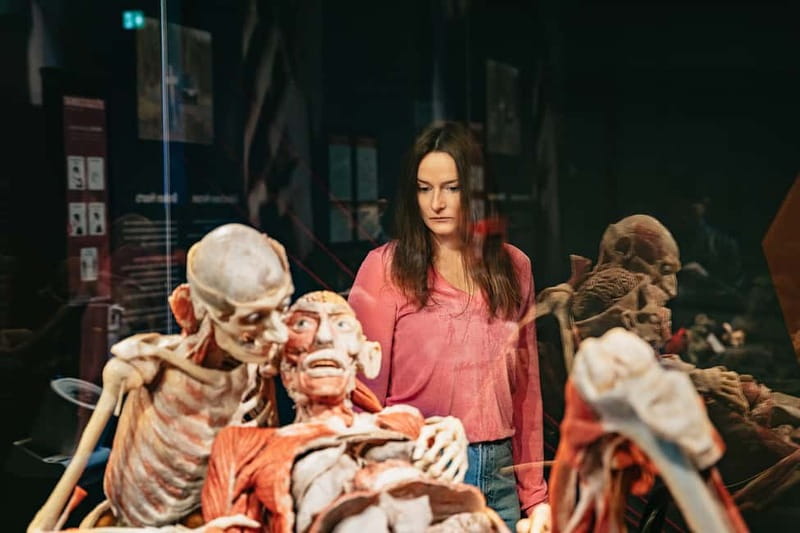
A lot of anatomy exhibitions stay stuck in the adult body. BODY WORLDS adds an important twist with embryo development in the womb. Seeing development helps you understand why the body exists in a certain shape, not just because it was designed, but because it was built over time.
This section can be emotional, depending on how you process health topics. But it also gives context. Instead of asking only what is happening now, you start asking how the body becomes what you see later.
If you like science that connects biology to life, this part is a strong reason to go.
Happiness, stress, and long-term health lessons
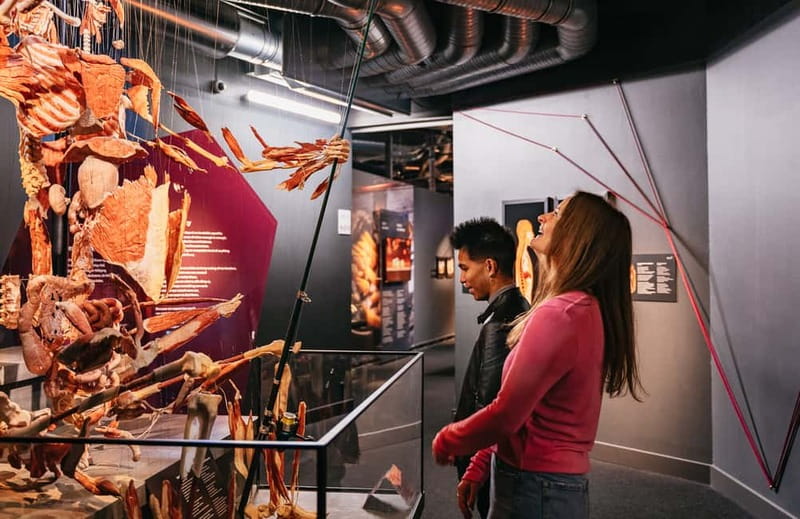
Here is where the museum moves beyond anatomy and into the stuff that affects real life. You get content about what determines happiness, how the body copes with stress, and the “middle ground” between excess and modesty. There are also ideas about what the body needs to support a long, healthy life.
This is not health advice in the medical sense. It is more like: the body is not just organs. It is also behavior, stress response, habits, and balance.
I like this section because it turns the museum into something you can apply after you leave. You walk out with a clearer sense that physiology and life choices interact.
Audio, phone support, and the friction points to expect
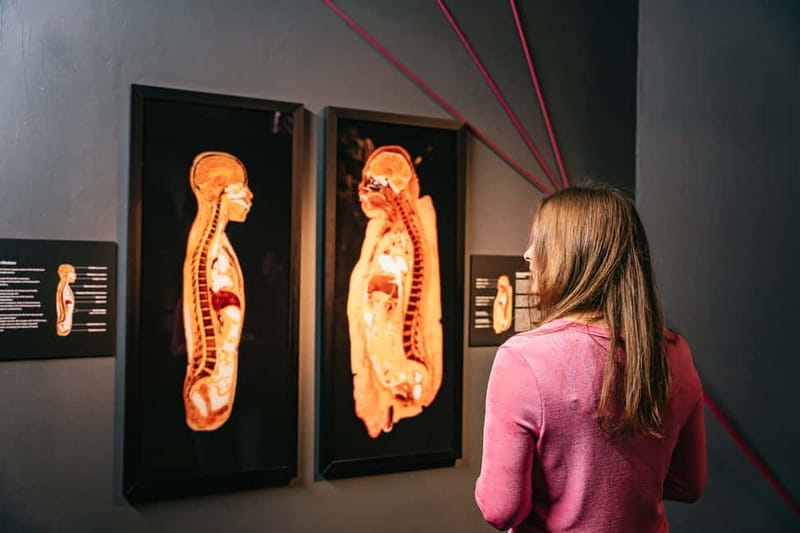
The museum uses audio and interpretation tools, but details can vary by exhibit and what is currently working.
One practical thing to know: audio exhibits may be out of order or tricky to find. If you look for audio prompts and do not see them, it is worth double-checking signage and moving along. Do not let one missing audio moment derail your visit.
On the upside, multiple visitors highlight English support. There are mentions of English translation on displays and through audio options. There is also an interactive guide on a phone that can help you follow the experience, especially if you want extra context.
If you are audio-first, you may still enjoy the museum, but I would not bet your entire experience on perfect audio functioning. Go for the visuals and the labels, and treat audio as an added bonus.
Time needed, crowds, and how to move at a good pace
Most people do not need an entire day to experience the museum deeply. Plan for about 2 hours if you want to read and take it in. If you rush, you can shorten that, but you lose the point.
This is also an experience where pacing matters because the content is intense. Take breaks when you need them. A few minutes away from one exhibit does wonders for your ability to absorb the next system.
Crowds can happen, especially with school groups. One caution: the museum is not a running-around environment. If there are groups present, keep your distance and focus on your route.
If you like a calmer visit, aim earlier in the day and avoid the last hour.
Tickets and value: $24 and what you will pay extra for
At $24 per person for the entrance, BODY WORLDS is priced for what it is: a high-production educational exhibition with real plastinated specimens. The value usually comes from the time you get inside, not from extras.
What is included:
- Entrance to the BODY WORLDS exhibition
What is not included:
- Audio guide
- Cloakroom
- Lockers (subject to a charge)
So yes, you might spend a little more depending on your needs. If you want to keep things simple, travel light. If you do bring a bag, budget for locker costs.
Also, the museum is wheelchair accessible, which makes it easier for more visitors to plan a route comfortably.
Who should book BODY WORLDS, and who should think twice
This museum is best for adults and older teens who want science and visuals with zero fluff. The content is detailed and sometimes medically graphic in a way that is not meant for little kids.
Based on feedback you can take directly:
- It is not really suitable for young children. They may get bored quickly.
- If you want a learning trip that works on a rainy day, it fits well.
- If you are curious about how the body works, you will probably feel satisfied, even after two hours.
You might rethink it if:
- You hate medical visuals or find anatomy content upsetting
- You need lots of hands-on interaction, because this is mainly visual and read-and-observe
- You expect a guided group experience, because this is more self-guided through the exhibition spaces
For most people who like biology, anatomy, or visual learning, this is one of Berlin’s most efficient educational stops.
Book it or skip it: my honest decision rule
If you are the type of person who enjoys seeing how things work, BODY WORLDS is a strong yes. The combination of plastinates, system-by-system structure, and personal health lessons makes it feel more like understanding than sightseeing.
Skip it if you want a light museum with minimal intensity, or if you are traveling with very young kids who would not appreciate the educational focus.
My practical call: book it if you can spare about 2 hours, arrive before the last admission, and you are comfortable with the fact that you will be viewing real human body preparations.
If you are on the fence, consider this simple filter. Would you rather learn anatomy through diagrams and photos, or through full-scale, real structures that force your brain to understand spatial relationships? BODY WORLDS goes hard on the second option.
FAQ
How long should I plan to spend at BODY WORLDS in Berlin?
A common recommendation is about 2 hours to see the exhibition at a comfortable pace, especially if you read the information on the displays.
Where is the meeting point for tickets?
The location is Panoramastraße 1a, 10178 Berlin.
What are the opening hours?
Monday to Sunday, 10AM to 7PM. The museum is closed on December 24.
What time is the last admission?
Last admission is at 6PM.
What is included with the ticket price?
Your ticket includes entrance to the BODY WORLDS exhibition.
Is an audio guide included?
No, the audio guide is not included.
Are cloakroom and lockers available?
A cloakroom is available, and lockers are available for a charge.
Is the museum wheelchair accessible?
Yes, the exhibition is wheelchair accessible.
Is the museum suitable for children?
It is generally not considered suitable for young children, since the focus is educational and they may get bored.
Can I cancel for a refund?
Yes. Free cancellation is available up to 24 hours in advance for a full refund.
Halls Between Trains
- Berlin: Jewish Museum Berlin Entrance Ticket
★ 4.5 · 8,393 reviews - Berlin: DDR Museum Tickets
★ 4.3 · 3,443 reviews - Berlin: Natural History Museum Entrance Ticket
★ 4.6 · 3,382 reviews - Berlin: Neues Museum Entry Ticket
★ 4.6 · 3,261 reviews
Museums, compared.




Skip-the-Line: Berlin Wall Museum at Checkpoint Charlie
Read our review →Browse the lists this tour appears in