Reviewed · BERLIN TOURS & ACTIVITIES
Berlin: The Feuerle Collection Meditation Experience
Silence meets sculpture in Berlin. The Feuerle Collection Meditation Experience turns a museum visit into a one-hour quiet reset, with a mobile detox and space for deep contemplation right among the artworks. I love the way the collection pairs early Khmer sculptures (7th to 13th century AD) with Imperial and Scholar Chinese furniture (2nd century BC to 17th century AD), then adds contemporary art voices that make you rethink what you thought you knew about form and meaning.
One more thing I really like: the physical path matters. You don’t just look at art, you move through a passage to the Sound Room and then walk into the Lake Room, stopping as your mind settles.
Here’s the main drawback to consider. This is not a guided tour, and there’s no narration built in, so if you want someone to explain every artwork, you may feel a little unanchored. Also, it’s not designed for kids under 16, so it’s best as an adult recharge.
In This Review
- Key highlights worth planning around
- A one-hour reset inside Berlin’s Feuerle Collection
- Before the art, understand the rules: quiet, optional meditation, no guide
- The Khmer sculptures and Chinese furniture stop: why the time jump matters
- The contemporary art names you’ll recognize, without the usual noise
- Passage to the Sound Room: sound without your usual soundtrack
- The Lake Room: walking meditation where the building becomes the artwork
- How to make it work if you’re not a “meditation person”
- Price and value: why $25 can feel generous here
- Who should book this (and who should skip it)
- Practical tips for your Feuerle Collection meditation hour
- Should you book the Feuerle Collection Meditation Experience?
- FAQ
- How long is the Feuerle Collection meditation experience?
- Do I have to meditate?
- Is there a guided tour of the exhibition?
- What’s included in the ticket price?
- Is the venue wheelchair accessible?
- Is it suitable for children?
Key highlights worth planning around
- Silent, mobile detox vibe: you’re meant to reduce mental noise, not collect facts
- Khmer sculpture and Chinese furniture together: time periods and cultures in one quiet flow
- Contemporary art in the same route: names like Anish Kapoor and Nobuyoshi Araki show up in the mix
- Sound Room + Lake Room: the building itself becomes part of your attention game
- Meditation is optional: you can also walk quietly and simply experience the art
- No guided tour: self-led looking and listening, with space to decide your own pace
A one-hour reset inside Berlin’s Feuerle Collection
This experience is exactly what it sounds like, and that’s the point. For one hour, you enter a silent environment where the goal is mental clarity, not a checklist. You get a yoga mat and a blanket, which tells you the experience isn’t just about walking past objects. It’s about sitting, settling, and letting your attention slow down.
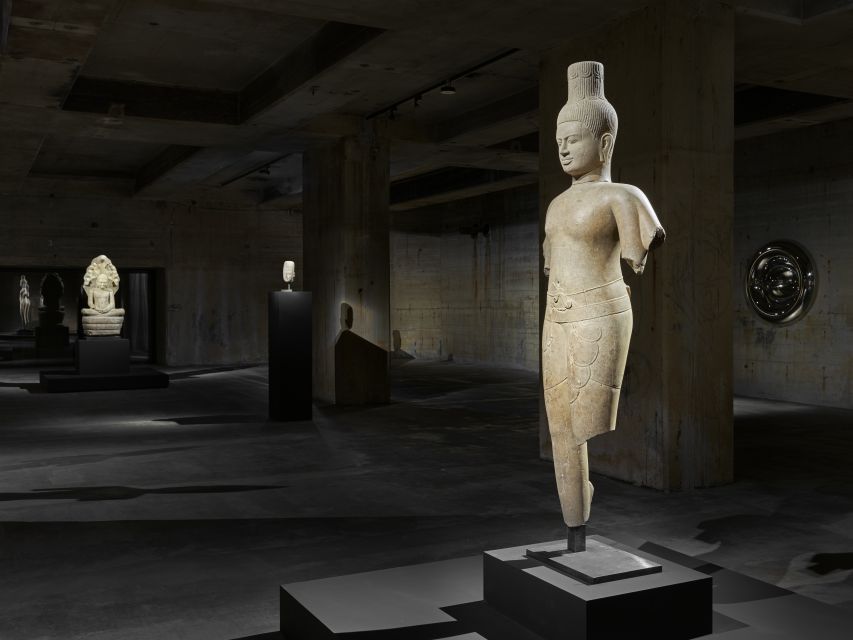
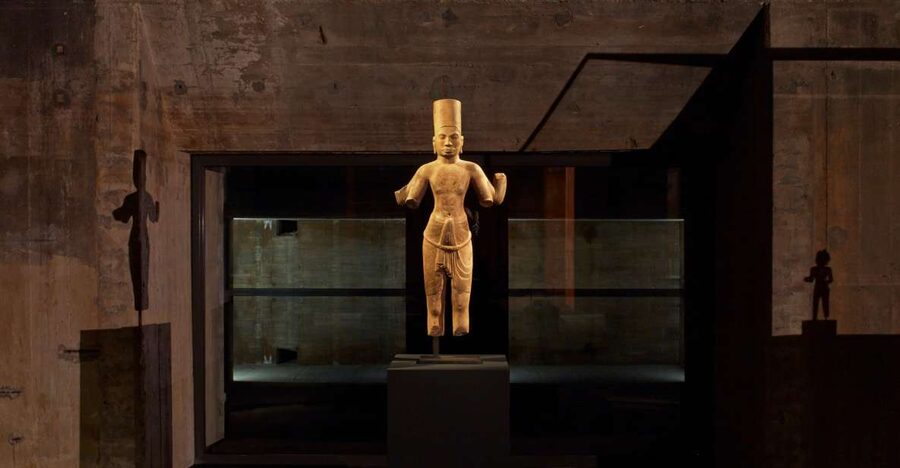
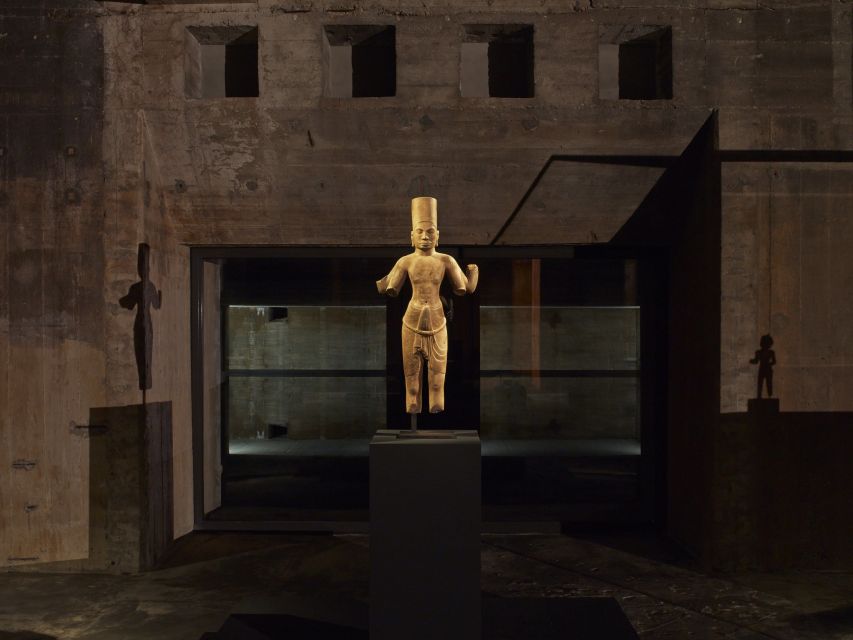
The art collection is the unexpected engine driving that calm. You’ll encounter early Khmer sculptures, then Imperial and Scholar Chinese furniture, and then contemporary work by major international artists. That mix creates a kind of cultural echo, even while you’re being quiet. You’ll probably notice how your brain behaves differently when it isn’t hunting for explanations.
One practical note from the vibe of the experience: it tends to feel calm and manageable, the sort of setup where you can actually hear yourself think. If you’re craving a break from Berlin’s usual pace and noise, this is one of the more direct ways to do it.
Also holding a platform in Berlin
- Berlin: Reichstag, Dome and Government District Guided Tour
★ 4.7 · 18,288 reviews - Berlin: 1-Hour City Tour by Boat with Guaranteed Seating
★ 4.3 · 16,993 reviews - Berlin: TV Tower Standard Entrance Ticket
★ 4.4 · 15,883 reviews
Before the art, understand the rules: quiet, optional meditation, no guide
The biggest thing to know is simple. There’s no guided tour of the exhibition. The collection is open only for meditation, but meditation itself is not mandatory. That gives you a choice, which I think is a smart design.
If you want to meditate, you can use the mat and blanket and follow your own pace. If meditation is not your thing, you can still visit quietly and enjoy the art. This is helpful if you’re the type who needs a job for your brain. Sometimes the body settling makes contemplation easier, and sometimes quiet looking is enough.
Because there’s no guide, the experience won’t spoon-feed you context. You’re expected to relate directly to the artworks: shape, surface, scale, stillness. That can be incredibly freeing. It can also be disappointing if you came for a lecture.
So before you go, decide what you want most:
- Quiet attention and your own inner reflections, or
- Facts and interpretation delivered by a guide
If you want the second, you’ll likely be happier booking a different art tour in Berlin. If you want the first, this fits beautifully.
The Khmer sculptures and Chinese furniture stop: why the time jump matters
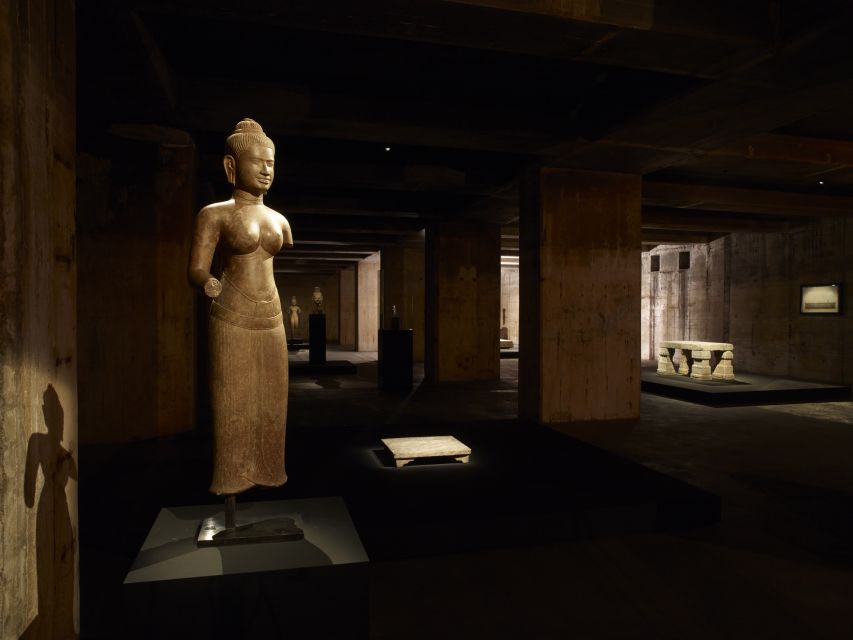
You’ll spend time in front of early Khmer sculptures, spanning the 7th through 13th century AD. Then the route moves into Imperial and Scholar Chinese furniture, covering the 2nd century BC through the 17th century AD. That’s a huge stretch of time and a major shift in aesthetics, all experienced in silence.
I like how this works for you, because your eyes start doing different work. When you’re not being asked to memorize dates, your attention naturally shifts to details like proportion and craftsmanship. Furniture, especially scholar furniture, isn’t just functional. It’s tied to status, writing culture, display habits, and ritual. Seeing that in quiet conditions can make it feel less like an exhibit and more like a conversation between objects.
And the Khmer sculptures bring their own gravity. In a silent room, the presence of sculpture is harder to ignore. Even if you don’t know the iconography, you can still sense rhythm, weight, and the way the form holds space.
The most valuable part here is the contrast. In ordinary museum visits, your brain often tries to pick a single “theme” and then rushes. In this format, the time jump becomes part of the meditation. You let it be awkward, then you let it settle.
The contemporary art names you’ll recognize, without the usual noise
As you continue, contemporary works appear by artists including Anish Kapoor, Cristina Iglesias, Adam Fuss, Zeng Fanzhi, James Lee Byars, and Nobuyoshi Araki. That’s a big cast, and it matters because it prevents the experience from becoming only “old art appreciation.”
In silence, contemporary art can go in two directions. It can feel too abstract, or it can feel strangely intimate. The absence of commentary can make you more honest with your own reaction. You might find yourself lingering longer on materials, reflections, textures, or the way a work sits in relation to the space around it.
I also appreciate that the contemporary section doesn’t feel like a loud contrast block. It shows up as part of the same contemplative route, which makes your brain do better comparisons. You may notice that even across centuries, artists deal with similar human questions: space, presence, memory, and how form carries meaning.
One more practical angle: because it’s not guided, you won’t get a “what to think” cheat sheet. You’ll get a “what do you feel” assignment instead. For many people, that’s the whole point.
Passage to the Sound Room: sound without your usual soundtrack
The route includes a passage to the Sound Room. You then explore that part of the building as part of your quiet time, not as a separate guided activity. In a normal museum, sound often comes from the crowd, phones, and your own soundtrack. Here, the silence shifts how you perceive everything else.
I can’t tell you what you’ll hear in an absolute sense, because sound experiences can vary by setup and timing. But the concept is clear: the room is built to focus attention through audio in some form, while you reduce external distraction.
If you’re the kind of person who gets restless in silence, this is still worth trying because it gives your brain a new job. Instead of chasing thoughts, you listen for what’s actually present. Even if nothing dramatic happens, the act of trying changes your mood.
And since meditation is optional, you’re free to approach the Sound Room as a listening exercise rather than a strict mindfulness test.
Onward connections from Berlin:




The Lake Room: walking meditation where the building becomes the artwork
After the Sound Room, you walk into the Lake Room and stop to meditate among the artworks. The key detail is that it’s not just another exhibit wall. It’s a “walk in” space, which encourages a physical change in your attention.
A room like this tends to do two things. First, it gives you pacing. Your legs move, your breathing changes slightly, and that can make it easier to shift out of mental chatter. Second, it frames the artworks in a way that feels more spatial than observational.
Again, without a guide, you’ll be doing your own interpreting. You might notice how reflections, light, or the sense of depth affects your focus. Or you might simply feel calmer because you’re not trying to solve anything.
If you love art but you sometimes get overwhelmed in museums, this part can be a relief. It’s structured quiet, not open-ended wandering.
How to make it work if you’re not a “meditation person”
This experience gives you a helpful safety net: meditation is not mandatory. That means you can treat it like a quiet, slow art walk with moments of stillness.
Here’s what I’d do, in a practical, low-pressure way:
- Arrive ready to put your phone away. The mobile detox is part of the experience, so plan to keep it out of sight.
- Use the mat and blanket if you want to slow down fast. If you don’t, still take one or two sitting breaks. Your body does the thinking for you.
- Choose one “anchor artwork” to return your attention to. Even if you move throughout the hour, having one focal point helps you avoid feeling lost in the silence.
- Treat contemplation like a mood, not a task. If your mind wanders, that’s normal. The job is gently restarting, not forcing perfect calm.
Also, remember you’re there because the museum environment is being used as a meditation space. That makes timing important. This is one hour, so each step is a piece of the experience, not a casual add-on.
Price and value: why $25 can feel generous here
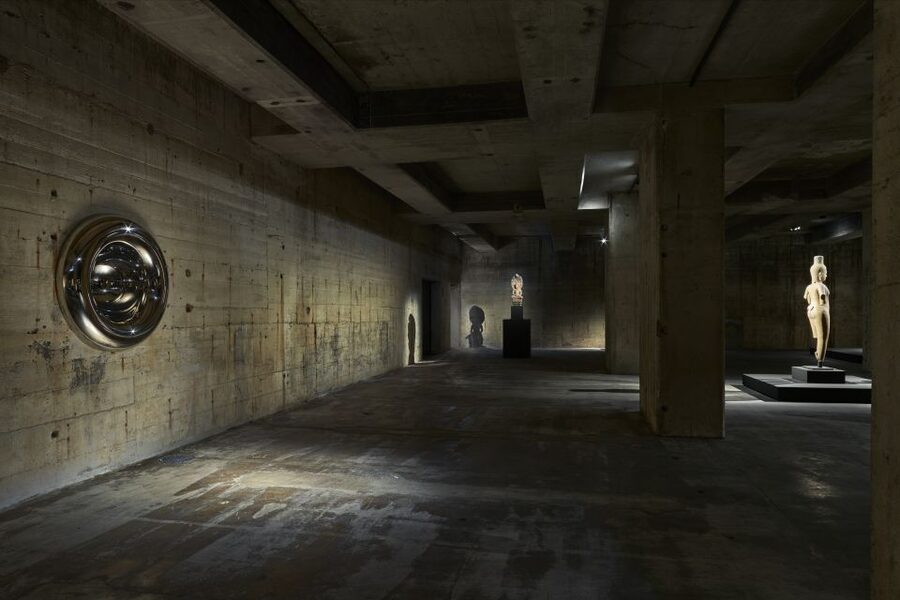
The price is $25 per person, and the value is mostly about what’s included. You’re not paying just for entry. You’re paying for the structure of a silent, meditative environment with art access to a collection that spans Khmer sculpture, centuries of Chinese furniture, and major contemporary names.
You also get a yoga mat and blanket, which can make a real difference. In a standard museum, you’d have nothing to help your body get comfortable enough to slow down. Here, comfort is part of the design.
So the value question isn’t “is it cheap.” It’s “does it give you what you came for.” If you want a quiet art experience that actually supports stillness, this looks like a strong deal. If you want guided explanations, you’ll likely get less value because there’s no tour.
Who should book this (and who should skip it)
This works best for:
- You if you want a silent reset and like the idea of a mobile detox
- You if you enjoy art but don’t always want a lecture
- You if you’re curious about how different cultures and eras feel when you’re quiet and attentive
- You if you like movement-based mindfulness, since you’ll pass through rooms and walk into the Lake Room
You might want to skip it if:
- You get uncomfortable with silence or need constant stimulation
- You require guided context to appreciate art
- You’re traveling with children under 16, since this isn’t suitable for them
Practical tips for your Feuerle Collection meditation hour
A few small choices will help you enjoy the hour more, especially since there’s no guide telling you where to focus.
Wear comfortable clothes, since you’ll have the option to sit or meditate on a mat. Bring a sense of patience, because the best payoff comes when you stop “performing” attention and just let it happen.
Mentally prepare for contrast. Khmer sculpture, imperial and scholar Chinese furniture, and contemporary works by artists like Anish Kapoor and Nobuyoshi Araki can hit different emotional notes. Silence doesn’t erase that. It gives you space to notice the shifts without the distraction of crowd noise.
And if you’re unsure whether you should meditate: you can treat it as quiet looking first. Start by simply being present with the artwork. Then, if you feel ready, sit down and let the rest of the hour take care of itself.
Should you book the Feuerle Collection Meditation Experience?
If you want a museum that slows you down, I’d say yes. This is one of the more thoughtful ways to experience art in Berlin when you’re tired of constant audio, constant movement, and constant context.
Book it if:
- You like quiet spaces and want a real mobile detox
- You want to experience Khmer sculpture, centuries of Chinese furniture, and contemporary art in one contemplative flow
- You’re curious about how the Sound Room and Lake Room change your attention
Skip it if:
- You want a guided lecture and clear explanations at every step
- You’re traveling with kids under 16
- Silence feels stressful rather than restorative
If your ideal Berlin day includes calm focus, this $25, one-hour reset is a very good match.
FAQ
How long is the Feuerle Collection meditation experience?
It lasts 1 hour. Check available starting times when you book so you can plan your day around it.
Do I have to meditate?
No. Meditation is not mandatory. You can also walk around quietly and enjoy the art in your own way.
Is there a guided tour of the exhibition?
No. This is not a guided tour. The collection is open only for meditation, and you explore on your own during the quiet experience.
What’s included in the ticket price?
You get a yoga mat and a blanket.
Is the venue wheelchair accessible?
Yes, it’s wheelchair accessible.
Is it suitable for children?
No. It is not suitable for children under 16.
Fresh on the arrivals board for Berlin

Berlin Tours & Activities, compared.

Reichstag, Dome and Government District Guided Tour
Read our review →
1-Hour City Tour by Boat with Guaranteed Seating
Read our review →



Berlin City walk Government District and Places of Democracy
Read our review →