
Reviewed · 3-HOUR EXPERIENCES
Berlin Reunited and Revived! 3-Hour Alternative Tour
Berlin changes fast, and this walk shows why. In just 3 hours, you trace how divided Berlin turned into a city where culture, conflict, and creativity sit side by side. You start with the post-wall repair work around Mitte, then keep moving east to see the street-art voice of the city, including the East Side Gallery.
What I like most is how the route pushes past the usual photo stops and shows you real Berlin neighborhoods with their everyday tensions. I also like the mix of perspectives, you get gentrification, corporate growth, and an alternative scene all in one loop, not in separate history lectures.
One consideration: food and drinks are not included, so plan to grab water and a snack before or after. A smart move is bringing a small bottle and wearing shoes that can handle uneven sidewalks.
In This Review
- Key Points You Should Know Before You Go
- Berlin Reunited and Revived: A Smart 3-Hour Alternative Loop
- Price and Value: What You’re Really Paying For
- Pace, Pickup, and What to Expect From Your Guide
- Stop 1: Mitte After the Wall, Where Neglect Got Rebuilt
- Prenzlauer Berg in Motion: From 90s Art Hub to Family-Friendly Cool
- Kulturbrauerei: An Old Brewery That Became a Culture Engine
- Friedrichshain and Kreuzberg: Alternative Neighborhoods Under Pressure
- East Side Gallery: Street Art With Political Overtones
- Turkish Market by Landwehr Canal: A Local Ending With Live Energy
- Who This Tour Fits Best, and Who Should Skip It
- Should You Book This Berlin Reunited and Revived Tour?
- FAQ
- How long is the Berlin Reunited and Revived tour?
- What is the price for the tour?
- Do I get food or drinks during the tour?
- When does the tour run?
- Where does the pickup happen?
- Is the tour wheelchair accessible?
Key Points You Should Know Before You Go
- A compact neighborhood circuit across Mitte, Prenzlauer Berg, Friedrichshain, and Kreuzberg in only 3 hours
- Kulturbrauerei shows how an old industrial site became a culture and arts hub
- East Side Gallery connects famous street art to the politics that shaped it
- Kreuzberg and Friedrichshain conversations focus on rent pressure and corporate pushback
- Turkish Market on the Landwehr canal ends the tour with local color and live street atmosphere
- Private group walking tour with an English-speaking guide, plus hotel pickup
Berlin Reunited and Revived: A Smart 3-Hour Alternative Loop
This is the kind of tour that helps you understand Berlin without turning it into a checklist. In a short time, you get the “before and after” feeling of the Wall’s fall, and you see how people rebuilt their lives block by block.
You also get a very practical promise: you will walk through four very different districts and learn what day-to-day life looks like in each. That matters, because Berlin’s story is not only about monuments. It is also about rent, neighborhoods changing, and culture finding new homes.
The tour is priced at $352 per group up to 20. That can be great value if your group is larger, because the cost per person drops quickly. If you are booking with fewer people, it still may feel worth it if you want a focused guide-led route rather than trying to connect all these areas on your own.
Also holding a platform in Berlin
- Berlin: Reichstag, Dome and Government District Guided Tour
★ 4.7 · 18,288 reviews - Berlin: 1-Hour City Tour by Boat with Guaranteed Seating
★ 4.3 · 16,993 reviews - Berlin: TV Tower Standard Entrance Ticket
★ 4.4 · 15,883 reviews
Price and Value: What You’re Really Paying For
You are not paying for a bus ride. You are paying for a guide to connect the dots between places that look similar on a map but mean very different things to locals.
Because the tour is 3 hours and private, you can expect a smoother experience than big group sightseeing. You also get a walking format that lets the guide point out details you would probably miss if you were just moving quickly from landmark to landmark.
Here is the value math that helps you decide: since pricing is per group up to 20, the “per-person” cost can range a lot depending on how full the group is. Even if you cannot control that, you can control how you use the time, for example by asking questions about neighborhood change and what it means for ordinary residents.
Pace, Pickup, and What to Expect From Your Guide
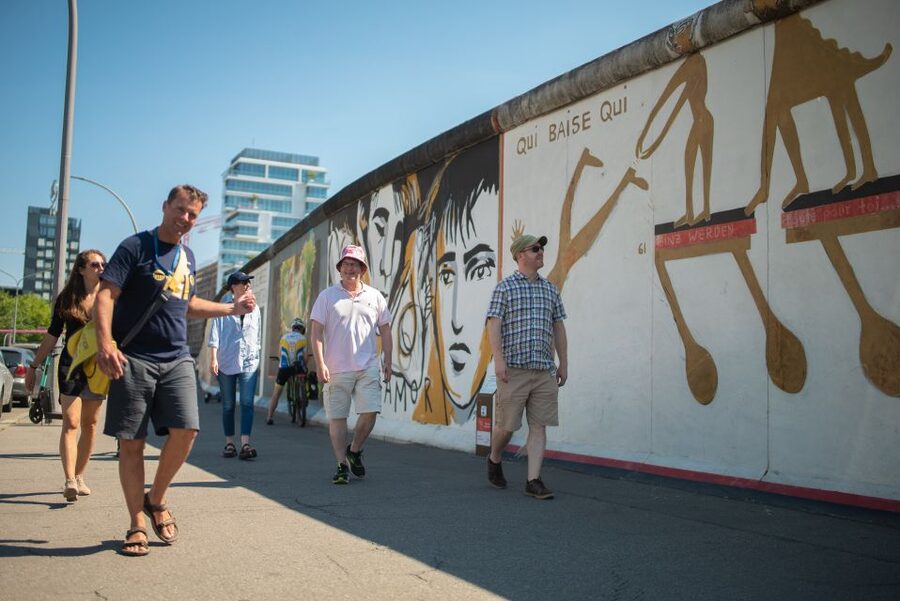
This is a walking tour, so your comfort matters. The good news is the timeframe is only 3 hours, which keeps the pace from dragging on.
Pickup is included, and you meet your guide by waiting 5 minutes in your hotel lobby around the scheduled pickup time. Your guide will be wearing a yellow name tag, which makes it easy to spot them even if you are juggling directions.
The guide operates in English and German, so you will not feel stuck if your German is rusty. The tour is also wheelchair accessible, which is useful to know if you need a route that works for mobility needs.
If you are the type who enjoys lively guiding, you are likely in for a good match. Past guides on this tour include people like Tom, Maria, and JJ, with a style that leans into humor and energy, not just facts.
Stop 1: Mitte After the Wall, Where Neglect Got Rebuilt
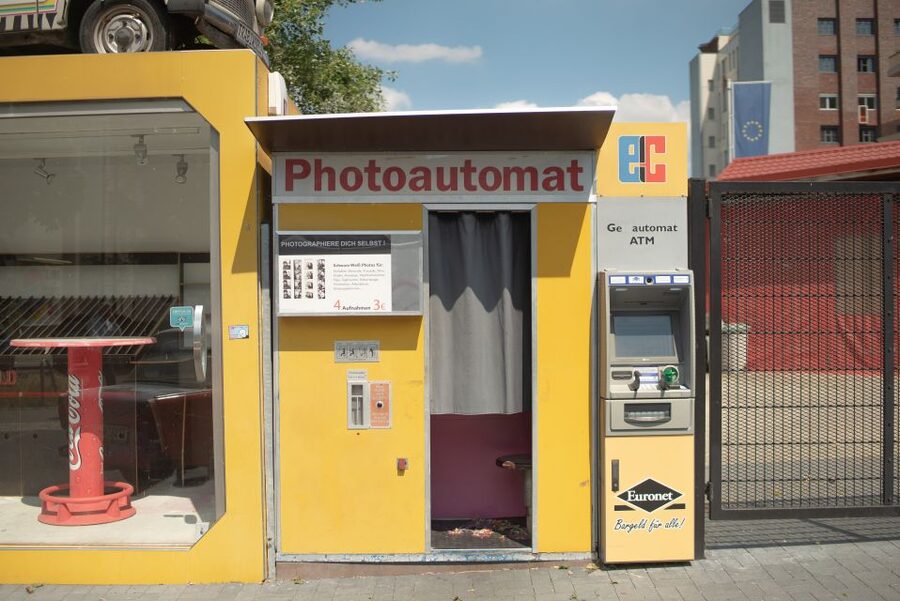
Mitte is often the starting point for Berlin storytelling, but this tour’s angle is different. Instead of only treating Mitte as a set of famous sites, you look at how the area’s buildings were restored after the Wall fell and why that mattered so fast.
You begin with the “once neglected” feeling, then you see what changed when attention, money, and new residents arrived. That shift is a big deal in Berlin, because restoration is not only about aesthetics. It is also about who gets to belong in a neighborhood again.
This is a great opener because it gives you a baseline for everything that follows. Once you understand what “restored after division” looks like in practice, the later contrasts in Prenzlauer Berg, Kreuzberg, and Friedrichshain start to make emotional sense, not just historical sense.
Prenzlauer Berg in Motion: From 90s Art Hub to Family-Friendly Cool
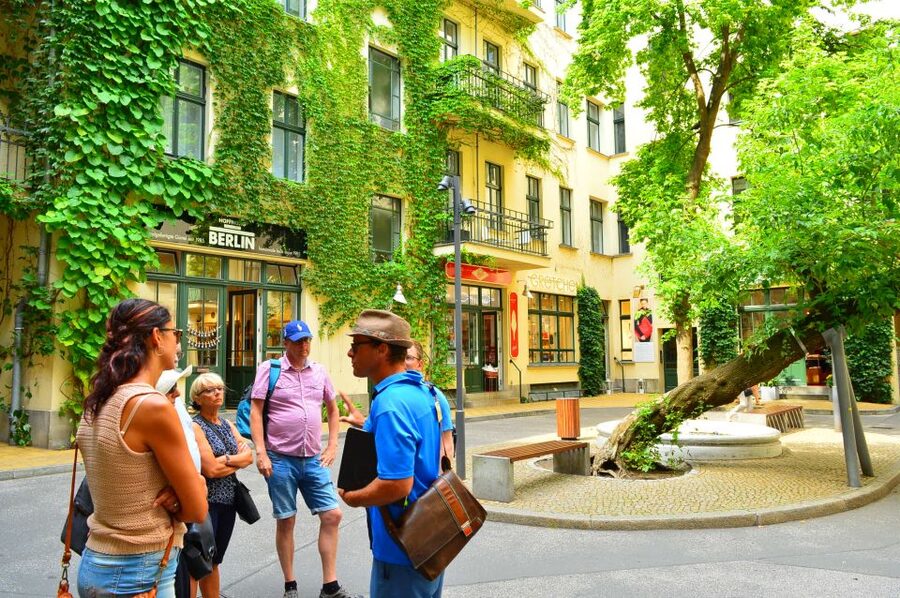
Next you head to Prenzlauer Berg, the neighborhood that became an artistic hub in the 90s. The tour’s message here is clear: those creative years did not just produce art, they also attracted people, and that changed the neighborhood’s social temperature.
Today, Prenzlauer Berg is described as pulling in upwardly mobile young professionals and families. That mix is exactly what you want to see on foot, because you can watch how street life and shop life evolve in real time.
If you like neighborhoods that feel designed for everyday living, this stop is where you will likely feel it most. You will see the aftereffects of alternative energy becoming mainstream, and you will get a guide’s help in understanding why that is both exciting and uncomfortable for some longtime residents.
Onward connections from Berlin:
Kulturbrauerei: An Old Brewery That Became a Culture Engine
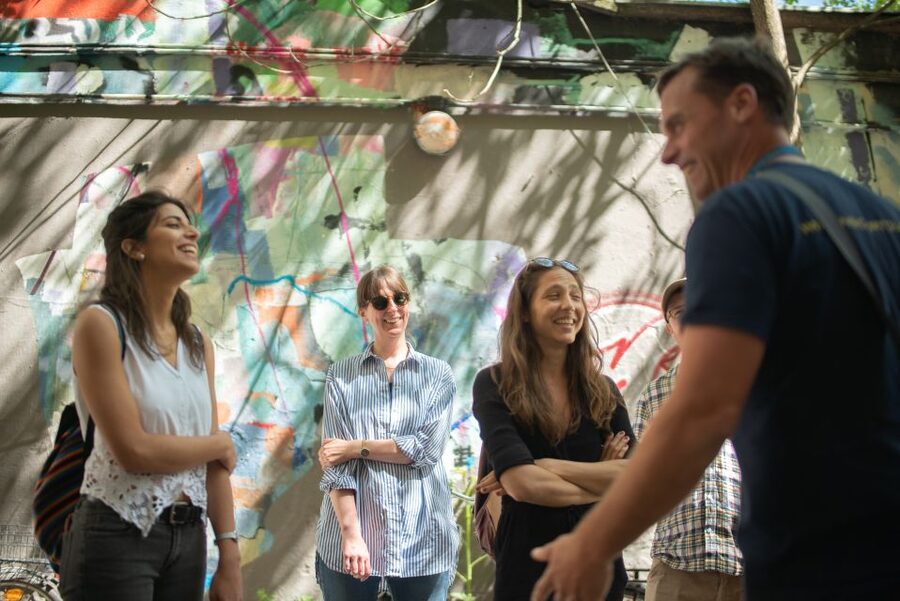
One of the most satisfying transitions on this route is the visit to Kulturbrauerei. The name sounds like a landmark, but the key point is what it used to be: an old brewery, now refurbished into a center for culture and the arts.
That transformation is not a random urban story. It mirrors what continues elsewhere in East Berlin, where space gets reused, ideas get repackaged, and neighborhoods learn new rhythms.
In this kind of stop, I love when the guide connects the physical place to the bigger theme. Here, you are not only looking at a building. You are seeing how Berlin turns industrial leftovers into meeting points for culture, and how that shapes who shows up.
Practical note: plan to look around slowly, because the site is a good place to notice the difference between “restored” and “reimagined.” Both can look good, but they feel different when you are walking through them with a guide explaining the shift.
Friedrichshain and Kreuzberg: Alternative Neighborhoods Under Pressure
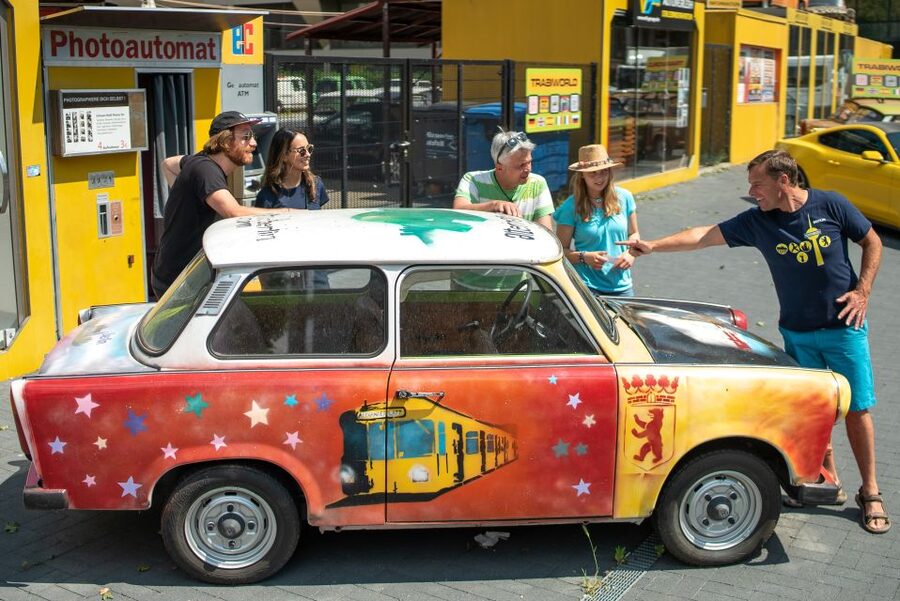
Then the tour turns more political, and it is one of the main reasons people choose this route. In Friedrichshain and Kreuzberg, left-wing residents are described as pushing back against attacks from corporate businesses and rent-raising landlords.
This is where you should pay attention to how the guide frames change. Berlin’s alternative reputation is not only about murals and music. It is also about power, who can afford to stay, and who gets priced out when a neighborhood becomes fashionable.
Walking through these districts gives you a reality check. You will likely see the visible signs of trend growth, but the guide also helps you understand the friction behind them.
This stop is ideal if you like tours that do not sugarcoat. Berlin has a lot of charm, but it also has hard trade-offs, and this is where you feel them.
East Side Gallery: Street Art With Political Overtones
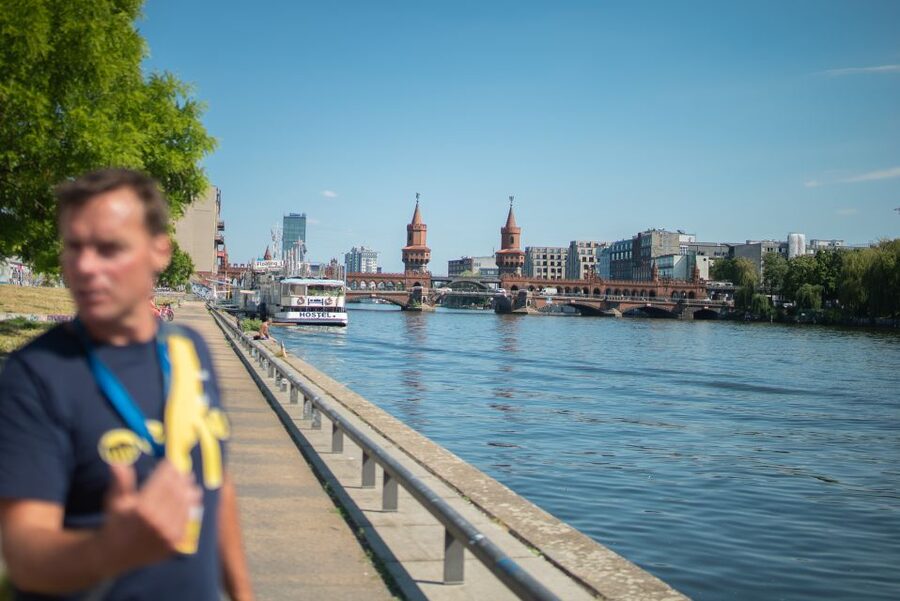
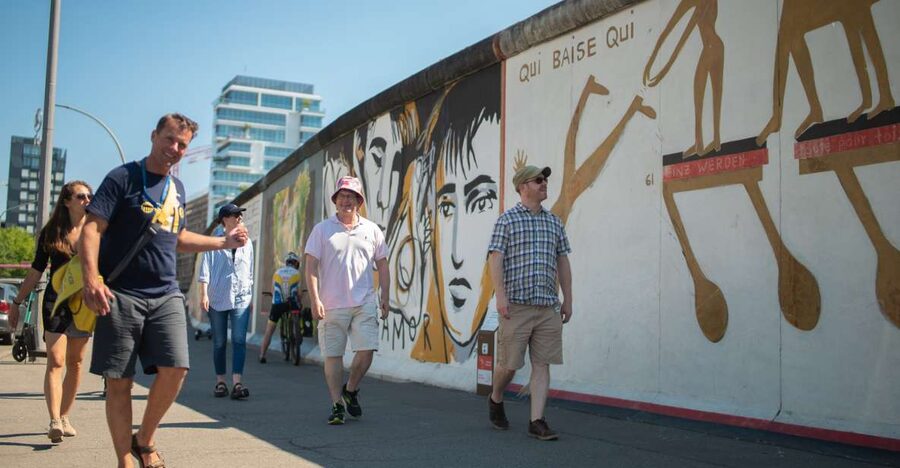
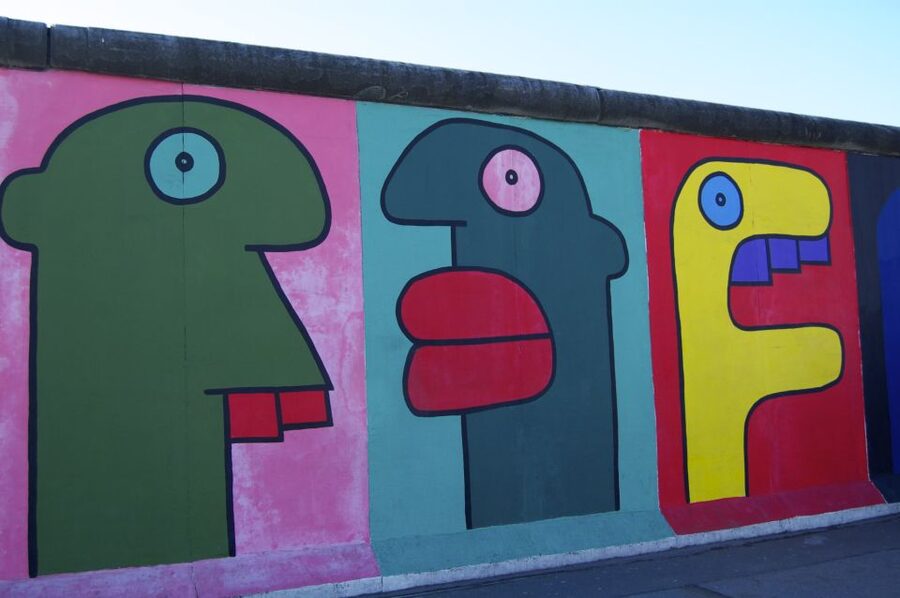
The day’s big art moment is the East Side Gallery, a colorful section of the Berlin Wall that is now the largest open-air gallery in the world. That alone makes it worth your time, but the tour does not treat it like a simple photo wall.
You will talk about the origins of Berlin’s street-art scene and the political overtones that run through it. The key idea is that street art here is not only decoration. It is communication, and it carries a memory of the city’s struggle with power and freedom.
If you have ever looked at a mural and wondered why that image looks urgent, this part helps you connect style to meaning. You can still enjoy the colors, but you start to see the context behind them.
One drawback to consider: because it is a famous stop, you may want to manage your expectations on how quiet it feels. The value comes from what you learn while standing there, not from expecting a private viewing.
Turkish Market by Landwehr Canal: A Local Ending With Live Energy
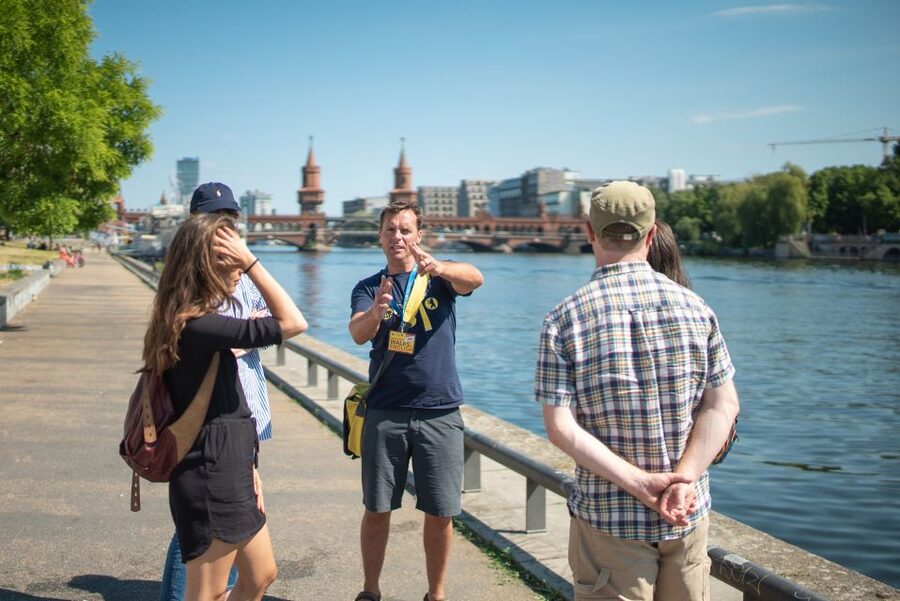
The tour ends with a crescendo at the Turkish Market on the banks of the Landwehr canal. This is not presented as a polished tourist stop. It is an outdoor bazaar with a weekly rhythm, originally built around fresh produce and authentic Turkish cuisine.
What makes the ending feel special is how the market has grown beyond the basics. You may find bright patterned fabric, artisans, local farmers, and even impromptu live music.
This is the kind of finish that helps you remember the tour as more than a timeline. Berlin’s reunification story is tied to people moving, cultures blending, and new community spaces forming. Ending here gives you that everyday reality in your last moments.
If you are the type who likes to keep your feet moving, you will probably want to linger a bit after the tour. The best souvenir you can take is the sense of how diverse Berlin can feel in one place.
Who This Tour Fits Best, and Who Should Skip It
This tour fits best if you want neighborhood understanding in a short window. If you enjoy walking, asking questions, and learning how city change affects real residents, you will get a lot from the themes of restoration, gentrification, corporate growth, and alternative resistance.
It also suits first-timers who want a smarter way to orient themselves. By the end, you will know how to place landmarks like Kulturbrauerei and East Side Gallery in a larger story about post-wall Berlin.
Skip this tour if you are only chasing major monuments and want minimal walking. You might also feel constrained if you hate the idea of no included food and you do not plan a snack. A small water bottle and a light meal strategy go a long way.
Finally, consider the schedule. The tour runs Tuesdays and Fridays from April to October, so it is not a year-round option.
Should You Book This Berlin Reunited and Revived Tour?
Book it if you want Berlin with context, not just views. I think it is especially strong for people who like the city’s contrasts, restored elegance in Mitte, the evolution of Prenzlauer Berg, the friction of Kreuzberg and Friedrichshain, and the wall-meets-street-art meaning at East Side Gallery.
It is also a good choice if you want a guide who can keep things lively. Past guiding styles mentioned include humor and high engagement, and that kind of energy makes a compact 3-hour route feel bigger than it is.
If you want a monument-only day, you may feel like it moves too fast. But if you want to understand what Berlin is like to live in now, and why people care, this is the kind of walk that delivers.
FAQ
How long is the Berlin Reunited and Revived tour?
The tour lasts 3 hours.
What is the price for the tour?
The price is $352 per group up to 20.
Do I get food or drinks during the tour?
No. Food and drinks are not included.
When does the tour run?
Tours run Tuesdays and Fridays from April to October.
Where does the pickup happen?
Pickup is included. You should wait in your hotel lobby 5 minutes before your scheduled pickup time, and the guide will be wearing a yellow name tag.
Is the tour wheelchair accessible?
Yes. The tour is wheelchair accessible.
Fresh on the arrivals board for Berlin
3-Hour Experiences, compared.

Munich’s Beer Halls and Breweries: 3-Hour Guided Tour
Read our review →
Browse the lists this tour appears in