
Reviewed · MUSEUMS
Berlin: Museum Europäischer Kulturen Entry Ticket
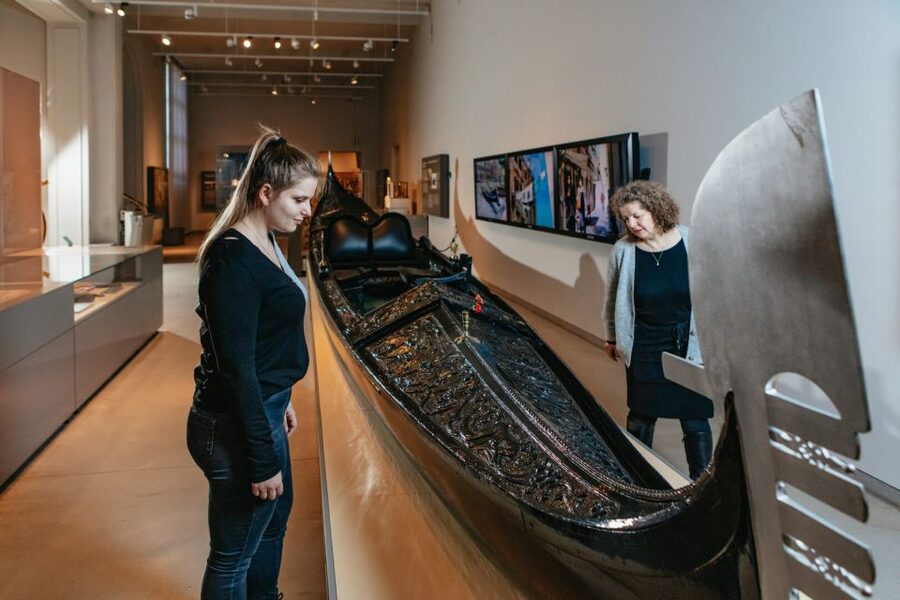
A museum ticket that connects daily life to big ideas. Museum Europäischer Kulturen uses everyday objects to tell Europe’s story, from the 18th century to today. I like how the exhibitions focus on cultural contact, meaning how Europeans influenced each other through art, craft, and daily routines.
My second big win is the permanent highlight, Cultural Contacts: Living in Europe, with research presented through the Contemporary Showcase. If you like “objects with context,” you’ll find plenty to think about. One drawback to plan for: this museum is not suitable for wheelchair users, and backpacks are not allowed.
In This Review
- Key Points Before You Go
- Museum Europäischer Kulturen Ticket in Berlin, What You Actually Get
- Timing Your One-Day Visit Around Closing Time
- Start With Cultural Contacts: Living in Europe
- How the Museum Uses Everyday Objects From the 18th Century to Today
- Temporary Exhibitions That Still Feel Connected to Real Life
- What to Look For: Cultural Contact, Art, Craft, and Sound
- Practical Notes, Masks, Backpacks, and Comfort
- Who This Works Best For (And Who Might Want Something Else)
- My Booking Verdict for $11 in Berlin
- FAQ
- How much does the Berlin Museum Europäischer Kulturen entry ticket cost?
- How long is the ticket valid?
- What is included with the ticket?
- What exhibitions should I plan to see?
- What time period do the museum exhibits cover?
- When does the museum close?
- Is a mask required?
- Are backpacks allowed inside the museum?
- Is the museum wheelchair accessible?
- Is the ticket refundable if plans change?
Key Points Before You Go
- Cultural Contacts: Living in Europe anchors the visit with a clear thread across time
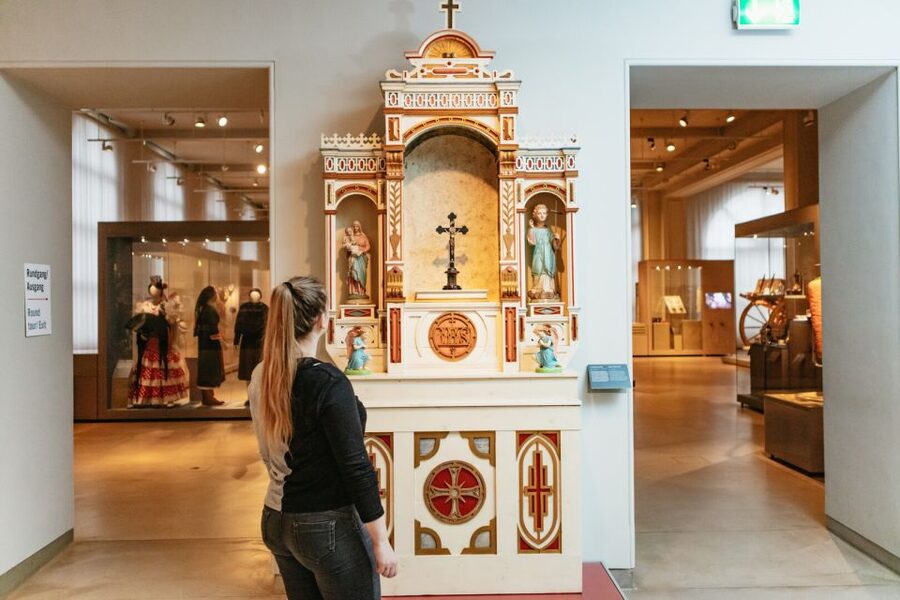
- Expect objects of everyday life across centuries, from the 18th century to today
- The museum connects art, crafts, music, and even culinary themes into one story of Europe
- Temporary exhibitions can hit current topics, including a fast vs slow fashion focus
- Check hours closely, it closes earlier on weekdays than on weekends
- The experience is built around “cultural contact,” not just national museum history
Museum Europäischer Kulturen Ticket in Berlin, What You Actually Get
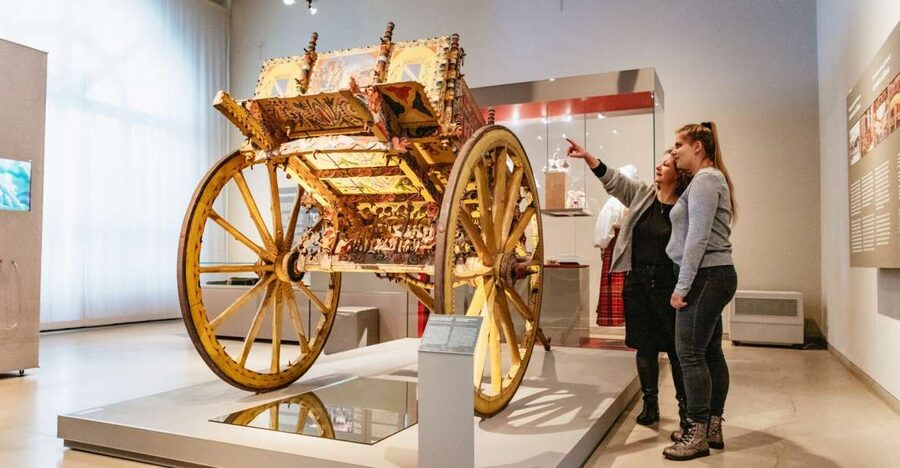
This is a focused, one-day entry ticket to the Museum Europäischer Kulturen in Berlin. For about $11 per person, you’re not paying for a big “theme park” style day. You’re buying time in a museum designed to show how European life looks, sounds, and feels, using artifacts and exhibitions that move across past and present.
What you’ll get access to is straightforward: entrance and the permanent exhibitions. That matters because it sets expectations. If your goal is to spend the day with one main narrative, the permanent side will do the heavy lifting. Temporary exhibitions may be a bonus, and sometimes they’re excellent, but the ticket’s core value is the permanent program.
The overall promise is also clear in the museum’s concept: you walk through cultural history as it changes from the historical collections to today’s issues. It’s the kind of museum visit that makes Europe feel less like a timeline and more like a lived place where ideas cross borders.
Timing Your One-Day Visit Around Closing Time
Because this is a 1-day ticket, the best strategy is to treat it like a museum window, not a vague “sometime today” plan. The museum closes at 5:00 PM from Tuesday to Friday, and at 6:00 PM on Saturday and Sunday. If you’re trying to fit it between other Berlin stops, Saturday and Sunday give you the extra hour.
Also, don’t assume you have unlimited time to wander slowly. The museum is set up for you to move between historical material and current issues. That shift in viewpoint can take mental energy, so I recommend you plan for a full visit length, not a quick look.
If you’re choosing your entry time, check starting times when you confirm availability. Since it’s valid for one day, picking a start that gives you a comfortable buffer before closing makes the day feel relaxed instead of rushed.
Start With Cultural Contacts: Living in Europe
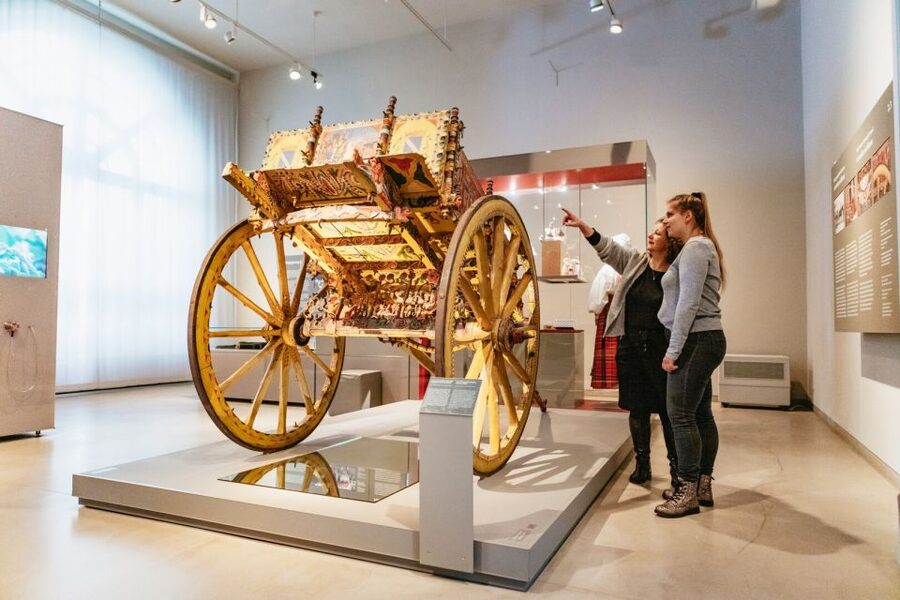
If you want the visit to make sense fast, begin with the permanent exhibition Cultural Contacts: Living in Europe. The museum’s whole idea centers on “cultural contact,” which is basically the story of how cultures meet, borrow, trade, copy, and change each other over time.
In this exhibition, you’ll see cross-sections of the collection alongside research presented through something called the Contemporary Showcase. The Contemporary Showcase is tied to a public study, so what you’re seeing is not only artifacts in glass. It’s also the research angle, meaning you get a reason for why the objects matter in the first place.
I like how this permanent focus gives you a backbone. Once you understand the theme, the objects around you start behaving like evidence. Instead of just looking at crafts or music-related displays, you’re asking the more interesting question: how did these things travel, and what changed when they arrived?
How the Museum Uses Everyday Objects From the 18th Century to Today
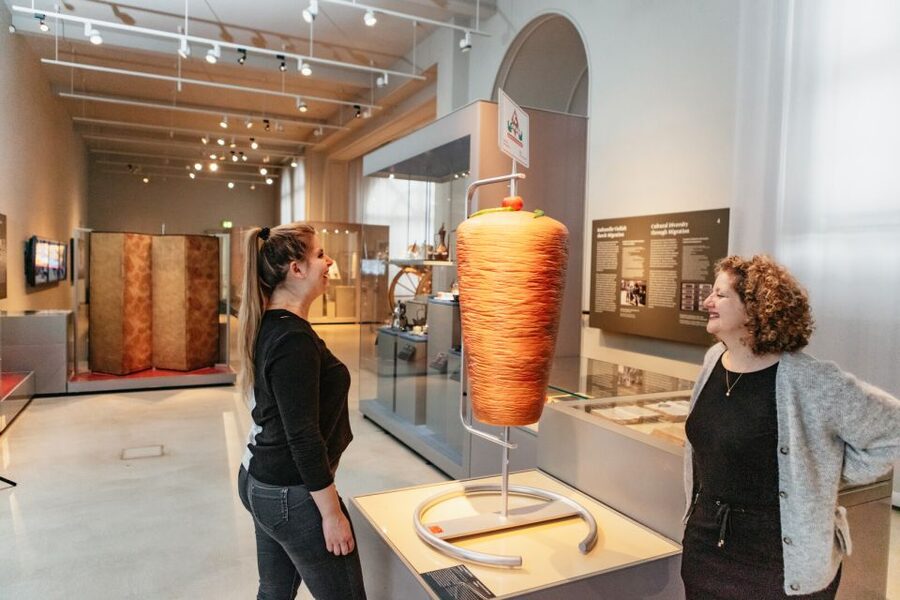
One reason this museum works is that it doesn’t treat “European culture” like something distant. It uses everyday culture as the entry point. You’ll run into arts and crafts, music, and culinary delights, all presented as part of a larger story.
The time span is also a big deal: the exhibits cover the 18th century to today. That range means you can compare how daily routines, taste, and creative expression evolved. Even if you’re not a “museum person,” this time jump is understandable because daily life always has parallels, even when fashions and politics change.
In terms of how the experience flows, it’s designed to take you from historical collections to contemporary issues. That shift is smart. It helps you see that the present is not some separate chapter. It’s part of a long conversation, with old patterns and new influences still mixing.
Temporary Exhibitions That Still Feel Connected to Real Life
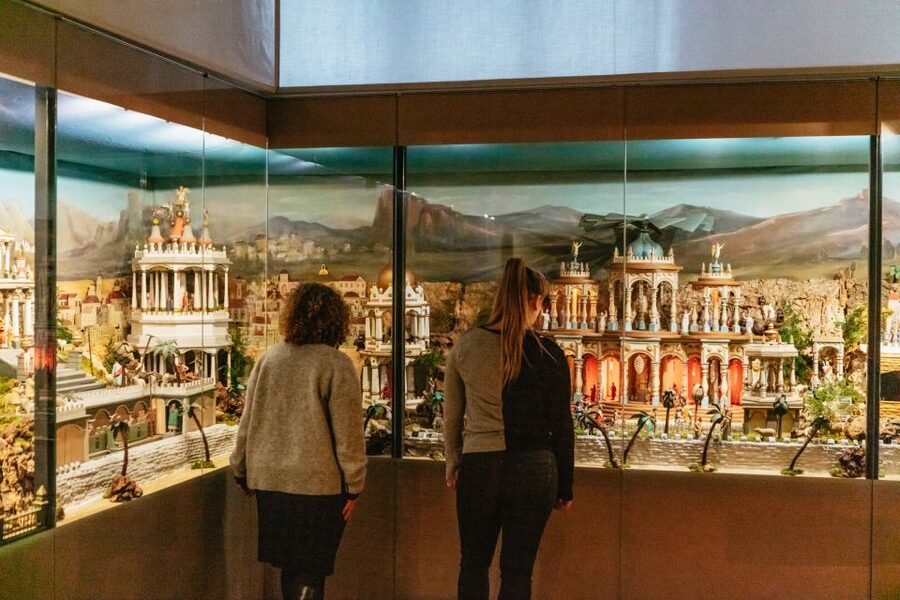
Even though your ticket specifically includes permanent exhibitions, you’ll still want to keep an eye on what’s on temporarily, because the museum has a habit of choosing topics that connect to everyday culture and modern debates.
A great example is the temporary exhibition that focuses on fast vs slow fashion. That topic fits the museum’s theme perfectly: how people create, buy, wear, repair, and throw away, and how those choices link to global supply chains and changing identities.
Here’s the practical tip: if you’re going on a day when a temporary exhibition is running, treat it as a second viewpoint on the same questions you’re already exploring in the permanent galleries. It keeps your brain from bouncing between unrelated shows. Instead, you get a steady thread of culture and exchange.
Also, one short reality check. Temporary exhibits aren’t listed as part of what’s included in the ticket details. So if a specific temporary show is your top reason for visiting, confirm what’s available on your date before you count on it.
What to Look For: Cultural Contact, Art, Craft, and Sound
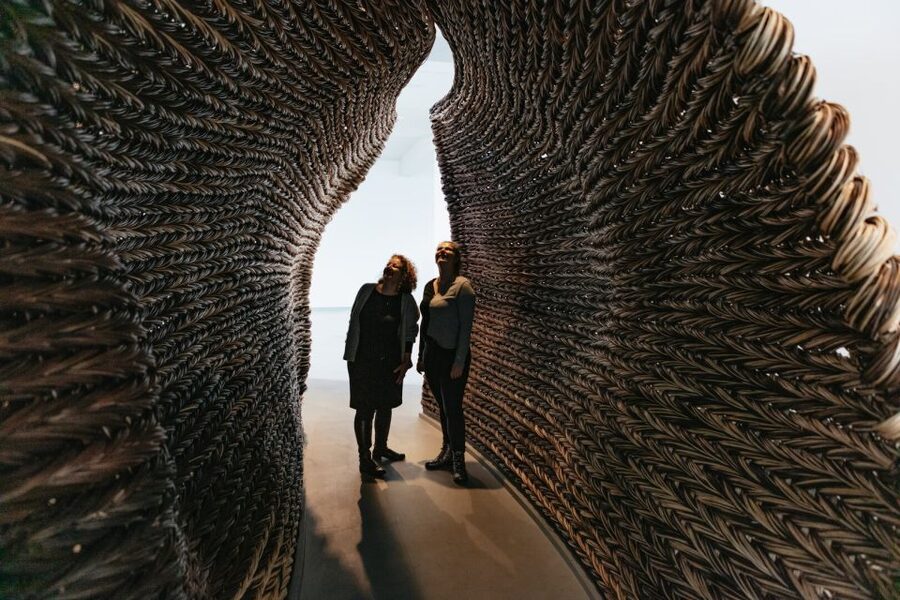
This museum rewards active looking. The biggest “win” is learning to read objects as messages. The phrase “cultural contact” shows up as a guiding idea, so you can use it like a lens as you move room to room.
When you see arts and crafts, ask yourself how the design language might have traveled or transformed. With music-related displays, look for evidence of exchange, influences, or shared styles. And with culinary themes, pay attention to what the museum suggests about everyday tastes and social habits, not just ingredients.
One more angle: the museum’s concept includes both art and everyday culture. That means you can get meaning even from objects that might not look dramatic at first glance. I like this because it makes the museum feel closer to real life. You’re not only admiring masterpieces. You’re learning how people lived, expressed themselves, and connected across boundaries.
And yes, the temporary and permanent exhibitions feel thoughtfully arranged. When something is placed well, you spend less time wondering what you’re supposed to notice and more time noticing it.
Practical Notes, Masks, Backpacks, and Comfort
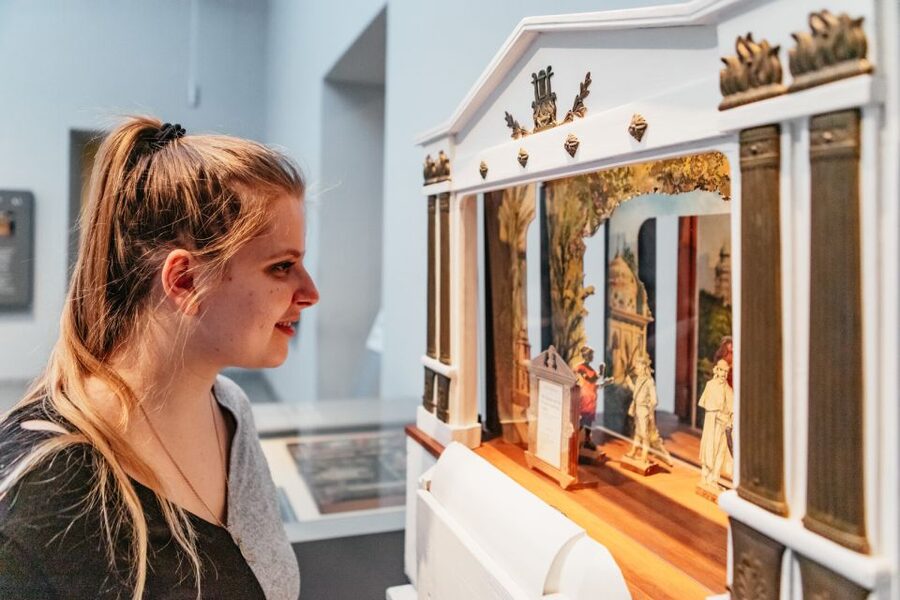
Small rules here do matter. Backpacks are not allowed, so plan to travel light. If you have a bag with you, consider storing it before you arrive so you’re not stuck deciding what to carry at the door.
On health items: wearing a medical or FFP2 mask is recommended but not mandatory. So you have flexibility. If you prefer extra protection indoors, bring one. If not, you’re not required to wear it based on the details provided.
Also consider comfort and access. This museum is not suitable for wheelchair users, so plan an alternative route or museum if mobility access is essential for your group.
Finally, keep an eye on the closing time. Museums that focus on theme and transitions can take longer than you expect because your attention keeps switching between time periods and issues. Build in buffer time so you don’t feel like you have to sprint.
Who This Works Best For (And Who Might Want Something Else)
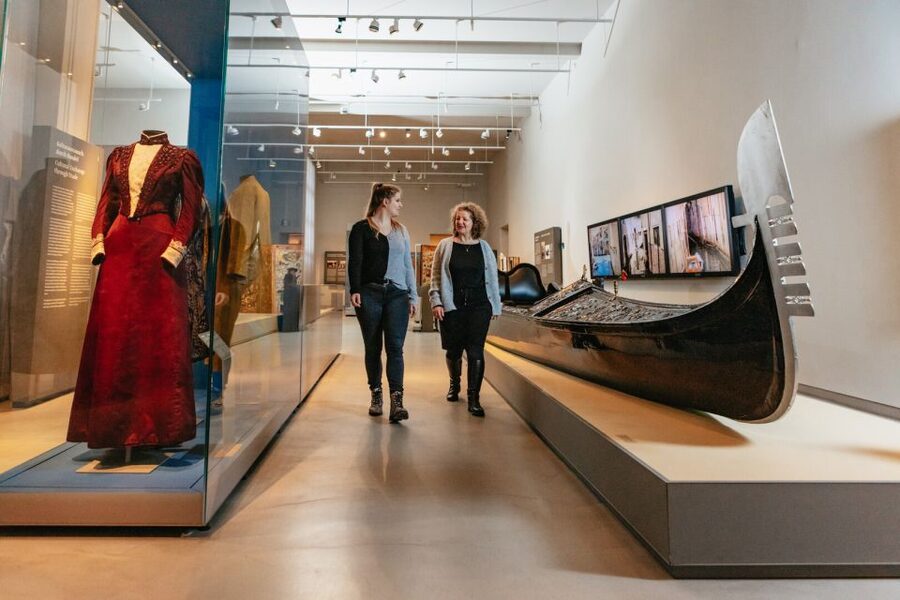
This ticket is best for you if you enjoy connecting art and objects to human stories. You’ll likely feel at home if you like thinking about Europe as a place of exchange, not just separate countries with separate museum collections.
It’s especially good for:
- People who want a 1-day museum with a clear thematic thread
- Anyone interested in everyday culture, not only grand historical events
- Visitors who like permanent exhibitions with a research angle, like the Contemporary Showcase concept
It may be less ideal if:
- You need wheelchair accessibility (the provided info says it is not suitable)
- You rely on bringing a backpack (backpacks are not allowed)
- You’re looking for a quick “hit list” museum. This one works better if you slow down and follow the theme
My Booking Verdict for $11 in Berlin
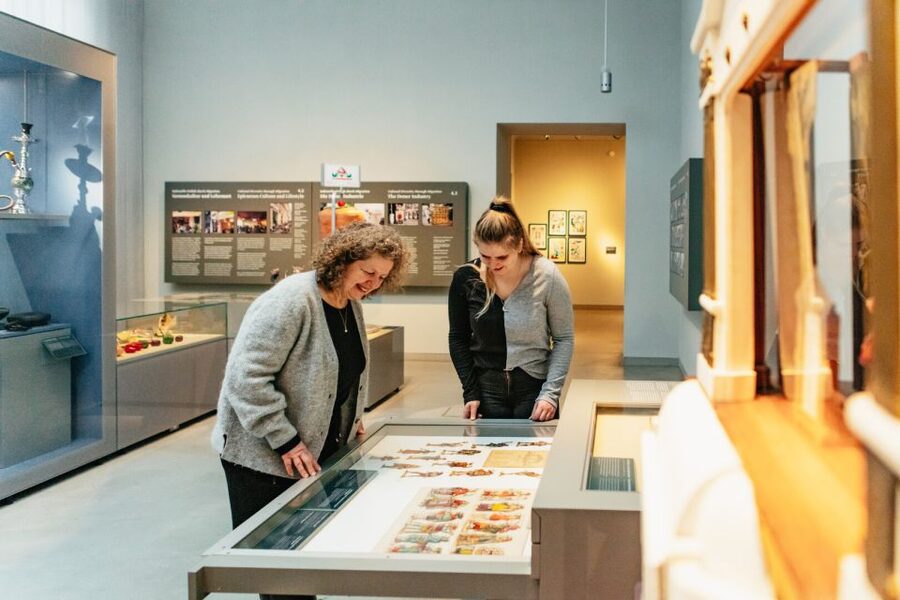
For $11, this is strong value if you want a permanent-exhibition-led day. The price is low enough that you’re not gambling on a short stop, and the museum’s focus on cultural contact, everyday life, and cross-century material is exactly the kind of experience that sticks with you.
If you love museums that ask you to connect objects to ideas, you’ll probably leave with more than photos. You’ll have a framework for understanding how cultural exchange shaped European life, and you’ll likely appreciate the way current issues are brought into the conversation.
If you need wheelchair access, or if you hate the idea of traveling without a backpack, then this probably isn’t your best fit. Otherwise, it’s an easy yes for a thoughtful Berlin museum day.
FAQ
How much does the Berlin Museum Europäischer Kulturen entry ticket cost?
The price is $11 per person.
How long is the ticket valid?
It’s valid for 1 day.
What is included with the ticket?
The ticket includes entrance to the museum and the permanent exhibitions.
What exhibitions should I plan to see?
Focus on the permanent exhibition Cultural Contacts: Living in Europe, along with the permanent exhibition program.
What time period do the museum exhibits cover?
The museum includes everyday European culture artifacts from the 18th century to today.
When does the museum close?
It closes at 5:00 PM from Tuesday to Friday, and at 6:00 PM on Saturday and Sunday.
Is a mask required?
A medical or FFP2 mask is recommended but not mandatory.
Are backpacks allowed inside the museum?
No, backpacks are not allowed.
Is the museum wheelchair accessible?
No, it is not suitable for wheelchair users based on the provided information.
Is the ticket refundable if plans change?
No, the activity is non-refundable.
Halls Between Trains
- Berlin: Jewish Museum Berlin Entrance Ticket
★ 4.5 · 8,393 reviews - Berlin: DDR Museum Tickets
★ 4.3 · 3,443 reviews - Berlin: Natural History Museum Entrance Ticket
★ 4.6 · 3,382 reviews - Berlin: Neues Museum Entry Ticket
★ 4.6 · 3,261 reviews
Museums, compared.



Skip-the-Line: Berlin Wall Museum at Checkpoint Charlie
Read our review →Browse the lists this tour appears in