
Reviewed · CITY TOURS
Berlin: Hansaviertel “The City of Tomorrow” Guided Tour
Berlin’s 1957 dream still stands in Hansaviertel. On this 2-hour guided walk, I love how Hansaviertel pairs bold modernist buildings with daily city life, and how the story ties back to the International Building Exhibition 1957 plan. One consideration: it is a steady walk, and in winter you may wish the timing offered more daylight.
You’ll cover key design landmarks without turning it into a museum sprint. I especially like the mix of famous names and local context, including stops around Hansaplatz station, the library, and the hospital, plus architecture highlights like the Müller-Rehm/Siegmann House and the Gropius-Haus.
In This Review
- Key highlights at a glance
- Why Hansaviertel feels like Berlin’s thinking room
- Entering the 1957 plan, from meeting point to walking rhythm
- Berlin Pavilion: the starting point for postwar optimism
- Müller-Rehm/Siegmann House: architecture as a real neighborhood solution
- Gropius-Haus: design you can read by its shapes
- Kaiser-Friedrich Memorial Church: modern design with the weight of time
- Hansaplatz station, library, and hospital: the practical side of city planning
- The Van den Broek House and the Schwippert House: variety within one vision
- The Swedish House: an international touch in a Berlin plan
- Academy of Art: design thinking beyond the exhibition years
- What the guide adds, and how Tobias and Mr Schwabe shape the story
- Price, timing, and whether $23 makes sense for you
- Who this Hansaviertel architecture walk is perfect for
- Should you book the Hansaviertel City of Tomorrow tour?
- FAQ
- How long is the Berlin Hansaviertel City of Tomorrow guided tour?
- How much does the tour cost?
- Is this a walking tour?
- What’s included in the tour?
- What languages are the guides?
- Is the tour wheelchair accessible?
- Where is the meeting point?
- Is there free cancellation?
- Can I reserve and pay later?
Key highlights at a glance
- A 2-hour walk through Hansaviertel’s 1957 modernist vision
- Stops focused on major buildings like the Berlin Pavilion, Gropius-Haus, and Kaiser-Friedrich Memorial Church
- Hansaplatz station, the library, and the hospital for real city context
- Architecture variety, including the Müller-Rehm/Siegmann House, Van den Broek House, Schwippert House, and the Swedish House
- An English or German live guide who keeps the design story practical
Why Hansaviertel feels like Berlin’s thinking room
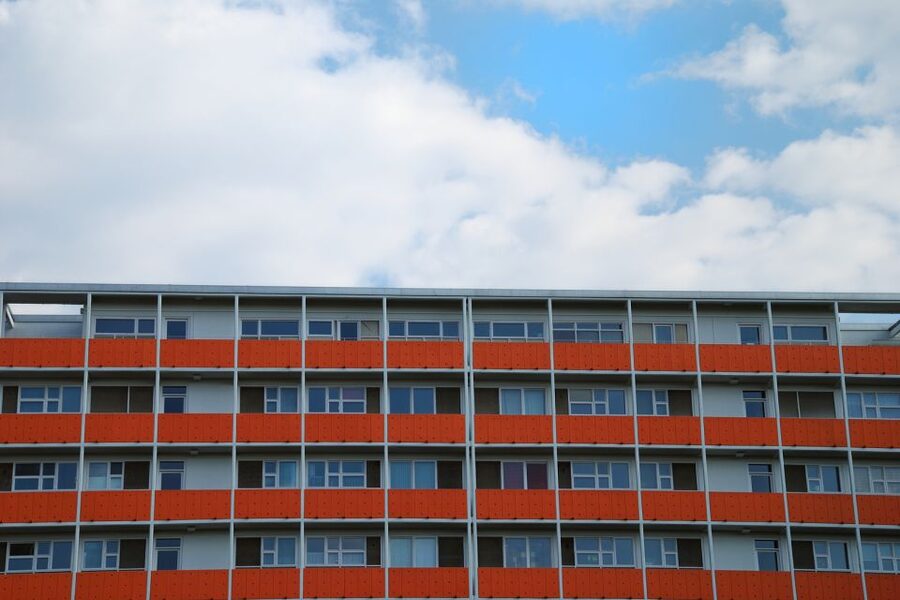
Hansaviertel is one of those Berlin districts where you can read the past by looking at shapes, spacing, and how buildings sit in their streets. The tour frames it as a “city of tomorrow,” created with modern urban development principles in mind for the International Building Exhibition of 1957.
What I like is how the walk doesn’t treat architecture as pure decoration. It connects the buildings to planning ideas: structured, spacious urban living, a concept that still shows up in what you see today.
The effect is pretty memorable. You start noticing patterns, not just facades, and the district starts to make sense as a designed environment, not random postwar construction.
Also holding a platform in Berlin
- Berlin: Reichstag, Dome and Government District Guided Tour
★ 4.7 · 18,288 reviews - Berlin: 1-Hour City Tour by Boat with Guaranteed Seating
★ 4.3 · 16,993 reviews - Berlin: TV Tower Standard Entrance Ticket
★ 4.4 · 15,883 reviews
Entering the 1957 plan, from meeting point to walking rhythm

You’ll meet your guide at a location that can vary by option booked, then head out on a leisurely walking route through the Hansaviertel area. The whole experience is designed to take about 2 hours, so it works well as an add-on when you want something more focused than a general sightseeing loop.
The guide leads in English or German, which matters because the “why” behind the buildings is a big part of the value. Even if you do not consider yourself an architecture person, the explanations help you recognize what each building was trying to solve.
One more practical note: the tour is wheelchair accessible, which is a huge plus for travelers who want an easy, guided way to see a specific pocket of Berlin without piecing together transit and stops on your own.
Berlin Pavilion: the starting point for postwar optimism
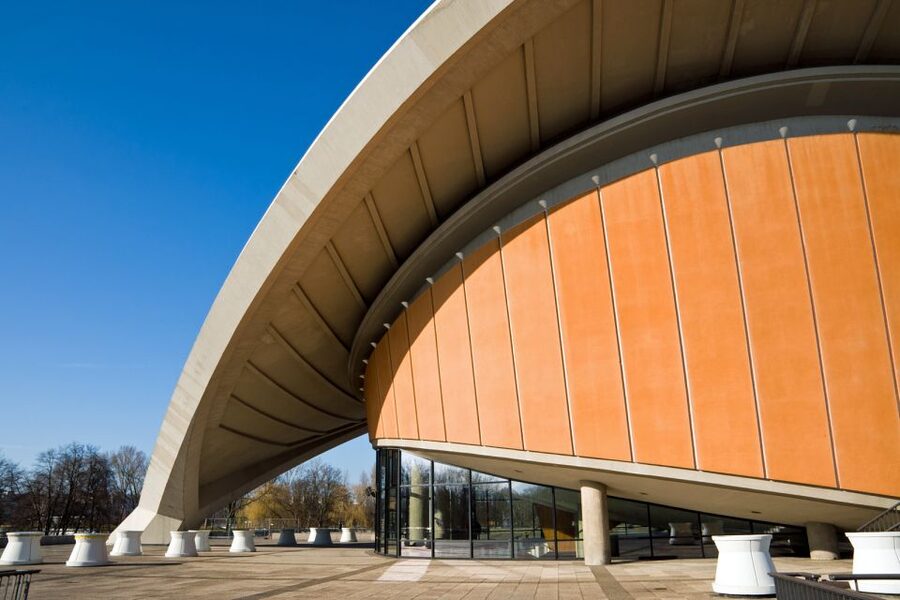
The Berlin Pavilion is one of your early anchors on the route. This is where the tour mindset clicks into place, because the pavilion represents how the 1950s were trying to rebuild not just cities, but confidence and ideas about the future.
When you look at it on the street level during a walking tour, you get a feel for the exhibition-era ambition. It’s less about collecting trivia and more about understanding how that period tried to translate planning theories into built form.
If you like architecture that has a mission, the Berlin Pavilion stop is the one that sets the tone for everything that follows.
Müller-Rehm/Siegmann House: architecture as a real neighborhood solution
Next up is the Müller-Rehm/Siegmann House, another highlight that helps you see how modernism was meant to work in daily life. On this tour, the point is not only to admire the design, but to understand the logic behind it.
I find this kind of stop especially helpful because it turns architecture into something you can picture yourself living with. It’s about how buildings relate to light, space, and movement through a district that was planned rather than grown organically.
And since you’re walking, you don’t just stare at one structure. You start noticing how the setting around the building supports the idea, which is exactly the kind of detail that is easy to miss if you only look from afar.
Gropius-Haus: design you can read by its shapes
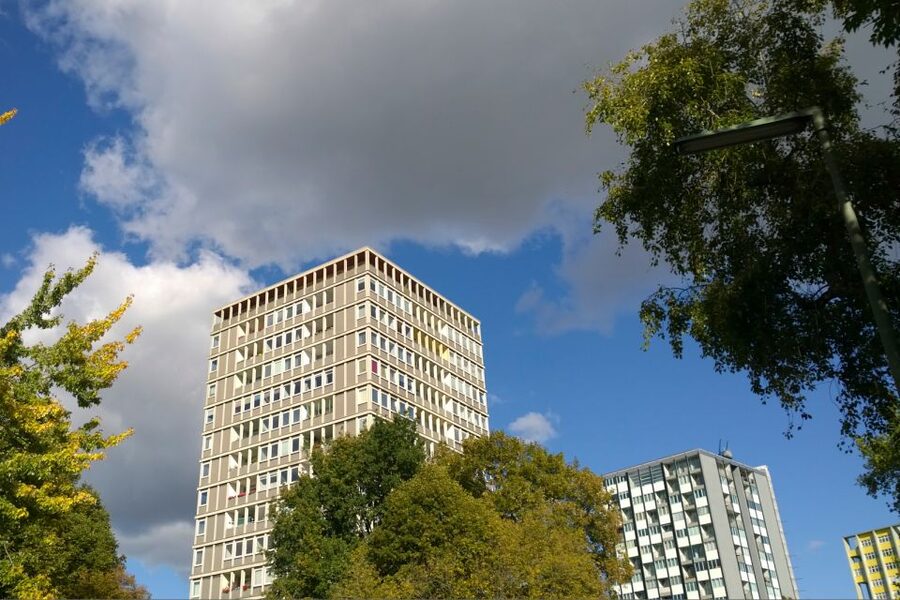
The Gropius-Haus is one of those buildings that feels instantly recognizable once you know what you’re looking for. The tour encourages you to pay attention to the design approach, not just the name.
What’s valuable here is the connection back to the post-1950s push for modern urban development. The tour frames these buildings as part of a “structured, spacious city,” which helps you interpret why the form looks the way it does.
You’ll also get the benefit of hearing the story in a guided format. Instead of guessing what matters, you get a clear lens for noticing the features that reflect that planning philosophy.
Onward connections from Berlin:



Kaiser-Friedrich Memorial Church: modern design with the weight of time
The Kaiser-Friedrich Memorial Church adds a different emotional register to the tour. You’re moving through a district shaped by modern ideas, but this stop reminds you that Berlin history does not wait politely for new construction to finish.
On the walk, this contrast helps you understand the district as more than an exhibition showcase. It’s a living neighborhood where architecture exists alongside memory.
If you’re the type who appreciates how cities carry layers at once, this is a strong stop. It also gives your brain a reset between the more design-forward houses.
Hansaplatz station, library, and hospital: the practical side of city planning
This is a big reason I’d recommend the Hansaviertel architecture experience even if you’re not a die-hard architecture fan. The tour doesn’t stay stuck on landmark buildings; it includes everyday institutions around Hansaplatz.
You’ll pass Hansaplatz station, the Hansaviertel Library, and the Hansaviertel Hospital. That trio matters because it shows what the “city of tomorrow” concept aimed to support: community services and daily rhythms, not only iconic structures.
For travelers, the payoff is clear. You finish the walk with a better sense of how the district functions, and you can recognize the difference between a district that was designed for exhibitions and one designed for long-term living.
The Van den Broek House and the Schwippert House: variety within one vision
The route includes the Van den Broek House and the Schwippert House, both of which help show the range of approaches inside the same overarching planning idea. This is where Hansaviertel becomes a lesson in how different architects interpret modernism.
I like that the tour keeps the focus on what you can observe in the buildings and their surroundings. You aren’t overloaded with theory, and you aren’t left with just a list of names.
Instead, you get a sense that “city of tomorrow” was not one single style. It was a shared goal with many possible interpretations, which makes the walk more interesting to repeat than you might expect.
The Swedish House: an international touch in a Berlin plan
The tour highlights the Swedish House as well, reinforcing the idea that Hansaviertel was shaped not just by local architects. The International Building Exhibition of 1957 pulled in national and international architects, and this stop gives you a visible reminder of that cross-border influence.
As you walk, this matters because you start noticing subtle differences in how buildings express modern ideals. The tour helps you connect those differences to the broader theme: a district designed as a showcase for international approaches to urban living.
If you like travel experiences where you can spot the “why” behind stylistic shifts, this stop is a satisfying moment.
Academy of Art: design thinking beyond the exhibition years
The Academy of Art appears on the route too, and it gives the tour an extra layer. You can see how art and design are not only historical artifacts, they are part of education and ongoing creative work.
This stop also ties back to the tour’s main theme: Hansaviertel as a planned environment built to express ideas about the future. Seeing an art-focused institution within the district helps you connect that future-thinking to real-world institutions.
It’s a good finale because it makes the walk feel less like a closed chapter. The district is still in use, still connected to creative life, and still readable through the lens of design.
What the guide adds, and how Tobias and Mr Schwabe shape the story
The success of a tour like this depends on explanation, not just sightseeing. A live guide in English or German turns architecture from static objects into a story you can follow, including the intended planning principles behind the “structured, spacious city” concept.
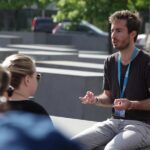
From what you can expect in the guides named for this experience, you’ll likely hear a friendly, human approach, with room for questions and moments of humor along the way. That style matters because architecture talk can easily become dry, but on this route it tends to stay grounded in clarity.
If you’re traveling with someone who thinks architecture tours are boring, this is the kind of guide that can change that view by making the design ideas feel practical.
Price, timing, and whether $23 makes sense for you
At $23 per person for a 2-hour walking tour, this is priced like an accessible entry into a very specific Berlin topic. You’re paying for a guide-led experience that focuses on a defined district, plus a tight route that hits multiple major buildings without requiring extra planning.
That timing also helps. Two hours is long enough to connect dots between stops, but short enough that you can still have energy for the rest of your day in Berlin.
One consideration, especially in winter: a couple of hours can feel short when daylight is limited, and there’s an understandable wish for earlier starts during colder months. If you’re sensitive to timing, pick a departure that gives you daylight comfort.
Who this Hansaviertel architecture walk is perfect for
This tour is a strong fit if you want architecture with context. You’ll enjoy it if you like understanding how postwar planning shaped what you see now, and if you care about how buildings relate to services and public life.
It’s also a good match for mixed groups. Someone can enjoy the modernist buildings by eye, while someone else can focus on the district’s history and urban development themes. The stops are varied enough to keep different interests engaged.
If you only want the biggest Berlin monuments and don’t care about architectural design, you might find the focus too narrow. But if you want a smarter, calmer side of Berlin that you can walk through in one session, Hansaviertel delivers.
Should you book the Hansaviertel City of Tomorrow tour?
I think you should book it if you want a guide to translate modernist buildings into something you can actually understand and remember. The combination of major architecture highlights, everyday institutions around Hansaplatz, and the 1957 planning story is a rare balance for a short, walkable outing.
If you’re traveling with limited time, this is also a practical choice, because it is only 2 hours and keeps you concentrated in one district. Just choose your start time with the season in mind, since the walk is the main activity.
Go in expecting design and planning, not a rapid-fire highlights bus tour. If that sounds like your kind of Berlin, you’ll come away with a district that feels readable, not just photographed.
FAQ
How long is the Berlin Hansaviertel City of Tomorrow guided tour?
The tour lasts 2 hours.
How much does the tour cost?
The price is $23 per person.
Is this a walking tour?
Yes. It is a guided walking tour.
What’s included in the tour?
It includes a walking tour and a tour guide.
What languages are the guides?
The live tour guide is available in English and German.
Is the tour wheelchair accessible?
Yes, the tour is wheelchair accessible.
Where is the meeting point?
The meeting point may vary depending on the option booked.
Is there free cancellation?
Yes. You can cancel up to 24 hours in advance for a full refund.
Can I reserve and pay later?
Yes. You can reserve now and pay later.
Fresh on the arrivals board for Berlin




City Tours, compared.
1-Hour City Tour by Boat with Guaranteed Seating
Read our review →
Berlin City walk Government District and Places of Democracy
Read our review →
City History Canal Sightseeing Tour on a Motorboat
Read our review →

Browse the lists this tour appears in