Reviewed · BERLIN TOURS & ACTIVITIES
Berlin: Hansaviertel Modernist Architecture Tour
Modern Berlin starts quietly in Hansaviertel. Between the Spree and the Tiergarten, this district was rebuilt as a Cold War model neighborhood, and the story runs from 19th-century villas to 1957 Interbau modernism. I like that the walk keeps the big ideas grounded in real streets and real people.
I also love the way the tour connects architecture to lives. You’ll hear about the earlier Hansaviertel as a middle- and upper-class enclave, with named residents like Rosa Luxemburg, Nelly Sachs, and Käthe Kollwitz, then you’ll see how the neighborhood’s identity was reshaped after war. The guide structure helps you take in a lot without feeling overloaded.
One consideration: it is mostly an outdoor walking experience, so you see the buildings rather than going inside them. If you were hoping for apartment or interior access, you may feel it is a bit limited, especially during the Interbau era portion.
In This Review
- Key highlights you should not miss
- Hansaviertel: the Cold War district most people walk past
- Where the walk begins, and why the start location matters
- From villas and gardens to famous names with complicated stories
- The quiet memorial stop that changes the tone
- Interbau 1957: how rubble became a Cold War message
- The modernist walking portion: Gropius, Niemeyer, Aalto, and what to notice
- How the guide turns streets into a story you can remember
- Interpreting the question: does it still feel modern?
- Practical value: is $29 worth it for two hours?
- Who should book this tour, and who might want a different option
- Quick tips so you enjoy Hansaviertel more
- Should you book the Berlin Hansaviertel Modernist Architecture Tour?
- FAQ
- Where does the tour start?
- How long is the Hansaviertel Modernist Architecture Tour?
- What language is the tour in?
- Is the tour wheelchair accessible?
- Is it suitable for children?
- What should I bring?
- Are food and drinks included?
- Does the tour include entry to museums or monuments?
Key highlights you should not miss
- A Cold War neighborhood built as a living experiment, not a museum piece
- Interbau 1957 turned WWII rubble into a West Berlin showcase
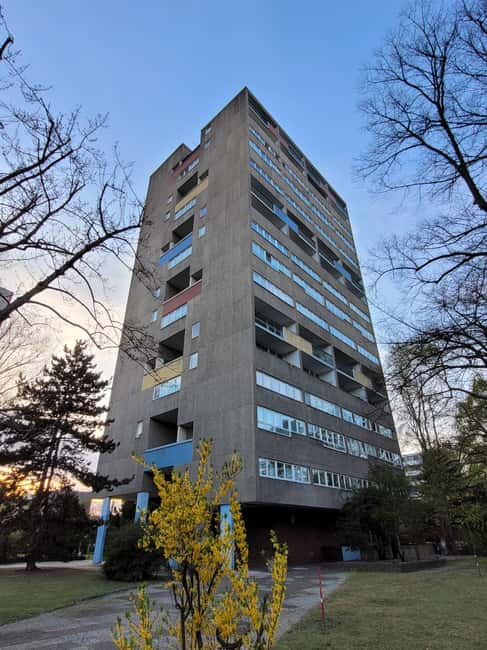
- Modernist stars in one walk, including Walter Gropius, Oscar Niemeyer, and Alvar Aalto
- A reflective stop tied to Jewish life erased by Nazi persecution and bombing
- A friendly, well-paced guide format, with room for extra questions
- Easy-to-follow route between Biergarten sites and Hansaplatz
Hansaviertel: the Cold War district most people walk past
If Berlin is a greatest-hits city, Hansaviertel is the odd track that you later realize shaped a whole playlist. This neighborhood sits between the Spree and the Tiergarten, so you get that rare mix of water air, park quiet, and hard-edged political history.
What makes this tour work is its time-machine feel. You start with the late 19th-century story when Berlin was booming fast and growing upward in class and style. Then the route takes you into postwar West Berlin, where modernism was not just design, it was a claim about how the future should function.
And yes, you will see modernist giants, but you’ll also learn to notice how their ideas affected daily life, from building layouts to the feel of space. That matters, because it turns architecture from a postcard into something you can actually read as a social plan.
Also holding a platform in Berlin
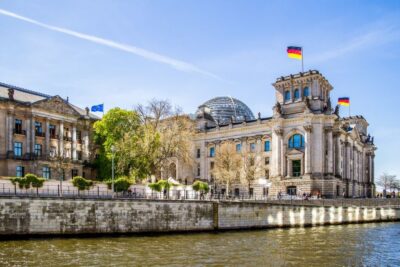
- Berlin: Reichstag, Dome and Government District Guided Tour
★ 4.7 · 18,288 reviews - Berlin: 1-Hour City Tour by Boat with Guaranteed Seating
★ 4.3 · 16,993 reviews - Berlin: TV Tower Standard Entrance Ticket
★ 4.4 · 15,883 reviews
Where the walk begins, and why the start location matters
You’ll meet near the Berlin-Tiergarten S-Bahn area by the beer garden called Biergarten der Tiergartenquelle. Practically, that’s helpful because you can arrive, orient yourself, and get your bearings before the story starts rolling.
The tour begins at Biergarten der Tiergartenquelle and continues through Hansaviertel, ending at Hansaplatz. Expect a comfortable but steady pace, since you are walking and standing for about 2 hours total.
Look for the guide with the orange umbrella. This is one of those small details that saves time, especially if you arrive a few minutes early and the group is already forming.
From villas and gardens to famous names with complicated stories
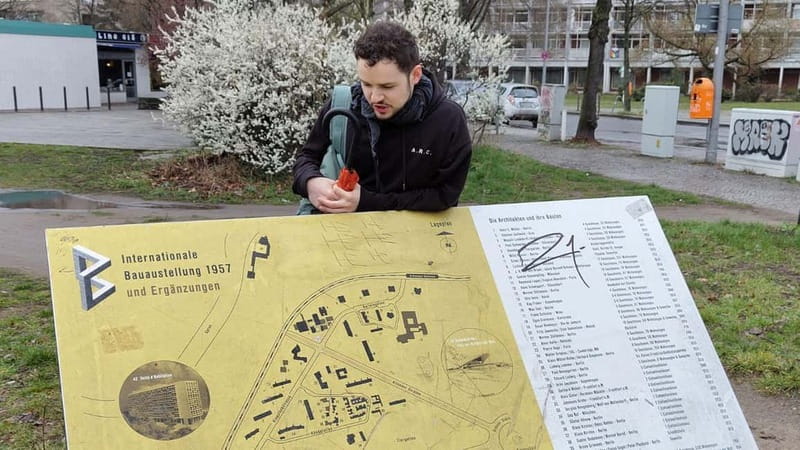
Before the modernist showcase era, Hansaviertel had its own elegant identity. The neighborhood grew as a middle- and upper-class enclave, with villas, manicured gardens, and façades designed to signal status without needing to say a word.
This is where the tour does something smart: it gives you context for why people chose this kind of place. When you understand the social logic of the prewar neighborhood, the postwar reinvention hits harder, because you can see what was gained and what was lost.
You’ll also hear about several notable residents connected to the wider Berlin cultural and political landscape, including Rosa Luxemburg, Nelly Sachs, and Käthe Kollwitz. Even without getting buried in details, their names act like anchors, reminding you that architecture was never separate from the people who lived under those roofs.
The quiet memorial stop that changes the tone
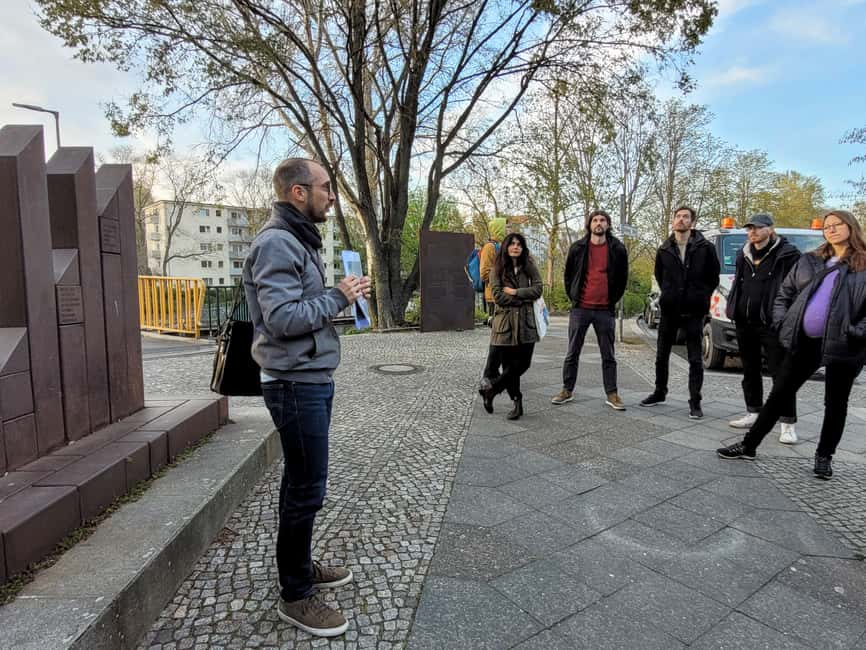
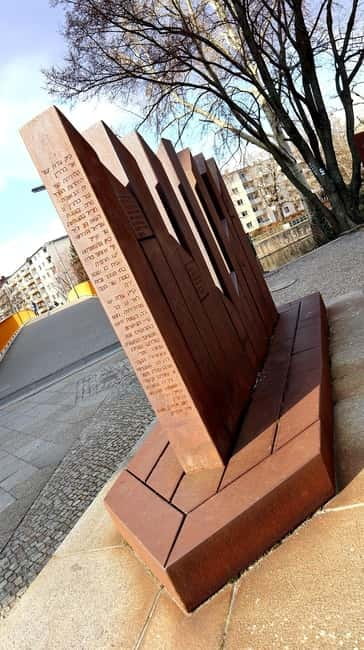
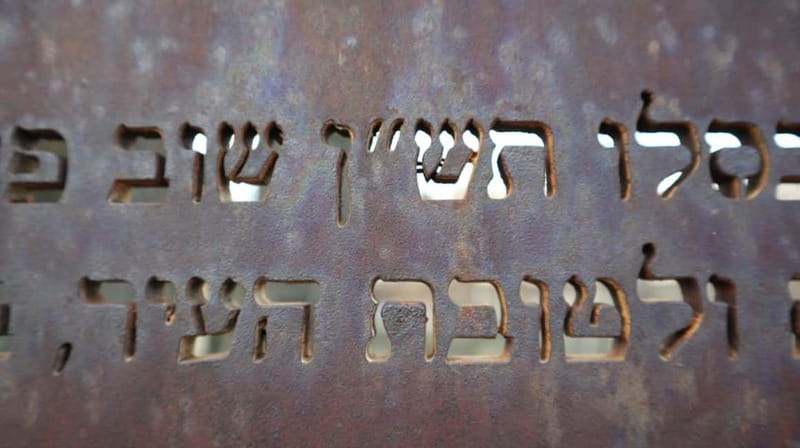
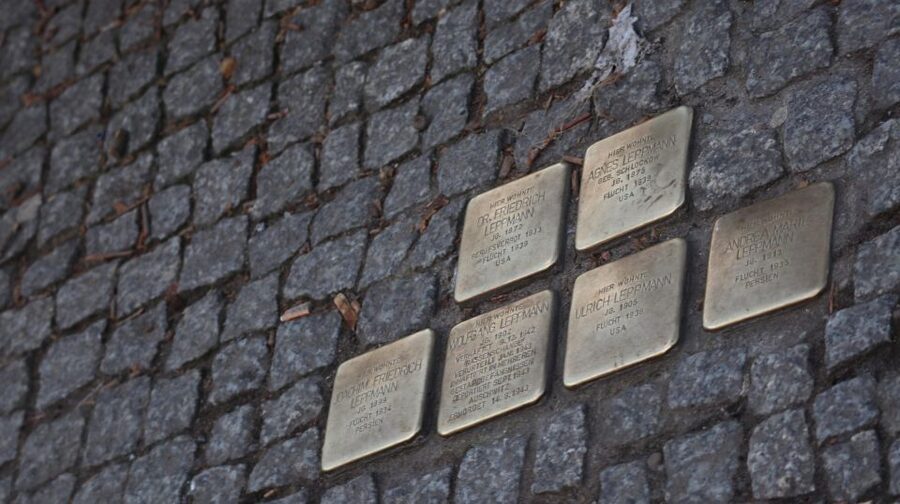
At some point, the tour shifts from buildings to memory. You’ll visit a memorial located at the site of one of Berlin’s most significant Jewish communities that was destroyed both socially and physically, through Nazi persecution and later Allied bombing raids.
This part matters because it keeps the tour honest. Interbau modernism can look clean and confident from a distance, but the neighborhood’s story includes deep rupture. You are not just learning about styles, you are learning how history leaves marks, including the places where entire communities were erased.
If you prefer a lighter, purely architectural outing, this stop may feel heavier than you expected. Still, it is exactly the kind of context that makes the later modernist claims more understandable.
Interbau 1957: how rubble became a Cold War message
Then the route makes a dramatic turn into the postwar world. In 1957, West Berlin hosted Interbau, an international architecture exhibition meant to redefine what a rebuilt city could look like and how it could function.
The key idea is that this was not a neutral design party. Interbau was shaped by Cold War rivalry, so the new Hansaviertel became a showcase, a public argument, a way to show what the West hoped modern life would be.
The tour helps you connect the dots between war damage and design ambition. Land cleared by WWII created an opening, and modernists used it to test new approaches to housing, layout, and the relationship between people and the built environment.
This is also where you get a useful way to think. Instead of asking only, Does it look futuristic? you’ll be nudged to ask, What kind of life did this promise? And does it still feel modern in the real world?
Onward connections from Berlin:




The modernist walking portion: Gropius, Niemeyer, Aalto, and what to notice
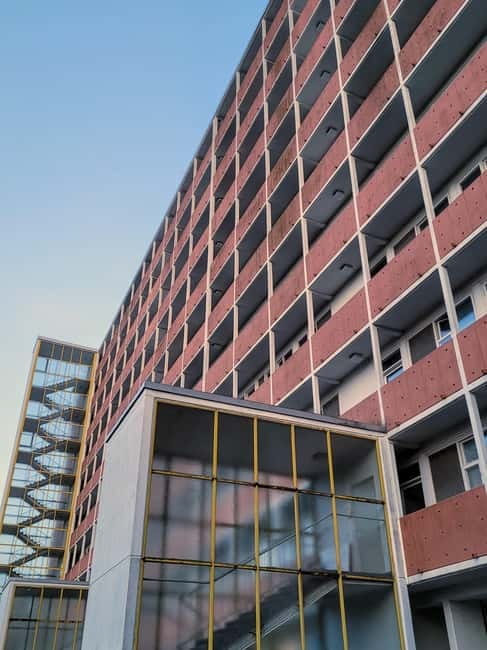
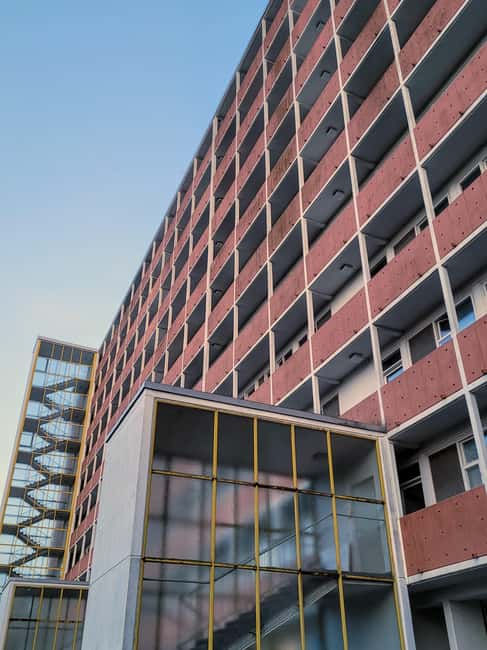
Once you are in the Interbau era, you move through the neighborhood’s bold architectural language. You’ll see work associated with major 20th-century figures like Walter Gropius, Oscar Niemeyer, and Alvar Aalto, plus other architects tied to the larger modernist push.
You might expect the tour to be mostly about names and dates. It is more useful than that. The guide encourages you to notice how different architects treat space, light, and structure, and how those choices change your experience walking from one corner to another.
Here are a few things you can watch for during the modernist stretch:
- Building shapes that feel intentionally experimental, not merely functional
- The way open space and building placement shape views and movement
- Contrasts in style, where one design feels crisp and system-like while another feels more sculptural
- The social intention behind layout, meaning how the design tries to support everyday routines
Even if you are not an architecture nerd, you can still do this. You do not need a degree, just curiosity and a willingness to look slowly.
How the guide turns streets into a story you can remember
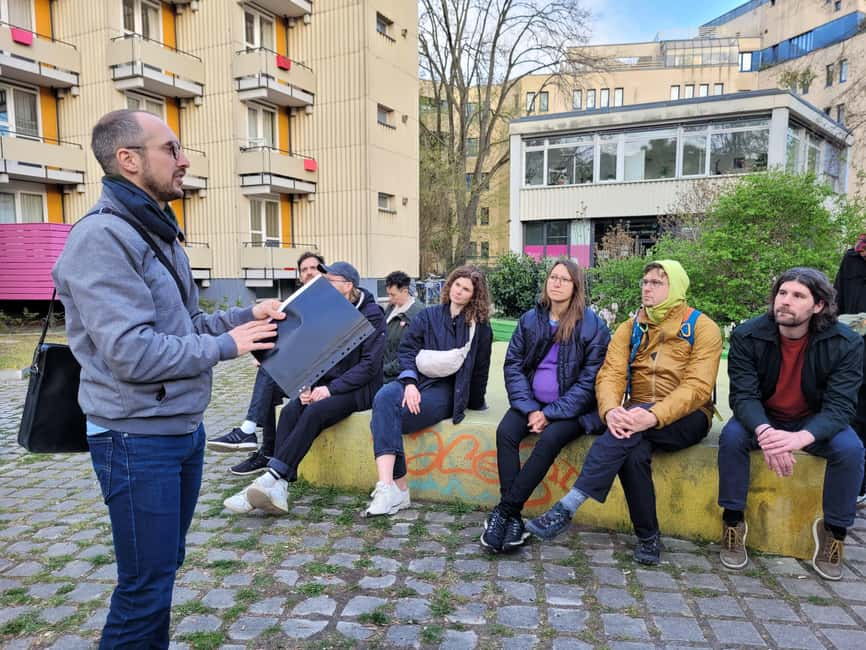
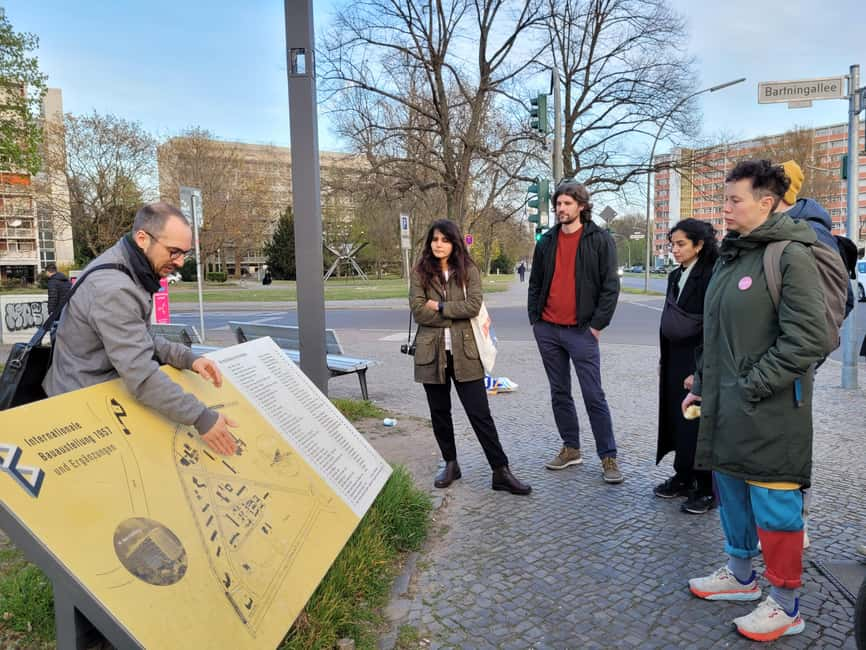
A big reason this tour scores high is how the guide structures the information. The tour is designed to start with an overview, then move station by station in a way that lets you absorb details without feeling bombarded.
In one experience described by a German speaker, the guide had excellent command of German and explained upcoming themes so participants could process each stop. Another person appreciated that the amount of information felt right, not too heavy, and the guide stayed afterwards to answer extra questions.
That teaching style matters. You’ll get more out of the walk if you can hold a simple frame in your head: prewar elegance, postwar loss, then modernist reinvention driven by Cold War competition.
Interpreting the question: does it still feel modern?
I like that the tour does not stop at history. It pushes you to evaluate the designs in the context of today, because modernism ages differently depending on what you value.
Some elements still feel striking. The emphasis on form, the way space is arranged, and the confidence of the designs can look fresh even decades later. But the deeper question is whether the architecture supports the kind of living it tried to shape.
As you walk, try asking yourself:
- Does the design make it easier or harder to understand where you are?
- Does the space feel calm, efficient, or slightly strange in a good way?
- Do the buildings help create community, or do they emphasize separation?
This is where you start seeing Hansaviertel as more than a collection of styles. It becomes a lesson in how ideology can influence comfort, privacy, and how people share a neighborhood.
Practical value: is $29 worth it for two hours?
At $29 per person for about 2 hours with an expert local guide, the value is tied to one thing: interpretation. You are paying less for access to museums and more for a guided lens that helps you read what you are seeing.
This matters because Hansaviertel can be easy to misunderstand on your own. If you just walk through quickly, you might notice impressive forms, but you might miss the storyline that connects villas, war trauma, and Interbau modernism into one coherent neighborhood identity.
The small comfort factor is real too. The group is a mix of locals and tourists, which usually means you get different questions and explanations along the way. And since the tour is in German and English, you can follow closely regardless of your comfort level.
If you want an architecture walk that gives you both street-level views and historical meaning, this price looks fair.
Who should book this tour, and who might want a different option
This is a strong fit if you like architecture with context, and if you want to see a side of Berlin beyond the most obvious landmarks.
It is also a good choice for people who enjoy walking tours but want something with intellectual weight. The content is layered, including Jewish history tied to Nazi persecution and WWII aftermath, plus the design ambitions of Interbau 1957.
It is not suitable for children under 14, and it is recommended for ages 14 and up due to the historical depth. If you have younger kids, you’ll probably get less from it than you would from a lighter neighborhood walk.
If you dislike walking for about 2 hours, or you expect lots of indoor time, you may want to adjust expectations. This one is built around outdoor viewing, not museum hopping.
Quick tips so you enjoy Hansaviertel more
Bring comfortable shoes and water. The tour time is short enough to manage, but the route is still a real walk, and you will stand at key points while the guide explains what you are seeing.
Wear layers, because you are moving between Spree-adjacent breezes and open spaces near the Tiergarten. Also, keep your phone handy, not to replace the guide’s story, but to mark interesting angles if you want to study the buildings later.
Finally, don’t rush your look at the Interbau structures. The modernist forms reward slow attention, and the guide’s questions will make more sense when you pause and watch how the street frames each building.
Should you book the Berlin Hansaviertel Modernist Architecture Tour?
Yes, if you want an architecture tour that treats buildings like evidence, not decorations. You’ll get a clear timeline from late 19th-century elegance to the Interbau 1957 Cold War showcase, plus a memorial stop that gives the neighborhood’s story real moral gravity.
You might skip it if you only want famous landmarks, or if you are expecting extensive interior access. This experience is designed for walking, seeing, and thinking, not for going room to room.
Overall, with $29, about 2 hours, and a guide who can explain both design and meaning clearly, this is a smart way to spend an afternoon in Berlin without sticking to the usual highlights.
FAQ
Where does the tour start?
The tour meeting point is in front of the Berlin-Tiergarten S-Bahn station (Exit Siegmunds Hof / Bachstraße), next to the beer garden Biergartenquelle. Look for the guide with the orange umbrella.
How long is the Hansaviertel Modernist Architecture Tour?
The duration is 2 hours, with guided time of about 1.5 hours.
What language is the tour in?
The live guide offers the tour in German and English.
Is the tour wheelchair accessible?
Yes, wheelchair accessibility is listed as available.
Is it suitable for children?
It is not suitable for children under 14. The tour is recommended for ages 14 and up, since it includes historical depth.
What should I bring?
You should bring comfortable shoes and water.
Are food and drinks included?
No. Food and drinks are not included.
Does the tour include entry to museums or monuments?
Entry to museums or monuments is not included unless it is specified in the itinerary, and no specific museum or monument entry is listed.
Fresh on the arrivals board for Berlin
Berlin Tours & Activities, compared.
Reichstag, Dome and Government District Guided Tour
Read our review →
1-Hour City Tour by Boat with Guaranteed Seating
Read our review →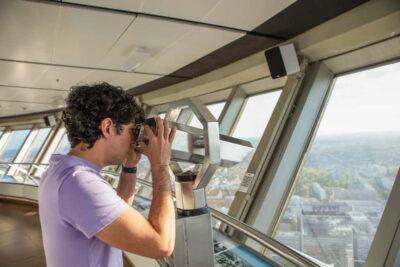
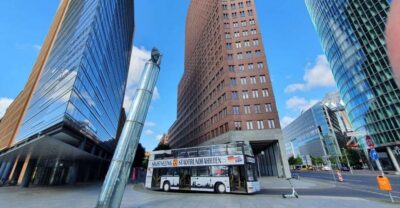
Berlin City walk Government District and Places of Democracy
Read our review →