
Reviewed · TICKETS
Berlin: Deutschlandmuseum – Flexible Entrance Ticket
German history, staged like a living show. At Deutschlandmuseum in Berlin, you move through interactive displays that cover key turning points across 2,000 years of German history.
I like that it uses hands-on, screen-based interactions alongside real period details, so history feels more like you are using it, not just reading about it. You will also find the setup clearly built for different ages, including kids.
One caution: if you are hunting for deep, academic treatment, this museum may feel more visual and fast-moving than you expected, and busy moments can reduce the fun.
In This Review
- Key takeaways before you go
- What Deutschlandmuseum Is, and Why It Works
- The “12 Eras” Format, and How You’ll Navigate It
- Stop-by-Stop: The Timeline From the Battle of Varus to 2006
- The Battle of Varus area: early stakes and shifting worlds
- The middle eras: how the museum builds continuity
- The 2006 summer fairy tale scene: modern storytelling in the same language
- What the Exhibits Add to Your Understanding (Beyond Facts)
- Entering the Museum in Berlin, and Planning Your Day
- Price and Value: Is $30 Worth It?
- Who Should Book This Ticket
- Practical Tips to Get More From the Interactive Exhibits
- Should You Book the Deutschlandmuseum Flexible Ticket?
- FAQ
- How long is the Deutschlandmuseum experience?
- What’s included with the flexible entrance ticket?
- Do I need to pre-register or choose a fixed time?
- Can I cancel for a refund?
- Is the museum wheelchair accessible?
- What parts of German history are covered?
Key takeaways before you go
- 2,000 years in staged scenes: You get 12 eras laid out as interactive turning points.
- Skip-the-line access: A separate entrance helps you start sooner.
- Period exhibits + media together: Each scene pairs historical staging with period objects and interactive elements.
- From Varus to 2006: The timeline stretches from the Battle of Varus to a 2006 summer fairy tale.
- Made to be enjoyable: The overall vibe aims to keep you engaged, not lecture you.
What Deutschlandmuseum Is, and Why It Works
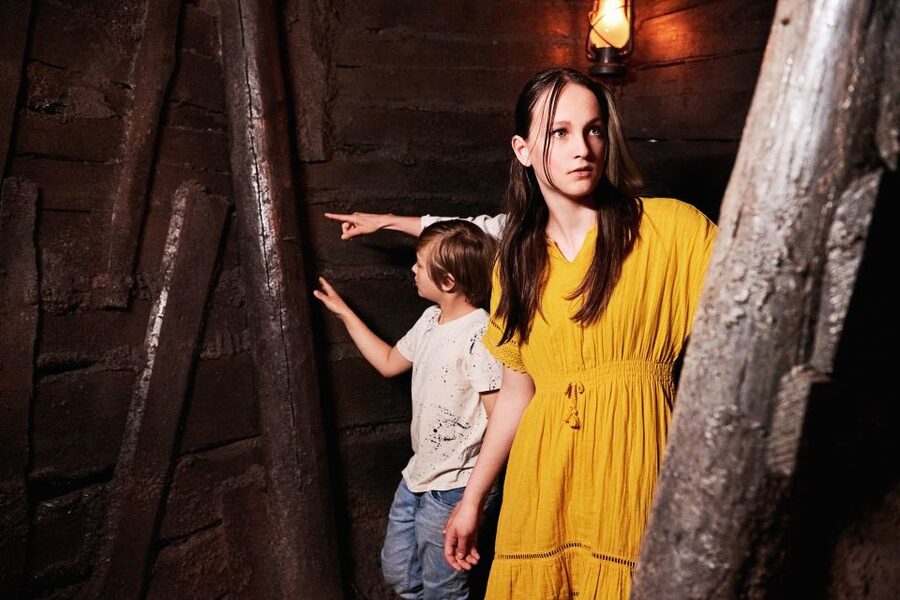
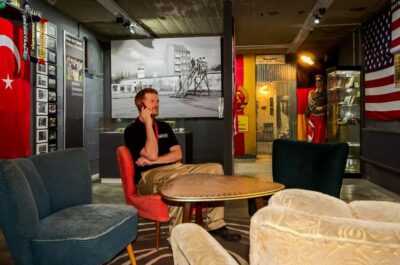
Deutschlandmuseum is a Berlin museum built around a simple idea, show major moments in German history as you would experience a story, with scenes you can see and interact with. It is not set up like a long corridor of glass cases. Instead, it organizes Germany’s past into 12 eras, each one presented through interactive media and detailed staging.
I like that approach because it lowers the barrier for people who do not want to spend an entire day decoding dates and names. You get a clear sense of change over time, and you can pause where something catches your attention. That matters in a museum, because the best visits usually come from your curiosity, not from forcing yourself to finish everything.
Also holding a platform in Berlin
- Berlin: Reichstag, Dome and Government District Guided Tour
★ 4.7 · 18,288 reviews - Berlin: 1-Hour City Tour by Boat with Guaranteed Seating
★ 4.3 · 16,993 reviews - Berlin: TV Tower Standard Entrance Ticket
★ 4.4 · 15,883 reviews
The “12 Eras” Format, and How You’ll Navigate It
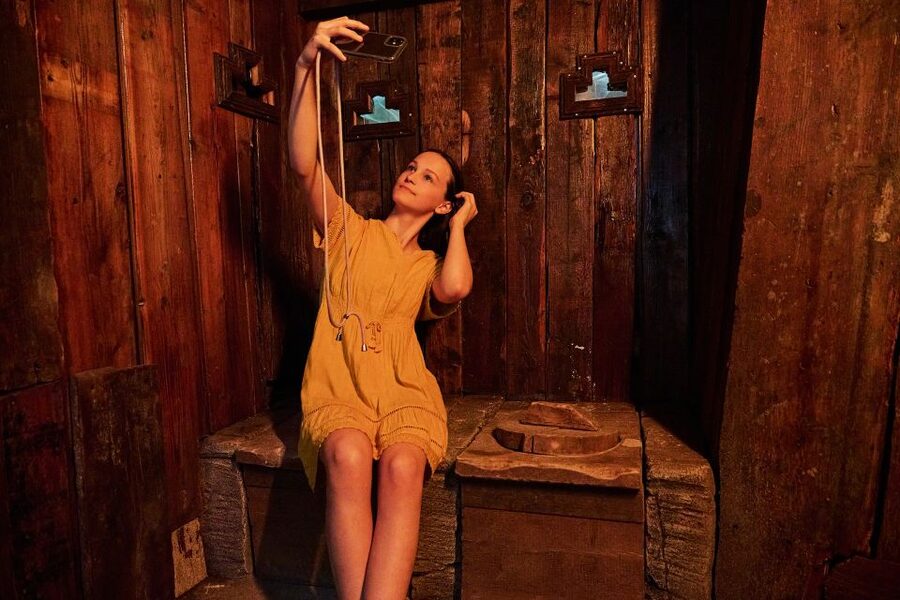
You can think of your visit as moving through a sequence of themed zones. Each zone focuses on a turning point from one era, and it is supported by exhibits from the period as well as interactive media. That blend is the core of the experience, staging gives you context, while the historical objects and media fill in the details.
Here’s the practical part: don’t rush. These displays are designed to be experienced in chunks. Plan for a steady pace, stop longer when a scene pulls you in, and keep moving when your attention starts to drift. If you try to “speed-run” all 12 eras, you may miss what makes the museum memorable, the way visuals, artifacts, and interactive elements reinforce each other.
Stop-by-Stop: The Timeline From the Battle of Varus to 2006
Even though you are walking through 12 eras, the museum gives you strong bookends. You start with the Battle of Varus and the long sweep that follows, and you end with a 2006 summer fairy tale. Between those two moments, the museum fills the gaps with other turning points across Germany’s history.
The Battle of Varus area: early stakes and shifting worlds
This opening point matters because it anchors the timeline in a conflict that is often discussed in German history contexts. Expect the focus to be on a turning point, with staging meant to show scale and consequence, not just list events. You’ll also see period-appropriate exhibits used to support what the interactive display is explaining.
The drawback here is also predictable: early sections can feel unfamiliar if you only know modern Germany. The fix is simple, give yourself permission to move forward without needing every detail. If something feels hard to place, take a moment, then continue. The museum’s structure is built to help you connect ideas across eras.
The middle eras: how the museum builds continuity
For the bulk of your walk, you are working through the eras that bridge those bookends. The key pattern stays the same: historical staging for the turning point, exhibits from the period, and interactive media to help you understand what you are seeing. This is where the museum’s “new way” of knowledge transfer becomes noticeable.
If you like learning through visuals, this section is likely your sweet spot. The interactive pieces encourage you to engage actively, and the period exhibits give your brain something concrete to hold onto. If you prefer a quiet, reading-heavy museum, you might find yourself skimming the interactive media once you get the gist. Still, it’s worth slowing down for at least a few scenes, because the museum is strongest when you let the staging and artifacts explain each other.
Onward connections from Berlin:




The 2006 summer fairy tale scene: modern storytelling in the same language
Ending with a 2006 summer fairy tale is a clever move because it shows that “history” is not only ancient wars and long-dead rulers. You end in a more recent context, with the museum using the same format as earlier scenes: staging plus period-linked exhibits and interactive elements.
This last stretch can be the most satisfying if you like seeing how the past links to the present. If you arrive late to the museum and rush through the ending, you may miss that benefit. Try to keep energy for the final zones, since that is where the experience often lands best.
What the Exhibits Add to Your Understanding (Beyond Facts)

Deutschlandmuseum’s biggest win is how it mixes three learning channels: staging, period exhibits, and interactive media. That combination helps in a real way. Staging gives you the “what it looked like” angle. Period exhibits support credibility. Interactive media lets you control your attention and pacing.
Also, the museum covers turning points across 12 eras, which is a structure people usually struggle with in a typical museum. A glass-case-only setup can make it easy to forget how events connect. Here, the format pushes you to remember relationships, change over time, and cause-and-effect.
There is still one limitation to consider. The museum is designed to be fun and readable, so it is not trying to be a scholarly monograph. If you want citations, footnotes, or deep academic debate, you might want to pair your visit with outside reading afterward.
Entering the Museum in Berlin, and Planning Your Day
The ticket is flexible for a day. You also use a separate entrance to skip the line. That matters because it turns the first minutes of your museum day into progress, not waiting.
Here’s how I would plan it if I wanted the best experience: aim to arrive with enough daylight or energy to enjoy the full walk. You have one day validity, and the museum spans 12 eras, so your visit likely becomes a full “museum block,” even if you do not sit down much.
One more practical note: some feedback points to crowding being an issue at times. If you dislike noisy, packed spaces, pick a time when you can move comfortably between zones. If you do end up in a busy moment, slow down at just a few scenes, instead of trying to keep up with everyone else.
Price and Value: Is $30 Worth It?
At $30 per person, you are paying for a full museum visit centered on interactive exhibits and period-linked staging. The value comes from two things: you get a full day window, and you get skip-the-line access via a separate entrance. That reduces wasted time, which is part of what makes a paid attraction feel fair.
It also helps that the museum covers a long timeline, 12 eras, and ends with a modern scene. If you are staying in Berlin for a limited number of days, that timeline reach is useful. You can leave with a clearer mental map of how Germany’s story changed across centuries, rather than collecting only scattered facts.
Is $30 a bargain? If you love hands-on history and you can spend the time to actually use the interactive elements, it feels like solid value. If you only want quiet viewing and you dislike interactive displays, it may feel overpriced compared to museums that focus entirely on artifacts.
Who Should Book This Ticket
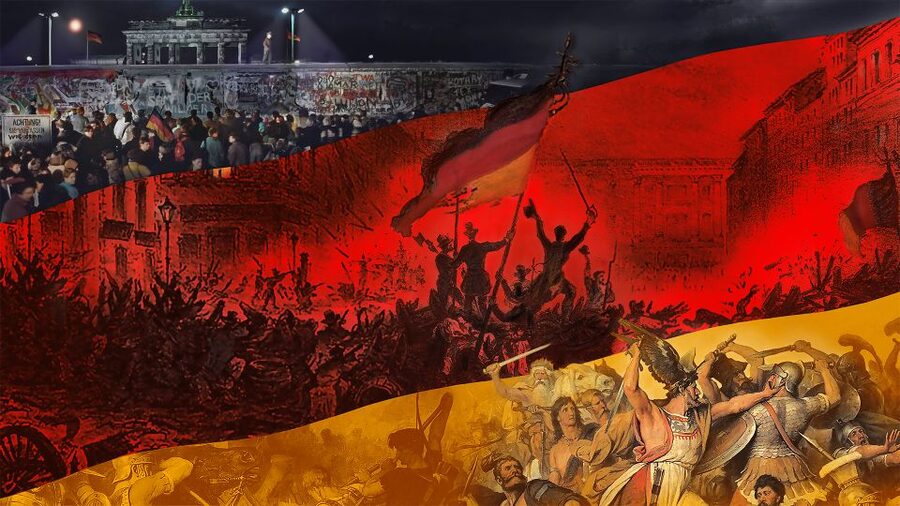
This is a great fit if you want history that is easier to process and more fun to experience. Based on what people seem to enjoy, it tends to work well for families, including kids, because the history is presented in a way that feels straightforward and varied.
You should also consider it if you like interactive media and you are the type who learns better by seeing and doing rather than by reading long wall text.
You may want to think twice if your expectation is heavy depth, or if you know you get frustrated by crowds. In those cases, you could still enjoy certain zones, but you’ll want to manage your pacing and not expect a slow, academic tour.
Practical Tips to Get More From the Interactive Exhibits
These are small moves that make a big difference in museums like this:
- Pick a pace you can sustain. If you move too fast, the interactive media stops helping.
- When you hit a scene that interests you, give it more time than the average stop. That is where learning sticks.
- If you want a kid-friendly experience, keep expectations flexible. The museum is set up to be entertaining as well as informative.
- If crowds make you cranky, plan for quieter entry times and be ready to pause in calmer moments rather than pushing through every zone at full speed.
Should You Book the Deutschlandmuseum Flexible Ticket?
I think you should book if you want a Berlin history experience that is built for engagement. With 2,000 years covered across 12 eras, interactive displays, and skip-the-line entry, it is a strong choice for a one-day visit when you still want a meaningful overview of Germany’s past.
You might skip it if you are only interested in deep academic content, or if you know you dislike busy indoor spaces and interactive elements. In that case, spend your day on a museum that matches your preferred pace and style.
If you are somewhere in the middle, here is the deciding question: do you want history you can experience through staging and interaction, rather than only through artifacts? If yes, this $30 ticket is easy to justify.
FAQ
How long is the Deutschlandmuseum experience?
The ticket is valid for 1 day, and you can use it within that time window.
What’s included with the flexible entrance ticket?
You get entry to the Deutschlandmuseum, skip-the-line access through a separate entrance, and flexible appearance without pre-registration.
Do I need to pre-register or choose a fixed time?
The ticket is described as flexible, and you do not need pre-registration. You should check availability to see starting times.
Can I cancel for a refund?
Yes. Free cancellation is available up to 24 hours in advance for a full refund.
Is the museum wheelchair accessible?
Yes, the Deutschlandmuseum is wheelchair accessible.
What parts of German history are covered?
The displays cover 2,000 years of German history across 12 eras, including the Battle of Varus and a 2006 summer fairy tale.
Fresh on the arrivals board for Berlin




Tickets, compared.


Munich Hop-On Hop-Off Tour: 1-Day or 2-Day Ticket
Read our review →