

Reviewed · FAIRYTALE CASTLES & PALACE TOURS
Berlin: Decolonial Berlin Castle/ Humboldt Forum Guided Tour
Colonial history is right in the open here. This 2-hour Humboldt Forum guided tour looks at the palace and the museum through an Afrocentric, decolonial lens.
I like two things most. First, I appreciate how the guide connects the Berlin Palace’s symbols and story to colonial power, not just architecture postcards. Second, you get to analyze the ethnological collection with a critical framework, using an audio walk to help you “read between the lines.”
One possible drawback is the topic can feel pointed. If you want a neutral, purely descriptive museum tour, this one may feel too direct, and the interpretation is part of the point.
In This Review
- Key highlights worth planning for
- Meeting at the Reconstructed Sanchi Gate, then a decolonial setup
- The Berlin Palace story, now told from a decolonial angle
- Why the Humboldt brothers get center stage
- Missionaries, the cross on the roof, and museum symbolism
- Inside the Humboldt Forum: the ethnological collection, critically analyzed
- The audio walk method, and how to get the most from it
- Timing, price, and what value looks like here
- Who this tour is best for, and who should skip it
- Should you book this Humboldt Forum decolonial tour?
- FAQ
- Where do I meet the guide?
- How long is the tour?
- What language is the tour in?
- What is included in the price?
- Is the ethnological collection part of the tour?
- Is the tour wheelchair accessible?
- What should I bring and wear?
- What is not allowed during the tour?
- What are my options if plans change?
Key highlights worth planning for
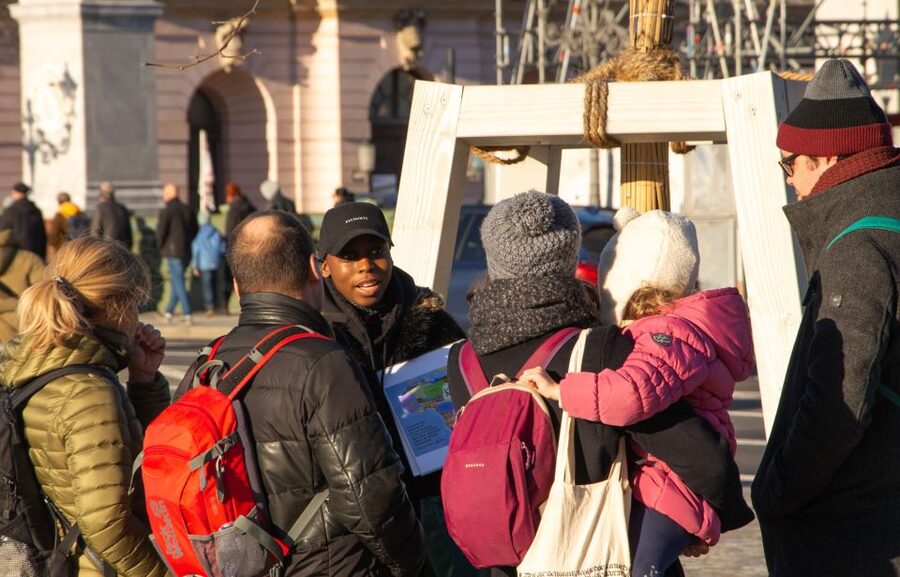
- Afrocentric and decolonial perspective on the Humboldt Forum and Berlin Palace history
- Critical look at the ethnological collection, not just a facts-and-dates stroll
- Humboldt brothers context, including why they matter in German scientific history
- Colonial structures through missionaries, plus the symbolic meaning of the cross on the roof
- A structured outside-to-inside flow, with about 1 hour seated outside before entering
Meeting at the Reconstructed Sanchi Gate, then a decolonial setup

You start near the reconstructed Sanchi Gate, where the group gathers by those white chairs. That outside start matters, because the tour doesn’t rush straight into the museum and call it a day.
About an hour is spent seated outside before you head into the ethnological collection. Expect orientation and framing here, including how the palace and museum came together with colonial-era thinking. In a museum, context can be the difference between seeing objects and actually understanding what shaped how people labeled, collected, and displayed them.
The vibe is practical, not performance. You’re there to learn how to look. Bring comfortable shoes, because Berlin buildings love hard surfaces, and you may move in and out of indoor spaces on a short schedule.
More turrets against the hills:
- Berlin: Charlottenburg Palace Entry Ticket
★ 4.4 · 2,076 reviews - From Berlin: Potsdam and Sanssouci Palace Tour with Entry
★ 4.7 · 1,219 reviews - Potsdam Tour from Berlin With Guided Sanssouci Palace Visit
★ 4.5 · 364 reviews
The Berlin Palace story, now told from a decolonial angle
The Humboldt Forum sits inside a rebuilt Berlin Palace, and that history gets treated like more than background. You’ll hear about the palace’s older timeline, and how the site’s meaning can change when you question who benefited from empire and whose voices were left out.
This tour uses a decolonial perspective to shift the narrative. Instead of treating colonial history as distant or abstract, you connect it to the structures that organized knowledge, travel, collecting, and the authority to interpret other cultures.
That’s where the tour’s focus becomes clear. It’s not only about the Humboldt Forum as a building. It’s about the ideas and power systems that helped shape what the museum holds today, and what that collection represents in the present.
Why the Humboldt brothers get center stage

The Humboldt brothers are brought in as key figures in German history. The tour explains them as important scientists, and links their influence to the larger story of how knowledge traveled, how collections grew, and how academic work aligned with imperial-era reach.
If you only know the name Humboldt from postcards and school notes, this is the moment to connect the dots. You’ll understand why they matter beyond being famous, and how science and collecting were often intertwined with colonial power.
You also get to place them inside the museum’s logic. When a museum is named for people, it can quietly carry their worldview forward. This tour asks you to notice that, then challenge it with critical questions.
Missionaries, the cross on the roof, and museum symbolism
One of the more interesting parts is how symbolism gets explained, not ignored. The guide points to the cross on the roof of the museum and explains its symbolic meaning in relation to colonial structures.
The tour also brings missionaries into the conversation. The point isn’t to turn the whole day into theology. It’s to show how religious actors were often part of the machinery that supported colonial systems, including how communities were approached, categorized, and controlled.
This is a good reminder for you as a visitor: museums do not only display objects. They also display values, hierarchies, and the stories institutions want you to repeat. When you learn what symbols signal, you start noticing those signals everywhere.
Inside the Humboldt Forum: the ethnological collection, critically analyzed
Once you enter, the tour shifts to the ethnological collection. This is where you move from big-picture history to the objects and how they are framed.
You’re guided through the collection from an Afrocentric perspective and a critical lens. That means you’re not only learning basic background, you’re also asked to think about how colonial-era classification shaped what was collected, how it was interpreted, and how it was presented to European audiences.
And you get help doing that. The tour uses an audio walk, which supports the critical analysis as you move through the gallery spaces. You’re essentially given prompts for “what to notice,” so you don’t just skim labels like a checklist.
This is the part I’d highlight if you care about museums as political spaces. The tour makes a case that cultural heritage is never neutral, and that modern presentation is tied to past power.
Also holding a platform in Berlin



The audio walk method, and how to get the most from it

The audio walk approach is one of the tour’s practical strengths. Instead of only hearing one long speech from the guide, you get structured guidance as you browse the collection.
Here’s how to make it work for you. Pay attention to the transitions, and don’t rush to read everything at once. Let the audio prompts steer your focus, then look at details in the objects, display choices, and wording.
Also, keep your questions open. A critical museum tour is not about finding one “correct” interpretation. It’s about learning how interpretations are made, and who gets to make them.
If you’re traveling with someone who prefers fast sightseeing, this tour can still work, but you’ll need to agree on pace. This is better when you’re okay slowing down and thinking, not just collecting photos.
Timing, price, and what value looks like here
The tour runs for about 2 hours total. That includes roughly 1 hour seated outside before you head into the museum. So yes, it is partly an outdoor waiting period, and partly an inside museum analysis.
Price is listed as $41 per person. For a guided museum experience that includes entry to the ethnological collection, a guide, and an audio walk component, it can feel like solid value if you’re the kind of traveler who wants interpretation, not only access. You’re paying for meaning-making.
Where value can depend on you is in how you prefer to learn. If you like fast facts and light commentary, you might find the framing heavy. If you want a museum tour that connects objects to power and history, you’re likely to feel like the time and cost match your expectations.
For logistics, plan for weather-appropriate clothing. You’ll be outside seated for a chunk of time, so bring layers if Berlin looks tricky that day.
Who this tour is best for, and who should skip it
This is a great fit if you want more than a museum visit. You’ll probably enjoy it most if you like:
- History that links to the present, including how institutions carry old narratives forward
- Museum analysis, especially how ethnological collections are presented
- Afrocentric perspectives and critical approaches that question who gets centered
It’s less ideal if you’re only after an easy walk-through and photos. Also, keep in mind that “decolonial” interpretation can be uncomfortable, because it confronts how museums and scholarship grew within colonial systems.
One practical note: double-check you booked the right organizer. In at least one case, confusion about the actual provider led to a mismatched event. When you arrive, use your confirmation details to make sure you’re in the correct group.
Should you book this Humboldt Forum decolonial tour?
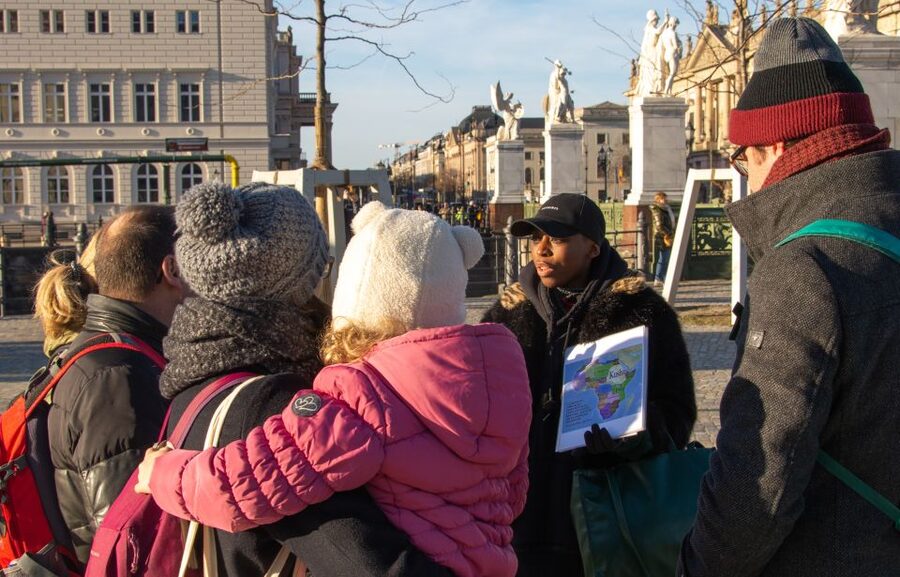
Book it if you want to understand the Humboldt Forum as a story about power, naming, collecting, and cultural representation. You’ll come away with better questions for the museum, plus a clearer sense of how Berlin Palace and the Humboldt brothers connect to colonial-era knowledge structures.
Skip it if you prefer a neutral, purely descriptive tour of museum highlights. This experience intentionally challenges the usual framing, and that is part of its value.
If your goal is to leave the building with real interpretive tools, this is a strong choice. Just bring patience for the outside start, comfortable shoes, and the willingness to think while you look.
FAQ
Where do I meet the guide?
Meet near the reconstructed Sanchi Gate, with white chairs available to sit down.
How long is the tour?
The tour lasts about 2 hours.
What language is the tour in?
The guided tour is offered in English.
What is included in the price?
You get a tour guide, entry to the ethnological collection, and the tour includes an audio walk for exploring and analyzing the collection.
Is the ethnological collection part of the tour?
Yes. The tour includes entry to the ethnological collection at the Humboldt Forum.
Is the tour wheelchair accessible?
Yes, it is wheelchair accessible.
What should I bring and wear?
Wear comfortable shoes and bring weather-appropriate clothing since you will be seated outside for about 1 hour.
What is not allowed during the tour?
Food and drinks are not allowed, and luggage or large bags are not allowed.
What are my options if plans change?
Free cancellation is available up to 24 hours in advance for a full refund, and you can reserve now and pay later (you pay nothing today).
Fresh on the arrivals board for Berlin
Fairytale Castles & Palace Tours, compared.
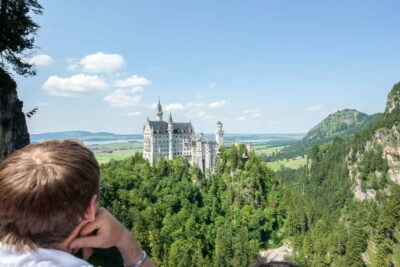
Neuschwanstein & Linderhof Castle Full-Day Trip
Read our review →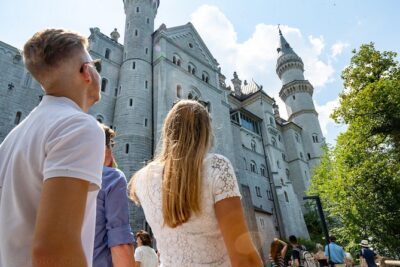
Neuschwanstein & Linderhof Castle-Fairytale Day Tour from Munich
Read our review →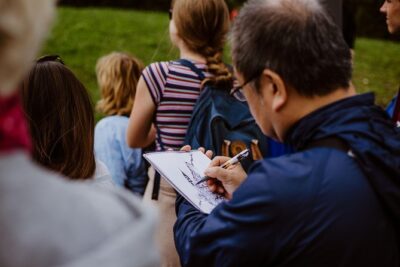


Premium Neuschwanstein Castle and Linderhof VIP Tour from Munich
Read our review →
Browse the lists this tour appears in