Reviewed · BERLIN TOURS & ACTIVITIES
Berlin: David Bowie in 1970s West-Berlin
Bowie made West-Berlin his afterparty. This 3-hour private tour maps the streets, studios, and nightlife of West-Berlin to the music Bowie made during his 1976 to 1978 stay. I especially love the Hansa Studios stop, and I love how the guide connects specific songs to specific places, not just random trivia.
One thing to consider, though: this is mostly an outdoor, stand-and-look style route. You also should plan on skipping the tour for meals, since food and drinks are not included. With a price of $288 per person, it is also best if Bowie and 1970s Berlin are truly your vibe.
In This Review
- Key Stops You Will Care About
- Why 1970s West-Berlin Is the Point of This Bowie Tour
- The Martin Gropius Bau Kickoff, and Why It Sets the Mood
- Potsdamer Platz to City West, Where Bowie’s Berlin Becomes Real Streets
- Standing in Front of Hansa Studios, the Recording-Place Moment
- Clubs, Neon Streets, and the Former Dschungel and Chez Romy Haag
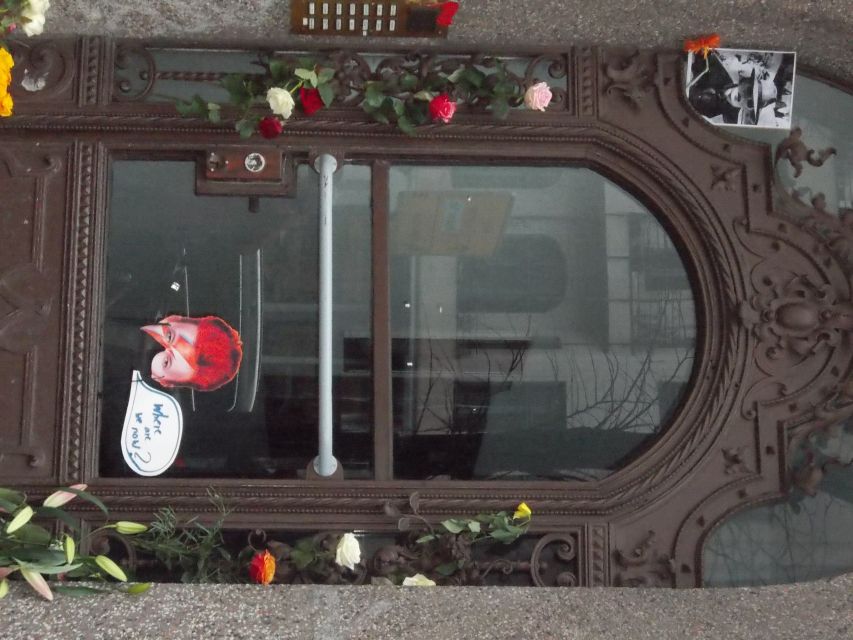
- Bowie’s Berlin Home Stop, Where the Story Lands
- Who This Tour Is For, and Who Might Prefer Something Else
- Price and Value: Is $288 Per Person Reasonable?
- Practical Tips Before You Go
- Should You Book This Bowie and West-Berlin Tour?
- FAQ
- How long is the Berlin David Bowie in 1970s West-Berlin tour?
- What is the price per person?
- Is this a private tour?
- What languages does the live guide speak?
- Where does the tour start?
- How do I find the guide at the meeting point?
- Is hotel pickup included?
- Are food and drinks included?
- Which places will the tour include?
- Can I pay later, and is there free cancellation?
Key Stops You Will Care About
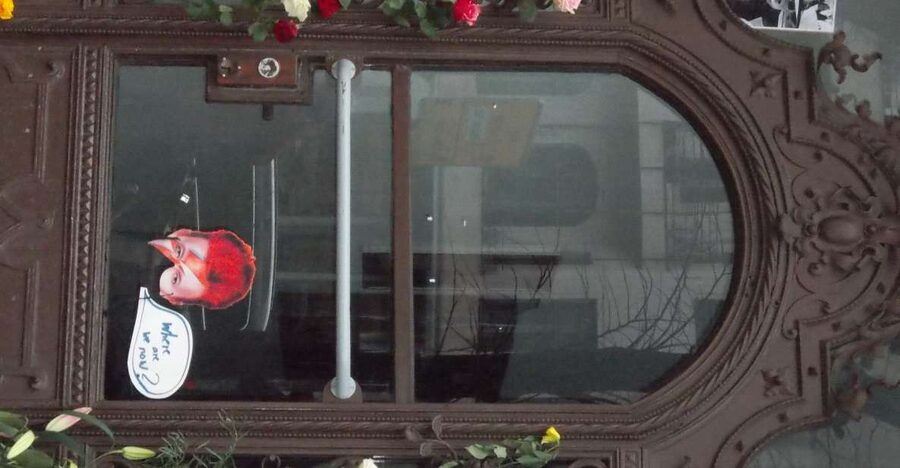
- Hansa Studios from the sidewalk: a classic photo moment linked to Bowie-era recording lore
- Martin Gropius Bau start point: tied to the well-known 2014 David Bowie exhibition
- Potsdamer Platz and Where are We Now: a modern Bowie reference placed in real city space
- KaDeWe, City West, and the club streets: you pass key landmarks tied to Bowie’s Berlin rhythm
- Former Dschungel and Chez Romy Haag locations: standing outside the nightlife backdrop
- A bus to David Bowie’s Berlin home: the tour ends at the place that made the whole story feel grounded
Why 1970s West-Berlin Is the Point of This Bowie Tour
This is not a generic sightseeing run. It is a focused story about how David Bowie picked a city that matched his curiosity, especially his pull toward the emerging electronic sound. You hear it framed as more than “he came to Berlin.” You hear it as a set of choices, influences, and experiments that show up in what he recorded and how he wrote.
The best part is the way you connect music to geography. Bowie is not floating in a museum. He is walking these streets, choosing these hangouts, and orbiting studios and nightlife that helped shape his sound. If you like tracing creative change through real-world context, this tour clicks fast.
I also like the balance built into the route. Yes, the tour is Bowie-centered. But it also gives you enough West-Berlin atmosphere to understand why the city mattered, even if your Bowie playlist is only half familiar.
Also holding a platform in Berlin
- Berlin: Reichstag, Dome and Government District Guided Tour
★ 4.7 · 18,288 reviews - Berlin: 1-Hour City Tour by Boat with Guaranteed Seating
★ 4.3 · 16,993 reviews - Berlin: TV Tower Standard Entrance Ticket
★ 4.4 · 15,883 reviews
The Martin Gropius Bau Kickoff, and Why It Sets the Mood
The tour begins at Martin Gropius Bau, a serious building that hosted the legendary David Bowie exhibition in 2014. Starting here does two smart things. First, it gives you an immediate Bowie anchor before you hit the streets. Second, it sets a “context first” tone, so the rest of the stops feel like chapters, not disconnected photo points.
From this start, you are primed to look at the city differently. You stop seeing 1970s West-Berlin as history on a plaque, and start seeing it as a place where decisions mattered. You also get an intro to why Bowie left his previous life and settled in West-Berlin, with the tour laying out multiple reasons, including that creative fascination with electronic sound.
A practical note: this is the point where you want to ask questions. The early framing is what helps the later street stops make emotional sense.
Potsdamer Platz to City West, Where Bowie’s Berlin Becomes Real Streets
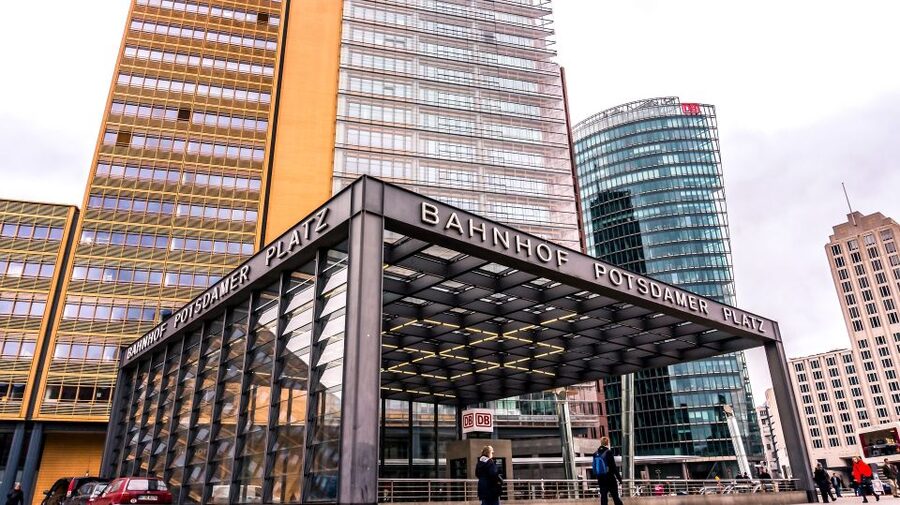
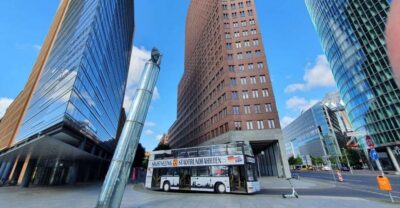
After Martin Gropius Bau, the route moves to Potsdamer Platz, a place Bowie referenced in his 2012 song Where are We Now. That pairing is clever. It reminds you that Bowie did not just live in the city, he later kept thinking about it, returning to it through lyrics long after he left.
Then the tour threads through City West, passing major landmarks and the kinds of places Bowie would have moved through in daily life. You go past the KaDeWe area and continue through the broader City West corridor. Even if you are not a “shopping district” person, the value here is location logic: it helps you understand how neighborhoods connect, and how a famous artist’s routine can map onto everyday urban movement.
What I like most about this stretch is how it teaches you to read the city. You are not just staring at buildings. You are learning what to notice next, which makes the later stops at Hansa Studios and the nightlife sites feel like earned payoffs.
Standing in Front of Hansa Studios, the Recording-Place Moment
One of the tour highlights is the stop at Hansa Studios, where you simply stand in front and take it in. That might sound basic, but it matters because Hansa Studios is a focal point for the sound and ambition of that era. The tour uses it to connect Bowie’s Berlin years to the bigger electronic shift happening across the region, not only in Düsseldorf but also in West-Berlin.
This is where you get a tangible link between the creative itch and the physical place. The guide’s job is to make the studio stop feel like a story beat, not a street corner. When that works, you start imagining what it would feel like to walk toward that kind of sound, that kind of possibility.
If you are a listener who pays attention to production choices and atmosphere, you will enjoy how this stop reframes what you hear. You might even come away replaying certain Bowie tracks with a new mental map.
Clubs, Neon Streets, and the Former Dschungel and Chez Romy Haag
Later, the route shifts toward nightlife locations tied to Bowie’s social world. You pass the former Dschungel locations and you also get transported back into the 1970s outside the club that used to be Chez Romy Haag.
This is the kind of stop that benefits from a good guide. You are not inside the building, and you do not get “club facts” delivered like a museum placard. Instead, you get a sense of vibe. You learn what it meant to hang out there in that era, and how that culture fed into Bowie’s creative energy.
What I find useful is that the tour doesn’t treat these clubs like random nostalgia stops. It keeps tying them to the larger question of why West-Berlin helped Bowie reinvent himself. Even if you only know a few Bowie songs, you get the logic fast enough to follow along.
A small practical consideration: this portion is still weather-dependent because you are outdoors. I would dress for the conditions and bring a layer you can handle during brief stops.
Onward connections from Berlin:




Bowie’s Berlin Home Stop, Where the Story Lands
The final segment uses a bus to reach David Bowie’s Berlin home. The tour ends there, which is a smart choice. You have spent the whole route learning why Bowie came, who he connected with, and where his life overlapped with recording and nightlife. Ending at his home is what turns the dots into a grounded picture.
Even better, the tour frames this with the backstory of how Bowie found his footing. Before he settled fully, he was offered a place to stay in Edgar Froese’s apartment, the Tangerine Dream founder. That detail gives you a sense of how creative networks worked in Berlin at the time. It also explains why Bowie’s early Berlin chapter was not a solo quest from day one.
When you reach the home stop, you also understand why the tour calls out certain Bowie songs so explicitly, like Heroes and even tracks with direct Berlin references such as Neuköln, which he deliberately misspelt. The route basically teaches you that Berlin was not a background setting for Bowie, it left its mark on his writing.
This ending is ideal for fans who like a clear emotional conclusion. You do not just walk off into the city again. You close the loop.
Who This Tour Is For, and Who Might Prefer Something Else
This tour is a great match if:
- you love David Bowie and want Berlin tied to the music you hear
- you enjoy stand-out landmarks and photo stops with actual narrative context
- you like small-group pacing, where a guide can shape the tempo to the group
- you want a short, efficient 3-hour plan rather than a full day of loose exploring
It may not be the best fit if:
- you expect museum-style indoor access at every stop
- you are in a “show me everything” sightseeing mood rather than a “show me the Bowie story” mood
- you are not interested in 1970s West-Berlin atmosphere, because the tour leans into that specific time period
The private group format helps a lot. You are not squeezed into a loud script. Your guide can adjust to your curiosity, and that makes the route feel less like a checklist and more like a guided walk through an artist’s creative choices.
Price and Value: Is $288 Per Person Reasonable?
At $288 per person for a 3-hour private tour, this is not a budget activity. You should expect to pay for a focused, guided route with transportation for the bus segment and a guide who can connect the dots between Bowie’s life and the city.
Here is what makes the price feel more justified than it sounds on paper:
- You get an in-depth view of Bowie’s West-Berlin years, not just a list of spots
- The route includes both major landmarks and specific hangout areas tied to Bowie’s world
- You get a bus transfer to David Bowie’s Berlin home, so the story ends in the right place
- Optional hotel pickup is available if you want to reduce friction before you start
Also, food and drinks are not included. That is normal for a 3-hour route, but you should plan accordingly. If you treat the tour as a pre-dinner or post-museum plan, you will feel the time window more cleanly.
Practical Tips Before You Go
- Wear comfortable shoes. This is a stand-and-walk style route with outdoor segments.
- Bring your Bowie playlist. Even a few key songs you care about make the stop-to-song connections land better.
- Expect a story-led pace. The best way to enjoy this tour is to listen for the links between choice, sound, and place.
- Dress for the weather. You spend time outside at key moments like Hansa Studios and the former club sites.
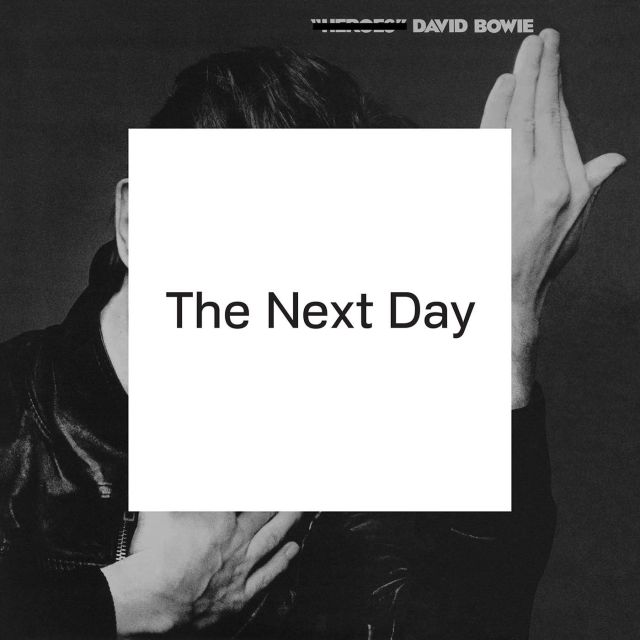
- Look for the guide holding a Bowie album, book, or CD. That is how you’ll identify the start of the tour.
Should You Book This Bowie and West-Berlin Tour?
Book it if you want a high-signal David Bowie experience in Berlin. This tour is for people who care about how an artist’s work grows from real streets, real studios, and real social scenes. It has a strong narrative spine, and the stops are chosen for their connection to Bowie’s West-Berlin life from 1976 to 1978.
Skip it if you want general Berlin sightseeing with Bowie as a bonus. You will get more out of this when Bowie and 1970s West-Berlin are already near the top of your interests.
FAQ
How long is the Berlin David Bowie in 1970s West-Berlin tour?
The tour lasts 3 hours.
What is the price per person?
The price is $288 per person.
Is this a private tour?
Yes, it is listed as a private group.
What languages does the live guide speak?
The live tour guide is available in English, French, and German.
Where does the tour start?
The tour starts at Martin Gropius Bau.
How do I find the guide at the meeting point?
Your guide will be holding a David Bowie album, book, or CD.
Is hotel pickup included?
Hotel pickup is included if desired.
Are food and drinks included?
No, food and drinks are not included.
Which places will the tour include?
You will stand in front of Hansa Studios, pass key areas like Potsdamer Platz and KaDeWe, see the former Dschungel locations, be outside the club that used to be Chez Romy Haag, and end at David Bowie’s Berlin home.
Can I pay later, and is there free cancellation?
Yes. You can reserve now and pay later. Free cancellation is available up to 24 hours in advance for a full refund.
Fresh on the arrivals board for Berlin
Berlin Tours & Activities, compared.

Reichstag, Dome and Government District Guided Tour
Read our review →
1-Hour City Tour by Boat with Guaranteed Seating
Read our review →
Berlin City walk Government District and Places of Democracy
Read our review →