Reviewed · TICKETS
Berlin: DARK MATTER Experience KOLLEKTION Entry Ticket
Light turns to a guided dream in the dark. What makes DARK MATTER special is how light and sound work like a choreography, plus the fact that you can partly step into the experience instead of just watching. You move through pitch-black rooms in a converted factory, guided by changing colors, bass, and timing you feel in your body.
I also like the scale for the price: about 1,000 square meters of exhibition space packed into a circuit of seven chapters. It feels designed to slow you down, not rush you, and the variety keeps it from turning into one long light show. The one real catch is that it uses flashing lights, so it is not suitable if you have epilepsy.
In This Review
- Key Highlights You Should Know Before You Go
- Tickets and Timing: What the 1-Hour Circuit Really Means
- Price and Value: Paying $26 for Tech-Driven Art
- Entering the Pitch-Black Factory: How the Space Shapes the Experience
- The Seven Chapters of DARK MATTER: What Each Stage Feels Like
- Chapter 1: Intimate Light Compositions That Get You to Watch Closely
- Chapter 2: Walk-In Light Structures Where Your Body Becomes the Scale
- Chapter 3: Room-Encompassing Audiovisual Moments That Feel Physical
- Chapter 4: Dark-to-Light Transitions That Create a Meditative Rhythm
- Chapter 5: A Bonfire-Like Room Where Glow and Sound Suggest a Camp Moment
- Chapter 6: The Ladder Room for Big Scale Movement
- Chapter 7: The Grid and the Final Luminous Push
- What to Bring, What Not to Bring, and How to Avoid Friction
- Flashing Lights, Crowding, and the Best Way to Watch
- Who Should Go: Families, Couples, and Music or Tech Fans
- Getting There in Berlin: Plan Time for a Not-Quite-Central Stop
- Should You Book DARK MATTER in Berlin?
- FAQ
- How long is the DARK MATTER Experience in Berlin?
- Where do I start the experience?
- Is the attraction wheelchair accessible?
- Are luggage or large bags allowed inside?
- Are pets allowed?
- Is smoking indoors permitted?
- Does the experience include flashing lights?
- Is it suitable for people with epilepsy?
Key Highlights You Should Know Before You Go
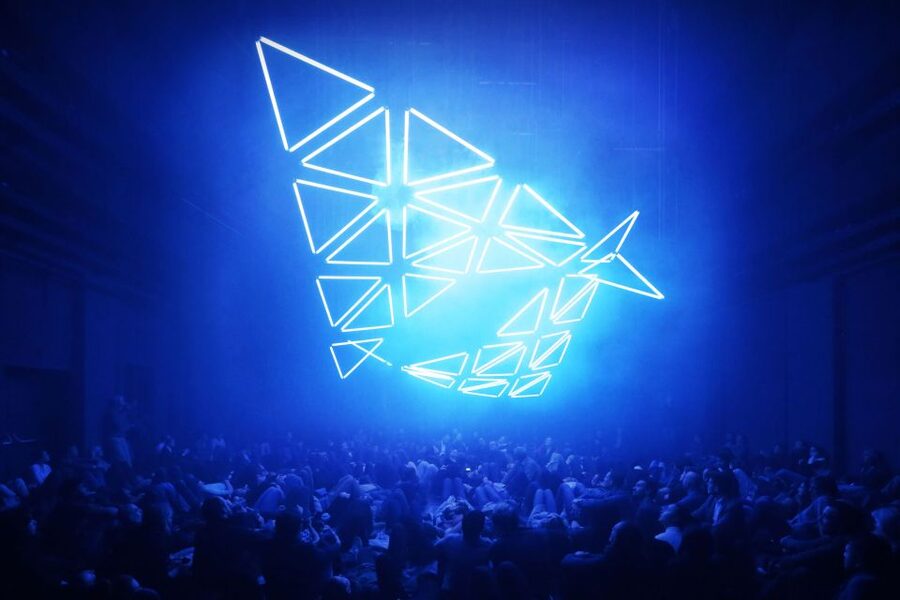
- Seven chapters of darkness and light, each with its own mood and audio tone
- Part walk-through interactivity, where you do more than just look
- A converted factory setting that makes the sound and darkness feel bigger
- Light, movement, and bass working together for a physical, not just visual, effect
- A manageable circuit that many people find relaxing when you take your time
- Flashing lights included, so plan carefully if you are sensitive
Tickets and Timing: What the 1-Hour Circuit Really Means
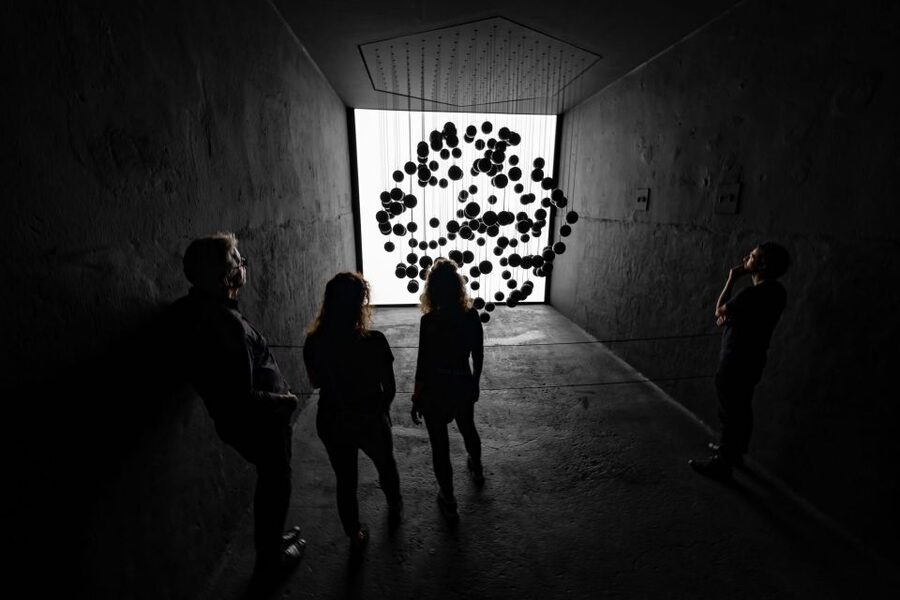
For $26 per person, you are buying something that most museums cannot do on a Tuesday afternoon. DARK MATTER is a short, ticketed art journey where you wear your senses as part of the show. It is scheduled for about one hour, and that time is usually enough to see the full run without feeling like you are stuck in a long line.
This format matters. A one-hour experience is easier to fit into a Berlin day that already includes big-ticket sights like palaces, churches, or museums. And it helps you stay open-minded, because the show rarely gives you time to second-guess what you are seeing.
The biggest timing tip: plan to arrive a little early so you can settle in before the lights and sound start doing their thing. If you are going on your own, I would still show up with a few extra minutes, since smoother grouping can make the pre-start steps feel more orderly when you arrive as part of a larger group.
Also holding a platform in Berlin
- Berlin: Reichstag, Dome and Government District Guided Tour
★ 4.7 · 18,288 reviews - Berlin: 1-Hour City Tour by Boat with Guaranteed Seating
★ 4.3 · 16,993 reviews - Berlin: TV Tower Standard Entrance Ticket
★ 4.4 · 15,883 reviews
Price and Value: Paying $26 for Tech-Driven Art
A lot of modern art feels hard to price, because the value can seem subjective. DARK MATTER is different because you get a measurable amount of experience: around 1,000 square meters of space, seven artworks, and a full sensory design built around light, movement, and sound.
At $26, the value comes from the combination:
- You are not just watching video screens.
- You are physically moving through rooms with sound and lighting that react to the atmosphere of the space.
- You get a complete run within one hour, which reduces the risk of spending your whole day waiting for the “good part.”
That said, not everyone rates it the same. Some people feel a few rooms are weaker than others, and a few mention the price is a little high if you expect a classic exhibition. If that sounds like you, I would approach it as a design experience first, not a traditional art museum.
Entering the Pitch-Black Factory: How the Space Shapes the Experience
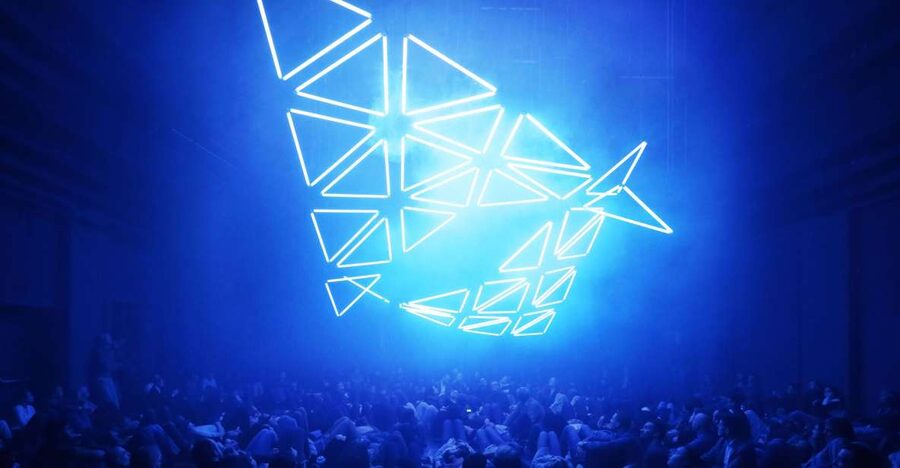
The show happens in pitch-black rooms inside a converted factory. That setup changes everything. In normal galleries, your eyes bounce around and you can lose the thread. Here, darkness forces your attention into the light, and the sound becomes part of how you navigate.
When you enter, you should expect a deliberate pace. You are moving through seven chapters, and the lighting and audio shift from room to room to reset your perception. It can feel meditative. It can also feel playful, especially in the sections where you can step into walk-in structures.
Wear comfortable shoes, because you are on your feet moving between spaces. Also, take a moment to prepare your eyes and ears for the sudden change in brightness and sound. People often leave thinking about how the experience made them feel, not just what they saw.
The Seven Chapters of DARK MATTER: What Each Stage Feels Like
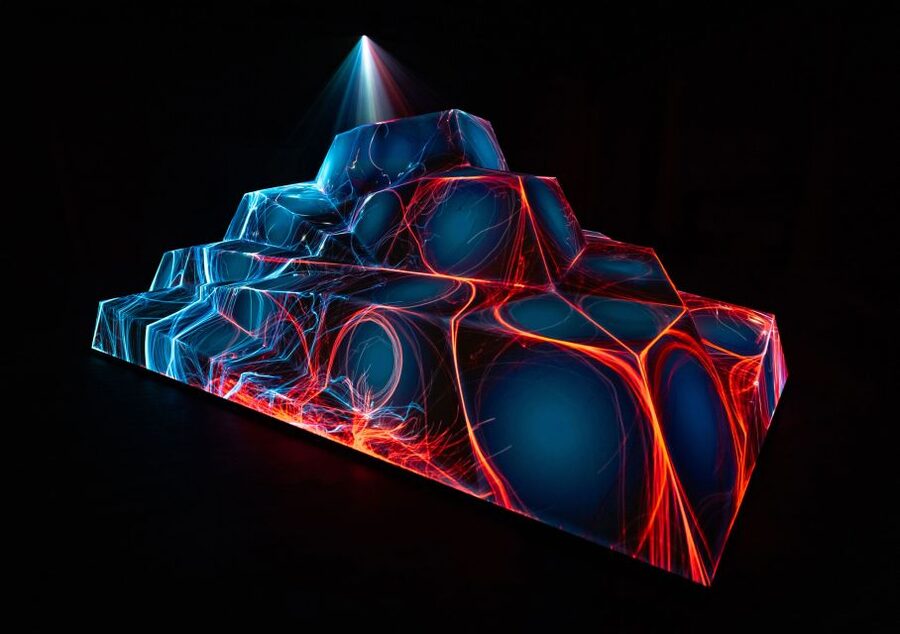
DARK MATTER is built like a route, not like one single installation. The exact room order can vary, but the design principle stays consistent: you travel through darkness to light, with audio and movement doing most of the storytelling.
Below is the kind of experience you can expect across the seven chapters, based on the themes used throughout the show.
Chapter 1: Intimate Light Compositions That Get You to Watch Closely
The opening is often where the show hooks you. These early pieces lean toward quieter, more intimate light arrangements where your attention locks in. You start noticing how color gradients and glow patterns can feel soft even when they look precise.
Drawback to consider: if you are expecting big action immediately, the first rooms might feel slower than the later ones. That is not a failure, it is part of the pacing. The show builds, and the early part teaches your eyes the rules.
Onward connections from Berlin:



Chapter 2: Walk-In Light Structures Where Your Body Becomes the Scale
Next, the design shifts toward places that feel made for stepping into. These are the chapters where you do not just look at art, you become part of the composition. That is one of the reasons so many people describe it as fun, not just beautiful.
This is also where your comfort level with being in a shared space matters. If it gets crowded in a specific section, you may need to wait for a clearer view or a better moment to step into the light.
Chapter 3: Room-Encompassing Audiovisual Moments That Feel Physical
Then comes the bigger, more cinematic side. These chapters use audiovisual performance style effects, where the room itself feels like an instrument. The bass and sound design can feel bodily, like the volume is part of the shape of the space.
This is where the “wow” factor tends to land for most first-timers. If you like technology that feels emotional, you will likely enjoy these chapters more than a typical projection-based exhibition.
One caution: because you are surrounded by sound and light, it can be overstimulating if you are sensitive to strong sensory input. Pace yourself, and if you need a break, take it when the route gives you a natural pause.
Chapter 4: Dark-to-Light Transitions That Create a Meditative Rhythm
The middle chapters often lean into that meditative, hypnotic feeling people talk about. The show uses darkness and changing tones to create a rhythm, and your movement helps keep you in sync with that rhythm.
If you are the type who likes to watch slowly, this is the part to savor. Many people say the experience works best when you do not sprint from room to room. The darker the environment, the more the transitions matter.
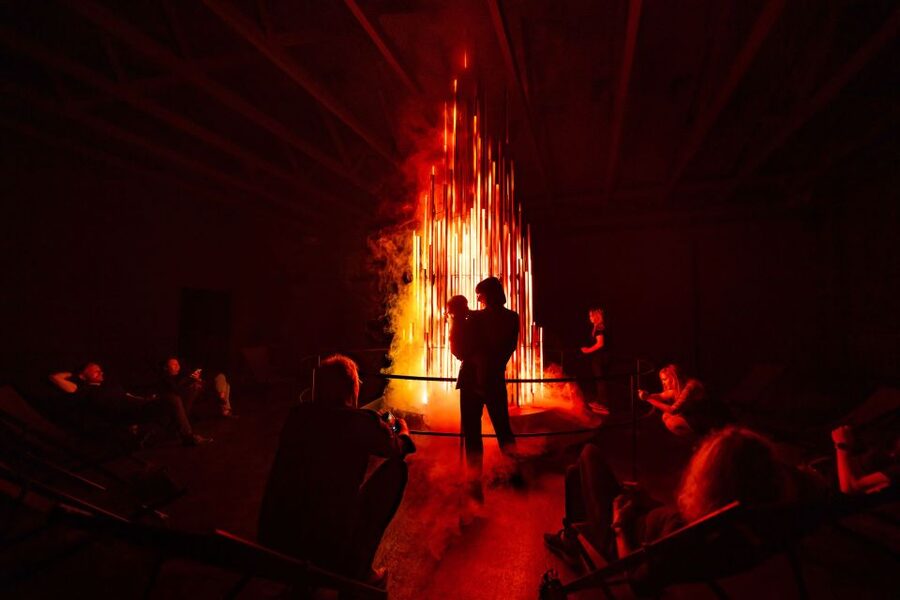
Chapter 5: A Bonfire-Like Room Where Glow and Sound Suggest a Camp Moment
One room theme that stands out in feedback is a bonfire style setup, with music and noises that evoke a campfire atmosphere. It is one of those chapters where your imagination fills in the meaning, even if you do not know what you are looking at at first.
This chapter tends to be popular because it feels comforting compared to purely abstract light. It also gives you something to photograph, but I recommend focusing on the experience first, then taking a few shots if the space allows it.
Chapter 6: The Ladder Room for Big Scale Movement
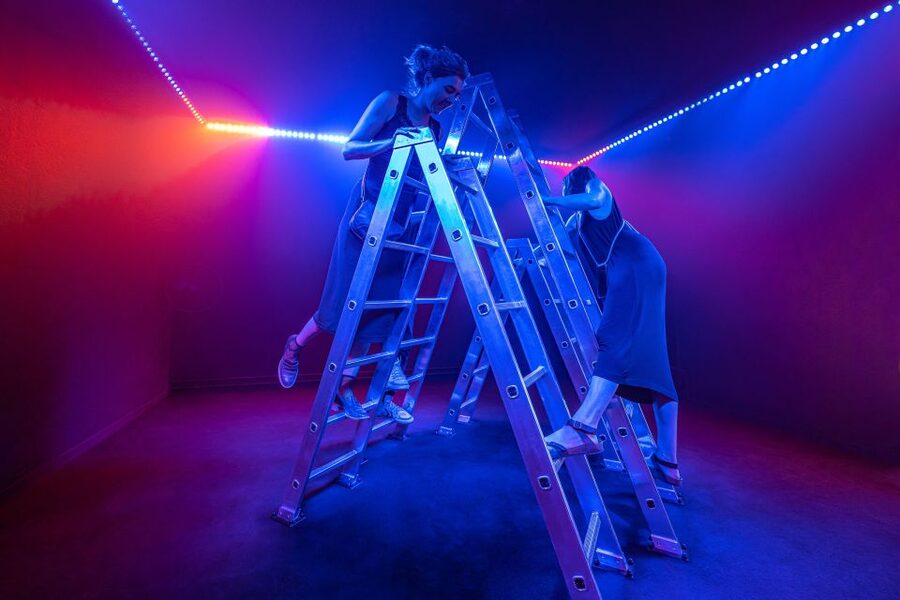
People frequently mention a ladder-related room. A ladder structure naturally invites motion and perspective changes, and it can turn the show into something playful and physical. It is also the kind of space where your position changes what you see, so you may find yourself lingering longer than planned.
Crowding can be an issue here. If you notice it getting tight, do not fight for the center spot. Find a clear angle, watch a moment, then step back and let the room do its job.
Chapter 7: The Grid and the Final Luminous Push
Another commonly praised theme is The Grid. Grid patterns tend to make light look geometric and precise, and the sound design can make the whole thing feel like it is moving even when you are still. This ending chapter often leaves the strongest impression because it wraps the ideas of structure, sound, and darkness together.
If you are on a short day, do not treat the last room as a finish line. Sit with it for a minute or two. The show is designed to keep evolving while you are inside the light and music.
What to Bring, What Not to Bring, and How to Avoid Friction
DARK MATTER is strict about space inside the exhibition. No luggage or large bags are allowed. Pets are not allowed either, but assistance dogs are permitted.
This matters more than you might think. If you show up with a big backpack and you have no way to store it, you could lose time dealing with it before you even start. I recommend packing light for this stop, or plan a quick earlier moment to handle your bags.
Also keep in mind that smoking indoors is not allowed. And since the show includes flashing lights, it is not suitable for people with epilepsy, so plan ahead if anyone in your group is sensitive.
Flashing Lights, Crowding, and the Best Way to Watch
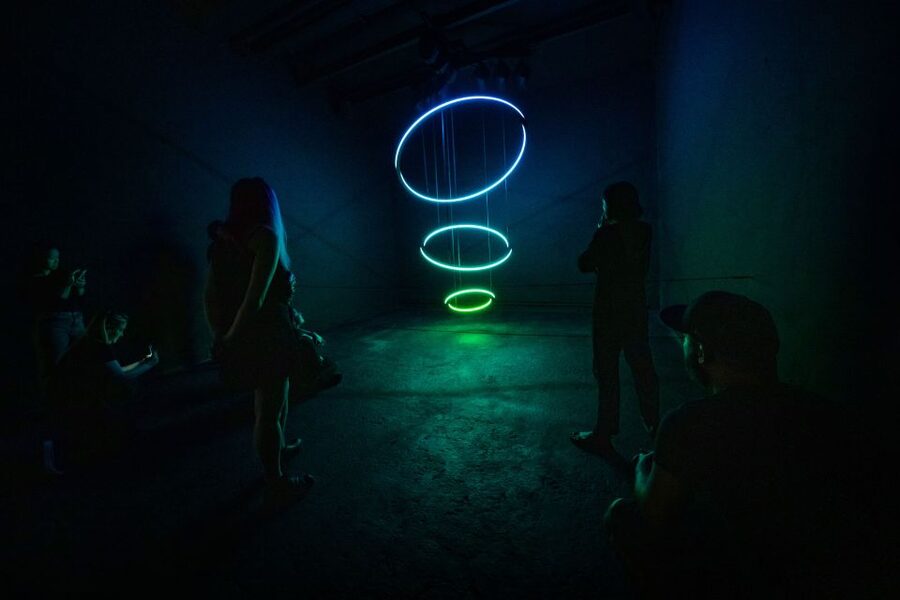
This experience uses flashing lights. That is the headline safety point, and you should treat it seriously. If anyone in your group has epilepsy, skip it. If you are sensitive to light changes, consider how you usually react to strong strobe lighting, and decide based on your comfort.
Crowds can also shape the experience. Some people describe rooms as a bit crowded, while others highlight that group size felt manageable. The takeaway is simple: if you want a calmer run, pick a time when you expect fewer people, and do not try to rush through tight sections.
My best viewing advice is to slow down and let the show change you room by room. When you move too fast, you miss the transitions that make the seven chapters feel connected. If you are traveling with teens or kids, this approach also helps, since the show can be more fun when you see the cause and effect, not when you simply pass through.
Who Should Go: Families, Couples, and Music or Tech Fans
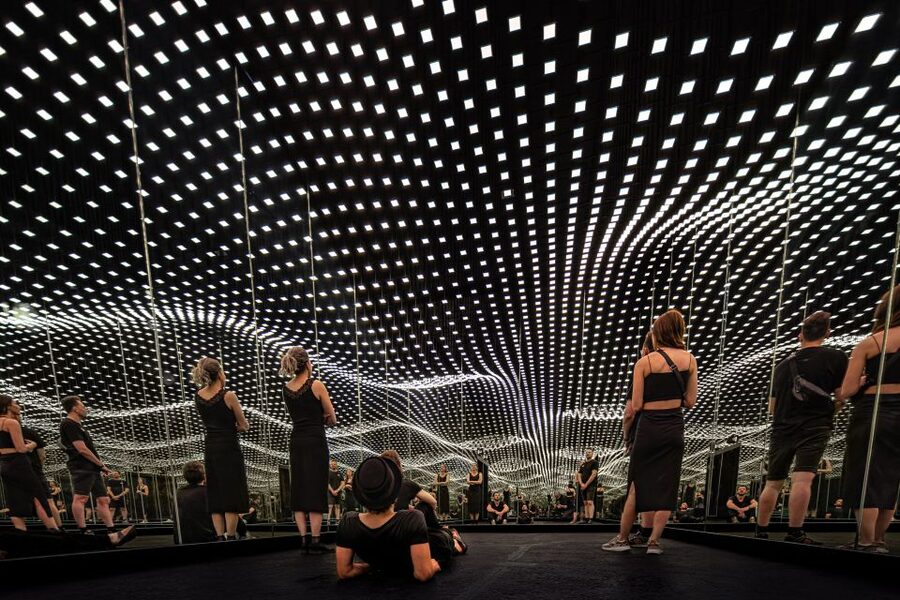
This is one of those Berlin activities that works across ages, as long as everyone is comfortable with dark rooms and strong light and sound. Many people mention it as enjoyable for families, including teens who like visual effects and sound-heavy design.
If you enjoy music and you like modern tech that feels artistic, you will probably get more from it. The sound design is not an afterthought. People often call out how music and bass match the light changes and how each segment can shift your mood.
As a couple activity, it is also a strong pick. You can talk about what you felt after each room. You can also let the show do the talking, since the sensory environment makes normal conversation optional.
If you are looking for a quiet, text-heavy museum, this may not satisfy you. DARK MATTER is mostly about perception and bodily experience, not wall labels.
Getting There in Berlin: Plan Time for a Not-Quite-Central Stop
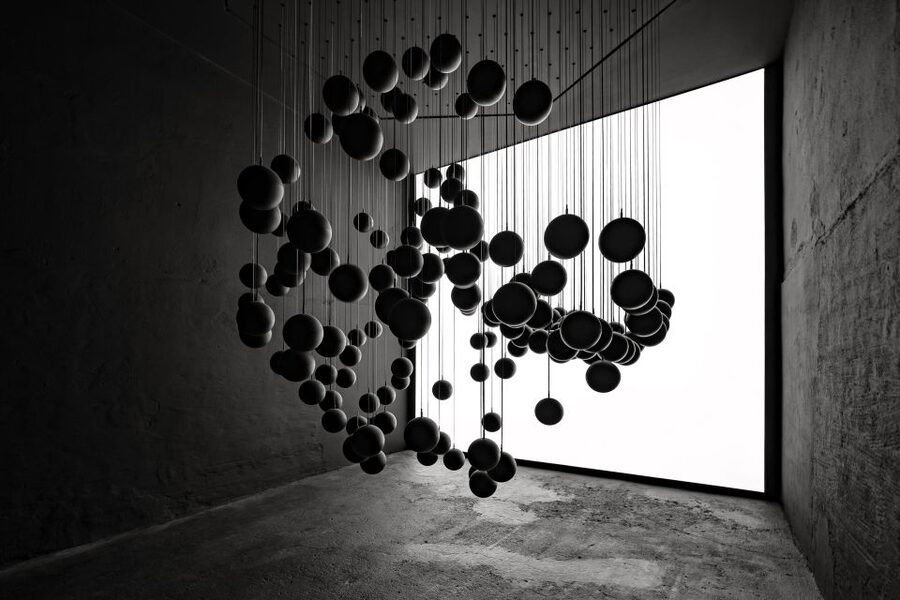
A practical note from the way people describe getting there: the venue is not right in Berlin city center. It can feel a bit out of the way, and public transport may take longer depending on the day and time.
So build buffer time. If you are pairing this with another big attraction, do not schedule it as a tight timing puzzle. Give yourself time to arrive calmly, especially if you are traveling on a busy day.
Should You Book DARK MATTER in Berlin?
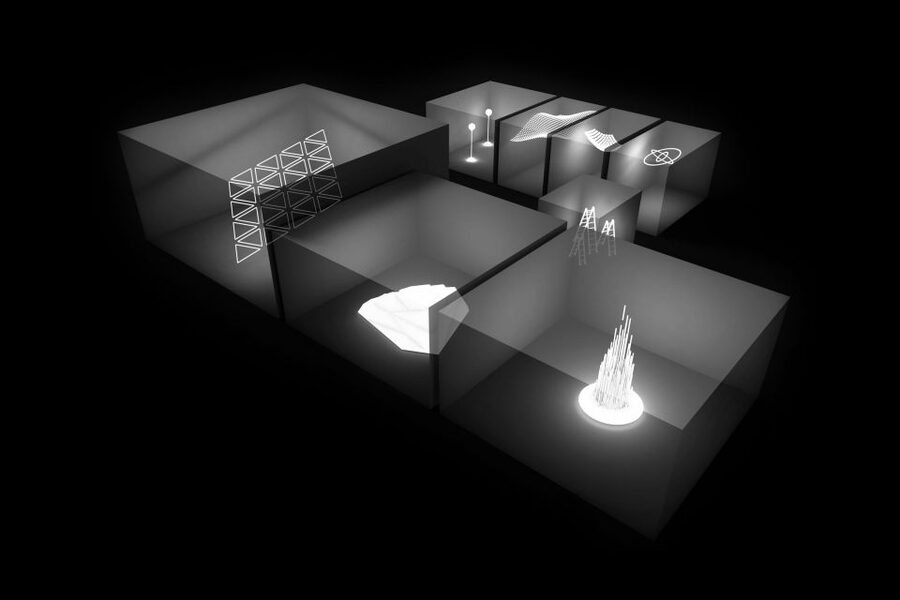
Book it if you want a short, art-meets-sound experience that is genuinely different from standard museum stops. At $26 for about one hour, you get seven chapters, a long route across roughly 1,000 square meters, and that rare combination of light plus sound plus partial interactivity.
Skip it if flashing lights could be a problem for anyone in your group, or if you dislike strong sensory environments. And if your idea of value depends on reading explanations and following a traditional exhibit structure, you may feel underwhelmed in a few rooms.
My final take: if you are the type who likes to try something new with your eyes and ears, this is an easy yes. If you are unsure, treat it like a sensory performance ticket, not a classic exhibition, and you will make the right call for your trip.
FAQ
How long is the DARK MATTER Experience in Berlin?
The experience lasts about 1 hour.
Where do I start the experience?
You start by entering DARK MATTER.
Is the attraction wheelchair accessible?
Yes, it is wheelchair accessible.
Are luggage or large bags allowed inside?
No, luggage or large bags are not allowed.
Are pets allowed?
Pets are not allowed, but assistance dogs are allowed.
Is smoking indoors permitted?
No, smoking indoors is not allowed.
Does the experience include flashing lights?
Yes, the attraction includes flashing lights.
Is it suitable for people with epilepsy?
No, it is not suitable for people with epilepsy.
Fresh on the arrivals board for Berlin




Tickets, compared.
Munich Hop-On Hop-Off Tour: 1-Day or 2-Day Ticket
Read our review →