Reviewed · GUIDED
Berlin: 4-Hour Guided Highlights Tour in Spanish
Berlin’s divided past is mapped in one walk. This 4-hour Spanish highlights tour strings together major landmarks like Museum Island and the Brandenburg Gate, starting at the TV Tower in Alexanderplatz.
I like two things most: the way the route connects iconic sights with the human story of daily life during division, and the strong focus on major stops like Museum Island and the Berliner Dom area. It is also reassuring that you are never left guessing what you are seeing, since the narration stays live and in Spanish.
The one potential drawback is simple: it’s still a walking tour. If you tire quickly, the full loop of central sights can feel like a lot, especially in cold or wet weather.
In This Review
- Key highlights to look forward to
- Meeting at Fernsehturm, then the route makes sense fast
- Alexanderplatz to San Nicolás: the origins of Berlin you can actually picture
- Museum Island and the Berliner Dom: UNESCO sights with story behind them
- Unter den Linden, Humboldt University, the State Opera, and the “big axis” of Berlin
- Gendarmenmarkt: a picture-perfect square with a real explanation
- Hitler’s rise, Gestapo Headquarters remains, and the Memorial that stops the conversation
- Berlin Wall stories, East-to-West escapes, and the Potsdamer Platz contrast
- Finishing at the Brandenburg Gate, Berlin’s symbol you can finally place
- Why the Spanish guide experience is a major part of the value
- Price and what you actually get for $29
- Who should book this tour
- Should you book this Spanish highlights tour of Berlin?
- FAQ
- What is the duration of the Berlin 4-hour guided highlights tour in Spanish?
- What language is the guide speaking?
- Where do I meet the guide?
- Which major attractions are included?
- Is the tour wheelchair accessible?
- Does it run rain or shine, and when does it start?
- What should I bring?
- What is the cancellation policy?
Key highlights to look forward to
- Spanish-only, live guidance with praised clarity from guides such as Evelyn, Celia, and Constantino
- Museum Island focus, including the UNESCO setting around the Berlin Cathedral area
- Unter den Linden and grand squares, with a photo-friendly stop in Gendarmenmarkt
- Hard history, handled directly, with Gestapo Headquarters remains and the Memorial to the Murdered Jews of Europe
- Berlin Wall from construction to fall, plus East-to-West escape stories
- Modern contrast at Potsdamer Platz, then finishing at the Brandenburg Gate
Meeting at Fernsehturm, then the route makes sense fast
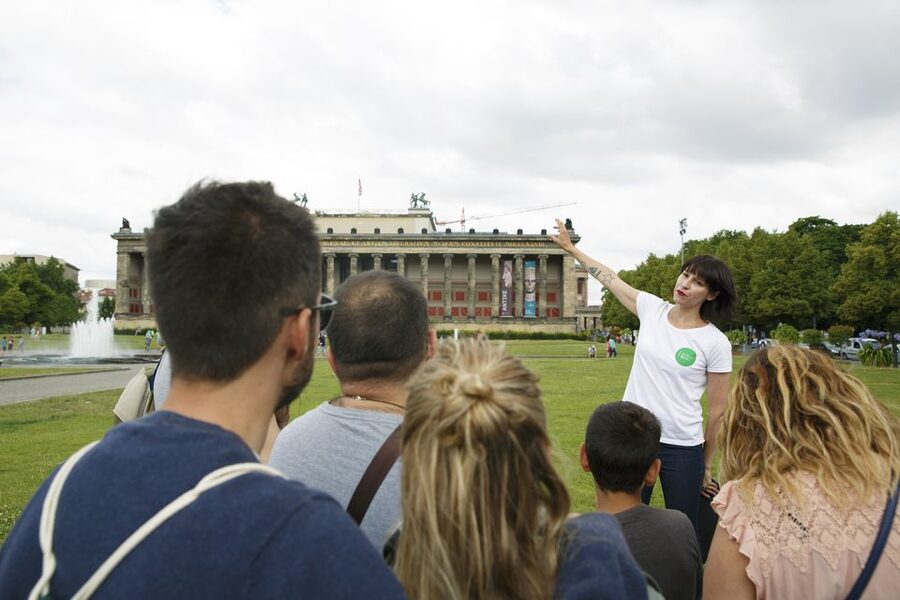
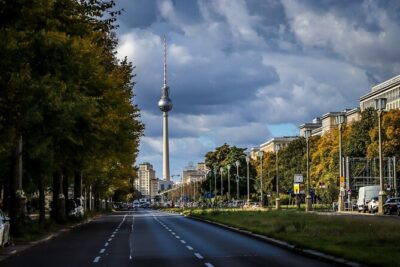
The tour starts at Alexanderplatz, right by the Fernsehturm, the big TV tower that practically defines the area. Your meeting point is next to the entrance to the tower, by a green flag that says tours en español, with the Espresso House nearby. This matters more than it sounds. Easy meeting points reduce stress when you are juggling maps, weather, and time.
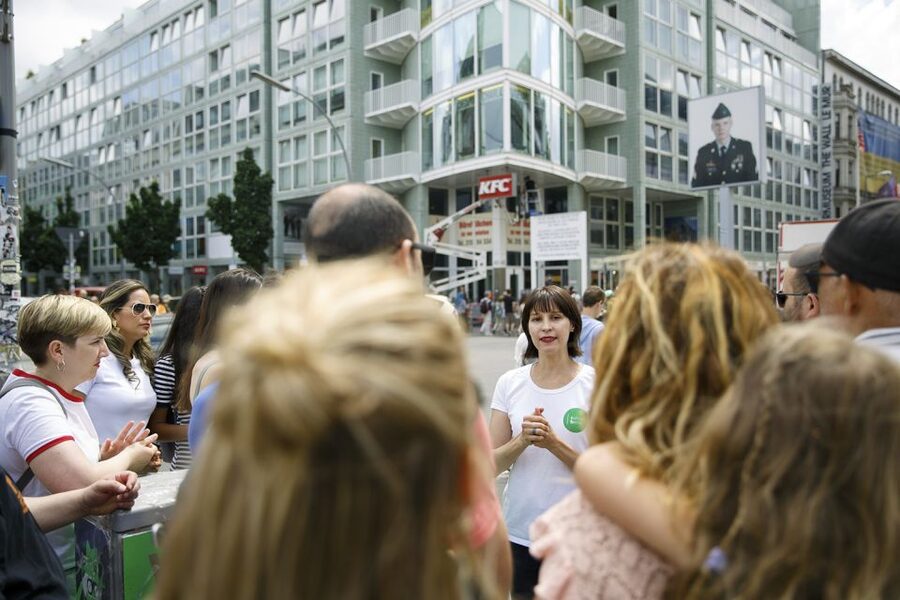
From the first minutes, the guide sets up the walk so Berlin’s geography becomes easier to read. You are not just collecting famous photos. You’re learning how the city grew, how power shaped space, and how the Wall shaped ordinary routines across neighborhoods.
Also holding a platform in Berlin
- Berlin: Reichstag, Dome and Government District Guided Tour
★ 4.7 · 18,288 reviews - Berlin: 1-Hour City Tour by Boat with Guaranteed Seating
★ 4.3 · 16,993 reviews - Berlin: TV Tower Standard Entrance Ticket
★ 4.4 · 15,883 reviews
Alexanderplatz to San Nicolás: the origins of Berlin you can actually picture
Early on, the tour heads toward the origins of Berlin in the San Nicolás neighborhood. This is a smart start because it gives you a baseline before you hit the big political landmarks. It also helps you understand why central Berlin looks the way it does, with major streets and institutions lining up in a clear, readable pattern.
What I like about this segment is the pacing. You get enough context to make later stops feel connected, not random. Even if you only know Berlin from movie clips and a few postcard landmarks, this part helps you place the rest of the story on a real street grid.
If you are sensitive to cold, keep in mind that early walking in winter can be tough. One review specifically mentioned cold and snow not stopping learning and the overall experience. Bring layers, not just comfort in theory.
Museum Island and the Berliner Dom: UNESCO sights with story behind them
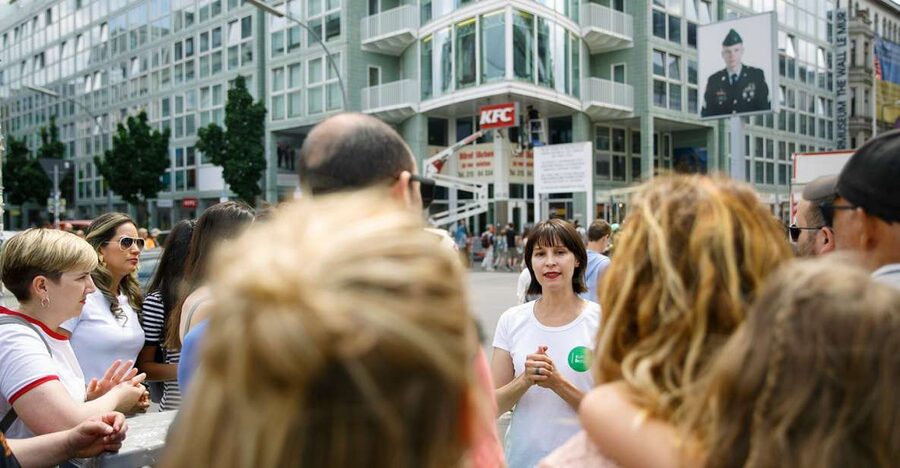
Museum Island is one of those places where it’s easy to stare at buildings and think, nice architecture. This tour nudges you to understand why those museums and institutions ended up here, and why the surrounding area became a cultural and political symbol.
You’ll pass through the UNESCO site area and reach the impressive Berlin Cathedral zone, often referred to as the Berliner Dom in casual conversation. The key value is that you are not only looking at landmarks. You’re learning what these places meant in different eras and how cultural power and national identity tied together in Berlin.
A bonus for practical travelers: UNESCO areas tend to have dense foot traffic and lots of distractions. Having a guide who knows the flow saves time and keeps the group moving without feeling rushed.
Unter den Linden, Humboldt University, the State Opera, and the “big axis” of Berlin
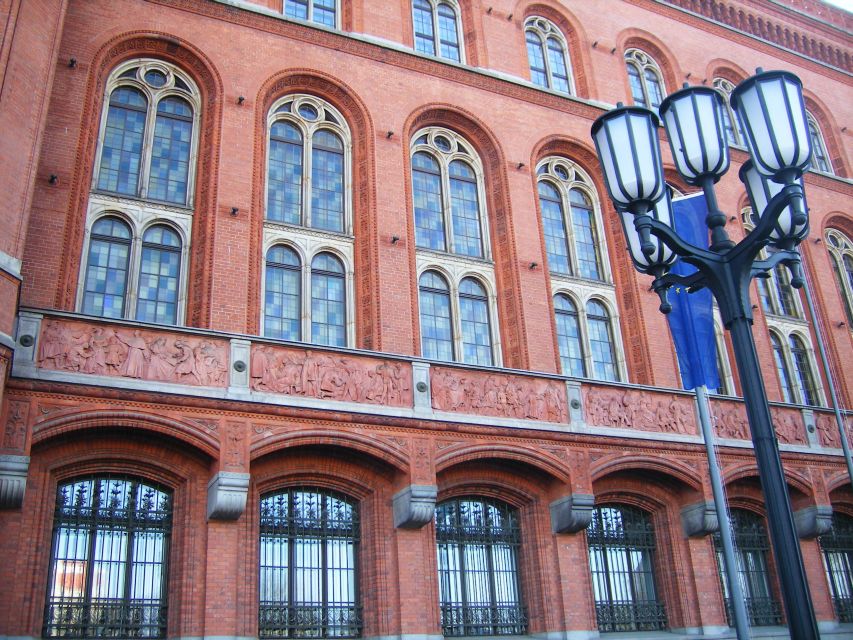
The walk continues down Kaisers Avenue and into the Unter den Linden corridor, Berlin’s famous grand boulevard. This is where Berlin’s city planning becomes visible. The streets feel like they are built for ceremonies, parades, and public life, which is exactly why they matter when you are learning about the 20th century.
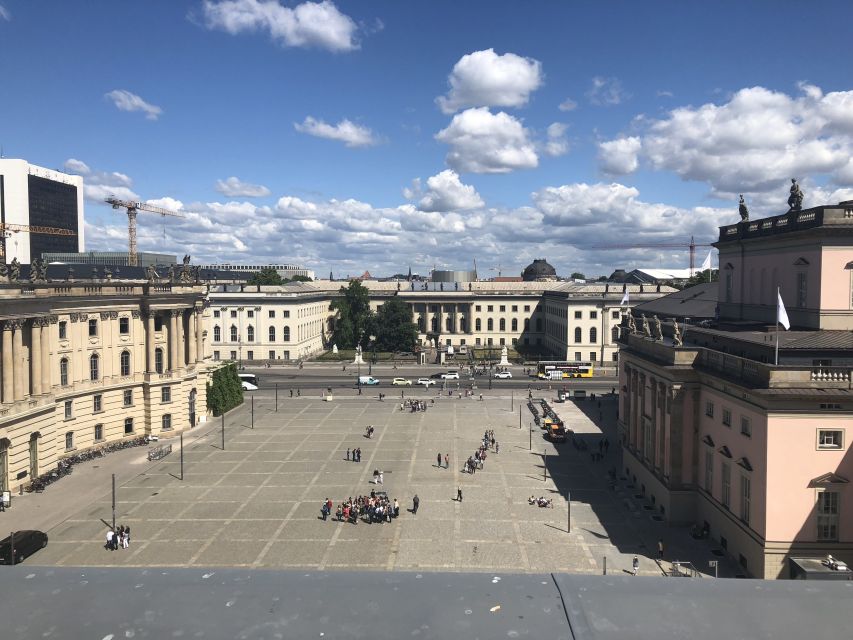
On this stretch, you also pass major institutions like Humboldt University and the Royal Library, along with the State Opera. Even if you do not go inside any of these buildings, seeing them in a single connected route helps you understand how education, culture, and government occupied the same space.
You’ll also start to recognize the rhythm of the walk: you stop long enough to take in what’s in front of you, then move on so the next story lands while it’s still fresh.
Gendarmenmarkt: a picture-perfect square with a real explanation
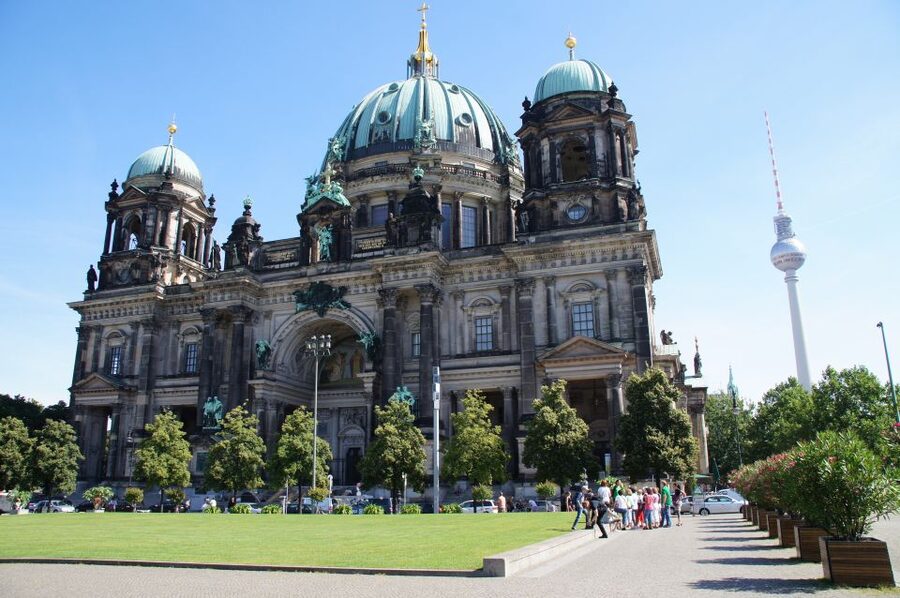
One of the most rewarding stops is Gendarmenmarkt, described as one of Berlin’s most beautiful squares. You get the visual payoff, plus the guide ties it back into what you’re learning about Berlin’s evolution and status.
The tour includes a pause for a photo opportunity here, which is genuinely helpful. Berlin photography can be tricky because the buildings are so detailed. A guided stop gives you a moment to frame shots without the usual scramble.
This square also works as a mental reset. After heavier themes start showing up later, Gendarmenmarkt feels like a breath of clarity, a reminder that Berlin is also about public space and daily visibility.
Onward connections from Berlin:


Hitler’s rise, Gestapo Headquarters remains, and the Memorial that stops the conversation
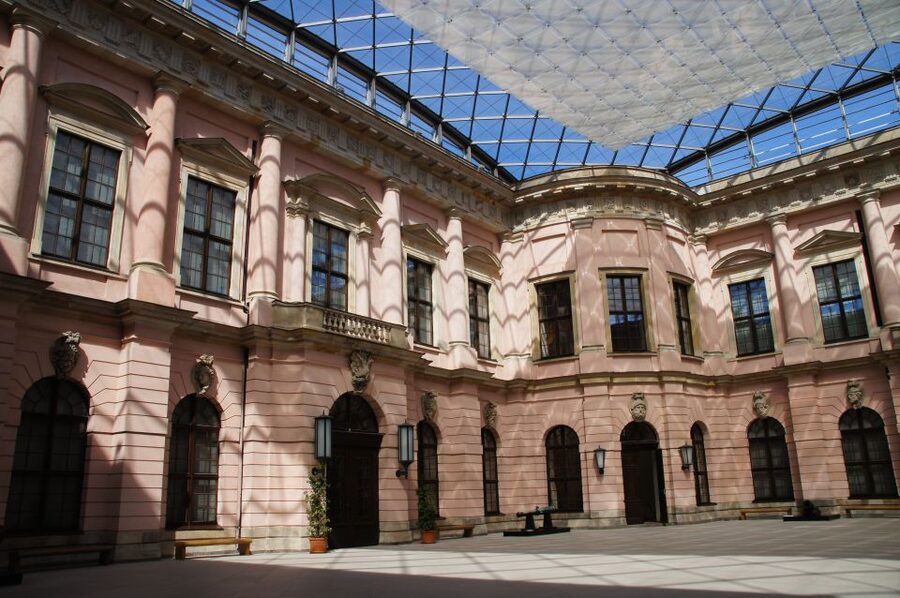
After the more elegant landmarks, the tour turns sharper. You’ll hear details about Hitler’s rise to power and see the remains of the Gestapo Headquarters. This is not presented like a scare tactic. It’s explained as part of a chain of events that changed how people lived.
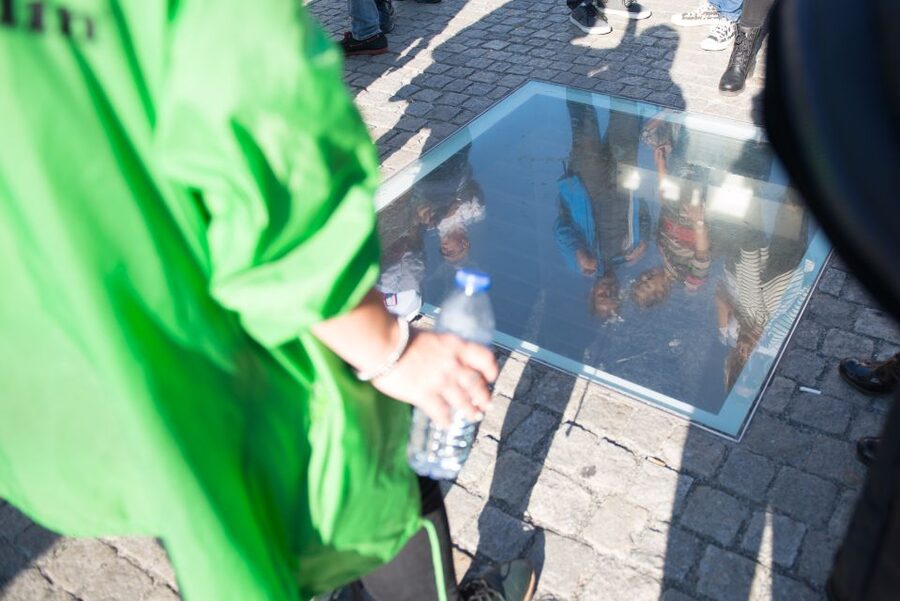
Then you remember the Holocaust at the Memorial to the Murdered Jews of Europe. This stop is valuable because it moves beyond slogans. You get context about what happened, and why those events are still part of Berlin’s identity and moral responsibility today.
A small but important practical note: memorials make you slow down, and they often do not fit well with fast pacing. If you want time to stand, read, and think, plan for it here. If your group is moving briskly, it can feel emotionally heavy. A good guide helps you pace yourself so you stay present.
Berlin Wall stories, East-to-West escapes, and the Potsdamer Platz contrast
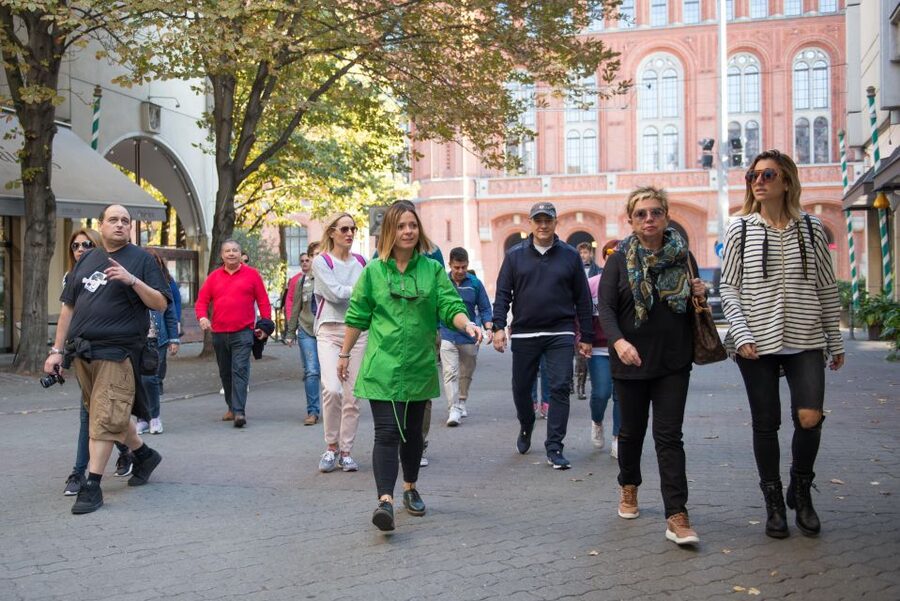
Now the tour’s core promise becomes clear: you learn why the Berlin Wall was constructed, how it functioned, and what happened when it fell. This is explained not just as a political event, but as an everyday reality.
You’ll hear stories about how local residents lived with the Wall, and the risks East Germans took to cross into West Berlin. That “everyday life” angle is where the tour earns its keep. It turns the Wall from a wall in a museum photo into a lived barrier that shaped routines, chances, and choices.
Then comes the modern contrast at Potsdamer Platz, described as spectacularly modern. It’s a smart ending before you finish at the Brandenburg Gate. You see both sides of the same city: the Berlin of division and the Berlin that rebuilt itself and moved on with new streets, new energy, and new symbols.
Finishing at the Brandenburg Gate, Berlin’s symbol you can finally place
The tour ends at the Brandenburg Gate, Berlin’s most recognizable symbol. By this point, it doesn’t feel like a random landmark. It feels like a marker you can read in layers: empire-era symbolism, then division-era power, then reunification-era meaning.
If you’re short on time but want a guided path that links the city’s highlights to the biggest historical turning points, the ending makes sense. You leave with one big image and the context to understand why it matters.
Why the Spanish guide experience is a major part of the value
This tour is offered only in Spanish, with live guides. That is not a small detail. Language shapes comprehension, and comprehension shapes how much you retain. If you speak Spanish comfortably, you’ll likely get more out of this than an English-only overview because the explanations are tailored to your ability to follow without translating in your head.
Reviews also point to strong communication from specific guides. Evelyn, for example, is praised for professionalism and clear information, including patience for slower walkers. Celia is noted for creating debate and reflections, with a human and critical tone that helps you think rather than just memorize dates. Constantino is also praised for making the tour feel smooth, including an interval for a café and a restroom reset.
This matters for your day. A tour that works well in your language and with your group’s pace is not just entertaining, it’s efficient. It turns four hours into a real orientation to Berlin.
Price and what you actually get for $29
At around $29 per person for a four-hour guided highlights walk, you’re paying for three things: a structured route, professional interpretation in Spanish, and the ability to connect the stops into one story. That’s usually where good value lives.
You are not paying extra for museum tickets here. Instead, you’re buying the translation of complicated history into a route you can follow on foot. For many visitors, that’s the best kind of “pay once” value in Berlin, because you get context that helps you enjoy the sites you might visit later on your own.
The duration is also a practical sweet spot. Four hours is long enough to cover several major areas of central Berlin, but short enough that you can still plan an evening meal or a second activity if you want.
Who should book this tour
This is a strong fit if you:
- want a Spanish-only introduction to central Berlin
- care about understanding the city’s division period, not just seeing monuments
- like walking routes that connect multiple neighborhoods in one plan
- are okay with a guided historical storyline that includes difficult topics
It might be less ideal if you:
- prefer spending long stretches inside museums or doing very slow sightseeing
- want only light sightseeing with no emphasis on 20th century trauma and memorials
Should you book this Spanish highlights tour of Berlin?
I think it’s worth booking if you want a guided framework for Berlin’s biggest landmarks and the Wall-era story, with interpretation in Spanish and a route that stays coherent from Alexanderplatz to the Brandenburg Gate. The strongest reason to choose it is the way the tour blends the famous sights with real explanations of division, daily life, and the moral weight of the Holocaust memorial stop.
If you are visiting Berlin for the first time and want a day plan that prevents the city from feeling like random sightseeing, this hits that goal fast. If you only want one guided experience, this is a good candidate.
FAQ
What is the duration of the Berlin 4-hour guided highlights tour in Spanish?
The tour lasts about 4 hours.
What language is the guide speaking?
The tour is only offered in Spanish, with a live Spanish-speaking guide.
Where do I meet the guide?
Meet by a green flag that says tours en español, next to the only entrance to the TV tower (Fernsehturm) at Alexanderplatz. It is between the Fernsehturm and the Alexanderplatz train station, next to the Espresso House.
Which major attractions are included?
The tour covers the Brandenburg Gate, Museum Island, the Berlin Cathedral area (Berliner Dom), and Gendarmenmarkt. It also includes stories and stops connected to the Berlin Wall, the Holocaust memorial, and the remains of the Gestapo Headquarters.
Is the tour wheelchair accessible?
Yes, the tour is wheelchair accessible.
Does it run rain or shine, and when does it start?
It runs every day, rain or shine, beginning at 10:00 in front of the TV Tower at Alexanderplatz.
What should I bring?
Wear comfortable clothes.
What is the cancellation policy?
You can cancel up to 24 hours in advance for a full refund.
Fresh on the arrivals board for Berlin



Guided, compared.
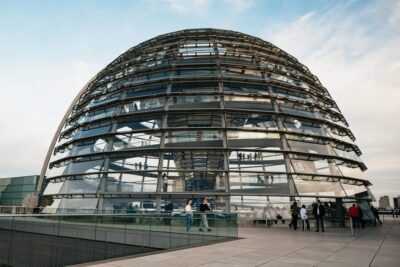
Reichstag, Dome and Government District Guided Tour
Read our review →

1-hr Boat Tour with Bilingual Live Guide (DE/EN)
Read our review →