Reviewed · BERLIN TOURS & ACTIVITIES
Berlin: 2.5-Hour Neighborhood Tour of Neukölln
Neukölln looks ordinary, the story isn’t. This 2.5 hour walk pairs architecture with how the neighborhood became Berlin’s multicultural hub. I like the old district court and former prison stops, and I also love how the guide connects what you see on the street to what the area was used for. The only real drawback is that it is still a walking tour, so wear shoes you can stand in for a couple hours.
I also appreciate the human scale of the route. You focus around Richardplatz, where the area still feels a bit village-like, and you end up with clear context for why Rixdorf became Neukölln in 1912 after Wilhelm II approved a name change tied to image problems. On tours led by Tobias, the tone often stays friendly and personal, and the facts land without turning into a lecture.
In This Review
- Key Things You Should Notice on This Neukölln Tour
- Why Neukölln Makes Sense in 2.5 Hours
- Old District Court and Former Prison in Neukölln
- Rathaus Architecture, and What City Pride Looks Like
- Rollberg Proletarian Residences, and the Housing Behind Daily Life
- Innstrasse Housing Complex, Public Baths, and the “Designed City”
- Saalbau Neukölln, Performance Spaces, and Cultural Infrastructure
- Karl-Marx-Strasse Arcade: Retail, Movement, and Everyday Escape
- Bohemian Rixdorf, Exile Houses, and Bethlehem Church on Richardplatz
- What the Guide Level Means for Your Experience
- Price, Time, and Value at About $23 for 2.5 Hours
- Who This Tour Is Best For (and Who Might Skip It)
- Should You Book This Neukölln Neighborhood Tour?
- FAQ
- How long is the Berlin Neukölln neighborhood tour?
- How much does the tour cost?
- Is the tour wheelchair accessible?
- What languages is the guide available in?
- Is an expert tour guide included?
- Where do we meet?
- Can I cancel for a refund?
- Can I arrange a specific meeting point, date, and time for my group?
Key Things You Should Notice on This Neukölln Tour
- Architecture with a point: courts, pools, halls, and housing that show how Berlin housed and controlled people.
- Rollberg’s story in real buildings: you learn how “proletarian residence” planning shaped daily life.
- A practical mix of stops: short sights you can actually process, not a marathon of landmarks.
- Rixdorf meets Protestant exile history: you hear how early 18th century Bohemian refugees influenced the neighborhood’s culture.
- Richardplatz’s village feel: a square and church stop that grounds the whole journey.
Why Neukölln Makes Sense in 2.5 Hours
Neukölln can feel like Berlin’s everywhere at once. The mix of communities, languages, and building styles is part of the point. This tour helps you see the logic underneath it all, instead of treating the neighborhood like a random collection of streets.
You’re walking with an expert guide for about 2.5 hours, and you get enough time to connect multiple eras. That matters here. Berlin does not just layer time, it collides it. The best tours do that with places you can physically point to, and this one sticks to the kind of stops that make history visible.
If you want one perfect “starter” neighborhood walk that blends civic buildings, housing, and religious history, this is a strong fit. If you want museums, closed-door interiors, and long sit-down explanations, you might prefer something else.
Also holding a platform in Berlin
- Berlin: Reichstag, Dome and Government District Guided Tour
★ 4.7 · 18,288 reviews - Berlin: 1-Hour City Tour by Boat with Guaranteed Seating
★ 4.3 · 16,993 reviews - Berlin: TV Tower Standard Entrance Ticket
★ 4.4 · 15,883 reviews
Old District Court and Former Prison in Neukölln
One of the first things you’ll notice is the tone of the buildings themselves. The old district court and the former prison bring you face to face with a Berlin theme that never really goes away: power, paperwork, punishment, and who got processed by the system.
Even if you only see exteriors from the sidewalk, these are the kinds of structures that make you pay attention to details like symmetry, massing, and how official buildings signal authority. I like that the tour starts with this kind of anchor. It gives you a lens for later stops, including the housing and public institutions you’ll visit after.
Practical tip: bring your “street reading” brain. Instead of hunting for one perfect photo, look at how the building is set up, how it relates to the street, and what that suggests about the neighborhood’s older role.
Rathaus Architecture, and What City Pride Looks Like
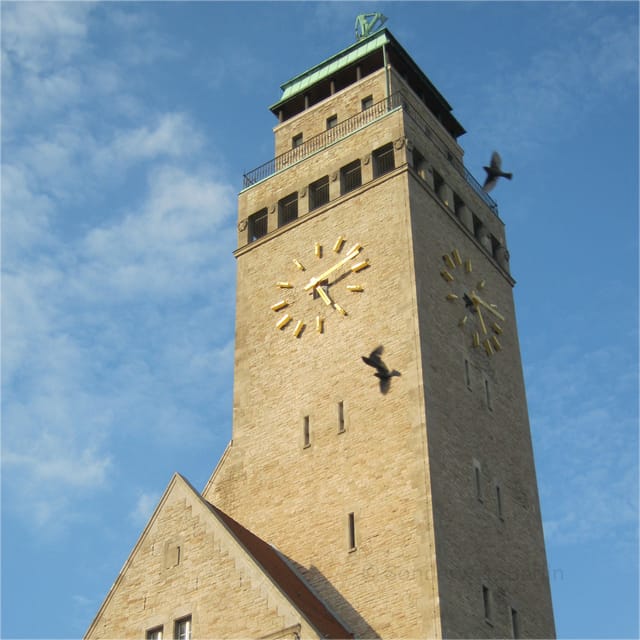
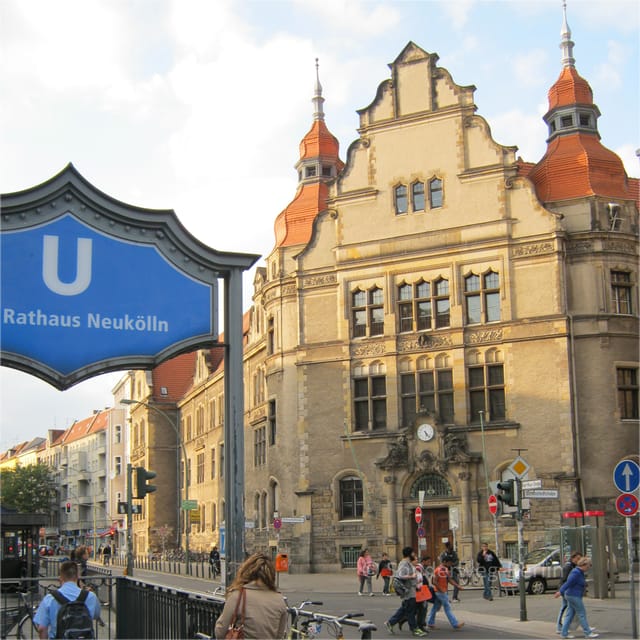
From the legal and carceral side of Neukölln, you shift into civic grandeur. The tour includes admiration of the Town Hall’s magnificent architecture, and it’s a useful contrast.
Courts and prisons tell you about control. Town Hall architecture tells you about identity and legitimacy. It is the city saying, we are organized, we are here, and we matter. In a neighborhood that later becomes known for multicultural life, seeing these official, formal buildings helps you understand how Berlin tried to define order and belonging long before today’s mix.
If architecture is your thing, this stop is worth slowing down for. Take a minute to stand back and look at the overall composition, not just the closest façade. That’s how the “grand” part becomes real.
Rollberg Proletarian Residences, and the Housing Behind Daily Life
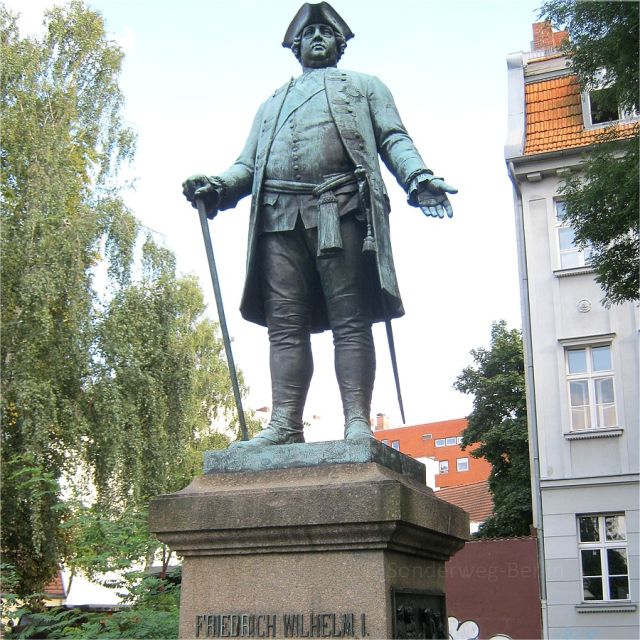
Now you move into a part of Berlin’s story that is often misunderstood. The tour explains interesting facts about Rollberg as a proletarian residence district. In other words, this wasn’t just “housing that happened to exist.” It was planned, debated, and built with a social purpose.
Rollberg is where you start to see how urban planning and ideology shape a neighborhood. The tour’s focus on housing is especially meaningful because it connects architecture to lived experience: where people worked, where they slept, and how cities tried to manage density.
On at least one tour experience, the guide also brought up details around atrium houses on Rollberg and even former brewing rooms connected to Brauerei Kindle. That kind of add-on is exactly why I like neighborhood tours with expert guides. You get the big picture, then you get a specific, human-sized story that makes it stick.
What to watch for: housing complexes can look repetitive if you rush. Give yourself permission to notice rhythm, courtyards, and how entrances face the street. Those details are doing social work.
Innstrasse Housing Complex, Public Baths, and the “Designed City”
The tour highlights outstanding architecture of the housing complex on Innstrasse. Again, you are reading the city’s ideas in stone and brick. Housing complexes are often seen as background, but here they are treated like key documents.
This area also lines up well with the kinds of stops that Berlin does best: public institutions made physical. The old Neukölln public pool façade is on the route, and even the front you see from outside can tell you something about how a city once imagined leisure and health for ordinary residents.
Related stop energy shows up with the Stadtbad you may encounter as part of the route context, along with other neighborhood “musts.” I like this approach. It keeps the tour from turning into a pure architecture appreciation session. Instead, you get a sense of what Berlin built for people, not just what it built to impress itself.
Possible drawback to consider: if you are only interested in famous, postcard icons, you may need a quick mindset shift. Here, the value is in interpreting everyday civic structures.
Onward connections from Berlin:



Saalbau Neukölln, Performance Spaces, and Cultural Infrastructure
Next comes the Saalbau Neukölln. Performance venues are more than entertainment. They are infrastructure for a community’s identity, and they often show up where planners expected crowds, gatherings, and public life.
It is one thing to hear that Neukölln became a multicultural hub. It is another to see cultural buildings that help create the stage for that shift. Even if you are not going inside, the presence of a hall like this helps you understand how Berlin builds shared space.
I find it especially useful after spending time on courts, prisons, and housing. The tour gives you a spectrum of functions, from restricting individuals to gathering them. That contrast helps you get beyond a single theme.
Karl-Marx-Strasse Arcade: Retail, Movement, and Everyday Escape
Karl-Marx-Strasse is one of those streets where history is always present in the name and the setting. The tour includes exploring the arcade on Karl-Marx-Strasse, which brings you back to daily life.
Arcades are about movement and shelter. People use them to pass through, browse, meet, and avoid weather. That is a small but real example of how a neighborhood’s layout supports routines.
This part of the tour is also where you can let your brain reset between heavier history stops. You get a break from big civic statements and you see a different kind of urban design: the kind that fits into ordinary errands.
Tip: if the weather is cold or rainy, this stop can be a relief. If it is sunny, you still benefit by using the arcade like a viewing platform, watching how people use the space.
Bohemian Rixdorf, Exile Houses, and Bethlehem Church on Richardplatz
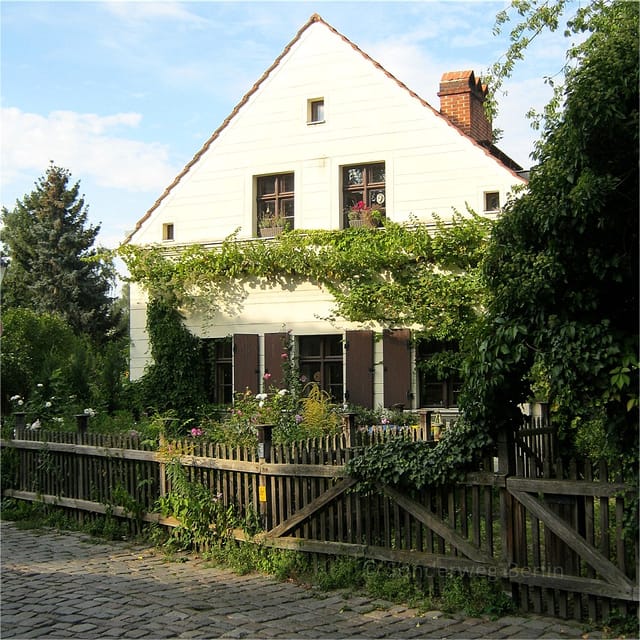
The heart of the tour is the shift into the story of Rixdorf and the Bohemian Exulanten, Protestant refugees who settled here as early as the 18th century. This is not just “immigration as a fact.” The tour frames it as something shaped by religious faith and puritan everyday life.
That context makes the architecture and place names feel less random. You stop at exile houses in Bohemian Rixdorf, and you get to see how history lived in residential form. Then you visit the Bethlehem Church on Richardplatz, grounding the story in a specific site tied to community life.
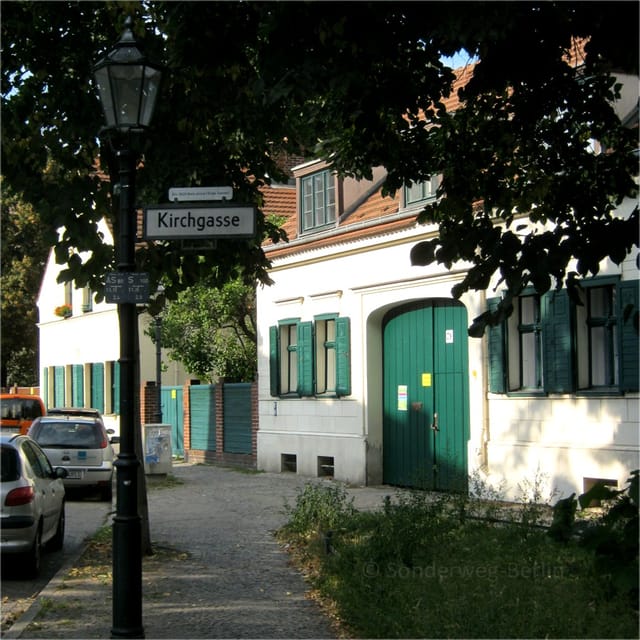
Richardplatz itself still carries that village-like atmosphere. I like that the tour tells you to pay attention to that feeling, because it is easy to walk past without noticing. A square like Richardplatz helps you understand that neighborhoods are not only built, they are lived into.
Here’s the name-change detail that really connects eras: with Wilhelm II’s approval, Rixdorf was renamed Neukölln in 1912. The reason was a simple image problem, with the southern side of Berlin stereotyped as frivolous entertainment. That fact is a great reminder that cities also manage reputation, not just borders.
What the Guide Level Means for Your Experience
This tour is led by an expert guide, and the language options include German and English. What matters most is the way the information is delivered. The best reviews and personal impressions around guides like Tobias describe someone who makes context feel alive, with a bit of humor and a personal touch.
On at least one tour day, it was effectively a private experience on Christmas Day, with two travelers only. That kind of small group can change everything. You get more room for questions, and you can go slower at the details you care about, like the background behind a town emblem or how the city developed.
Even without a private setup, you should expect a guide who can connect buildings to motivations and everyday effects, not just list dates and names.
Price, Time, and Value at About $23 for 2.5 Hours
At $23 per person for a 2.5 hour guided walk, you’re paying for more than movement through space. You’re paying for interpretation.
For this neighborhood, the “value” is not in how many stops you check off. It is in how the guide stitches together legal power, housing planning, public amenities, and exile history so that the neighborhood reads as a story. If you normally spend money on transit and end up still missing the context, this is a way to buy meaning.
You also get flexibility options like free cancellation up to 24 hours before departure and reserve now, pay later. That’s practical if your Berlin plan depends on weather or how your day is unfolding.
Group walking is still walking. Plan on using the time efficiently, not stretching it into a casual hangout where you forget you are on a schedule.
Who This Tour Is Best For (and Who Might Skip It)
You’ll likely love this tour if you:
- Want a clear, history-to-street-level connection in a neighborhood that feels real and lived-in
- Care about architecture that reflects social planning, not just aesthetics
- Like cultural context as much as landmarks
- Prefer a guided walk with time to absorb rather than a rapid bus tour
You might prefer something else if you:
- Need guaranteed museum interiors or lots of indoor time
- Are only looking for big, famous sights and do not care about civic buildings and housing complexes
- Want a very light, short stroll with no historical framing
Because the tour is wheelchair accessible, it is also a good option for people who want a route that accounts for mobility needs.
Should You Book This Neukölln Neighborhood Tour?
My take: if you want Berlin context without leaving Neukölln, book it. This tour does what many “neighborhood walks” fail to do. It shows you how the area’s identity was built through housing, public institutions, and community places like Bethlehem Church on Richardplatz.
The strong satisfaction signal, with an overall rating of 4.9 out of 5 from 119 reviews, matches what you’re getting: a focused 2.5 hour route, an expert guide, and stops that actually explain why the streets look the way they do.
If you are the kind of traveler who likes to understand neighborhoods instead of just photographing them, you’ll come away with Neukölln feeling less confusing and more coherent. And that is the whole point of a good guide and a well-chosen route.
FAQ
How long is the Berlin Neukölln neighborhood tour?
The tour lasts 2.5 hours.
How much does the tour cost?
It costs $23 per person.
Is the tour wheelchair accessible?
Yes, the tour is wheelchair accessible.
What languages is the guide available in?
The live guide is available in German and English.
Is an expert tour guide included?
Yes, the tour includes an expert tour guide.
Where do we meet?
The meeting point may vary depending on the option booked.
Can I cancel for a refund?
Yes. Free cancellation is available up to 24 hours in advance for a full refund.
Can I arrange a specific meeting point, date, and time for my group?
Yes. A meeting point, date, and time of your choice can be arranged for your group upon request when booking.
Fresh on the arrivals board for Berlin



Berlin Tours & Activities, compared.
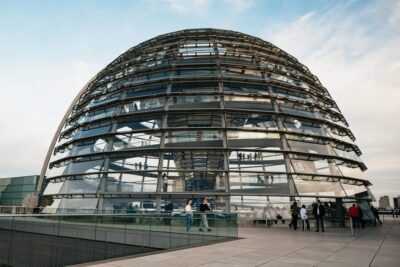
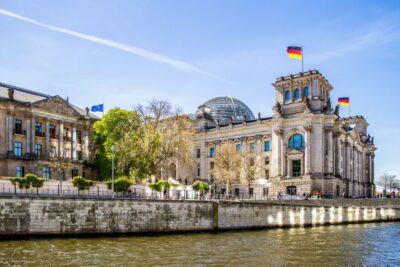
Reichstag, Dome and Government District Guided Tour
Read our review →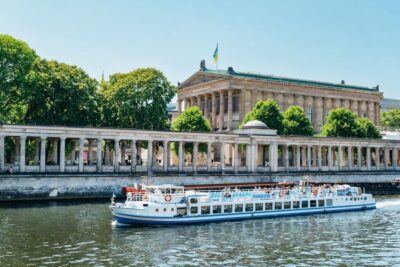
1-Hour City Tour by Boat with Guaranteed Seating
Read our review →
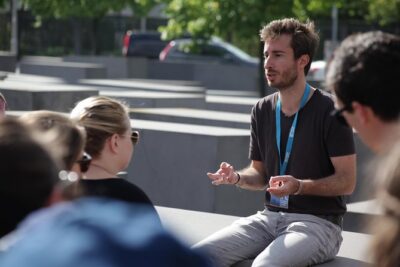
Berlin City walk Government District and Places of Democracy
Read our review →