
Reviewed · HISTORICAL TOURS
Worms: Historic Walking Tour With Heike
Worms tells stories in stone, if you know how to read them. With Heike, you get a history-forward walk that ties Worms’ past to what you can actually see today, from medieval imagery to remembrance sites. I especially like the way the tour explains symbolism in architecture and iconography in plain language.
Second, the delivery style matters. The tour uses a regional dialect feel, clear German pronunciation, and a pace that builds in chances to sit and take it in, plus an approach designed to avoid the tight, stuck-in-crowds feeling some people fear. One consideration, worth planning for, is that it is not suitable for people with mobility impairments, and there can be no-frills focus on walking rather than indoor time.
In This Review
- Key Takeaways Before You Go
- Why This Worms Tour Feels Like More Than a Walk
- Finding the Meeting Point at the Dom Entrance
- The 2-Hour Format That Keeps You Moving (Without Rushing)
- How Heike Turns Medieval Imagery Into Real Meaning
- Reading Worms Through Architecture and Iconography
- Places of Remembrance and Worms Memoria, With a Spiritual Lens
- Pacing, Breaks, and Comfort on a Walking Day
- Value: What $11 Buys You in Worms
- Who Should Book This Worms Historic Walk
- A Practical Plan for Your Day in Worms
- Should You Book Worms Historic Walking Tour With Heike?
- FAQ
- What is the price of the Worms walking tour?
- How long is the tour?
- Where do I meet the guide?
- Is the tour guided, and what language is it in?
- What is included in the price?
- What should I wear or bring?
Key Takeaways Before You Go
- Heike’s storytelling style turns medieval facts into something you can follow without feeling lost
- Architecture and iconography symbolism get practical explanations you can apply as you look
- Cathedral-focused spirituality anchors the tour around Dom-area meaning and memory
- Moderate pacing with breaks helps you stay comfortable over the full 2 hours
- Worms Memoria and places of remembrance connect history to lived space
- Value for money at about $11 for a live guided walk in a compact time window
Why This Worms Tour Feels Like More Than a Walk
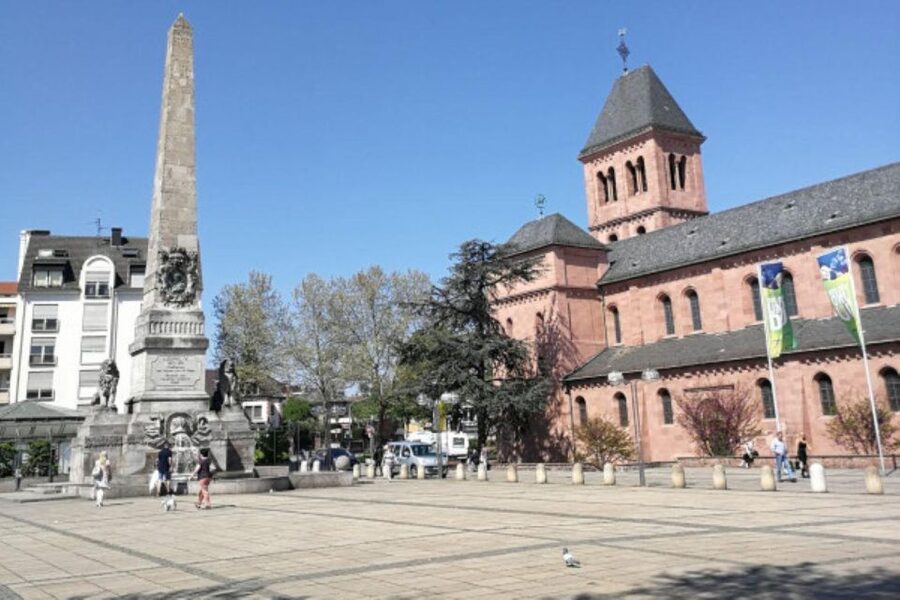
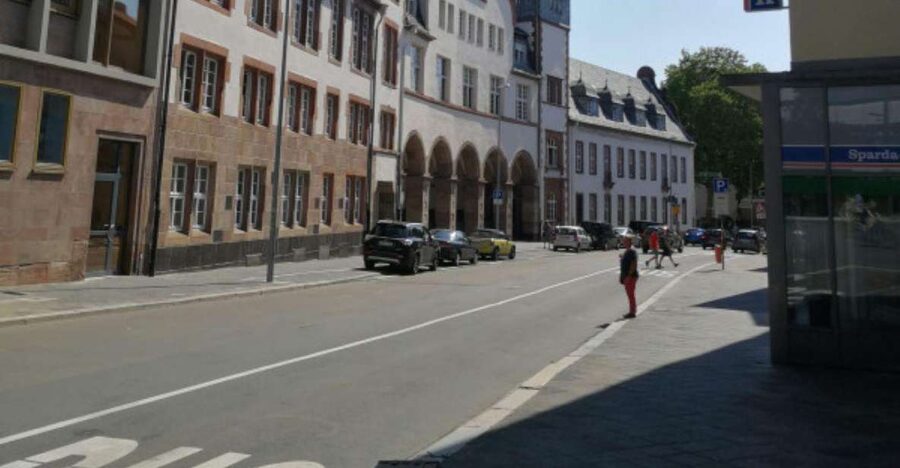
Worms is one of those German cities where history is not locked behind glass. It sits in facades, carvings, and the way streets funnel you toward big landmarks. What makes this tour work is that it teaches you a method for noticing, not just a list of dates.
Heike’s approach focuses on adventurous history and the medieval “visual language” that shaped how people understood power, faith, and identity. You do not need a background in art history to get traction. You also get broader context, meaning the tour does not treat Worms as an isolated stop, it frames events in a wider historical landscape.
Two things I think you will appreciate right away. First, the tour is built to be easy to understand, with historical facts presented in a way that keeps your brain engaged instead of overwhelmed. Second, the guide’s German delivery is designed to be listener-friendly, with clear pronunciation and a pleasant speaking pace.
Finding the Meeting Point at the Dom Entrance
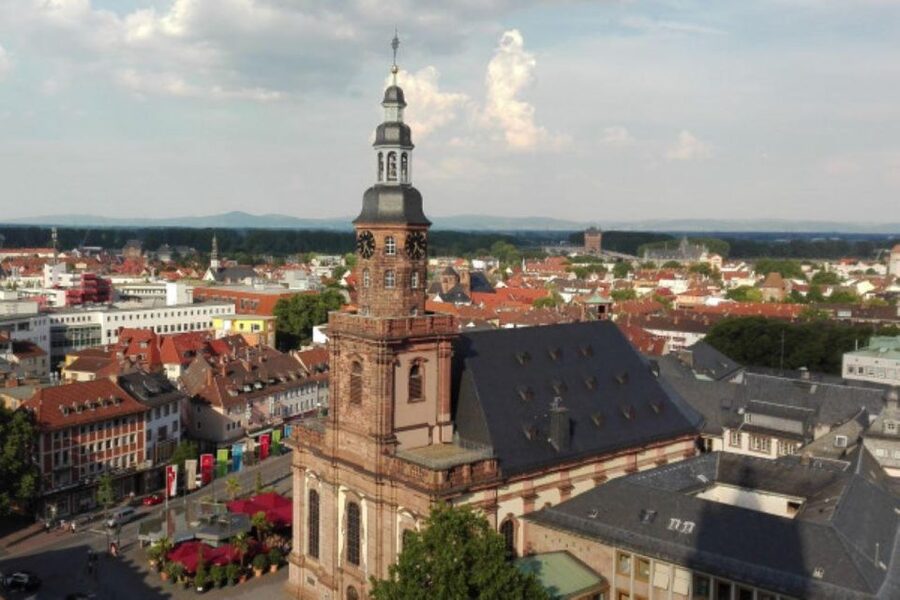
You start at the entrance of the Dom, the heart of the tour’s spiritual lens. This is handy because it gives you a clear “landmark anchor” right at the beginning. Even if your day in Worms is packed, you know where to be and what kind of experience you’re stepping into.
Also, starting at the Dom matters thematically. The tour’s story runs through spiritual locations, and the cathedral area helps you connect symbolism to meaning. If you like tours that begin with the main stage and then circle outward, this one fits that style.
Bring comfortable shoes and dress for weather. The tour is walking-first, and the comfort factor is real, especially if you tend to feel it after 60 to 90 minutes on your feet.
The 2-Hour Format That Keeps You Moving (Without Rushing)
A tight walking tour can go two ways. It’s either a sprint that leaves you with blurry landmarks, or it’s paced in a way that lets you absorb what you’re seeing. Here, the format aims for the second option.
The duration is 2 hours, so you’ll get enough time for story and context, but not so much time that you’ll drift into “checklist mode.” You also get occasional moments to sit and absorb your surroundings, which is not just comfort, it helps your attention reset.
There’s also an important design detail: the tour is described as avoiding constraints related to claustrophobia. That typically means the experience is structured to be more comfortable than cramped, herded-style walking. If you get anxious in tight spaces, this point is worth taking seriously.
How Heike Turns Medieval Imagery Into Real Meaning
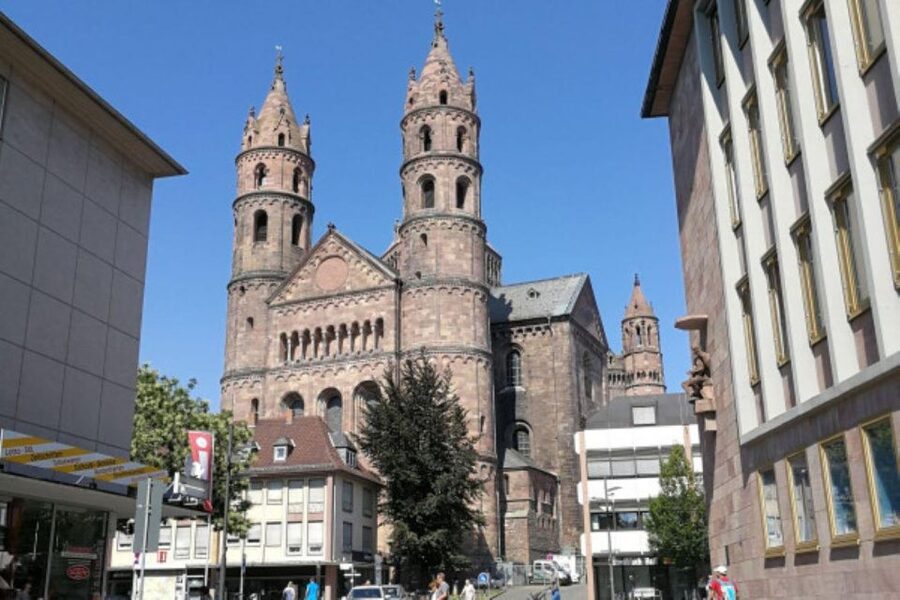
This tour does something smart with medieval history. Instead of treating medieval imagery as decorative, it treats it as communication. You’ll be guided to read what buildings and icons are “saying” through symbols, patterns, and visual cues.
You can think of it like learning a key. Once you have that key, you start noticing more than you would on your own. The guide helps translate visual symbolism into understandable historical meaning, and that shift is what makes the tour feel useful long after you leave the Dom area.
A few practical ways this shows up on the ground:
- You’re not only shown what a structure is, you’re told what visual features can imply.
- You’re guided to connect architecture and iconography to the people who lived around those symbols.
- You get enough historical facts to make the symbolism matter, not just sound interesting.
If you enjoy “see it, understand it” tours, this one delivers. If you hate narrative and want pure monument spotting with no explanation, you might find it too interpretive. But if you like making sense of what’s in front of you, you’ll likely enjoy the payoff.
Reading Worms Through Architecture and Iconography
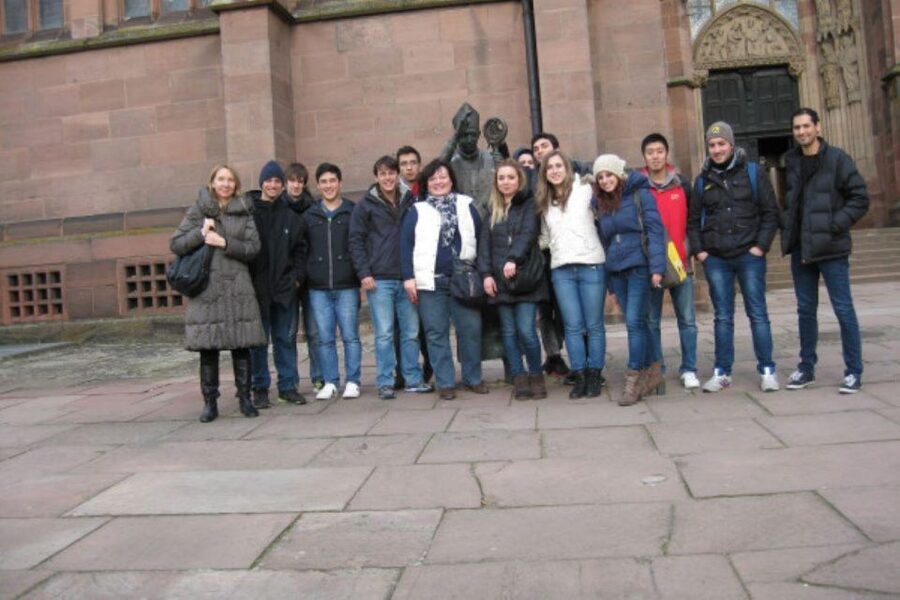
One of the tour’s core promises is that forgotten symbolism in architecture and iconography comes to life. That matters because Worms has layers, and those layers can hide in plain sight if you don’t know where to look.
Here’s what that usually means in a city like Worms, and why it’s valuable for you. Medieval buildings often include visual programs in carvings, reliefs, and decorative details. Those details can reflect religious ideas, social status, local identity, or political messaging. When a guide explains how to interpret them, you stop viewing the city as scenery and start viewing it as a structured message.
Heike also emphasizes clear communication in German, including regional-dialect flavor and clear pronunciation. That combination is not a small detail. When a guide speaks in a way you can follow, you spend more mental energy on the content and less energy on decoding speech.
This also explains why the tour can feel engaging even for people who do not consider themselves “history people.” The focus is not only dates and names. It’s meaning you can spot while you walk.
Places of Remembrance and Worms Memoria, With a Spiritual Lens
The tour does not only focus on medieval symbolism as art. It also connects Worms history to places of remembrance and Worms Memoria. You’re guided through remembrance spaces with an emphasis on spiritual locations, especially the cathedral.
That pairing matters because spirituality often shaped how communities processed trauma, identity, and moral memory. In practical terms, you’re learning to see how religious spaces can function as more than worship sites. They can become anchors for collective memory and local meaning.
What you should expect emotionally is a tone of respectful interpretation. This isn’t a party walk or a casual sightseeing lap. The point is to understand why certain places exist and what they communicate across time.
If your travel style leans reflective, this part of the tour is likely one of the most memorable. If you prefer purely secular, lighthearted content, you may want to balance the tour with a different type of stop later in your day.
Pacing, Breaks, and Comfort on a Walking Day
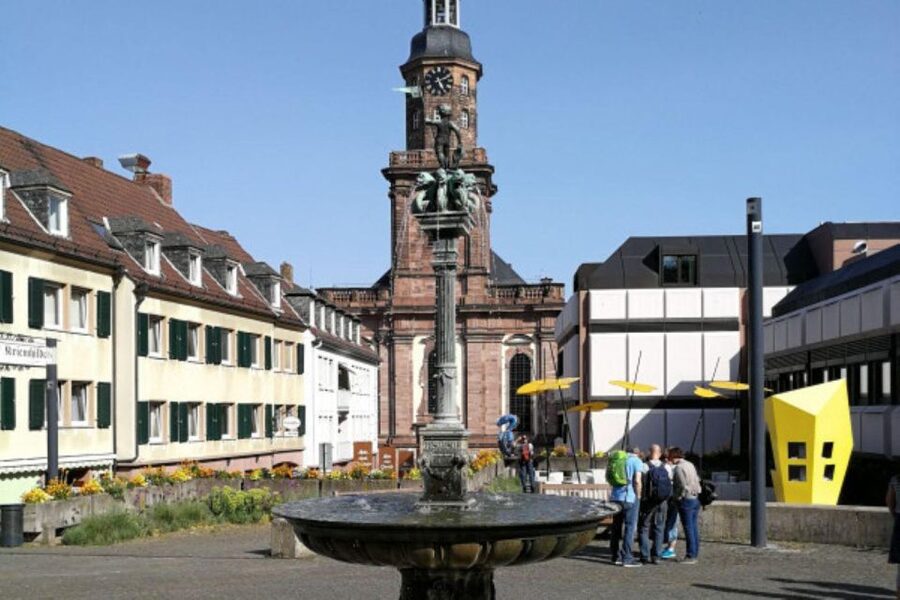
A tour is only as good as how it feels in your body. This one is designed with comfort in mind, including walking pace tailored to interests, your walking ability, and occasional sitting moments. That’s a big deal on a 2-hour schedule.
You’ll get enough time to stay present. Instead of walking past things while your legs complain, you have natural pauses that let the guide’s explanations land. For many people, that transforms “interesting facts” into “I actually remember this.”
It’s also worth repeating who this is not for. The tour is not suitable for people with mobility impairments. If that applies to you, look for alternative options that have step-free routes or seated-friendly formats.
Value: What $11 Buys You in Worms
At about $11 per person, this tour is priced for value in a market where many guided experiences cost far more. For that price, you’re not just buying movement, you’re buying interpretation.
You get:
- A live walking guide experience
- Heike’s contextual storytelling
- Explanations of symbolism in architecture and iconography
- Cathedral-area focus tied to remembrance and meaning
- A structured 2-hour time window
Food and drinks are not included, so plan accordingly. You’ll likely want a light snack before or after, especially if you’re doing this earlier in the day. Even if you’re not hungry, having a plan helps you stay relaxed and listen better.
If you like tours that help you “upgrade” self-guided wandering, this is the kind of experience that pays you back. After the walk, you’ll notice more on your own and you’ll understand what you’re looking at, even if you are not with a guide.
Who Should Book This Worms Historic Walk
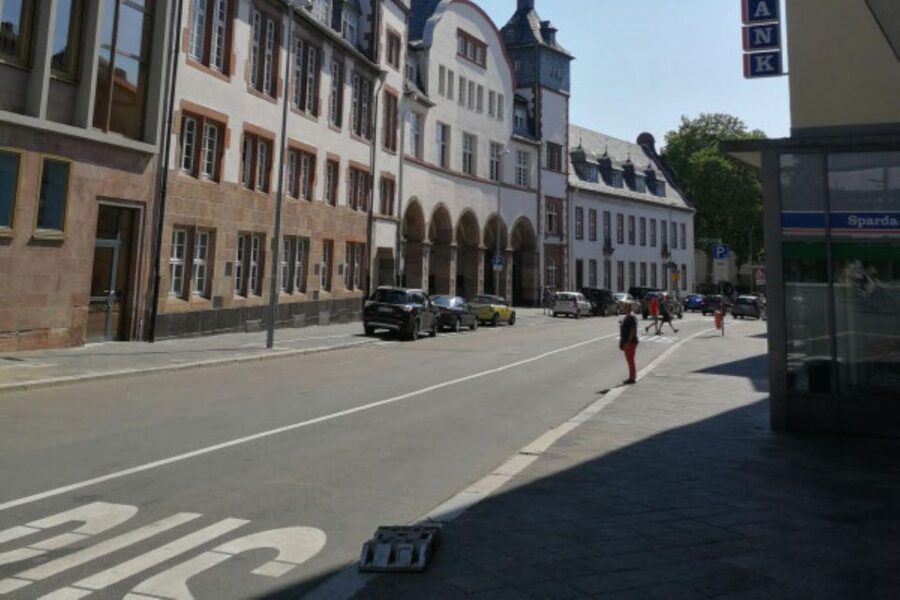
This tour suits you if you want:
- Clear historical storytelling without feeling overwhelmed
- A focus on medieval imagery and how to interpret it
- A guide who explains architecture and iconography in practical terms
- A cathedral-centered route that ties faith, memory, and place together
- A comfortable pace with occasional sitting
It may be less ideal if you want a purely casual stroll with minimal explanation, or if you need wheelchair or step-free access.
Language is German with a live guide. If you are comfortable with German, you’ll likely enjoy the dialect flavor more. If your German is beginner level, you might still follow some meaning through visuals, but the tour is not positioned as English-friendly.
A Practical Plan for Your Day in Worms
To get the best experience, I’d build your day around the tour, not around random timing. Since it focuses on cathedral-area spirituality and symbolism, try to avoid doing something “competing” right before that pulls your attention away.
A good rhythm is:
- Book the 2-hour walk when you are alert.
- Bring water and wear shoes you can trust.
- After the tour, spend extra time at the Dom area so the symbolism explanations can settle in.
If the weather is changeable, dress in layers. The tour is walking, so you’ll feel the outdoors even if breaks happen.
Should You Book Worms Historic Walking Tour With Heike?
If your goal is understanding Worms, not just seeing Worms, book it. The big strength is the guide’s ability to translate medieval iconography and architecture symbolism into something you can follow step by step. The cathedral and remembrance focus also gives the walk weight, not just trivia.
I’d only hesitate if you have mobility needs that make walking difficult, or if you strongly prefer tours that stay strictly neutral and secular. Also, because the experience is German-led, you’ll enjoy it more if you are comfortable in German.
For the price, it’s a smart way to spend a morning or afternoon in Rhineland-Palatinate. You’ll leave with a framework for reading Worms, which is the real souvenir.
FAQ
What is the price of the Worms walking tour?
The price is listed as $11 per person.
How long is the tour?
The tour lasts about 2 hours.
Where do I meet the guide?
Meet at the entrance of the Dom.
Is the tour guided, and what language is it in?
Yes, it is a live guided walking tour, and the guide speaks German.
What is included in the price?
The tour includes the walking tour itself.
What should I wear or bring?
Wear comfortable shoes and bring weather-appropriate clothing.
Centuries Per Block
- Leipzig: City History Canal Sightseeing Tour on a Motorboat
★ 4.7 · 7,671 reviews - Berlin: Natural History Museum Entrance Ticket
★ 4.6 · 3,382 reviews - Leipzig: 1.5-Hour Historical Walking Tour in German
★ 4.7 · 2,217 reviews - Berlin: 3-Hour World Heritage Cruise to Potsdam
★ 4.5 · 1,569 reviews
Cities at Walking Speed
- Discover Berlin Half-Day Walking Tour
★ 5.0 · 9,624 reviews - Berlin City walk Government District and Places of Democracy
★ 4.7 · 8,467 reviews - Berlin: Third Reich & Cold War Guided Walking Tour
★ 4.9 · 8,378 reviews - Munich: Third Reich & WWII Walking Tour
★ 4.6 · 6,181 reviews
Historical Tours, compared.
City History Canal Sightseeing Tour on a Motorboat
Read our review →
Browse the lists this tour appears in