
Reviewed · HISTORICAL TOURS
Where It All Began: Berlin’s Queer & Trans History Tour
Berlin’s queer history tour hits hard. This 3-hour walk maps the rise of LGBTQIA+ rights, trans visibility, and nightlife, using AR and 200+ rare media clips.
I really like two things here: the tour’s 200+ archival photos, videos, and rare audio clips, and the fact it stays small, limited to 10 people, so the guide can include you and answer questions. The route also ends in an easy-to-find area, so you can keep your evening going after.
One possible drawback: this tour covers heavy, sensitive topics, including Nazi persecution, HIV/AIDS, and sexual content, and some stops can feel loud or visually intense. If you want a light, stop-and-smile sightseeing stroll, this is not that kind of tour.
In This Review
- Key things you’ll notice on this tour
- Why Berlin starts at the Nollendorfplatz area
- Meet Jeff, the guide who blends activism with education
- A 3-hour multimedia tour, not just a lecture
- The early movement: Ulrichs to Hirschfeld and the first gender-affirming ideas
- Lesbian nightlife and feminist resistance in 1920s Berlin
- Nazism, persecution, and the push to make people disappear
- AIDS crisis and activism in divided Berlin
- From Berlin’s underground to Berghain, Dyke March, and Folsom Europe
- Walking the stops: what each point adds to the story
- Price and value: what you get for about $81
- Who should book, and who should skip it
- Quick practical tips before you go
- Should you book this Berlin queer and trans history tour?
- FAQ
- How long is the tour?
- How much does the Berlin Queer and Trans History Tour cost?
- What language is the tour guide?
- Is the group size small?
- Does the tour include AR experiences?
- What kind of content topics are covered?
- Is it suitable for children?
Key things you’ll notice on this tour
- A queer activist and gender scholar as your guide: you get academic grounding plus real-world community awareness.
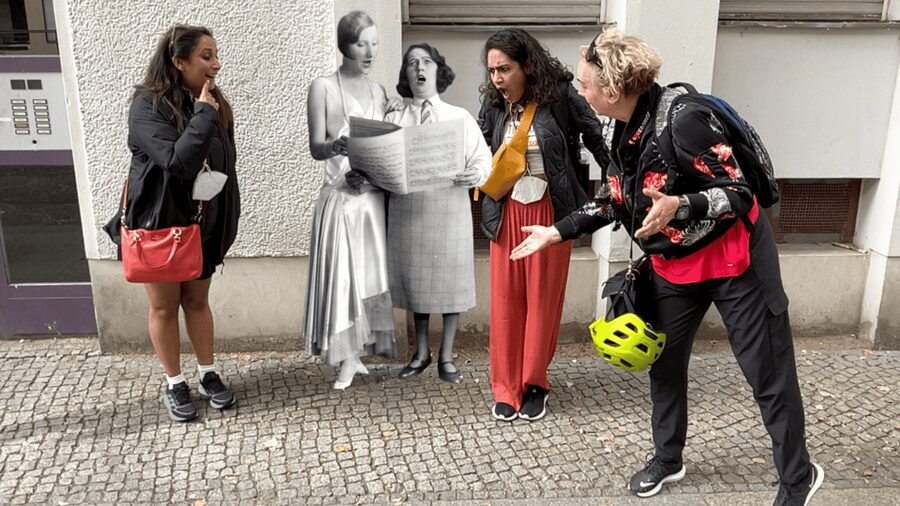
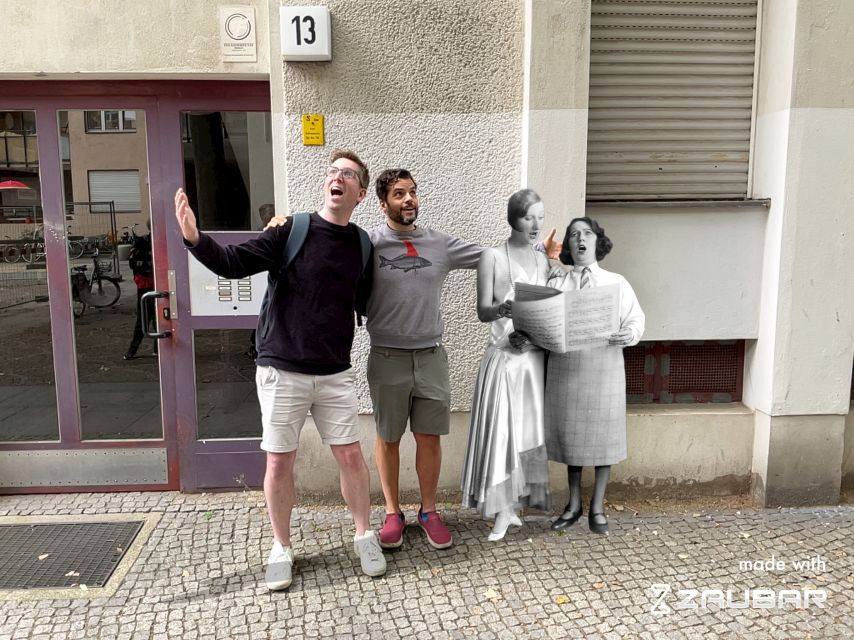
- AR Mixies selfies with historic figures: you get personalized photos you can actually keep.
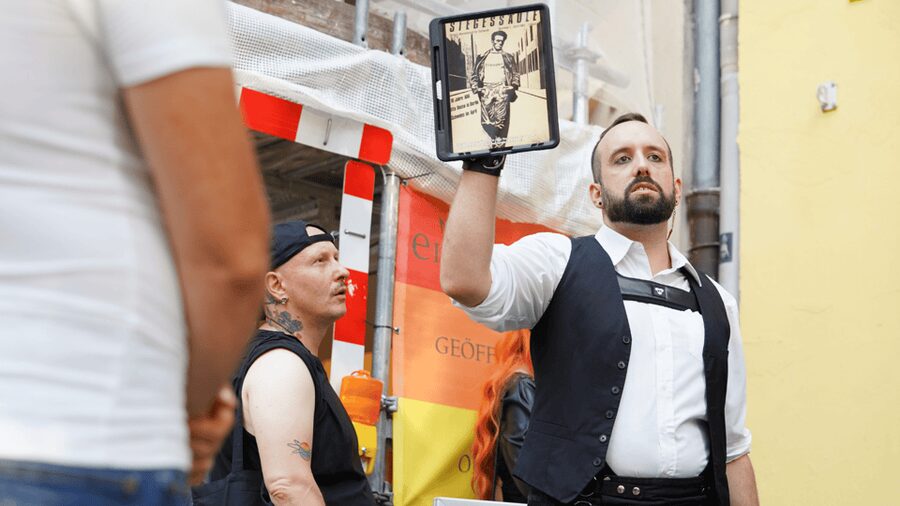
- 200+ archival photos, videos, and rare audio clips: this is more than talking, you see and hear.
- Quiz questions as you walk: it keeps the momentum and helps facts stick.
- Trans history you might not expect: the tour covers early gender-affirming surgeries and how trans people lived with “transvestite certificates.”
- Nightlife links from the 1920s to today: it ties queer resistance to the club culture you can still experience in Berlin.
Why Berlin starts at the Nollendorfplatz area
Berlin is where the modern LGBTQIA+ movement really took shape, and this tour grounds that claim in the streets you can still stand on. The walking loop centers around the Nollendorfplatz area, a part of town that sits at the crossroads of nightlife, activism, and public memory.
You meet in front of Alnatura Super Natur Markt at Else-Lasker-Schüler-Straße 18, and you finish back at Nollendorfplatz. That start and end matter because it keeps the tour practical: you can plan a dinner after without needing to track a complicated route across the city.
More centuries per city block:
- Berlin: Natural History Museum Entrance Ticket
★ 4.6 · 3,382 reviews - Berlin: 3-Hour World Heritage Cruise to Potsdam
★ 4.5 · 1,569 reviews - Berlin: History of the Third Reich Guided Walking Tour
★ 4.7 · 791 reviews
Meet Jeff, the guide who blends activism with education
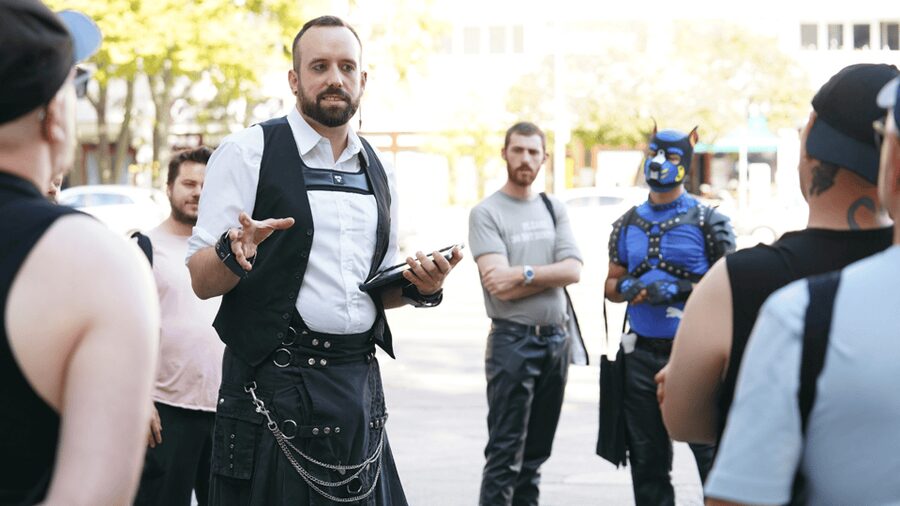
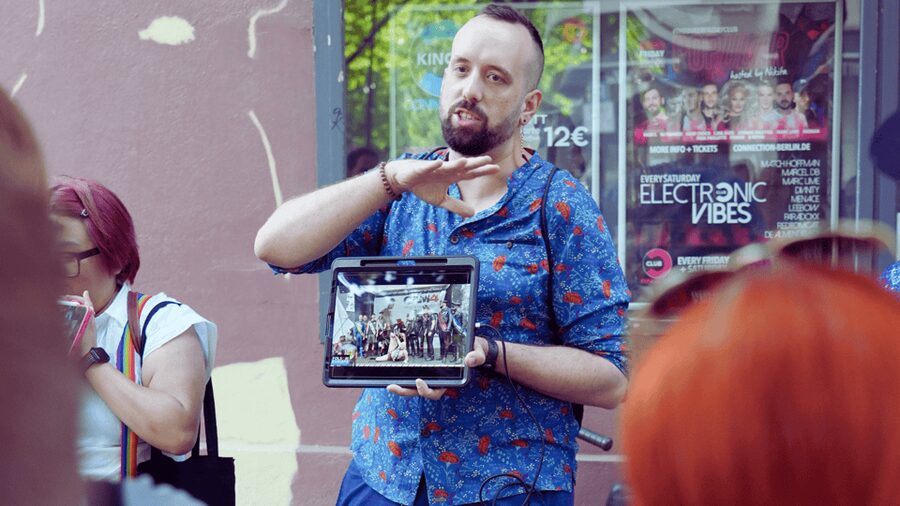
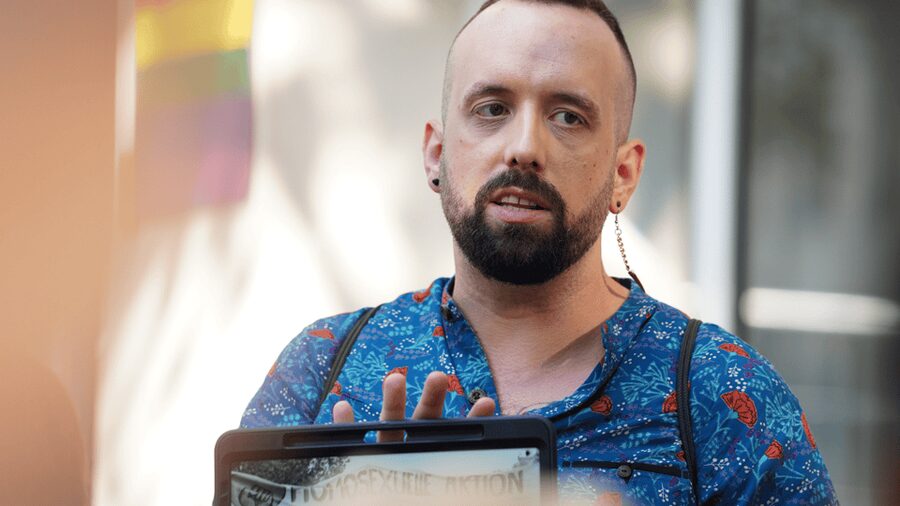
This tour is led by a queer activist and gender scholar, and the format is designed to feel both personal and structured. The guide is described as a queer activist, social scientist, and certified sex educator, which helps you understand why the stories come with context, not just names and dates.
In the reviews, people specifically praised Jeff’s research and his ability to include everyone. That inclusion shows up in how the tour works: there are interactive quiz moments, AR activities, and built-in room for questions when the group size allows it.
If you like your history with human stakes, not just timelines, this is the kind of guide style that fits.
A 3-hour multimedia tour, not just a lecture
The big difference is the way the tour uses media. You’re not only walking and listening. You’re watching and hearing: 200+ archival photos, videos, and rare audio clips support what the guide is explaining.
On top of that, you’ll encounter interactive AR scenes. The “Mixies” concept is part of that, too. You take AR selfies with historic figures, so you can connect the past to your own perspective in a concrete, visual way.
And yes, there are quizzes. They’re not there to test you like school. They act like little checkpoints so the story stays in your head instead of slipping past.
The early movement: Ulrichs to Hirschfeld and the first gender-affirming ideas
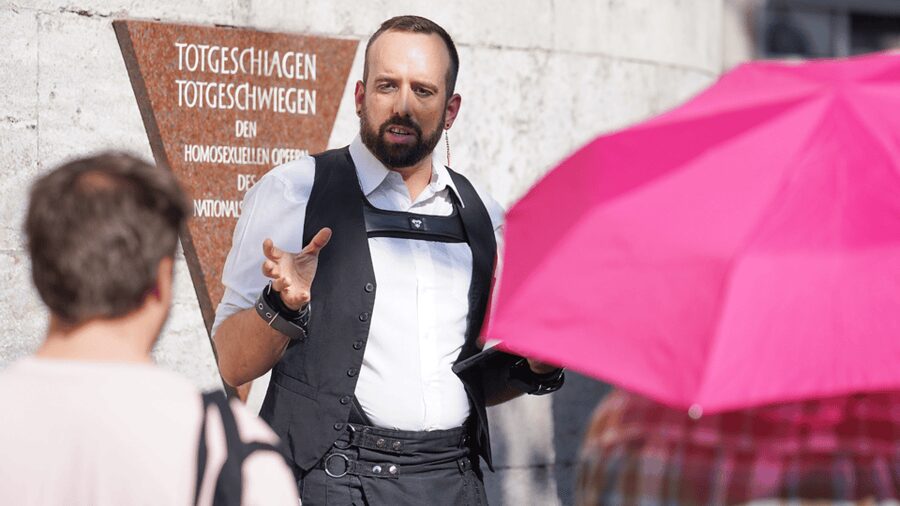
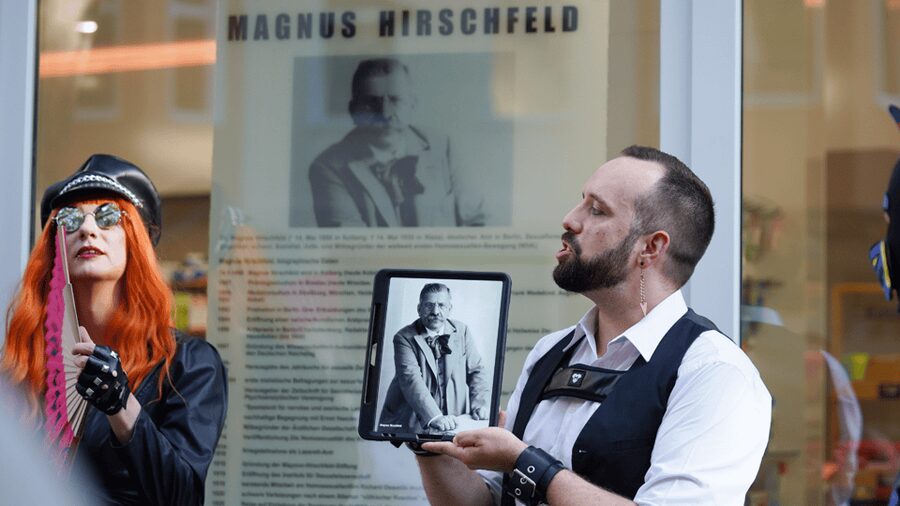
One of the tour’s strongest themes is how early LGBTQIA+ activism developed in Berlin. The walk includes key steps connected to Karl Heinrich Ulrichs and Magnus Hirschfeld, pioneers associated with launching one of the first organized LGBTQIA+ rights movements.
You’ll also learn about the world’s first trans identities and how trans people navigated visibility in a time when official systems could be both oppressive and, in certain cases, strangely defining. The tour mentions gender-affirming surgeries and how trans people lived openly with “transvestite certificates.”
What I like about including this is that it doesn’t treat trans history like a footnote. It treats it as foundational, including how it was later targeted and erased.
Lesbian nightlife and feminist resistance in 1920s Berlin
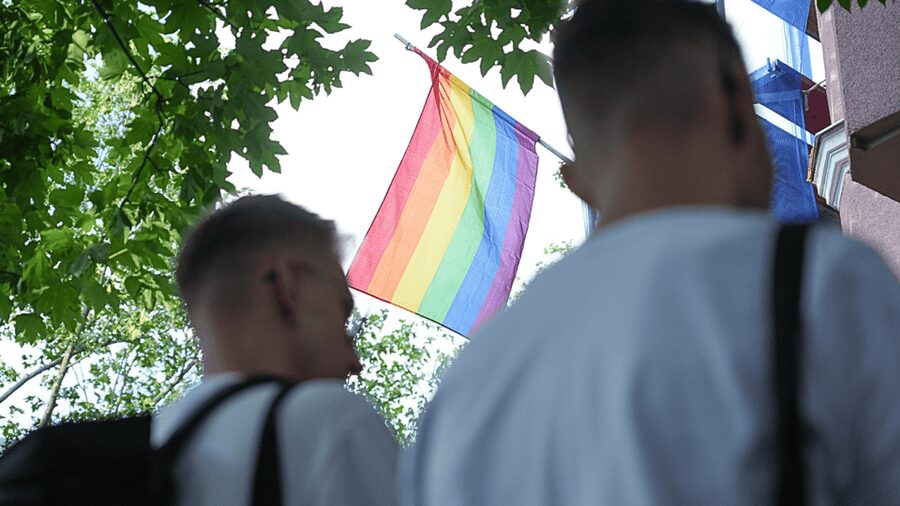
Berlin’s queer women didn’t just “have bars.” They built social worlds. This tour spotlights lesbian nightlife and feminist movements, focusing on 1920s spaces where queer women found community and resistance.
The guide mentions icons such as Claire Waldoff and Marlene Dietrich, and it also brings Josephine Baker into the picture. That matters because it shows how queer expression was not limited to one scene. It moved through performance, nightlife, public attention, and cultural influence.
If you’re into nightlife history, this is where the tour starts to feel especially cinematic. You’ll connect cabarets, bars, and underground clubs to the idea that nightlife was also political space.
Also holding a platform in Berlin



Nazism, persecution, and the push to make people disappear
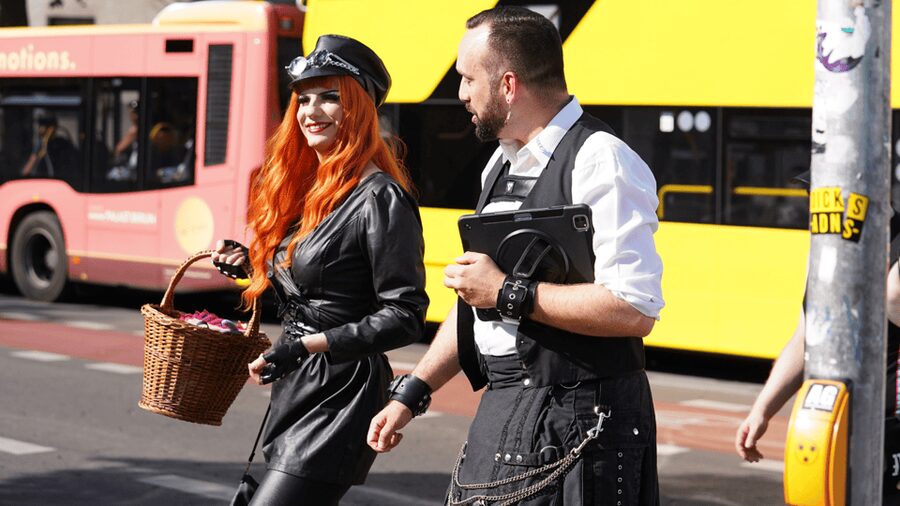
The tour then turns darker, as it should. It covers queer resistance under the Nazis and explains the contradictions around Hitler’s stance on homosexuality, alongside the persecution of queer people and their presence in concentration camps.
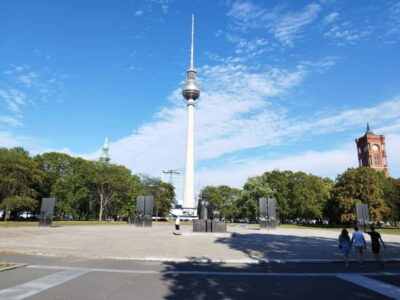
There’s a specific stop tied to memory work: the Internationale Stele GEGEN DAS VERGESSEN. That name signals the tour’s purpose here. It’s not just history for trivia. It’s history with a moral job: to prevent erasure.
Practical note: the tour includes content that can be triggering. Topics listed include antisemitism, racism (including sexualized racism), homophobia, transphobia, and queerphobia, plus discussion of (mass) murder and sexualized violence. Go into this prepared, and if you need a slower pace, say so early.
AIDS crisis and activism in divided Berlin
After the Nazi era comes another turning point: the AIDS crisis and queer activism in divided Berlin. This is where the tour connects history to how communities survive when institutions fail.
You’ll learn how Berlin’s LGBTQIA+ community fought for survival during the AIDS crisis and how SchwuZ became an activist hub. The tour also includes a striking phrase about the Berlin Wall, described as the condom of the GDR, which gives you a quick way to remember how public life, health, and politics intersected.
This part is important for your understanding of Berlin’s later reputation as a club-and-pride city. Because the tour argues, without just saying it, that nightlife isn’t only entertainment. It’s also infrastructure for community when politics are hostile.
From Berlin’s underground to Berghain, Dyke March, and Folsom Europe
Then you get the story of influence. The tour links Berlin’s LGBTQIA+ culture to global nightlife and Pride movements.
It names Berlin’s legendary club scene from earlier sites like Chez Romy Haag through places you’ll likely recognize today, including Berghain. You’ll also hear how Pride events like the Dyke March and Folsom Europe continue a legacy built on earlier forms of queer organizing.
This is where the tour becomes useful even if you’re not planning to party that night. You walk away with a map in your head, so when you see nightlife spots in Berlin, you can interpret them as part of a longer social movement.
Walking the stops: what each point adds to the story
Here’s how the route feels, stop by stop, and why each location matters.
You start at Alnatura Super Natur Markt near Nollendorfplatz. It’s a clean meeting point and helps you orient before the timeline starts.
Next is Karl-Heinrich-Ulrichs-Straße, a logical place to begin with the early movement tied to Ulrichs. The guide uses this moment to set the foundation: Berlin as a starting point for organized LGBTQIA+ activism.
Then you hit a hidden gem stop. Since the tour doesn’t just march through big-name sights, this kind of detour helps you connect stories to less obvious spaces, which is often where local history becomes real.
Schwerinstraße is another segment of the walk, used to keep the timeline moving while you stay in the same general area of queer significance.
Nollendorfstraße continues the street-level feeling. Rather than isolating history in museums, you see it as something woven into daily life in the neighborhood.
At Magnus-Apotheke, the tour shifts toward Magnus Hirschfeld and the trans-related stories the guide highlights, including early gender-affirming ideas and how legal categories affected people. Even if you’ve heard parts of this before, the multimedia approach tends to make it feel newly grounded.
You then pass Denns BioMarkt and Prinz Eisenherz. These stops keep the tour anchored in what Berlin looks like now. The guide uses the contrast to show that the city’s queer past did not vanish. It simply layered into the present.
After that comes Connection Club, a nightlife link that helps the story connect from resistance to modern club culture.
The tour then visits the Internationale Stele GEGEN DAS VERGESSEN monument, where the mood is clearly heavier and the focus shifts to memory and responsibility.
Finally you reach Metropol before finishing at Nollendorfplatz. Metropol works like a capstone, helping you understand Berlin as a place where queer life has repeatedly been policed, suppressed, and then rebuilt.
One more practical thing: some paths may be bumpy. The route is wheelchair accessible, but you should plan for uneven ground and follow the guide’s movement instructions.
Price and value: what you get for about $81
At $81 per person for 3 hours, the best way to judge value is by what’s included. This isn’t just “a guide talking while you walk.”
You’re getting:
- a small group format (limited to 10),
- AR Mixies selfies you can keep,
- 200+ rare archival media items,
- interactive quizzes,
- and insider tips for modern queer nightlife and events.
If you love history, multimedia makes it stick. If you love nightlife, the AR and the club-to-Pride connections give you more than a list of venues. And if you want an authentic queer Berlin experience, the guide’s activism and sex education background changes the tone from generic sightseeing to something more human.
Who should book, and who should skip it
This tour is a strong fit if you’re one of these:
- LGBTQIA+ travelers and allies who want authentic queer history, not sanitized facts
- history lovers who want the stories of queer and trans resistance in real places
- Berlin locals who want to connect with the city’s queer heritage
It’s specifically said to be not suitable for children under 18, which matters if you’re traveling as a family.
Because the tour includes discussions of sensitive topics, it may not be a match if you need a low-stimulation, low-emotion experience. Some parts can involve bright lights or loud noises, and the content notes list topics that can be triggering. If any of those subjects are hard for you right now, treat this as a “know thyself” moment.
Quick practical tips before you go
- Wear comfortable clothes and choose weather-appropriate layers. You’ll be walking for about 3 hours.
- Expect sensory input in some areas, with possible loud sounds or bright visuals during multimedia parts.
- If you need accessibility support, the tour route is wheelchair accessible, and accessible toilets can be arranged upon request.
- Videos have subtitles in German and English or both.
- For guests with visual disabilities, the guide can describe visual materials.
Should you book this Berlin queer and trans history tour?
If you want Berlin history that connects directly to identity, activism, and nightlife culture, this is an excellent choice. The small group format plus AR Mixies, 200+ archival clips, and quizzes makes it feel more like learning with tools than listening to a standard walking lecture.
I’d pass on it only if you strongly prefer light sightseeing or if the listed content topics sound like a poor fit for your comfort level. Otherwise, it’s one of the few ways to understand why Berlin’s queer life is not just a scene, it’s a long, complicated survival story.
FAQ
How long is the tour?
The tour lasts 3 hours.
How much does the Berlin Queer and Trans History Tour cost?
It costs $81 per person.
What language is the tour guide?
The tour is guided in English.
Is the group size small?
Yes. The group is limited to 10 participants.
Does the tour include AR experiences?
Yes. You can take Mixies AR selfies with augmented reality elements using historic figures.
What kind of content topics are covered?
The tour includes sensitive historical and social topics such as Nazi Germany and (mass) murder, HIV/AIDS, drugs, and sex-related subjects. It also includes discussion of antisemitism, racism, homophobia, transphobia, and queerphobia.
Is it suitable for children?
No. It is not suitable for children under 18.
Fresh on the arrivals board for Berlin
Historical Tours, compared.
City History Canal Sightseeing Tour on a Motorboat
Read our review →
Browse the lists this tour appears in