
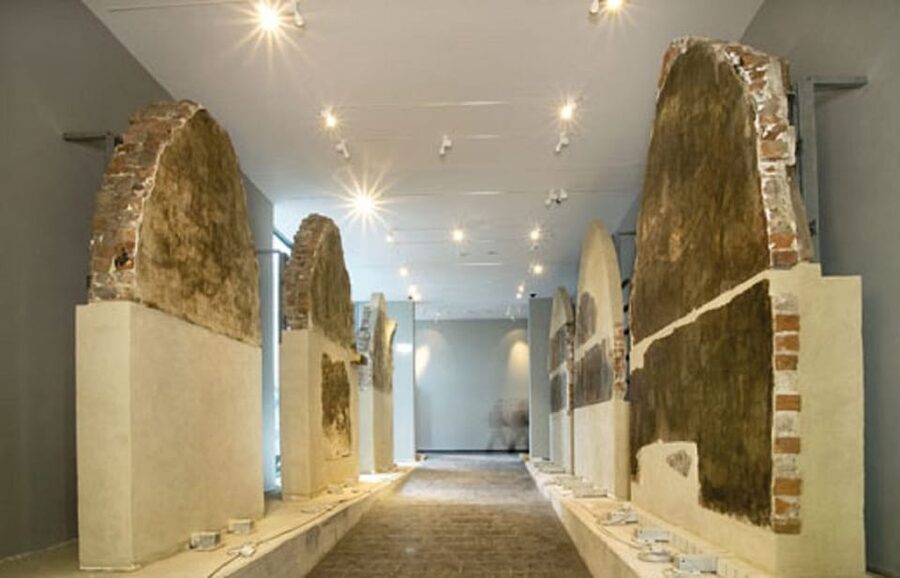
Reviewed · WALKING TOURS
University of Leipzig: Guided Campus Walking Tour
A campus tour that tells the why. Leipzig University at Augustusplatz turns architecture into story, especially at New Augusteum and Paulinum, where you can see the newest campus buildings and, when timing allows, step inside. I also love how the walk connects the vanished Paulinerkirche to today’s campus life, and it points out where famous alumni like Goethe and Friedrich Nietzsche once studied.
One thing to consider is that the tour is German-only, and interior access can depend on whether university events are happening. If you’re expecting guaranteed access to every classroom or library room, that flexibility matters.
In This Review
- Key points worth your time
- Augustusplatz: where old university roots meet new buildings
- Price and time, with real value math
- Meeting at the New Augusteum information counter
- New Augusteum and Paulinum: architecture with a purpose
- Planning behind the new campus buildings
- The Paulinerkirche and the idea of a vanished church
- Where art treasures fit into a working campus
- Goethe, Nietzsche, and the alumni story you can actually place
- Inside when there are no events, and what that means for your expectations
- Guide quality is the swing factor
- Logistics that matter: language, walking pace, and accessibility
- Who should book this Leipzig campus walking tour
- Should you book this 1.5-hour campus walk?
Key points worth your time
- New campus planning explained: you learn the thinking behind the newer buildings, not just what to photograph.
- New Augusteum and Paulinum stops: you’ll focus on these two landmark structures, with interior time when possible.
- The Paulinerkirche story: you’ll hear how the university church’s history shaped the campus over time.
- Art and academic treasures: you get pointers on where artistic works fit into the university setting.
- Famous alumni with real locations: you’ll hear which big names studied here, then connect them to what you’re seeing.
- A 90-minute format: enough time to feel oriented, not so long you lose the plot.
Augustusplatz: where old university roots meet new buildings
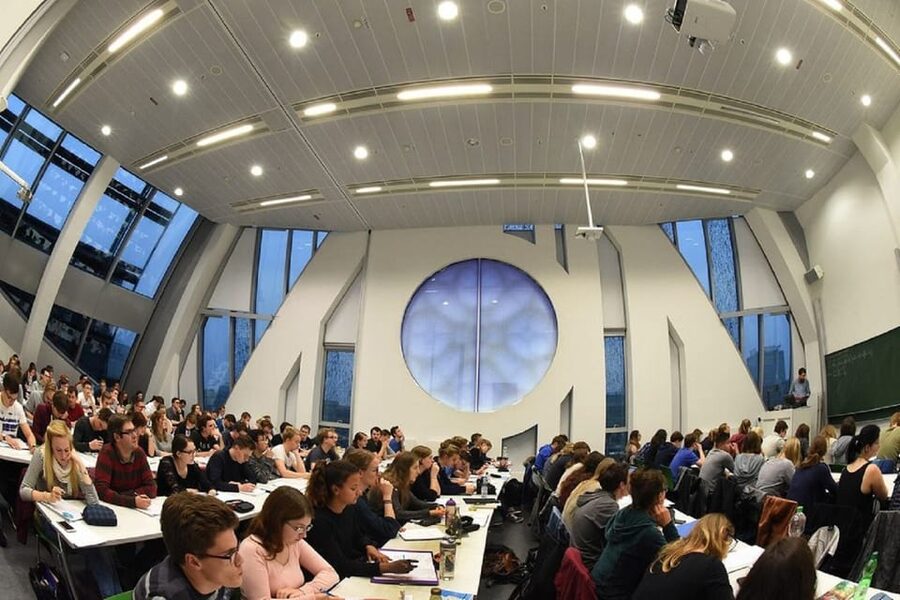
Leipzig University can feel like a city within a city, but Augustusplatz gives you a clear anchor. The campus is built in layers, and this tour helps you read those layers in the right order, from the big founding story to the modern structures you’d otherwise just pass by.
The main benefit is that you’re not only looking at façades. You’re learning how the university has kept teaching and research going for centuries, then applying that continuity to what you see today.
More Walking Tours in Leipzig
- Leipzig: 1.5-Hour Historical Walking Tour in German
★ 4.7 · 2,217 reviews - Leipzig: 2-Hour Guided Walking Tour in German
★ 4.8 · 1,612 reviews - 1.5 hour walking tour through beautiful Leipzig
★ 4.6 · 292 reviews
Price and time, with real value math
The tour runs about 1.5 hours and costs $15 per person. For that price, you’re paying for a live guide and a guided route that makes the campus legible fast.
This is good value if you like architecture, institutional history, or simply want context before you wander on your own afterward. It is not a good fit if you expect a long, inside-only university day with multiple rooms and guaranteed access to lecture halls or the library. The format is a walking tour, and interior stops are conditional.
Meeting at the New Augusteum information counter
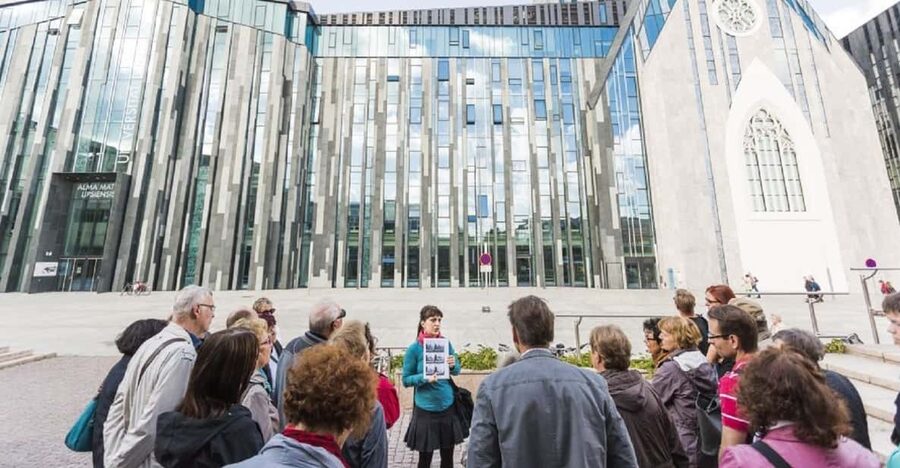
You meet at the information counter on the ground floor of the New Augusteum. This matters because it sets you up at the start point where the guide can give orientation, then move you through the campus with minimal backtracking.
Arrive a few minutes early if you want an easy start. You’ll likely want time to check in, get your bearings, and be ready to walk without rushing.
New Augusteum and Paulinum: architecture with a purpose
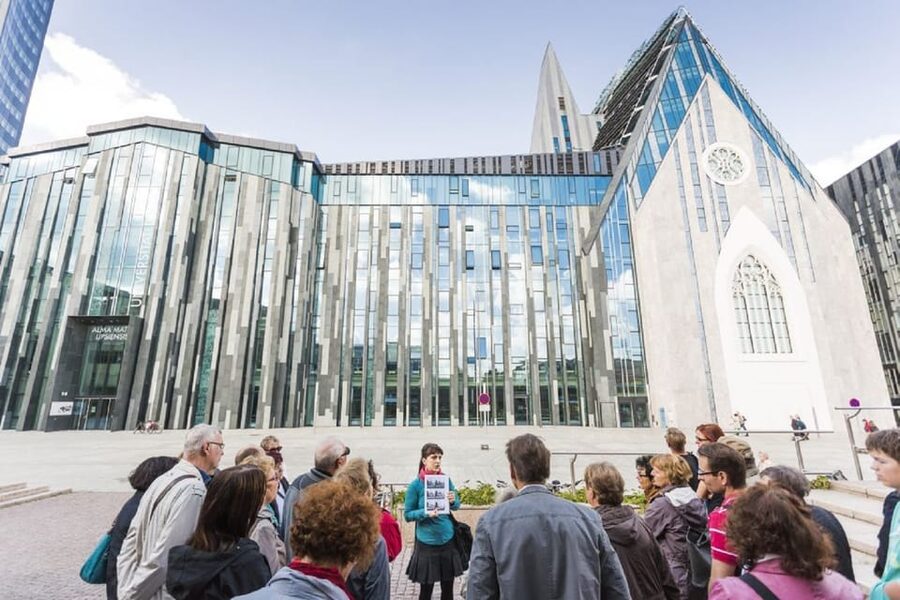
This tour is built around two modern focal points: the New Augusteum and the Paulinum. That pairing is smart, because it lets you compare how different buildings serve the university, while still keeping the walk compact.
When access allows, you can tour the interior. Even when you cannot, the guide’s framing helps you notice details you might otherwise skip: how the space supports academic work, how the building’s role connects to the campus story, and how the newest structures sit alongside the older atmosphere of Leipzig.
I like that the tour doesn’t treat architecture like a postcard. You get the planning ideas behind the new campus buildings, and the guide explains what those decisions mean in plain terms.
Planning behind the new campus buildings
One of the best parts is learning the logic of the newer development. You’ll hear about the ideas that went into planning these buildings, which turns your photos into something more useful than decoration.
Why this matters to you: university campuses can look chaotic if you’re visiting cold. With the planning story, you start understanding why pathways, entrances, and key buildings are positioned where they are.
It also helps if you’re the type who likes to see the “why” behind what governments and institutions build. The tour makes it clear that a campus is an ongoing project, not a finished monument.
More German cities at walking speed:




The Paulinerkirche and the idea of a vanished church
You’ll also hear about the university church story, the Paulinerkirche, including how it was eliminated. Even if you never saw the original space, the guide’s explanation gives you a mental map of how the campus identity changed.
This is more than trivia. A university church is often a landmark for rituals, ceremonies, and symbolic identity. When it’s gone, the surrounding spaces and traditions do not disappear, they just get re-routed into other parts of campus life.
So when you hear this part of the story, look at the buildings around you and imagine the campus as a place that used to center faith and scholarship in the same physical space. That perspective makes the walk feel like it’s moving through time, not just over pavement.
Where art treasures fit into a working campus
Another value point is that the guide mentions where art treasures can be found. The key here is that you’re not chasing a museum. You’re learning where visual culture lives inside an institution that still functions as a university.
That’s a different kind of art experience, and it’s often the kind you only get with a guide who knows what to point out. If you like the feeling of standing near something meaningful but still functional, you’ll probably enjoy this angle.
If your goal is strictly maximum museum time, this may feel more like orientation with highlights. But if you want a campus that feels human, not sterile, the art pointers help.
Goethe, Nietzsche, and the alumni story you can actually place
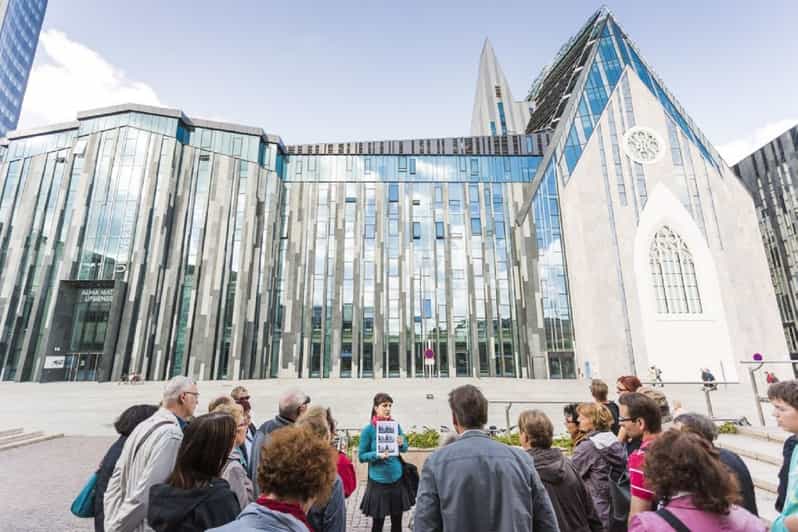
One of the fun parts is connecting famous alumni to the physical campus. The tour specifically highlights big names like Goethe and Friedrich Nietzsche, and it uses them to make the university story feel real.
The tour also frames the breadth of the university’s influence by naming alumni that range across centuries and fields. You’ll hear about people including Leibniz, Robert Schumann, Richard Wagner, Tycho Brahe, Georgius Agricola, Angela Merkel, and nine Nobel laureates associated with the university.
Here’s why this helps you: names are easy to forget unless you tie them to a location or a building type. This tour gives you just enough geography to remember what you learned when you walk away.
Inside when there are no events, and what that means for your expectations
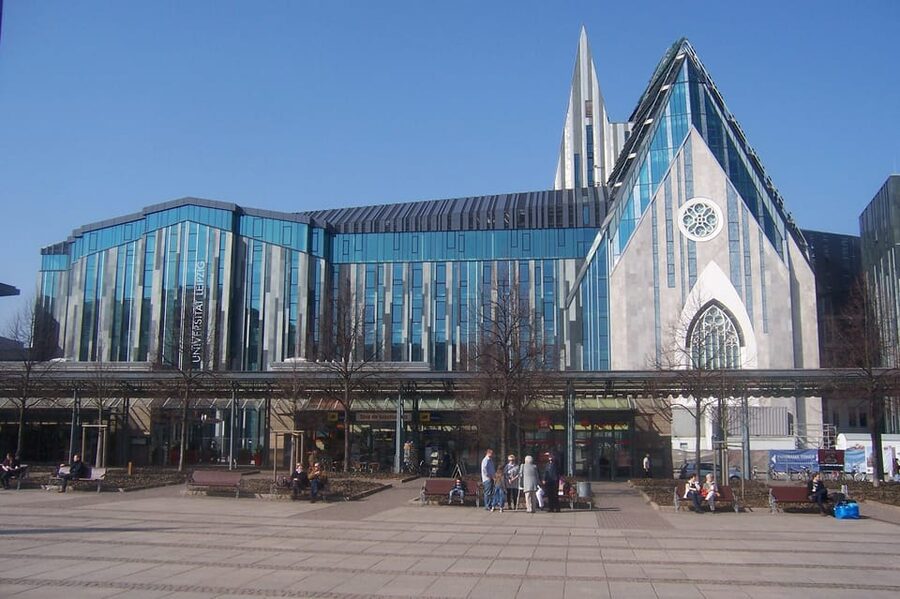
The tour can include interior visits of key buildings if no university events are taking place. That’s the line between a “guided walk with context” and a “guided walk plus rooms.”
So, set your expectations accordingly. If you’re visiting on a day when the university has active programming, you might spend more time in public or accessible areas. If the schedule is quiet, you’re more likely to get the interior experience.
If your priority is interiors and closed-door spaces, consider planning around times you think the campus might be less scheduled. The tour’s exact access will still depend on what’s happening that day.
Guide quality is the swing factor
The experience depends a lot on the guide’s style and pacing. When the guidance is strong, you get clear explanations and a lively flow of facts that don’t feel like memorizing.
I saw this in the way guides like Max were able to make the history land well. The lesson for you is simple: this tour works best when you treat it like a conversation. If you’re willing to ask questions and listen for the logic behind the story, it plays to the tour’s strengths.
On the other hand, if you want a super relaxed, purely observational experience with minimal Q and A, you may find that a more interactive style can feel too intense. The route can still be worth it, but your enjoyment may hinge on how the guide manages the group.
Logistics that matter: language, walking pace, and accessibility
The tour is live and in German. That’s the biggest practical detail you should plan around. If you don’t read German well, this becomes a harder experience to enjoy, unless you’re comfortable following architecture explanations without understanding every word.
The good news is that it’s wheelchair accessible, so you can consider it if mobility is a concern.
Because it’s a campus walking route, comfortable shoes matter. You’ll be on your feet for the full 1.5 hours, plus a short time before the start.
Who should book this Leipzig campus walking tour
Book this tour if you want an efficient way to understand Leipzig University as a real place, not a random collection of impressive buildings. It’s ideal for you if you care about the planning behind campus architecture, like stories that connect buildings to institutions, or want quick context for famous alumni names.
It’s also a solid first stop if you plan to explore the campus on your own afterward. You’ll leave with a mental map, so your independent wandering feels intentional.
Skip or rethink it if you only want maximum interior access. Since interiors depend on whether university events are happening, you could feel disappointed if you were hoping for a guaranteed look into every notable room.
Should you book this 1.5-hour campus walk?
Yes, if German is doable for you and your goal is context. This tour is a good value at $15, and it does what it promises: it focuses on the newest standout buildings at Leipzig University, explains the planning ideas behind them, and connects the Paulinerkirche story plus famous alumni to what you see.
No, if you want a mostly museum-style experience with guaranteed access to major rooms like lecture halls or the library. Even with a great guide, interior time is conditional.
If you’re flexible and you want your first hour and a half at Leipzig University to feel organized and meaningful, this tour is a strong bet.
Fresh on the arrivals board for Leipzig






Walking Tours, compared.

Berlin City walk Government District and Places of Democracy
Read our review →


Berlin’s Best: 2 Hour Walking Tour Third Reich and the Cold War
Read our review →
Browse the lists this tour appears in